6 Spots You Should Never Plant Azaleas In Your Georgia Backyard
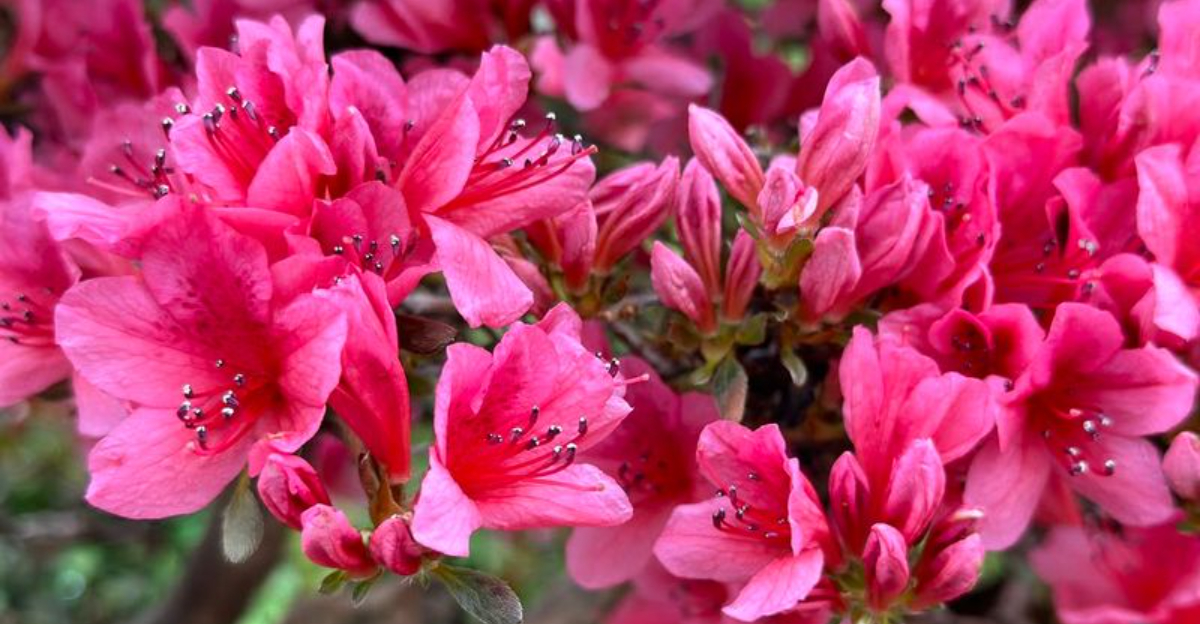
Azaleas can add bright color and Southern charm to a Georgia backyard, but putting them in the wrong place can cause more stress than beauty. Many gardeners plant first and think later, only to end up with weak growth, drooping leaves, or very few blooms.
The problem usually isn’t the plant, it’s the location. Too much sun, poor drainage, crowded roots, or even nearby structures can slowly damage azaleas without you noticing at first.
Small mistakes can lead to big problems over time. Knowing which areas to avoid can save you money, effort, and disappointment.
Once you understand the hidden trouble spots in your yard, you can make smarter planting choices and give your azaleas the conditions they need to grow strong, stay healthy, and show off their best color every season.
1. Full Sun Locations Without Afternoon Shade
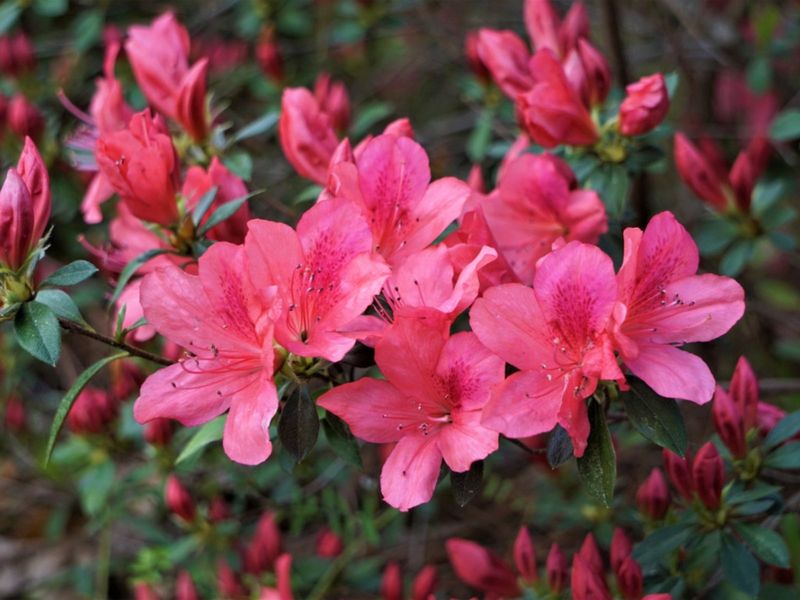
Blazing Georgia sunshine might seem like a blessing for all plants, but azaleas actually prefer a different light situation than you might expect.
These flowering shrubs originally come from woodland environments where they grew beneath the canopy of taller trees, receiving filtered light rather than constant direct sun.
When you plant azaleas in spots that get full sun all day long, especially during those scorching Georgia afternoons, the leaves can develop brown edges and the blooms may fade quickly or fail to appear at all.
Morning sun works wonderfully for azaleas because it’s gentler and helps dry dew from the leaves, reducing disease problems. But that intense afternoon sun common in Georgia from May through September can stress these shrubs significantly.
The heat causes them to lose moisture faster than their roots can replace it, even with regular watering.
Look around your Georgia yard for spots that receive morning light but gain shade as the day progresses. The east side of your home, under the high canopy of pine or oak trees, or near taller shrubs that block western sun are all better choices.
Many successful Georgia gardeners position their azaleas where they get about four to six hours of morning sun and protection during the hottest part of the day.
If you’ve already planted azaleas in full sun, you might notice they require much more frequent watering and still look stressed. Consider transplanting them to a more suitable location or creating shade by adding a small tree or structure nearby.
Your azaleas will reward you with lusher foliage and more abundant blooms when they’re not constantly battling intense sunlight in your Georgia landscape.
2. Areas With Heavy Clay Soil And Poor Drainage
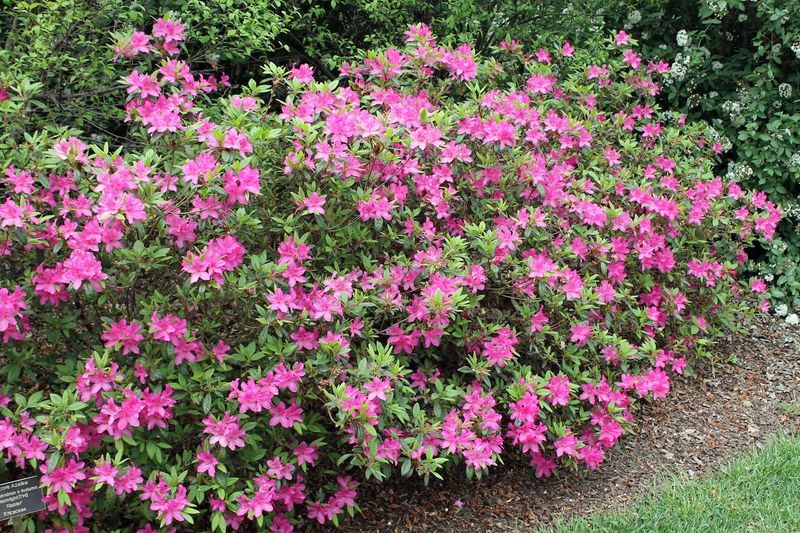
Georgia’s red clay soil is famous throughout the South, but it’s definitely not a friend to azaleas. This dense, compacted soil holds water like a bucket, creating conditions that azalea roots absolutely cannot tolerate.
When water sits around the roots instead of draining away, the roots suffocate because they need oxygen to function properly. You’ll notice your azaleas developing yellow leaves, dropping foliage, and generally looking miserable in these waterlogged conditions.
Azaleas need soil that drains well while still retaining some moisture. Their fine, shallow root systems spread out near the soil surface rather than growing deep, so they’re particularly sensitive to drainage issues.
In many Georgia yards, especially in areas with heavy clay, you’ll find spots where water puddles after rain and takes hours or even days to soak in.
Before planting azaleas anywhere in your Georgia landscape, do a simple drainage test. Dig a hole about 12 inches deep, fill it with water, and watch how long it takes to drain.
If water remains after an hour, that spot has poor drainage and isn’t suitable for azaleas without serious soil amendment. You’d need to add large amounts of organic matter like compost, pine bark, or peat moss to improve the soil structure.
Some Georgia gardeners solve drainage problems by creating raised beds or mounds for their azaleas, lifting the root zone above the problematic clay layer. This approach works well and gives you better control over soil quality.
Another option is choosing naturally well-drained areas of your property, such as gentle slopes or spots where the previous homeowner already improved the soil for other acid-loving plants.
3. Right Next To Concrete Foundations Or Driveways
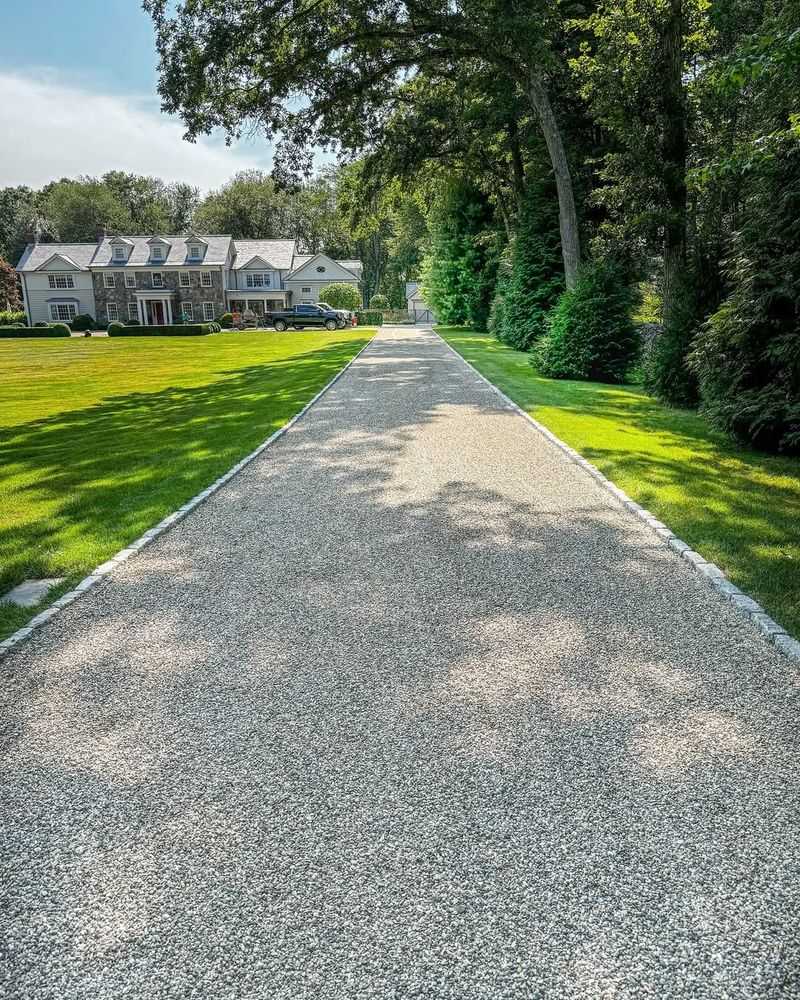
Concrete structures in your Georgia yard might seem like convenient planting locations, but they create serious problems for azaleas. Lime leaches from concrete foundations, sidewalks, and driveways into the surrounding soil, making it more alkaline over time.
Azaleas are acid-loving plants that require soil with a pH between 4.5 and 6.0 to absorb nutrients properly. When the soil becomes more alkaline from concrete leaching, azaleas develop a condition called chlorosis where leaves turn yellow while veins stay green.
This isn’t just a cosmetic issue. Alkaline soil prevents azaleas from accessing iron and other essential nutrients even when those nutrients are present in the soil.
The plants become weak, produce fewer blooms, and struggle to grow normally. Many Georgia homeowners plant azaleas right against their home’s foundation for aesthetic reasons, not realizing they’re setting up their shrubs for long-term problems.
Additionally, areas near concrete often have disturbed, compacted soil left over from construction. This poor-quality soil lacks the organic matter and proper structure that azaleas need.
Heat reflection from concrete surfaces during Georgia’s hot summers also creates an even warmer microclimate that stresses these shrubs further.
Instead of planting directly against concrete, position your azaleas at least three to four feet away from foundations, driveways, and sidewalks. This distance helps protect them from alkaline leaching while also giving their roots room to spread properly.
If you really want azaleas near your home’s foundation in Georgia, consider using containers filled with acidic potting mix designed for azaleas and rhododendrons.
You’ll have much better success maintaining the proper soil conditions your plants need to flourish.
4. Low-Lying Areas Where Cold Air Settles
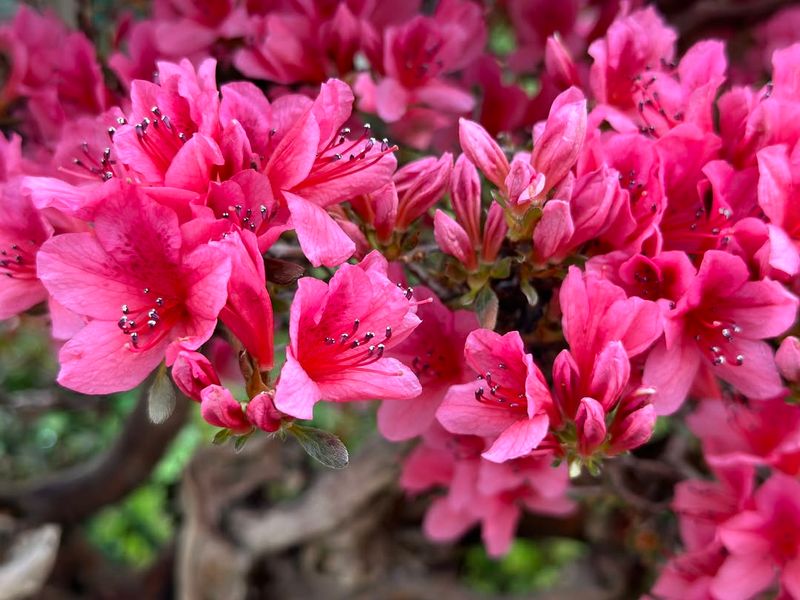
Temperature might not seem like a major concern for azaleas in Georgia’s generally mild climate, but cold pockets in your yard can damage these shrubs more than you’d think. Cold air behaves like water, flowing downhill and settling in the lowest spots of your property.
These low-lying areas become significantly colder than surrounding higher ground on frosty nights, creating frost pockets that can harm tender azalea buds and early blooms.
Georgia experiences unpredictable late freezes in March and early April just when azaleas are setting buds or beginning to bloom. If your azaleas are planted in a depression or at the bottom of a slope, they’re more likely to suffer frost damage during these cold snaps.
You’ll notice browned, damaged flowers and buds that never open, resulting in a disappointing bloom season after months of anticipation.
Beyond frost damage, low spots in Georgia yards often have the drainage problems we mentioned earlier.
They collect not just cold air but also water runoff from higher areas, creating a double problem for azaleas. These locations tend to stay wetter longer after rains, which azalea roots dislike intensely.
When selecting planting sites in your Georgia landscape, observe how your property slopes and where low points exist. Walk your yard after a heavy rain to see where water collects.
These are the same spots where cold air will pool on chilly nights. Choose slightly elevated locations or gentle slopes instead, where cold air can drain away and water doesn’t accumulate.
Many experienced Georgia gardeners plant their azaleas on the upper portions of slopes or in areas with good air circulation, which also helps prevent fungal diseases that thrive in stagnant, humid conditions common to our state.
5. Under Shallow-Rooted Trees Like Maples
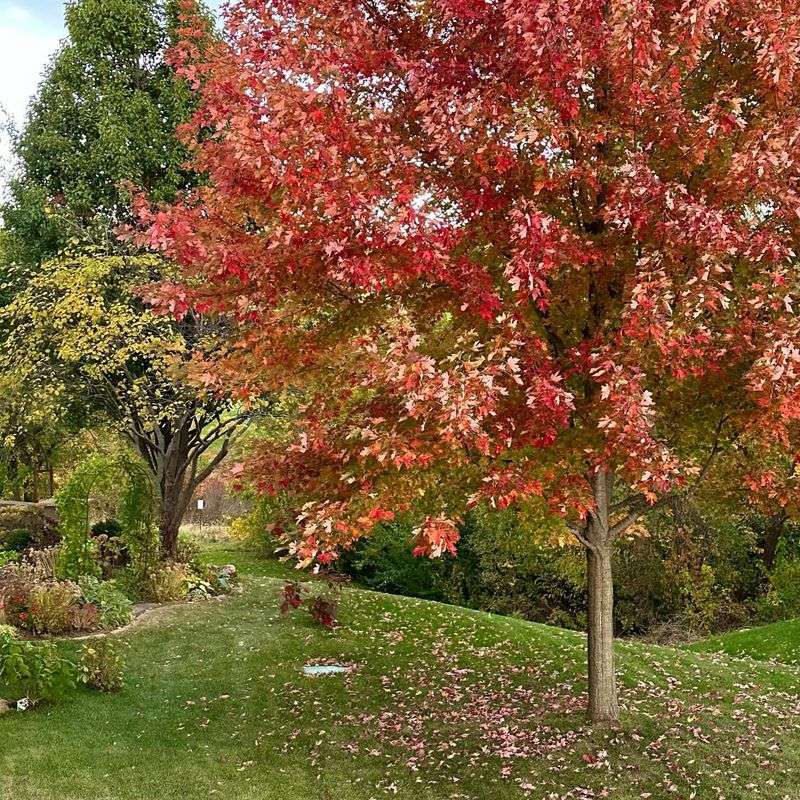
Planting azaleas beneath trees sounds like perfect logic since they appreciate shade, but not all trees make good companions for these shrubs.
Shallow-rooted trees like maples, dogwoods, and some magnolias create intense competition for water and nutrients in the upper soil layers where azalea roots also grow.
Both the tree and the shrub are trying to access the same resources from the same soil zone, and the larger tree usually wins this battle.
Georgia yards often feature beautiful maple trees that provide wonderful shade, making them tempting spots for azaleas.
However, maple roots form dense mats near the soil surface that make it difficult to dig planting holes and even harder for azalea roots to establish and spread.
You’ll find yourself constantly watering azaleas planted under maples because the tree roots intercept most of the moisture before it reaches your shrubs.
Some trees work much better as azalea companions in Georgia landscapes. Pine and oak trees have deeper root systems that don’t compete as directly with azaleas.
Their high canopies provide the filtered light azaleas love while their roots explore deeper soil layers. Pine trees offer the additional benefit of dropping acidic needles that help maintain the low pH azaleas prefer.
If you really want azaleas beneath a shallow-rooted tree in your Georgia yard, you’ll need to commit to extra care. Plan on watering more frequently and fertilizing regularly because your plants are working much harder to access what they need.
A thick layer of mulch helps retain moisture and adds organic matter as it breaks down. However, you’ll likely have better success and less maintenance choosing planting locations under deep-rooted trees or in open areas with appropriate shade structures instead of fighting constant competition.
6. Exposed Windy Locations Without Protection
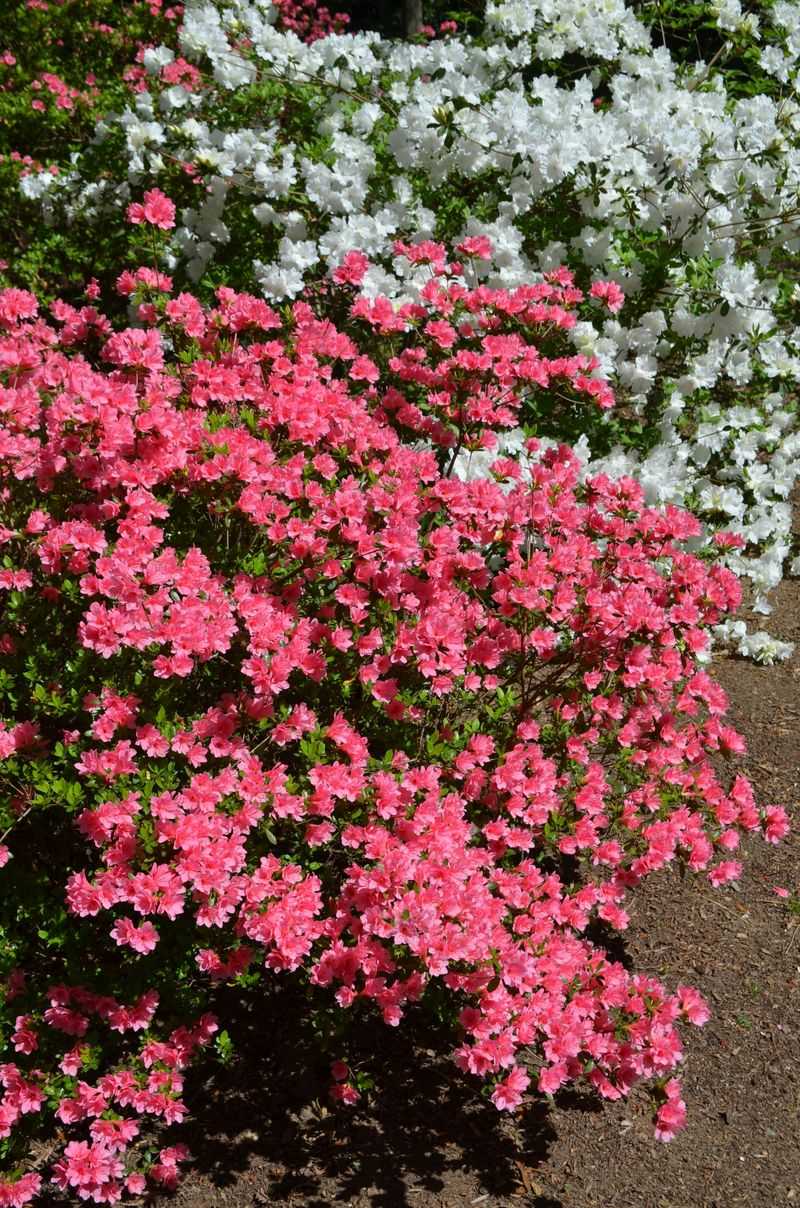
Wind doesn’t get much attention when Georgia gardeners think about planting azaleas, but exposed, windy locations create multiple problems for these shrubs. Strong winds dry out foliage quickly, forcing plants to lose moisture through their leaves faster than roots can replace it.
This constant moisture stress leaves azaleas looking tired and brown around the edges even when you’re watering regularly.
Winter winds are particularly harsh, desiccating evergreen azalea varieties during months when the ground may be too cold for roots to absorb much water.
Azaleas have relatively brittle branches that can break during strong storms, which Georgia certainly experiences throughout the year. Spring thunderstorms with gusty winds can snap off branches loaded with blooms, ruining your floral display.
The shallow root systems of azaleas don’t anchor them as securely as deep-rooted shrubs, making them more susceptible to being loosened or even toppled in very windy spots.
Exposed corners of your property, open areas without nearby structures or plantings, and the windward side of your home are all problematic locations.
These spots might receive appropriate light levels and have decent soil, but the constant air movement creates an environment where azaleas struggle.
You’ll notice plants in these locations always look more stressed than those in protected areas, even when receiving identical care.
Look for planting sites in your Georgia landscape that offer some wind protection. The leeward side of your home, areas near fences or walls, and spots surrounded by other established plantings all provide shelter from prevailing winds.
Many Georgia properties have natural windbreaks from neighboring trees or structures that create calmer microclimates.
Your azaleas will maintain better moisture levels, suffer less physical damage, and simply look healthier when they’re not constantly battling wind in your backyard.