6 Spots You Should Never Plant Hydrangeas In Your Ohio Backyard
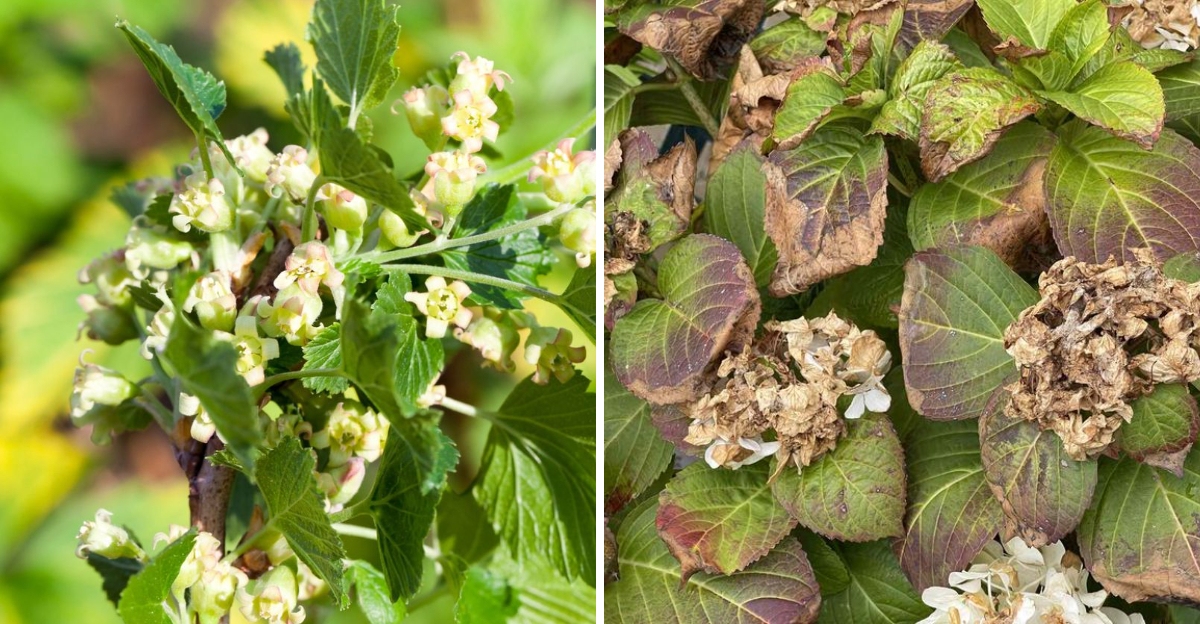
You did everything right, or so you thought. You picked out a beautiful hydrangea, dug a decent hole, watered it faithfully, and waited for those big, gorgeous blooms.
But instead of a showstopper, you ended up with droopy leaves, scorched stems, or barely any flowers at all. If that sounds familiar, the problem probably is not the plant itself but where you put it.
Ohio gardeners face a unique set of challenges that make hydrangea placement more critical than most people realize.
The state’s heavy clay soils, unpredictable late spring frosts, humid summers, and wide swings in sunlight intensity all play a role in whether a hydrangea thrives or just survives.
Getting the location right from the start saves a lot of frustration down the road.
Before you grab your shovel this season, take a close look at your yard and learn which spots are quietly working against your hydrangeas before they even get a fair chance to grow.
1. Skip Spots That Bake In Harsh Afternoon Sun
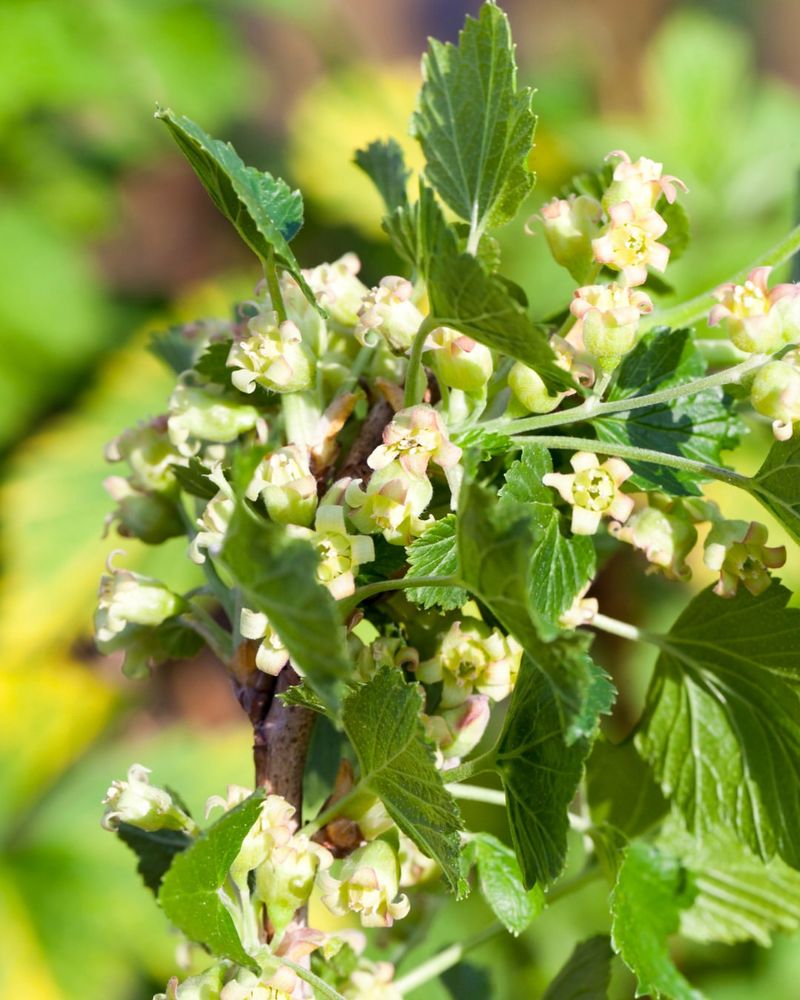
Afternoon sun in Ohio can be surprisingly punishing, especially during July and August when temperatures regularly climb into the upper 80s and beyond. Most hydrangea varieties, particularly bigleaf types like Endless Summer, are built for gentle morning light and the relief of shade once the midday heat rolls in.
Parking them in a spot that gets blasted by direct western or southern sun from noon onward is a recipe for stressed, underperforming plants.
When bigleaf hydrangeas get too much intense afternoon sun, their large leaves lose moisture faster than their roots can replace it. You will notice the foliage looking limp and tired by mid-afternoon, even on days when the soil is moist.
Blooms can fade quickly, turn papery, or fail to open fully at all. The plant is not failing because of disease or poor care but because the location is working against it from the start.
Panicle hydrangeas, like Limelight or Quick Fire, are a different story. They handle more sun and actually prefer at least six hours of direct light to bloom their best.
So the variety you choose absolutely matters when scouting planting spots. Smooth hydrangeas, such as Annabelle, fall somewhere in between and appreciate protection from the harshest afternoon rays.
A smart fix is to look for spots on the east or northeast side of your yard or home, where plants get bright morning sun and natural shade builds as the day heats up.
Planting near a fence, a tall hedge, or even a large deciduous shrub on the western side can create that buffer zone your bigleaf hydrangeas need.
Getting the light balance right is one of the most impactful decisions you can make for long-term success with these plants in Ohio.
2. Avoid Heavy Clay That Stays Wet Too Long
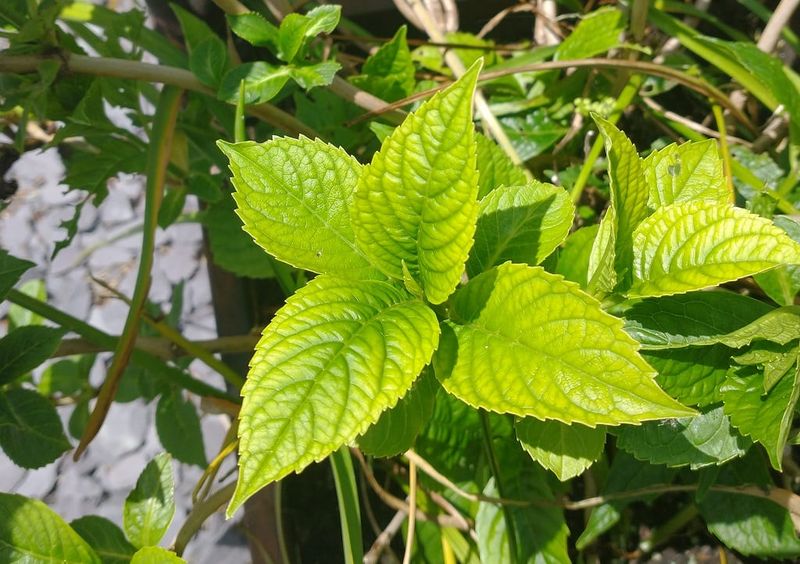
Ohio sits on some seriously heavy clay soil, and if you have ever tried to dig a hole in your backyard after a spring rain, you already know what hydrangeas are up against.
Clay soil holds water like a sponge, and while hydrangeas do need consistent moisture, sitting in soggy, poorly drained ground for extended periods puts serious stress on their root systems.
Roots need both water and oxygen to function, and waterlogged clay cuts off that oxygen supply.
When hydrangea roots stay wet for too long, the plant cannot absorb nutrients properly. Growth slows down, leaves may yellow, and the overall structure of the plant looks weak and unhappy.
Ohio State University Extension notes that well-drained soil is one of the key requirements for healthy hydrangea growth, which is why understanding your yard’s drainage patterns before planting matters so much.
Low spots in the yard, areas near downspouts, or sections of the garden that stay soggy for days after a rainstorm are all red flags.
Even a spot that looks fine in summer can turn into a standing water zone during Ohio’s wet springs, which is exactly when young hydrangeas are trying to establish their roots.
Improving clay soil before planting is very doable. Working several inches of compost into the planting area loosens the clay structure and improves drainage noticeably.
Raised planting beds or slightly mounded planting spots are another practical option that many Ohio gardeners swear by. Raising the crown of the plant just a few inches above the surrounding soil level allows excess water to drain away more freely.
Taking the time to address drainage before planting gives your hydrangeas a much stronger foundation to grow from in the seasons ahead.
3. Don’t Tuck Them Under Thirsty Tree Roots
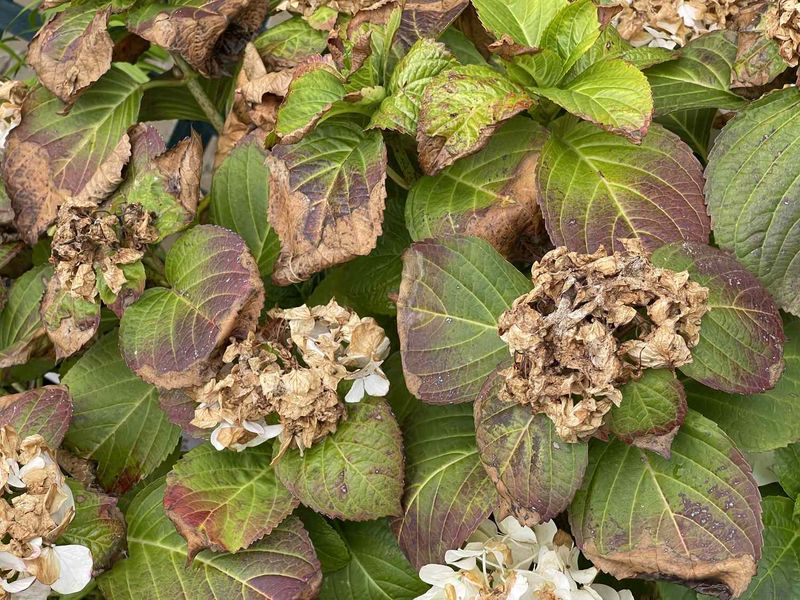
Mature trees look like ideal companions for hydrangeas at first glance. They offer shade, a naturalistic feel, and can make a garden look lush and layered.
But what is happening underground tells a very different story. Established trees like oaks, maples, and Norway spruces spread aggressive root systems that extend far beyond the canopy edge.
Those roots are constantly pulling water and nutrients from the surrounding soil, and a newly planted hydrangea simply cannot compete.
During Ohio’s dry summer stretches, which have become more common and more intense in recent years, tree roots ramp up their water intake.
A hydrangea tucked beneath a large maple might look okay in spring when rain is plentiful, but by July it can look wilted and stressed even after watering.
The tree is essentially pulling the moisture away before the hydrangea can use it. Nutrient competition adds another layer of difficulty, leaving the hydrangea without the resources it needs to produce strong stems and full flower heads.
Beyond water and nutrients, dense tree canopies can block too much light, even for shade-tolerant varieties. Hydrangeas need some direct sunlight to bloom reliably, and the deep shade under a large evergreen or a tightly canopied deciduous tree can reduce flowering significantly.
Soil under established trees also tends to be compacted and full of surface roots, making it physically hard for hydrangea roots to spread out.
A better approach is to keep hydrangeas at least ten to fifteen feet away from large trees whenever possible. Smaller ornamental trees with less aggressive root systems, like serviceberry or redbud, are far friendlier neighbors.
If you have your heart set on a woodland-style planting, smooth hydrangeas tend to handle light competition a bit better than bigleaf types, though giving them their own space still leads to the best results.
4. Steer Clear Of Windy Corners That Dry Them Out
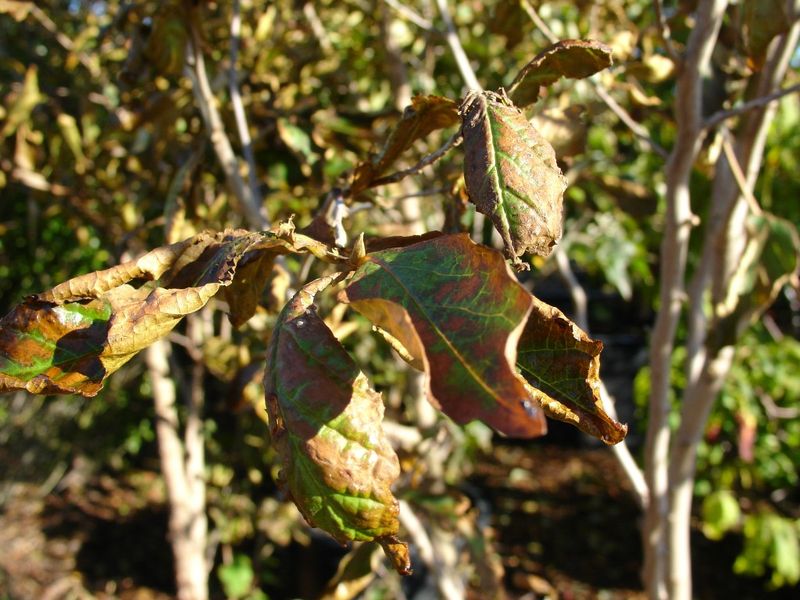
Wind might not be the first thing that comes to mind when you think about what harms hydrangeas, but it plays a bigger role than most gardeners expect.
Ohio is no stranger to strong wind, whether it comes from open fields, lake-effect conditions in the northern part of the state, or simply the natural airflow that funnels through gaps between houses and fences.
Planting hydrangeas in consistently windy corners sets them up for a constant uphill battle.
The main problem with wind is that it speeds up moisture loss through the leaves, a process called transpiration. On a warm, breezy day, a hydrangea in a windy spot can lose water faster than its roots can replace it, even when the soil is reasonably moist.
That moisture deficit shows up as wilting, leaf curl, and eventually brown, crispy leaf edges. Repeated stress like this weakens the plant over time and reduces its ability to produce the full, lush blooms it is known for.
Wind also causes physical damage that goes beyond moisture loss. Tall flower stems can snap or bend under persistent wind pressure, and heavy bloom clusters become even more vulnerable.
If you have noticed hydrangeas flopping over or blooms dragging on the ground, wind exposure combined with heavy flower heads is often the cause.
Choosing a sheltered planting spot makes a real difference. The east side of a building, a position backed by a solid fence or dense evergreen hedge, or a spot nestled between structures can all reduce wind exposure considerably.
If you are working with an open yard, planting a windbreak of taller shrubs a few feet away on the prevailing wind side is a practical long-term solution. Consistent moisture retention is much easier to manage when the wind is not constantly working against you.
5. Think Twice Before Planting Too Close To Foundations
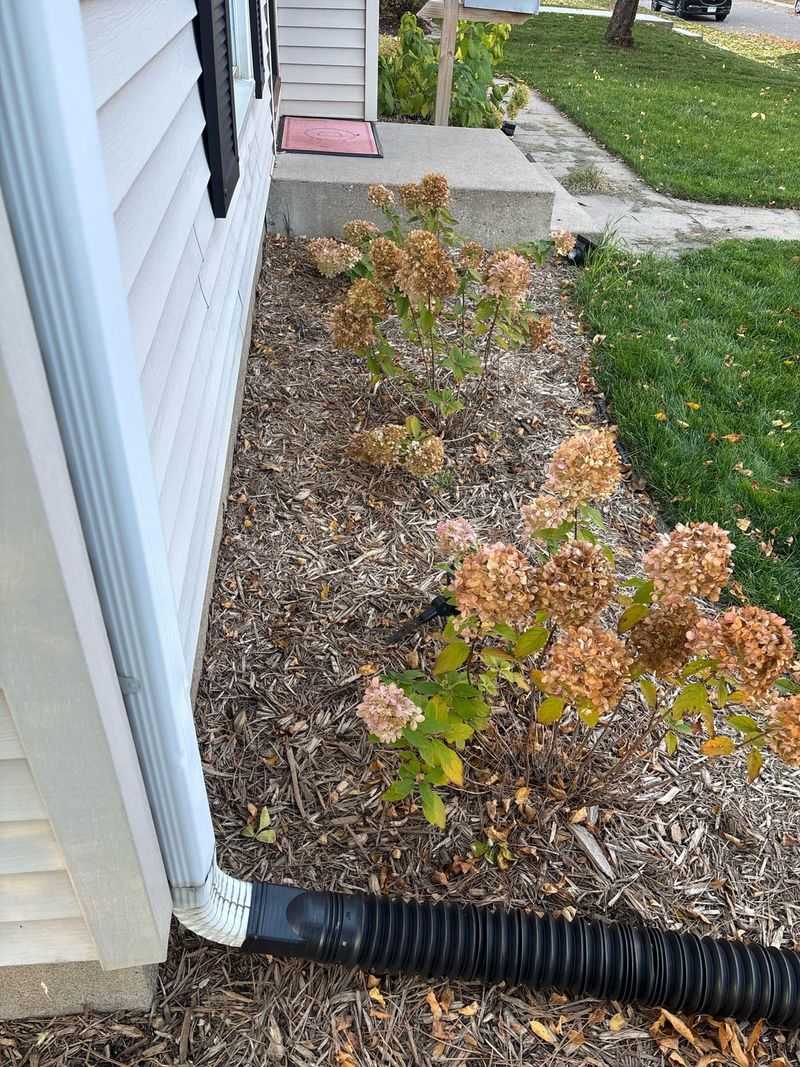
Planting hydrangeas right up against the foundation of a house seems like a natural choice. It fills in that bare strip of soil, gives the home some curb appeal, and uses a space that might otherwise go to waste.
But foundations, especially those made of brick or concrete facing south or west, create a microclimate that can quietly work against your hydrangeas in several important ways.
Heat reflection is the biggest issue. Brick and concrete absorb heat from the sun throughout the day and then radiate it back outward in the evening.
On a hot Ohio summer day, that reflected heat can push temperatures near the foundation several degrees higher than the open yard just a few feet away. Bigleaf hydrangeas are especially sensitive to this kind of sustained heat stress.
It dries out the soil faster, heats the root zone, and can push the plant past its comfort threshold even when the surrounding garden seems perfectly fine.
Soil near foundations also tends to be drier and less nutrient-rich than the rest of the yard. Roof overhangs prevent rain from reaching the soil directly, creating a dry zone that requires extra irrigation to compensate.
Depending on the age and construction of the home, foundation materials can also affect soil pH over time, which matters because bigleaf hydrangeas are particularly sensitive to soil pH when it comes to bloom color and overall health.
Root space is another practical concern. Foundations limit how far roots can spread in one direction, and underground infrastructure like drainage pipes or footings can create hidden obstacles.
A smarter placement keeps hydrangeas at least three to four feet away from any foundation, giving roots room to spread and reducing heat and drought stress. North or east-facing foundation beds tend to be gentler environments for most hydrangea varieties.
6. Stay Away From Low Spots Where Cold Air Settles
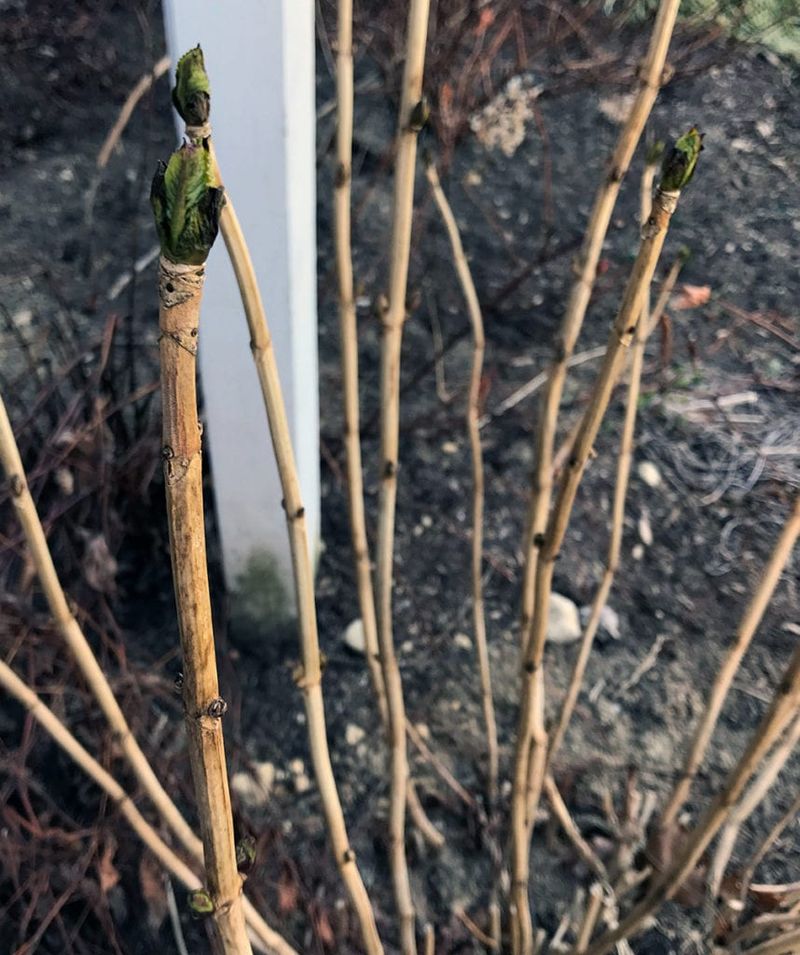
Ohio gardeners know all too well that spring does not always follow a straight line. A stretch of warm days in April can coax hydrangeas into pushing out fresh new growth, and then a late frost sneaks in and takes it all back.
This situation is frustrating in any part of the yard, but it is dramatically worse in low-lying spots where cold air naturally collects on still, clear nights.
Cold air behaves like water in some ways. It flows downhill and pools in depressions, valleys, and low corners of the yard.
This phenomenon, often called a frost pocket, means that the lowest spots in your landscape can be several degrees colder than the surrounding area during a late-season freeze.
Ohio’s frost-free date varies across the state but generally falls between late April and mid-May, and late frosts after that window are not unusual.
For hydrangeas that bloom on old wood, like many bigleaf varieties, those late frosts can wipe out an entire season’s worth of flower buds in a single night.
Bigleaf hydrangeas set their buds in the fall on the previous year’s stems, so any cold damage to those stems in late spring means no flowers until the following year at the earliest.
Newer reblooming varieties like Endless Summer have some ability to push out fresh buds on new wood, but even they perform better when old wood buds survive the winter and early spring intact.
Choosing a planting spot with good air drainage is a practical and often overlooked strategy. Slightly elevated spots, gentle slopes, or areas near structures that retain warmth overnight all offer better frost protection than that low corner of the yard.
A little elevation goes a long way toward protecting those precious buds through Ohio’s unpredictable spring weather.