Spray These 9 Fruit Trees In Ohio Before Bud Break This February
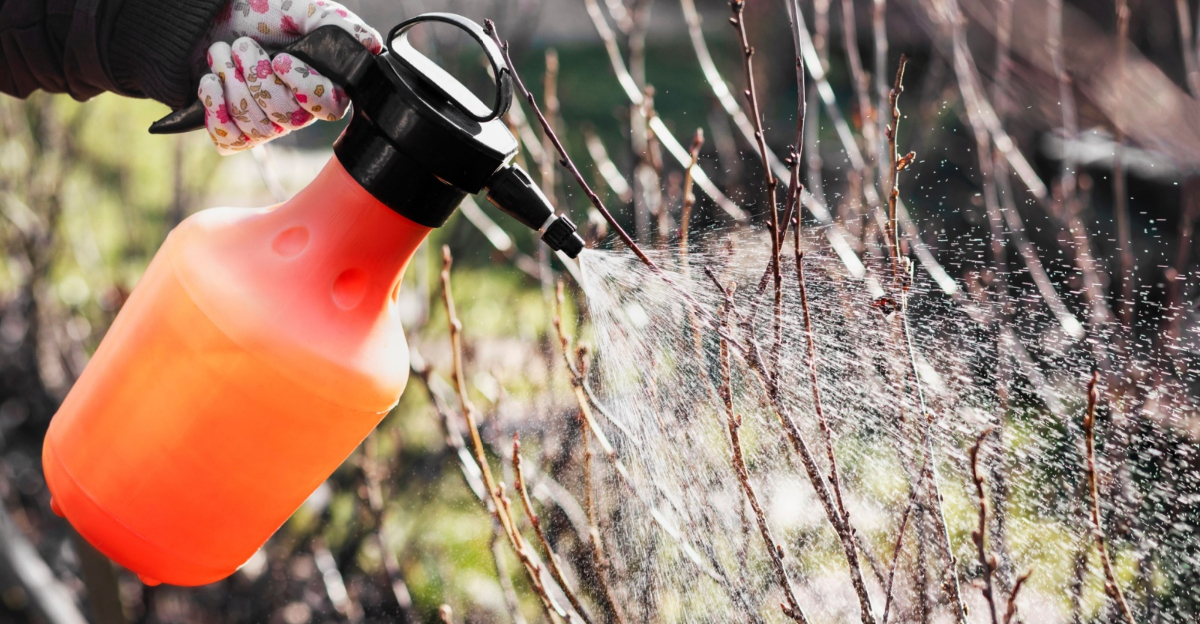
Ohio gardeners, February is the moment that separates average harvests from standout seasons. One simple pre bud break spray can quietly protect your trees before pests and disease even get a chance to show up.
Skip it, and you risk spending the rest of the year playing catch up. Cold air, bare branches, and the right timing create the perfect window to lock in stronger growth and cleaner fruit later on.
This early step saves time, money, and frustration once spring takes off. If you want healthier branches, better blooms, and a smoother growing season, the opportunity is happening right now.
A few minutes of preparation today can lead to months of rewards tomorrow. Do not wait until problems appear.
Get ahead of the season, stay one step in front of common threats, and set your trees up for a powerful start that pays off when harvest time arrives.
1. Power Up Your Apples Before Buds Pop
Apple trees dominate Ohio backyards for good reason, but they attract plenty of unwanted visitors. Scale insects, aphid eggs, and mite populations camp out on bark all winter, waiting for warmer days to launch their attack.
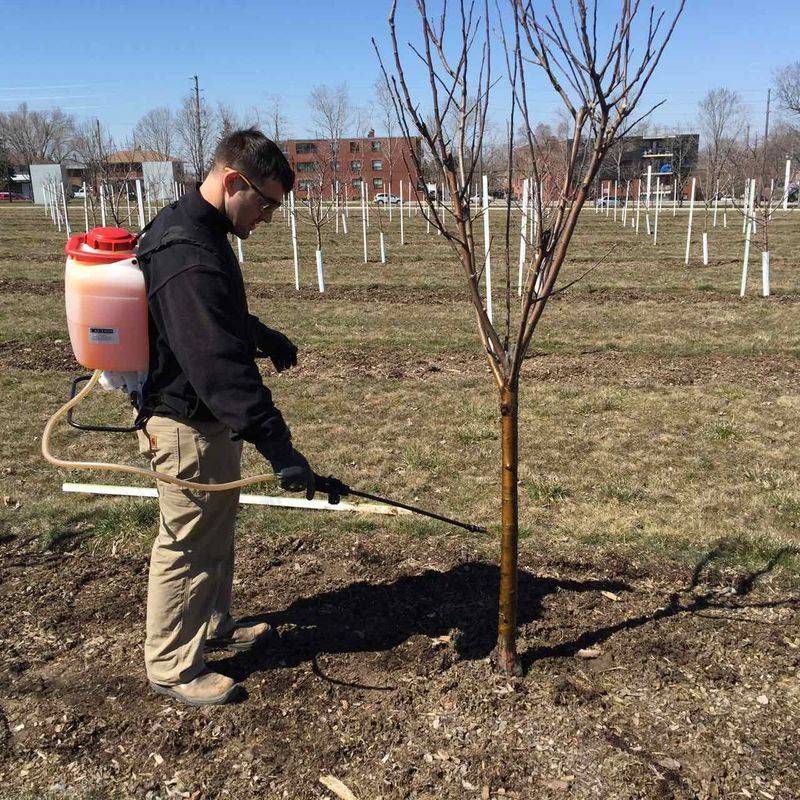
A dormant oil spray in February smothers these pests before they even wake up, giving your apples a fighting chance. Ohio’s unpredictable weather makes timing tricky, so watch for days when temperatures climb above 40 degrees Fahrenheit.
The oil needs to dry properly without freezing, which protects the bark and ensures the spray works effectively. Mix your dormant oil according to label directions and coat every branch thoroughly, paying extra attention to crevices where pests hide.
Apple scab and fire blight also threaten Ohio orchards, and while dormant oils focus mainly on insects, they can reduce some fungal spores too. Adding a copper-based fungicide during full dormancy or silver tip stage can help reduce overwintering fire blight bacteria.
Avoid spraying copper once green tissue appears, as late applications can cause leaf burn and fruit russeting. Your efforts now mean fewer wormy apples and less leaf damage when summer arrives.
Healthy apple trees reward patient gardeners with baskets of crisp fruit perfect for everything from fresh eating to homemade cider. February spraying might feel cold and uncomfortable, but it beats battling infestations all season long.
2. Pear Protection Starts Now
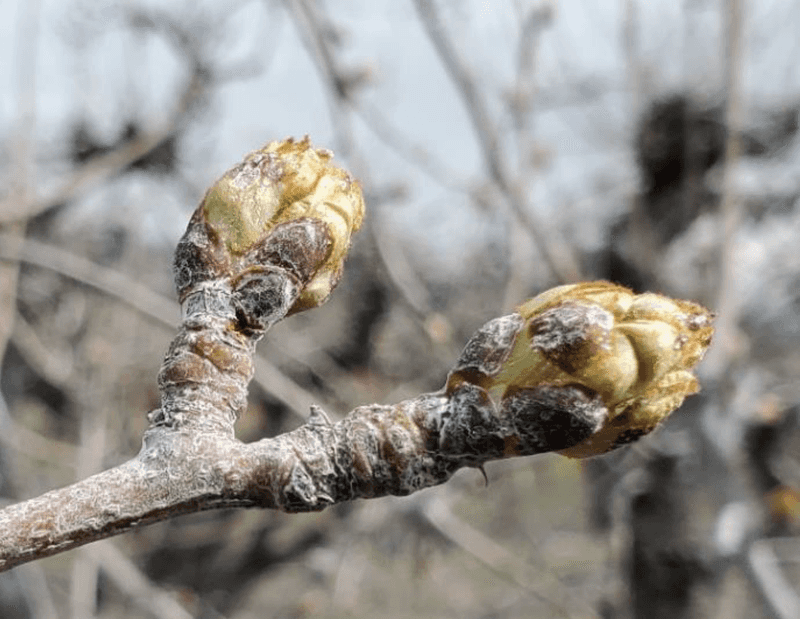
Pear trees face similar challenges as their apple cousins, but pear psylla makes them especially vulnerable. These tiny jumping insects overwinter as adults in bark cracks, emerging early to lay eggs on developing buds.
Once they start feeding, they secrete honeydew that encourages sooty mold, turning leaves black and reducing fruit quality.
February dormant sprays catch pear psylla before they become active, significantly reducing populations for the entire growing season.
Ohio growers often see dramatic improvements in fruit appearance and tree vigor after consistent early spraying. The key involves thorough coverage because psylla hide in every nook and cranny of the bark.
Fire blight poses another serious threat to Ohio pear trees, causing branches to look scorched and blackened. While dormant oils won’t prevent fire blight directly, reducing overall pest stress helps trees resist diseases better.
Adding a copper-based fungicide during full dormancy or silver tip stage can help reduce overwintering fire blight bacteria. Avoid spraying copper once green tissue appears, as late applications can cause leaf burn and fruit russeting.
Pears grow beautifully in Ohio’s climate, offering sweet rewards for gardeners willing to stay ahead of problems. That cold February morning spent spraying pays dividends when you bite into a perfectly ripe pear in late summer.
3. Peach Trees Need Pre Spring Defense
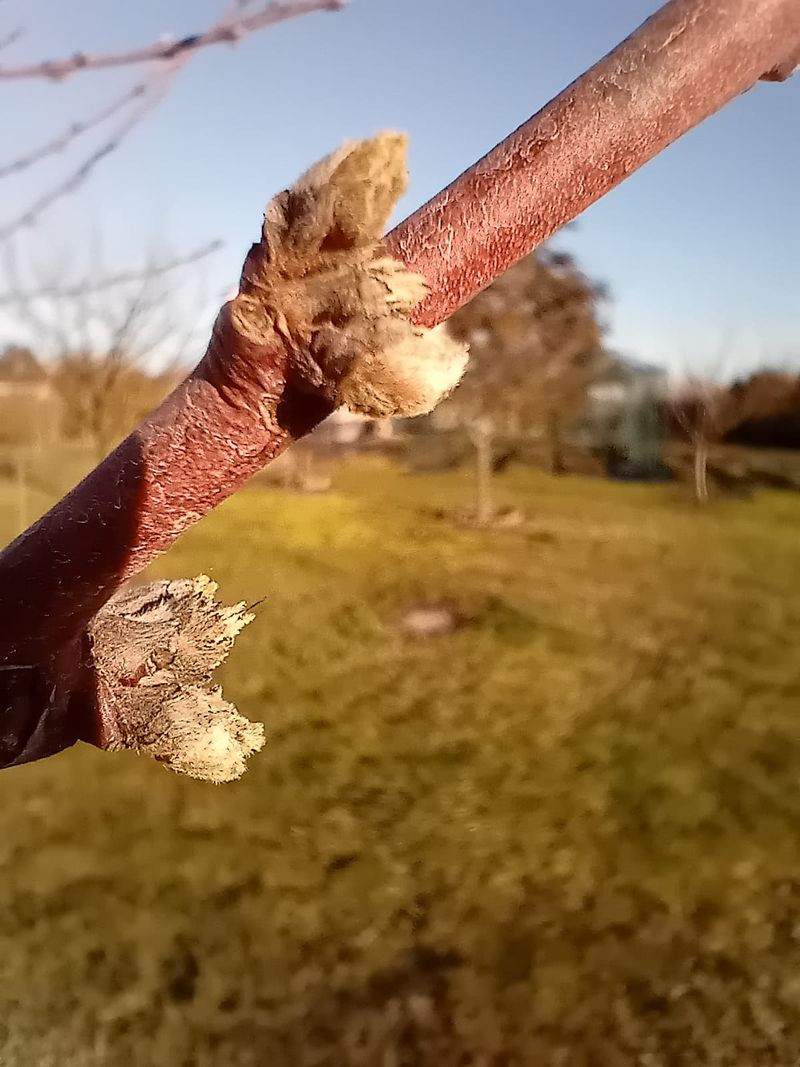
Peach trees bring summer sweetness to Ohio gardens, but they battle more diseases than almost any other fruit tree. Peach leaf curl tops the worry list, causing leaves to pucker, redden, and drop prematurely.
This fungal disease overwinters on bark and bud scales, waiting for spring moisture to activate spores. Spraying peaches in February with copper fungicide or lime sulfur provides crucial protection against leaf curl.
Important Mixing Warning: Do not automatically combine dormant oil and fungicides unless the product label specifically states they are compatible. Some mixtures can cause plant injury.
When in doubt, apply sprays separately on different days. Copper fungicides must be applied before buds show green tissue.
Spraying too late can burn young growth. Always follow label rates; more is not better.
Never apply dormant oil within 7 to 10 days of sulfur or lime sulfur products. Applying these too close together can cause serious bark and bud injury.
Always check product labels for compatibility before tank mixing. Ohio’s spring rains create perfect conditions for this disease, so preventive treatment before bud swell makes all the difference.
Once leaves emerge and show symptoms, it becomes too late to stop the infection for that year. Scale insects and borers also target peach trees during dormant periods.
A thorough dormant oil application suffocates scale eggs and disrupts borer lifecycles, reducing populations before warm weather arrives. Pay special attention to the trunk base where borers prefer to attack.
Ohio peach growers know that healthy trees produce the juiciest, most flavorful fruit. February spraying feels like extra work during cold weather, but it prevents the heartbreak of watching beautiful peach trees struggle with preventable problems.
Your future self will thank you when branches hang heavy with perfect peaches.
4. Sweet Cherries Spray Now Snack Later
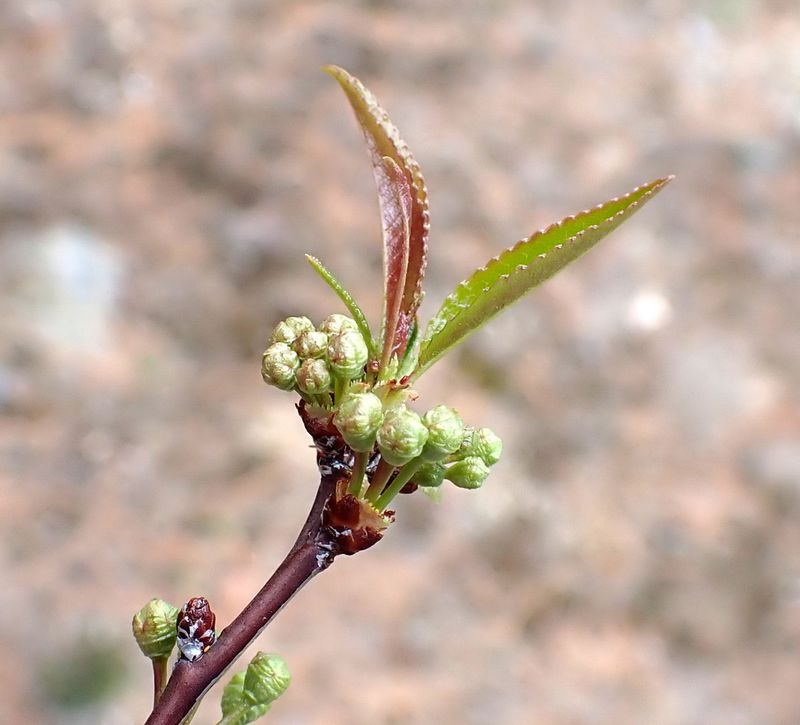
Sweet cherry trees offer springtime beauty and summer treats, making them popular choices for Ohio landscapes. Black cherry aphids overwinter as eggs on cherry bark, hatching just as buds begin to open.
These aphids multiply rapidly, curling leaves and stunting new growth before you even notice them. A well-timed dormant oil spray in February smothers those aphid eggs before they hatch.
Ohio gardeners who skip this step often spend all spring fighting losing battles against aphid colonies. The oil works by coating eggs and blocking their oxygen supply, providing season-long benefits from one early application.
Cherry leaf spot and brown rot also threaten Ohio cherry crops, especially during wet springs. While dormant oils target insects primarily, adding a fungicide spray creates comprehensive protection.
Copper-based products work well during dormancy without harming trees or disrupting beneficial insects that haven’t emerged yet. Sweet cherries require more care than some fruit trees, but their flavor makes the effort worthwhile.
February spraying represents minimal investment for maximum reward. When June arrives and your neighbors complain about pest problems, you’ll be picking bowls of perfect cherries instead.
5. Stop Sour Cherry Pests Early
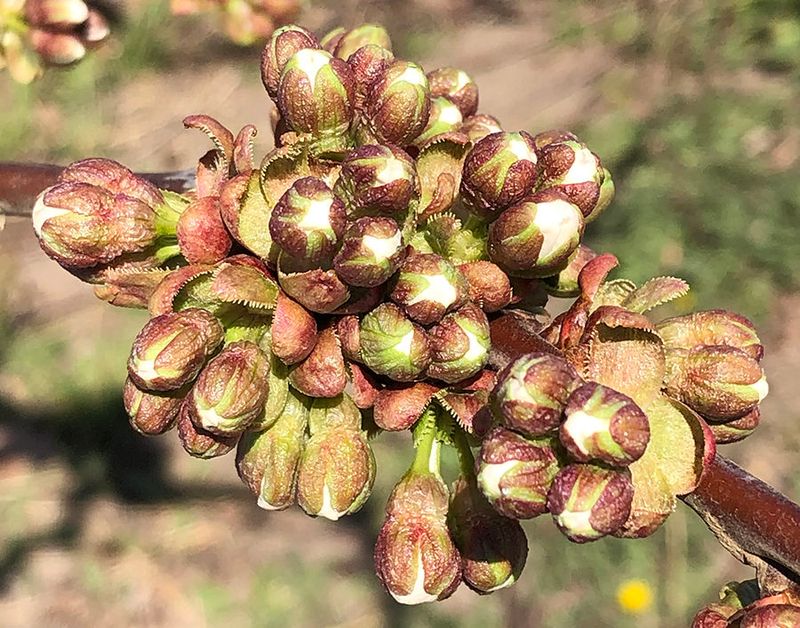
Sour cherries handle Ohio winters better than their sweet relatives, but they still need February protection. These tart beauties attract similar pests, including aphids, scale insects, and various fungal diseases.
Cherry fruit flies also pose threats, though they appear later in the season. Dormant oil applications in February reduce overwintering pest populations significantly.
Ohio sour cherry growers appreciate how this simple step prevents compound problems later. When pest numbers stay low from the start, trees maintain better vigor and produce higher quality fruit.
Bacterial canker affects sour cherries in Ohio, causing sunken lesions on branches and trunks. While no spray eliminates this disease completely, keeping trees healthy through pest management helps them resist infections.
February treatments reduce stress factors that make trees vulnerable to secondary problems. Sour cherries excel in pies, preserves, and baking applications that showcase their bright, tangy flavor.
Ohio kitchens fill with delicious aromas when sour cherry season arrives, but only if trees stay healthy enough to produce abundant crops. February spraying might seem like a chore, but it protects your investment and ensures plenty of fruit for all those recipes.
6. Plums Love A Pre Bud Spray Boost
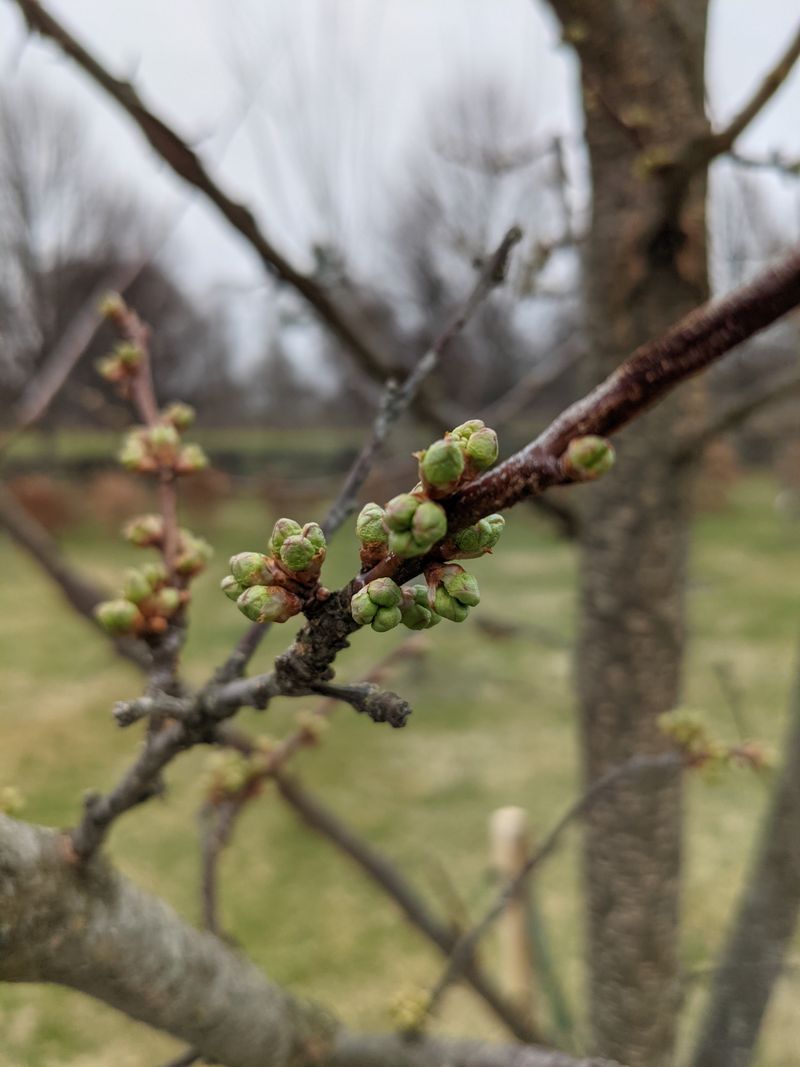
Plum trees adapt wonderfully to Ohio growing conditions, offering reliable harvests when properly maintained. Scale insects particularly love plum bark, creating crusty patches that weaken branches over time.
These armored pests resist many treatments once established, making February prevention essential. Dormant oil sprays penetrate scale coverings during winter dormancy when insects are most vulnerable.
Ohio plum growers report excellent results from consistent February applications, seeing cleaner bark and stronger growth. The oil suffocates scale insects and their eggs without leaving harsh residues that might affect beneficial insects later.
Black knot fungus creates ugly, tumor-like growths on plum branches and spreads rapidly in Ohio’s humid climate. Pruning infected limbs at least 6 to 8 inches below visible knots during dormancy is essential for control.
Dormant sprays alone will not eliminate black knot but can help reduce overall spore pressure when combined with proper pruning and sanitation. Copper fungicides applied before bud break provide additional protection against various fungal diseases.
European and Japanese plum varieties both benefit from early season care. Ohio gardeners enjoy diverse plum options, from sweet fresh-eating types to tart preserving varieties.
February spraying ensures all your plum trees start the season strong, ready to produce those gorgeous purple and golden fruits that make late summer so delicious.
7. Apricots Thrive With Early Protection
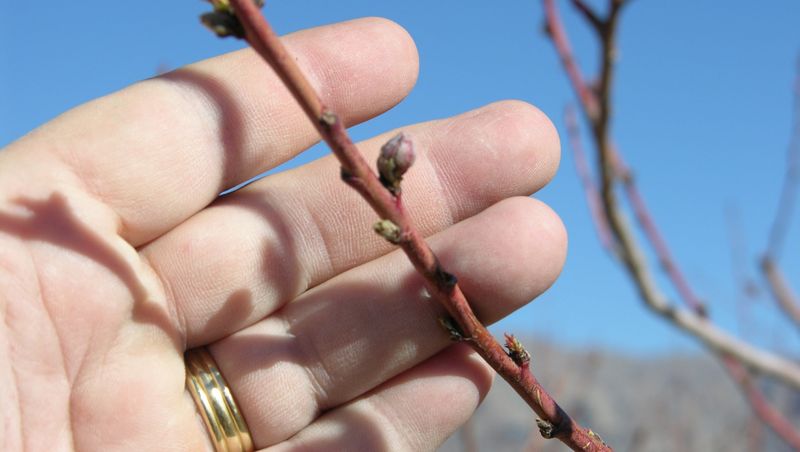
Apricots challenge Ohio gardeners because they bloom so early, making them vulnerable to late frosts. However, pest and disease pressure remains manageable with proper February care.
Bacterial spot and brown rot threaten apricot crops, reducing fruit quality and causing premature drop. Copper fungicide applications before bud swell provide crucial protection against bacterial diseases.
Ohio’s variable spring weather creates conditions where bacterial infections spread rapidly once leaves emerge. Getting ahead of these problems in February means healthier trees and better fruit set.
Scale insects and aphids also target apricots during their dormant period. A thorough dormant oil spray smothers overwintering pests, reducing populations before they explode in spring.
Ohio growers appreciate how this preventive approach saves time and frustration compared to battling established infestations. Apricots reward adventurous Ohio gardeners with unique flavor that grocery stores rarely match.
Fresh apricots taste like sunshine, offering sweet-tart complexity that elevates both fresh eating and preserving. February spraying protects these special trees from preventable problems, increasing your chances of enjoying that incredible homegrown apricot harvest.
The effort seems small when you taste the difference between store-bought and backyard fruit.
8. Nectarines Need Early Armor
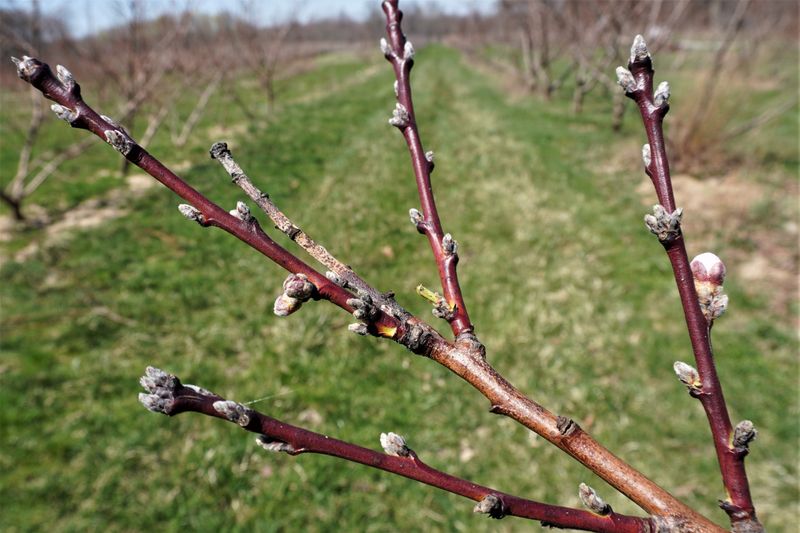
Nectarines are essentially fuzzless peaches, sharing similar pest and disease challenges. Ohio growers find nectarines slightly more susceptible to problems than regular peaches, making February prevention even more important.
Peach leaf curl affects nectarines severely, causing leaf distortion that reduces photosynthesis and weakens trees. Applying copper fungicide or lime sulfur before bud break stops leaf curl infections before they start.
Ohio’s spring rains activate fungal spores, so timing matters tremendously. Spraying too late allows spores to infect emerging leaves, while February applications create protective barriers.
Brown rot and bacterial spot also plague nectarines in Ohio, especially during humid summers. While dormant sprays won’t prevent summer diseases entirely, they reduce overall pathogen loads and help trees enter the growing season stronger.
Combining dormant oils with fungicides addresses both insect and disease threats simultaneously. Nectarines offer incredible flavor and smooth skin that makes eating them pure pleasure.
Ohio gardeners willing to provide proper care harvest fruits that rival anything from commercial orchards. February spraying represents a small time investment that protects your nectarine trees throughout the challenging growing season ahead.
Those sweet, juicy fruits make every bit of effort worthwhile.
9. Crabapples Spray For Show Stopping Blooms
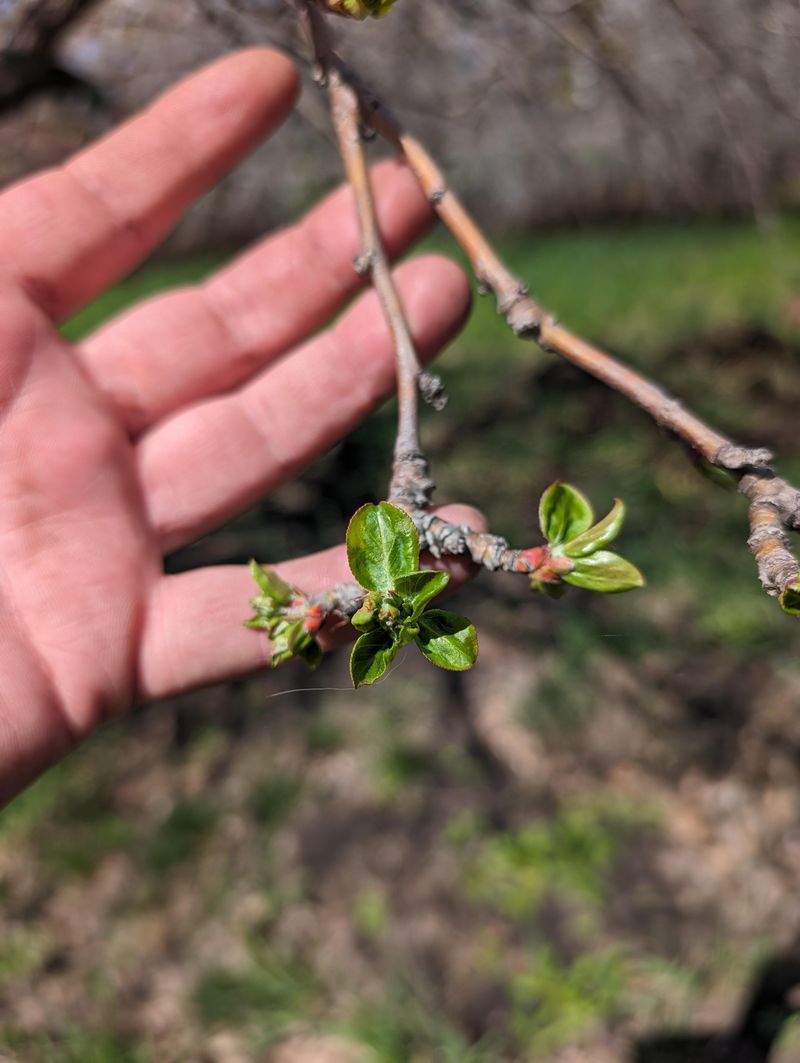
Crabapples serve double duty in Ohio landscapes, providing spectacular spring flowers and small fruits for wildlife. Apple scab ruins both aspects, creating dark spots on leaves and causing premature defoliation.
Trees weakened by scab produce fewer flowers the following year, diminishing their ornamental value. February fungicide applications before bud break can help reduce early apple scab spore pressure, but additional spring fungicide protection is usually needed for scab-prone varieties.
Ohio’s humid springs favor this disease, making prevention far easier than treatment. Copper-based products or lime sulfur work well during dormancy, protecting emerging leaves from infection.
Scale insects, aphids, and spider mites also affect crabapples throughout Ohio. Dormant oil sprays smother these pests during winter dormancy when they’re most vulnerable.
Healthy crabapples bloom more profusely and maintain attractive foliage all season, enhancing your landscape’s beauty. Many Ohio gardeners plant crabapples primarily for their stunning flowers, which range from white to deep pink.
Others appreciate the small fruits that feed birds and add winter interest. Either way, February spraying protects your investment and ensures these versatile trees perform their best.
When spring arrives and your crabapples burst into breathtaking bloom, you’ll be glad you took time to spray during February’s cold weather. Never spray when trees are blooming or when bees are active.
Early dormant spraying is safer because pollinators are not present yet. Dormant sprays help reduce early-season pests and disease pressure, but they do not eliminate all problems for the entire year.
Continue monitoring trees throughout spring and summer for best results.