8 Spring Flowers That Bloom In Phoenix, Arizona
Spring in Phoenix, Arizona feels a lot better when flowers start showing up everywhere. After months of looking at the same dry scenery, those first bright blooms make a big difference.
They make front yards look fresher, patios feel more inviting, and the whole season feel more alive. That is why spring flowers get so much attention here every year.
The nice thing is that Phoenix is not short on flowers that know how to put on a show in spring.
Some bring bold color fast, some keep blooming as temperatures start to rise, and some stand out because they look great without needing constant attention.
That matters in a place where not every plant is built to handle the conditions.
If a yard is starting to look a little tired, this is the time when the right flowers can completely change the look of it. This list covers spring bloomers that really stand out in Phoenix and make the season feel a lot more colorful.
1. Desert Marigold Blooms In Dry Soil With Little Water
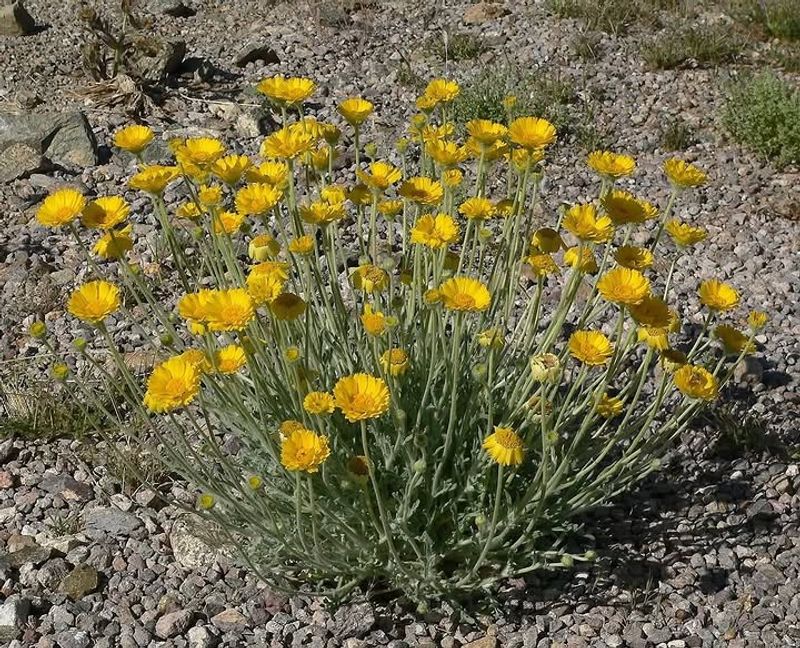
Tough and reliable, desert marigolds are one of the flowers that just refuse to quit in Phoenix. Bright yellow blooms pop up from March through May, often covering wide stretches of open desert flats with color that stops you mid-hike.
You do not need rich soil, extra watering, or any fancy setup to get these going.
Planted in a sunny spot with good drainage, they handle the dry Phoenix heat without complaint. Unlike a lot of flowering plants that need coddling through the warmest weeks, desert marigolds keep blooming even as temperatures climb.
Bees absolutely swarm them, so if you want to support pollinators in your yard, these are worth planting.
Each flower head sits on a long stem above soft, silvery-green leaves that give the plant a nice texture even when nothing is blooming. Deadheading spent flowers encourages more blooms throughout the season.
Scatter seeds in a gravel bed or native garden and let the desert do the rest. In Phoenix landscapes, they fit naturally along walkways, in rock gardens, or mixed with other native wildflowers without looking out of place.
Few plants offer this level of color for this little effort in Arizona’s spring garden.
2. Fairy Duster Handles Heat And Brings Soft Pink Color
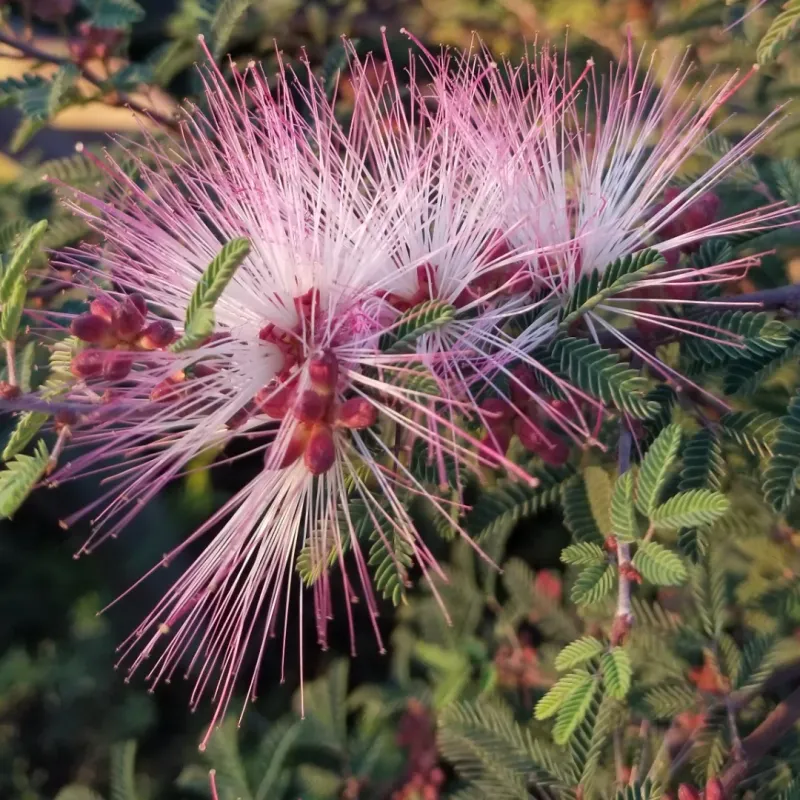
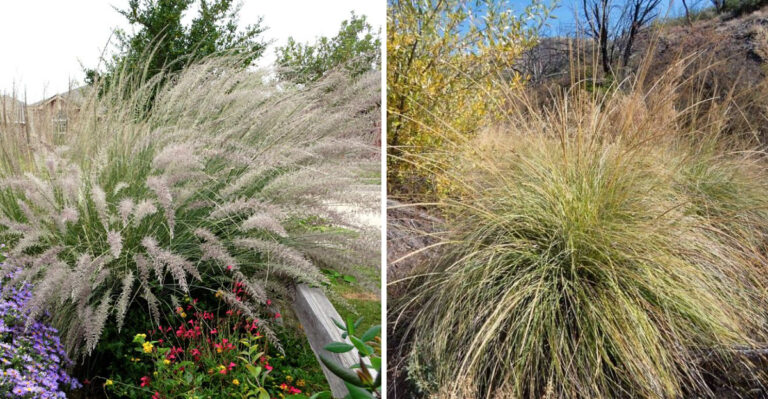
Walk past a fairy duster in full bloom and you will stop to look twice. Those soft, feathery pink clusters look almost too delicate for the desert, yet this plant handles Phoenix heat without flinching.
Blooming from February through April, it is one of the earliest signs that spring has arrived in the Sonoran Desert.
Hummingbirds go absolutely wild for fairy duster flowers. If you plant one near a window or patio in Phoenix, expect regular visitors hovering around the blooms throughout the season.
Beyond the wildlife appeal, the plant itself stays relatively compact and fits well in smaller yards or along fences.
Rocky slopes and desert washes are where you typically spot fairy duster growing wild around Phoenix. In a home garden, it does best with well-draining soil and full sun exposure.
Watering deeply but infrequently helps the root system develop strength without promoting rot. The pink blooms fade to a dusty rose as they age, giving the plant a layered, natural look that holds visual interest even between flush bloom cycles.
Trimming back after the main spring bloom can encourage a second round of flowers later in the season. For a low-fuss, high-reward plant in an Arizona spring garden, fairy duster earns its spot every single year.
3. Desert Paintbrush Stands Out With Bright Red Blooms
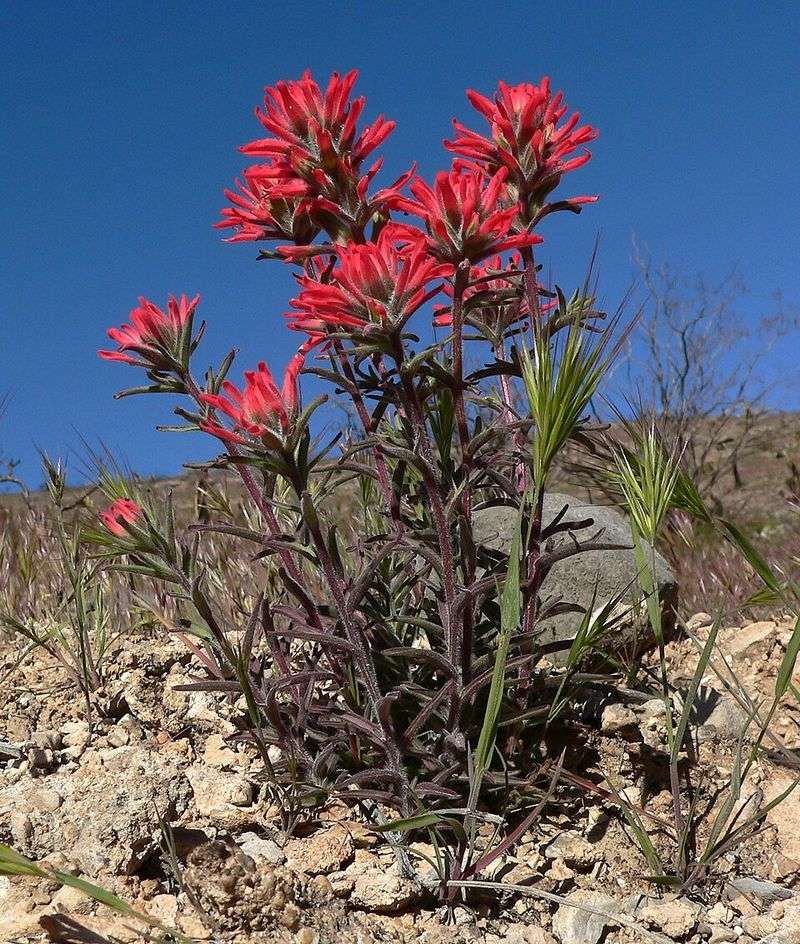
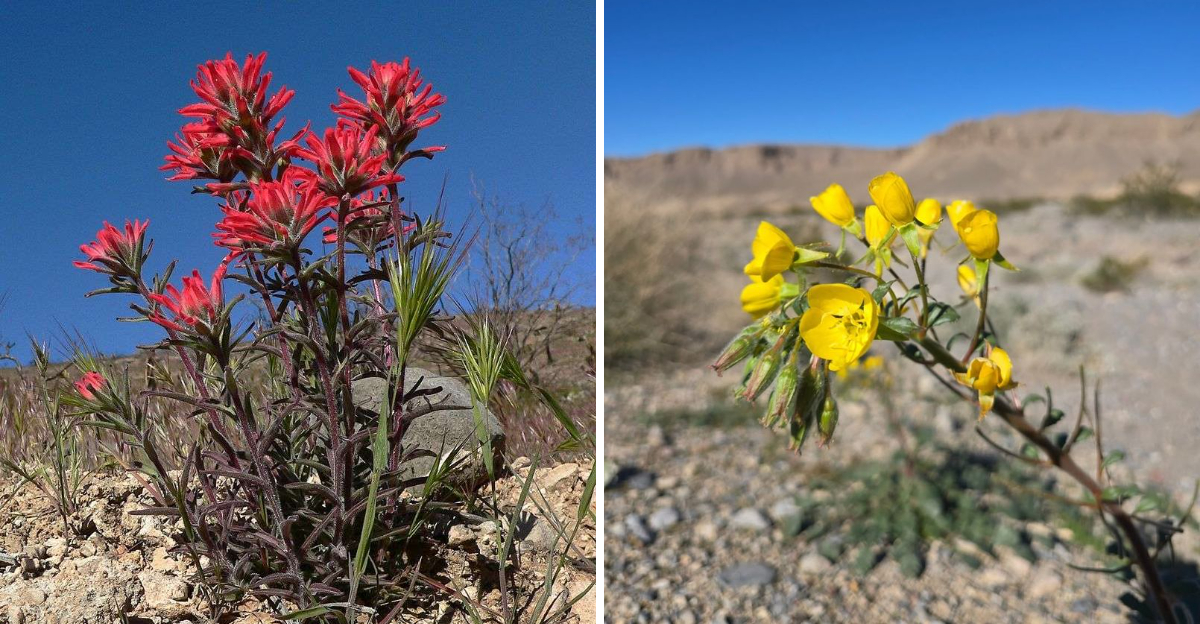
Red is not a color you expect to see much in the desert, which is exactly why desert paintbrush turns heads every spring in Phoenix. Those vivid crimson bracts look like someone dipped a brush in paint and flicked it across the hillside.
Spotting them on a trail in the Phoenix Mountains Preserve is genuinely exciting.
Desert paintbrush is a hemiparasite, meaning it taps into the roots of neighboring plants to pull some of its nutrients. That quirk makes it tricky to grow from seed in a home garden without the right host plants nearby.
Still, if your yard already has native grasses or shrubs, you might have success establishing it with patience.
Blooms typically appear in spring, peaking around March and April in the Phoenix area. Full sun and rocky or sandy soil give it the best chance to thrive.
Overwatering is the most common mistake people make with this plant, since it is built for dry conditions and does not respond well to soggy roots.
In the wild around Phoenix, you will often find it tucked between boulders or growing at the base of desert shrubs where it can access the moisture and nutrients it needs.
When conditions line up right, a patch of desert paintbrush in bloom is genuinely one of the most striking wildflower sights Arizona spring has to offer.
4. Desert Bells Grow Fast And Flower After Winter Rains
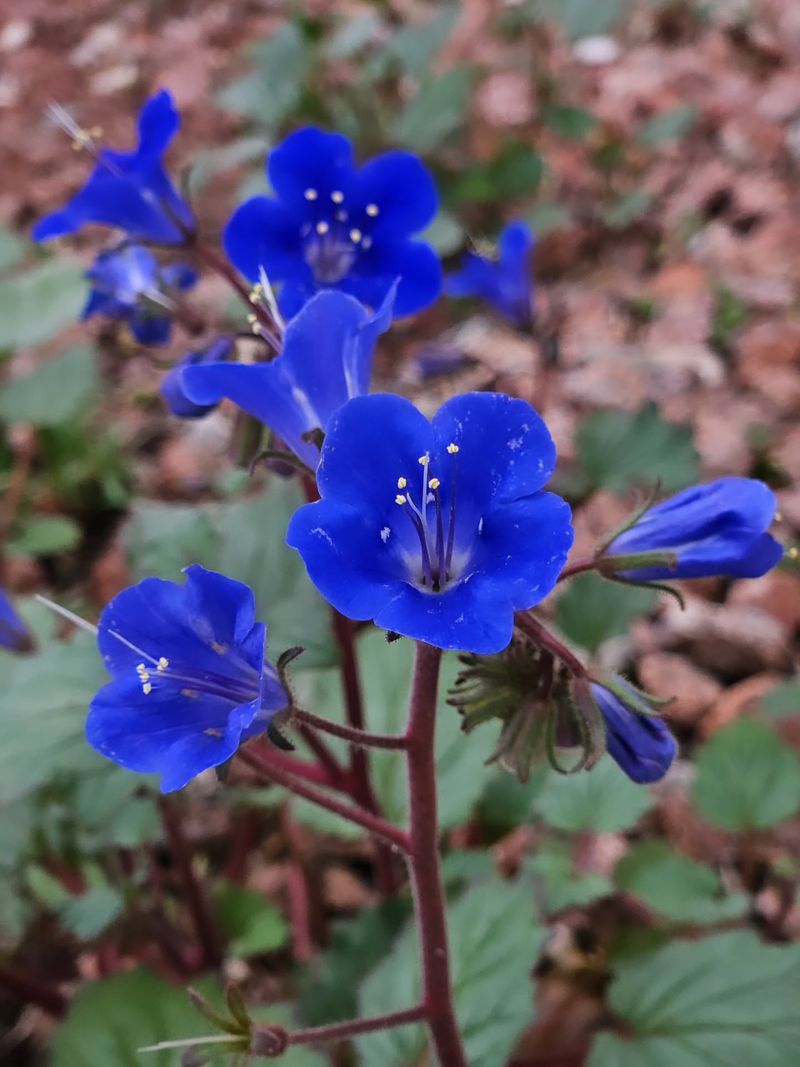
Rain in Phoenix during winter sets off a chain reaction, and desert bells are one of the fastest responders.
Within weeks of a decent rainfall, these small flowering plants push up through sandy soil and open clusters of tubular purple or white blooms that look almost too pretty for such a rugged environment.
Also known as phacelia, desert bells are annuals that complete their whole life cycle quickly. Seeds germinate, plants grow, flowers bloom, and seeds set before the heat of late spring shuts everything down.
That urgency gives the blooms a fleeting quality that makes spotting them feel special when you are out on Phoenix trails in March or April.
In a home garden, scatter seeds in fall before the rains arrive and let nature handle the timing. Sandy or gravelly soil with full sun exposure gives them the best start.
Avoid amending the soil too heavily, since these plants are built for lean desert conditions and do not need rich nutrients to flower well. Pollinators, especially native bees, work these flowers heavily during the brief bloom window.
If you are trying to build a native wildflower patch in your Phoenix yard, mixing desert bells seed with other native annuals creates a natural-looking spring display that requires almost no ongoing effort once the seeds are in the ground and the winter rains roll in.
5. Brittlebush Covers Hillsides In Yellow As Temperatures Rise
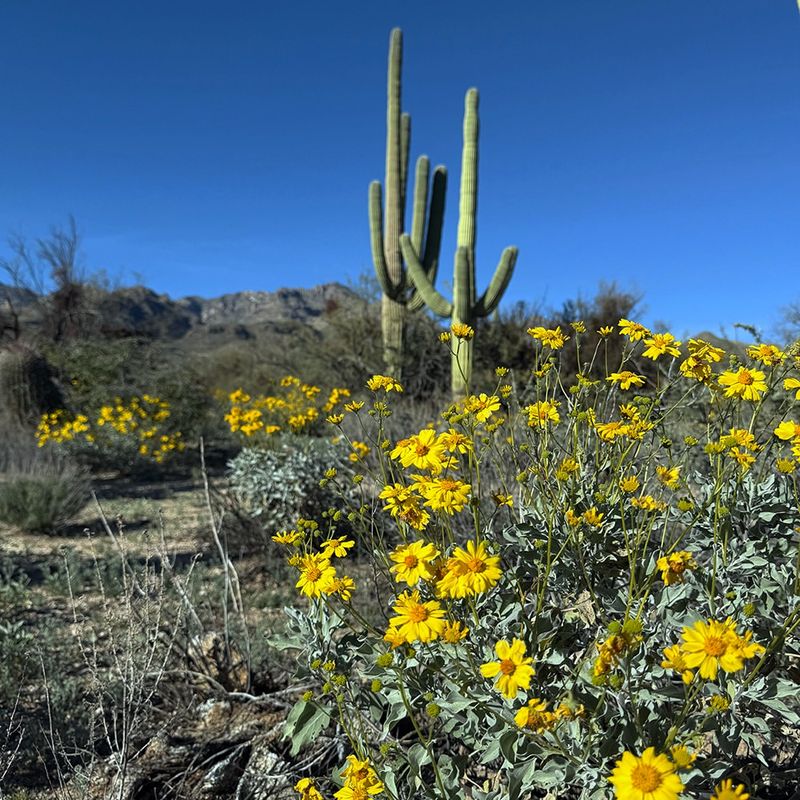
Driving through Phoenix in February and March, you cannot miss the hillsides glowing yellow. That is brittlebush, and it blooms in such thick masses that entire slopes look painted.
Few plants signal the arrival of spring in Arizona as boldly or as reliably as this one.
Silvery-gray foliage gives brittlebush a nice look even outside of bloom season. When temperatures start rising after winter, long stems shoot up from the mounded base and each one tops out with a cheerful yellow daisy-like flower.
Bloom season runs from February through April, with peak color usually hitting in March around the Phoenix area.
Brittlebush handles drought with ease and prefers rocky, well-draining slopes over flat, irrigated garden beds. If you plant it in heavy clay soil with too much water, the roots struggle.
Give it gravel, sun, and room to spread, and it rewards you year after year with that signature yellow bloom show. Native bees and butterflies visit the flowers regularly throughout the bloom season.
Dried stems were historically used by Indigenous peoples in the region as incense, which gives this plant a deeper connection to the desert Southwest than most people realize.
Pruning back hard after flowering keeps the plant tidy and encourages fresh growth heading into summer.
For sheer visual impact in a Phoenix spring garden, brittlebush is nearly impossible to beat.
6. Yellow Cups Spread Quickly And Bloom After Rainfall
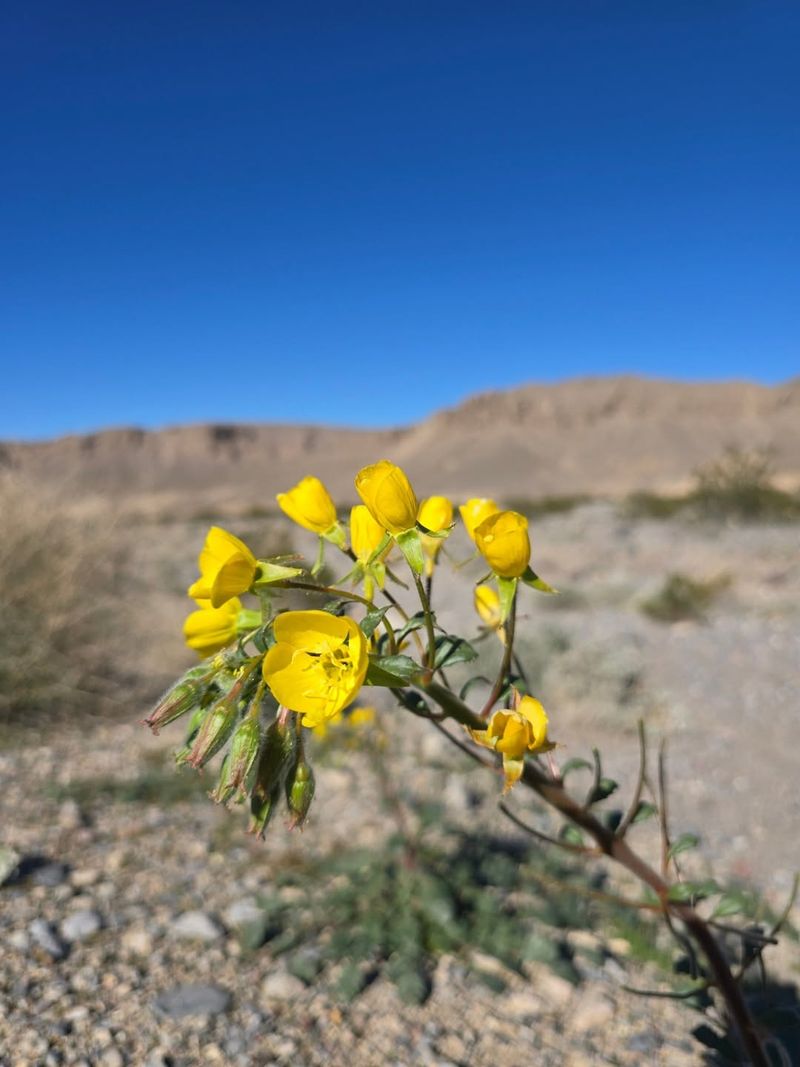
After a good rain hits the Phoenix area in late winter or early spring, yellow cups do not waste any time. Patches of bright, bowl-shaped yellow flowers appear almost overnight across sandy flats and disturbed soils, spreading wider than most people expect from such a small plant.
Scientifically known as Camissonia or a related species depending on who you ask, yellow cups are annuals that rely heavily on seasonal moisture to germinate and bloom.
In a wet year, they cover enormous stretches of open desert around Phoenix in sheets of yellow that photograph beautifully.
In a dry year, you might only find scattered plants here and there.
Planting yellow cups in a home garden requires patience and timing. Sow seeds in fall, let winter rains do the work, and expect blooms in late February through April.
Sandy or loamy soil drains fast enough to keep seeds from rotting before they sprout. Avoid clay-heavy planting areas for best results.
Bees work these flowers early in the morning when the blooms are fully open and facing the sun. Mixing yellow cups with other low-growing native wildflowers like desert bells or poppies creates a layered, natural ground cover effect that looks intentional without requiring much planning.
For gardeners in Phoenix looking to add a fast-spreading splash of spring yellow, yellow cups deliver results with minimal fuss and strong seasonal color payoff.
7. Mexican Poppies Open Bright Orange Flowers In Warm Weather
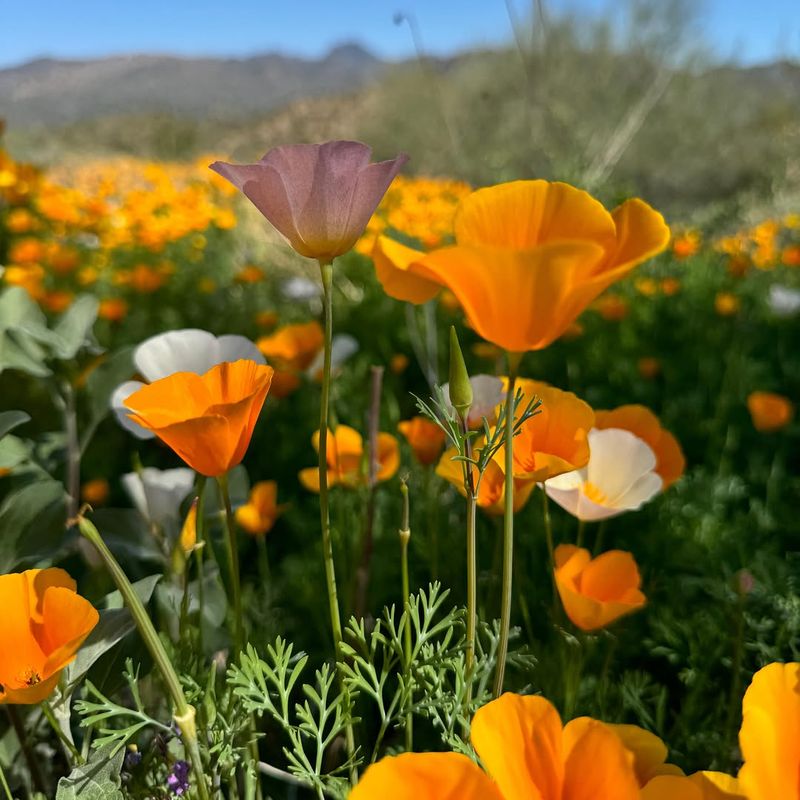
Nothing quite matches the sight of Mexican poppies spreading across the desert floor around Phoenix in March and April. That saturated orange color against dry brown soil and blue sky looks almost unreal, like someone cranked up the saturation on a photograph.
In a strong bloom year, entire hillsides near Phoenix disappear under waves of orange.
Mexican gold poppies, as they are also called, are annuals that depend on winter rainfall to germinate. A wet November through January sets the stage for a spectacular March display.
Drought years produce scattered blooms at best, which is why locals pay close attention to rainfall totals each winter.
If you want them in your yard, scatter seeds on bare, sandy soil in October or November and step back. No fertilizer, no irrigation setup, no soil prep needed.
Overwatering or over-managing these plants actually reduces germination success. They want lean desert conditions and warm spring sunshine, nothing more.
Blooms open fully in the morning and close at night, which gives each day a fresh look as new flowers unfurl. Bees and small native insects visit them constantly throughout the bloom window.
In Phoenix parks and open desert preserves, Mexican poppies are one of the most photographed wildflowers of the entire spring season. Catching them at peak bloom, usually mid-March, is worth planning a hike around if you have never seen the display up close.
8. Globe Mallow Adds Strong Orange Color In Spring Bloom Cycles
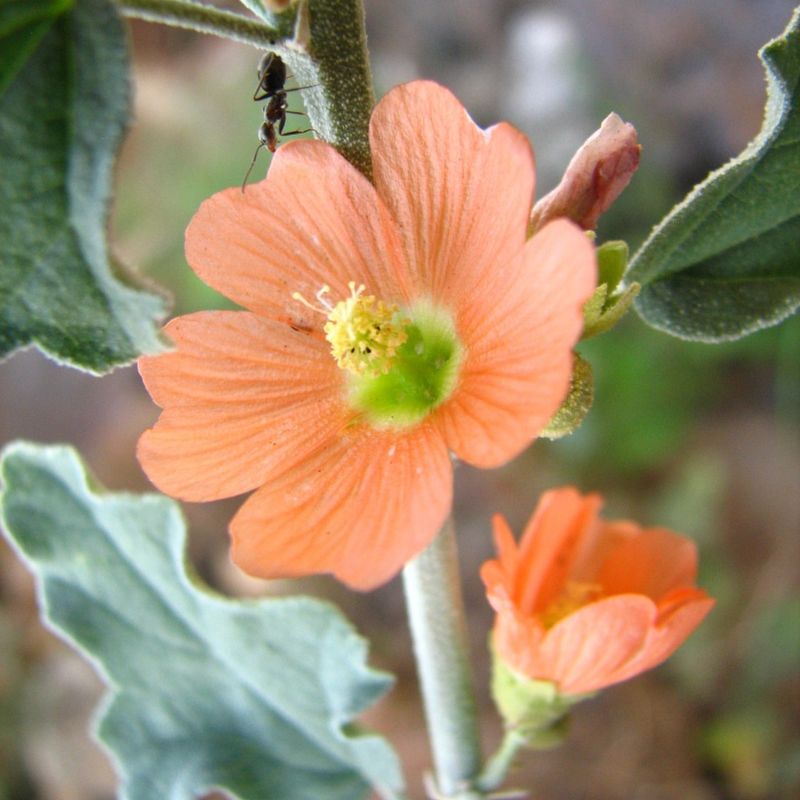
Globe mallow is one of those plants that earns respect the more you notice it. Clusters of small, cup-shaped orange flowers line upright stems and keep blooming through spring and into early summer in Phoenix, long after many other wildflowers have finished for the season.
That extended bloom window sets it apart from most native annuals.
Apricot and salmon-colored varieties exist alongside the classic orange, giving you some flexibility if you want a slightly different look in a garden bed. All of them handle full sun and dry soil without much trouble.
Rocky or sandy ground suits globe mallow better than anything with heavy moisture retention.
Bees absolutely rely on globe mallow pollen, and if you watch the flowers closely on a warm Phoenix morning, you will often spot small native bees coated in orange pollen working through the clusters.
Plants spread by seed and can naturalize in a yard over a few seasons without becoming invasive or unruly.
Cutting back after the main spring flush encourages a second round of blooms before summer heat shuts things down.
Globe mallow grows wild along roadsides, desert trails, and open flats throughout the Phoenix area, so it blends naturally into native landscapes without looking forced or out of place.
Adding it to a pollinator garden or xeriscape design gives you reliable orange color during one of Arizona’s most beautiful seasons.