7 Spring Garden Habits Oregon Homeowners Need To Break
Spring energy hits differently in Oregon. The rain eases up (a little), the light gets brighter, and suddenly everyone feels the urge to rush outside and start doing things.
Pruning, planting, digging, cleaning, it all feels productive, and honestly, it’s fun to finally get back into the garden.
But here’s the twist: some of the most common spring habits actually cause more problems than progress. They’re easy to fall into because they seem helpful at the moment.
You see growth starting and think it’s time to go all in. Oregon’s unpredictable spring weather, cool soil, and lingering moisture make timing especially tricky, even for experienced gardeners.
You might be doing these things out of excitement, not realizing they can stress plants, damage soil, or set your garden back weeks. And the frustrating part?
The effects don’t always show up right away.
If you’ve ever wondered why spring projects don’t always turn out the way you hoped, you’re not alone. Many Oregon homeowners repeat the same seasonal habits year after year without realizing they’re working against their garden.
Breaking these seven spring routines can make a noticeable difference, helping your yard grow stronger, healthier, and easier to manage as the season gets going.
1. Tilling Your Soil Every Spring
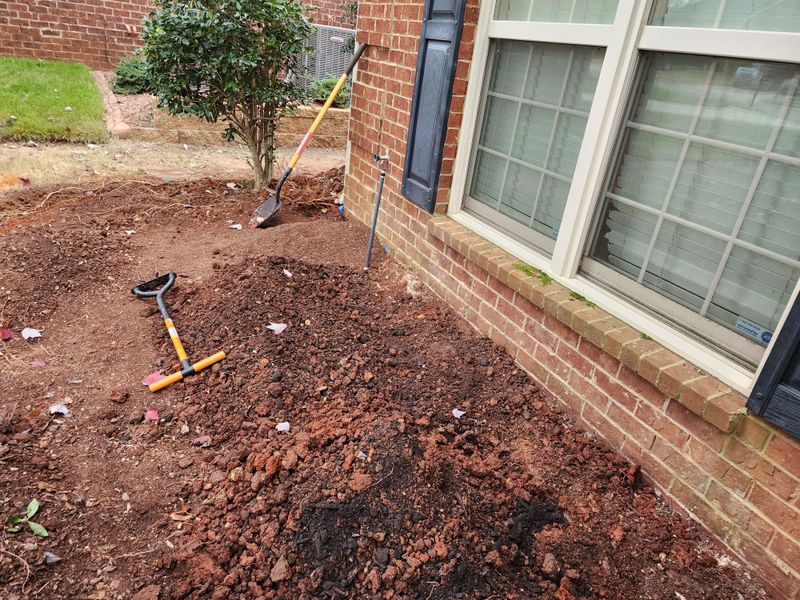
Many gardeners believe that turning over the soil each spring is a must. It feels productive, and the freshly churned earth looks ready for planting.
But this annual ritual can actually harm the complex ecosystem living beneath the surface.
Soil is home to billions of microorganisms, fungi, and beneficial creatures that work together to create healthy growing conditions. When you till, you disrupt these networks and damage the structure that helps water drain properly.
Over time, repeated tilling compacts soil, making it harder for roots to spread and nutrients to move through the ground.
In Oregon, where spring rains are common, compacted soil becomes waterlogged and heavy. Plants struggle to establish strong roots in these conditions.
Instead of tilling, try adding compost to the surface and allowing worms and microbes to mix it in naturally.
This approach, called no-till gardening, preserves soil structure and encourages deeper root growth. Your plants will access nutrients more easily, and you will spend less time working the ground.
Plus, you will protect the beneficial organisms that help your garden thrive without any extra effort from you.
Breaking the tilling habit takes trust, but your soil will reward you with better texture, drainage, and fertility over time.
2. Planting Too Early
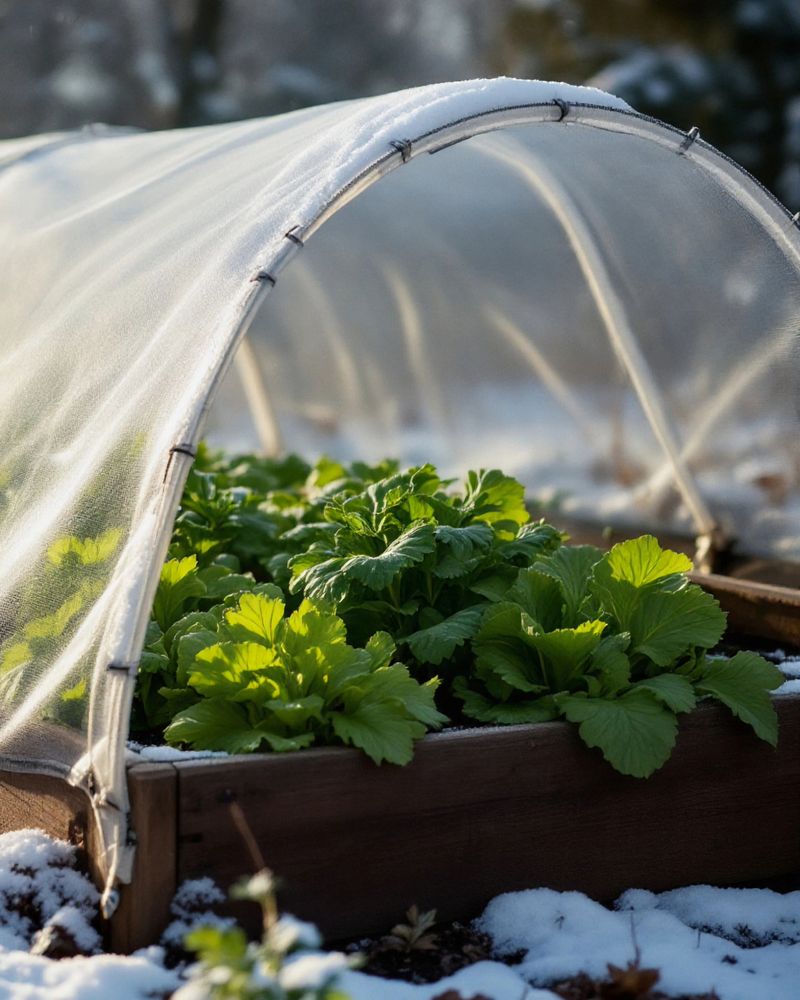
Enthusiasm runs high when the first warm days of spring arrive. You might feel tempted to rush outside and start planting everything at once.
However, Oregon weather can be unpredictable, and a late frost or cold snap can wipe out tender seedlings in a single night.
Soil temperature matters just as much as air temperature. Even if the days feel warm, cold soil slows seed germination and stresses young plants.
Many vegetables and flowers need soil temps above 50 or 60 degrees to grow properly, and Oregon soil often stays chilly well into April or even May.
Planting too early does not give you a head start. Instead, it often leads to stunted growth, poor yields, and wasted seeds.
Patience pays off when you wait for the right conditions. Check your local frost dates and use a soil thermometer to measure ground temperature before you plant.
Starting seeds indoors gives you a jump on the season without risking outdoor failures. Once the soil warms and frost danger passes, transplant your seedlings outside.
They will grow faster and stronger than anything planted too soon in cold, wet ground.
Trust the calendar and your thermometer more than your eagerness, and your garden will reward you with healthier plants and better harvests.
3. Over-Fertilizing Right Away
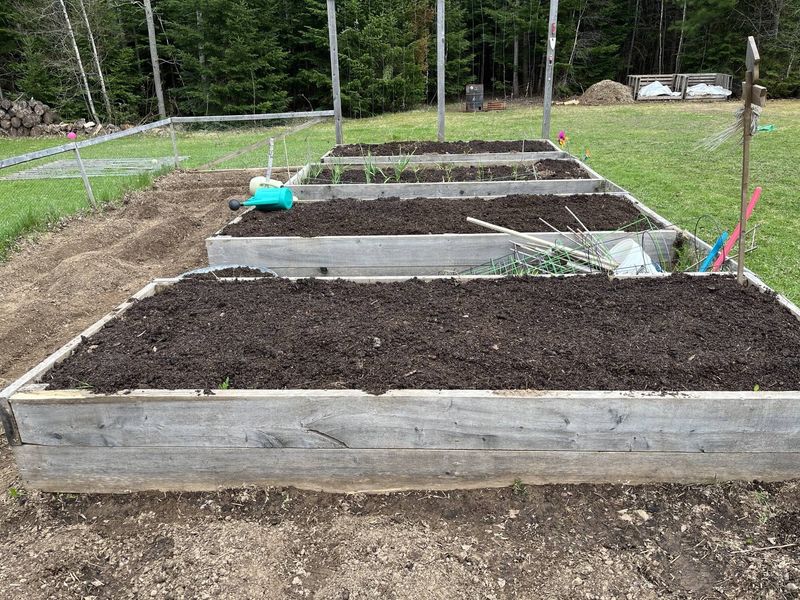
It seems logical to feed your garden heavily at the start of the season. After all, plants need nutrients to grow, right?
But dumping fertilizer on your beds as soon as spring arrives can cause more problems than it solves.
Most Oregon soils already contain plenty of nutrients, especially if you have been adding compost or mulch over the years. Excess fertilizer does not make plants grow faster or bigger.
Instead, it can burn roots, encourage weak, leggy growth, and leach into groundwater, where it harms local streams and rivers.
Too much nitrogen pushes plants to produce lots of leaves but few flowers or fruits. You end up with big, green bushes that look impressive but produce little.
Additionally, synthetic fertilizers can disrupt the balance of beneficial microbes in the soil, reducing long-term fertility.
A better approach is to test your soil before adding anything. A simple soil test reveals what your garden actually needs.
Most of the time, a layer of compost provides all the nutrients plants require without the risk of overdoing it.
Feed your soil, not just your plants. Healthy soil naturally supports strong growth without the need for heavy fertilizer applications.
Your garden will be more productive, and you will protect Oregon waterways at the same time.
4. Raking Away All Fallen Leaves
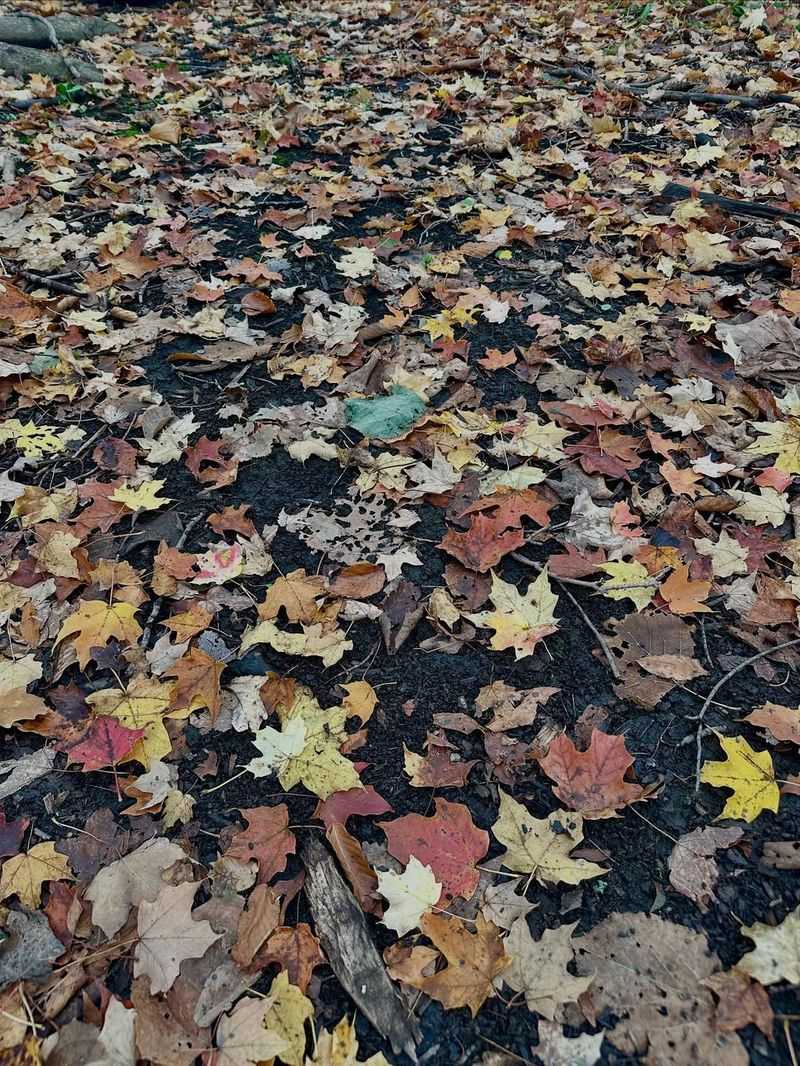
A tidy garden bed might look neat and organized, but nature works differently. Fallen leaves and plant debris provide valuable benefits that many gardeners overlook.
Raking everything away each spring removes organic matter that would otherwise feed your soil and protect plant roots.
Leaves break down slowly, releasing nutrients back into the ground. They also create habitat for beneficial insects, including pollinators and predators that help control pests.
When you clear every last leaf, you remove these helpers and force yourself to replace the lost nutrients with purchased products.
In Oregon, where moisture levels stay high, a light layer of leaves helps regulate soil temperature and prevents erosion during heavy rains. Bare soil is vulnerable to compaction and nutrient loss.
Mulching with leaves or leaving some debris in place protects the ground and reduces your workload.
If you worry about appearance, compromise by raking leaves off lawns and paths but leaving them in garden beds. Chop them up with a mower first to speed decomposition.
This simple change improves soil health without any extra cost or effort.
Your garden does not need to look like a showroom. A little messiness supports a thriving ecosystem that benefits every plant you grow.
5. Watering On A Fixed Schedule
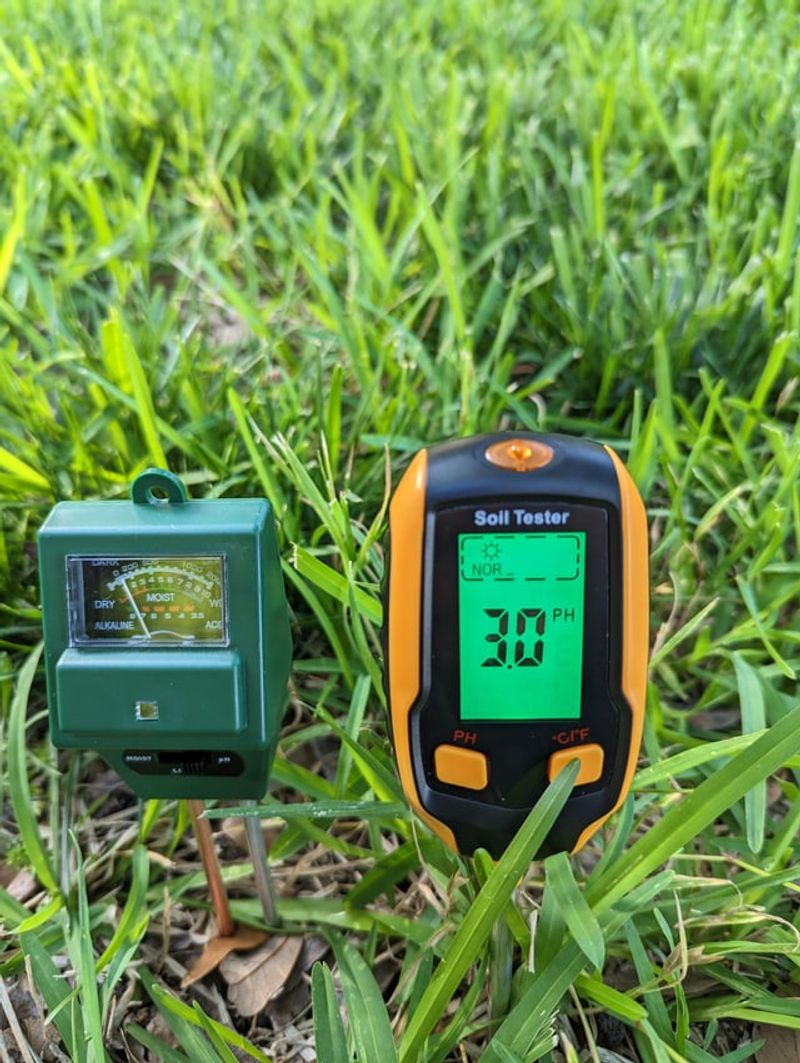
Automatic timers and strict watering schedules feel convenient, but they do not account for changing weather conditions.
Oregon springs are notoriously wet, and adding more water when rain has already soaked the soil leads to problems like root rot, fungal diseases, and shallow root systems.
Plants need water, but they also need oxygen around their roots. Overwatering pushes air out of the soil, suffocating roots and creating an environment where harmful fungi thrive.
Many gardeners water out of habit rather than necessity, especially early in the season when rain does most of the work.
Instead of watering every day or every other day, check the soil first. Stick your finger a few inches down.
If it feels moist, skip the watering. Let the soil dry out slightly between waterings to encourage roots to grow deeper in search of moisture.
Deep, infrequent watering creates stronger plants that can handle dry spells later in the summer. Shallow, frequent watering keeps roots near the surface, where they are vulnerable to heat and drought.
Adjust your habits based on rainfall, temperature, and soil conditions rather than following a rigid routine.
Your garden will be healthier, and you will save water and time by responding to what your plants actually need instead of what the calendar says.
6. Ignoring Native Plants
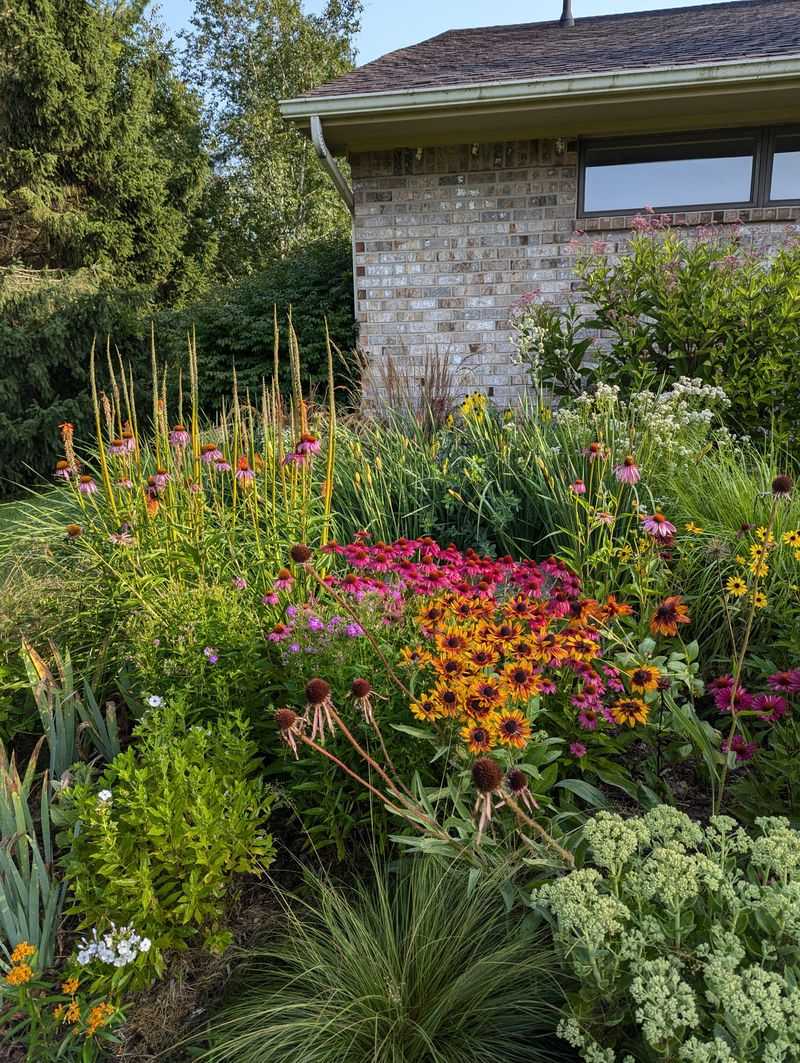
Catalogs and garden centers overflow with exotic flowers and vegetables that promise big blooms and heavy yields. These plants catch your eye, but they often require more water, fertilizer, and pest control than native species.
Oregon has a rich selection of native plants adapted to local conditions, and overlooking them is a missed opportunity.
Native plants evolved alongside Oregon pollinators, birds, and beneficial insects. They provide food and habitat that non-native species cannot match.
Plus, they thrive without constant attention because they are already suited to the climate, soil, and rainfall patterns of the region.
Adding natives to your garden reduces maintenance and supports local wildlife. You will spend less time watering, fertilizing, and battling pests.
Native wildflowers, shrubs, and grasses create beautiful, resilient landscapes that change with the seasons and attract butterflies, bees, and songbirds.
Start small by replacing a few ornamentals with native alternatives. Oregon grape, red-flowering currant, and camas are just a few options that add color and interest while supporting the ecosystem.
Once established, these plants require minimal care and come back year after year.
Breaking the habit of relying only on non-native plants opens up a world of beauty and benefits that make your garden more sustainable and connected to the place you live.
7. Using Harsh Pesticides At The First Sign Of Pests
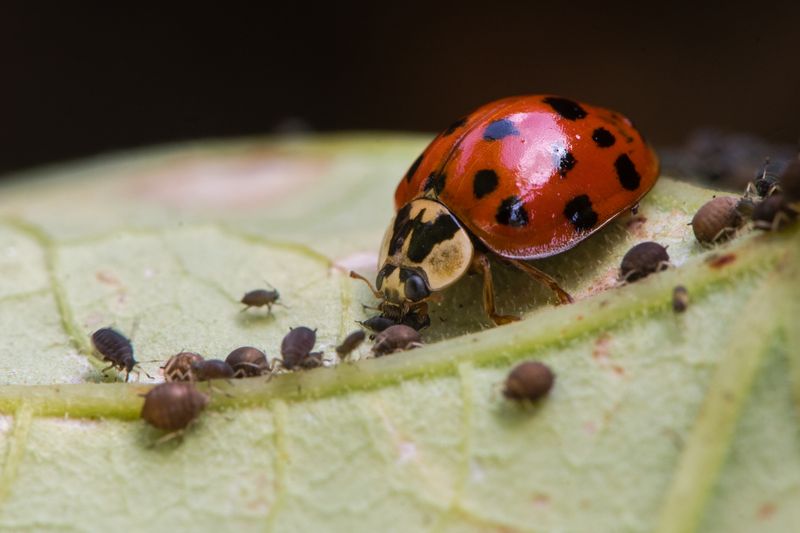
Spotting a bug on your plants can trigger panic, and reaching for a spray bottle seems like the quickest solution. But not every insect is an enemy, and broad-spectrum pesticides often do more harm than good.
They wipe out beneficial insects along with pests, creating an imbalance that can lead to bigger problems down the road.
Oregon gardens host a variety of helpful creatures like ladybugs, lacewings, and ground beetles that naturally control pest populations. When you spray indiscriminately, you eliminate these allies and leave your garden vulnerable.
Pests can also develop resistance to chemicals, making them harder to manage over time.
A better strategy is to identify the pest first and determine whether it is actually causing significant damage. Many insects are harmless or even beneficial.
If you do need to intervene, start with the least toxic option, such as hand-picking pests, using insecticidal soap, or introducing beneficial insects.
Encourage natural pest control by planting a diverse mix of flowers and herbs that attract predators. Healthy soil and strong plants are also less attractive to pests and more resilient when attacks occur.
Prevention and balance work better than chemical warfare.
Breaking the pesticide habit protects your garden ecosystem, keeps pollinators safe, and creates a healthier environment for you and your family to enjoy.