8 Spring Garden Ideas That Brighten North Georgia Yards
Some North Georgia yards look pulled together the moment spring kicks in, while others feel like something is still missing even when everything is growing.
It is not about doing more, it is about what is already in place and how it comes together.
A few simple shifts can change the entire feel of a yard without turning it into a big project. The right touches make everything look more finished, more balanced, and easier to keep up with as the season moves forward.
When things fall into place like that, the yard starts to feel right without constant effort. It holds its look, stays consistent, and feels like it finally makes sense from one area to the next.
1. Plant Cool-Season Annuals For Early Color Before Heat Builds
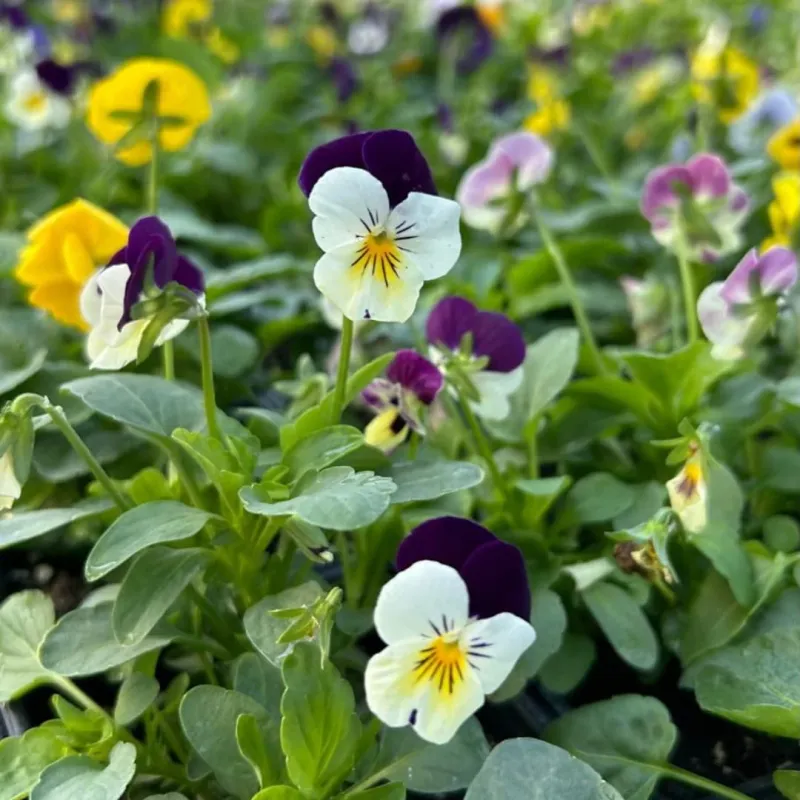
Pansies don’t get nearly enough credit for what they can do in a North Georgia spring. Plant them in February or early March, and they’ll reward you with weeks of bold color before summer even thinks about arriving.
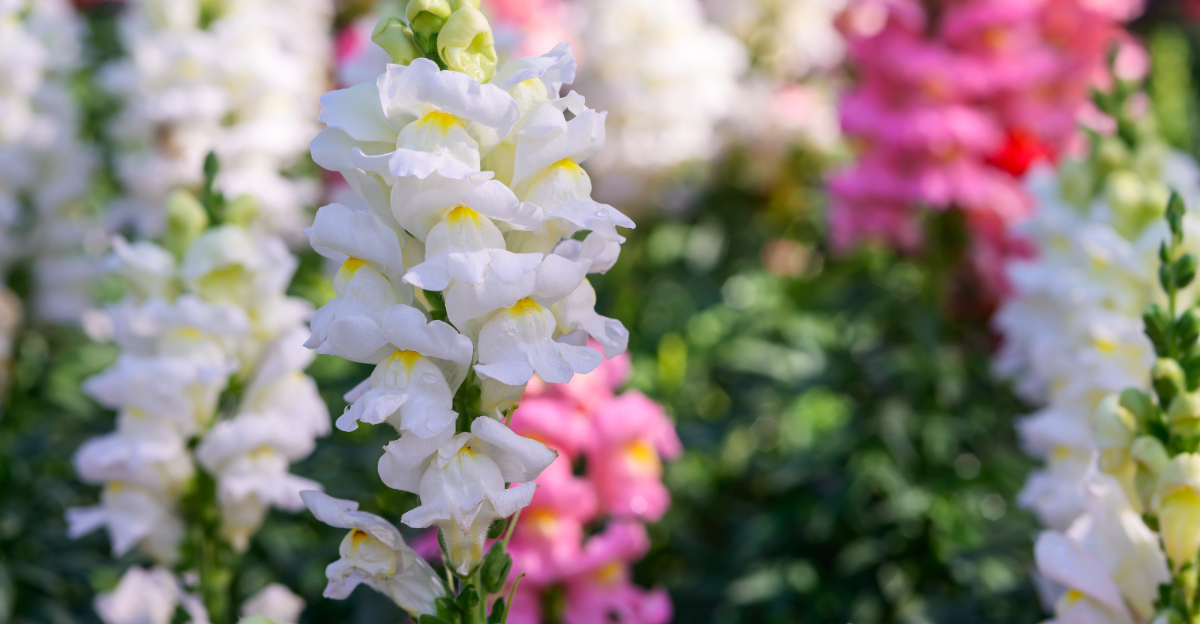
Snapdragons and dianthus are also solid choices that handle cool nights without flinching.
Soil preparation matters more than most people realize. Loosen the bed about six inches down, mix in a little compost, and your transplants will settle in fast.
Skip the cheap bagged soil amendments and go with something that actually has organic matter in it.
One thing worth knowing: cool-season annuals don’t love sitting in waterlogged ground. North Georgia gets spring rain, sometimes a lot of it, so raised beds or well-draining spots will serve you better than low-lying areas.
Plant in clusters of the same color for visual punch rather than scattering single plants randomly.
By the time May rolls around and temperatures climb into the upper 70s, these plants will start to fade. That’s your signal to swap them out for warm-season options.
But between now and then, they’ll carry your yard through the most colorful stretch of early spring and give the whole space an energy boost that’s hard to fake with anything else.
They also handle light frosts without much trouble, which gives you a longer window to enjoy color when other plants are still waking up.
If you keep spent blooms picked off, they stay fuller and keep pushing new flowers right up until the heat starts to take over.
2. Add Native Shrubs That Bloom Reliably In Spring
Virginia sweetspire is one of those shrubs that earns its spot without any fuss. It blooms in late spring with white bottlebrush flowers, handles both sun and shade, and turns brilliant red in fall.
For a North Georgia yard, it fits right in along fence lines or at the edge of a wooded area.
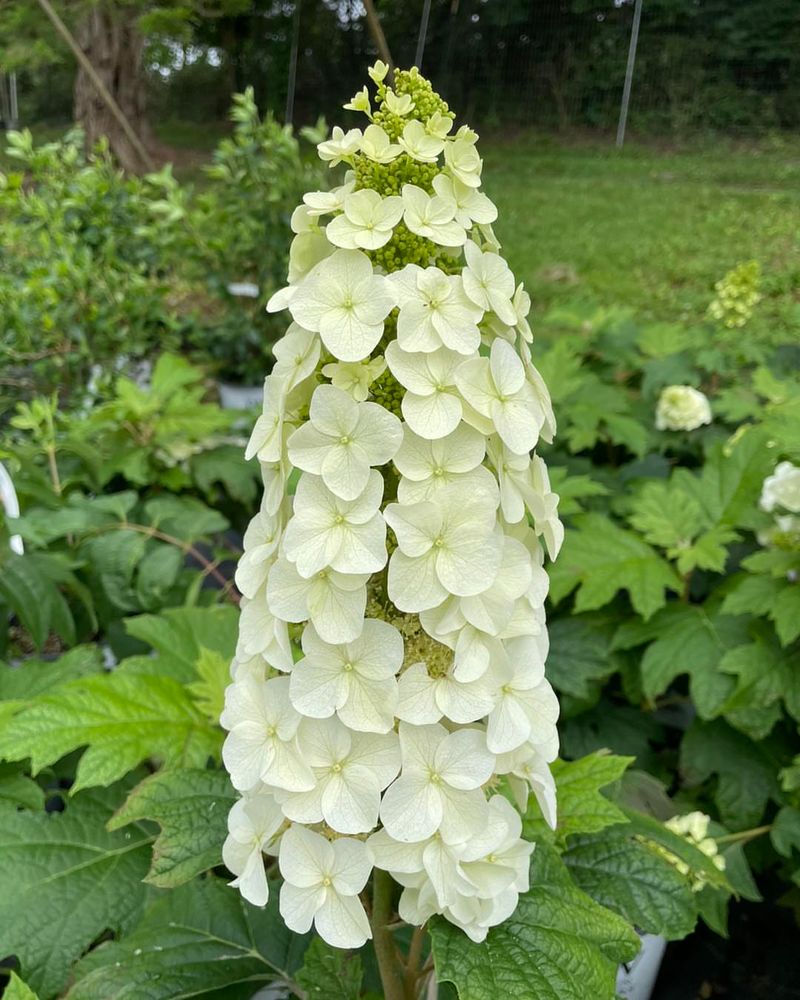
Oakleaf hydrangea is another strong pick. It produces large white flower clusters in May, and the peeling bark adds winter interest long after the blooms are gone.
Plant it where it gets morning sun and some afternoon shade, and it’ll perform year after year without much intervention.
Wild azaleas are worth considering too, especially if you want something that looks like it belongs in the North Georgia landscape rather than something imported from a big-box nursery catalog.
Piedmont azalea blooms in April with pale pink to white flowers and has a light, pleasant fragrance.
Native shrubs generally need less watering once they get going through their first season. They’ve adapted to local rainfall patterns and soil types, which means less babysitting from you.
Pair a couple of these together and you’ll have a layered shrub border that provides color, texture, and wildlife value all at once. Bees and butterflies will find them quickly.
3. Refresh Mulch To Hold Moisture And Suppress Weeds
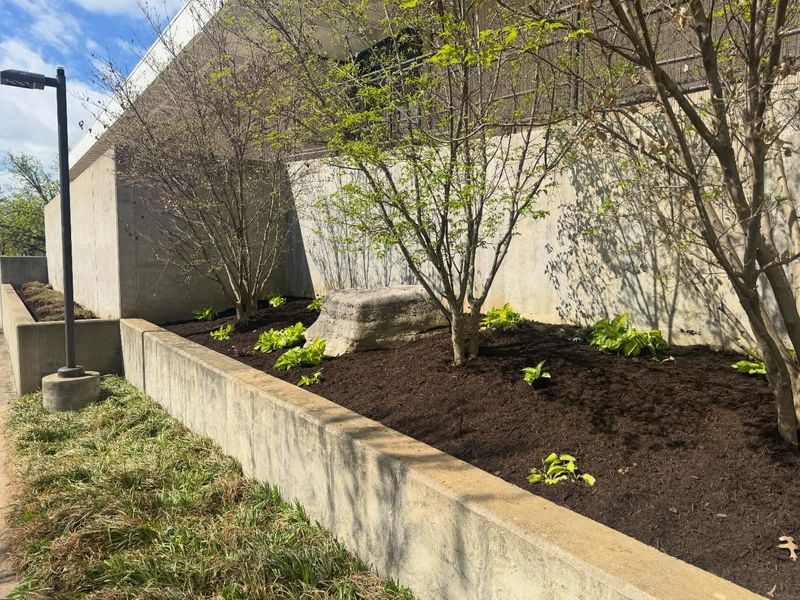
Old mulch breaks down over winter, and by spring it’s often thin, compacted, and not doing much for anyone. Pulling a fresh two-to-three-inch layer over your garden beds is one of the highest-return tasks you can do in March.
It keeps soil moisture from evaporating quickly during dry spring stretches and slows down weed germination before it becomes a problem.
Shredded hardwood mulch works well in North Georgia because it breaks down gradually and adds organic matter back into the soil. Pine straw is another popular option in the region and tends to stay in place on slopes better than wood chips.
Either one works, but avoid going more than three inches deep or you risk creating conditions that hold too much moisture against plant stems.
Pull back any old mulch that has matted into a crust before adding the fresh layer. That crust can actually repel water rather than helping it soak in, which defeats the whole purpose.
A quick raking with a garden fork loosens it up in minutes.
Mulching around trees is also worth doing, but keep it a few inches away from the trunk. Piling mulch directly against bark traps moisture and can cause rot over time.
A clean, even ring around the base looks tidy and protects the root zone through North Georgia’s unpredictable spring weather swings.
4. Divide Perennials Now For Fuller Growth Later In The Season
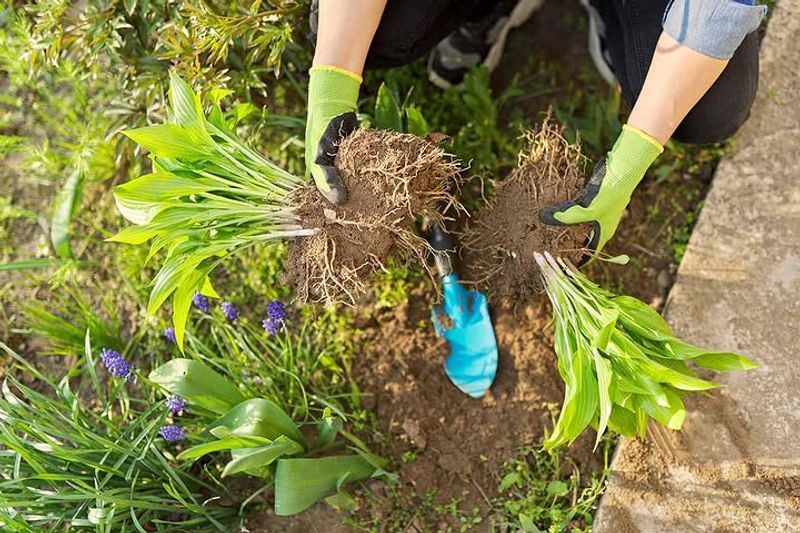
Daylilies, hostas, and black-eyed Susans all have one thing in common: they get crowded over time. When a clump stops blooming as heavily as it used to, or when the center starts to look thin and woody, that’s a clear sign it needs to be divided.
Spring is the right window to do it in North Georgia, right when new growth is just starting to emerge.
Dig the whole clump out with a garden fork rather than a spade. A fork does less root damage and gives you a better look at what you’re working with.
Pull the clump apart by hand if possible, or use two forks back-to-back to pry sections apart. Each division should have a healthy set of roots and at least a few inches of green growth showing.
Replant divisions right away so the roots don’t dry out in the sun. Water them in well and give them a few days of shade if possible, especially if a warm spell hits right after planting.
North Georgia springs can swing from cool and rainy to warm and dry within a week, so timing matters.
Extra divisions can fill in bare spots elsewhere in the yard or be shared with neighbors. Perennial divisions shared between gardeners tend to carry a little extra story with them, which makes the garden feel more personal and rooted in the community.
5. Install A Simple Pollinator Corner With Early Bloomers
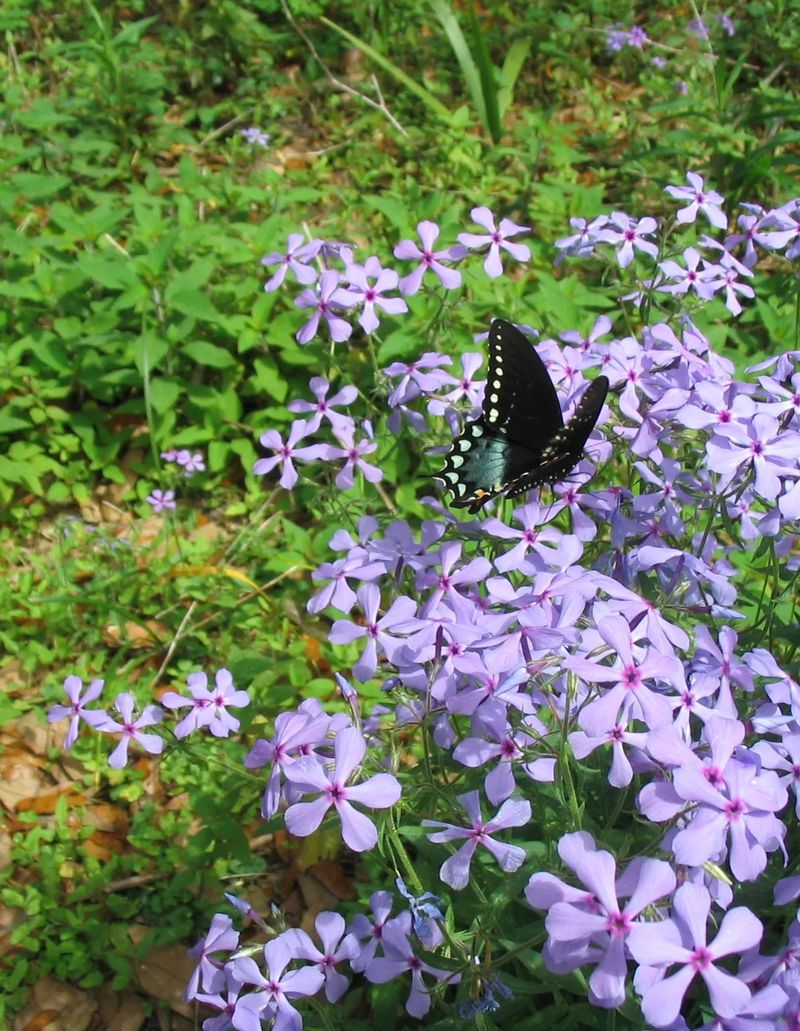
A pollinator corner doesn’t need to be fancy or large to be effective. A four-by-four-foot patch in a sunny spot can support more bee and butterfly activity than you’d expect, especially if you plant a few species that bloom at different points through spring.
Early pollinators need food sources as soon as they become active, often in late February or March in North Georgia.
Wild blue phlox is a great early option. It spreads slowly, tolerates part shade, and produces clusters of lavender-blue flowers that native bees absolutely work over.
Golden Alexanders bloom a bit later and attract a wide range of beneficial insects, including native bees that are active before honeybees emerge in force.
Eastern redbud trees, if you have the space, are one of the best early nectar sources in the region. Even a young tree planted near the pollinator corner adds vertical interest and draws in bees weeks before most other plants wake up.
In North Georgia, redbuds typically bloom in March and put on a serious show.
Skip the pesticides in and around this area entirely. Pollinators are sensitive, and even products labeled as safe can disrupt early season activity.
Let the corner be a little wild and untidy at the edges. That’s actually what works best for the insects you’re trying to attract.
6. Edge Garden Beds To Create A Cleaner, Brighter Look
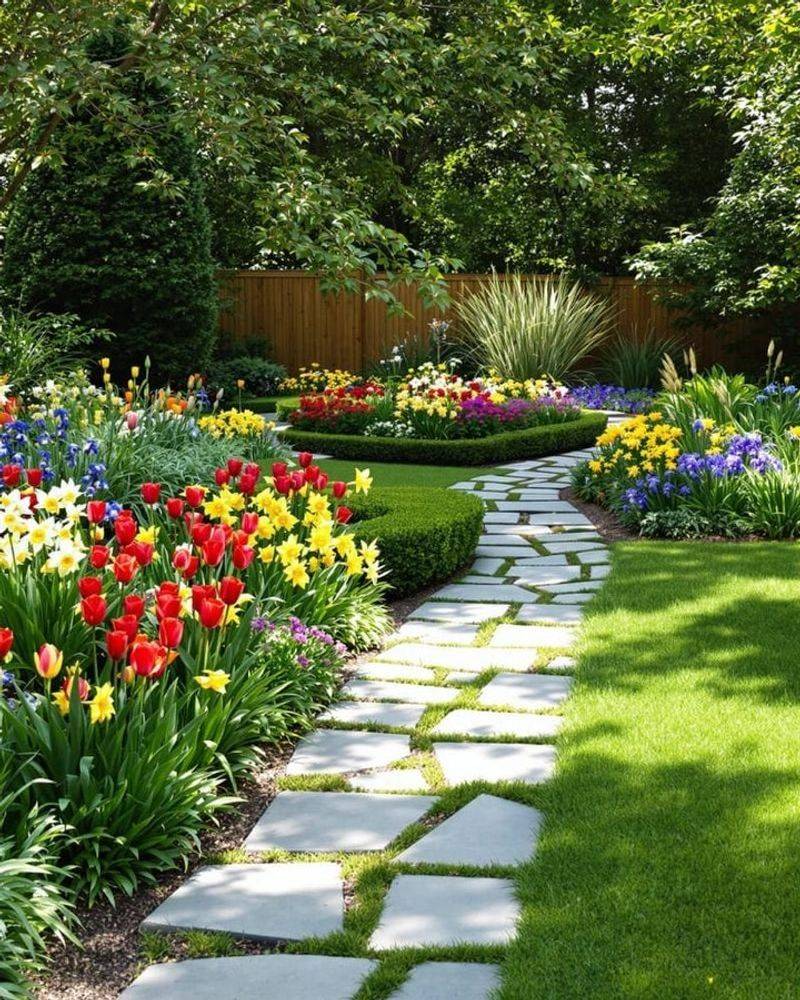
Sharp edges make a garden look intentional. Even if the planting inside a bed is a bit wild or still filling in, a clean edge between the lawn and the soil signals that someone is paying attention out there.
It’s one of those details that changes how the whole yard reads from the street.
A half-moon edger or a flat spade works well for cutting a fresh edge in spring. Dig straight down about three to four inches along the bed line and remove the turf that’s crept over.
North Georgia lawns tend to push into beds aggressively once warm weather arrives, so getting ahead of it now saves a lot of effort in May and June.
Curved bed edges look more natural and tend to be easier to mow along than tight corners. If you’re reshaping a bed, use a garden hose to lay out the new line before you start cutting.
Walk around and look at it from different angles to make sure the curve flows well before committing.
After edging, clean up the trench and leave it open rather than filling it back in. That small gap acts as a physical barrier that slows grass from creeping back into the bed.
Combine it with a fresh layer of mulch right up to the edge and the effect is clean, polished, and surprisingly satisfying to look at every morning.
7. Use Containers To Add Instant Color To Patios And Entry Areas
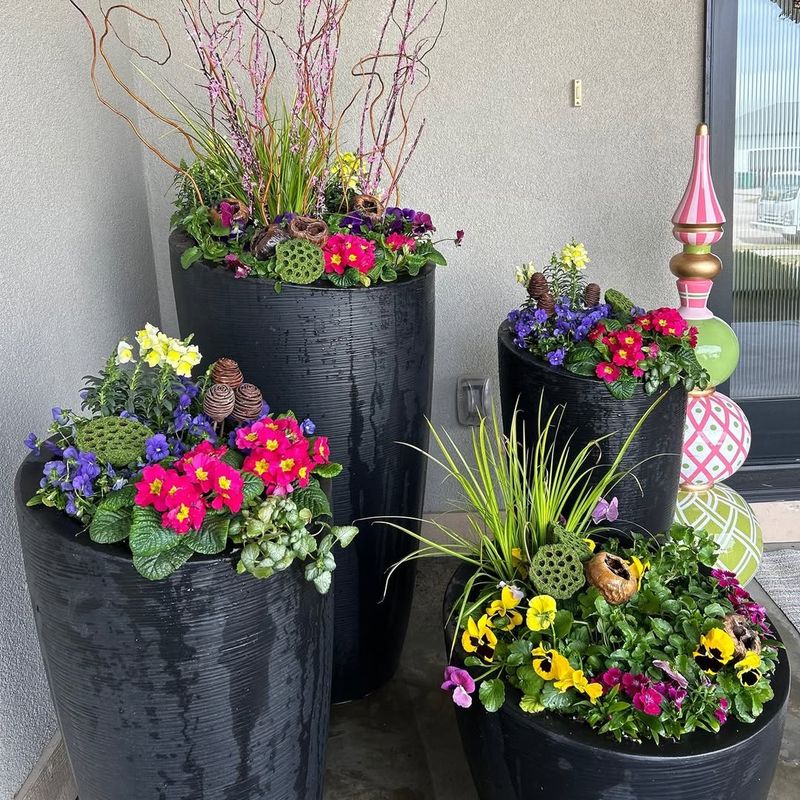
Containers are the fastest way to change the mood of an outdoor space without committing to anything permanent. A couple of well-planted pots flanking a front door or lined up on a back patio can shift the whole feel of the yard in an afternoon.
Spring is the best season to experiment with them because the plant selection at local North Georgia nurseries is at its peak in March and April.
Go for a mix of heights, textures, and colors in each container rather than planting just one type of flower.
A tall centerpiece plant like an upright snapdragon or spike dracaena, surrounded by mounding plants like calibrachoa, and finished with a trailing plant like sweet potato vine or ivy creates a layered look that holds up well through the season.
Containers dry out faster than in-ground beds, especially on sunny porches or patios. In North Georgia, a warm, breezy April day can pull moisture out of a pot quickly.
Check them every day or two and water when the top inch of soil feels dry. Self-watering containers are worth the extra cost if you tend to forget.
Use a quality potting mix rather than garden soil. Garden soil compacts in containers and doesn’t drain properly, which leads to root problems.
A good potting mix stays loose and airy, which keeps roots happy and plants producing color through late spring.
8. Trim Back Spring-Flowering Shrubs After Blooms Fade
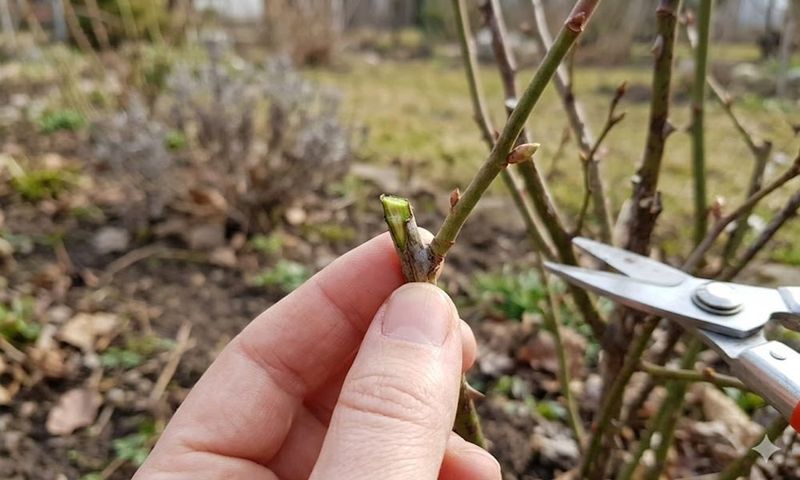
Timing is everything when it comes to pruning spring-flowering shrubs. Forsythia, spirea, and flowering quince all set their flower buds on old wood during the previous summer.
Prune them in fall or late winter and you’ll cut off the buds before they ever open. Wait until right after they bloom in spring, and you’ll get the full flower show before making your cuts.
Right after the flowers drop is the window. Don’t wait weeks or you’ll miss the optimal time.
Forsythia especially benefits from a hard pruning every few years to keep it from getting leggy and top-heavy.
Remove about one-third of the oldest, thickest stems at the base and thin out crowded interior branches to let light in.
Azaleas follow the same rule. North Georgia yards are full of azaleas, and they respond well to shaping immediately after bloom.
Avoid shearing them into tight balls, which looks unnatural and reduces flowering over time. Instead, selectively remove branches that are crossing, too long, or pointing in awkward directions.
After pruning, give the shrubs a light application of a balanced slow-release fertilizer to support the new growth they’ll push out through summer. Water it in well.
By midsummer, these shrubs will have filled back in nicely, and they’ll be setting next year’s flower buds right on schedule for another strong spring performance in your North Georgia yard.