Spring Gardening Tips For Northern Michigan Gardeners
Northern Michigan springs have a way of sneaking up – cold nights linger even as the sun grows stronger. Many longtime gardeners remember the dance of planting too early and losing seedlings to a late frost.
This season, a few practical steps can help your garden thrive despite unpredictable weather.
From prepping soil to protecting early blooms, small adjustments make a big difference when it comes to vegetables, perennials, and flower beds.
Daily routines like checking soil moisture or cleaning tools can save hours of frustration later and help your garden flourish faster.
The tips ahead show how to get a jump on planting while keeping your garden safe from late chills.
With these strategies, your Northern Michigan garden can bloom, fruit, and grow with confidence – leaving more time to enjoy the season outside rather than scrambling indoors.
1. Start Seeds Indoors Early To Get A Head Start On Spring
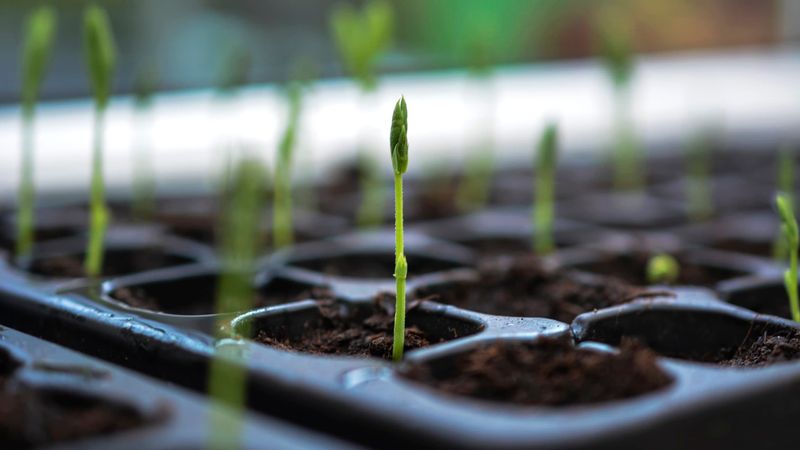
Long before the snow melts in Northern Michigan, the smartest gardeners are already at work inside their homes. Starting seeds indoors gives your plants a serious head start, which is especially important in a region where the growing season can feel frustratingly short.
Cool-season vegetables like broccoli, kale, spinach, and onions should be started indoors about 6 to 10 weeks before the last expected frost date, which typically falls around mid-May in Northern Michigan.
Grab a good seed-starting mix, some small trays or pots, and a grow light if your home does not get enough natural sunlight. Keeping the soil consistently moist and warm will help seeds sprout quickly and grow into strong seedlings.
A heat mat placed under your trays can speed up germination considerably.
When your seedlings are ready to go outside, do not rush them straight into the garden. Harden them off by setting them outdoors for a few hours each day over the course of a week or two.
This gradual transition helps them adjust to wind, temperature changes, and direct sunlight without suffering shock. A little patience here pays off with healthier, more productive plants all season long.
2. Test And Amend Soil pH For Happier, Healthier Plants
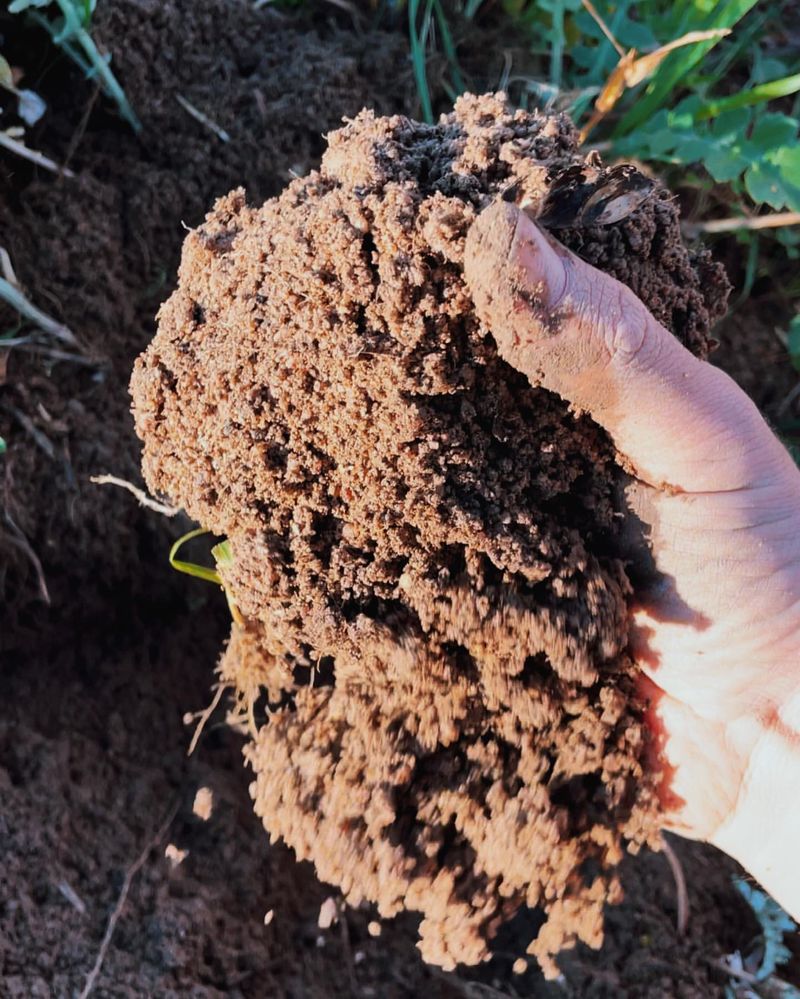
Healthy plants start with healthy soil, and healthy soil starts with knowing what you are working with. Soil pH is a measure of how acidic or alkaline your garden bed is, and it has a huge effect on how well your plants can absorb nutrients.
Most vegetables and flowers prefer a pH between 6.0 and 7.0, but Northern Michigan soils can vary quite a bit depending on your specific location and what has been planted there before.
You can pick up an inexpensive soil testing kit at most garden centers, or send a sample to your local Michigan State University Extension office for a more detailed analysis. If your soil is too acidic, which is common in areas with lots of pine trees, you can raise the pH by adding lime.
If your soil is too alkaline, sulfur or peat moss can help bring it down.
Amending your soil in early spring gives the added materials time to work into the ground before planting begins. Think of it as fine-tuning your garden’s foundation.
Getting the pH right means your plants can actually use the fertilizers and compost you add, making every other effort in your garden work better and go further.
3. Clean And Sharpen Garden Tools For Satisfying Cuts
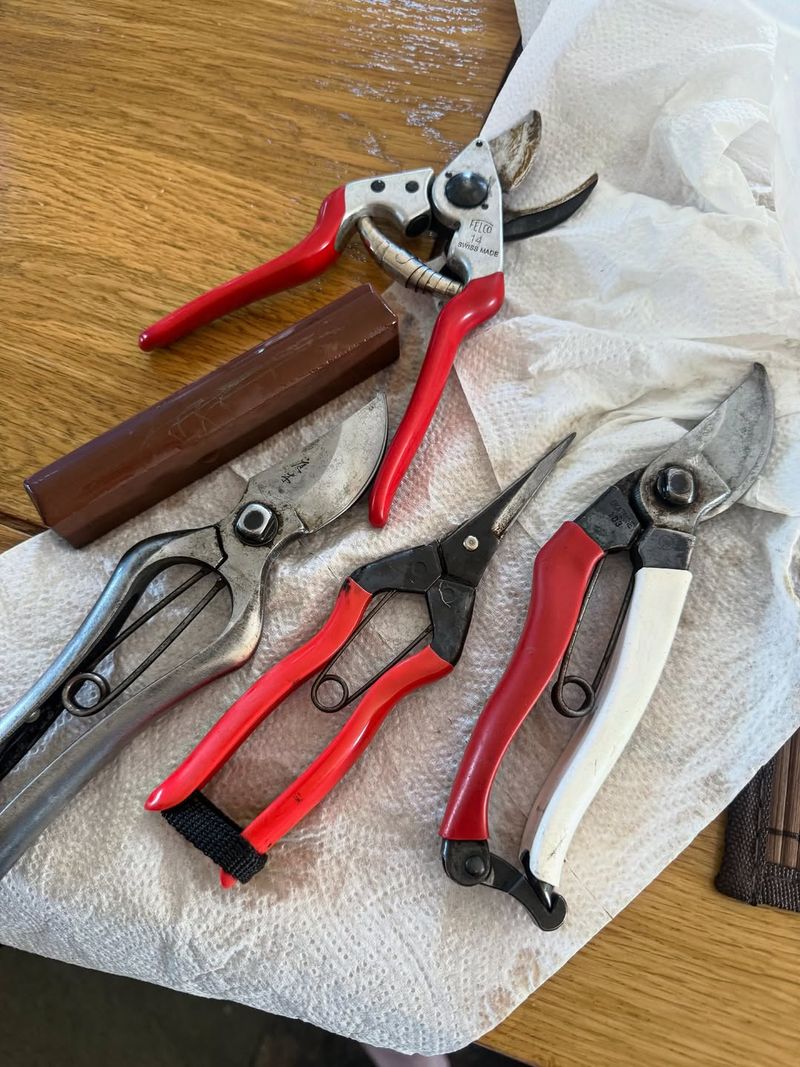
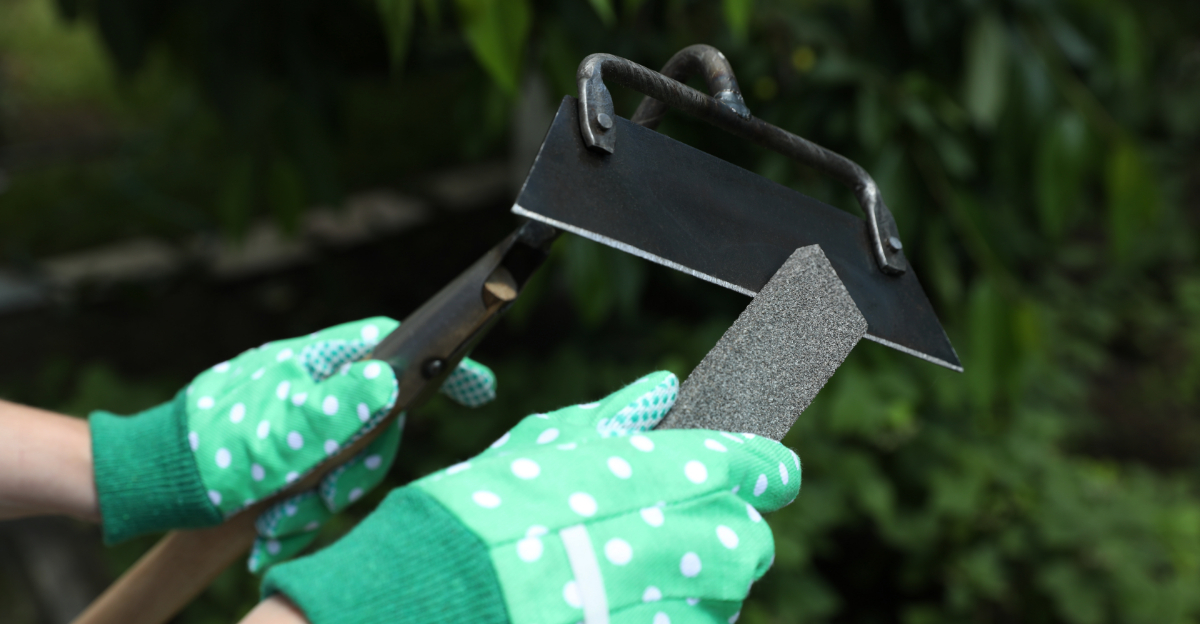
There is something deeply satisfying about starting a new garden season with tools that are clean, sharp, and ready to go. After a long Northern Michigan winter, your shovels, pruners, hoes, and trowels may be rusty, dull, or caked with last year’s dirt.
Taking an hour or two to clean and sharpen your gear before the busy planting season kicks in is one of the best investments of time you can make.
Start by scrubbing off any dirt or rust with a stiff wire brush. For stubborn rust, a little sandpaper or steel wool works well.
Once the metal is clean, sharpen blades using a file or a sharpening stone, working at the original angle of the blade. Sharp tools make cutting and digging easier on both you and the plants.
After sharpening, wipe metal surfaces with a light coat of linseed oil or WD-40 to prevent future rust. Wooden handles can be sanded smooth and rubbed with boiled linseed oil to keep them from cracking.
Properly maintained tools last for decades and make every gardening task feel easier and more enjoyable. Northern Michigan gardeners know that a well-kept tool shed is the sign of a well-kept garden.
4. Plan Your Vegetable Garden Layout For Maximum Harvest
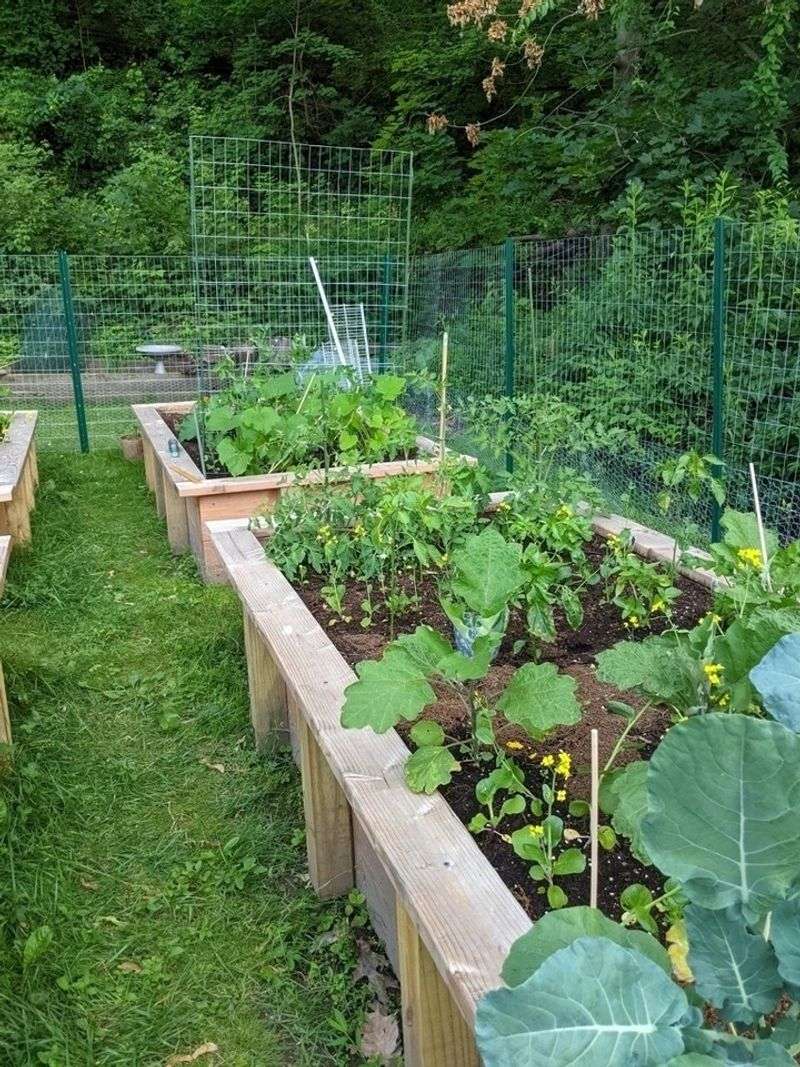
Grabbing a piece of graph paper and mapping out your vegetable garden before you ever touch a shovel might sound overly organized, but it genuinely changes everything. A solid garden layout helps you make the most of every square foot, especially important in Northern Michigan where the growing season is shorter and you need your plants to perform well from day one.
Knowing where each crop will go ahead of time also saves you from the frustration of overcrowding or running out of space mid-season.
Think about sunlight first. Most vegetables need at least six to eight hours of direct sun daily, so place taller plants like corn or tomatoes on the north side of the bed so they do not shade shorter crops.
Group plants with similar watering needs together to make irrigation simpler and more efficient.
Consider companion planting as part of your layout strategy. Pairing basil with tomatoes, or planting marigolds along the border, can naturally discourage common pests without the need for chemical sprays.
Also factor in pathways so you can reach every part of the bed without stepping on the soil and compacting it. A thoughtful plan made now means fewer headaches once the Northern Michigan growing season is in full swing.
5. Mulch Flower Beds To Lock In Moisture And Warmth
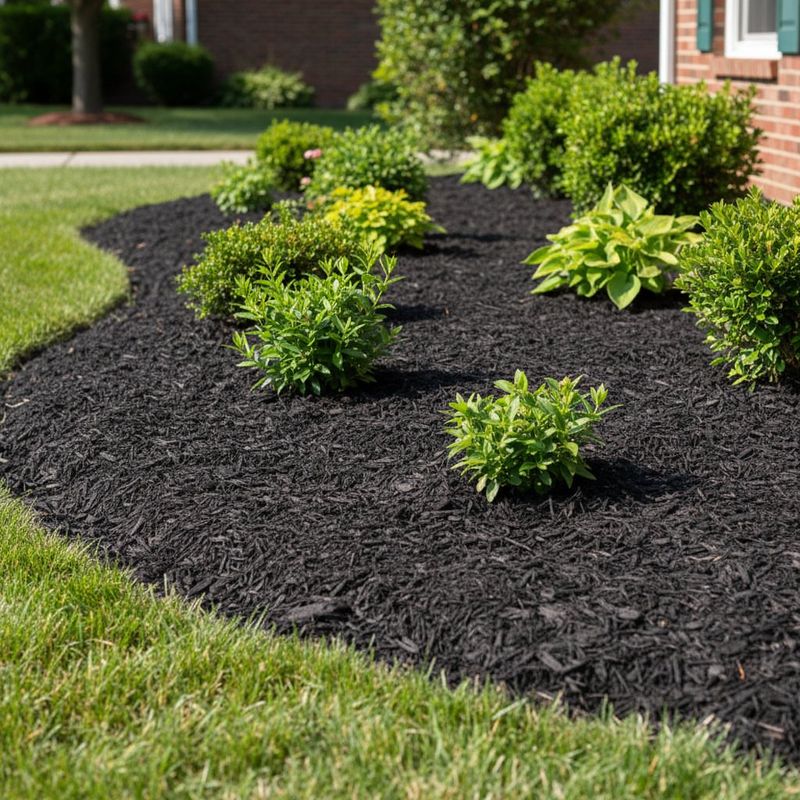
Ask any experienced Northern Michigan gardener what one simple task makes the biggest difference in their flower beds, and mulching will be near the top of every list. A two to three inch layer of organic mulch, like wood chips, shredded bark, or straw, does an impressive amount of work.
It holds moisture in the soil so you water less often, keeps weeds from sprouting up around your plants, and slowly breaks down to feed the soil over time.
Spring is the ideal time to apply fresh mulch, right after the soil has warmed up a bit but before the heat of summer arrives. Pull any weeds first, then spread mulch evenly around your plants, keeping it a few inches away from the base of stems and flower stalks.
Piling mulch directly against plant stems can trap moisture and lead to rot.
In Northern Michigan, where spring temperatures can swing from cool to mild, mulch helps moderate soil moisture and supports consistent soil temperatures, though it is not a substitute for frost protection when deep freezes occur. Shredded hardwood bark is a popular choice for flower beds because it looks tidy and breaks down slowly.
Even a single afternoon spent mulching your beds will pay off all season long with healthier, happier flowers.
6. Prune Damaged Branches To Encourage Fresh Growth
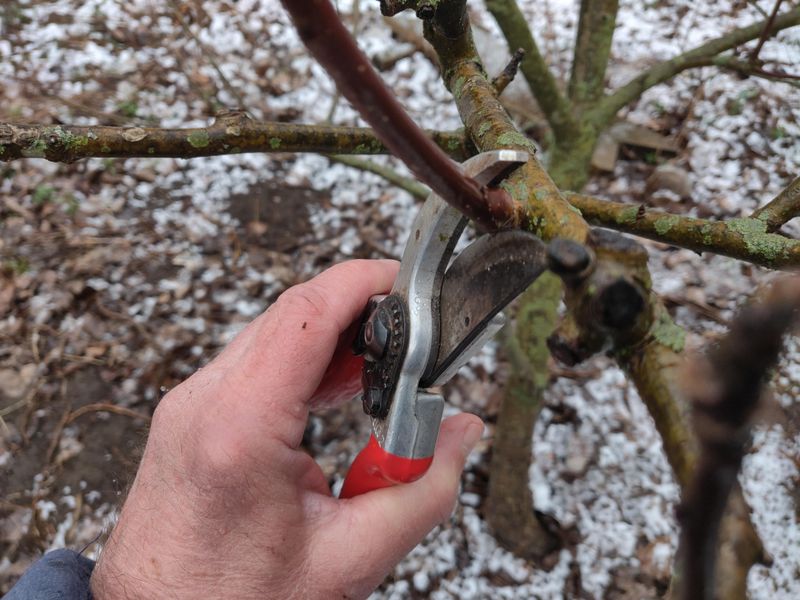
Early spring, before new growth really kicks in, is the perfect window for pruning trees and shrubs in Northern Michigan. Once the worst of winter has passed but before buds fully open, you can clearly see which branches did not survive the cold season.
Removing damaged wood is not just about appearances. It actually protects the overall health of the plant by preventing the spread of disease and allowing the plant to focus its energy on producing strong new growth.
Use clean, sharp pruning shears for smaller branches and a pruning saw for anything thicker than an inch. Always cut just above a healthy bud or lateral branch, angling the cut slightly so water runs off rather than pooling on the wound.
Wiping your blades with rubbing alcohol between cuts helps prevent spreading any potential disease from one plant to another.
Fruit trees in particular benefit enormously from a good spring pruning. Apple and cherry trees, which are popular in Northern Michigan, produce much better harvests when they are opened up to let sunlight and airflow reach the inner branches.
Ornamental shrubs like forsythia and lilac should be pruned right after they bloom rather than in early spring, since they set their flower buds on old wood. Knowing the difference saves you from accidentally removing next season’s blossoms.
7. Protect Tender Plants From Late Frosts And Sneaky Chills
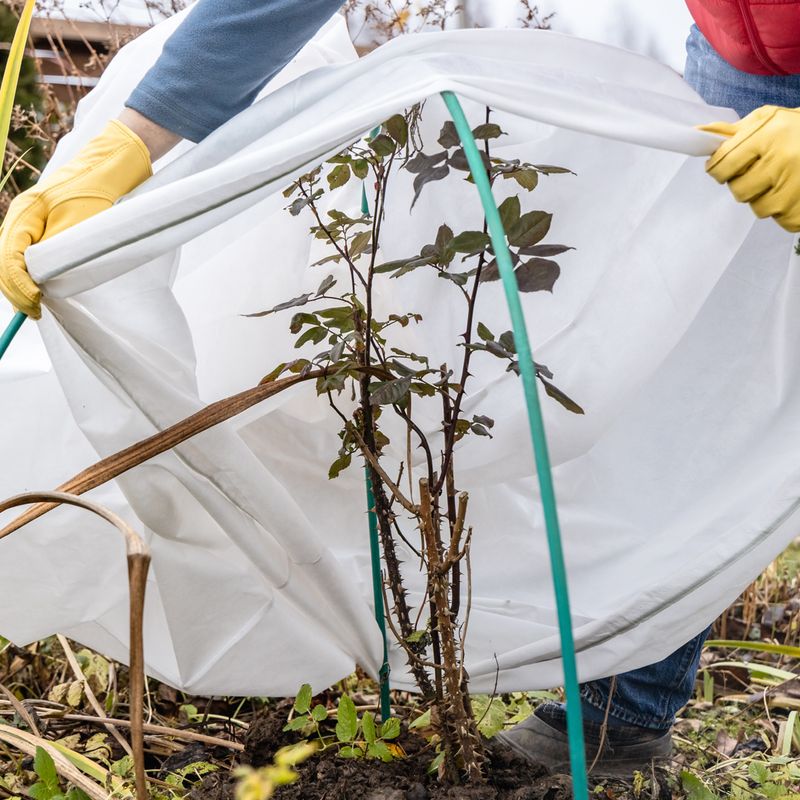
Even when spring feels well underway in Northern Michigan, a surprise frost can show up without much warning. Experienced local gardeners know never to get too comfortable just because the days feel warm.
The region’s last frost date hovers around mid-May, but cold snaps can stretch into early June in some years, particularly in low-lying areas where cold air settles overnight. Protecting your tender transplants during these vulnerable weeks is one of the most important things you can do for your garden.
Row covers made from lightweight fabric are one of the most effective and affordable tools for frost protection. You can drape them directly over plants or support them with hoops to create a mini tunnel.
Old bedsheets, cardboard boxes, and even plastic jugs with the bottoms cut off work well in a pinch for covering individual plants overnight.
Always check the local weather forecast the night before, especially when temperatures are expected to drop below 40 degrees Fahrenheit. Remove covers during the day so plants can get sunlight and airflow.
A simple cold frame, built from old windows and scrap wood, can extend your growing season on both ends and give tender seedlings a protected space to grow during those unpredictable Northern Michigan spring nights. Planning ahead takes only minutes but can save weeks of growing time.
8. Fertilize Lawns And Perennials For Lush, Vibrant Growth
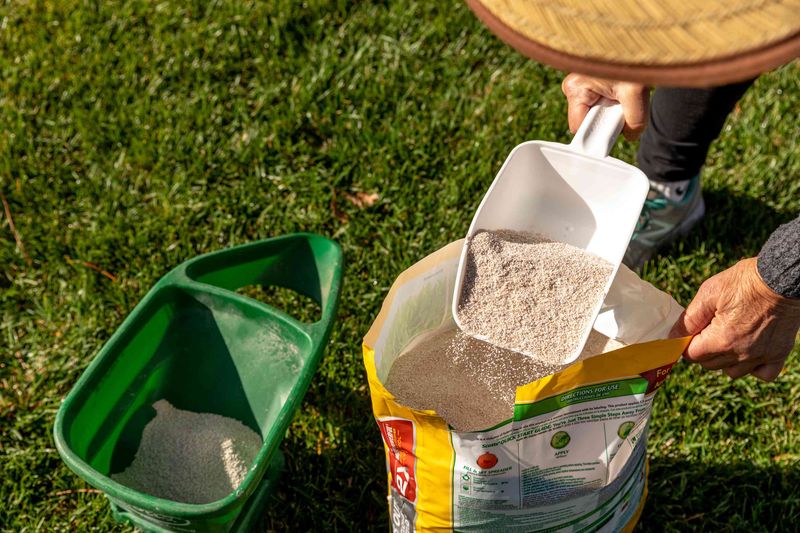
Fertilizing in spring gives your lawn and perennials the nutritional boost they need after a long Northern Michigan winter. But more fertilizer is not always better, and timing matters just as much as the product you choose.
For lawns, wait until the grass is actively growing before applying a slow-release nitrogen fertilizer. Fertilizing too early, when the ground is still cold, wastes product and can even encourage weeds to get a head start on your grass.
Perennials appreciate a light feeding of balanced fertilizer or a top dressing of compost in early spring as new shoots emerge. Plants like hostas, daylilies, and coneflowers that are popular in Northern Michigan gardens respond well to a granular slow-release formula worked gently into the soil around their base.
Avoid getting fertilizer directly on new growth, as it can cause burning.
Always read the label before applying any fertilizer, and resist the urge to double up on doses thinking it will speed things along. Over-fertilizing leads to lots of leafy growth at the expense of flowers and fruit, and it can also contribute to runoff that harms local waterways, which are especially precious in this part of Michigan.
A steady, measured approach to feeding your plants sets them up for a strong, balanced growing season from spring all the way through fall.
9. Rotate Vegetable Crops From Last Year
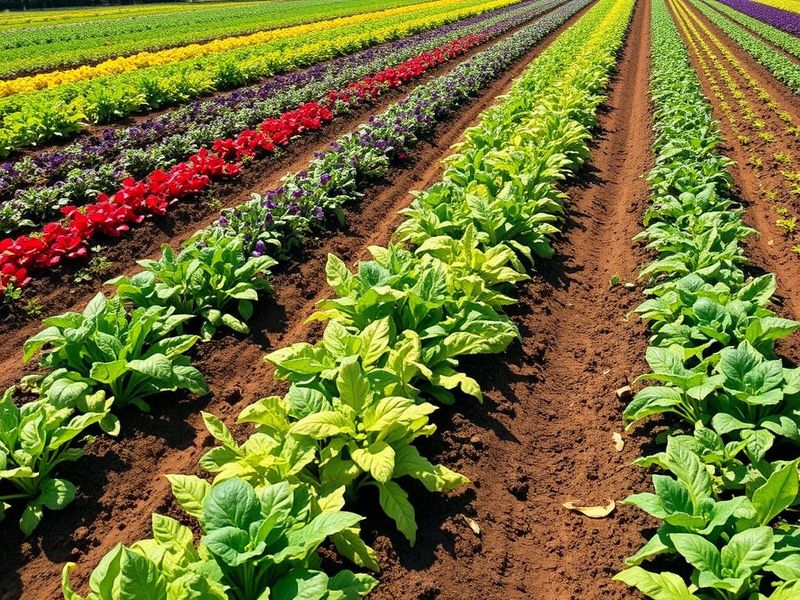
Crop rotation might sound like something only large-scale farmers worry about, but it is just as valuable in a backyard vegetable garden in Northern Michigan. The basic idea is simple: do not plant the same type of vegetable in the same spot two years in a row.
Different plant families pull different nutrients from the soil and are vulnerable to different pests and diseases. Moving crops around each season breaks cycles that would otherwise build up in your garden beds over time.
Tomatoes, peppers, and eggplants are in the same plant family and should be treated as a group when rotating. Follow them with a legume crop like beans or peas, which actually add nitrogen back into the soil.
Then move to a root vegetable like carrots or beets, and follow that with a leafy green crop like lettuce or spinach. A simple four-bed rotation system works beautifully for most home gardens.
Keeping a garden journal makes rotation much easier. Jot down what you planted where each season, and you will always have a reference to work from the following spring.
Northern Michigan gardeners who practice consistent crop rotation may see fewer soil pest and disease issues and improved soil nutrient balance, which can contribute to healthier plants and potentially better harvests. It is one of those low-effort habits that quietly improves your entire garden over time.
10. Scout For Early Pests And Diseases Before They Spread

Catching a pest or disease problem early is the single most effective way to keep it from taking over your garden. Spring scouting, which just means regularly walking through your garden and looking closely at your plants, takes only a few minutes but can save you a tremendous amount of trouble down the road.
Northern Michigan gardens face their own set of common challenges, including aphids, slugs, flea beetles, and fungal issues that tend to show up as the weather warms and moisture increases in spring.
Make it a habit to check the undersides of leaves, where many insects prefer to hide and lay eggs. Look for discoloration, spots, chewed edges, or sticky residue, which can signal everything from fungal infections to aphid infestations.
Catching these signs early means you have far more management options available, including simple hand-picking, a blast of water from the hose, or targeted organic sprays.
Your local Michigan State University Extension office is a fantastic resource for identifying specific pests and diseases common to Northern Michigan and getting advice on the best management strategies for your area. Many issues can be handled without harsh chemicals if you act early enough.
A sharp eye and a proactive mindset are your two most valuable tools when it comes to keeping your spring garden healthy and productive all season long.