Spring Lawn Mowing Height Trick Every North Carolina Gardener Should Try

In North Carolina, the transition from winter dormancy to spring growth happens in a heartbeat. One week you are looking at a frost covered yard and the next you are staring down a surge of bright green life.
Smart homeowners across the Tar Heel State know that the secret to a resilient lawn isn’t just about fertilizer or watering schedules. It actually starts with the physical height of your mower blade during these first critical weeks.
This specific timing is the narrow window where you can effectively dictate how deep your roots will grow before the summer heat arrives.
If you get the height right now, you are essentially building an insurance policy against the weeds and droughts that plague Southern yards every July.
Most people wait too long to make this adjustment, but those who act today will see a thick carpet of grass while their neighbors are still battling patches.
1. The Mowing Height Trick
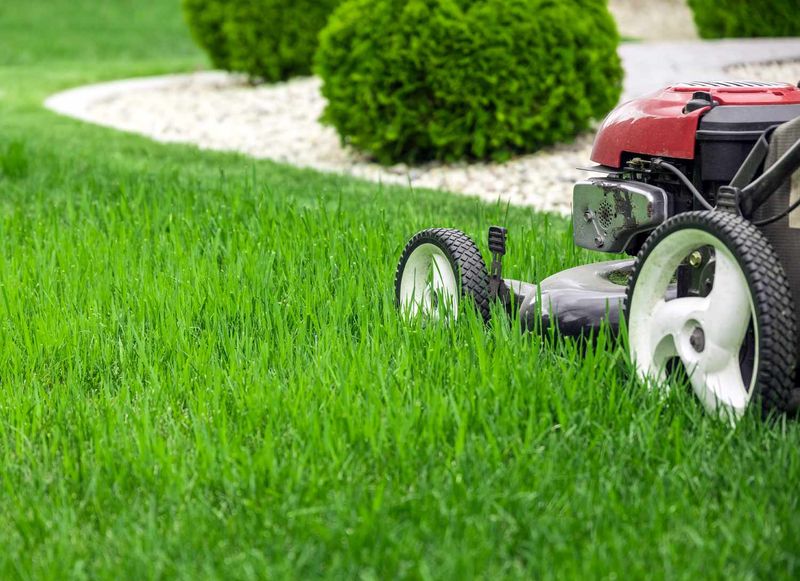
In North Carolina, the best time to start mowing your lawn is when you notice the grass beginning to grow actively. This typically happens in early to mid-March when temperatures rise, and the grass starts to green up.
Mowing too early can harm your lawn and slow down the growth process. When the grass is still dormant, cutting it may stress the plants, making them weaker.
Instead, wait until you see clear signs of new growth, which usually happens when the nights warm up a bit, and daytime temperatures are consistently above 50°F. It’s important to mow for the first time once the grass starts to actively grow but not yet too tall.
For most North Carolina lawns, this will mean setting your mower to a height of about 2.5 to 3 inches for that first mow. After that, you can gradually start adjusting the height as the growing season progresses.
This first mow helps to clean up any leftover winter damage and encourages your lawn to grow thicker and healthier, setting the foundation for a great spring season.
2. Setting Your Mower Blade Height For Healthy Grass
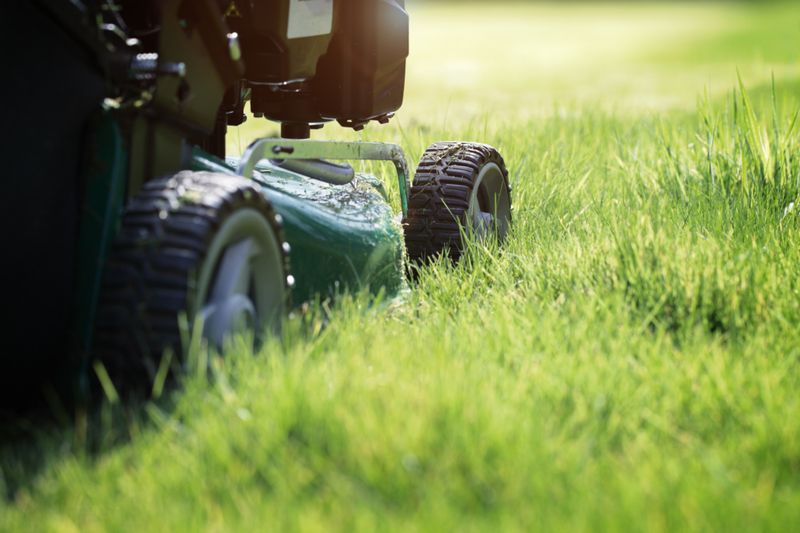
The height at which you set your mower blade makes a big difference in the health of your lawn, especially in North Carolina’s warm climate. For most grass types in the state, it’s important to keep your mower set at a height of 3 to 4 inches during the growing season.
This is particularly true for cool-season grasses like fescue, which are common in the state. Taller grass blades shade the soil and help keep the ground cooler during the hot summer months.
It also encourages deeper root growth, which means your grass will be more drought-tolerant and less susceptible to heat stress.
Cutting your grass too short, on the other hand, can expose the soil to too much sun, causing it to dry out faster and forcing the grass to develop shallow roots.
By mowing at the proper height, you create a more resilient lawn that can survive tough summer weather.
Additionally, taller grass will help keep weeds at bay by shading the soil and blocking sunlight, which weeds need to grow. So, keep the blades longer for a stronger, healthier lawn all season long.
3. The Benefits Of Mowing Regularly During Spring
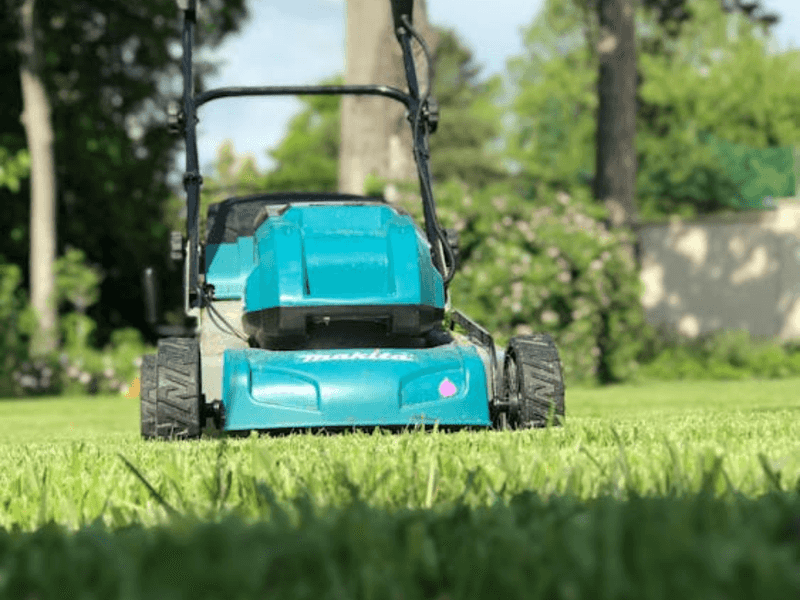
In North Carolina, consistent mowing throughout the spring plays a key role in helping your lawn grow lush and healthy. As the weather warms and the grass starts to grow, mowing regularly encourages the grass to develop thicker, denser blades.
When you mow consistently, the grass begins to spread outwards, filling in any bare spots and creating a fuller lawn. If you wait too long between mowings, the grass can become too tall and miss the chance to promote fresh growth.
Additionally, mowing regularly helps to keep your lawn free from thatch, which is a layer of dead grass that can block nutrients from reaching the soil.
By trimming your grass regularly, you ensure it stays healthy and can absorb the water, sunlight, and nutrients it needs to grow strong.
In fact, lawns that are mowed regularly look fuller and more vibrant compared to those that are neglected.
It’s especially important to mow during the spring because this is when the lawn is actively growing, and proper care helps set the foundation for a beautiful, green lawn through the summer.
4. Why You Should Avoid Mowing Wet Grass
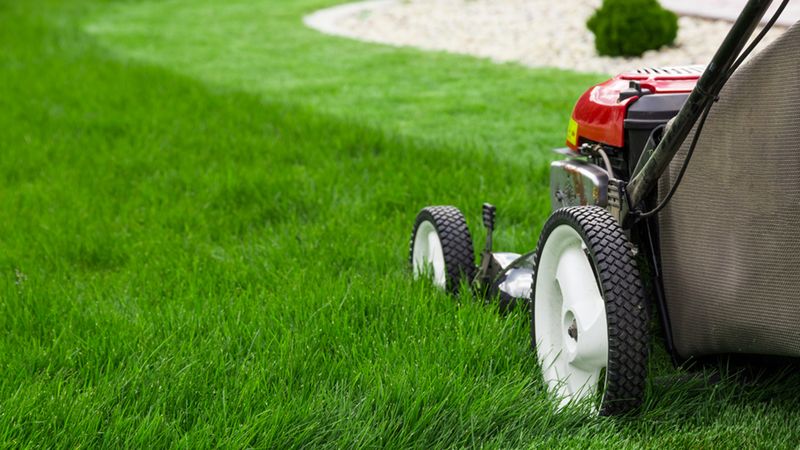
Many North Carolina homeowners make the mistake of mowing their lawns when the grass is wet, but this can cause more harm than good. Wet grass is harder to cut cleanly, and the mower blade can create uneven cuts, leaving your lawn looking ragged.
Wet grass can also clump together, forming piles that block sunlight and prevent new grass growth from coming through. In addition, mowing wet grass can cause damage to the mower itself, clogging the blade and engine, which could lead to costly repairs.
For these reasons, it’s best to wait until the grass is dry before mowing. Early morning dew can make the grass wet, so it’s better to wait until later in the day when the moisture has dried up.
If you’re mowing during a rainy period, try to wait for a dry day. A clean, even cut helps your lawn recover faster and look healthier, whereas mowing wet grass may lead to uneven growth and more problems down the road.
For best results, mow your lawn in the early afternoon when the grass is dry, and you’ll have a much better-looking yard.
5. Taking Care Of Your Mower For A Healthier Lawn

To ensure that your lawn mower runs smoothly and your grass gets the best cut, it’s essential to maintain your mower. A well-maintained mower makes the task of mowing easier and more effective.
One of the first things to do is sharpen the mower blades regularly. Dull blades tear the grass instead of cutting it cleanly, leaving ragged edges that can turn brown and invite disease.
Make sure to check the oil in your mower before each use and change it once a season to keep the engine running efficiently. Clean the mower after each use to remove any grass clippings or debris that may have built up.
Check the air filter and replace it when necessary. Also, make sure your mower is fueled with the correct gas mixture and that it’s stored properly during the winter months.
A little effort spent on mower maintenance goes a long way in helping you achieve a healthier, greener lawn. When your mower is in good working order, you can enjoy smoother, faster mowing sessions, and your lawn will thank you for the effort.
6. Fertilizing Your Lawn In Spring For A Healthier Yard
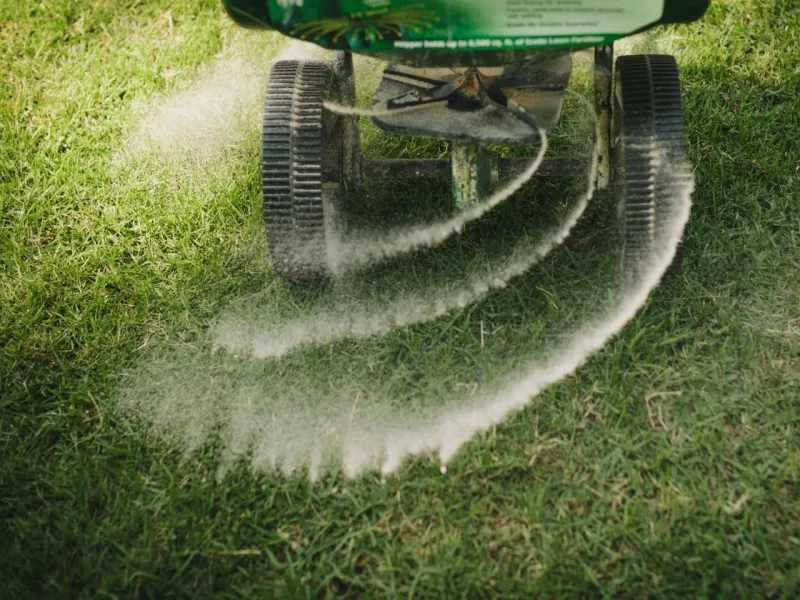
Spring is the perfect time to fertilize your lawn in North Carolina, as it helps give your grass a strong start for the growing season. When your lawn comes out of dormancy, it’s hungry for nutrients, especially nitrogen, which promotes lush, green growth.
Applying a balanced fertilizer that includes nitrogen in early spring helps your lawn recover from the winter and get a head start on growth. Be careful not to over-fertilize, as this can lead to burned patches or encourage weed growth.
It’s best to use a slow-release fertilizer that feeds the lawn gradually, giving the grass a steady supply of nutrients. After fertilizing, be sure to water your lawn thoroughly to help the nutrients soak into the soil and reach the roots.
Avoid fertilizing when heavy rain is expected, as this can wash away the fertilizer before it has a chance to work.
Proper fertilization ensures that your lawn grows thick, green, and strong, and with the right nutrients, it will be better prepared to handle the stress of summer heat and drought.
7. How To Control Weeds In North Carolina Lawns
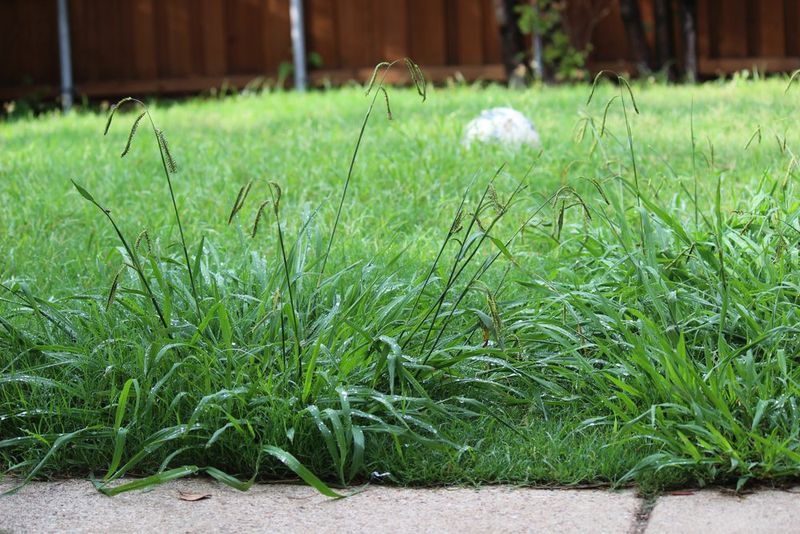
Weeds are a common issue for North Carolina lawns, but with the right lawn care strategies, you can keep them under control. One of the best ways to prevent weeds from taking over is to make sure your grass is growing thick and healthy.
Healthy, dense grass naturally crowds out weeds by blocking sunlight and nutrients. Mowing regularly and at the correct height will help promote a fuller lawn.
If weeds start to appear, it’s important to act quickly before they can spread. Hand-pulling weeds is effective, but if they’ve spread over a larger area, you may need to apply a pre-emergent herbicide to prevent more weeds from growing.
Timing is key when using herbicides, so apply them early in the spring before weeds start to germinate. For those who prefer an organic option, vinegar or boiling water can be used to kill weeds in small areas.
Just be careful not to harm your grass. Taking steps to prevent weeds now will save you time and effort later and keep your lawn looking neat and healthy.
8. Watering Your Lawn Properly In Summer
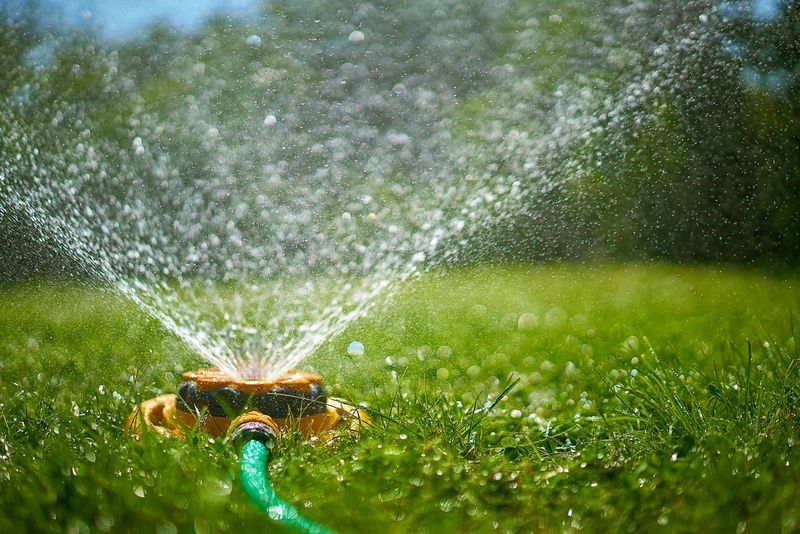
Proper watering is essential for a healthy lawn in North Carolina, especially during the hot summer months. Your lawn needs about 1 to 1.5 inches of water per week, either from rainfall or irrigation.
It’s better to water deeply and less frequently than to water lightly every day. Deep watering encourages the roots to grow deeper into the soil, making the grass more drought-resistant.
Try to water early in the morning, between 5 a.m. and 9 a.m., to reduce evaporation and allow the grass to dry off before evening. Avoid watering in the evening, as wet grass overnight can lead to fungal growth.
If your lawn starts turning brown during the summer, it’s likely a sign that it needs more water. However, if it’s only turning brown in spots, it could also indicate overwatering, so make sure the soil is not staying soggy.
Consistent watering during dry spells will help your grass stay healthy and green throughout the summer, even during the hottest days.
9. How To Handle Lawn Thatch In North Carolina
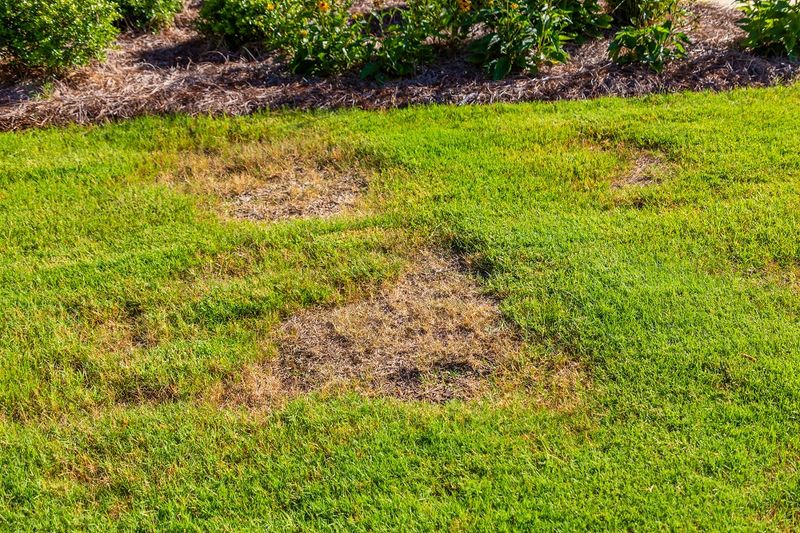
Thatch can be a problem for North Carolina lawns if not properly managed. Thatch is the layer of dead grass, roots, and debris that builds up on top of the soil.
A small amount of thatch can be beneficial, but when it gets thicker than half an inch, it can block water, nutrients, and air from reaching the grass roots. To prevent thatch buildup, make sure you mow your lawn regularly and at the correct height.
In some cases, dethatching may be necessary. You can use a dethatching rake or a dethatching machine to break up the layer of thatch and allow your lawn to breathe.
The best time to dethatch is in early spring or early fall when the grass is actively growing. After dethatching, be sure to water the lawn and apply a balanced fertilizer to encourage new growth.
Regular lawn care practices, like mowing, watering, and fertilizing, will help prevent thatch from building up again and keep your lawn healthy and thriving.