Spring Pruning Mistakes North Carolina Gardeners Still Make Every Year
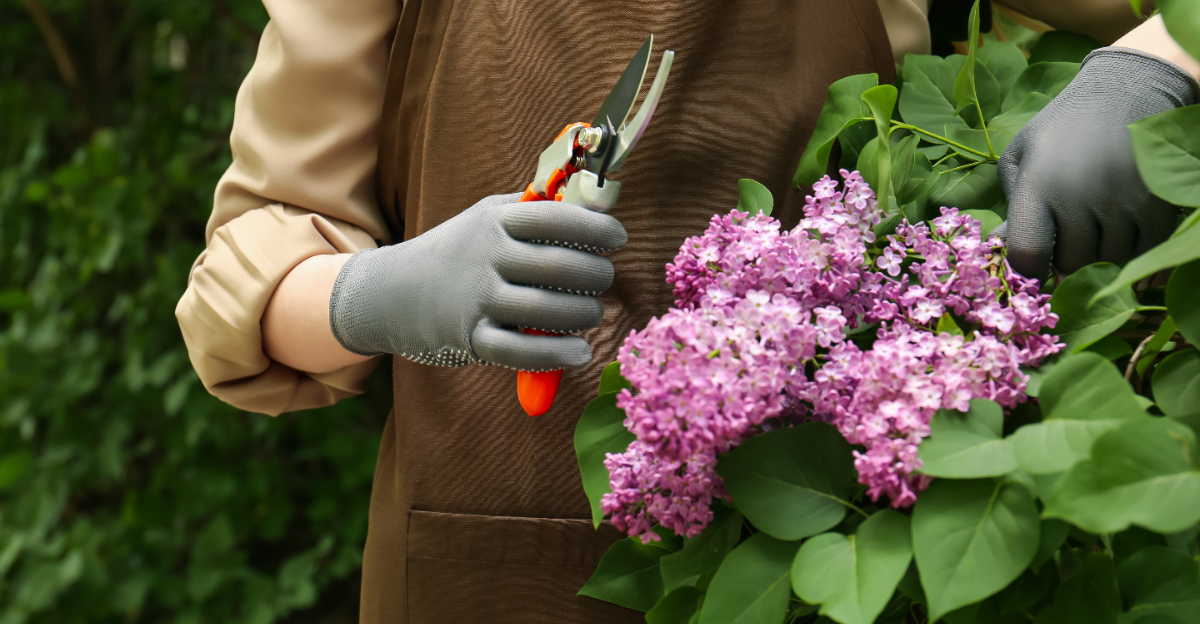
Spring feels like the perfect time to tidy up your garden, and many North Carolina gardeners head outside ready to prune as soon as the weather warms up.
Fresh growth is starting, plants are waking up, and it seems like a good moment to shape everything back into place. But this is also when some of the most common pruning mistakes happen.
Cutting at the wrong time or trimming too much can affect how plants grow, and in some cases, it can even reduce blooms later in the season.
With North Carolina’s changing spring weather, timing and technique matter more than many people expect.
What seems like a simple task can have lasting effects if not done carefully. The good news is that these mistakes are easy to avoid once you know what to watch for. A few small changes can help your plants stay healthier and look better all season long.
1. Pruning Spring-Flowering Shrubs Too Late
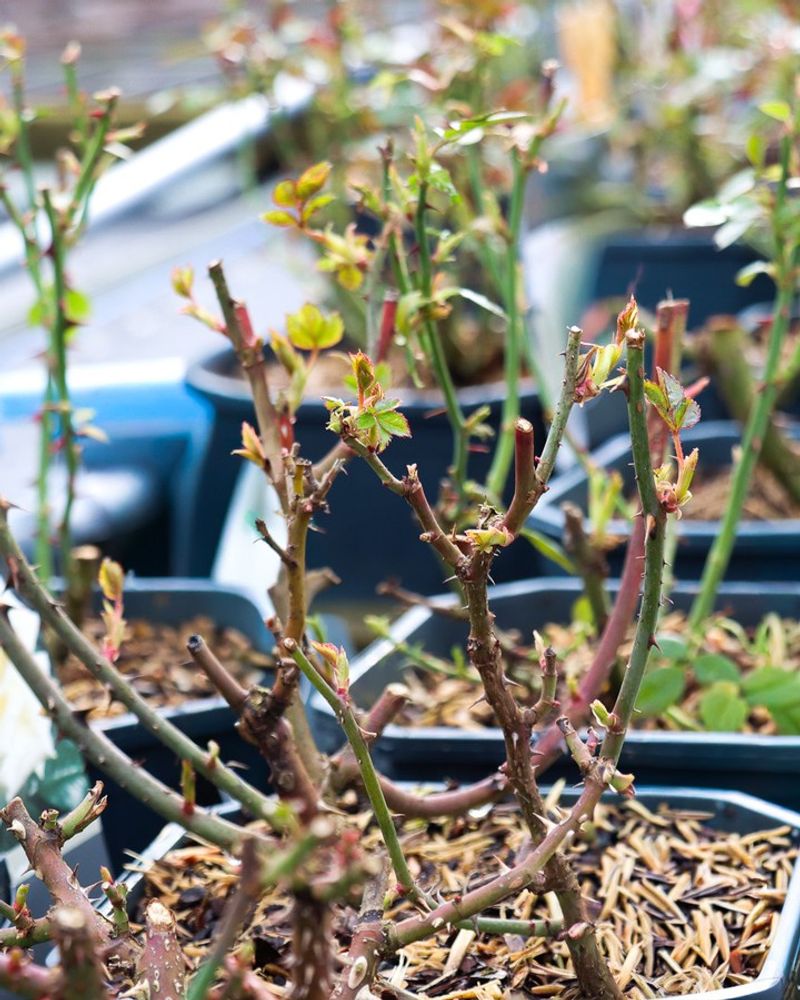
Forsythia bursting into color is one of spring’s best moments, but timing your pruning around that bloom window is everything.
Shrubs like Hydrangea macrophylla, Rhododendron, and Forsythia set their flower buds during the previous growing season.
If you cut them back in early spring, you are removing all those buds before they ever get a chance to open.
Many North Carolina gardeners make this mistake year after year without realizing why their shrubs stop flowering. The fix is simple and rewarding.
Prune these shrubs immediately after they finish blooming, not before, and not weeks later when you finally find the time.
In the Piedmont region of North Carolina, bud formation starts earlier than most people expect because of the long, warm growing season.
Waiting until after the bloom protects next year’s flower display without any extra effort. Your shrubs will reward you with fuller, more colorful blooms the following spring.
Getting the timing right is honestly one of the easiest ways to transform how your yard looks all season long. A little patience goes a long way when spring-flowering shrubs are involved.
2. Pruning Too Early Before The Last Frost
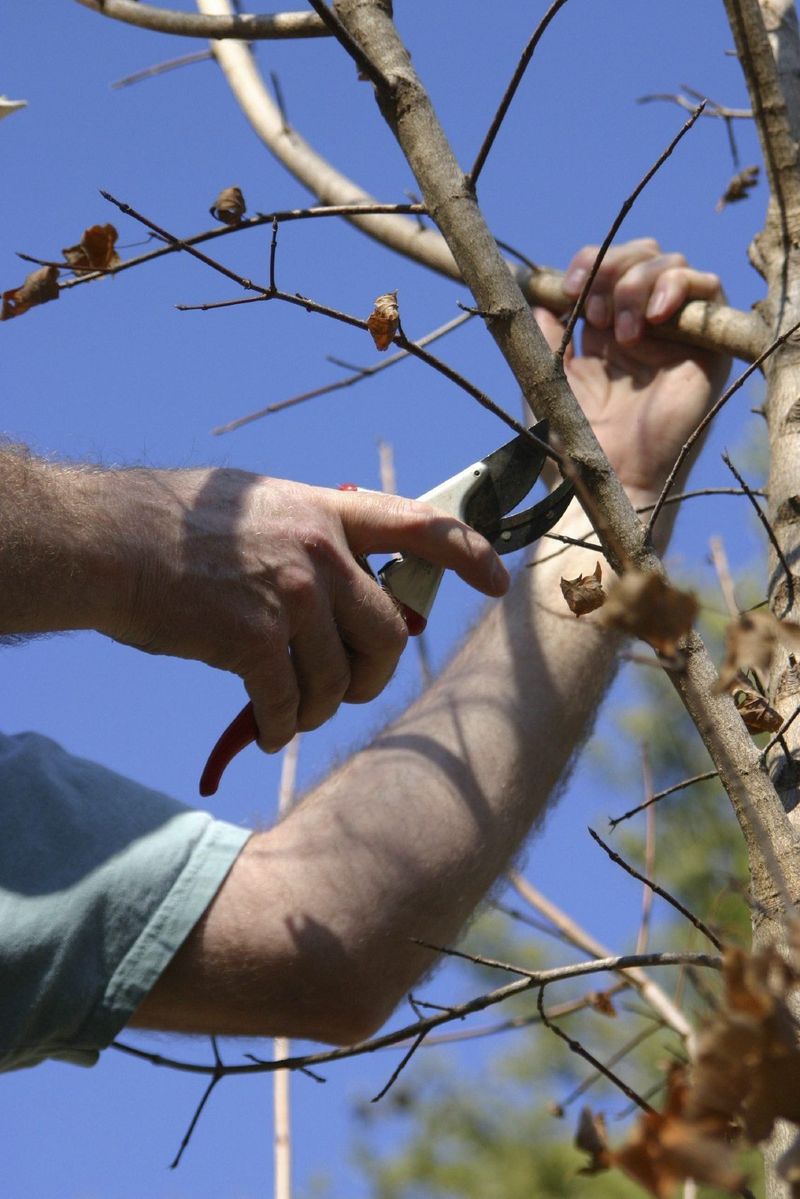
Nothing stings quite like watching fresh new growth get wiped out by a surprise late frost.
North Carolina is famous for its unpredictable spring weather, especially in the Mountain region where temperatures can swing dramatically well into April.
Cutting back plants too early encourages tender new shoots that are completely vulnerable to that kind of cold snap.
The tricky part is that warm days in February and March can fool even experienced gardeners into thinking winter is finished.
Waiting just a few more weeks makes a massive difference in how well your plants recover and grow through the season. Patience really is the best tool in your pruning kit during early spring.
A good rule of thumb is to hold off on pruning tender plants until overnight temperatures consistently stay above freezing and the forecast looks stable.
Check local frost date averages for your specific part of North Carolina, since the Mountains, Piedmont, and Coastal Plain all have different timelines.
Gardeners in Asheville, for example, face later last frost dates than those in Raleigh or Wilmington.
Pruning at the right time means your plants channel energy into strong, healthy growth rather than trying to recover from frost injury. That smart timing sets up your whole garden for a better season.
3. Cutting Back New-Wood Bloomers Too Late In Spring
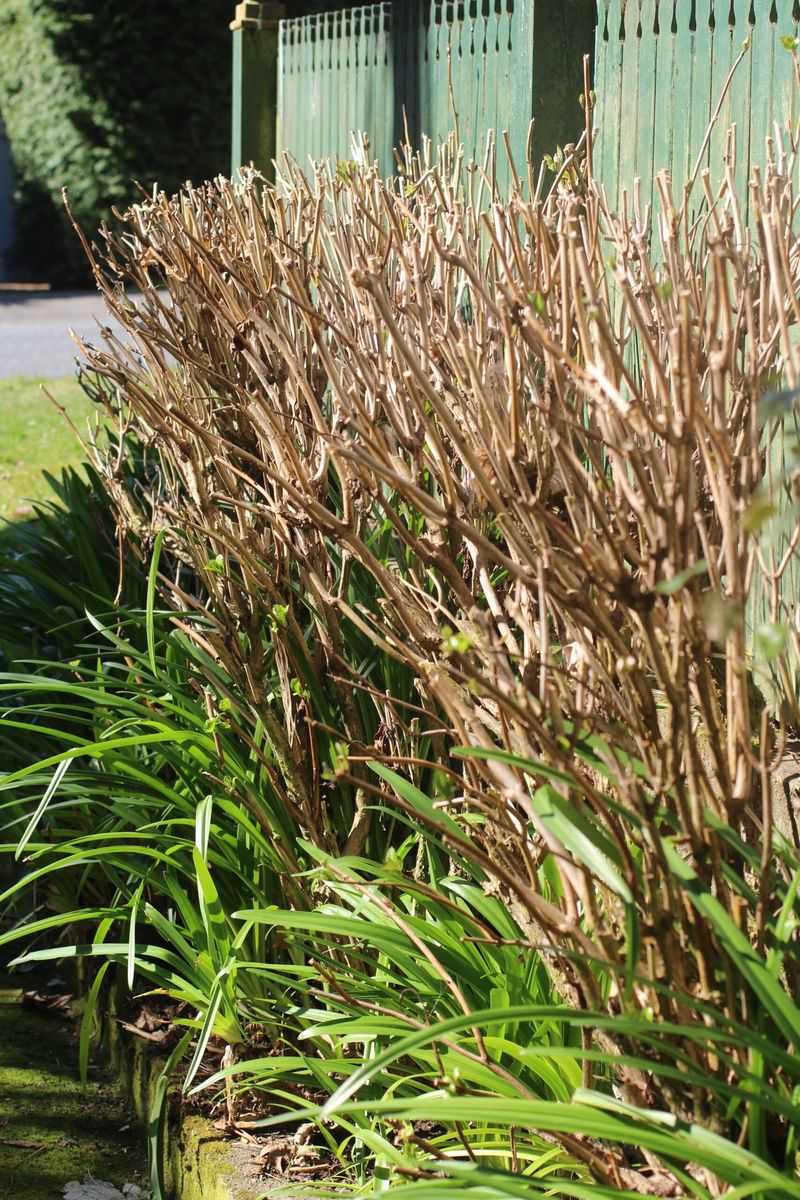
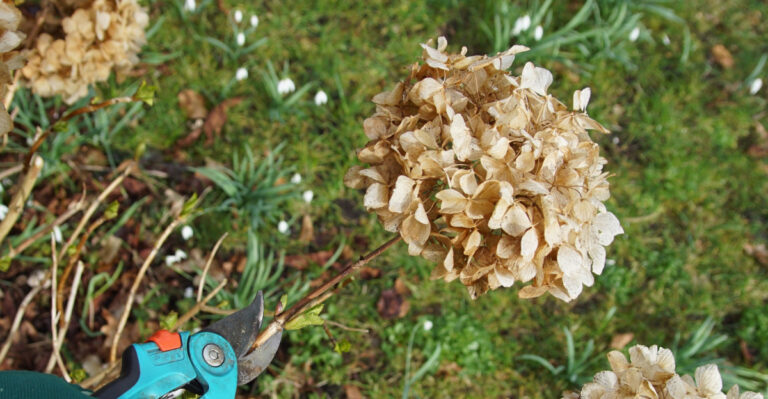
Hydrangea paniculata and Hydrangea arborescens are two of the most popular shrubs in North Carolina yards, and both of them bloom on new wood.
That means they produce flowers on the fresh growth they put out each season, not on old branches from last year.
Pruning them in late spring, after active growth has already kicked in, delays their development and noticeably reduces bloom size.
The sweet spot for these shrubs is late winter to very early spring, right before the plant starts pushing new growth.
In North Carolina, that window aligns perfectly with warming soil temperatures and the early growth cycles that signal the season is shifting. Getting in there before the plant wakes up fully gives it the best possible start.
Gardeners across the Piedmont and Coastal Plain of North Carolina often wait too long because the plants look completely bare and it feels wrong to cut them back. But that bare, woody appearance is exactly when you should be reaching for your pruners.
A clean cut during this window encourages vigorous new stems loaded with big, beautiful blooms by midsummer.
Skipping this timing or pushing it into late spring consistently results in smaller flower clusters and a weaker overall display. Early action here pays off in a big, showy way.
4. Over-Pruning During Humid Spring Conditions
Spring in North Carolina can feel beautiful and sticky at the same time, especially along the Coastal Plain where humidity builds fast.
Most gardeners do not think about the weather when they grab their pruners, but the conditions outside matter more than you might expect.
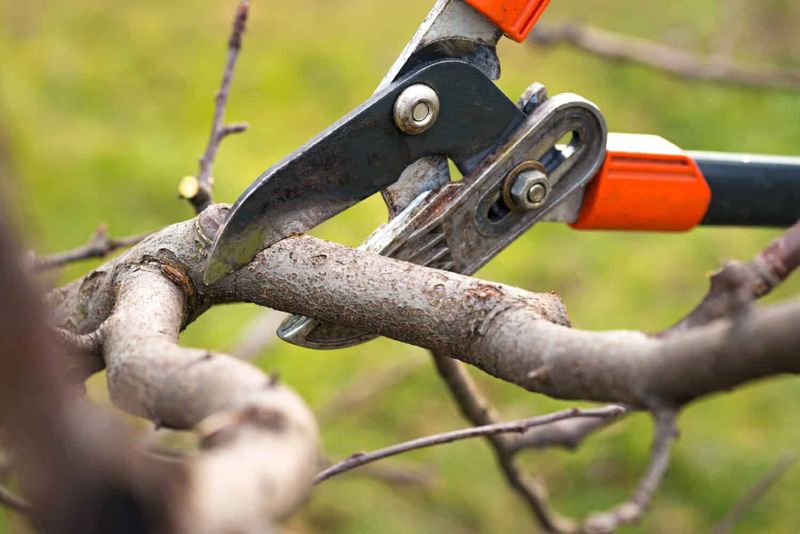
Heavy pruning during warm, humid weather opens up fresh cuts that take much longer to heal than they would on a dry day.
Slow-healing cuts are basically open invitations for fungal pathogens to move in and cause problems.
Powdery mildew, canker diseases, and other fungal issues thrive in the kind of moist, warm air that blankets North Carolina gardens throughout spring. Cutting aggressively on a humid day multiplies that risk significantly.
The smarter approach is to watch the forecast and schedule your pruning sessions on dry, clear days when humidity is lower and air circulation is better.
Avoid pruning right after rain or early in the morning when plants are still wet with dew.
Keeping your cuts minimal and targeted during high-humidity stretches also reduces how much open tissue you expose at once.
North Carolina gardeners who pay attention to these conditions consistently see healthier plants with fewer disease problems through the season. A dry day with good airflow is your best pruning partner in this climate.
5. Leaving Dense Interior Growth Untouched
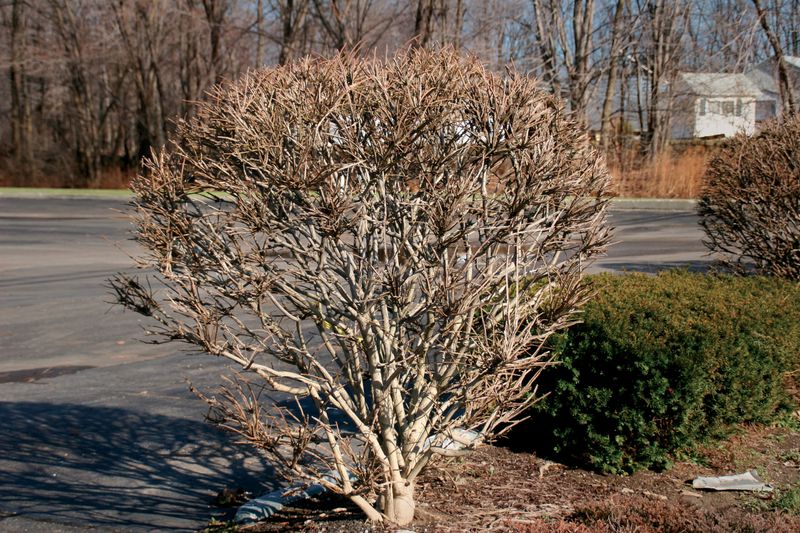
Walk through almost any neighborhood in North Carolina in spring and you will spot shrubs that look full and rounded on the outside but are completely choked on the inside.
Most gardeners focus on shaping the outer edges of a shrub and never think about what is happening in the middle.
That dense interior growth is one of the biggest contributors to fungal problems in the region.
When air cannot move freely through a shrub, moisture gets trapped against the leaves and stems.
North Carolina’s naturally high spring humidity makes this problem even worse, creating the perfect environment for powdery mildew and other fungal diseases to spread.
Thinning out interior branches solves this problem in a straightforward way that takes very little time.
The goal is not to hollow out the plant entirely but to remove crossing branches, weak stems, and anything that blocks airflow through the center.
Step back and look at the shrub from different angles as you work, removing a little at a time until light can filter through.
This technique works especially well in the Piedmont and Coastal Plain of North Carolina where spring humidity lingers for weeks.
Plants that breathe well tend to stay healthier, grow more vigorously, and produce better blooms. Interior thinning is one of those small habits that makes a very noticeable difference over time.
6. Using Dull Or Dirty Pruning Tools
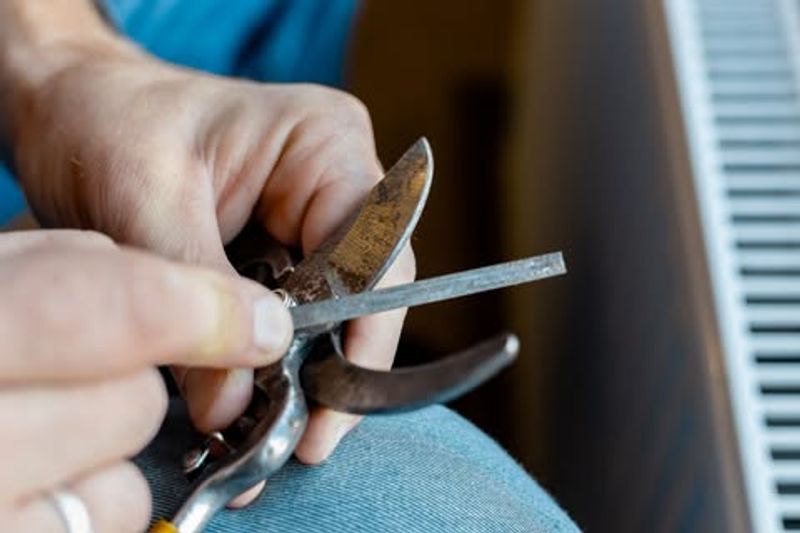
Grabbing whatever pruners are sitting in the garage and heading straight into the garden is a habit many North Carolina gardeners have, and it quietly causes real damage every spring. Dull blades do not cut cleanly through stems.
Instead they crush and tear the tissue, leaving ragged edges that are much slower to seal up and far more vulnerable to infection. Dirty tools carry an even bigger risk.
Pathogens from one plant can hitch a ride on your blades and travel directly to the next shrub you touch.
In North Carolina, where warmth and moisture accelerate how fast pathogens spread, this kind of cross-contamination can turn a small problem into a big one very quickly.
Sharpening your pruners before spring pruning season begins is one of the easiest upgrades you can make to your gardening routine.
Wipe blades with rubbing alcohol or a diluted bleach solution between plants, especially if you are working around anything that looks diseased or stressed.
A clean, sharp cut heals faster, stresses the plant less, and keeps disease from spreading across your yard. Quality pruners do not have to be expensive, but they do need to be maintained.
Taking ten minutes to clean and sharpen your tools before heading outside is one of the highest-value habits a North Carolina gardener can build this spring.
7. Cutting Plants Too Low Or Too Aggressively
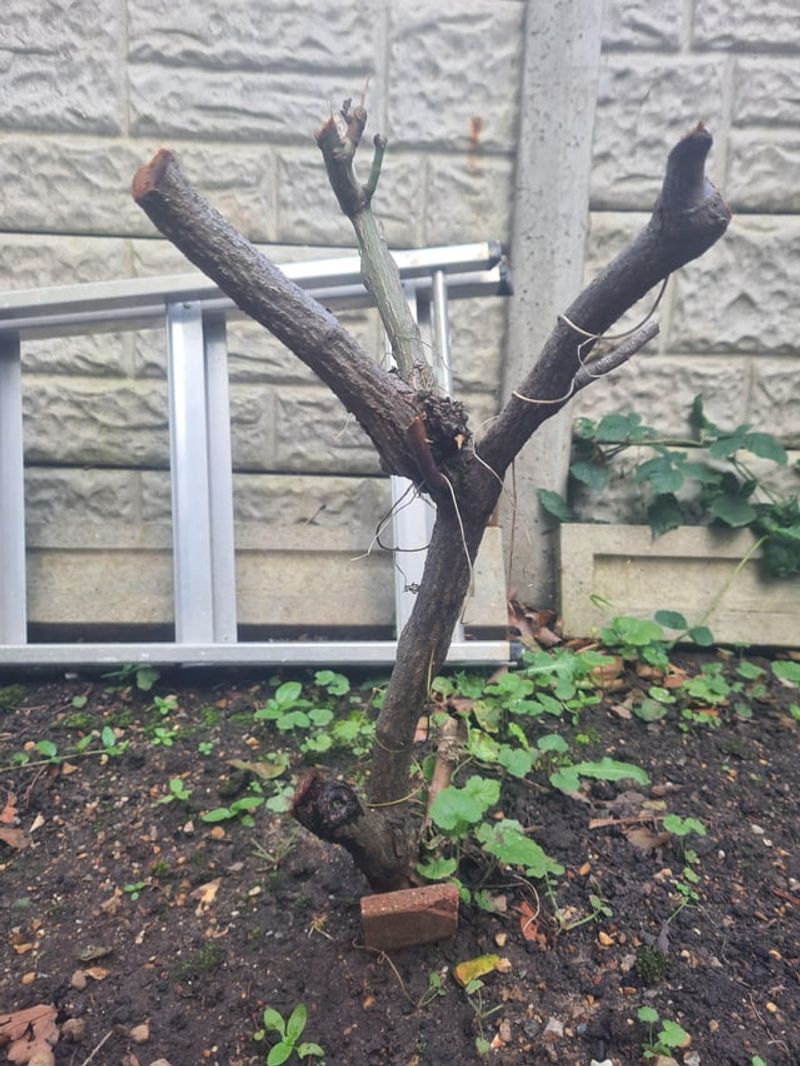
There is something oddly satisfying about cutting a shrub way back and watching it look neat and tidy afterward.
But that drastic approach often backfires badly, and North Carolina gardeners see the results every summer when shrubs struggle to recover.
Removing too much foliage at once strips a plant of the leaves it needs to produce energy through photosynthesis.
Without enough leaf surface, the plant cannot fuel the regrowth and bud formation it needs to bounce back well.
In North Carolina’s long growing season, a moderately pruned plant almost always outperforms a severely cut one because it retains the energy reserves to respond quickly.
Drastic cuts also push some plants into producing lots of weak, fast-growing shoots that are more prone to pest problems.
The one-third rule is a reliable guideline that professional horticulturists recommend consistently. Never remove more than one-third of a plant’s total growth in a single pruning session.
If a shrub needs significant reshaping, spread the work over two or three seasons rather than doing it all at once.
This gentler approach keeps the plant strong, supports better flowering, and avoids the kind of stress response that weakens overall structure.
North Carolina’s warm climate does allow for faster recovery than cooler states, but even here, aggressive pruning creates setbacks that could have been avoided with a more measured hand.
8. Ignoring Plant-Specific Growth Habits
Treating every shrub in your yard the same way is one of the most common and costly pruning mistakes North Carolina gardeners make.
Different plants have completely different growth habits, bloom cycles, and responses to pruning, and lumping them all together leads to poor flowering, weak growth, and a lot of frustration.
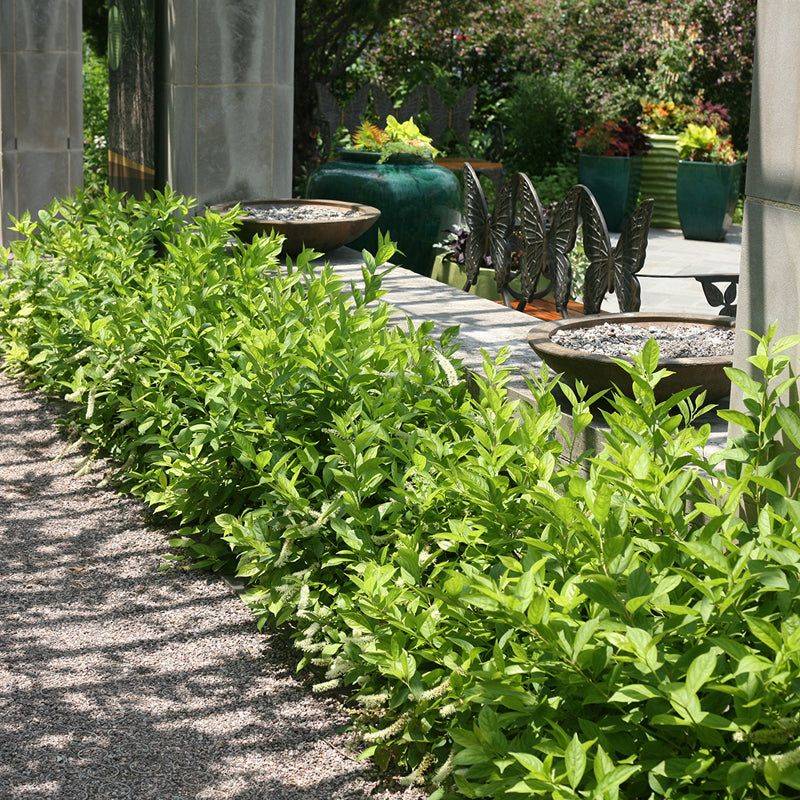
One-size-fits-all pruning is a shortcut that rarely works out well. Take Itea virginica, a beautiful native shrub that thrives across North Carolina.
It responds really well to selective thinning of older stems but does not need aggressive shaping.
Gardenia jasminoides, on the other hand, requires careful timing because pruning at the wrong moment removes the buds that would have produced those fragrant white flowers everyone loves.
North Carolina’s diverse plant palette makes this even more relevant because gardeners here grow everything from native wildflowers to subtropical specimens, all in the same yard.
The Coastal Plain, Piedmont, and Mountain regions also have different growing conditions that affect how and when plants should be pruned.
Spending a few minutes researching the specific needs of each plant before you start cutting pays off enormously.
Many local North Carolina Cooperative Extension offices offer free plant-specific pruning guides that are tailored to the state’s climate zones.
Learning what each plant actually needs, rather than guessing, is the single best upgrade any gardener can make to their spring pruning routine.