Squirrels Are Damaging Michigan Gardens Before Spring, Here’s What You Should Do
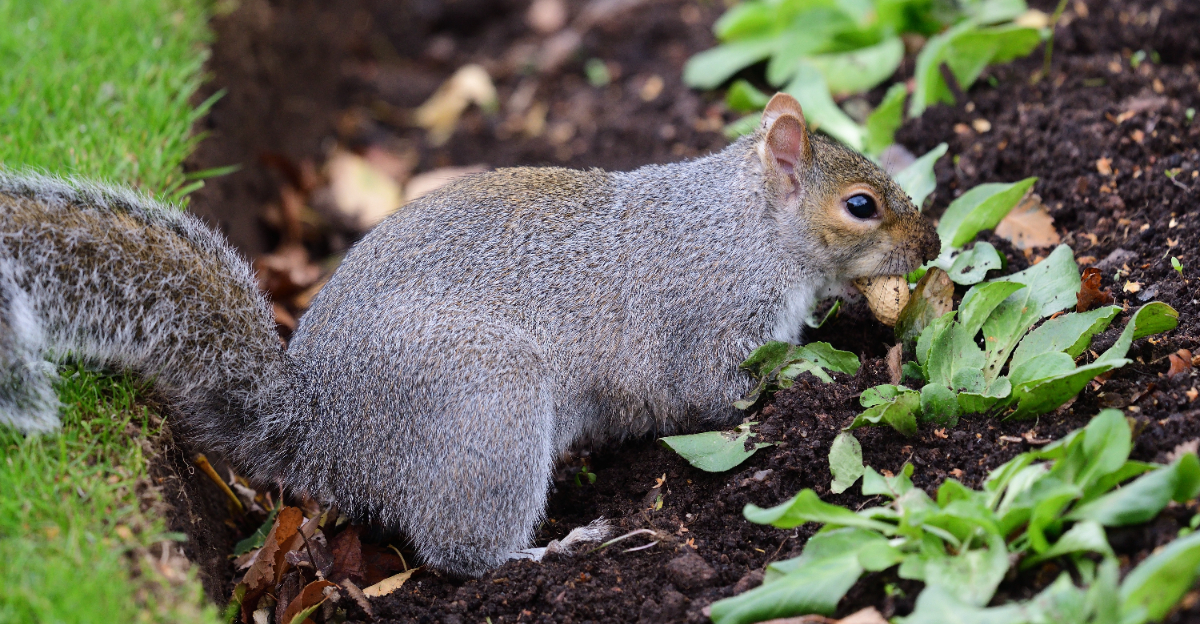
Freshly turned soil, missing bulbs, and scattered seedlings can quickly test a gardener’s patience when spring planting begins.
In Michigan, squirrels become especially active during this time, driven by strong survival instincts as they search for food and prepare for the busy season ahead.
While they are not intentionally targeting your hard work, their digging and foraging can disturb carefully planted beds and disrupt early growth. Bulbs may be unearthed, seeds uncovered, and newly prepared soil turned into a patchwork of small holes.
Understanding why squirrels behave this way is the first step toward protecting your garden effectively. Michigan’s seasonal cycle encourages these animals to gather and explore just as gardeners begin planting, which often leads to conflict.
With the right prevention methods and a little planning, you can reduce damage and keep your garden on track. Smart strategies help you maintain healthy beds while still sharing your Michigan landscape with local wildlife.
Squirrels Dig For Buried Food And Disturb Garden Soil
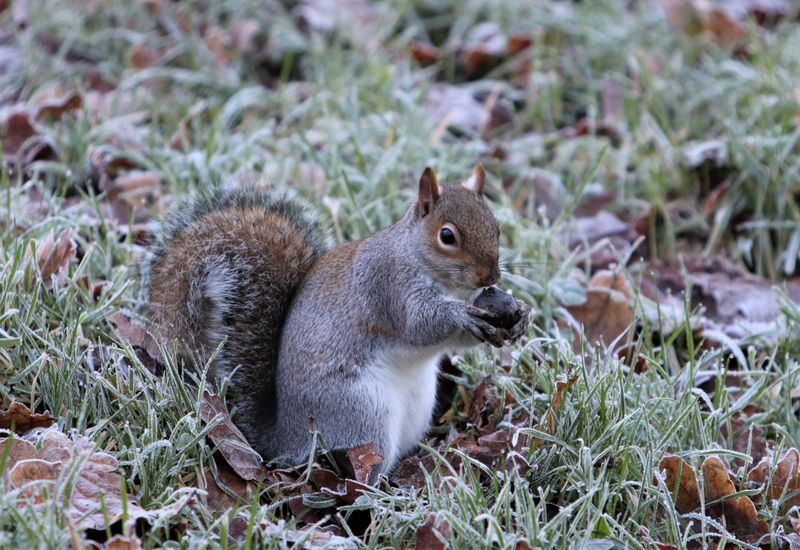
Squirrels have an impressive memory when it comes to locating their hidden food stashes. Throughout fall and winter, they bury nuts and seeds in various spots around your yard.
When late winter arrives, they begin excavating these caches with remarkable determination. This digging behavior intensifies as stored food becomes scarce and spring approaches.
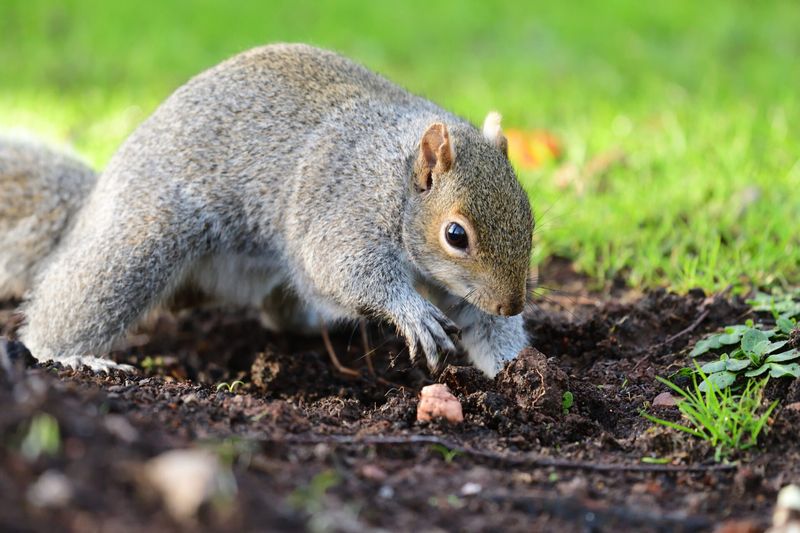
Your garden beds become prime targets because the soil is often softer and easier to dig than surrounding areas. Squirrels use their sharp claws to create small holes that can damage plant roots and disturb seedlings.
Even when they are not retrieving their own buried food, they often dig exploratory holes searching for anything edible. This constant excavation creates an unsightly mess and disrupts the soil structure you worked hard to prepare.
Michigan winters push squirrels to work harder for survival resources. The freeze-thaw cycles common in the region make ground conditions variable, so squirrels take advantage of warmer days.
They may dig multiple holes in a single garden bed, creating a patchwork of disturbances. Understanding this natural behavior helps you anticipate problem areas and take preventive action before major damage occurs to your carefully planned garden spaces.
Protect Newly Planted Bulbs From Being Dug Up
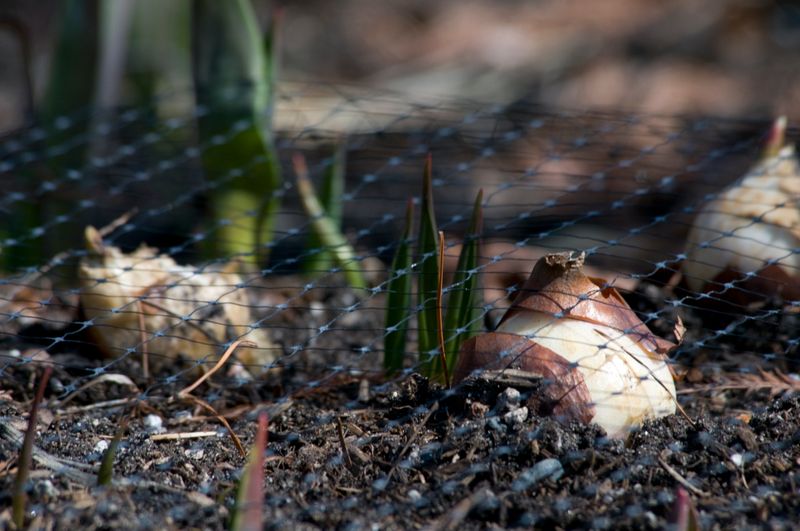
Tulips and crocuses are spring garden favorites, but squirrels find them equally appealing for different reasons. Freshly planted bulbs emit scents that attract curious squirrels who mistake them for food sources.
Once they discover bulbs in your garden, they return repeatedly to dig them up. This creates significant losses and ruins your spring flower display before it even begins.
Wire mesh barriers provide excellent protection when installed correctly over bulb planting areas. Hardware cloth with half-inch openings works perfectly because it allows shoots to grow through while preventing squirrels from accessing the bulbs below.
Place the mesh directly on the soil surface after planting, securing edges with landscape staples. The bulbs will push through as they grow, but squirrels cannot dig past the barrier.
Chicken wire offers another effective option, though it has slightly larger openings. Layer it flat over your bulb beds and cover with a thin layer of mulch to hide it from view.
Remove the barrier in early spring once shoots emerge strongly, or leave it in place if it does not interfere with growth. This simple physical barrier saves countless bulbs from being unearthed and scattered across your yard, ensuring your spring garden blooms as planned.
Use Physical Barriers To Protect Garden Beds
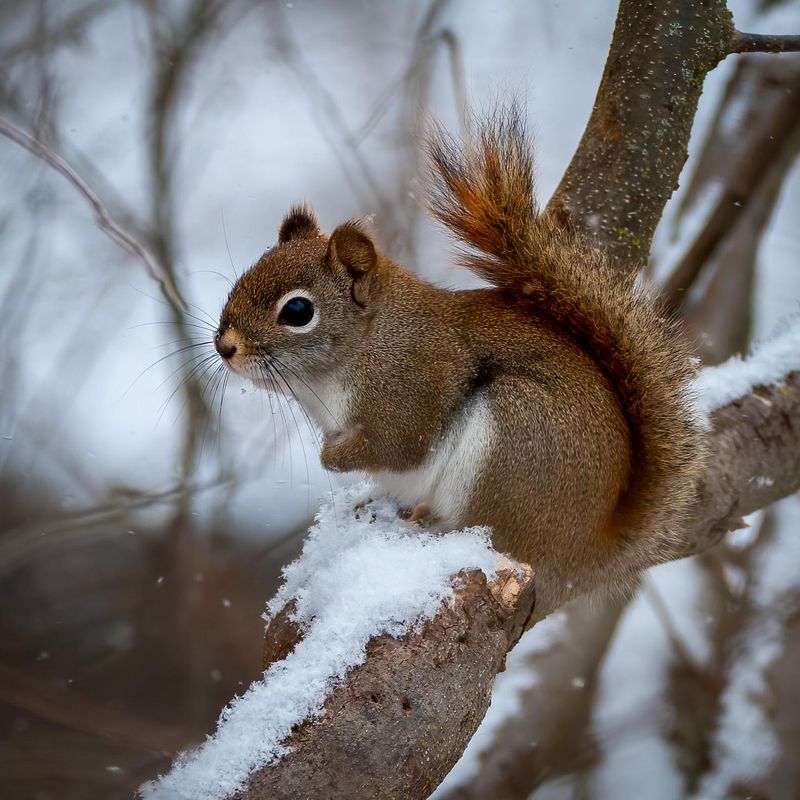
Physical barriers create the most reliable defense against persistent squirrel damage in your garden beds. Fencing specifically designed for pest control works wonders when properly installed around vulnerable areas.
Hardware cloth stands out as particularly effective because its tight weave and sturdy construction resist squirrel attempts to chew through or push past it.
Install fencing at least twelve inches deep into the soil to prevent squirrels from burrowing underneath. Extend it eighteen to twenty-four inches above ground level to discourage jumping over.
Secure corners and seams tightly, as squirrels will exploit any gaps they discover. Garden netting draped over planting areas offers temporary protection, especially during critical early growth periods when plants are most vulnerable to disturbance.
Row covers made from lightweight fabric serve double duty by protecting against both pests and frost. They allow sunlight and water to reach your plants while creating a physical barrier squirrels cannot penetrate easily.
Anchor all edges securely with rocks, boards, or landscape staples to prevent squirrels from sneaking underneath. Combining multiple barrier types increases effectiveness, especially in areas with high squirrel populations.
Regular inspection ensures barriers remain intact and functional throughout the growing season, giving your plants the undisturbed environment they need to thrive.
Remove Easy Food Sources Around The Yard
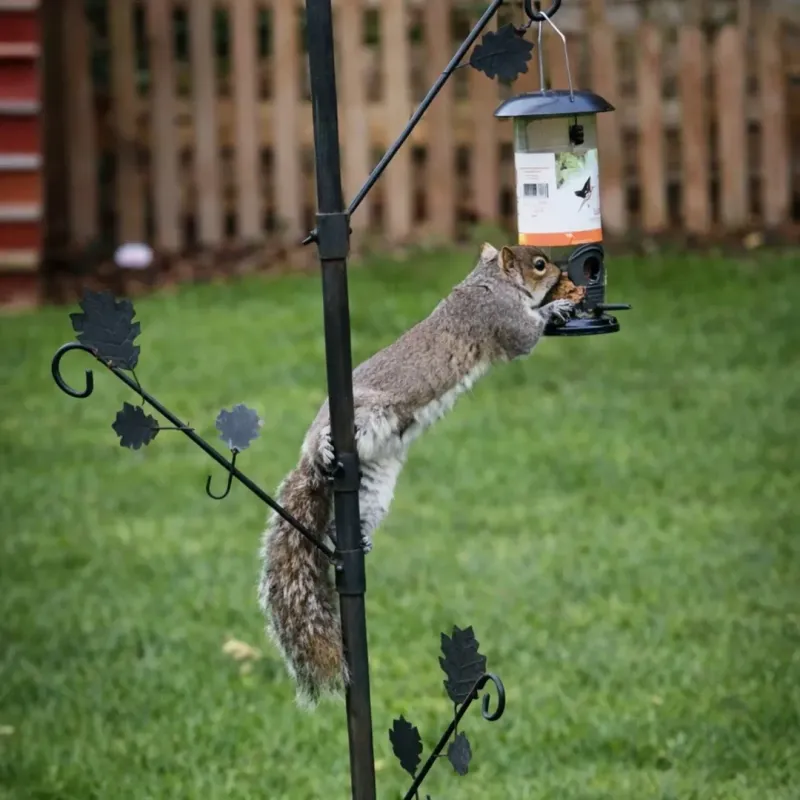
Squirrels naturally gravitate toward yards that offer easy meals, so eliminating these attractants reduces their presence near your garden. Bird feeders often become unintentional squirrel feeding stations when seeds spill onto the ground.
Switching to feeders with catch trays or using squirrel-proof designs minimizes this problem significantly. Position feeders at least twenty feet away from garden areas to draw squirrels elsewhere.
Fallen nuts from oak, walnut, or hickory trees create irresistible food sources that bring squirrels into your yard repeatedly. Rake and remove these nuts regularly during fall and early spring to reduce the appeal of your property.
Food scraps in compost piles also attract squirrels, so ensure your compost bin has a secure lid and avoid adding meat, dairy, or oily foods that emit strong odors.
Pet food left outdoors invites squirrels to linger and explore nearby areas, including your garden beds. Feed pets indoors or remove dishes immediately after feeding times.
Check for fruit drops under trees and gather them promptly. By eliminating these convenient food sources, you make your yard less attractive to squirrels, encouraging them to forage elsewhere.
This proactive approach reduces overall squirrel traffic through your garden and minimizes opportunities for damage.
Mulch Can Reduce Digging Activity When Applied Properly
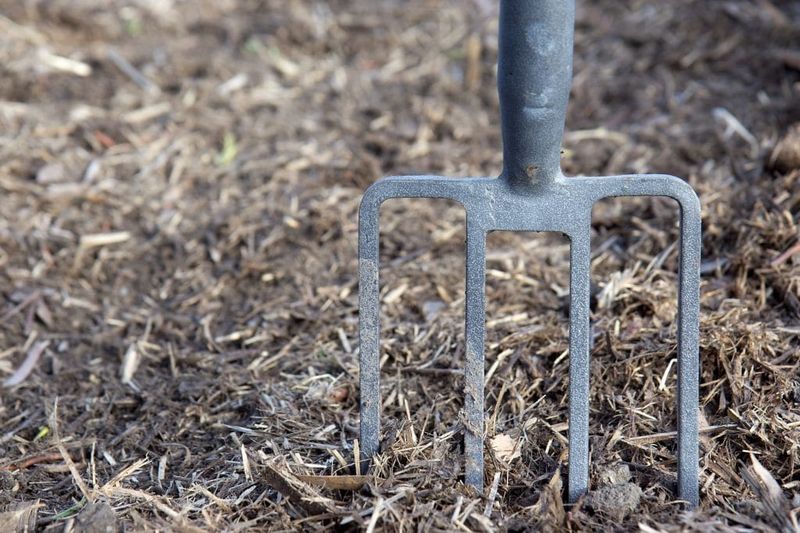
Mulch serves multiple purposes in your garden, and deterring squirrel digging ranks among its valuable benefits. A thick layer of mulch makes digging more difficult and less rewarding for squirrels searching for buried food.
They prefer easy digging conditions, so encountering several inches of mulch often discourages their excavation efforts. Wood chips, shredded bark, or pine needles work particularly well for this purpose.
Apply mulch to a depth of three to four inches around plants and across garden beds. This thickness provides adequate coverage without suffocating plant roots or preventing water penetration.
Avoid piling mulch directly against plant stems or tree trunks, as this can cause rot and disease problems. Refresh mulch layers annually as materials decompose and settle, maintaining consistent depth throughout the growing season.
Coarse-textured mulches tend to work better than fine materials because they are harder for squirrels to move aside. Stone or gravel mulches offer maximum resistance to digging but may not suit all garden aesthetics or plant types.
Organic mulches eventually break down, enriching your soil while providing ongoing protection.
Combining mulch with other deterrent methods creates a comprehensive defense system that addresses multiple aspects of squirrel behavior and significantly reduces garden damage over time.
Plant Less Attractive Bulbs In Problem Areas
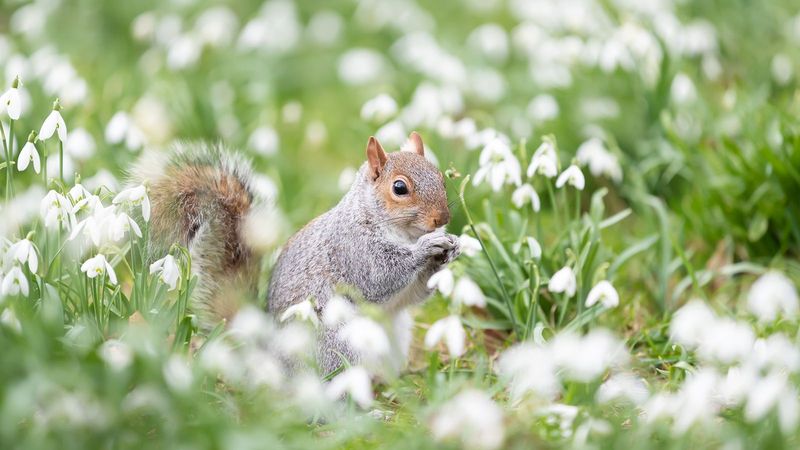
Not all bulbs appeal equally to squirrels, and choosing varieties they typically avoid can save considerable frustration. Daffodils contain toxic compounds that squirrels instinctively avoid, making them excellent choices for problem areas.
Alliums, including ornamental onions, also repel squirrels due to their strong scent and taste. These bulbs provide beautiful spring color without the constant worry of being dug up and scattered.
Grape hyacinths and fritillarias offer additional squirrel-resistant options for Michigan gardens. Their natural chemical defenses make them unappealing to wildlife while still producing lovely blooms.
Interplanting these varieties among more attractive bulbs like tulips can provide some protection through scent confusion. Squirrels may be less likely to dig in areas where they encounter unpleasant-smelling bulbs mixed with their preferred varieties.
Snowdrops and winter aconites emerge early and generally escape squirrel attention because they bloom before peak foraging activity begins. Consider designing your bulb displays with squirrel-resistant varieties in the most vulnerable spots near feeding areas or along garden edges.
Reserve tulips and crocuses for protected areas where you can more easily implement physical barriers.
This strategic planting approach reduces losses while still allowing you to enjoy a diverse and colorful spring garden without constant battles against determined squirrels.
Use Protective Covers Over Seed Beds
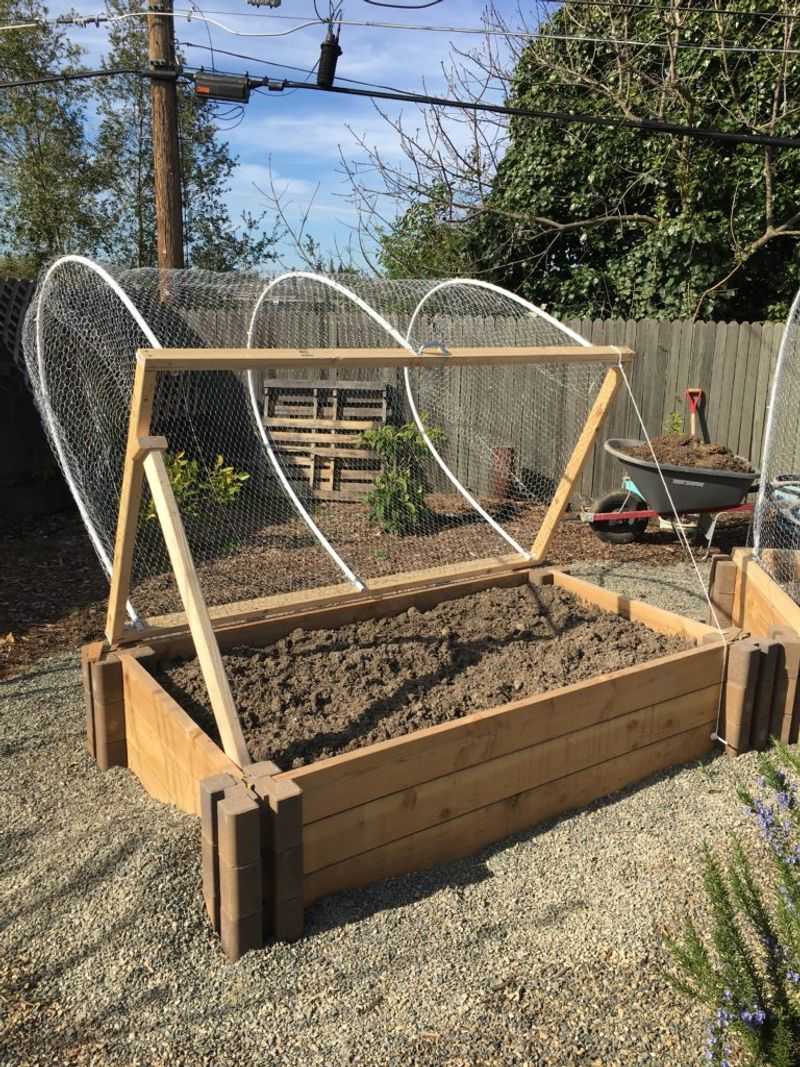
Newly planted seeds face particular vulnerability to squirrel disturbance because the freshly worked soil is easy to dig. Row covers offer lightweight protection that allows light and moisture to reach seeds while preventing squirrels from accessing the planting area.
These covers float on top of plants or rest on simple hoops, creating a physical barrier without weighing down delicate seedlings.
Mesh netting with quarter-inch or half-inch openings provides excellent seed bed protection while maintaining good air circulation. Secure netting edges thoroughly using landscape staples, rocks, or boards to prevent squirrels from crawling underneath.
The netting remains in place until seedlings establish strong root systems and can better withstand minor disturbances. This protection is especially important for peas, beans, corn, and sunflower seeds that squirrels find particularly tasty.
Garden fabric or landscape cloth creates another effective barrier option for larger seed beds. Cut pieces to size and anchor them securely across planting areas.
Remove covers once seedlings emerge and grow several inches tall, though you may choose to keep them longer for additional protection against other pests.
Combining seed bed covers with other deterrent methods provides comprehensive protection during the critical germination period when your garden is most vulnerable to damage from foraging squirrels.
Maintain Clean Garden Areas To Reduce Nesting Spots
Squirrels seek out cluttered areas with dense vegetation and accumulated debris for nesting and shelter. Your garden becomes more attractive when it offers these hiding spots near food sources.
Regular cleanup removes potential nesting materials and makes your yard less hospitable for squirrels looking to establish territory. This proactive maintenance reduces the likelihood of squirrels spending extended time near your plantings.
Clear away piles of leaves, branches, and garden waste that accumulate in corners and along fences. Trim overgrown shrubs and remove dead plant material that creates dense thickets where squirrels feel safe.
Keep woodpiles neatly stacked and away from garden areas, as loose wood piles provide excellent shelter. Store garden tools, pots, and equipment in sheds rather than leaving them scattered around the yard where they create hiding spots.
Prune tree branches that hang low or create dense canopy cover near garden beds. Squirrels prefer areas where they can quickly retreat to safety, so reducing overhead cover makes them feel more exposed and vulnerable.
Maintain clear sight lines across your yard by removing visual barriers that give squirrels confidence to forage.
A tidy, open landscape naturally discourages squirrels from lingering while making it easier for you to spot and address any emerging problems before they escalate into serious damage.
Squirrels Are Most Active In Late Winter And Early Spring
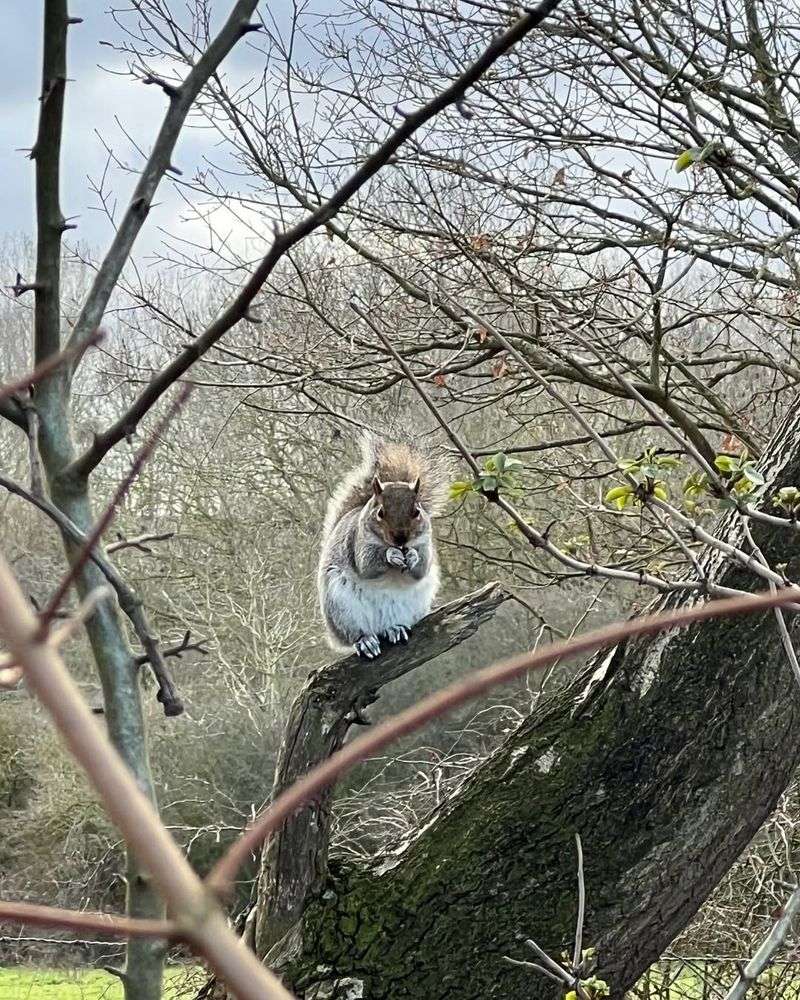
Understanding seasonal squirrel behavior patterns helps you anticipate and prevent garden damage more effectively. Late winter and early spring mark peak activity periods when squirrels exhaust their stored food supplies and desperately search for sustenance.
Michigan’s harsh winters make this period especially challenging for squirrels, driving them to dig more aggressively in any accessible areas including your garden beds.
Breeding season begins in late winter, further increasing squirrel activity and territorial behavior. Males travel greater distances searching for mates, while females seek nesting sites and additional food resources.
This heightened activity coincides perfectly with early garden preparation and planting times, creating unfortunate timing for gardeners. Squirrels become bolder and more persistent during this period, making deterrent efforts especially important.
As temperatures warm and ground thaws, squirrels can access previously frozen soil more easily. They dig frantically to recover buried nuts and search for emerging plant shoots and insects.
This activity continues through early spring until natural food sources become abundant again with new plant growth. Planning your garden protection strategies around this peak activity window ensures maximum effectiveness.
Install barriers and remove attractants before this busy period begins, giving your garden the best chance to establish without interruption from hungry, active squirrels.
Consistent Deterrence Works Better Than One Time Solutions
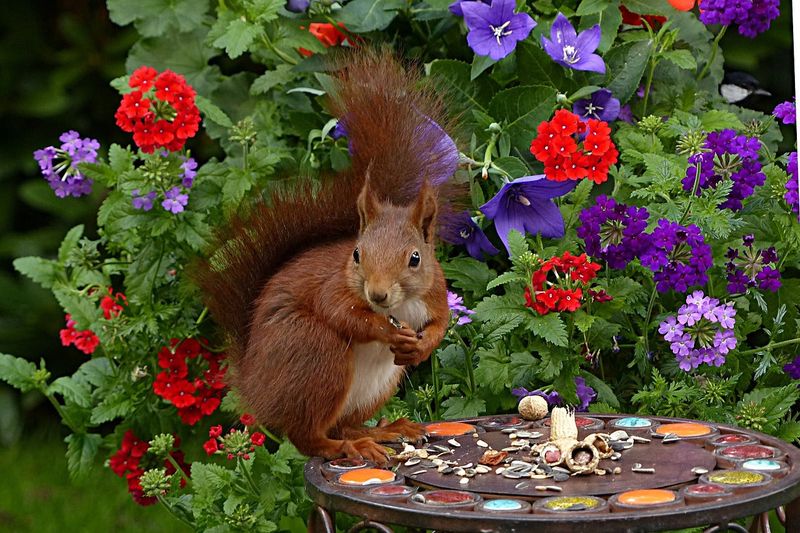
Squirrels are intelligent, adaptable creatures that quickly learn to overcome single-method deterrents. Relying on just one protection strategy often leads to disappointing results as squirrels find ways around your defenses.
Combining multiple deterrent methods creates a comprehensive approach that addresses different aspects of squirrel behavior and significantly improves success rates. This layered strategy makes your garden much less appealing and accessible to persistent squirrels.
Consistency matters more than intensity when implementing squirrel deterrents. Sporadic efforts allow squirrels to learn that barriers eventually disappear or that food sources return after brief absences.
Maintain your chosen deterrent methods throughout the vulnerable period from late winter through early summer.
Regular monitoring and quick repairs to damaged barriers prevent small breaches from becoming major access points that squirrels exploit repeatedly.
Rotate and refresh your deterrent strategies periodically to prevent squirrels from adapting to them. What works well initially may lose effectiveness as squirrels become accustomed to certain barriers or scents.
Combining physical barriers with habitat modification and food source removal creates a challenging environment that encourages squirrels to forage elsewhere. Document what works best in your specific situation and refine your approach each season.
This commitment to ongoing, multi-faceted protection delivers the best long-term results for keeping your Michigan garden safe from squirrel damage.