8 Stapelia Gigantea Growing Tips For Healthy Blooms In Arizona
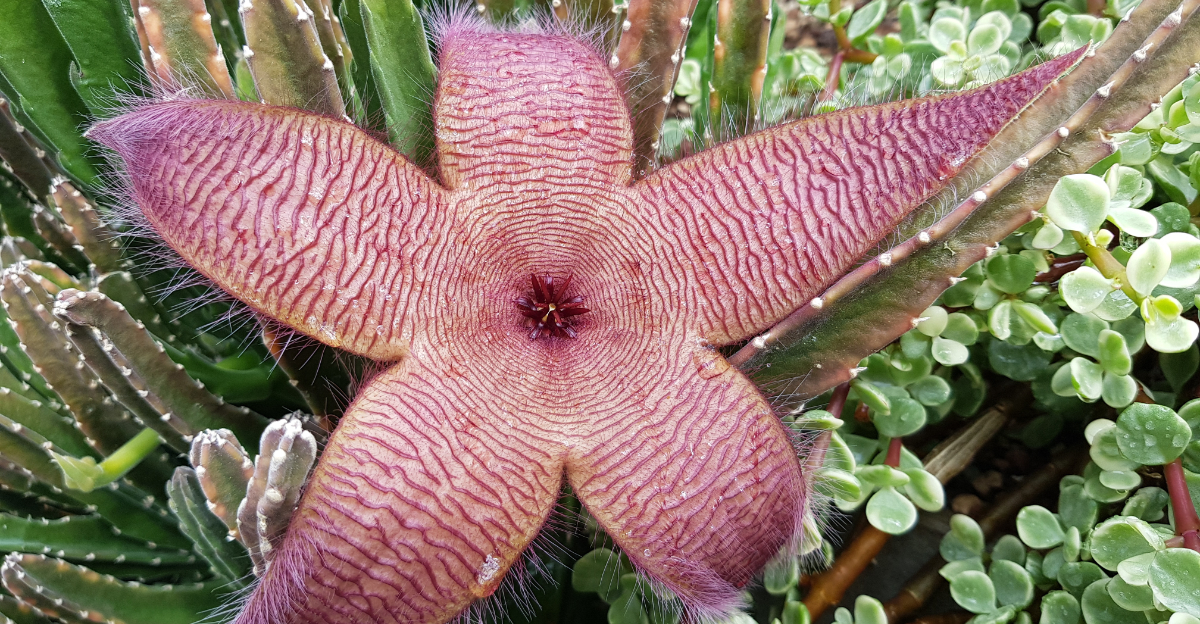
Stapelia gigantea stands out even among unusual desert plants. Its thick, upright stems form a sculptural clump, and when the plant begins to bloom, the enormous star-shaped flowers quickly become the main attraction.
In Arizona’s warm climate, this succulent can grow especially well, but healthy growth and reliable blooms depend on a few important conditions.
Because Stapelia stores water in its stems, it prefers soil that drains quickly and watering that allows the roots to dry between soakings. Strong light and warm temperatures also help the plant develop sturdy stems and encourage flowering.
When these simple needs are met, Stapelia gigantea grows steadily and eventually produces the dramatic blooms that make it such a fascinating addition to Arizona container gardens.
1. Give Stapelia Gigantea Plenty Of Sun With Light Afternoon Shade

Sunlight is everything for Stapelia gigantea, but Arizona’s afternoon sun is a completely different beast than what this plant experiences in its native Southern Africa.
Too many hours of direct, blazing sun — especially between 1 p.m. and 5 p.m. — can cause the stems to turn yellow or develop a reddish tint that signals stress.
Morning sun is where this plant truly shines. Position it somewhere that catches bright, direct light from sunrise through late morning.
A south-facing or east-facing spot under a patio overhang, near a block wall, or beneath a shade tree that filters the afternoon glare works really well across most parts of Arizona.
In lower desert areas like Phoenix or Yuma, even a shade cloth rated at 30 to 40 percent can make a noticeable difference during peak summer months. You do not need to block all the light — just take the edge off that brutal midday intensity.
Up in higher elevation areas like Prescott or Flagstaff, the sun is still intense but the temperatures are more forgiving, so full morning exposure with natural afternoon cloud cover often works perfectly without any additional shade setup.
Pay attention to how your plant responds and adjust placement accordingly.
Bright light keeps the stems firm and encourages the plant to form buds once temperatures are warm enough. If the stems begin stretching or leaning toward light, it is a sign the plant needs a brighter spot.
2. Use Fast-Draining Soil To Prevent Root Rot

Root rot is the fastest way to lose a Stapelia gigantea, and in Arizona’s climate, the problem usually is not lack of water — it is water sitting too long around the roots.
Even in a dry desert environment, a heavy or compacted soil mix holds moisture longer than these succulents can handle.
Skip standard potting soil on its own. A solid mix for Stapelia gigantea combines one part cactus potting mix, one part coarse perlite, and one part washed sand or fine gravel.
That combination drains fast, stays loose, and lets roots breathe between watering sessions.
Unglazed terracotta pots work especially well here because they pull moisture away from the soil through the pot walls.
In Arizona’s low-humidity environment, that extra evaporation helps keep the root zone at just the right moisture level without you having to stress about timing every single watering perfectly.
Avoid decorative glazed pots or containers without drainage holes, even if they look great on a patio. Standing water at the bottom of a pot in Arizona’s warm temperatures creates exactly the conditions that lead to root problems.
A plain, functional pot with a big drainage hole is always the smarter choice for this plant.
It also helps to place a thin layer of gravel on the soil surface to keep the base of the stems dry. Over time, the right soil mix will encourage stronger roots and healthier growth.
3. Let The Soil Dry Fully Before Watering Again

Watering Stapelia gigantea correctly is less about a fixed schedule and more about reading the soil. Stick your finger two inches down into the potting mix — if you feel any coolness or moisture at all, wait.
Water only when that soil feels completely dry all the way through.
During spring and early summer in Arizona, that might mean watering every ten to fourteen days. As temperatures climb into triple digits across the low desert, the soil dries faster, but the plant also slows down and needs less water overall.
Counterintuitive, but true — more heat does not mean more water for this succulent.
Watering deeply but infrequently is the right approach. When you do water, soak the soil thoroughly until water drains freely from the bottom of the pot.
Then walk away and let the plant do its thing. Shallow, frequent watering encourages weak root systems and creates conditions for fungal problems.
Fall and winter watering should drop off significantly, especially in northern Arizona areas where temperatures cool down considerably. During dormancy, once a month is often plenty, sometimes even less.
Keeping track of your last watering date on a simple notepad or phone app makes it easier to avoid the common mistake of watering too soon.
4. Grow Stapelia Gigantea In Containers With Excellent Drainage

Container growing is genuinely the smartest approach for Stapelia gigantea in Arizona, and not just because it looks good on a patio.
Containers give you total control over soil quality, drainage, and sun exposure — three things that vary wildly across Arizona’s different growing zones.
Choose a pot that is only slightly larger than the root ball. Oversized containers hold too much soil and too much moisture relative to the plant’s size, which slows drying time between waterings.
A snug fit encourages the plant to focus energy on stem and flower production rather than root expansion into empty soil.
Terracotta remains the top choice for most Arizona growers because of how well it handles the extreme temperature swings between day and night. Plastic containers heat up fast and stay warm longer, which can stress roots during Arizona’s brutal summer afternoons.
If you prefer plastic, choose a lighter color that reflects heat rather than absorbs it.
Always elevate containers slightly off the ground using pot feet or a small platform. This simple step improves airflow under the pot, speeds up drainage after watering, and prevents the base from sitting in any pooled water on a patio surface.
It is a small detail that makes a real difference in root health over time, especially through the long, hot Arizona summer months.
5. Keep The Plant Warm To Encourage Large Blooms

Warmth is what unlocks those legendary blooms.
Stapelia gigantea produces its massive star-shaped flowers most reliably when temperatures stay consistently between 70 and 90 degrees Fahrenheit, which means most of Arizona is actually a fantastic match for this plant during the right season.
Phoenix, Tucson, and the lower desert communities offer near-perfect warmth through spring and into early summer, which lines up well with the plant’s natural blooming window.
Gardeners in these areas often see flowers appear in late summer or early fall after the plant has soaked up months of warm temperatures.
Cool nights actually play a supporting role here. A drop of 15 to 20 degrees between day and nighttime temperatures signals the plant that conditions are right for flower production.
Arizona’s desert nights deliver exactly that kind of temperature swing, particularly in late summer and early fall when blooms are most common.
If you grow Stapelia gigantea indoors during cooler months, keep it in the warmest room in the house and away from air conditioning vents. Cold drafts slow growth and can prevent flowering entirely.
A sunny windowsill that holds daytime warmth is ideal for keeping the plant in the right temperature range to push toward a bloom the following season.
Strong light also helps trigger blooming, especially after the plant has built up energy during the warm months.
A mature clump that receives steady warmth and bright light will usually reward the wait with several large blooms at once.
6. Reduce Water During The Hottest Part Of Summer
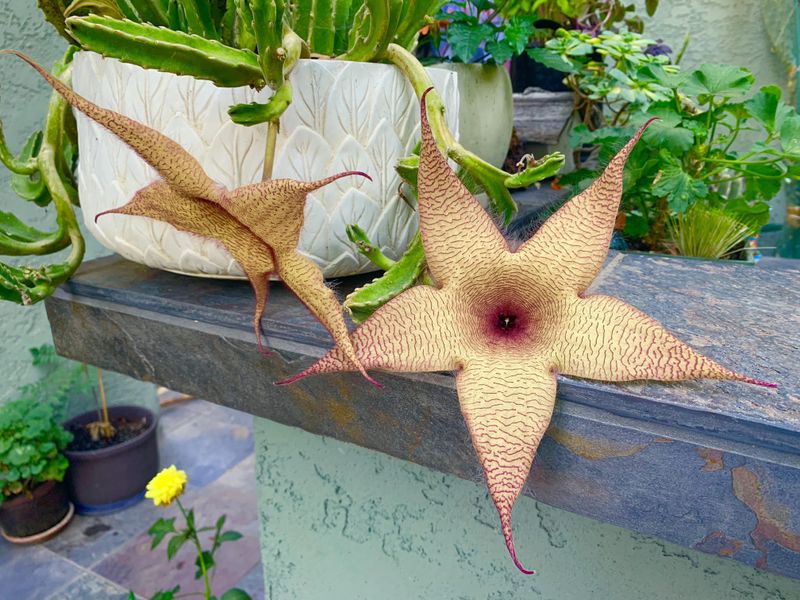
July and August in Arizona hit hard, and your Stapelia gigantea knows it. During the peak of monsoon season and the hottest weeks of the year, this plant naturally pulls back and slows its activity, even though the surrounding air feels like an oven.
Less activity means less water demand — simple as that.
Cut back watering frequency by about half during this period. If you were watering every ten days in spring, stretch that to every eighteen to twenty days in midsummer.
Watch the stems rather than the calendar — slightly wrinkled or soft stems are a sign the plant wants water, while firm, plump stems mean it is perfectly fine.
Arizona’s monsoon rains can complicate things if your plant is outside. Unexpected heavy rainfall on top of an already moist soil can push water levels beyond what the roots can handle.
Moving containers under a covered patio or porch during monsoon downpours is a practical habit that prevents accidental overwatering during this tricky season.
Morning is always the best time to water during summer, giving excess moisture a full day to evaporate before temperatures drop overnight.
Evening watering leaves the soil damp through the night, which increases the risk of fungal issues even in a dry climate like Arizona.
Keep the routine simple and consistent for the best results.
7. Protect The Plant From Cold And Frost

Frost is a real concern for Stapelia gigantea growers in Arizona, particularly in communities above 3,500 feet elevation.
Flagstaff, Prescott, Show Low, and similar highland areas regularly see freezing temperatures from November through March, and even one hard frost can cause serious damage to unprotected stems.
Anything below 50 degrees Fahrenheit starts to slow this plant down noticeably. Below 40 degrees, you are asking for trouble.
Sustained exposure to freezing temps causes the stems to turn mushy and collapse — damage that is often irreversible for the affected sections.
Container growing makes cold protection dramatically easier. When a frost warning hits, simply bring the pot indoors and place it near the brightest window available.
A south-facing window works best through winter, giving the plant enough light to stay healthy without needing any supplemental grow lighting in most cases.
For gardeners in the Phoenix metro or Tucson areas, hard freezes are rare but not unheard of. Keeping an eye on nighttime forecasts from October through February is a smart habit.
A simple frost cloth draped over an outdoor container on a cold night provides enough insulation to protect the plant without the hassle of moving it inside every time temperatures dip slightly.
Staying prepared ahead of cold snaps makes all the difference for long-term plant health in Arizona.
8. Watch For Mealybugs Hiding Along The Stems

Mealybugs are sneaky, and Stapelia gigantea’s clustered, upright stems give them plenty of places to hide. A light infestation can go unnoticed for weeks until you spot the telltale white, cottony patches tucked along stem joints or near the soil line.
Check the plant every time you water — that is already when you are handling it, so it takes almost no extra effort. Look at the base of stems where they meet the soil, along any stem creases, and underneath where stems cluster tightly together.
Early detection makes treatment straightforward and prevents the problem from spreading to nearby plants.
A cotton swab dipped in rubbing alcohol is the most precise tool for small infestations. Dab it directly onto each visible bug and the white cottony residue they leave behind.
For a heavier infestation, a diluted neem oil spray applied in the early morning works well across Arizona’s climate without causing additional stress to the plant during cool morning hours.
Avoid spraying anything on the plant during peak afternoon heat, especially in summer. Neem oil and insecticidal soap can cause leaf burn when applied in direct, intense sun.
Repeat treatments every five to seven days for two to three weeks to break the mealybug life cycle completely. Consistency matters more than the strength of the treatment when dealing with these persistent pests on your Stapelia gigantea.