Start This Hardy Perennial Indoors In March In North Carolina For A Garden Full Of Spring Color
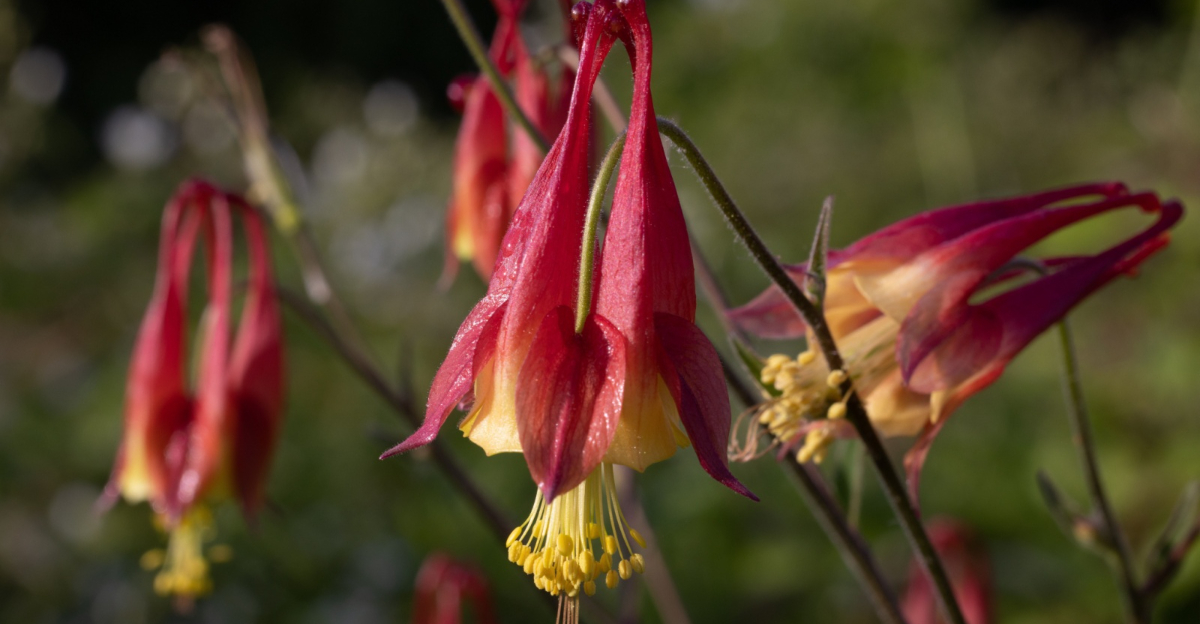
If you want early color in your North Carolina garden, Eastern Red Columbine is a plant worth starting now. This graceful native wildflower appears just as spring begins to build, filling garden beds with delicate red and yellow blooms that seem to float above the foliage.
When it flowers in April, it often becomes one of the first bright highlights of the season. Aquilegia canadensis thrives across the state, from the Mountain region to the Piedmont and into the Coastal Plain.
Because it is a native perennial, it adapts well to North Carolina soils and weather, making it far easier to grow than many imported ornamentals. Starting seeds indoors during March gives these plants a valuable head start before outdoor conditions fully settle.
With a little early planning, gardeners can enjoy stronger plants, earlier blooms, and a vibrant display that brings fresh life to North Carolina gardens each spring.
1. A True North Carolina Native Wildflower
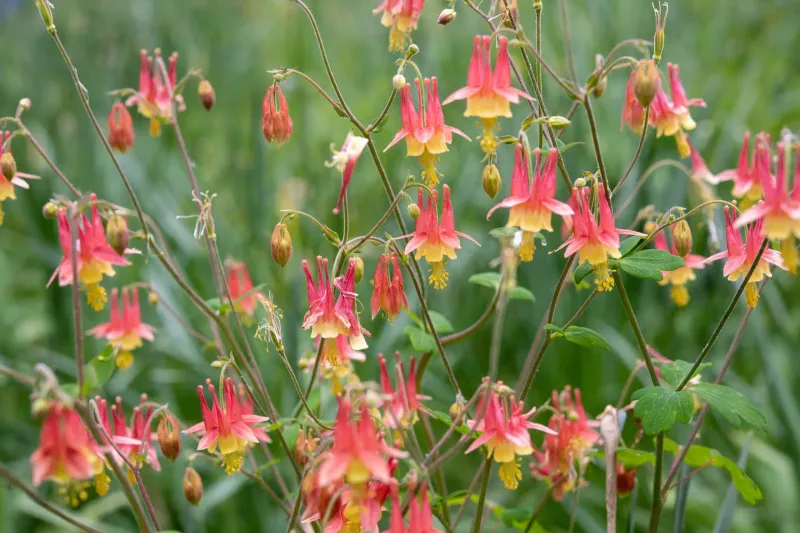
Few plants feel as at home in a North Carolina garden as Eastern Red Columbine does. Aquilegia canadensis, commonly called Wild Columbine, grows naturally across the state, from the rugged mountain ridges all the way to the coastal plain.
You can find it popping up along woodland edges, rocky slopes, and shaded stream banks without any human help at all.
That natural toughness is exactly what makes it such a rewarding choice for gardeners. Because it already belongs here, it adapts easily to local soils, local rainfall patterns, and local temperatures without much fuss.
Gardeners across the Piedmont have found it thrives with very little extra care once it gets settled in.
Native plant gardens in North Carolina benefit enormously from including this species. It connects your yard to the broader local ecosystem, supporting insects and birds that depend on native plants through the seasons.
The delicate, nodding flowers carry an effortless beauty that feels wild and natural rather than stiff or formal.
Growing a plant that truly belongs to this land feels rewarding in a way that imported ornamentals simply cannot match. Wild Columbine brings history, ecology, and genuine spring color to your outdoor space all at once.
Starting with a native like this is one of the smartest gardening decisions you can make in North Carolina.
2. Starting Seeds Indoors In March Gives Plants A Head Start
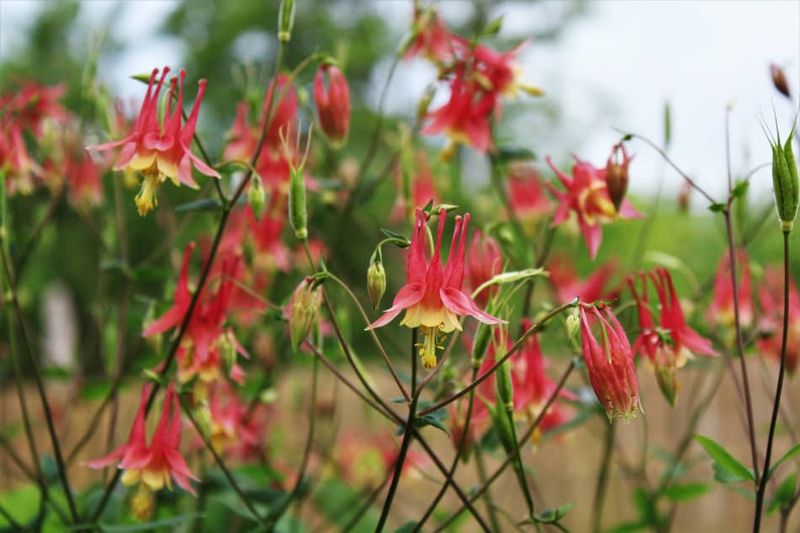
March is genuinely one of the best months to get Eastern Red Columbine seeds going inside your home in North Carolina. Starting indoors gives young seedlings several weeks to build strong roots before they ever face outdoor conditions.
By the time transplanting weather arrives, usually mid-April in the Piedmont and coastal regions, your plants will already look confident and ready.
One helpful trick before planting is cold stratification. Mixing seeds with a damp paper towel, sealing them in a plastic bag, and refrigerating them for three to four weeks mimics natural winter conditions and wakes the seeds up for better germination.
If you start that process in late January or early February, your timing for March indoor sowing lines up perfectly.
After stratification, sow seeds in a quality seed-starting mix and keep the containers in a bright, cool indoor space. A temperature between 60 and 70 degrees Fahrenheit works well for sprouting.
Most seeds will germinate within three to four weeks, producing tiny but sturdy little seedlings with attractive compound leaves.
Starting indoors also protects fragile young plants from late cold snaps that can still surprise North Carolina gardeners in early spring. That extra layer of protection can make a real difference between a struggling transplant and a thriving one.
March indoor sowing simply sets the whole season up for success.
3. Spring Flowers Bring Early Color To Native Gardens
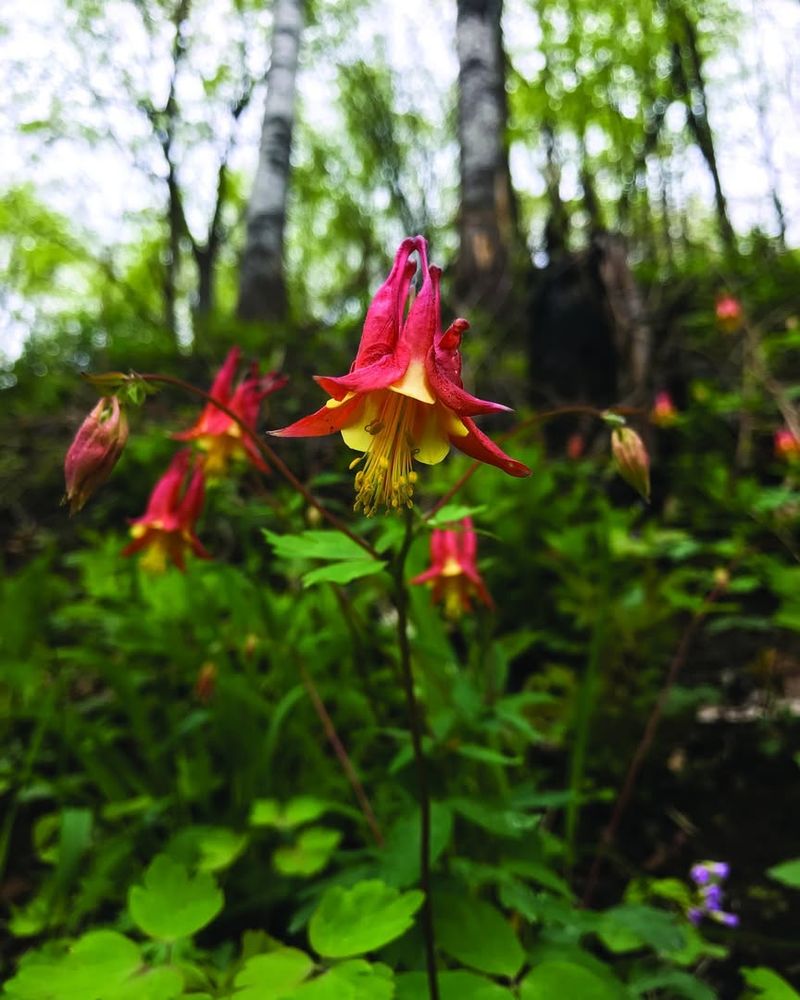
When most of the garden is still waking up, Eastern Red Columbine is already putting on a show. In North Carolina, blooming typically begins in April and carries on through early June, filling that sometimes quiet gap between winter and full summer color.
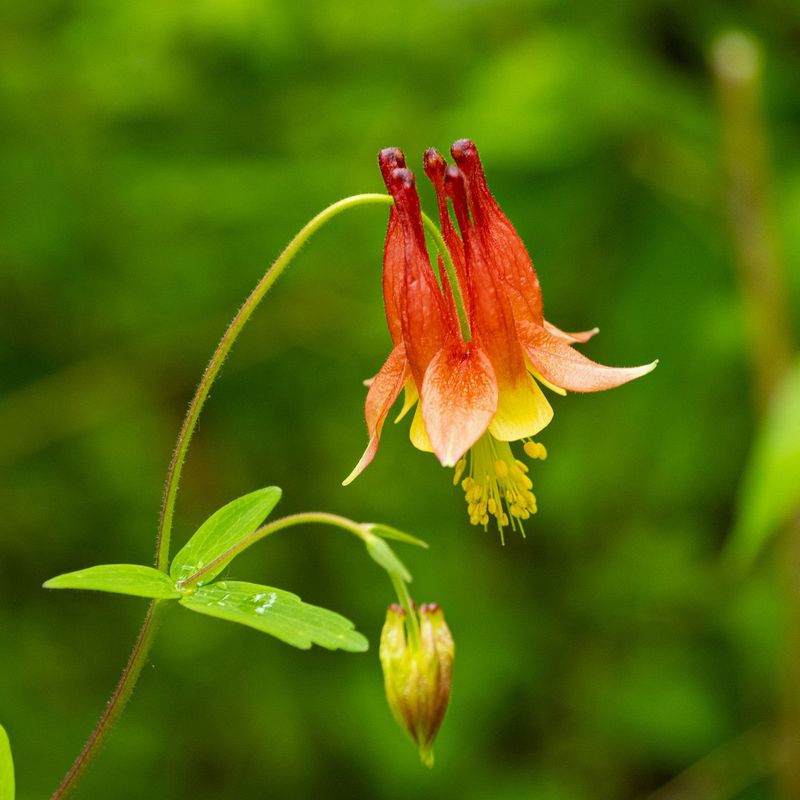
The flowers are truly distinctive, with red outer petals and warm yellow centers, plus long backward-facing spurs that make them look almost architectural.
Those nodding, bell-shaped blooms hang gracefully on slender stems that can reach two to three feet tall. They sway gently with a breeze, giving the garden a soft, lively movement that feels joyful rather than static.
Planted in clusters, they create patches of warm color that catch the eye from across the yard.
Eastern Red Columbine pairs beautifully with other early spring bloomers common in North Carolina gardens.
Wild ginger, Virginia bluebells, and foamflower all bloom around the same time, and together they create a layered, natural-looking display that feels genuinely native.
The color combination of red and yellow also stands out against the fresh green foliage of spring.
Gardeners in the Piedmont and mountain regions of North Carolina often say this plant marks the real arrival of spring for them. Seeing those first nodding red flowers is a signal that the growing season has truly begun.
Few early bloomers deliver that kind of reliable, cheerful color year after year.
4. Hummingbirds Are Drawn To The Nectar-Rich Flowers
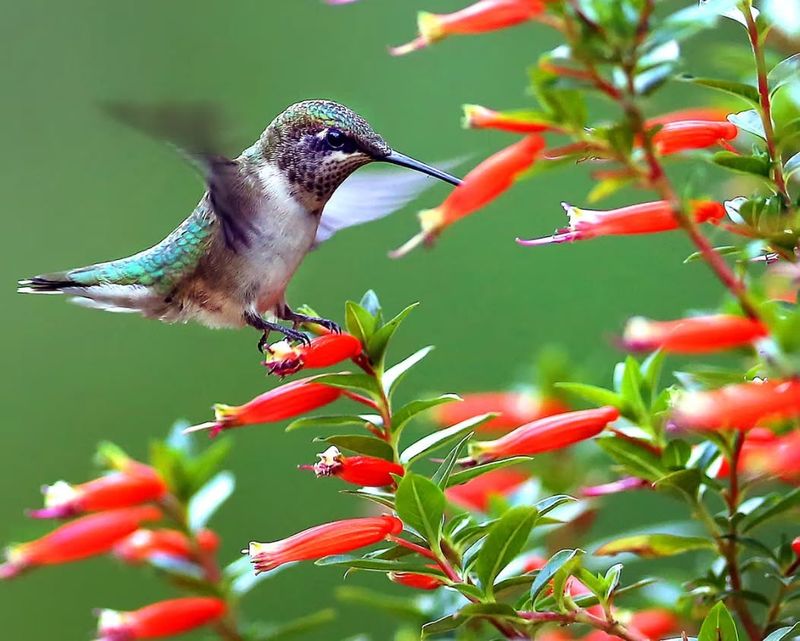
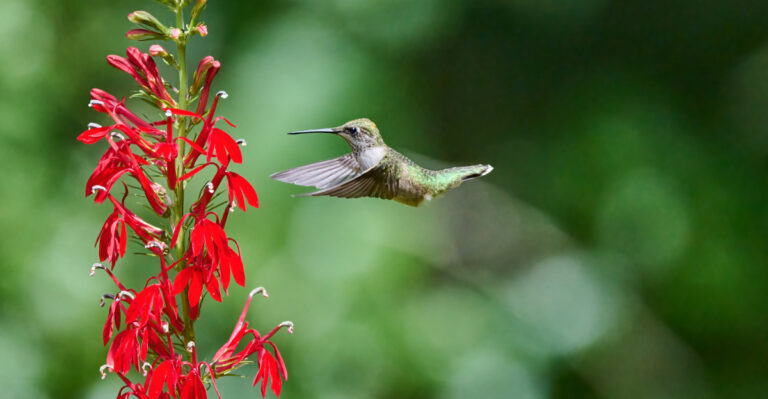
Picture a tiny ruby-throated hummingbird hovering in front of a cluster of red columbine flowers on a warm April morning in North Carolina. That scene is not just possible, it is practically guaranteed if you grow Eastern Red Columbine in your yard.
Ruby-throated hummingbirds migrate back through North Carolina each spring, and they actively seek out tubular, nectar-rich flowers like these as soon as they arrive.
The flower’s structure is practically custom-built for hummingbirds. Those long backward spurs hold nectar deep inside, and the hummingbird’s bill and tongue are perfectly shaped to reach it.
While the bird feeds, it inadvertently picks up pollen, making it an important pollinator for the plant at the same time.
Beyond hummingbirds, the flowers also attract native bumblebees and certain butterfly species. Bumblebees sometimes access the nectar by biting through the spur rather than entering from the front, a behavior called nectar robbing that is fascinating to watch.
The whole ecosystem around a blooming columbine plant buzzes with activity.
Gardeners in the Piedmont and mountain areas of North Carolina who want to attract hummingbirds early in the season often rely on Eastern Red Columbine as their go-to plant.
It blooms right when hummingbirds are passing through or setting up territory, making it one of the most ecologically valuable plants you can grow here.
Planting it near a window means you get the show up close.
5. Seeds Germinate Best In Cool Indoor Conditions
Eastern Red Columbine seeds have a personality of their own when it comes to germination. They genuinely prefer cool conditions, which is part of why starting them indoors in March works so well in North Carolina.
The moderate indoor temperatures of late winter, typically between 60 and 70 degrees Fahrenheit, create exactly the right environment for seeds to wake up and sprout.
When it comes to planting depth, less is more. Seeds should be pressed gently onto the surface of moist seed-starting mix or covered with just the thinnest layer of soil.
Light actually helps trigger germination in this species, so burying seeds too deeply can slow things down considerably. Keeping the soil consistently moist but never soggy is the other key factor during this stage.
After stratification and sowing, expect to see the first tiny seedlings appearing within three to four weeks. They start small, with delicate round seed leaves, but quickly develop the distinctive compound foliage that identifies them as columbine.
Growth picks up noticeably once seedlings have a few sets of true leaves. Placing your seed trays near a bright window where they get indirect light is ideal.
A south-facing or east-facing windowsill in a cool room works beautifully for North Carolina gardeners starting seeds in March.
Avoiding hot, sunny spots prevents the soil from drying out too fast and keeps temperatures in that sweet spot that columbine seeds love most.
6. This Hardy Perennial Returns Each Spring
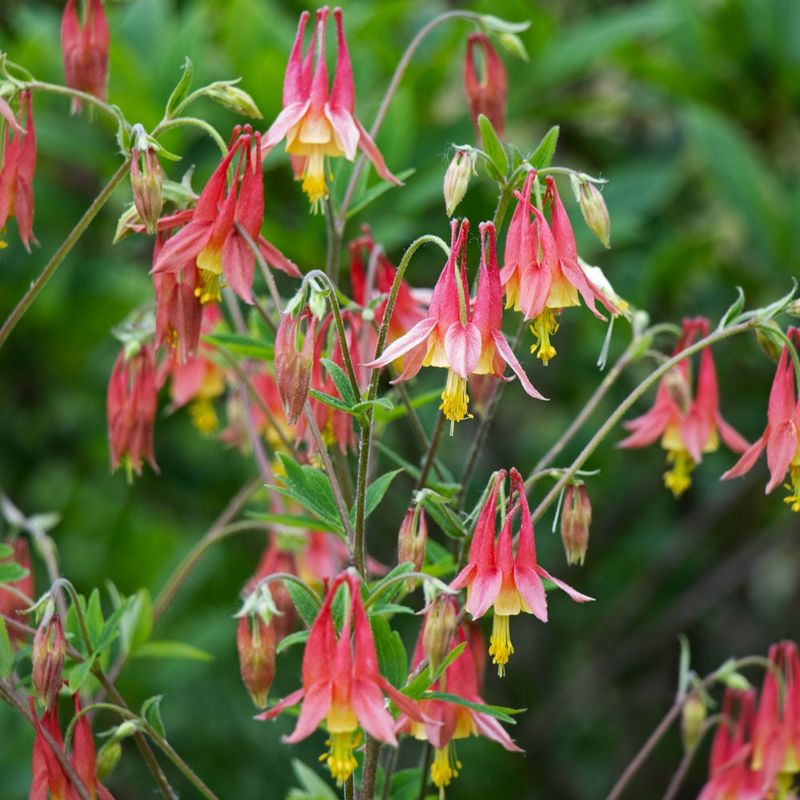
One of the most satisfying things about growing Eastern Red Columbine is knowing it will come back on its own every single year.
Aquilegia canadensis is a true perennial, rated hardy in USDA Zones 3 through 8, which covers every region of North Carolina from the coast to the highest mountain elevations.
Once established, the root system survives winter and pushes up fresh new growth each spring.
Plants tend to grow a bit larger and fuller with each passing year. A small transplant from March-started seeds can become a robust, multi-stemmed clump by its second or third spring, producing significantly more flowers than it did the first season.
That steady improvement over time makes the initial effort of starting seeds indoors feel very worthwhile.
The foliage itself is attractive even when the plant is not in bloom. The blue-green compound leaves form a neat, low mound during the summer and fall months, filling garden space nicely without becoming invasive or pushy.
Many North Carolina gardeners appreciate that it holds its own without taking over. Compared to annual flowers that need replanting every year, a perennial like Eastern Red Columbine saves both time and money over the long run.
You do the work once, establish the plant well, and then simply enjoy the reward spring after spring.
For gardeners across the Piedmont and mountain regions, that kind of reliability is genuinely hard to beat.
7. Light Shade Mimics The Plant’s Natural Habitat
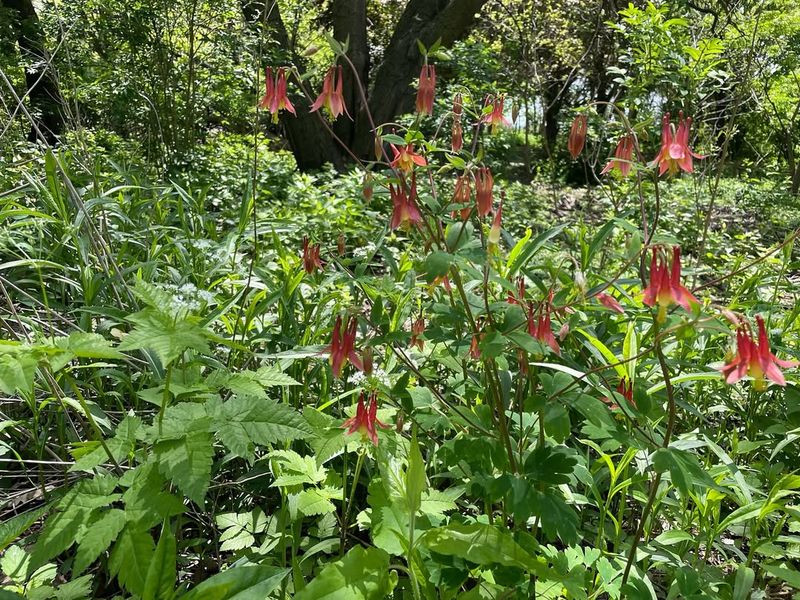
Walk through almost any North Carolina woodland in spring and you will likely spot Eastern Red Columbine growing in those bright, open patches where sunlight filters through the tree canopy.
That natural preference for partial shade is one of the most useful things to know when choosing where to plant it in your garden.
Spots that receive morning sun and afternoon shade, or consistently filtered light all day, suit this plant beautifully.
Planting under open-canopy trees like oaks or dogwoods replicates those woodland conditions closely.
The light reaching the ground in those spots is bright enough for good flowering but gentle enough to prevent the foliage from scorching during the hottest parts of the day.
In North Carolina’s warm summers, that afternoon shade protection becomes especially valuable.
Along the edges of woodland gardens, Eastern Red Columbine looks perfectly at home. It bridges the gap between the shaded interior and the sunnier open garden, softening hard transitions and adding naturalistic charm.
Gardeners in the mountain regions of North Carolina often plant it along the shaded edges of their properties where little else thrives as gracefully.
Full sun can work in cooler areas or during the mild spring season, but consistent afternoon shade generally produces stronger, longer-lasting plants in North Carolina’s climate.
Giving this wildflower conditions that echo where it comes from naturally is always the most reliable strategy. Match the habitat and the plant practically takes care of itself.
8. Well-Drained Soil Helps Prevent Root Problems
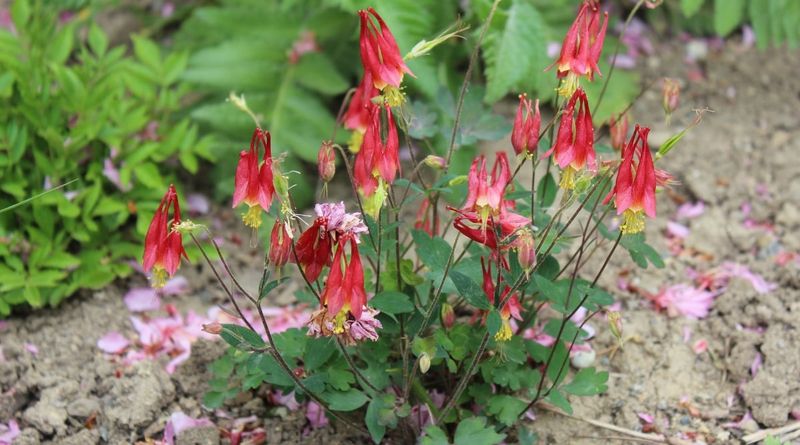
Eastern Red Columbine is not a demanding plant, but there is one thing it genuinely dislikes: sitting in wet, waterlogged soil.
Good drainage is probably the single most important soil factor for growing healthy Aquilegia canadensis in North Carolina, where spring rainfall can be frequent and sometimes heavy.
Roots that stay too wet for too long become vulnerable to rot, which can weaken plants over time.
Sandy loam soils, which drain quickly and still hold some moisture and nutrients, are ideal for this plant. Many North Carolina gardens, particularly in the Piedmont and coastal plain, naturally have soils that lean in that direction, which works in your favor.
In heavier clay soils, which are also common in the state, raising the planting area slightly or working in organic matter helps considerably.
Adding compost or leaf mold to the planting bed before setting in your transplants improves soil structure in two directions at once.
It loosens compacted clay soils to improve drainage while also helping sandy soils hold just enough moisture to support steady growth.
A two to three inch layer worked into the top several inches of soil makes a noticeable difference.
Avoid planting in low spots where water collects after rain, especially in the Piedmont where clay soils can hold moisture for days.
Raised beds or sloped garden areas naturally provide the drainage Eastern Red Columbine prefers. Getting the soil right before planting saves a lot of trouble later in the season.
9. Plants Often Self-Seed In Friendly Garden Conditions
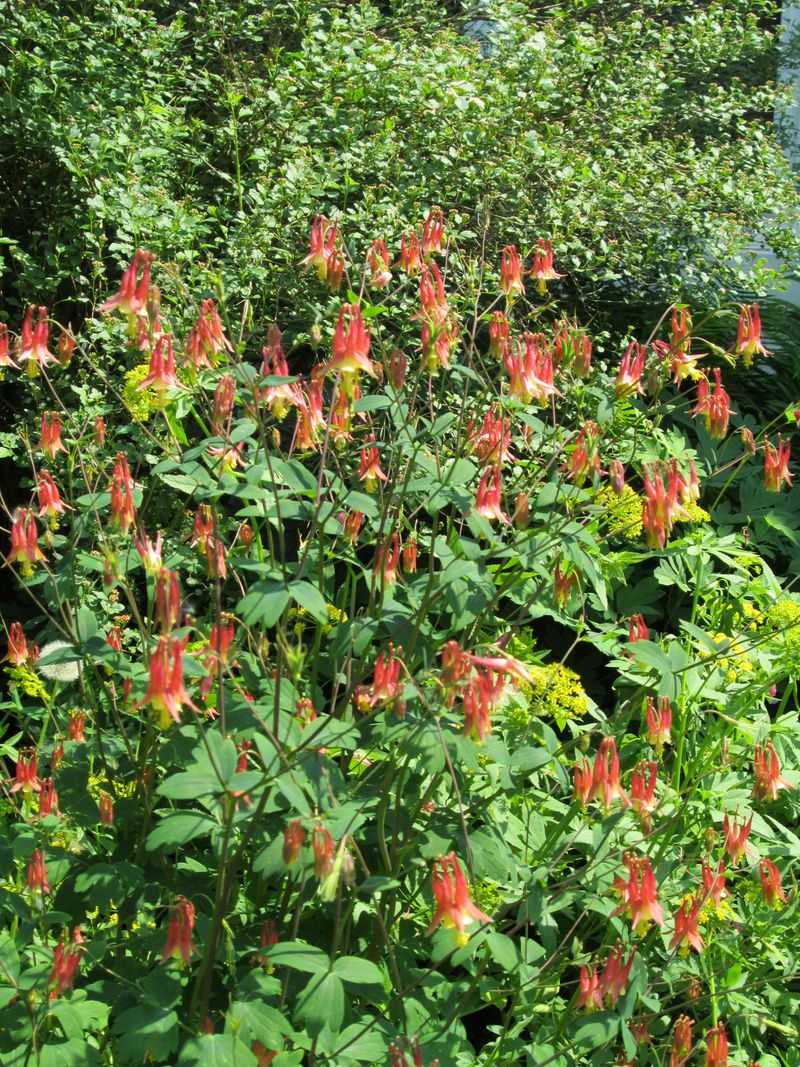
Here is something genuinely exciting about Eastern Red Columbine: once it is happy in your garden, it often starts spreading on its own. After flowers fade, the plant produces small, papery seed pods that split open and scatter seeds across nearby soil.
In North Carolina gardens with reasonable light, decent drainage, and not too much competition from other plants, those seeds often germinate and produce new plants the following spring.
This natural self-seeding behavior can gradually fill a garden area with a soft, naturalistic colony of columbine plants over several seasons.
Small clusters appear here and there in spots the plant finds suitable, and the result looks beautifully unplanned, like a real woodland wildflower patch rather than a formal garden bed.
Many North Carolina gardeners consider this spreading habit one of the plant’s best qualities.
The seedlings are easy to recognize once you know what to look for. They produce small, rounded seed leaves first, followed quickly by the distinctive blue-green compound foliage that columbine is known for.
Young plants can be left where they sprout or carefully moved to a preferred location while still small.
Allowing some plants to self-seed also means your columbine patch gradually renews itself over time, as individual plants tend to be most vigorous in their first few years.
Across the Piedmont and mountain regions of North Carolina, this self-renewing quality makes Eastern Red Columbine one of the most low-maintenance native perennials you can include in a garden.
10. Deadheading Can Extend Bloom Time
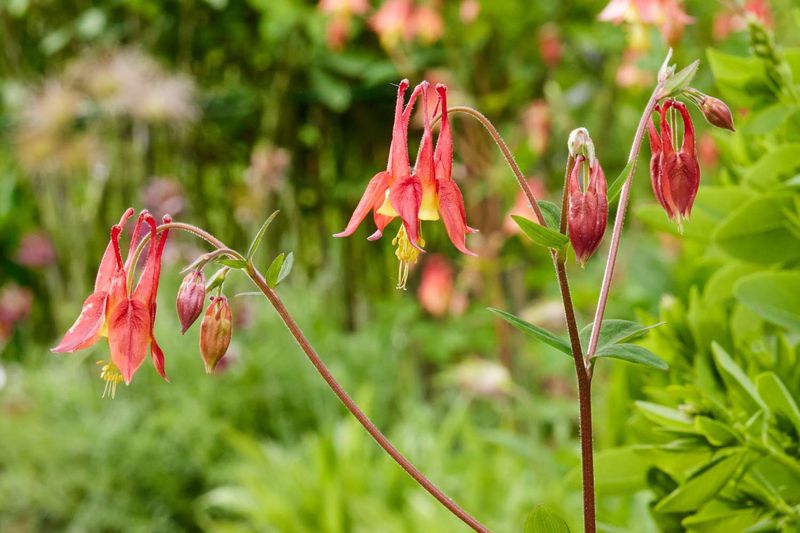
Getting more flowers from your Eastern Red Columbine is simpler than most gardeners expect. Removing spent blooms, a practice called deadheading, sends a signal to the plant to keep producing new flowers rather than redirecting energy into making seeds.
In North Carolina’s spring season, where columbine blooms from April into early June, consistent deadheading can stretch that colorful display by several extra weeks.
The technique is straightforward. Snip off faded flowers just below the bloom, back to the nearest healthy leaf or side bud.
Regular deadheading every few days during peak bloom keeps the plant looking tidy and encourages it to push out additional flower stalks. It only takes a few minutes and the payoff in extended color is well worth the small effort.
Of course, not every gardener wants to remove every spent flower. If natural self-seeding is part of your plan, leaving some flowers to mature into seed pods is the right move.
A good middle approach is to deadhead the earliest spent flowers to extend blooming, then allow later flowers to go to seed as the season winds down in late May or early June.
Gardeners across North Carolina who combine deadheading with good soil preparation and the right amount of shade often report the longest, most impressive bloom seasons. Small adjustments in how you manage the plant add up to a noticeably better display.
That combination of easy care and rewarding results is exactly what makes Eastern Red Columbine such a beloved native perennial across the state.