Start Your Arizona Spring Early With These 9 Container Plants
Spring feels late when patio pots sit empty, yet Arizona sun already has teeth. One bright morning turns a plain balcony into a warm pocket, and the urge for color hits hard.
Cool nights still drop in, so tender summer choices can sulk, while true cool-season favorites act like they belong.
Containers give Arizona gardeners a cheat code.
You control the soil, dodge caliche, and shift a pot a few feet to trade harsh afternoon glare for softer morning light.
A quick drink of water can perk a plant up fast, and a simple tray under the pot keeps patios tidy.
Mix blooms for instant payoff, herbs for the kitchen, and fast greens for the first salad of the season. Nine picks below suit pots, handle the spring swing, and make an Arizona patio look alive again.
1. Petunia Brings Bright Color To Sunny Arizona Pots
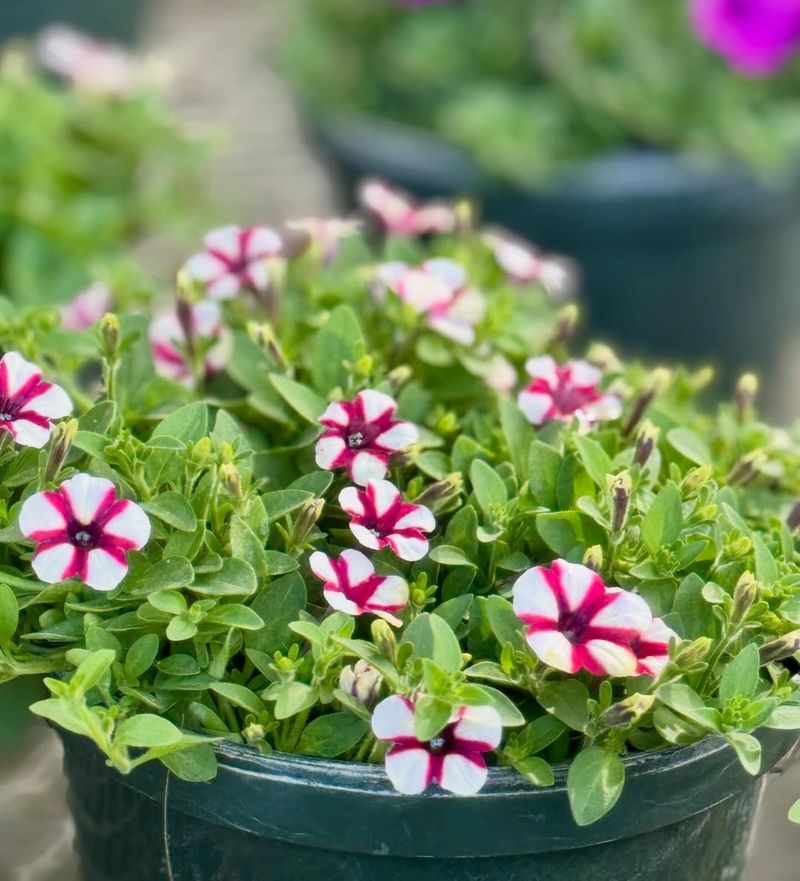
Early spring patio light can make petunias look almost unreal. Big blooms come in loads of colors, and even one pot can change the whole vibe of a porch.
In many Arizona neighborhoods, petunias act like cool-season color that carries from late winter into spring, then fades once heat settles in.
A pot around 10 to 12 inches wide usually gives roots enough room for steady growth, especially when you use a lightweight potting mix instead of native soil.
Desert container guidance warns that native soil often drains slowly in pots and can compact, so a purpose-made mix tends to behave better.
Morning sun plus some late-day protection often helps petunias look better longer in low-desert Arizona. A spot with east exposure can be a sweet setup as spring warms.
Plan on more frequent moisture checks once breezes and warmer days show up, since containers dry out fast.
For a full look, pair petunias with sweet alyssum or another trailing plant, then trim lightly when stems stretch and flowers slow down.
2. Pansy Adds Cool-Season Blooms To Early Spring Containers
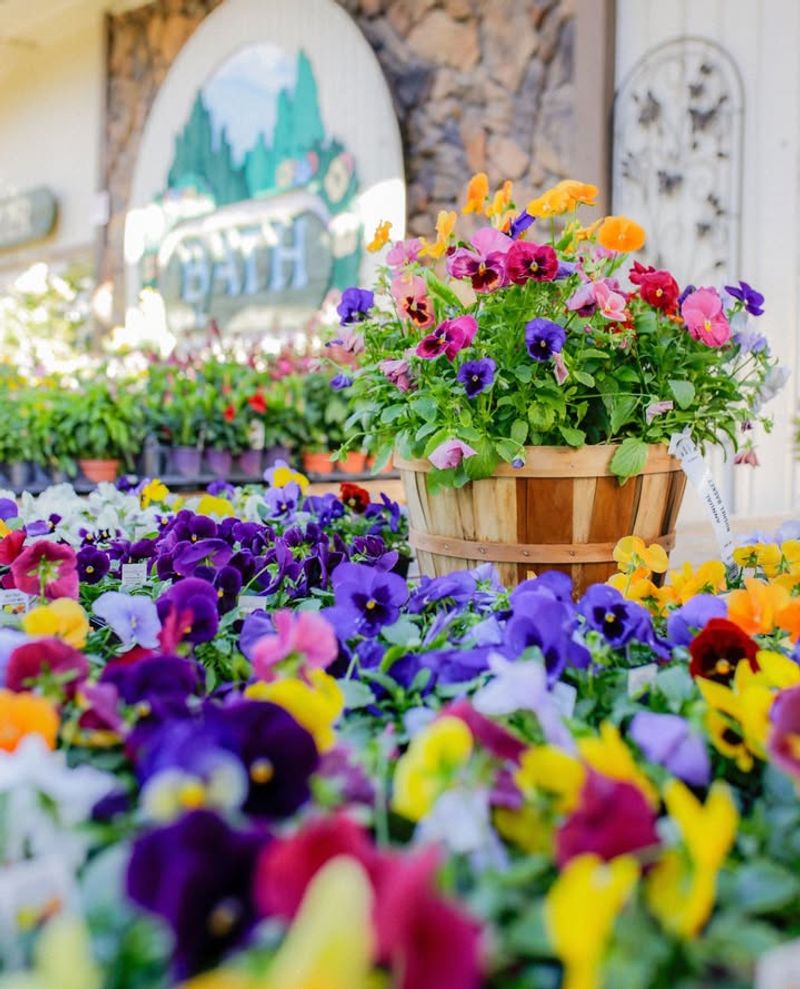
A pot of pansies near the front door can make the whole house look more cheerful. They handle cool weather better than many flowering annuals, which lines up well with Arizona’s late winter and early spring swings.
In a lot of low-desert areas, pansies work as classic cool-season color and often show up in garden centers well before spring feels “official.”
An 8-inch-deep pot with drainage holes usually works fine, especially with a potting mix that stays airy.
Desert container guidance also points out why native soil in pots can cause trouble, so sticking with a container mix tends to reduce headaches.
Add slow-release fertilizer at planting if you want a steadier bloom cycle, and keep extra fertilizer light once days warm.
Morning sun and a little afternoon shade can stretch pansy color in warmer Arizona patios. Water often enough to keep the mix evenly moist, but let excess water drain.
Once daytime highs push into the warm range for long stretches, pansies often look tired, so plan a swap to warm-season color later.
3. Snapdragon Adds Tall Flower Spikes To Patio Planters
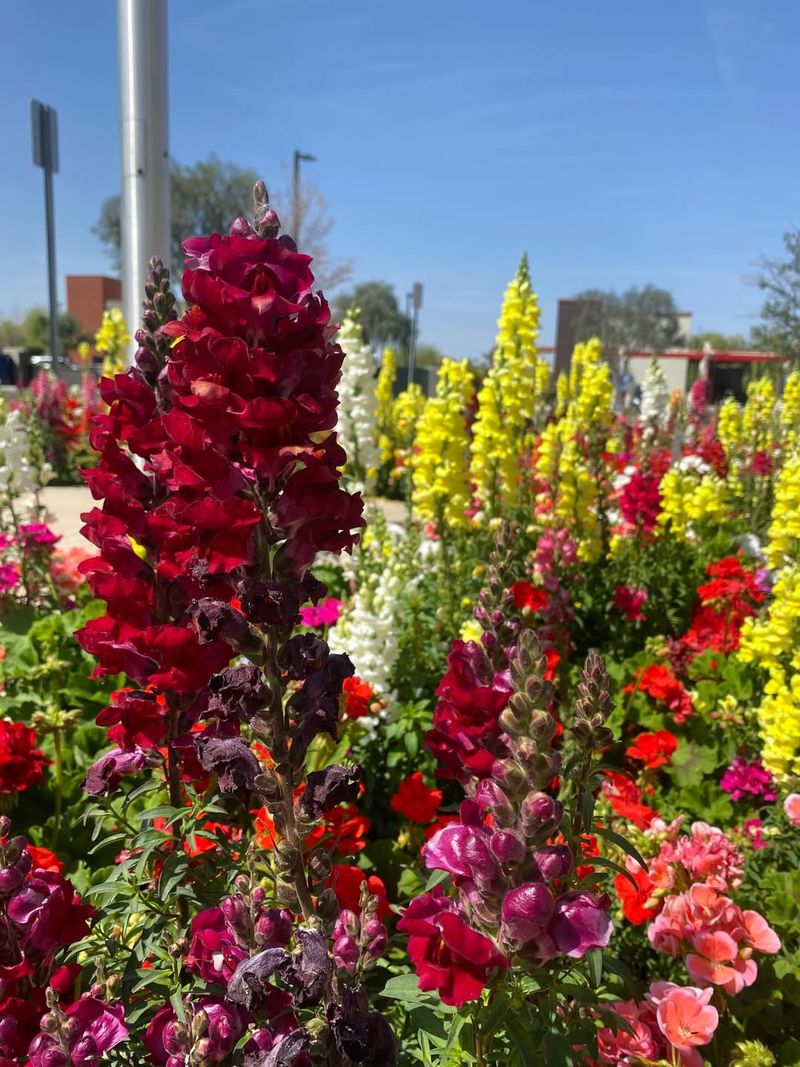
Vertical blooms can turn a basic pot into something that looks designed on purpose. Snapdragons like mild days and cool nights, so early spring in many Arizona areas can suit them well.
They also fit the cool-season lineup that people use for color in the desert months, then replace once heat arrives.
A container around 12 inches deep gives snapdragons a steadier base, especially in windy spots. Use a potting mix that drains well and stays light, since compact soil can hold water too long in containers.
Place tall snapdragon varieties toward the back of a pot, or in the center of a round container, then surround them with lower growers.
Full sun to partial shade can work during the cooler stretch, and a little afternoon shade can help once spring heat starts to build. Water when the top inch of mix feels dry, and aim water at the soil line to keep blooms cleaner.
Clip spent spikes as flowers fade to encourage more flushes and keep the plant from looking scruffy.
4. Basil Brings Fresh Flavor And Green Growth In Pots
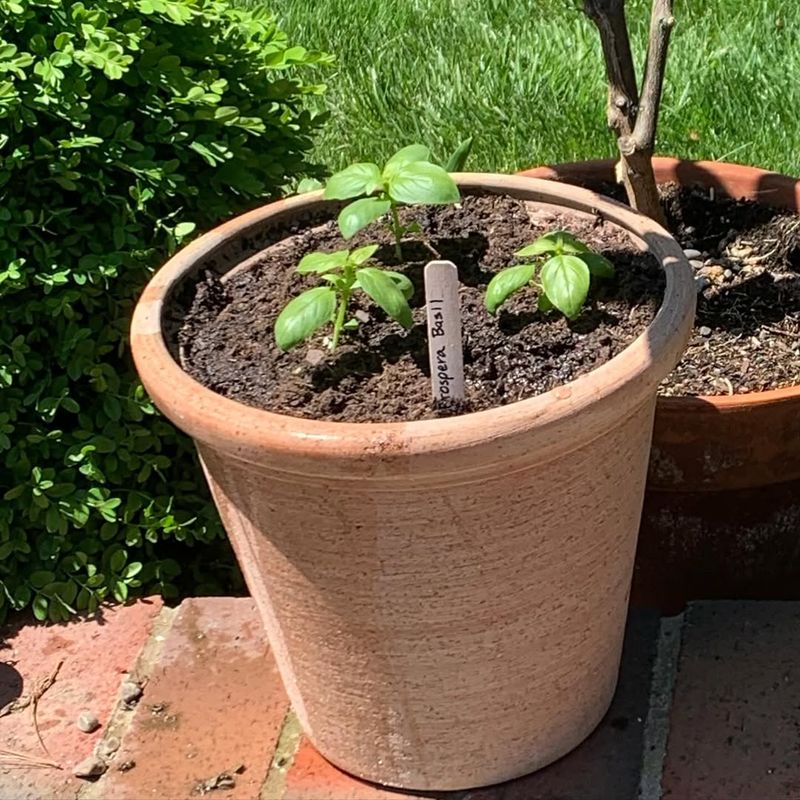
Nothing beats a basil pot right outside the kitchen door once Arizona spring starts to warm up. Basil tends to like spring planting in the desert, since mild weather helps roots settle before serious heat arrives.
Cold snaps can still happen, so a warm wall nearby or a quick move to a protected spot can help on chilly nights.
An 8 to 10 inch pot can work for a single basil plant, and bigger pots hold moisture a bit longer. Use a potting mix that drains well, since soggy roots can cause quick decline in herbs.
Give basil strong light, but don’t feel locked into full blasting afternoon sun, especially as late spring heads toward summer.
Desert herb guidance notes morning sun with afternoon shade can help during intense heat, and an east exposure often feels easier in summer. Water when the top inch dries, then let extra drain.
Pinch tips often to keep the plant bushy, and pinch flower buds once they show up if leaf harvest is the goal. Basil also pairs nicely in a big pot with a cherry tomato, as long as you keep water consistent.
5. Cilantro Adds Quick Herbs For Cool-Season Containers
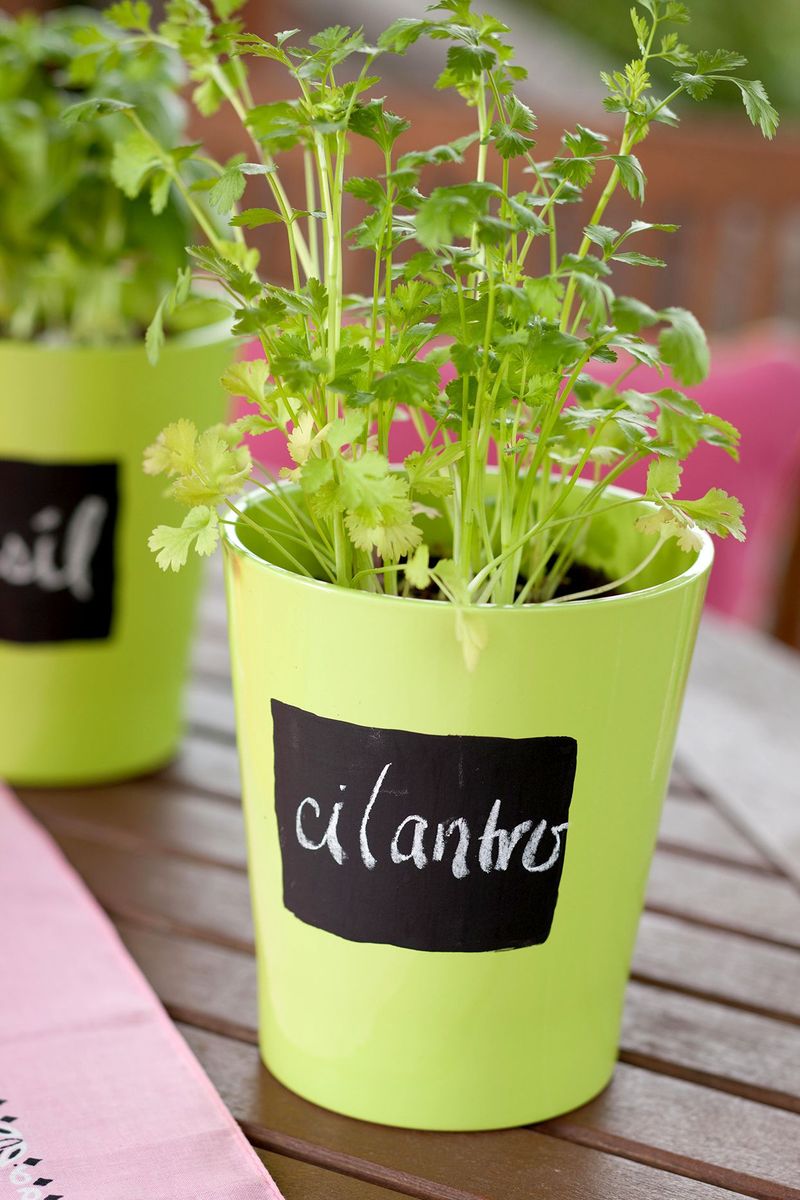
Cilantro can feel like a miracle herb in Arizona when the timing hits right. Cool weather slows bolting and keeps leaves tender, so late winter into early spring often gives the best window.
Arizona monthly guidance also lists cilantro as a cool-season herb option, which lines up with how most desert gardeners use it.
Direct seeding usually works better than transplanting since cilantro forms a taproot and can resent root disturbance.
Use a pot at least 8 inches deep with a potting mix that drains well, then sow seeds in small batches for a longer harvest.
Keep the surface evenly moist during sprout time, which can take longer in cool weather.
Morning sun with afternoon shade can help cilantro stay leaf-focused longer in warmer Arizona patios. Check moisture more often than you expect, since wind and dry air pull water from pots fast.
Succession sowing every few weeks can keep fresh leaves coming, and a few plants left to flower can offer coriander seed later.
6. Rosemary Adds Evergreen Shape And Fragrance In Sunny Pots
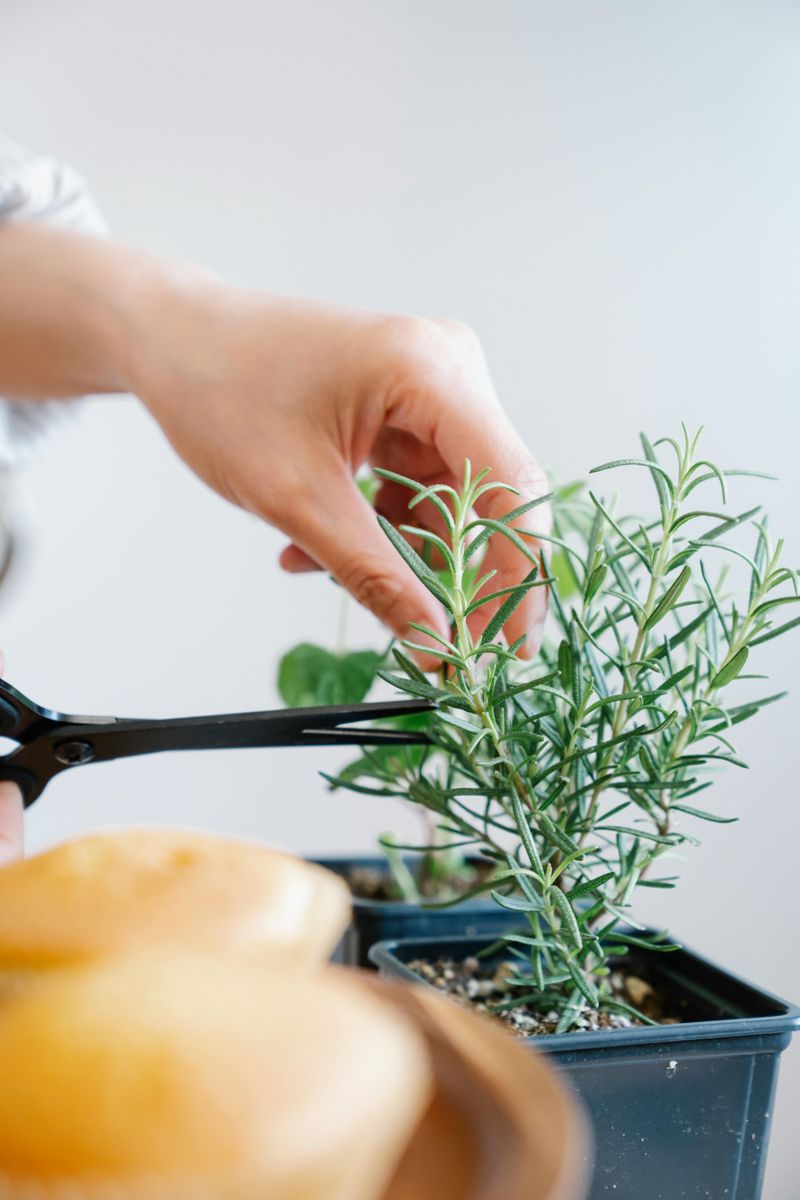
A rosemary pot does double duty in Arizona. It brings evergreen structure, and one brush of the leaves can make a patio smell amazing.
Early spring is a nice time to pot it up, since roots can settle in mild weather before summer stress.
A container 12 inches wide and deep usually gives rosemary room to mature. Focus on drainage through the potting mix and the drainage holes, rather than adding a gravel “drainage layer.”
Desert container guidance cautions against gravel or stones at the bottom of containers, since it cuts root space and doesn’t solve drainage issues.
A simple mesh screen over the hole can help keep mix from washing out without blocking flow.
Rosemary can take sun, but desert herb guidance notes summer sun can get intense and an east exposure often helps, with shade cloth as an option during peak heat. Water deeply, then let the mix dry down quite a bit between cycles.
Skip frequent light sips, since that can push weak surface roots. Rosemary also works as the “anchor” plant in a mixed herb pot with thyme or oregano.
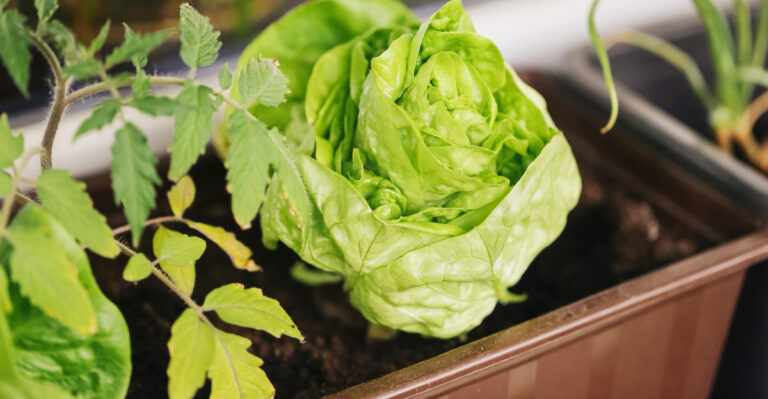
7. Leaf Lettuce Grows Easy Greens In Containers
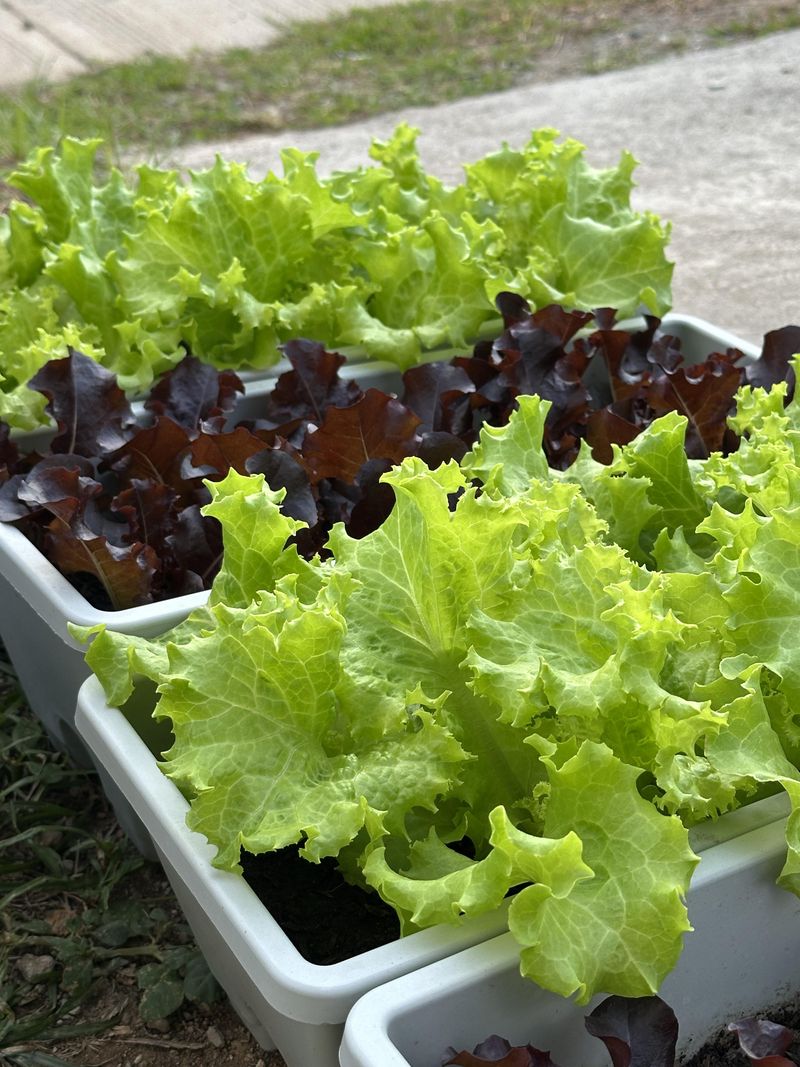
Fresh lettuce from a pot can turn a random Tuesday into a salad night. Arizona cool-season patterns often suit lettuce well, and early spring can work nicely before heat pushes plants toward bitterness and bolting.
Many seed germination references list lettuce as a cool-season crop with a wide germination range, but it tends to perform best before sustained heat.
A wide pot that’s 6 to 8 inches deep can grow a useful patch of leaf lettuce. Use a container mix that holds moisture but still drains well, since native soil can compact in pots and drain slowly.
Morning sun with afternoon shade often helps in Arizona patios once spring warms.
Keep moisture fairly steady, because swings from dry to soaked can stress lettuce and affect flavor. Harvest outer leaves and leave the center to regrow.
For variety picks, loose-leaf types often feel more forgiving than tight heads in containers, especially when temperatures fluctuate.
8. Beets Grow Roots And Greens In Deeper Pots
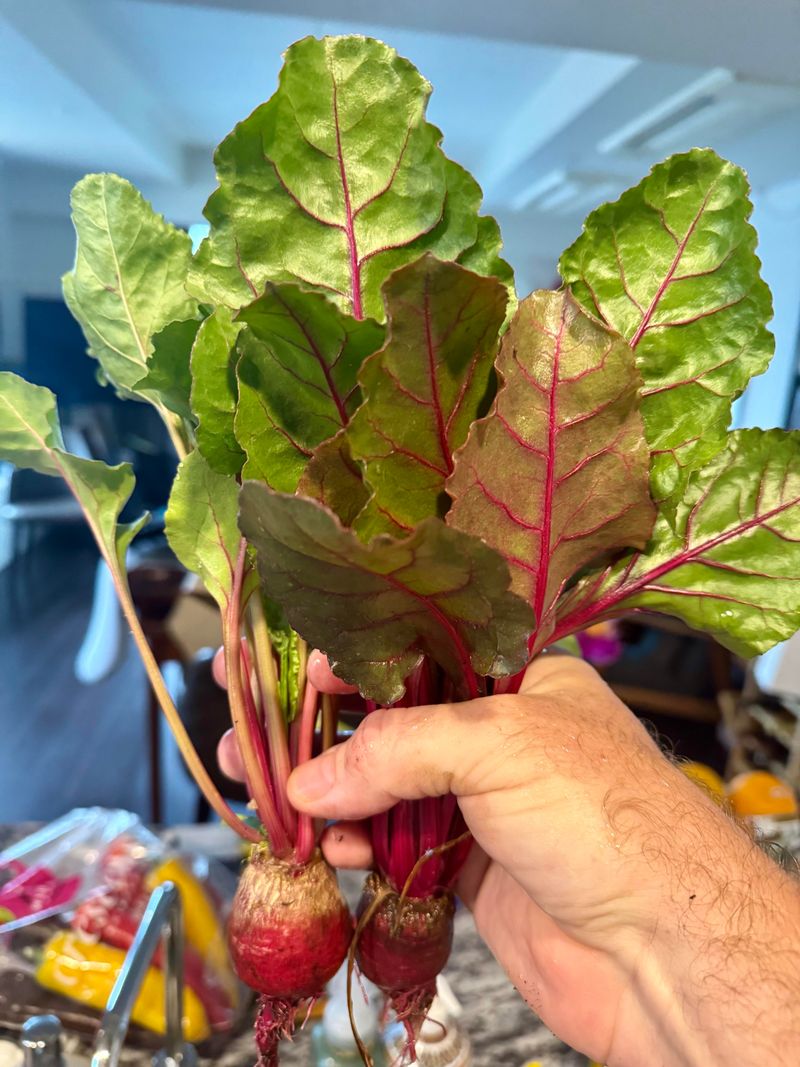
Beets earn their spot in Arizona containers because they give two crops in one pot. Young greens work in salads and sautés, and roots follow with enough time in cool weather.
Seed germination references list beets with a broad cool-to-warm range, with best results often in cooler soil before sustained heat.
A pot around 12 inches deep helps roots size up with fewer odd shapes. Loose potting mix matters, since dense soil can lead to forked roots.
Direct seeding is a common approach, and some extension guides describe beets as a seed-grown crop.
Beet “seeds” often contain more than one seed, so thinning still matters even when you sow carefully. Aim for a few inches between plants so roots can round out.
Keep moisture steady, especially once roots start to swell. Morning sun with some afternoon shade can help as spring warms in Arizona, and mulch on top of the potting mix can slow rapid dry-out.
9. Carrots Grow Crisp Roots In Deep Containers
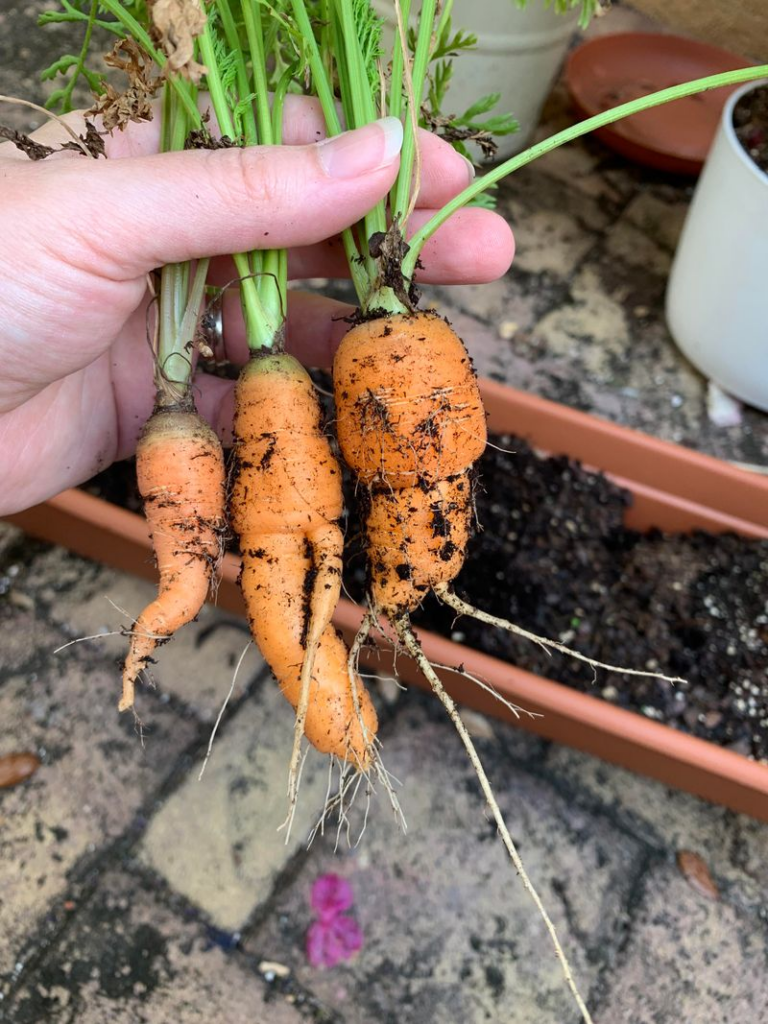
A deep pot can produce carrots that look store-bought, and the flavor can feel sweeter in cool weather.
Carrot seeds tend to sprout best in cool soil, and several extension references point to an ideal germination range around the mid-50s to mid-60s, with slower sprout time when soil stays cold.
Aim for at least 12 inches of loose mix for most varieties, and consider even deeper for long types. Fabric grow bags can work well for root crops since they stay airy and drain fast.
Fill the container with a fine-textured potting mix, and avoid chunky mixes with big bark pieces that create gaps.
Direct sow seeds, keep the surface evenly moist through sprout time, and expect a longer wait than many gardeners like. Some references note 14 to 21 days as a common window.
Thin seedlings once tops reach a few inches, and choose shorter carrot types when pot depth feels borderline.
If you want, paste the rest of your draft formatting preferences (paragraph length, sentence length, how punchy you want each section) and I can match it line-for-line.