Start Your First Vegetable Garden In Oregon With These Simple Tips
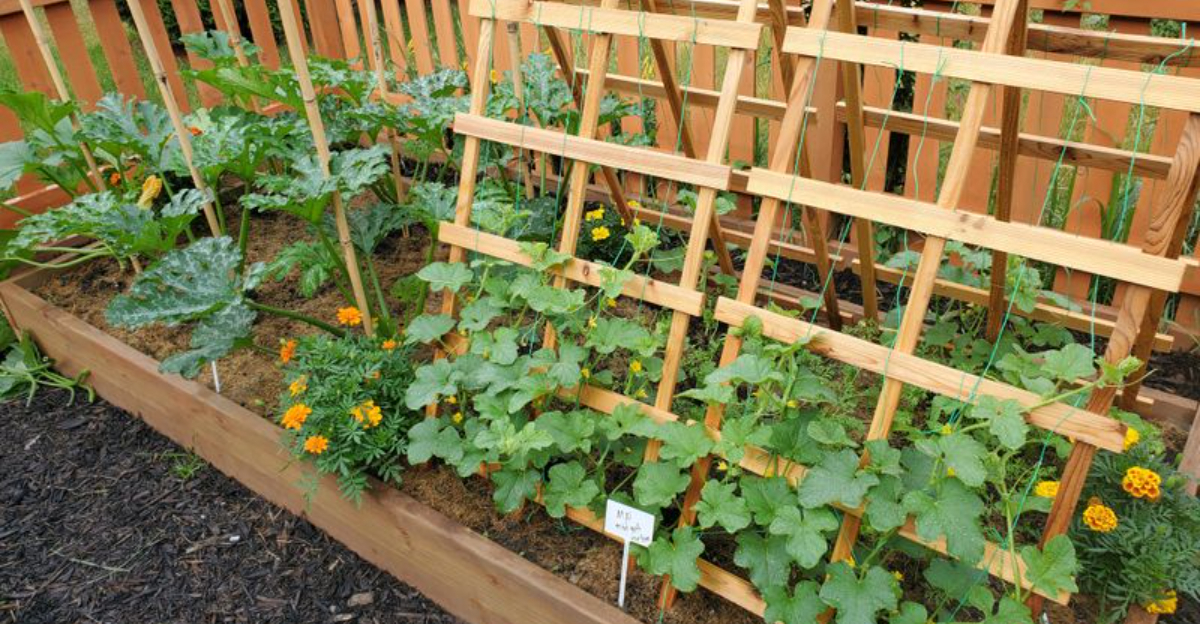
Starting your first vegetable garden can feel exciting and a little overwhelming at the same time. You might be looking at your yard, balcony, or small patch of soil and wondering where to begin.
The good news is that gardening in Oregon gives you a great advantage. Our climate supports a wide variety of vegetables, and you don’t need a huge space or years of experience to get started.
Many beginners worry about doing something wrong, planting at the wrong time, or choosing the wrong vegetables. That’s completely normal.
Everyone starts somewhere, and most successful gardeners learned through simple trial and error. With a few basic tips, you can avoid common mistakes and set yourself up for a strong first season.
Growing your own food is rewarding in ways that go beyond the harvest. It’s about watching something grow, spending time outdoors, and enjoying fresh produce you helped create.
Even small wins, like your first tomato or handful of lettuce, can feel surprisingly satisfying.
If you’ve been thinking about starting but haven’t taken the first step yet, now is a great time.
Here are some simple tips to help you start your first vegetable garden in Oregon with confidence.
1. Start Small Instead Of Doing Too Much
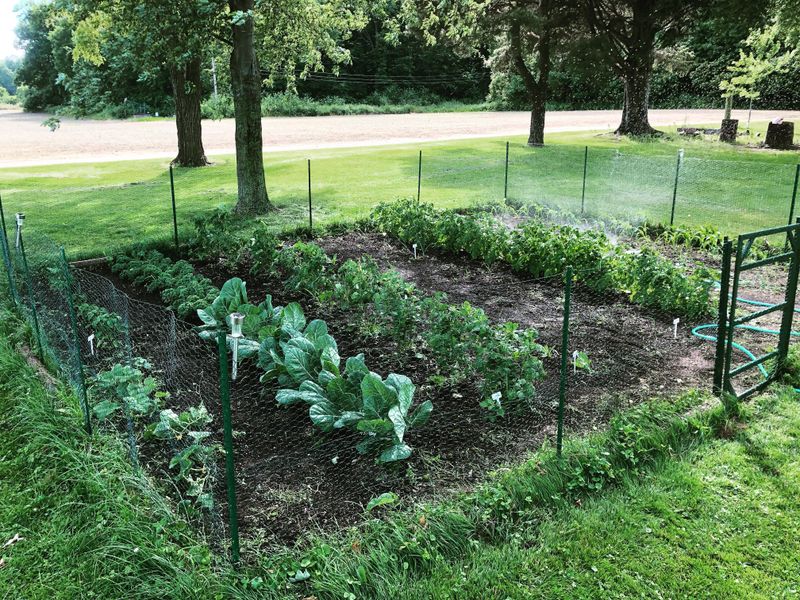
A lot of first-time gardeners get excited and dig up a huge area, then quickly realize they’ve bitten off more than they can chew. Managing a big garden takes time, energy, and constant attention that can turn fun into a chore real fast.
Starting small means you can actually keep up with watering, weeding, and harvesting without feeling overwhelmed every weekend.
Oregon’s unpredictable spring weather makes this tip even more important. When rain soaks your beds one week and then disappears the next, a smaller garden is easier to adjust and care for.
You’ll learn what works in your specific yard without wasting money on plants that struggle or space you can’t maintain.
Try beginning with just four to six vegetable plants in a space no bigger than a large dining table. You can always expand next season once you see what grows well and what your schedule can handle.
A small, thriving garden feels way better than a big, messy one that stresses you out.
This approach saves you from burnout and helps you build confidence with real successes. You’ll actually enjoy the process instead of dreading it.
Starting small is how most successful gardeners began, and it’s the smartest move for Oregon beginners.
2. Pick A Sunny Spot That Actually Gets Light
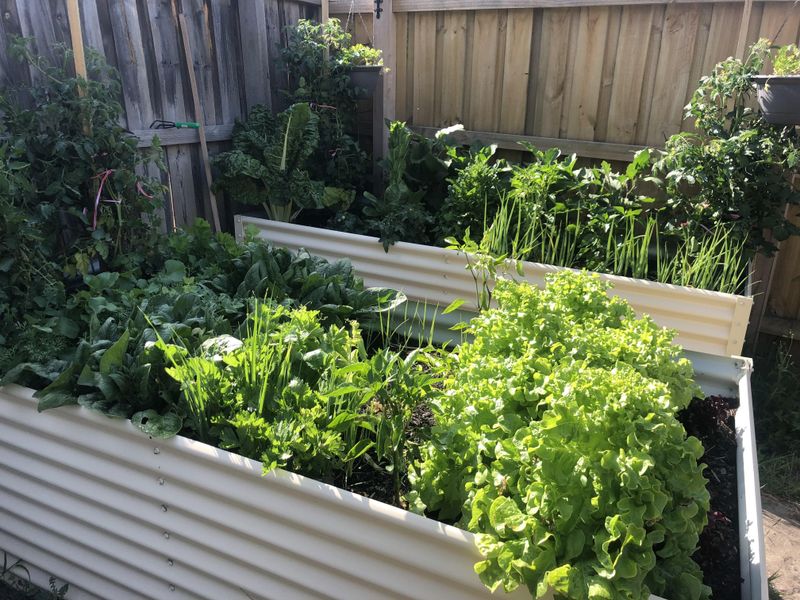
You might think any spot in your yard will work, but vegetables are picky about sunlight. Most need at least six hours of direct sun each day to grow strong and produce food.
Picking a shady corner because it’s convenient will lead to weak, leggy plants that barely give you anything to harvest.
Oregon’s cloudy springs and summers mean you need to make the most of every sunny moment your garden gets. Watch your yard throughout the day before you plant anything.
Notice where shadows fall from trees, fences, or your house, especially in the morning and late afternoon when the sun is lower.
If your whole yard is shady, don’t give up yet. Some greens like lettuce and spinach tolerate less light, and containers can be moved to follow the sun.
But for tomatoes, peppers, squash, and most other favorites, you really need that sunny spot.
Choosing the right location from the start saves you from replanting and disappointment later. Your plants will grow faster, taste better, and give you way more food when they get the light they need.
Sunlight is free fertilizer, so use it wisely and your garden will reward you all season long.
3. Improve Your Soil Before Planting Anything
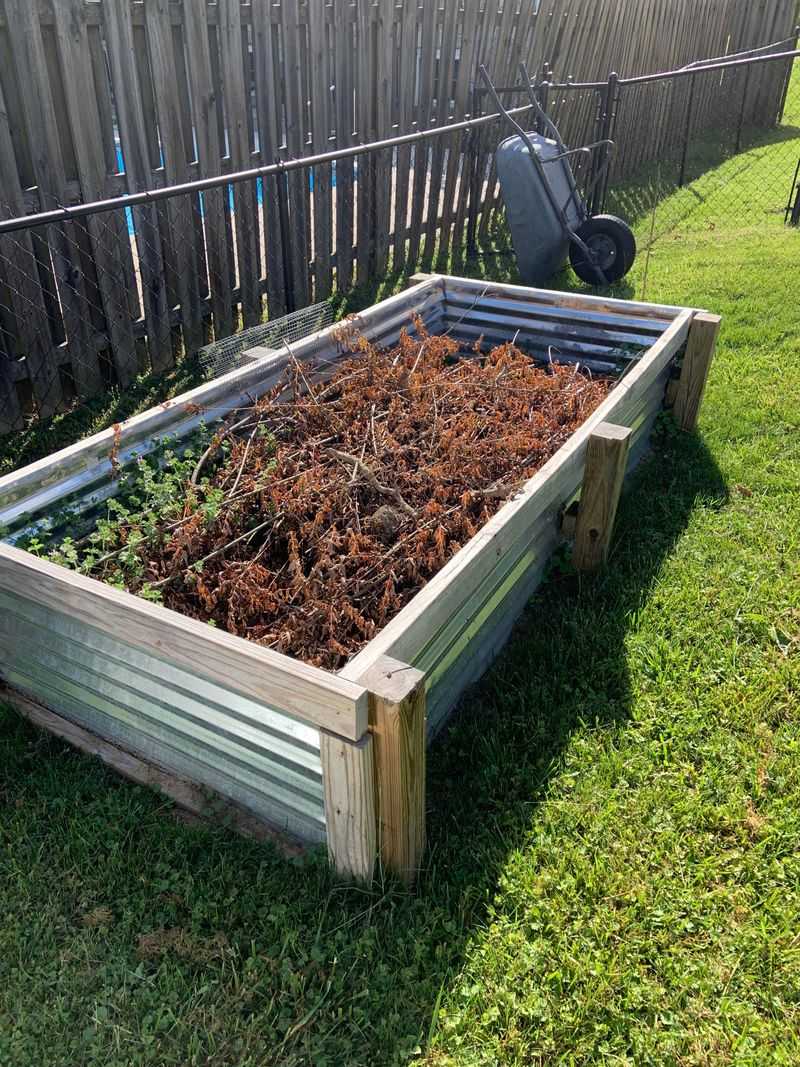
Many beginners just dig a hole and stick plants in the ground, then wonder why nothing grows well. Oregon soil varies wildly depending on where you live, from heavy clay that stays soggy to sandy patches that dry out fast.
Good soil is the foundation of a healthy garden, and spending time improving it upfront makes everything easier later.
Adding compost is the simplest way to improve almost any soil type. Compost helps clay drain better and helps sandy soil hold moisture longer.
Mix in a few inches of compost before you plant, and your vegetables will have the nutrients and structure they need to thrive.
You don’t need fancy soil tests or expensive amendments for your first garden. Just grab a bag or two of compost from a local garden center and work it into your beds.
If your soil is really compacted or stays wet for days after rain, consider raised beds filled with a good soil mix instead.
Healthy soil grows healthy plants that resist pests and diseases better. You’ll spend less time troubleshooting problems and more time enjoying your garden.
Soil improvement isn’t glamorous, but it’s the one step that makes the biggest difference in your success as a beginner.
4. Choose Easy Beginner Vegetables
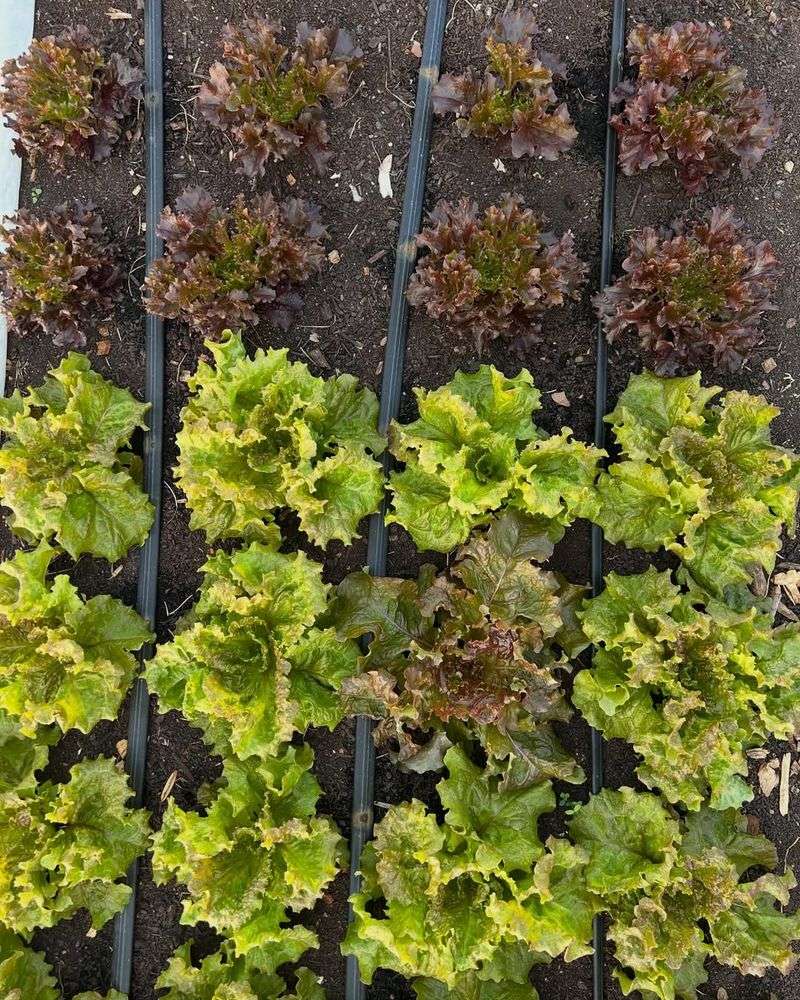
Walking into a garden center can be overwhelming with all the plant choices staring back at you. Some vegetables are forgiving and almost grow themselves, while others demand perfect conditions and constant attention.
As a beginner, you want to stack the deck in your favor by choosing crops that actually want to grow in Oregon’s climate.
Lettuce, kale, radishes, and peas are fantastic starter vegetables because they handle cool weather beautifully and grow fast. You’ll see results in weeks, not months, which keeps you motivated.
Zucchini and bush beans are also beginner-friendly once the weather warms up, producing tons of food without much fuss.
Avoid tricky crops like cauliflower, melons, or artichokes in your first year. These need precise timing, specific temperatures, or lots of space and patience.
Save those for when you’ve got a season or two under your belt and understand your yard better.
Choosing easy vegetables means you’ll actually harvest food instead of watching plants struggle. Success builds confidence and makes you excited to try more next year.
Oregon’s cool springs and mild summers are perfect for many beginner crops, so take advantage of what grows naturally well here and enjoy the process.
5. Use Raised Beds Or Containers If Drainage Is Poor
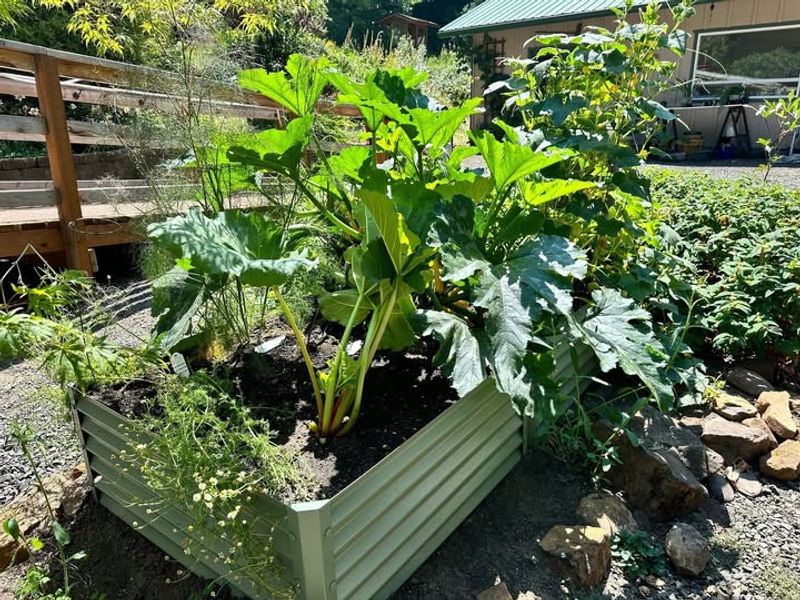
Oregon’s wet winters and rainy springs can leave your soil waterlogged for weeks, which is a death sentence for most vegetable roots. If you dig in your yard and find water pooling or soil that stays muddy days after a storm, you’ve got drainage issues.
Trying to garden directly in soggy ground leads to root rot, stunted growth, and a lot of frustration.
Raised beds solve this problem by lifting your plants above the wet soil and giving you complete control over what they’re growing in. You can fill them with a well-draining soil mix that warms up faster in spring and stays healthier all season.
Even a bed that’s just eight to twelve inches tall makes a huge difference.
Containers work great too, especially if you’re renting or have limited space. You can grow tomatoes, peppers, lettuce, and herbs in pots on a sunny patio or balcony.
Just make sure your containers have drainage holes and use potting soil, not dirt from your yard.
Raised beds and containers cost a bit upfront, but they save you from fighting poor soil and give your plants a much better start. You’ll see healthier growth, fewer disease problems, and way more food.
For Oregon gardeners dealing with drainage challenges, this tip is a game-changer.
6. Water Consistently Without Overdoing It
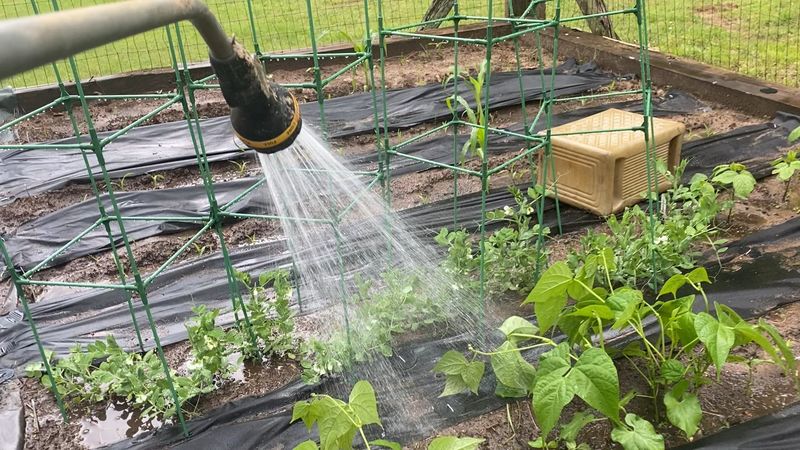
Watering seems simple until you realize you can kill plants just as easily with too much water as with too little. Beginners often water on a random schedule or dump tons of water on their garden whenever they remember, which stresses plants and wastes time.
Vegetables need consistent moisture, especially when they’re young or producing fruit, but they also need their roots to breathe.
Oregon’s weather makes watering tricky because spring can be wet and summer can be surprisingly dry. Pay attention to your soil, not a calendar.
Stick your finger an inch or two into the soil near your plants, and if it feels dry, it’s time to water. If it’s still moist, wait a day or two.
Water deeply but less often instead of giving your garden a light sprinkle every day. Deep watering encourages roots to grow down where moisture lasts longer, making your plants stronger and more drought-tolerant.
Shallow watering keeps roots near the surface where they dry out fast.
Mulching helps keep soil moisture consistent, which we’ll talk about next. For now, just remember that consistent watering means paying attention and adjusting as the weather changes.
Your plants will grow steadier, and you’ll use less water overall. It’s about working smarter, not harder.
7. Mulch Early To Save Time Later
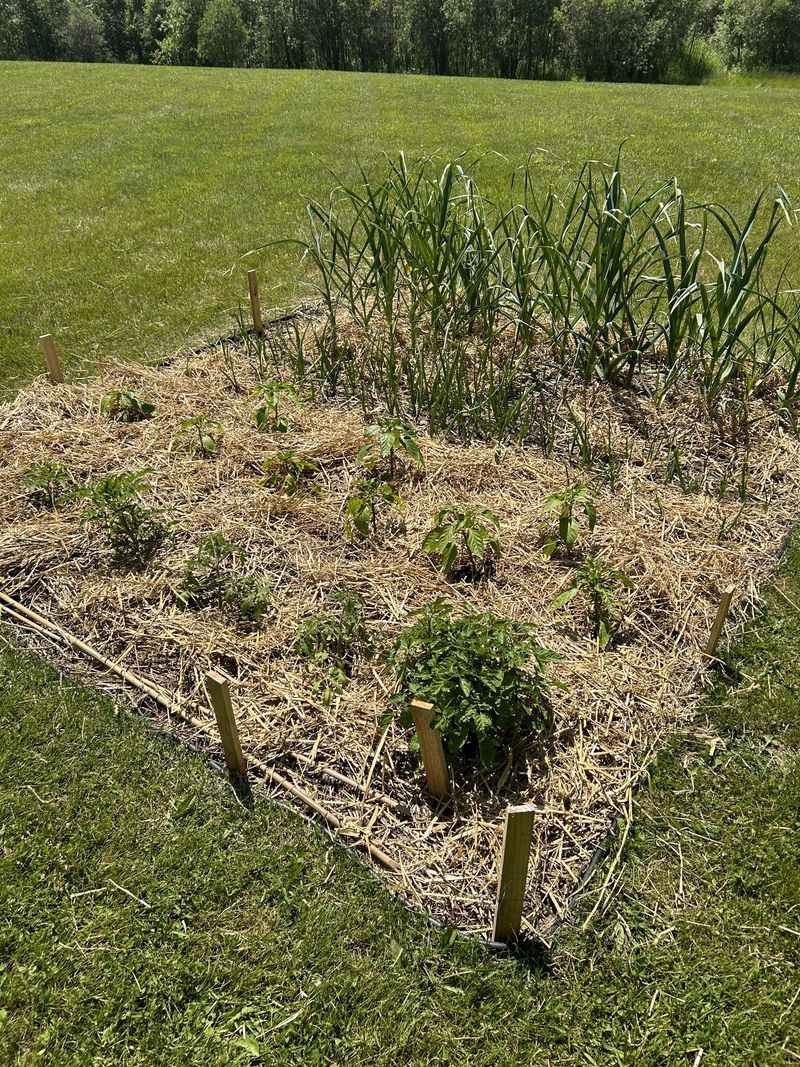
Mulch might not sound exciting, but it’s one of those simple steps that makes gardening so much easier. A layer of mulch on top of your soil keeps moisture from evaporating, stops weeds from sprouting, and keeps your plants cleaner during Oregon’s muddy spring rains.
Without mulch, you’ll spend way more time watering and pulling weeds all season long.
Spread two to three inches of mulch around your plants once they’re in the ground and starting to grow. Straw, shredded leaves, or wood chips all work great.
Just keep the mulch a few inches away from plant stems to avoid rot and let air circulate.
Mulching early means you’re setting yourself up for less work later. Weeds struggle to push through mulch, so you’ll spend less time on your knees pulling them.
Your soil stays cooler in summer heat and warmer during cool nights, which keeps plants happier and more productive.
This is one of those tips that experienced gardeners swear by because it saves so much effort. You’ll water less, weed less, and your garden will look tidier and more established.
For beginners who want to keep things simple and manageable, mulching is a total win that pays off all season long.
8. Give Plants Enough Space To Grow
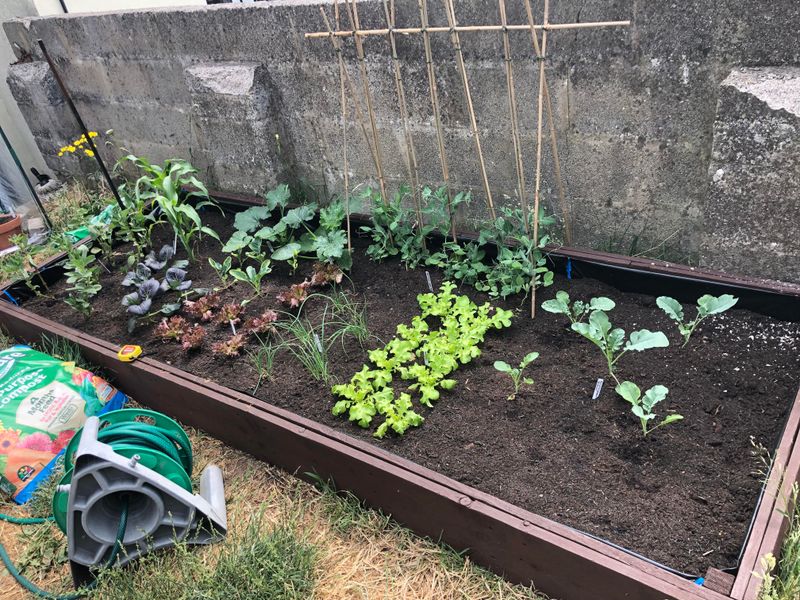
When you’re planting, those tiny seedlings look so small that it’s tempting to squeeze them close together. But vegetables need room to spread their leaves, roots, and branches as they grow.
Crowding plants leads to competition for light, water, and nutrients, plus it traps humidity that invites diseases and pests.
Oregon’s damp climate makes proper spacing even more important. When leaves stay wet and air can’t circulate, fungal diseases like powdery mildew spread fast.
Giving your plants space helps them dry out quicker after rain or morning dew, keeping them healthier all season.
Check the seed packet or plant tag for spacing recommendations, and actually follow them. Yes, your garden will look sparse at first, but in a few weeks, those plants will fill in and you’ll be glad you gave them room.
If you’re using containers, don’t cram multiple plants into one pot unless it’s big enough.
Proper spacing means stronger plants, better airflow, and easier harvesting. You’ll spend less time fighting diseases and more time enjoying healthy, productive vegetables.
It’s hard to resist planting everything close together, but trust the process and give your plants the space they need to thrive.
9. Watch Your Garden A Little Every Day
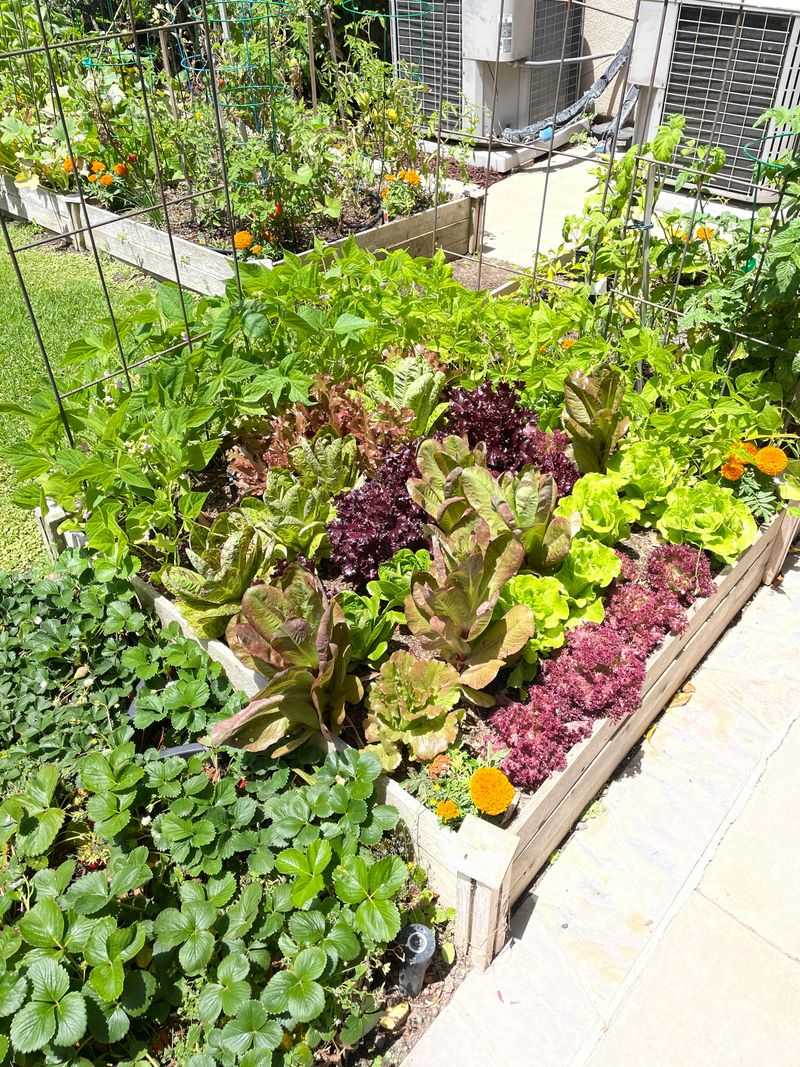
Spending a few minutes in your garden each day might sound like a lot, but it’s actually the best way to catch small problems before they become big disasters.
When you’re out there regularly, you’ll notice a wilting plant, a pest starting to munch, or a vegetable ready to harvest before it gets overripe.
Oregon’s weather can change quickly, and so can your garden’s needs. A sunny week might mean your plants need extra water, or a sudden cool snap might slow growth.
Checking in daily helps you adjust and respond instead of being surprised by dead plants or a pest invasion.
You don’t need to do major work every day. Just walk through, look at your plants, touch the soil, and enjoy what’s growing.
Pull a weed or two if you see them. Harvest anything that’s ready.
These small moments add up to a healthier, more productive garden.
Daily observation also keeps you connected to the process and helps you learn what’s normal for your plants. You’ll start recognizing when something looks off and can fix it fast.
Gardening isn’t about perfection, it’s about paying attention and responding with care. Those few minutes each day make all the difference.
10. Learn As You Go And Adjust
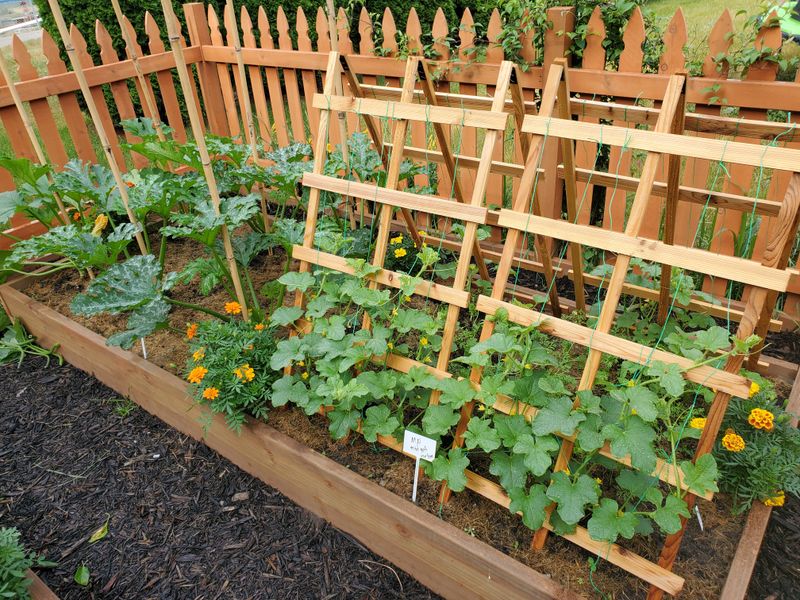
Your first vegetable garden won’t be perfect, and that’s completely okay. Every yard has its own quirks, every season brings different challenges, and every gardener makes mistakes.
What matters is paying attention to what works and what doesn’t, then adjusting your approach as you go.
Maybe your tomatoes didn’t get enough sun this year, or your lettuce bolted because it got too hot too fast. Those aren’t failures, they’re lessons that help you make better choices next time.
Oregon’s climate can be unpredictable, so even experienced gardeners have to adapt and experiment.
Keep things simple and don’t stress about doing everything perfectly. Try a few different vegetables, see what thrives in your space, and build on those successes.
Take notes if it helps you remember what worked, but don’t overthink it. Gardening is a hands-on learning process that gets easier and more intuitive with time.
The best gardeners are the ones who stay curious, flexible, and patient with themselves. You’ll get better every season, and your garden will too.
Starting a vegetable garden in Oregon is absolutely doable, and you’re going to learn so much along the way. Enjoy the process, celebrate your wins, and don’t be afraid to try again.