Starting Your First Garden In Pennsylvania? Here’s What You Should Know Before You Dig In
So you’ve decided this is the year you finally start a garden in Pennsylvania. The seed racks look tempting, the weather feels hopeful, and suddenly you’re picturing tomatoes, fresh lettuce, and maybe even a few brag-worthy zucchinis.
Then reality taps you on the shoulder.
Pennsylvania doesn’t play by one simple set of rules. Frost lingers longer in some counties, clay soil shows up uninvited in others, and summer humidity can surprise you fast.
That doesn’t mean gardening here is hard. It just means local knowledge matters. A little planning before you dig can save you frustration later.
Understanding your hardiness zone, frost timing, soil type, and seasonal swings gives you a real head start. With the right foundation, your first season can feel exciting instead of overwhelming.
1. Know Your Pennsylvania Hardiness Zone Before You Shop For Plants
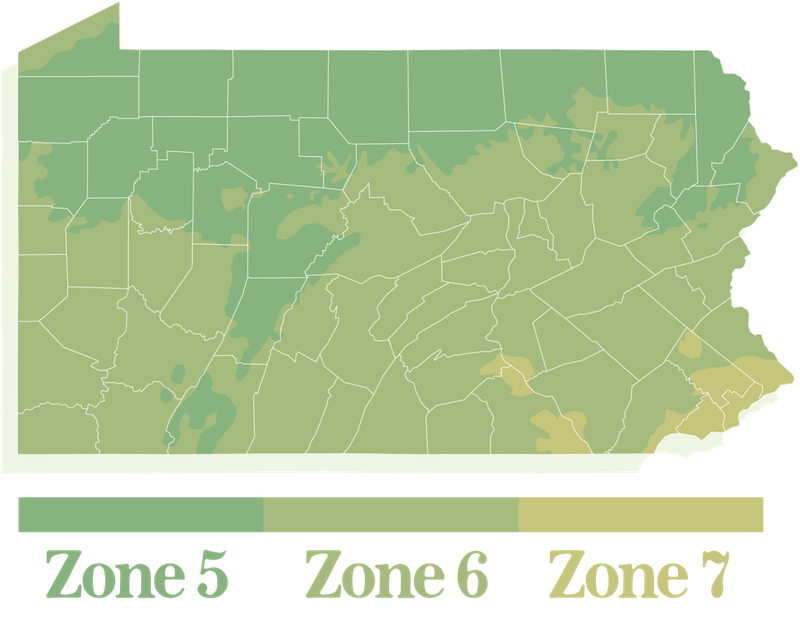
Walking into a garden center without knowing your hardiness zone is like buying a winter coat without checking the temperature. Pennsylvania stretches across USDA Zones 5b through 7a, and that range makes a real difference in what survives winter in your yard.
Northern and higher elevation areas such as parts of the Poconos and the Allegheny Plateau sit in colder zones, while southeastern counties near Philadelphia fall into the warmer end of the spectrum.
That small zone number on a plant tag matters more than most beginners expect. In colder Zone 5 areas, vegetables like kale, lettuce, and radishes handle cool springs well, while fruits such as apples and pears remain reliable long-term choices.
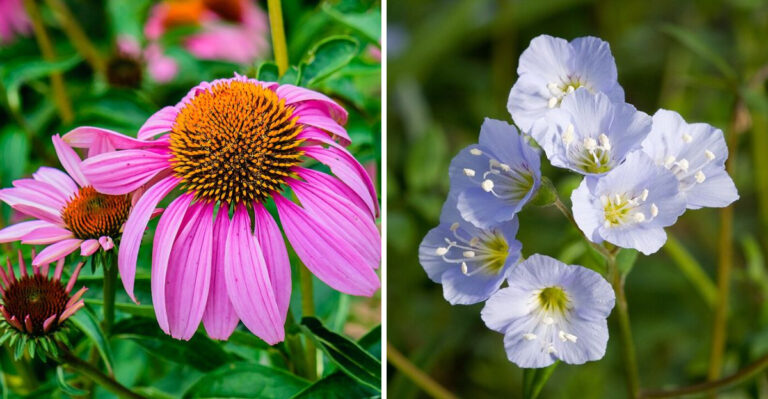
Perennials including lavender, baptisia, black-eyed Susan, and campanula also adapt well to those colder winters.
Move into Zone 6, and the list expands. Rhubarb and asparagus often establish successfully, while warm-season crops such as tomatoes, bush beans, and even watermelon perform well when planted at the right time.
Fruit trees like peaches grow comfortably here, and ornamentals such as false sunflower, floribunda roses, and flowering fern add dependable color.
Zone 7 gardeners gain even more flexibility. Arugula and turnips thrive in cooler stretches, sweet peppers grow strongly in summer heat, and fruit options can include cherries, persimmons, and apricots.
Clematis, chrysanthemums, forget-me-nots, and peonies also tend to settle in nicely.
Looking up your exact zone takes only a few minutes using the USDA online map and your ZIP code. That quick check helps you shop with confidence instead of guesswork.
2. Learn Your Last Frost Date Before Anything Goes In The Ground
Frost surprises beginners every year. Pennsylvania’s last spring frost typically falls between late April and mid-May, but elevation and geography shift that window depending on where you live.
Gardeners in higher counties may see frost later than those in southeastern parts of the state.
Warm-season crops such as tomatoes, peppers, squash, and cucumbers need consistently warm soil to grow well. Planting even slightly before frost risk has passed can slow growth and stress young plants.
Checking your county’s average frost date before transplanting outdoors gives you a much stronger start.
A simple outdoor thermometer placed near soil level can help track nighttime temperatures. Lightweight row covers also offer temporary protection during unexpected cold snaps.
Those small precautions make a noticeable difference during early spring.
Working with Pennsylvania’s seasonal rhythm instead of rushing ahead often leads to stronger, more resilient plants. Patience in April and early May usually pays off later in summer.
3. Start With Easy Crops That Thrive In Pennsylvania Weather
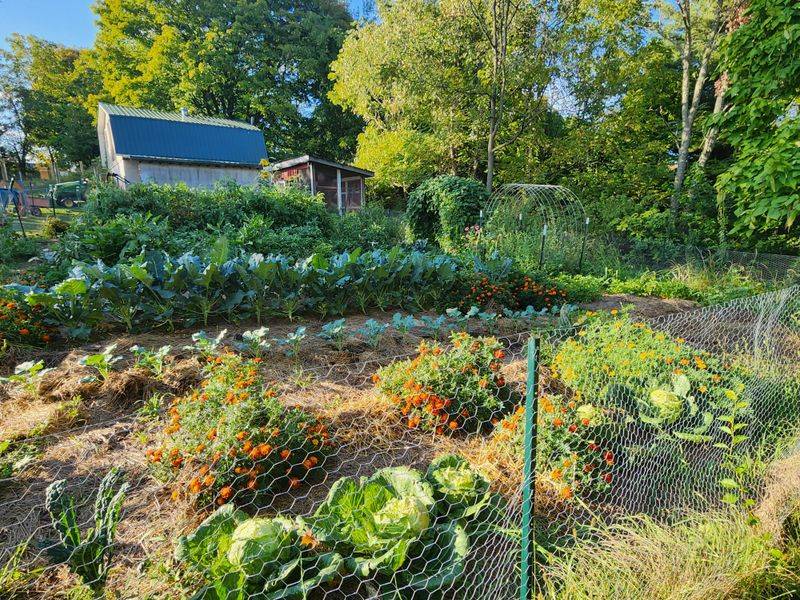
Confidence grows quickly when something actually thrives. Pennsylvania’s climate supports several beginner-friendly vegetables that handle cool springs and warm summers without much fuss.
Leafy greens such as lettuce and kale perform well in early spring and again in fall. Radishes mature in as little as three to four weeks, offering a quick win that keeps motivation high.
Zucchini and green beans adapt well to summer conditions across most of the state and tend to produce steadily once established. Cucumbers also perform reliably when planted after frost risk passes.
Starting with crops that naturally match Pennsylvania’s growing conditions reduces frustration. Fast-growing vegetables provide visible progress, which helps new gardeners stay engaged.
Trying to grow more demanding plants right away can lead to discouragement, especially during a first season.
A small mix of greens, beans, zucchini, and root crops often delivers steady harvests and valuable learning experiences. Once you understand how your yard responds to sun, soil, and rainfall, expanding your crop list feels much less risky.
4. Test Your Soil Before You Feed Your Plants
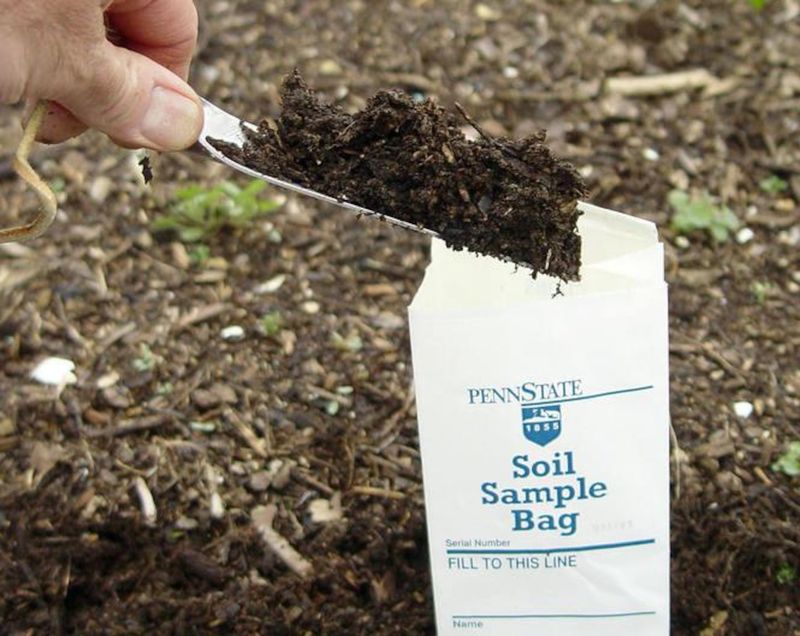
Soil looks simple on the surface, yet it hides important details. Pennsylvania soils vary widely, ranging from limestone-based soils in some eastern areas to heavier clay soils in many western and central counties.
Guessing what your soil needs often leads to wasted effort.
A basic soil test reveals pH levels and nutrient availability, including phosphorus and potassium. Most vegetables prefer slightly acidic to neutral soil, generally between 6.0 and 7.0.
Adjusting pH when needed helps plants absorb nutrients more efficiently.
Collecting a sample requires taking small amounts from several spots in your garden bed, mixing them together, and sending a portion for analysis. The results guide you toward targeted amendments rather than random fertilizer choices.
Feeding soil based on actual data often leads to stronger plant growth and fewer mid-season surprises. Healthy soil supports healthy roots, and roots drive everything above ground.
5. Give Your Soil A Strong Start In Early Spring
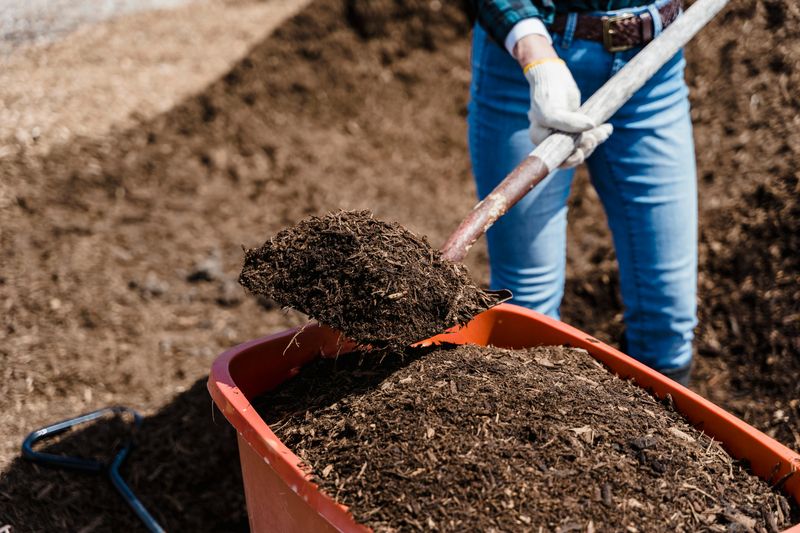
Early spring energy pushes many gardeners outside the moment the weather softens. Soil preparation deserves priority before seeds or transplants go in.
Adding finished compost improves structure across most Pennsylvania soil types.
Compost helps heavy clay drain more effectively while giving sandy soil better moisture retention. Incorporating a few inches into the top layer of your beds creates a looser, more workable environment for roots.
Soil condition matters just as much as nutrient content. Working soil when it is overly wet can compact it, creating dense clumps that restrict root development.
A simple squeeze test helps determine readiness. Soil that crumbles after being squeezed is ready.
Soil that stays sticky needs more drying time.
Putting effort into soil structure at the start of the season sets the tone for everything that follows. Plants respond quickly when roots can spread easily and access consistent moisture.
6. Pick Planting Spots By Following The Sun
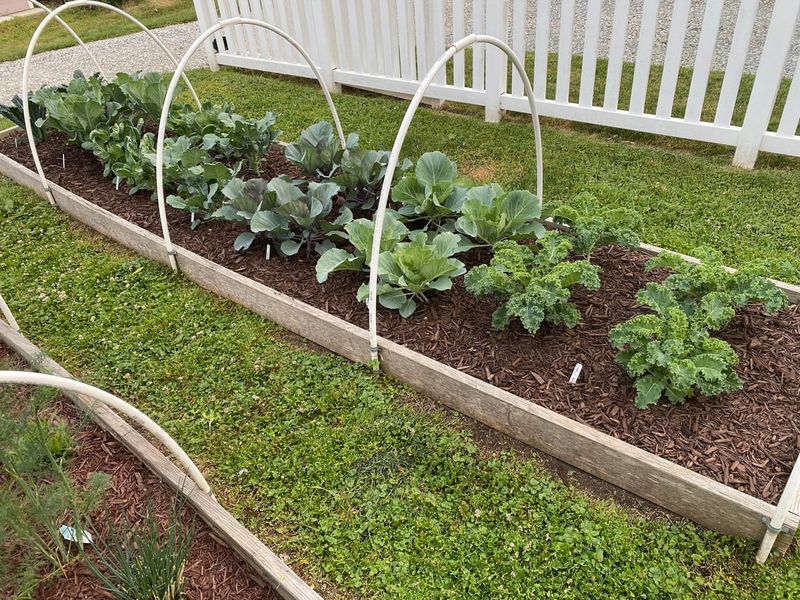
Sunlight quietly determines how productive your garden becomes. Most vegetables need at least six hours of direct sun each day, and many summer crops such as tomatoes and peppers perform better with closer to eight.
Pennsylvania’s spring can feel bright and promising, but tree canopies fill in quickly by late May, changing light patterns more than beginners expect.
Spending a few days observing how sunlight moves across your yard helps prevent frustration later. Morning sun holds particular value because it dries moisture off leaves, which can reduce fungal problems during humid Pennsylvania summers.
Areas shaded most of the day by fences, buildings, or mature trees may be better suited for ornamentals or shade-tolerant plants rather than vegetables.
The sun’s angle shifts significantly between early spring and midsummer. A space that appears sunny in April may lose several hours of light once surrounding trees leaf out.
Watching your yard at different times of day before committing to a garden bed can save an entire season of disappointment.
Choosing the right spot from the beginning often makes plant care easier and harvests more consistent.
7. Understand Pennsylvania Rainfall And Drainage Surprises
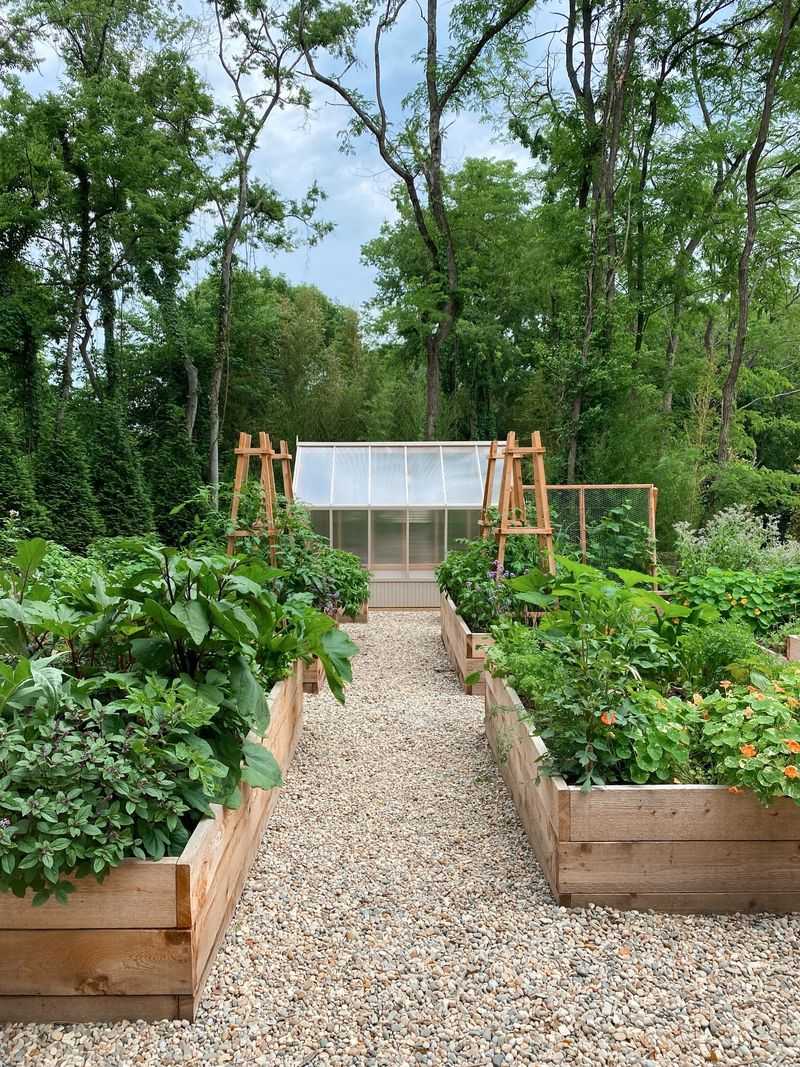
Pennsylvania averages roughly 40 to 45 inches of rainfall annually, yet that moisture rarely arrives evenly. Some weeks bring soaking storms, while others pass with very little rain.
That pattern can create unexpected stress for new gardens.
Heavy clay soil, common in many parts of the state, tends to hold water longer than plants prefer. After a strong rain, roots may sit in saturated soil longer than expected.
On the other hand, gardens on slopes or in sandier areas can dry out quickly even after a steady rainfall.
Watching how water behaves during and after a storm reveals a lot about your planting space. Pooling water signals drainage concerns.
Rapid runoff suggests moisture may not linger long enough for roots. Raised beds can help improve drainage in compacted areas, while adding organic matter can improve moisture balance across many soil types.
Understanding how your yard handles rain prevents confusion when plants begin to struggle mid-season. Water management often shapes garden success just as much as sunlight or fertilizer.
8. Start Small To Build Confidence And Momentum
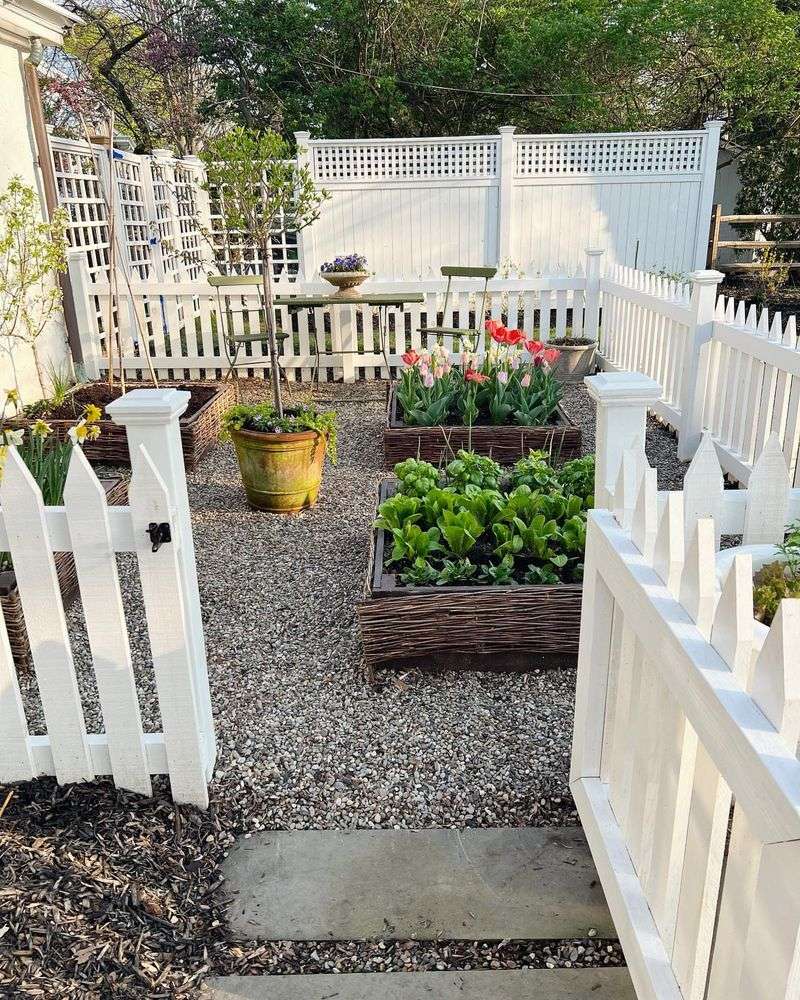
Excitement can easily turn a small garden idea into an oversized first project. Filling every available patch of yard might sound ambitious, yet maintenance quickly adds up once summer arrives.
A modest space, such as a 4-by-8-foot bed or a similarly sized in-ground plot, offers plenty of room to learn without feeling overwhelmed. Watering, weeding, monitoring for pests, and harvesting all require steady attention.
Keeping the area manageable makes those tasks realistic, even during busy weeks.
Smaller gardens allow closer observation. You begin to notice how quickly soil dries, which plants grow fastest, and where minor issues first appear.
That hands-on awareness builds skill faster than managing a large, scattered space.
Many first-time gardeners find greater satisfaction in a compact, well-tended garden than in a larger one that feels out of control. Expanding in a second season becomes far more enjoyable once you understand your yard’s patterns.
Growth in gardening often mirrors plant growth itself. Strong roots form first, then expansion follows.
9. Time Cool And Warm Season Crops Like A Pro
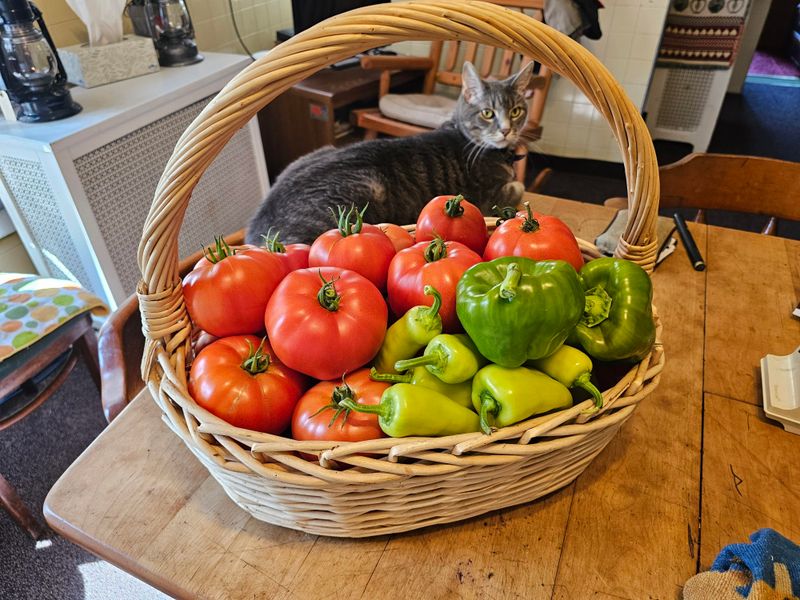
Pennsylvania’s growing season supports two distinct planting windows when timed thoughtfully. Cool-season crops such as spinach, peas, lettuce, broccoli, and cabbage prefer mild temperatures and tolerate light frost.
These vegetables thrive in early spring and can return again in early fall.
Warm-season crops require warmer soil and steady nighttime temperatures. Tomatoes, peppers, cucumbers, melons, and sweet corn perform best once soil temperatures reach about 60 degrees Fahrenheit.
Planting too early often results in slow growth and reduced vigor.
Understanding this seasonal split allows you to use the same garden bed more efficiently. Cool crops can be harvested as temperatures rise, making space for warm-season transplants.
Later in summer, another round of cool-season vegetables can follow.
That rhythm turns one growing space into multiple productive cycles. Planning ahead rather than planting everything at once keeps harvests steady instead of overwhelming.
Pennsylvania’s climate offers flexibility, but timing shapes how smoothly that flexibility works.
10. Mulch Early To Lock In Moisture And Block Weeds
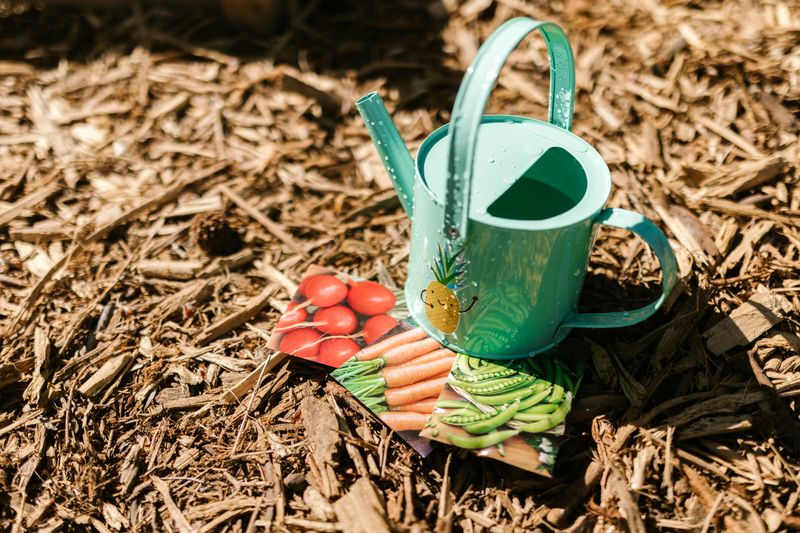
Mulch may not look dramatic, yet it plays a quiet role in stabilizing your garden. Applying two to three inches of organic mulch after plants establish helps retain soil moisture and reduce weed competition.
Pennsylvania summers often bring humid heat mixed with occasional dry stretches. Consistent soil moisture supports steady plant growth and reduces stress.
Straw, shredded leaves, untreated grass clippings, or wood chips all work well in vegetable gardens.
Organic mulch gradually breaks down, adding organic matter back into the soil over time. That slow improvement benefits soil structure year after year.
Keeping mulch slightly away from plant stems improves airflow and reduces excess moisture at the base.
Applying mulch once the soil has warmed in late spring creates a balance between temperature regulation and healthy root development. A simple layer of protection can make watering more manageable during hot stretches.
11. Stay Alert For Common Pennsylvania Garden Pests
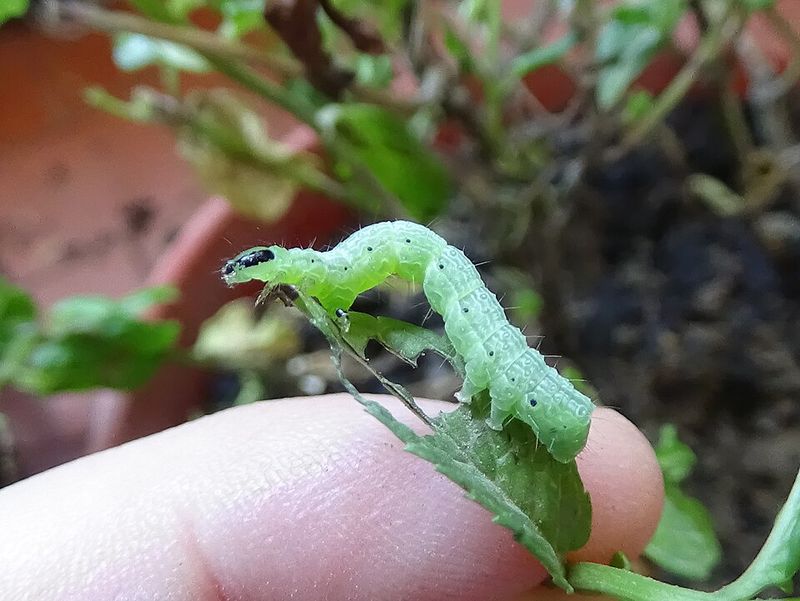
Every region has its regular visitors, and Pennsylvania gardens are no exception. Tomato hornworms, squash vine borers, cucumber beetles, aphids, and cabbage loopers appear in many vegetable plots throughout the state.
Early identification makes management much easier. Chewed leaves, small holes, or wilted stems often provide the first clues.
Checking plants several times a week allows you to catch issues before they spread.
Hand removal works surprisingly well for larger pests in small gardens. Lightweight row covers can shield vulnerable crops during key stages.
Simple fencing may reduce visits from deer or groundhogs in suburban and rural areas.
Healthy soil and well-spaced plants also contribute to resilience. Stressed plants tend to attract more attention from insects.
Staying observant often proves more effective than reacting late.
Routine inspection builds familiarity with your plants, and familiarity builds confidence.
12. Plan Ahead For Summer Heat Even In Cooler Counties
Summer in Pennsylvania often brings stretches of temperatures climbing into the upper 80s and 90s. Even northern counties experience warm spells that challenge certain crops.
Tomatoes and peppers tolerate heat well, yet extended periods above 90 degrees can interfere with pollination and fruit set. Lettuce and other cool-season vegetables may bolt once temperatures rise sharply.
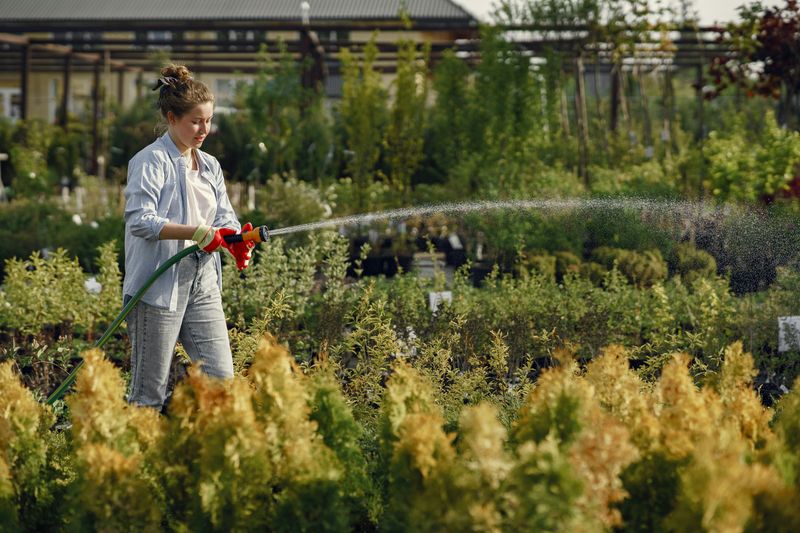
Consistent watering becomes especially important during hot stretches. Soaker hoses or drip irrigation deliver water directly to roots while keeping foliage drier, which can reduce disease pressure in humid conditions.
Mulch, applied earlier in the season, helps maintain steadier soil temperatures.
Shade cloth rated around 30 to 40 percent can provide relief for sensitive crops during peak heat. Planning for summer stress while spring still feels mild prevents scrambling once July arrives.
Anticipating seasonal shifts gives your first Pennsylvania garden a smoother path from planting day to harvest.