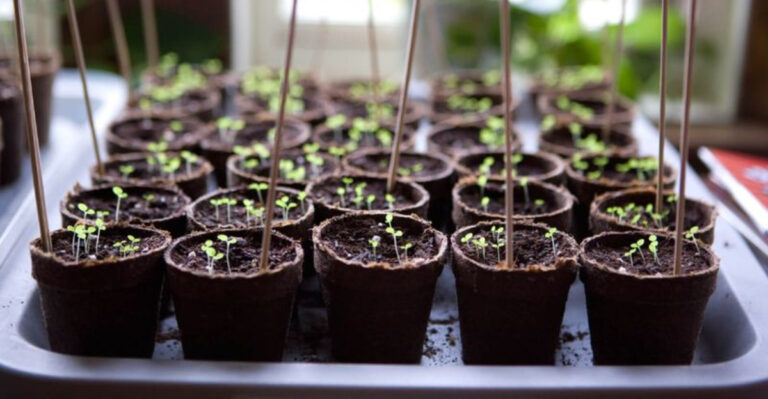
Steps Georgia Gardeners Take For Better Coneflower Blooms In Spring
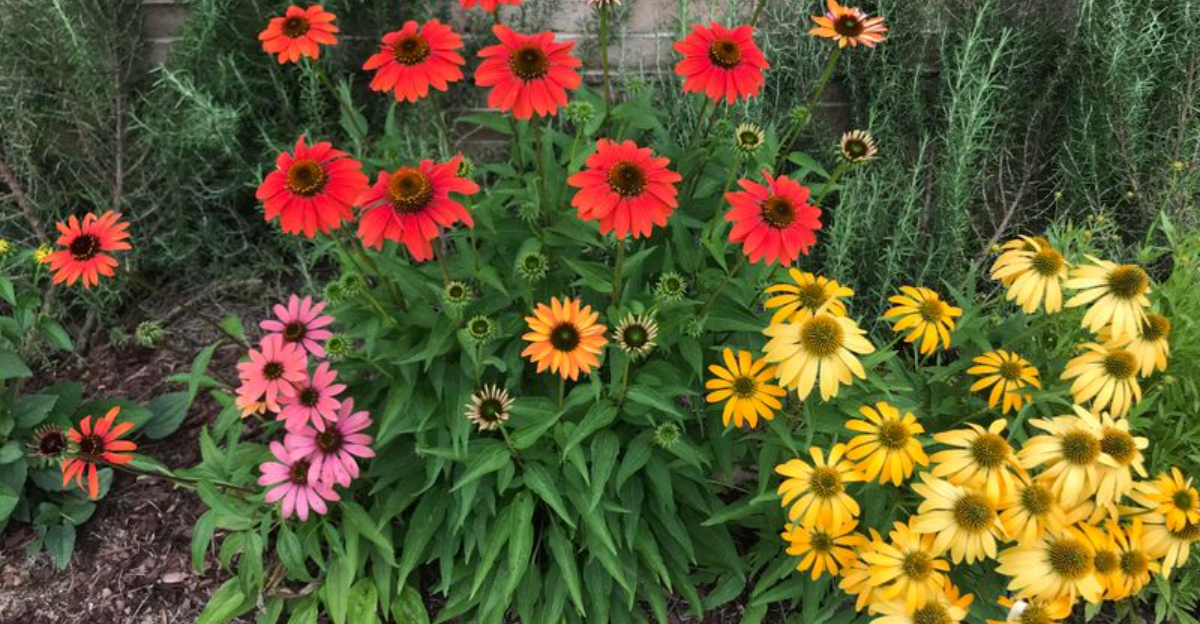
Coneflowers don’t just bloom better on their own, and I’ve learned Georgia gardeners start setting them up for success long before spring arrives.
I’ve seen simple early steps make a noticeable difference in stem strength, bloom size, and how long flowers last.
When these preparations are done at the right time, spring coneflower displays tend to look fuller and far more reliable.
1. Select the Right Coneflower Varieties for Your Garden
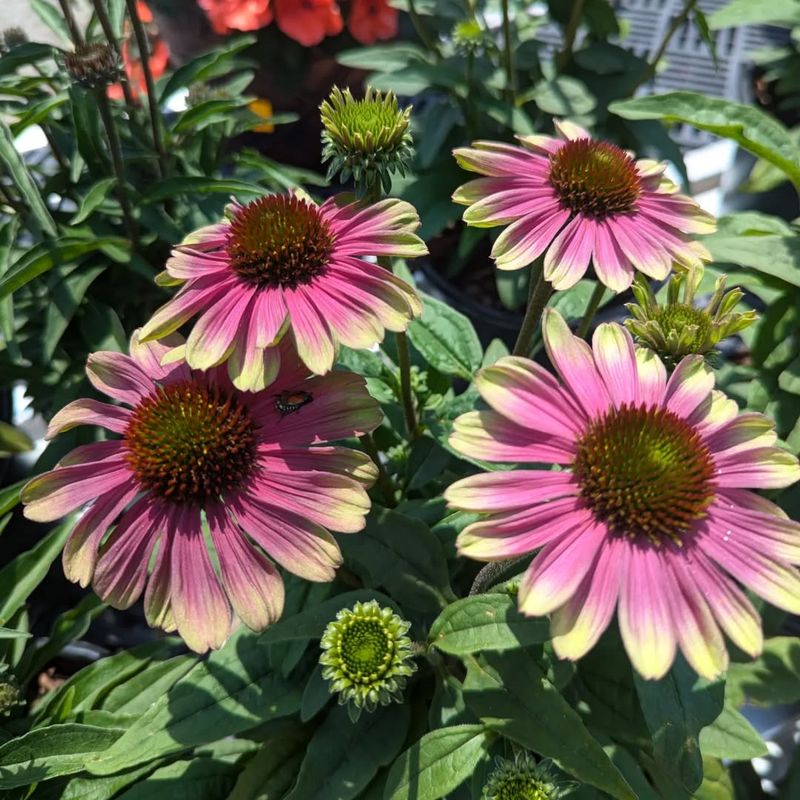
Choosing varieties that thrive in Georgia conditions makes all the difference when you want spectacular spring blooms that last through summer heat.
Purple coneflowers are classic favorites across the state, but newer cultivars offer exciting colors like white, orange, yellow, and even pink shades.
Native species perform exceptionally well because they evolved to handle Georgia’s humidity, temperature swings, and soil conditions without requiring excessive pampering or care.
Gardeners in Georgia often mix several varieties together to create stunning color combinations that bloom at slightly different times throughout the season.
Consider mature plant height when selecting varieties since some reach three feet tall while compact versions stay under eighteen inches for smaller spaces.
Disease resistance varies between cultivars, so research which types handle fungal issues best in humid Southern climates like ours before making final purchases.
Local nurseries often stock varieties proven to succeed in Georgia growing zones, making them excellent resources for finding reliable performers for your landscape.
Buying multiple varieties creates visual interest and extends your bloom period from late spring well into autumn when conditions remain favorable outdoors.
2. Prepare Your Soil with Proper Amendments
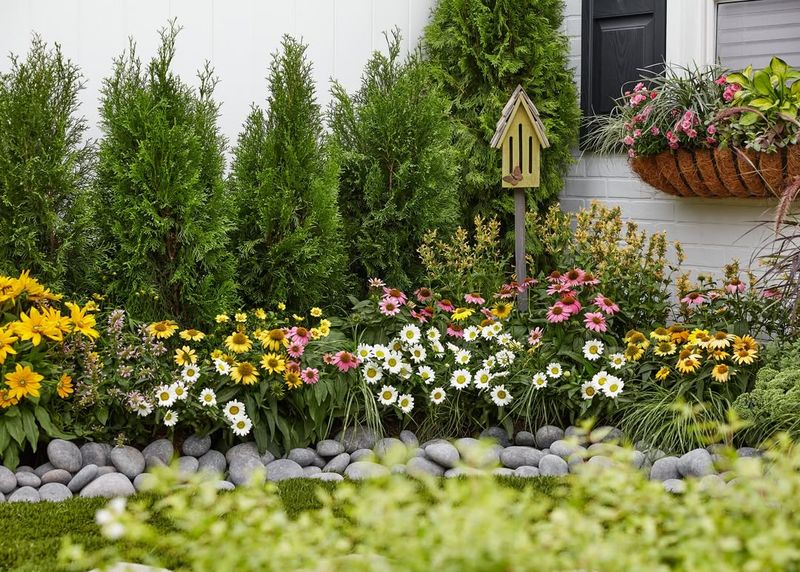
Healthy soil creates the foundation for vigorous coneflower growth, and Georgia gardeners know that proper preparation prevents problems later in the growing season.
Coneflowers prefer well-draining soil because soggy roots lead to rot, especially during our rainy spring months when moisture levels stay consistently high outdoors.
Testing your soil pH helps determine if amendments are needed since coneflowers thrive best in slightly acidic to neutral conditions between six and seven.
Adding compost improves soil structure dramatically by increasing drainage in clay-heavy Georgia dirt while also boosting nutrient content for stronger plant development overall.
Mix in organic matter several weeks before planting to give materials time to integrate fully, creating an ideal environment for new roots to explore.
Avoid over-fertilizing because coneflowers actually perform better in moderately fertile soil rather than nutrient-rich beds that encourage excessive foliage instead of blooms.
Sandy soils common in parts of Georgia may need extra organic material to retain moisture during dry spells while still maintaining adequate drainage.
Proper soil preparation might seem tedious initially, but it pays tremendous dividends when your coneflowers produce abundant blooms throughout their entire flowering period ahead.
3. Plant at the Perfect Time for Establishment
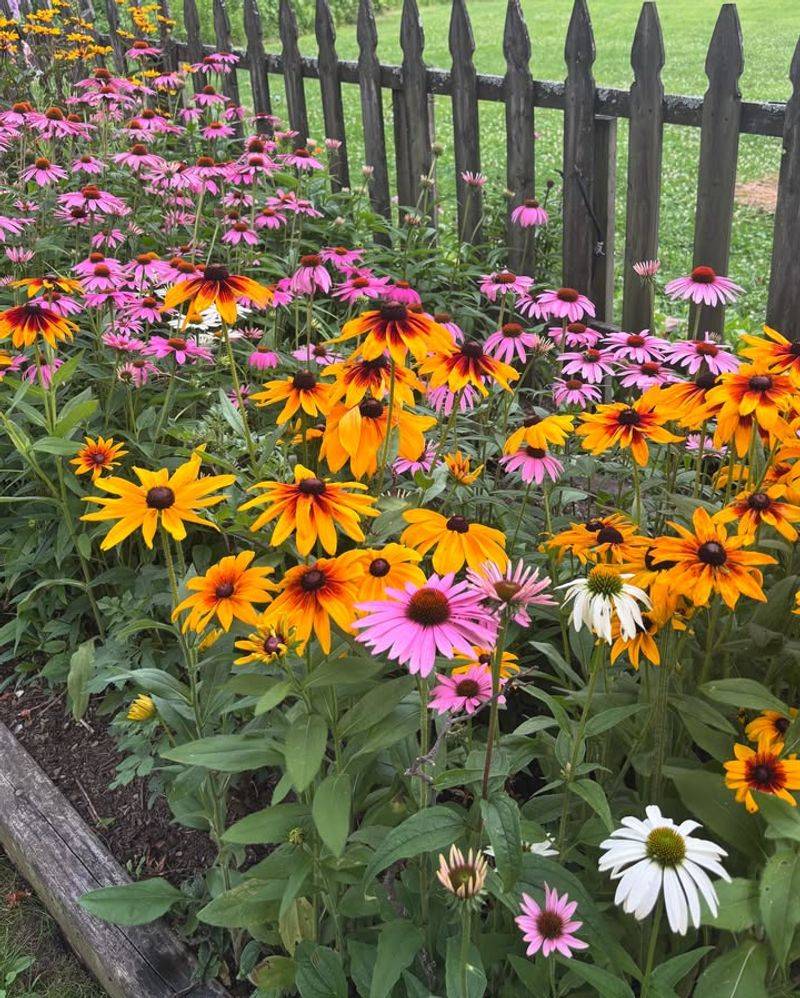
Timing your planting correctly gives coneflowers the best opportunity to establish strong root systems before facing Georgia’s intense summer heat and occasional drought conditions.
Early spring planting works wonderfully because mild temperatures allow roots to develop without stress from extreme heat that arrives later in the season.
Fall planting also succeeds beautifully in Georgia since cooler weather reduces transplant shock while giving plants months to settle before their first spring display.
Avoid planting during midsummer when scorching temperatures and irregular rainfall patterns make establishment challenging even for hardy perennials like coneflowers in our region.
Container-grown plants can technically go in the ground anytime, but spring and fall remain optimal for minimizing stress and maximizing survival rates.
Space plants eighteen to twenty-four inches apart to ensure adequate air circulation, which helps prevent fungal diseases common in Georgia’s humid climate throughout summer.
Water thoroughly after planting to eliminate air pockets around roots and help soil settle properly, creating good contact between roots and surrounding earth.
Mulching immediately after planting conserves moisture and regulates soil temperature, giving new transplants the stable conditions they need for successful establishment in your garden.
4. Provide Adequate Sunlight Exposure
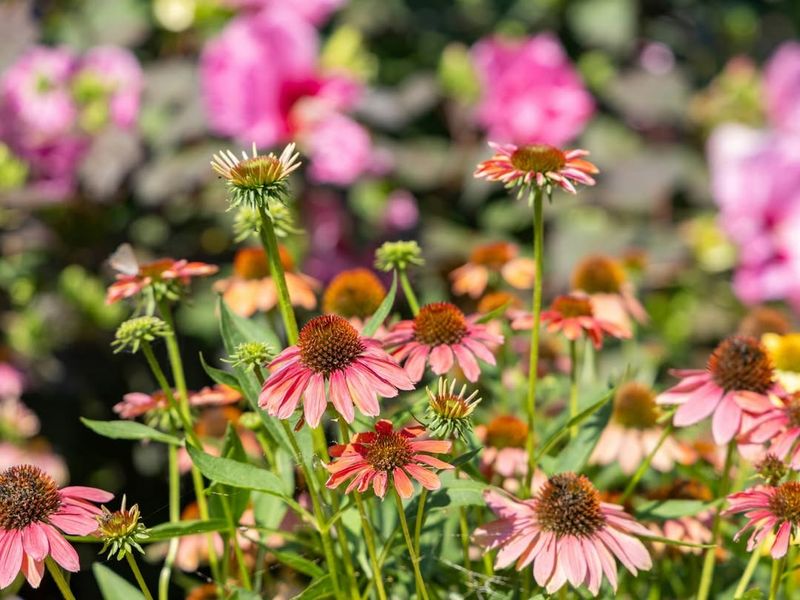
Coneflowers are sun-loving perennials that need plenty of direct light to produce their most impressive bloom displays throughout the growing season in Georgia gardens.
Full sun locations receiving six to eight hours of direct sunlight daily create ideal conditions for maximum flower production and sturdy, upright growth habits.
Plants grown in excessive shade become leggy and weak, producing fewer blooms while becoming more susceptible to disease problems that thrive in damp conditions.
Morning sun paired with afternoon shade can work in Georgia since it protects plants from the most intense heat while still providing sufficient light.
Observe your planting area throughout the day to understand actual sun exposure since tree canopies and structures create changing shadow patterns as seasons progress.
Southern exposure typically provides the most consistent sunlight in Georgia yards, making it the preferred location for coneflower beds and borders throughout the property.
If your garden lacks full sun areas, select the brightest spot available and choose varieties specifically bred for partial shade tolerance rather than struggling.
Proper sunlight exposure strengthens stems naturally, reduces disease pressure, and encourages abundant flowering that makes coneflowers such beloved additions to Georgia landscapes everywhere.
5. Water Wisely During Establishment and Beyond
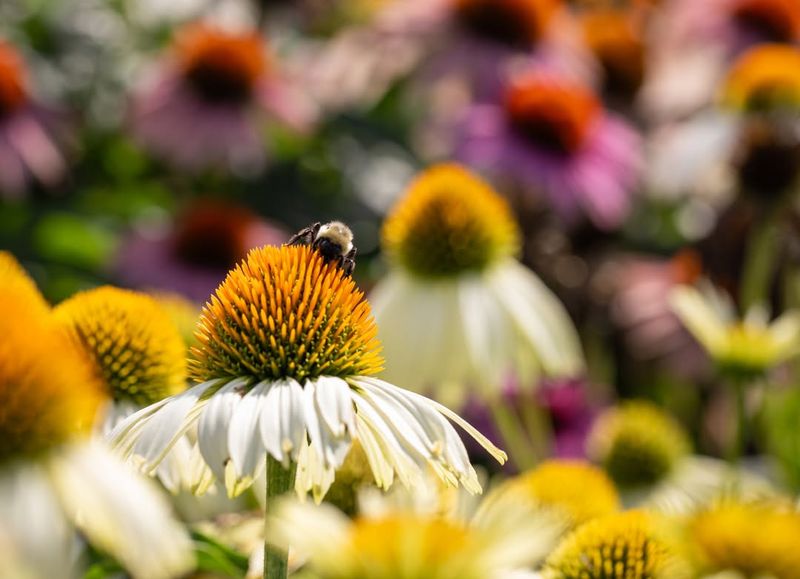
Smart watering practices help coneflowers develop deep, drought-tolerant root systems while avoiding moisture-related problems common in Georgia’s humid climate during spring and summer.
Newly planted coneflowers need consistent moisture for the first growing season, requiring about one inch of water weekly through rainfall or supplemental irrigation combined.
Deep, infrequent watering encourages roots to grow downward rather than staying shallow, creating more resilient plants that handle dry periods better once established.
Established coneflowers tolerate drought remarkably well, often thriving with minimal supplemental water except during extended dry spells that occasionally occur across Georgia in summer.
Water early in the morning so foliage dries quickly, reducing fungal disease risk that increases when leaves remain wet overnight in our humid conditions.
Avoid overhead watering if possible, instead using soaker hoses or drip irrigation that delivers moisture directly to root zones without wetting foliage unnecessarily.
Monitor soil moisture by checking a few inches below the surface rather than relying on appearance alone since Georgia clay can look dry on top.
Proper watering balances plant needs with disease prevention, creating healthy coneflowers that bloom abundantly without suffering from root rot or fungal issues throughout the season.
6. Apply Mulch to Conserve Moisture and Suppress Weeds
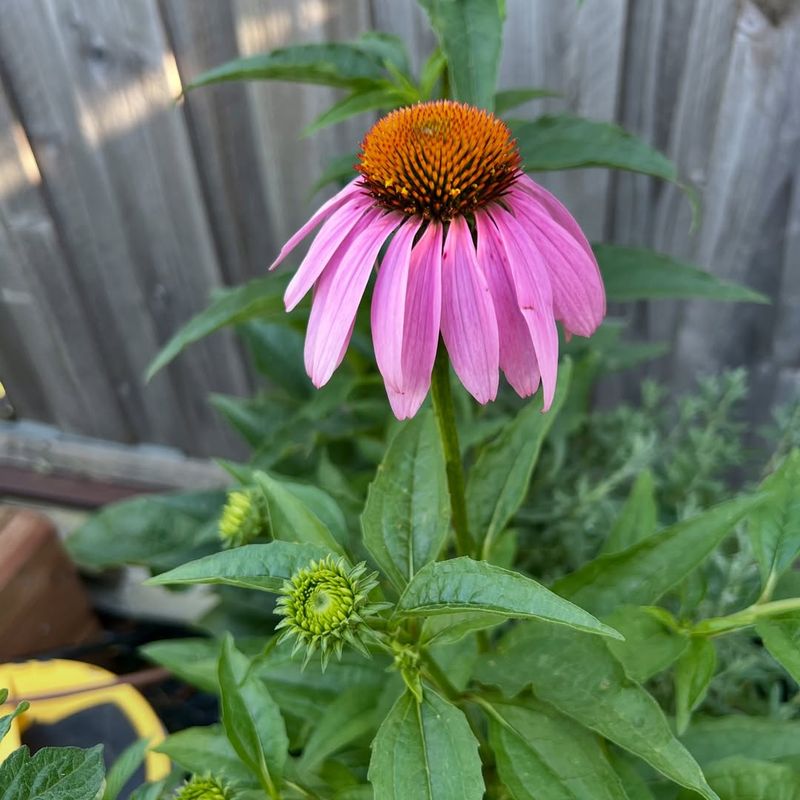
Mulching around coneflowers provides multiple benefits that Georgia gardeners appreciate, from moisture conservation to temperature regulation and weed suppression throughout the growing season ahead.
Apply two to three inches of organic mulch like shredded bark or pine straw around plants, keeping material a few inches away from stems.
Mulch moderates soil temperature fluctuations that occur during Georgia’s unpredictable spring weather when warm days alternate with surprisingly cool nights that stress plants.
Organic mulches break down gradually, adding nutrients and improving soil structure over time while also encouraging beneficial microorganism activity in the root zone.
Pine straw is particularly popular in Georgia since it’s readily available, affordable, and provides excellent coverage while looking naturally attractive in landscape settings.
Refresh mulch annually in spring before new growth emerges, removing any diseased plant material and adding fresh material to maintain proper depth throughout beds.
Proper mulching reduces watering needs significantly by slowing evaporation, which is especially valuable during hot Georgia summers when moisture stress can reduce bloom production noticeably.
Weed suppression from mulch saves considerable time and effort while preventing unwanted plants from competing with coneflowers for water, nutrients, and growing space in beds.
7. Fertilize Sparingly for Optimal Bloom Production
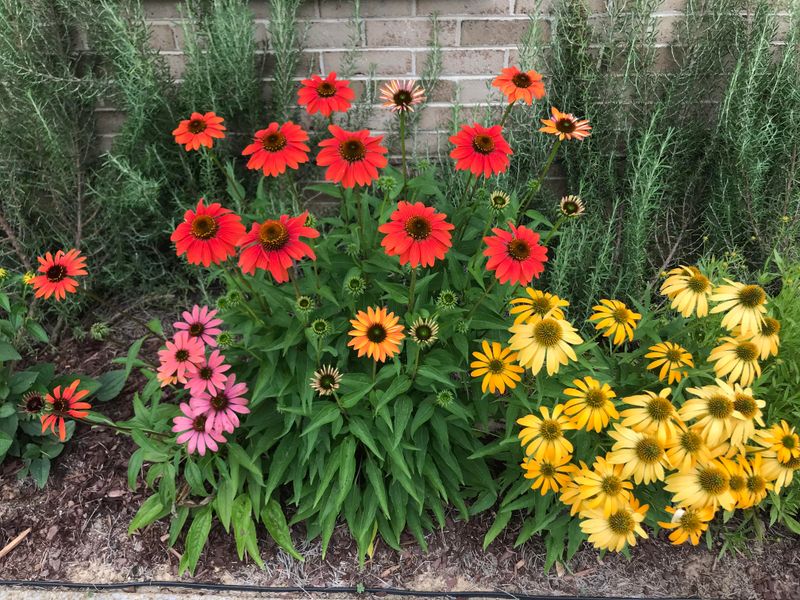
Coneflowers actually prefer lean soil conditions, and Georgia gardeners have learned that excessive fertilization causes more problems than benefits for these tough native perennials.
Over-fertilized plants produce lush foliage at the expense of flowers, creating tall, floppy growth that requires staking and disappoints gardeners expecting abundant blooms.
A light application of balanced, slow-release fertilizer in early spring provides sufficient nutrients for the entire growing season without encouraging excessive vegetative growth.
Compost worked into beds annually often supplies all the nutrition coneflowers need, especially in Georgia gardens where organic matter improves our heavy clay soils.
Avoid high-nitrogen fertilizers that promote leafy growth since coneflowers naturally thrive in moderately fertile conditions similar to their native prairie habitats across America.
Signs of nutrient deficiency include pale foliage and weak growth, but these symptoms rarely appear in properly prepared Georgia garden beds with adequate organic matter.
If you must fertilize, choose organic options that release nutrients slowly rather than synthetic products that can burn roots or encourage rapid, weak growth.
Remember that coneflowers evolved in challenging conditions, so minimal fertilization actually produces stronger, more floriferous plants that handle Georgia’s climate fluctuations better than pampered specimens.
8. Deadhead Spent Blooms to Encourage Reblooming

Removing faded flowers redirects plant energy toward producing new blooms rather than seed development, extending the flowering period considerably throughout summer in Georgia gardens.
Deadheading involves snipping off spent flower heads just above the next set of healthy leaves, encouraging branching and additional bloom production from lower buds.
Regular deadheading keeps plants looking tidy while preventing self-seeding that can result in seedlings crowding out parent plants or appearing in unwanted garden locations.
Some Georgia gardeners prefer leaving late-season seed heads for winter interest and bird food, which is perfectly fine once you’ve enjoyed abundant blooms earlier.
Use clean, sharp pruners or scissors for deadheading to make neat cuts that heal quickly without creating entry points for disease organisms common here.
Check plants weekly during peak bloom season to remove faded flowers promptly, maximizing rebloom potential before plants shift energy toward seed production instead.
Deadheading becomes less critical late in the season when you want seed heads to develop for birds and winter garden interest throughout Georgia’s relatively mild winters.
This simple maintenance task requires minimal time but dramatically improves bloom quantity and garden appearance, making it a favorite technique among experienced Georgia coneflower growers.
9. Divide Clumps Every Few Years for Vigor
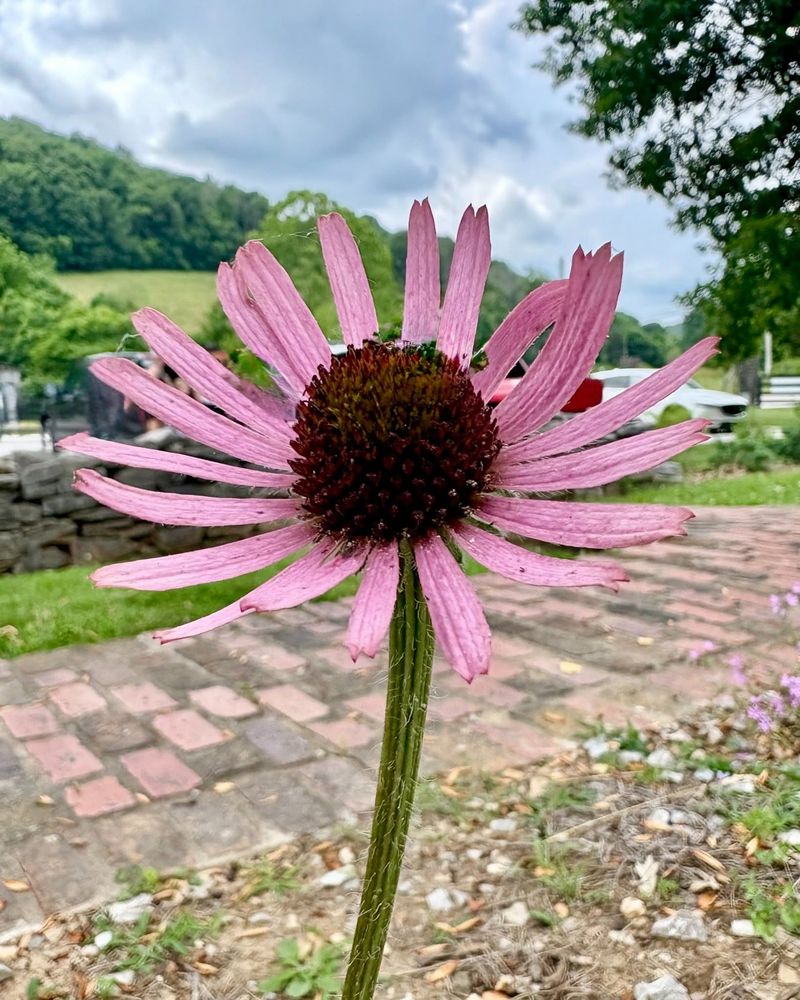
Coneflowers gradually form larger clumps over time, and dividing them every three to four years rejuvenates plants while providing free specimens for expanding your garden.
Crowded clumps produce fewer blooms and develop weak centers, so division maintains vigor and flowering performance that makes coneflowers such valuable additions to Georgia landscapes.
Early spring or fall are ideal division times in Georgia since moderate temperatures reduce transplant stress while giving divisions time to establish before extreme weather.
Carefully lift entire clumps with a garden fork, then use a sharp spade or knife to separate them into sections containing several healthy shoots each.
Replant divisions immediately at the same depth they grew previously, spacing them adequately to allow for future growth without overcrowding issues returning too quickly.
Water divisions thoroughly after replanting and monitor moisture levels closely for several weeks until roots establish and plants show signs of active new growth.
Division invigorates older plants that have declined in flowering performance, essentially resetting them to youthful vigor that produces abundant blooms once again in your garden.
Share extra divisions with friends and neighbors across Georgia, spreading the beauty of coneflowers while strengthening community connections through the universal language of gardening together.