7 Steps North Carolina Gardeners Should Take Now To Save Frost Damaged Plants
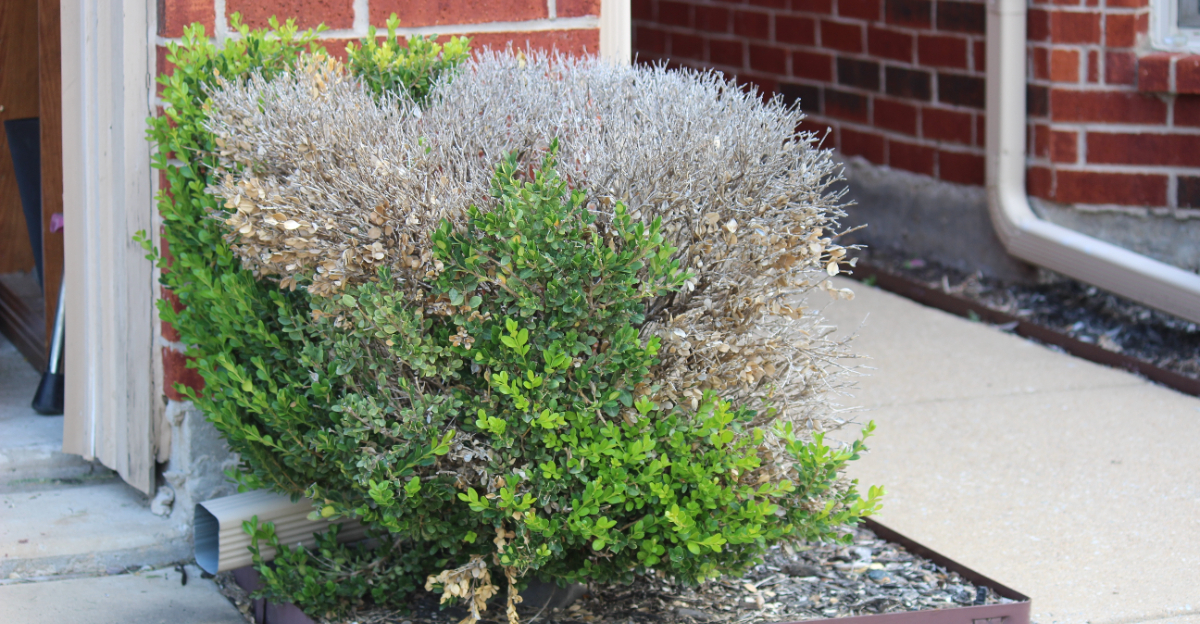
Waking up to a garden touched by frost can feel like a shock. One cold night is often enough to leave leaves wilted, stems drooping, and once vibrant plants looking tired and damaged.
Many North Carolina gardeners worry the worst when they see brown edges and fading color, but frost damage is not always the end of the story. In many cases, plants are far tougher than they appear and can recover with the right care and timing.
The key is knowing what to do next and what to avoid. Quick, thoughtful action can protect roots, support new growth, and prevent further stress.
What looks like a setback today can often turn into a strong comeback once warmer weather returns. With the right approach, your garden can regain its health, color, and vitality sooner than you might expect.
1. Check Plants Carefully To See How Much Frost Damage Occurred
Walking through your garden after a frost can feel overwhelming when you spot brown leaves everywhere. Before you grab pruning shears or start making drastic changes, take time to really look at each plant.
Gently touch the stems and examine where damage stops and healthy tissue begins. Frost injury shows up differently depending on the plant type and how cold it got. Soft new growth usually suffers first, turning mushy or dark brown within hours.
Older woody stems might look fine on the outside but feel soft when you squeeze them gently.
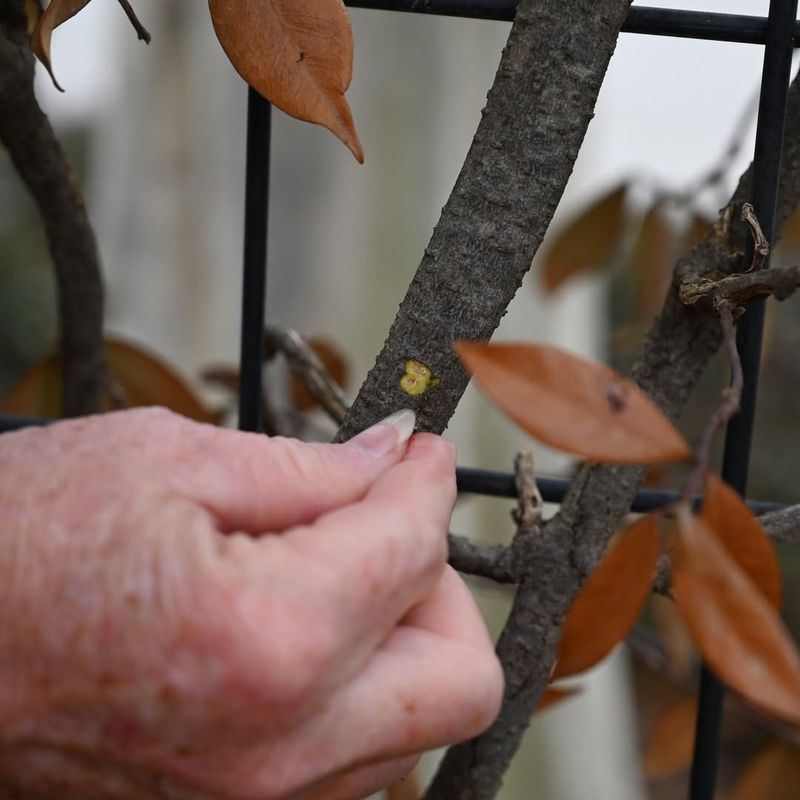
Check the crown of perennials right at soil level since this area determines whether plants will recover. Scrape a tiny bit of bark on stems with your fingernail to see if green tissue lives underneath.
Green means the plant still has a chance, while brown or gray indicates more serious injury. Take notes or photos of what you find so you can track recovery over the coming weeks.
Some plants show damage immediately while others take several days to reveal the full extent of injury.
Understanding what happened helps you make smarter decisions about care moving forward.
Pay special attention to tender plants like tomatoes, peppers, and tropical ornamentals since they react most dramatically to cold. Hardy shrubs and trees often sustain only surface damage even when they look terrible at first glance.
2. Wait Before Pruning Damaged Growth
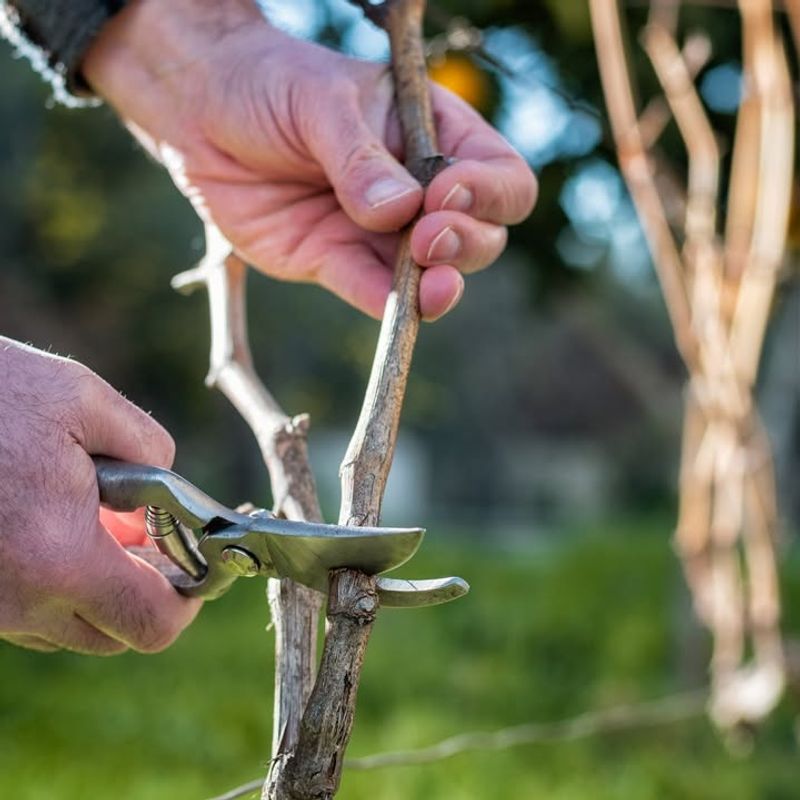
Your first instinct might be to cut away every brown leaf and damaged stem you see. Resist that urge for now because plants need time to show you what survived.
Pruning too early removes tissue that might still be alive, making recovery harder for your plants.
Many stems that look completely ruined on the outside still have living cambium layer underneath the bark. This inner tissue can generate new growth even when outer leaves turn brown and crispy.
Cutting these stems removes the plant’s stored energy reserves it needs for recovery. Wait at least two to three weeks before doing any major pruning on woody plants and shrubs.
Perennials might need even longer since they push new growth from the crown rather than existing stems. Watch for fresh green shoots emerging from the base as your signal that the plant is recovering.
Light cleanup of obviously mushy or completely brown foliage is fine since this material won’t recover anyway. Just avoid cutting into woody stems or removing large sections of the plant.
Think of this waiting period as letting your plants tell you what they need rather than guessing.
Some gardeners wait until late spring to prune frost damaged plants since new growth patterns reveal exactly where to cut. This patience pays off with healthier plants that recover faster and fuller than those pruned too aggressively too soon.
3. Water Plants Gently To Reduce Stress
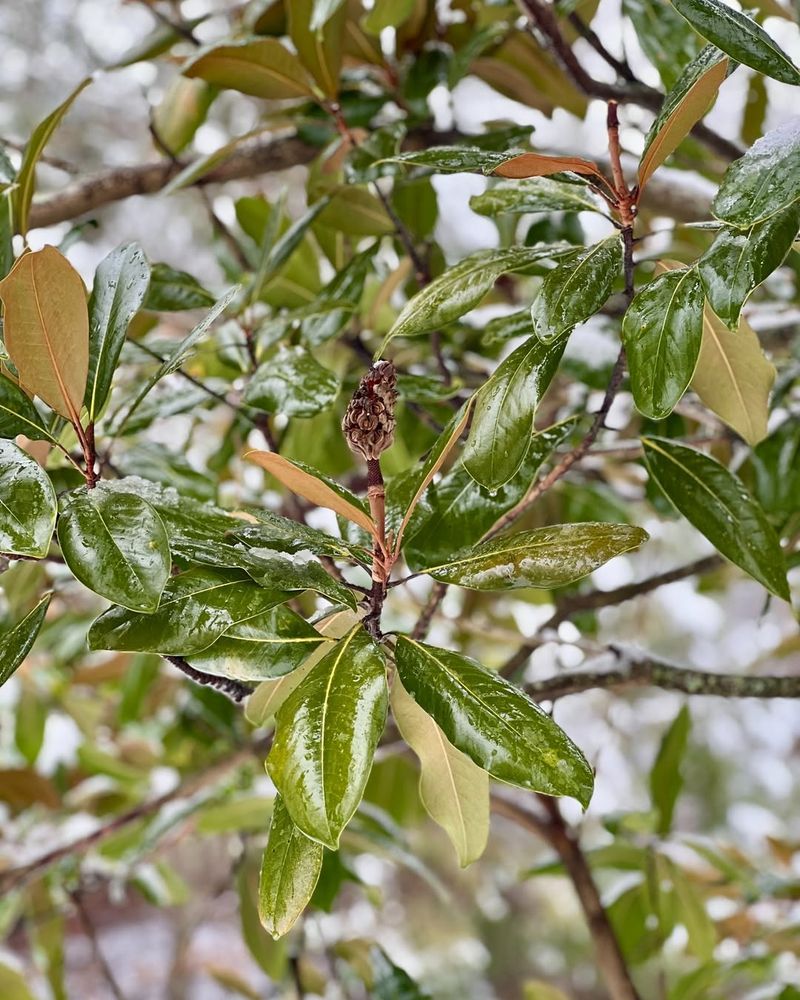
Frost stressed plants lose their ability to take up water normally since cold damages cell structures in roots and stems. Your plants need moisture to recover, but overwatering can cause more problems than it solves.
The key is finding the right balance for your specific garden conditions. Check soil moisture before watering by sticking your finger two inches down into the ground. If it feels damp, wait another day or two before adding more water.
Cool spring temperatures mean soil stays wet longer than during summer heat. Water at the base of plants rather than overhead since wet foliage combined with cool temperatures encourages fungal diseases.
Use a gentle stream that soaks in slowly rather than running off. Early morning watering gives plants all day to absorb moisture before temperatures drop again at night.
Container plants need special attention since their roots have less insulation than in-ground plantings. Check these daily but water only when the top inch of soil feels dry.
Frost damaged roots can’t handle sitting in soggy soil, which leads to rot problems on top of cold injury.
Established trees and shrubs usually don’t need extra watering unless your area is experiencing drought conditions. Their deeper root systems access moisture below the frost line.
Focus your watering efforts on newer plantings, perennials, and anything showing signs of wilting beyond typical frost damage.
4. Protect Plants From Additional Cold Exposure
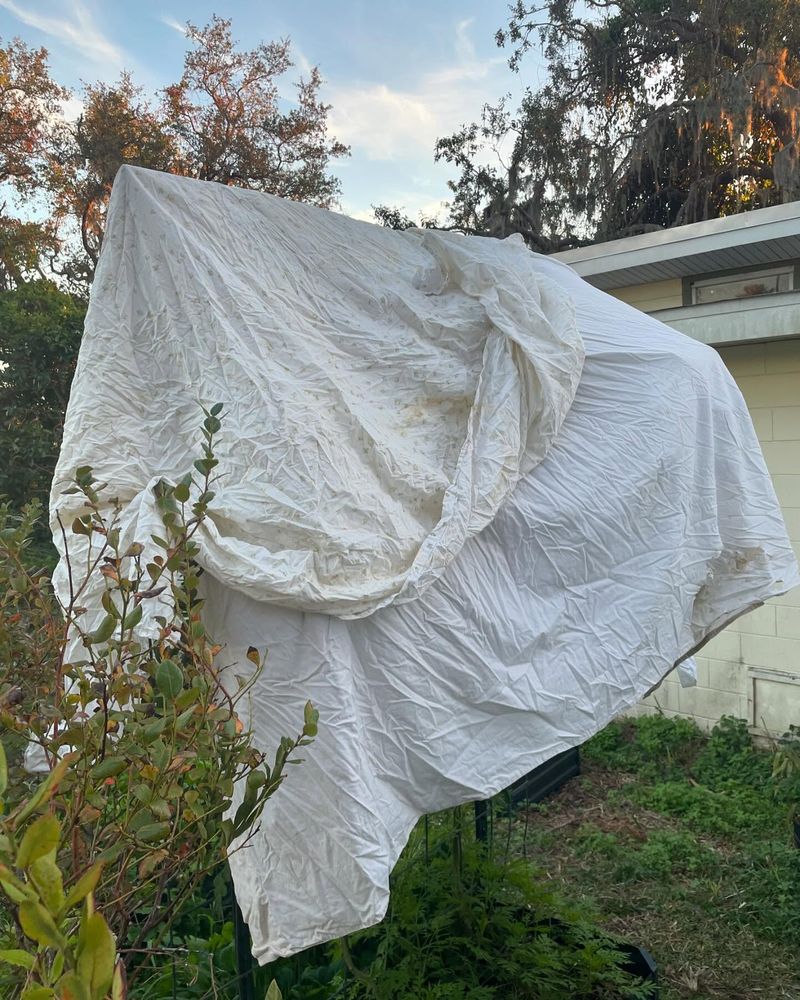
One frost event weakens plants and makes them more vulnerable to additional cold snaps. North Carolina springs are notoriously unpredictable, with warm days followed by surprise freezing nights.
Protecting already stressed plants from further injury gives them the best chance at full recovery.
Lightweight frost cloth works better than plastic sheets since it allows air circulation while trapping heat. Drape fabric over plants in late afternoon before temperatures drop, making sure it reaches the ground on all sides.
Remove covers during warm days so plants don’t overheat underneath. For smaller plants, overturned buckets or large pots provide quick protection when frost threatens. Even cardboard boxes work in a pinch for tender annuals and vegetables.
Just remember to remove temporary covers each morning so plants get sunlight and air. Potted plants near the house gain several degrees of protection from radiant heat off walls and foundations.
Moving containers closer to the building during cold spells helps without requiring covers. South-facing walls offer the most protection and warmth during the day.
String lights wrapped around shrubs and small trees provide surprising amounts of heat on cold nights. Old-fashioned incandescent bulbs work better than LEDs for this purpose since they generate more warmth.
This trick saves many tender plants that would otherwise suffer repeated frost injury throughout spring.
5. Add Mulch To Stabilize Soil Temperature
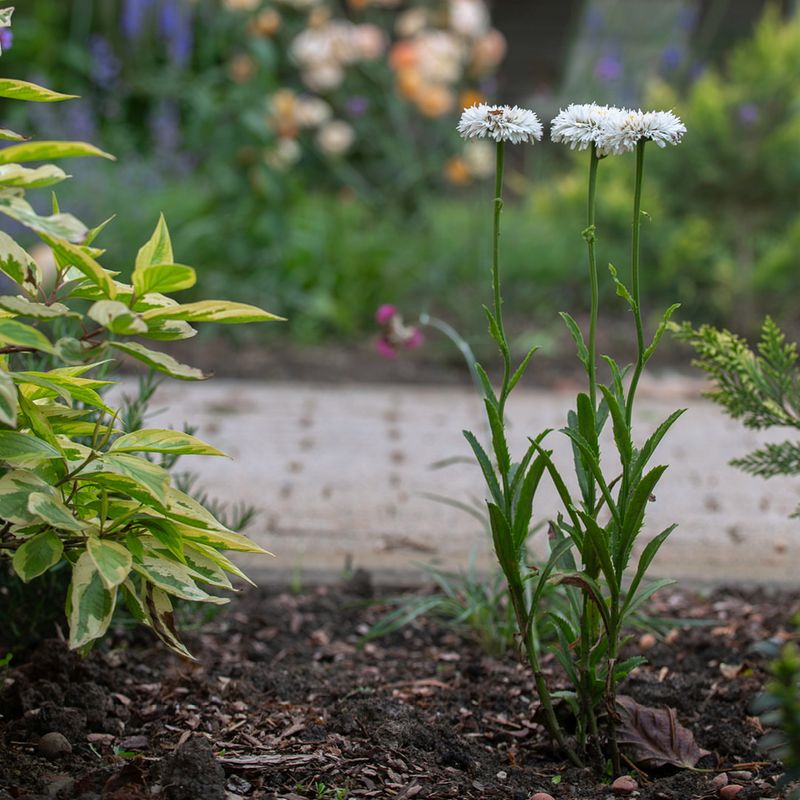
Temperature swings stress plant roots just as much as cold air damages leaves and stems. Bare soil heats up quickly on sunny days then plummets when the sun sets. A layer of organic mulch acts like a blanket that moderates these extreme fluctuations.
Apply two to three inches of shredded bark, wood chips, or compost around plants, keeping mulch a few inches away from stems and trunks. This gap prevents moisture from sitting against plant tissue where it can encourage rot.
Spread mulch in a circle extending to the drip line of trees and shrubs for maximum benefit. Fresh mulch also helps soil retain moisture without becoming waterlogged since organic materials absorb excess water then release it slowly.
This buffering effect is exactly what frost stressed roots need during recovery. As mulch breaks down over time, it adds nutrients back into the soil.
Pine straw works particularly well in North Carolina since it’s readily available and breaks down slowly. Hardwood mulch looks attractive and lasts even longer between applications.
Avoid piling mulch too deep since thick layers can prevent water from reaching roots and create hiding spots for pests.
Spring is actually an ideal time to refresh mulch even without frost damage since it suppresses weeds and conserves moisture going into summer. The temperature stabilizing benefits just become extra important after plants experience cold stress.
6. Watch For Signs Of New Growth Before Taking Further Action
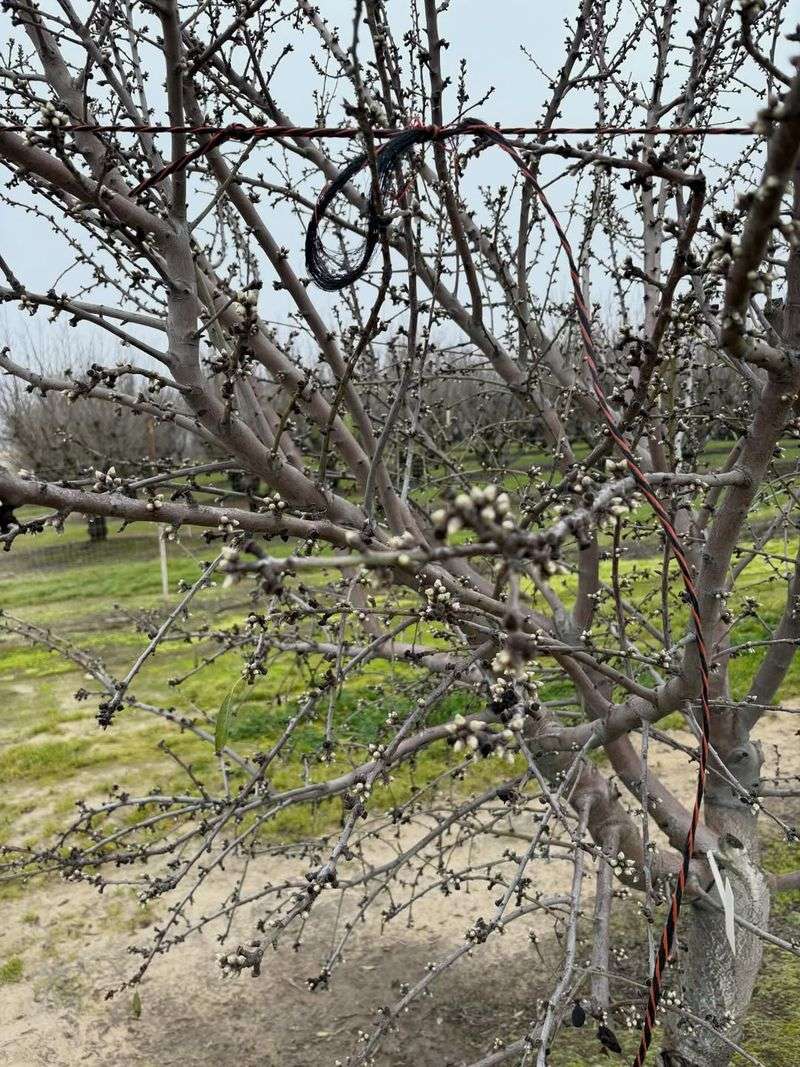
Plants communicate their recovery status through new growth patterns that emerge over several weeks. Fresh green shoots pushing up from the crown signal that roots survived and the plant is bouncing back.
These signs guide your next steps better than any advice because they show what your specific plants need.
Check plants every few days for tiny buds swelling on stems or new leaves unfurling near the base. Even plants that looked completely ruined often surprise gardeners with vigorous regrowth from seemingly lifeless stems.
This is why waiting before pruning pays off so dramatically. Once you spot consistent new growth, you can carefully prune back damaged sections just above where fresh shoots appear.
Make clean cuts at a slight angle so water runs off rather than pooling. Avoid removing more than one-third of the plant at a time even if damage looks extensive.
New growth also tells you when plants are ready for a light feeding with balanced fertilizer. Wait until you see active growth rather than fertilizing stressed plants that can’t use the nutrients.
Too much fertilizer on damaged roots causes more harm than good. Some plants take longer than others to show recovery signs, so don’t give up too quickly.
Perennials might not emerge until soil warms considerably, while woody plants often wait until late spring to push new leaves.
Patience during this watching period prevents you from discarding plants that would have recovered beautifully.
7. Be Patient As Plants Recover Naturally
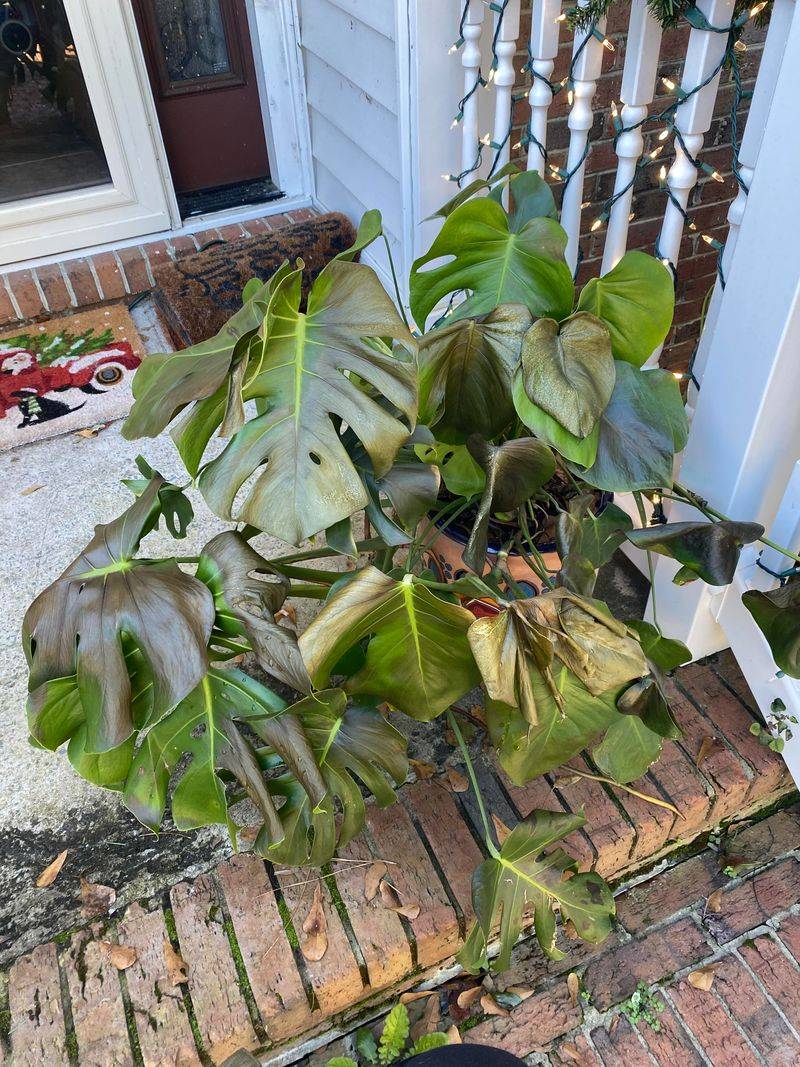
Nature has equipped plants with remarkable survival mechanisms that kick in after cold damage. Your job is mostly to avoid interfering with these natural processes while providing basic care.
Most light to moderate frost damage resolves itself over four to eight weeks without any dramatic intervention.
Plants that look terrible in early spring often fill in completely by early summer, leaving no trace of winter injury. Branches you thought were finished suddenly leaf out from dormant buds lower on the stem.
Perennials that seemed lost emerge strong and healthy once soil temperatures rise. This recovery timeline requires patience that goes against our instinct to fix problems immediately.
Trust that plants want to survive and have systems in place to make that happen. Your role is supporting them with proper watering, protection from additional stress, and time to heal.
Keep a garden journal noting what happened and how plants responded over the following months. This information becomes invaluable for future frost events since you’ll know which plants in your specific garden are most vulnerable.
You’ll also learn which varieties bounce back easily versus those needing extra protection. Remember that even if some plants don’t make it, frost damage teaches valuable lessons about microclimates and plant hardiness in your garden.
Use this knowledge to make smarter choices about placement and varieties going forward, creating a more resilient landscape over time.