7 Steps To Save Frost-Damaged Citrus Trees In California
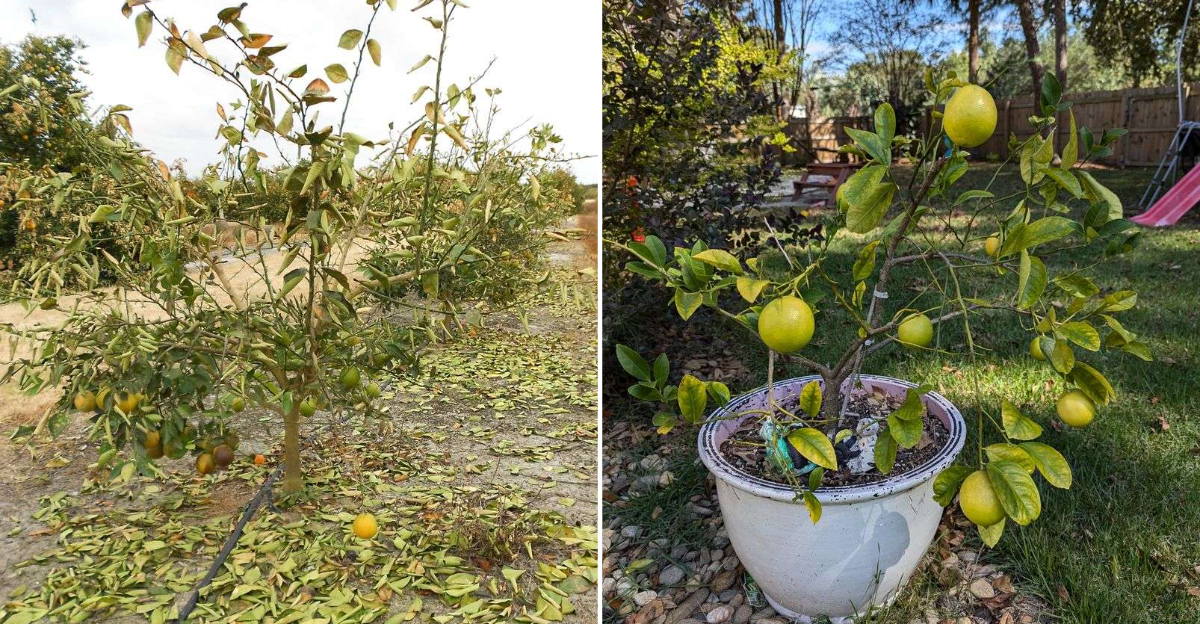
Cold snaps can hit California citrus when you least expect it, leaving leaves wilted, branches brittle, and fruit damaged. It looks alarming, but frost injury does not always mean your tree is lost.
Citrus are tougher than they seem, and with the right care many bounce back surprisingly well. The key is acting calmly and at the right time, not rushing in with heavy pruning or extra watering too soon.
Frost damage often shows itself slowly, and smart recovery steps help your tree rebuild strength, protect new growth, and return to healthy production.
To realize what is truly damaged and to encourage safe regrowth, a few careful moves can make all the difference.
If your lemon, orange, or lime tree took a hit from the cold, these simple steps will help you guide it back to full, vibrant life.
1. Assess The Damage First
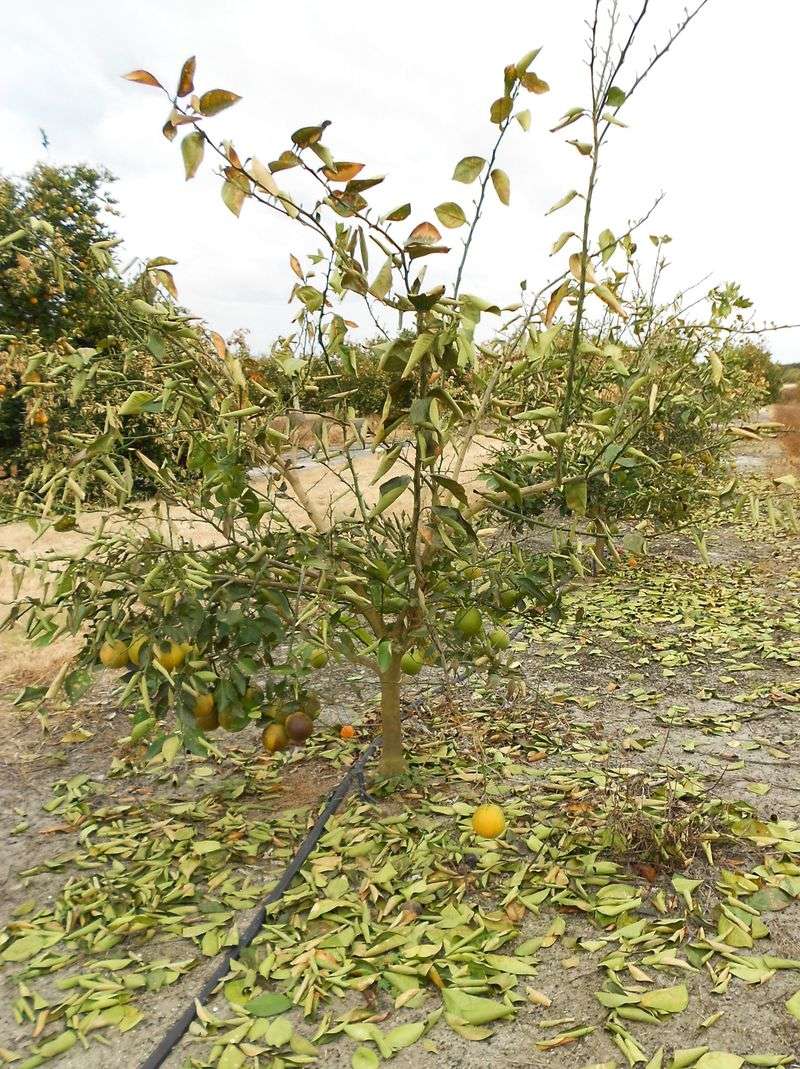
After a cold snap passes and temperatures climb back up, your first instinct might be to grab the pruning shears and start cutting away damaged branches. Resist that urge for now.
Frost damage doesn’t reveal itself all at once, and what looks dead today might actually still be alive beneath the bark.
Walk around your tree and take a good look at the whole picture. Check the leaves, the branches, the trunk, and even the fruit.
You’ll likely see browning leaves, blackened new growth, and possibly some split bark where ice expanded inside the wood. Some branches may look completely lifeless while others seem mostly fine.
Here’s what many California gardeners don’t realize: frost damage continues to develop for weeks after the freeze. A branch that looks okay today might show more browning next week as the full extent of cell damage becomes visible.
That’s why patience is your best tool right now.
Take photos if it helps you track changes. Make notes about which parts of the tree seem most affected.
This assessment period gives you crucial information about how severe the damage really is and helps you avoid cutting away wood that might still recover.
2. Wait Before Pruning
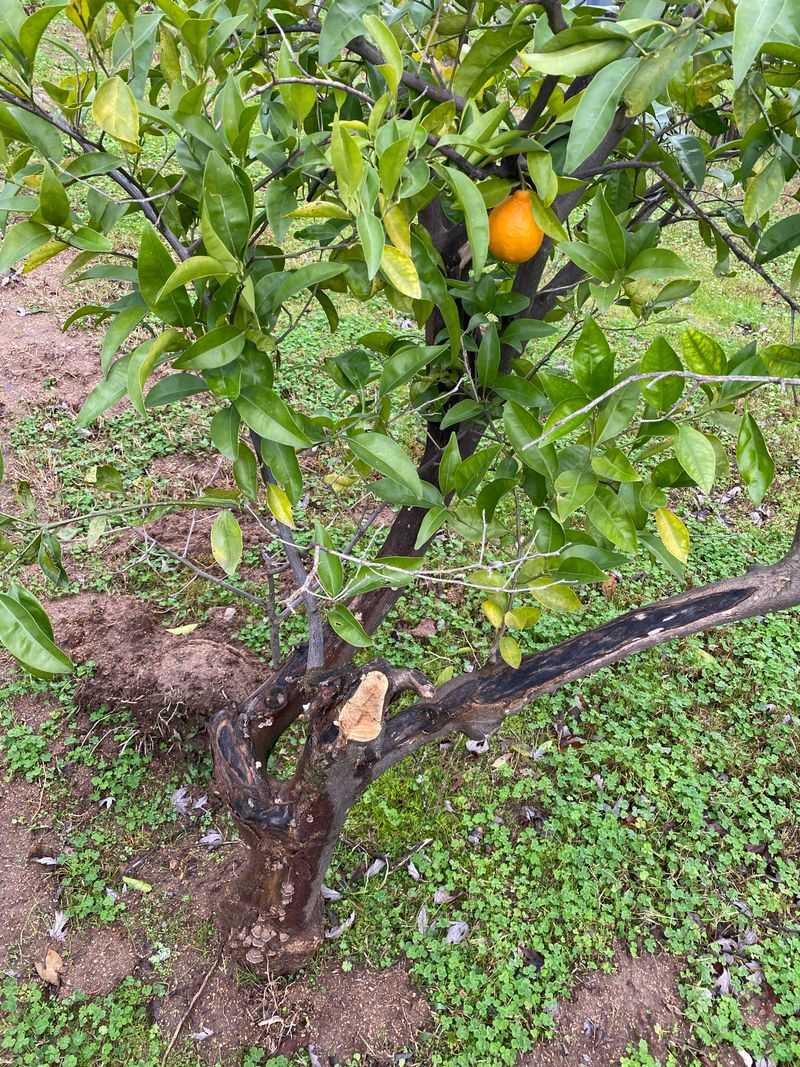
Waiting feels wrong when your tree looks terrible, but pruning too early is one of the biggest mistakes you can make after frost damage.
Those brown leaves and seemingly dead branches are actually protecting the tree right now, acting as insulation against any additional cold snaps that might come through.
California winters can be unpredictable. Even after a hard freeze, we often get more cold nights before spring truly arrives.
If you prune away damaged growth too soon and another freeze hits, you’ll expose tender new growth and healthy wood to even more damage.
The standard advice is to wait until late spring, typically April or May in most California regions, before doing any major pruning. By then, you’ll see exactly which branches are truly dead and which ones are pushing out new growth.
Dead wood stays brown and brittle, while living branches produce fresh green shoots.
During this waiting period, your tree is working hard beneath the surface. Roots are sending up sugars and nutrients, and the vascular system is rerouting resources to surviving branches.
Give the tree time to show you what it can save before you make any permanent cuts.
3. Remove Split Wood
Once late spring arrives and new growth clearly shows which branches survived, it’s finally time to prune. Start by removing any wood that’s completely dead, which you can identify by scratching the bark gently with your fingernail.
Living tissue underneath will be green or cream-colored, while dead wood shows brown all the way through.
Pay special attention to branches with split bark. When water inside the wood freezes and expands, it can crack the bark open, creating entry points for disease and pests.
These splits won’t heal properly, so it’s best to cut back to healthy wood below the damage. Make your cuts at a slight angle just above a bud or branch junction.
Work slowly and step back frequently to look at the tree’s overall shape. You’re not trying to create a perfect form right now; you’re simply removing what’s truly dead and damaged.
Some gardeners get carried away and cut too much, leaving the tree struggling to produce enough leaves for photosynthesis.
Keep your tools clean between cuts, especially if you’re pruning multiple trees. A quick wipe with rubbing alcohol prevents spreading any diseases that might have entered through frost cracks.
4. Water Carefully, Not Excessively
Frost-damaged trees need water, but not as much as you might think. Many well-meaning gardeners flood their struggling citrus trees, believing extra water will speed recovery.
Unfortunately, this approach often does more harm than good, especially in California’s heavy clay soils where drainage can be poor.
A damaged tree has fewer leaves than usual, which means it’s transpiring less water through its foliage. The root system is also stressed and may have suffered some damage itself during the freeze.
When you overwater, the roots sit in soggy soil and can’t get the oxygen they need, leading to root rot on top of frost damage.
Instead, water deeply but infrequently. Stick your finger into the soil about four inches down near the drip line.
If it feels dry at that depth, it’s time to water. If it’s still moist, wait another day or two.
This approach encourages roots to grow deeper and stronger as they search for moisture.
Mulch helps tremendously during recovery. A three-inch layer of wood chips or compost around the base keeps soil moisture more consistent and protects roots from temperature swings.
Just keep the mulch a few inches away from the trunk itself.
5. Protect From Further Cold
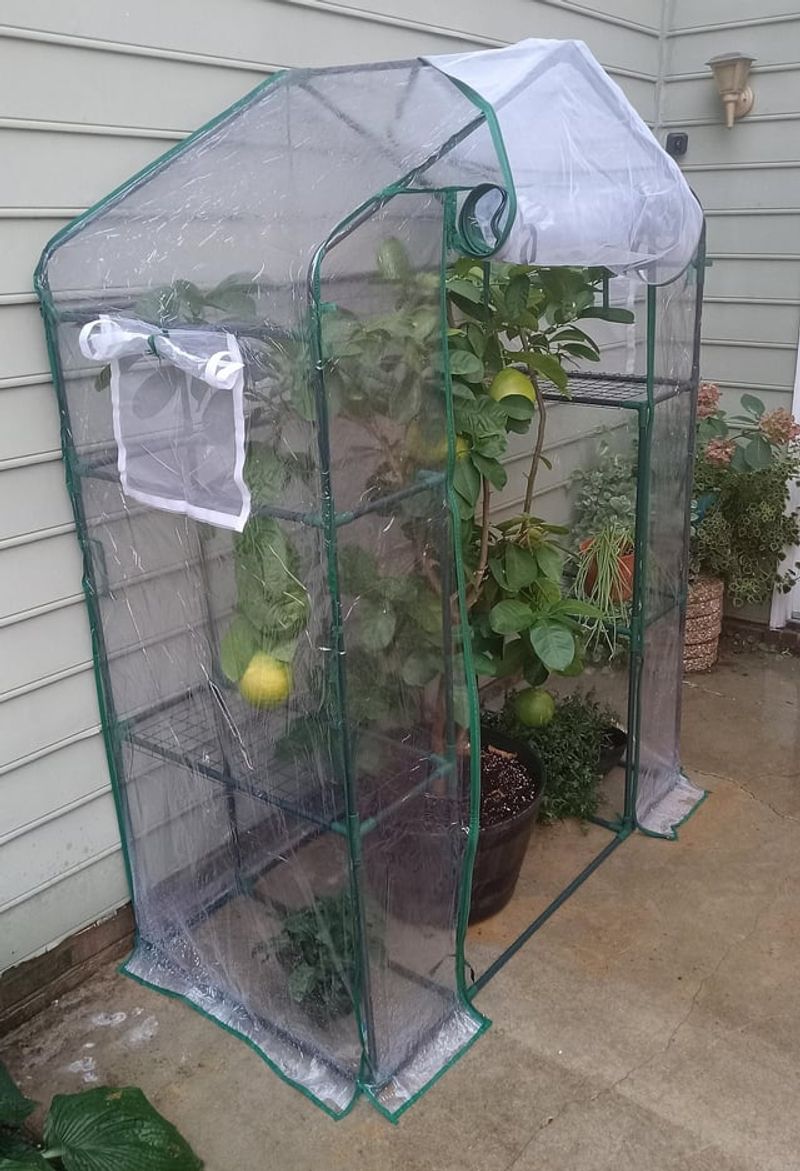
A tree that’s already been damaged by frost is more vulnerable to future cold events. Even a light freeze that wouldn’t normally harm a healthy citrus can set back a recovering tree significantly.
Protection becomes especially important if your area experiences multiple freezes in one winter, which happens more often than people expect in inland California valleys.
The simplest protection method is covering your tree with frost cloth on nights when temperatures are predicted to drop near or below freezing. Drape the fabric over the entire canopy and secure it at the base, creating a tent that traps heat rising from the soil.
Old bedsheets work in a pinch, but proper frost cloth breathes better and doesn’t hold moisture against the leaves.
For smaller trees, consider stringing outdoor holiday lights through the branches before covering. The old-fashioned incandescent bulbs generate a surprising amount of heat and can raise the temperature under the cover by several degrees.
LED lights don’t produce enough heat to help.
Remove covers during the day so the tree can photosynthesize and so moisture doesn’t build up. Leaving covers on too long creates a humid environment where fungal diseases thrive, adding another problem to an already stressed tree.
6. Feed Lightly To Encourage Recovery
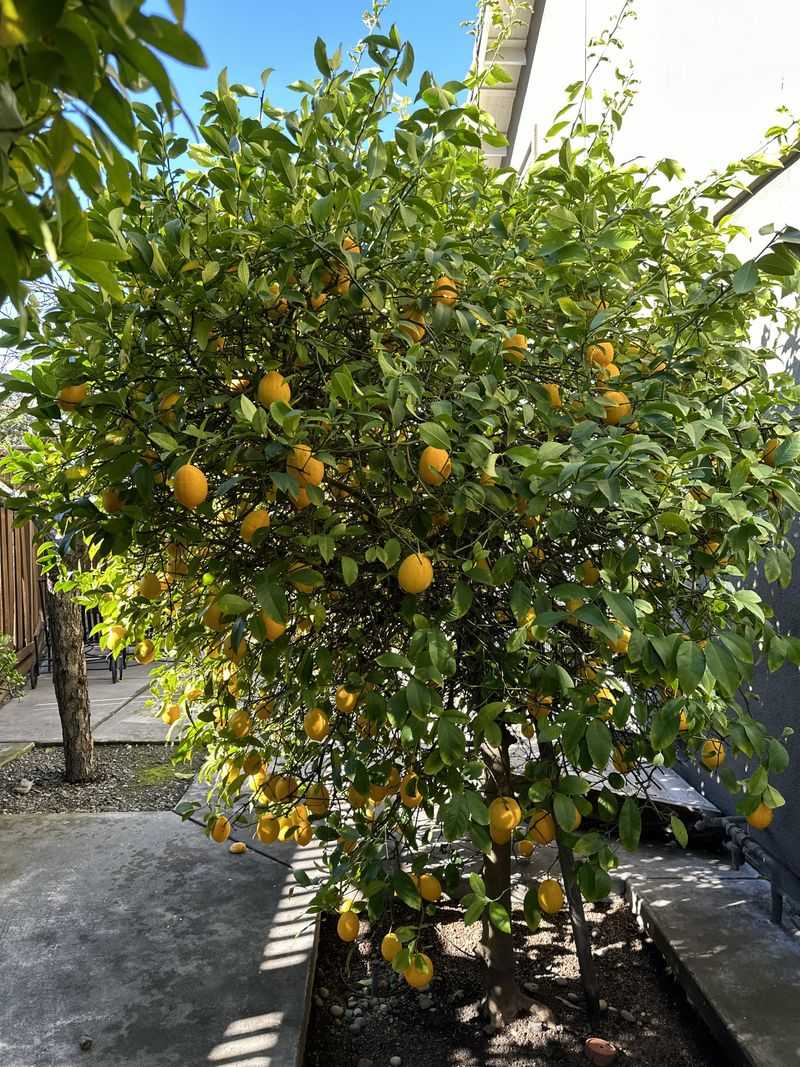
Nutrition plays a delicate role in frost recovery. Your tree needs nutrients to push out new growth and repair damaged tissue, but heavy feeding can actually stress a compromised root system.
The key is feeding lightly and at the right time, which for most California citrus means waiting until you see active new growth beginning.
Once new leaves start emerging, usually in late spring, apply a balanced citrus fertilizer at half the recommended strength. This gentler approach gives the tree nutrients without overwhelming roots that are still recovering.
Look for fertilizers with micronutrients like iron, zinc, and manganese, which citrus trees need for healthy leaf development.
Many California soils are alkaline, which can lock up these micronutrients even when they’re present. If new leaves come in yellow with green veins, that’s a sign of iron deficiency, common in our soils.
A chelated iron supplement applied to the soil or as a foliar spray helps green up that new growth quickly.
Avoid high-nitrogen fertilizers during recovery. While nitrogen promotes leafy growth, too much can push the tree to grow faster than its damaged root system can support.
Slow and steady wins this race, giving roots time to rebuild before the canopy expands significantly.
7. Be Patient — Recovery Takes Time
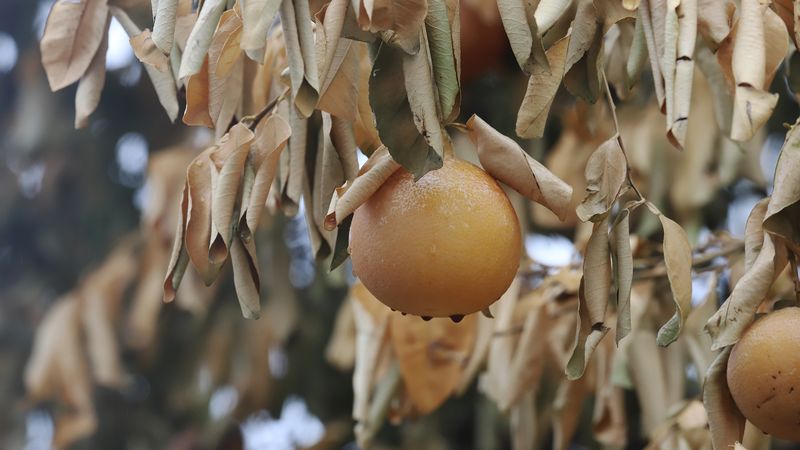
Perhaps the hardest part of helping a frost-damaged citrus recover is accepting that it’s going to take time, sometimes a full year or even two before the tree looks normal again.
California’s long growing season helps, but there’s no way to rush the natural healing process that’s happening inside the wood and roots.
You’ll see encouraging signs along the way. New shoots emerge from seemingly dead branches.
Leaves gradually fill in bare spots. Eventually, the tree might even set a few flowers, though it’s wise to remove those first blooms so the tree can focus energy on vegetative growth rather than fruit production.
Some trees bounce back quickly, especially younger ones with vigorous root systems. Older, more established trees often take longer but usually recover more completely because their extensive root systems provide plenty of stored energy.
The worst damage typically happens to trees that were already stressed before the freeze, whether from drought, poor nutrition, or pest problems.
Keep taking photos throughout the recovery period. When you’re seeing the tree every day, progress feels painfully slow, but comparing photos from month to month reveals just how much healing is actually happening.
That visual encouragement helps you maintain the patient, consistent care your tree needs.