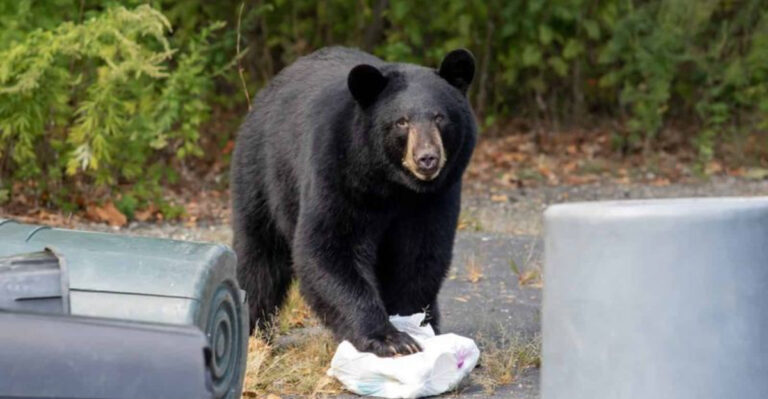
7 Steps To Take If A Black Bear Shows Up In Your Colorado Yard (And 4 Steps To Skip)

A calm Colorado morning turns on its head once a black bear strolls into your yard like it owns the deed.
One moment you admire the sunrise, and the next a hulking shadow noses through the trash with zero interest in your comfort zone.
Hearts race, minds whirl, and instincts clash as you try to make sense of the unexpected guest.
Bears remain a fact of life across the state, especially near mountains and forests, yet a close encounter in your own backyard still sends shock waves through even the steadiest nerves.
The right actions protect you, your family, and the bear itself—but a few common mistakes flip a manageable situation into serious trouble.
Before panic takes the wheel, a clear plan keeps everyone safe and sends the bear on its way without drama.
1. Stay Calm And Keep Your Distance
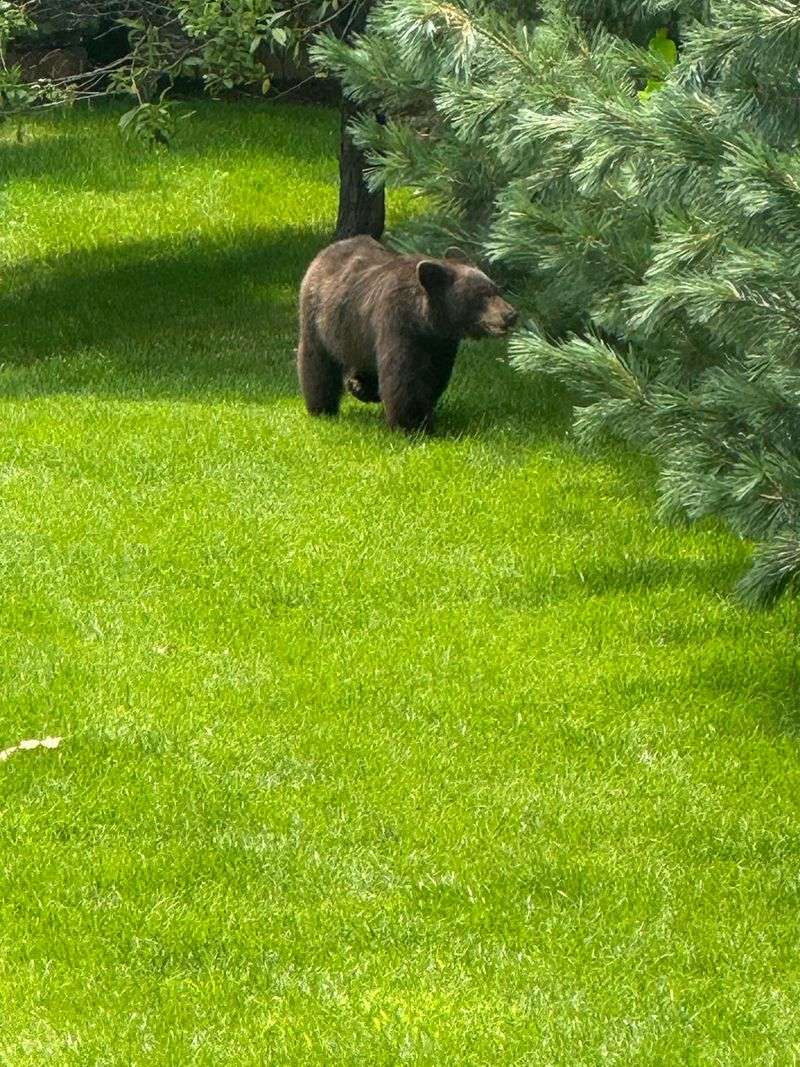
Bears can sense fear and panic, so your first job is to stay as calm as possible.
Take a deep breath and remind yourself that black bears are usually more afraid of you than you are of them.
Most bears will leave on their own if given space and time.
Never approach the bear to get a closer look or take a photo.
Even if the bear seems calm or distracted, it can react unpredictably if it feels threatened or cornered.
Maintain at least 100 feet of distance between you and the animal.
If you are outside, slowly back away without turning your back on the bear.
Move toward a building, car, or other safe shelter.
If you are already inside your home, stay there and watch from a window.
Do not go outside to investigate or shoo the bear away.
Keep children and pets indoors and away from windows and doors.
Your calm behavior sets the tone for everyone around you and reduces the chance of a dangerous situation.
Remember, patience is key.
Give the bear time and space to move along naturally.
2. Make Noise To Announce Your Presence
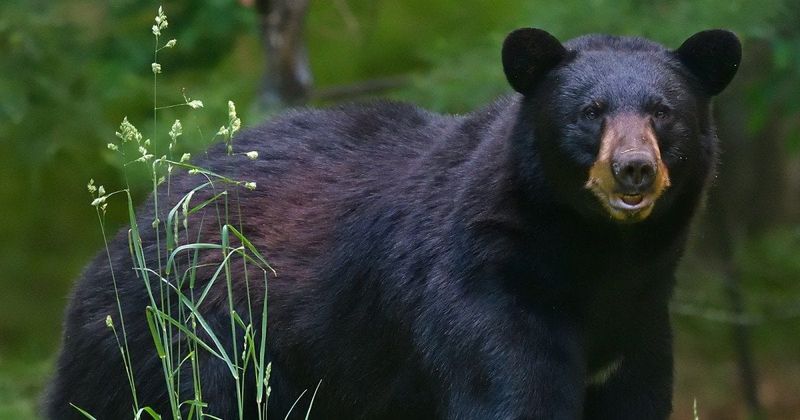
Once you are at a safe distance, it helps to let the bear know you are there.
Speak in a calm, firm voice.
Say things like “Hey bear” or “Go away, bear” in a steady tone.
Avoid yelling or screaming, which can startle the animal and cause it to react defensively.
You can also clap your hands or bang pots and pans together to create noise.
This alerts the bear to your presence without seeming aggressive.
Black bears prefer to avoid humans, so making noise often encourages them to leave.
If you are with others, have everyone make noise together.
The goal is to sound big and confident without being threatening.
Do not whistle or make high-pitched sounds, as these can confuse or attract the bear.
Keep your voice low and authoritative.
If the bear does not respond right away, continue making noise while maintaining your distance.
Sometimes it takes a few minutes for the bear to decide to move on.
Be patient and persistent, and avoid sudden movements that might alarm the animal.
3. Remove Food Sources And Attractants
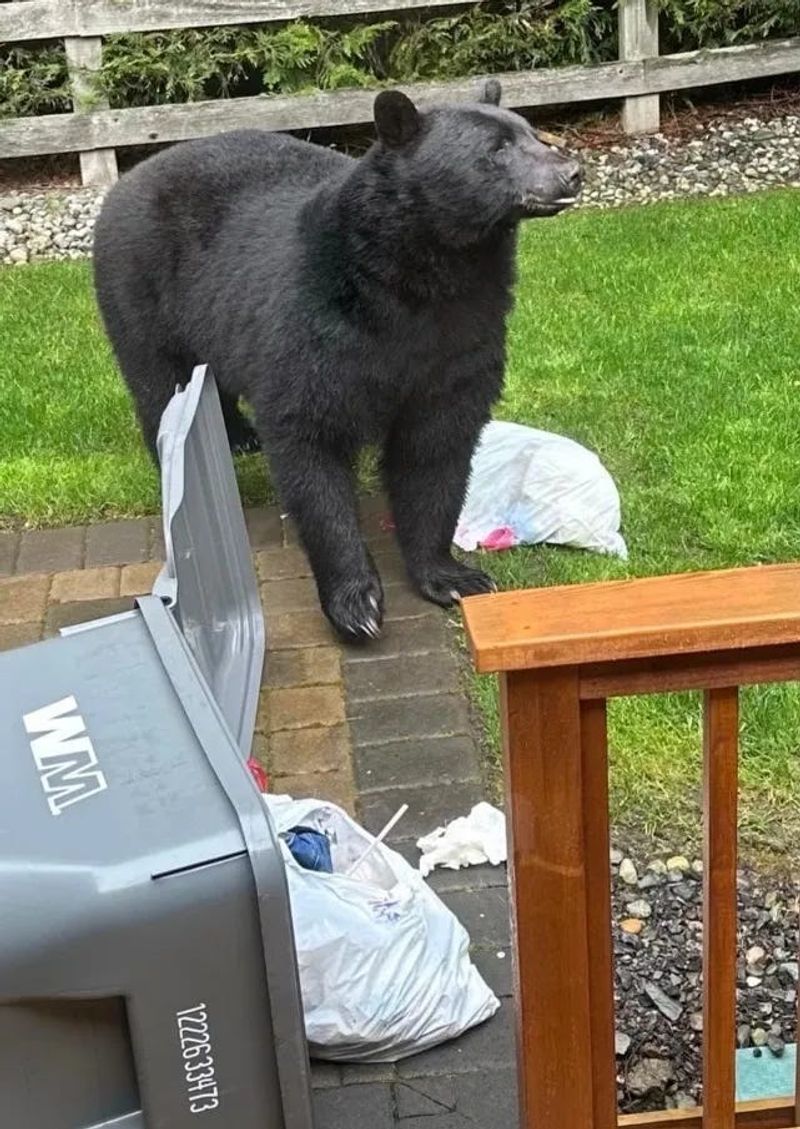
Black bears have an incredible sense of smell and can detect food from miles away.
If a bear is in your yard, it is probably looking for something to eat.
Common attractants include garbage, pet food, bird feeders, compost piles, and even barbecue grills.
Once the bear leaves, immediately secure or remove these items.
Store trash cans in a locked garage or shed until collection day.
If that is not possible, use bear-resistant containers or secure lids with bungee cords.
Bring pet food bowls inside and clean up any spilled kibble.
Take down bird feeders from April through November, when bears are most active.
Clean your grill after each use and store it indoors if possible.
Do not leave any scented items outside, including coolers, cans, or food wrappers.
Even seemingly harmless things like empty soda cans can attract bears.
By removing these temptations, you make your yard less appealing to future visitors.
This simple step protects both your property and the bears, who can become dependent on human food sources.
4. Secure Doors, Windows, And Garages
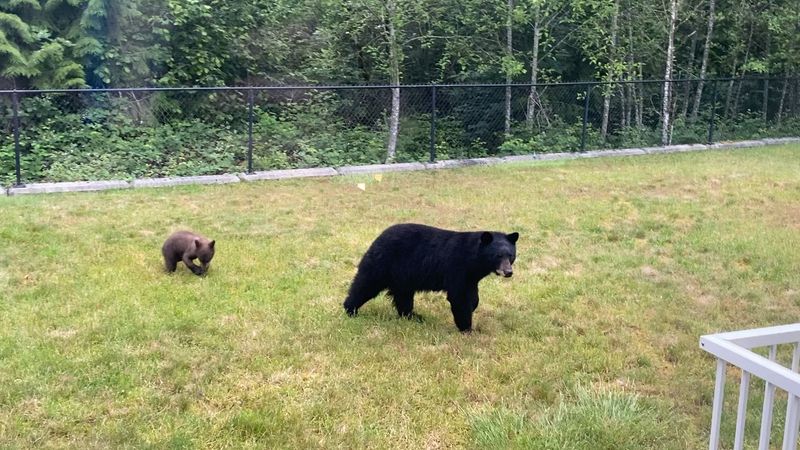
Bears are curious and surprisingly strong.
They can open unlocked doors, pry open windows, and even break through screens.
If a bear is in your yard, make sure all entry points to your home are secured.
Close and lock all doors and windows, even on upper floors.
Garage doors should be shut completely, as bears often wander into open garages looking for food.
If you have a screen door, close the solid door behind it.
Check sliding glass doors to ensure they are locked.
Do not leave any openings that might tempt a bear to investigate.
If you have pets, bring them inside immediately.
Dogs can provoke bears, and cats are vulnerable to attacks.
Keep everyone indoors until the bear has left the area completely.
Even after the bear moves on, continue to secure your home at night and during early morning hours when bears are most active.
Prevention is the best strategy.
A locked home is a safe home, and it keeps bears from becoming comfortable around human spaces.
5. Contact Colorado Parks And Wildlife
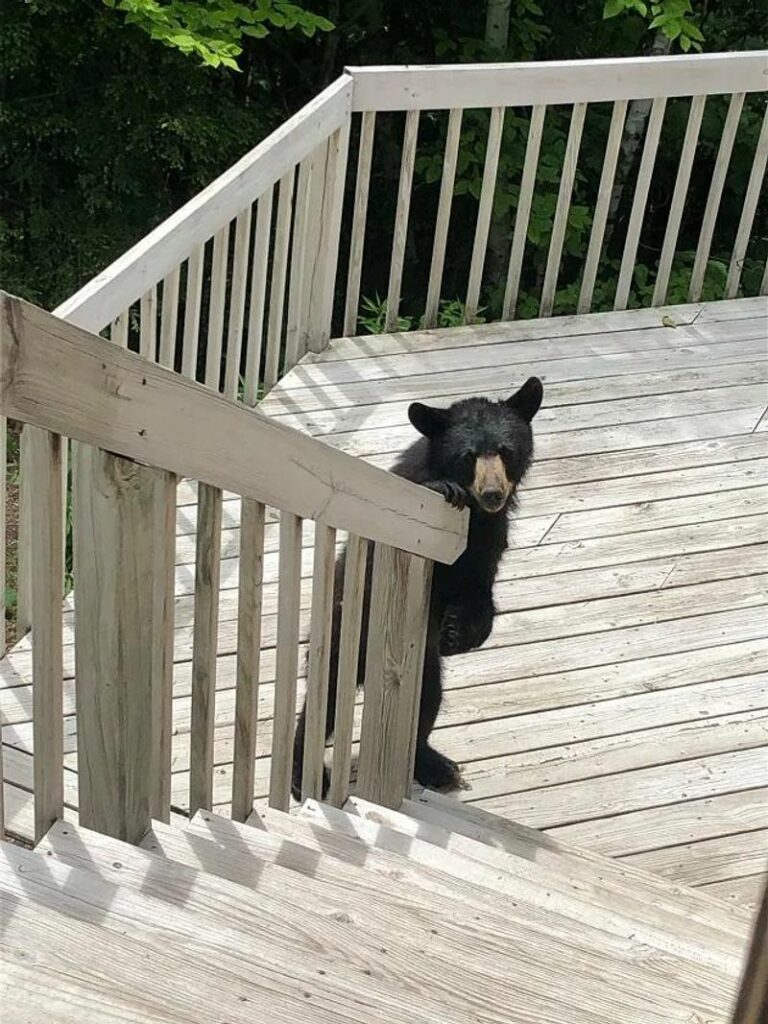
If a bear repeatedly visits your yard or behaves aggressively, you should report it to Colorado Parks and Wildlife.
They have trained officers who specialize in managing bear encounters and can provide guidance.
You can reach them by calling their main hotline or contacting your local office.
Provide as much detail as possible, including the time of day, the bear’s size and behavior, and what it was doing in your yard.
Officers may set traps, relocate the bear, or offer advice on how to discourage future visits.
Do not try to trap or relocate the bear yourself.
This is dangerous and illegal without proper permits.
Colorado law protects black bears, and only authorized personnel can handle them.
If the bear is causing immediate danger, call 911 first, then follow up with wildlife officials.
Keep a record of each encounter, including photos or videos if safe to do so.
This information helps authorities track bear activity in your area.
Community cooperation is essential for managing bear populations and keeping neighborhoods safe.
Your report could prevent future conflicts and protect both people and wildlife.
6. Educate Your Neighbors And Community
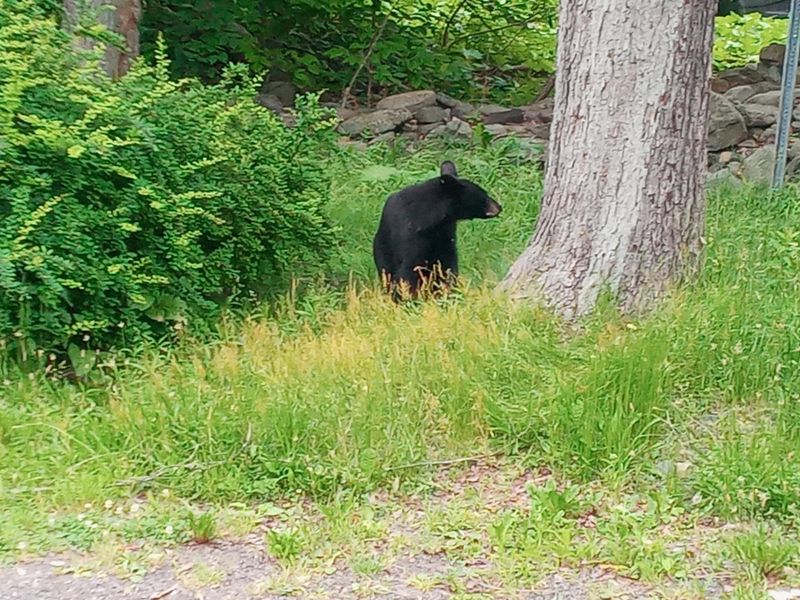
Bear encounters are not just your problem; they affect the entire neighborhood.
Sharing information with your neighbors can help everyone stay safe and prevent future visits.
Talk to the people on your street about bear-proofing their yards and securing attractants.
If one home leaves trash out, it can draw bears into the entire area.
Consider organizing a community meeting or creating a neighborhood group chat to share tips and sightings.
Many Colorado communities have local bear awareness programs that provide free resources and education.
You can also print and distribute flyers with basic safety information.
Encourage your neighbors to invest in bear-resistant trash cans and to remove bird feeders during active bear season.
When everyone works together, bear visits decrease significantly.
Children should also be taught what to do if they see a bear.
Teach them to stay calm, back away slowly, and tell an adult immediately.
Education is one of the most powerful tools for coexisting peacefully with wildlife.
The more informed your community is, the safer everyone will be.
7. Install Motion-Activated Lights And Alarms
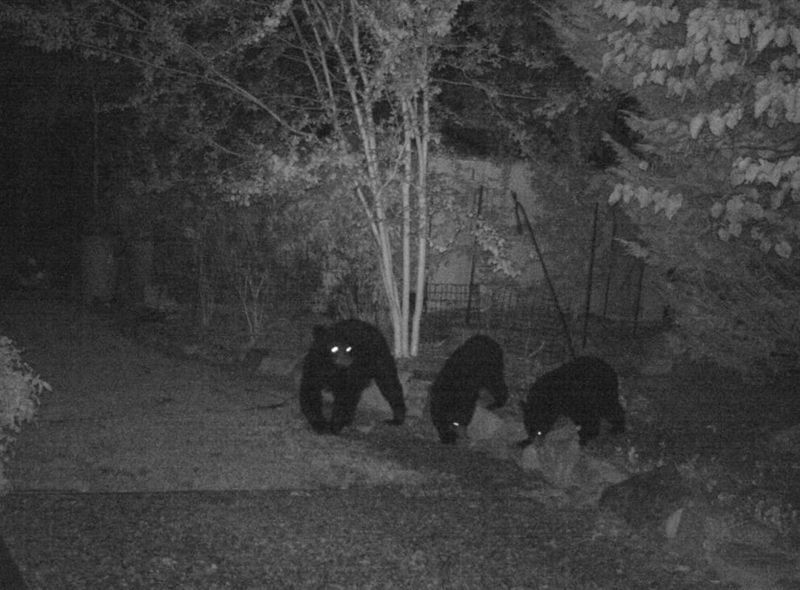
Bears typically visit yards at night or in the early morning when it is dark and quiet.
Motion-activated lights can startle them and discourage repeat visits.
These lights turn on automatically when they detect movement, making your yard less appealing to bears.
Install them near trash cans, garages, and other areas where bears might be attracted.
You can also use motion-activated alarms that emit loud sounds or flashing lights.
These devices are effective and do not harm the bear.
Some homeowners use electric fencing around gardens, chicken coops, or beehives to keep bears away.
This type of fencing delivers a mild shock that teaches bears to avoid the area without causing injury.
Always follow local regulations when installing deterrents.
Combining multiple strategies works best.
Lights, alarms, and fencing create layers of protection that make your property less inviting.
Remember to maintain your devices regularly to ensure they work properly.
Over time, these simple tools can significantly reduce bear encounters and give you peace of mind.
8. Skip Feeding The Bear
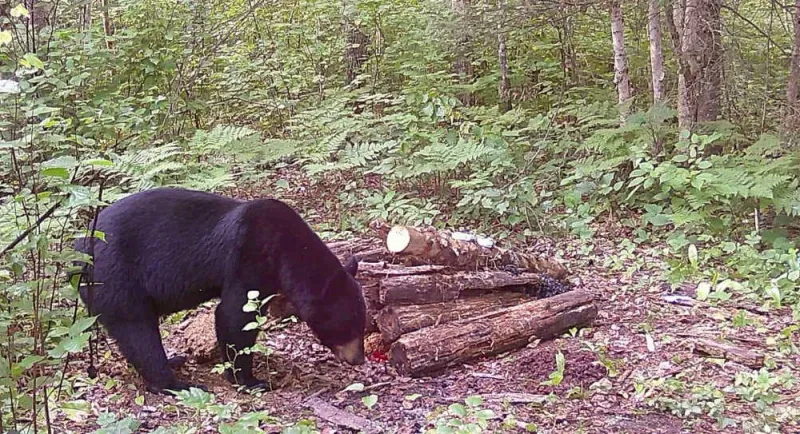
It might seem kind or interesting to offer food to a bear, but this is one of the worst things you can do.
Feeding bears teaches them to associate humans with food, which leads to dangerous behavior.
Once a bear becomes comfortable approaching people for meals, it loses its natural fear and becomes a safety risk.
These bears often have to be trapped and relocated, and in some cases, they cannot be saved.
Never leave food outside intentionally for bears, and do not throw scraps into your yard.
Even small amounts of food can create a habit.
If you see neighbors feeding bears, politely educate them about the risks.
Some people think it is harmless, but it puts the entire community in danger.
Colorado law makes it illegal to feed bears or other wildlife.
Violators can face fines and other penalties.
The phrase “a fed bear is a bear in trouble” exists for a reason.
Bears that rely on human food often become aggressive and lose their ability to survive in the wild.
Respect wildlife by keeping your distance and never offering food.
9. Skip Running Away

When you see a bear, your instinct might be to run as fast as you can.
However, running can trigger a chase response in the bear, even if it had no intention of approaching you.
Bears can run up to 30 miles per hour, much faster than any human.
Instead of running, back away slowly while facing the bear.
Move calmly and deliberately toward safety.
If a black bear attacks, you should fight back aggressively.
Use rocks, sticks, or your fists to defend yourself.
Aim for the bear’s nose and eyes.
Fortunately, black bear attacks are extremely rare, especially in residential areas.
Most encounters end peacefully if you remain calm and give the bear space.
Avoid making sudden movements or loud noises that might startle the animal.
Your goal is to appear non-threatening while slowly increasing the distance between you and the bear.
Stay alert and focused until you reach a safe location.
10. Skip Approaching For Photos Or Videos
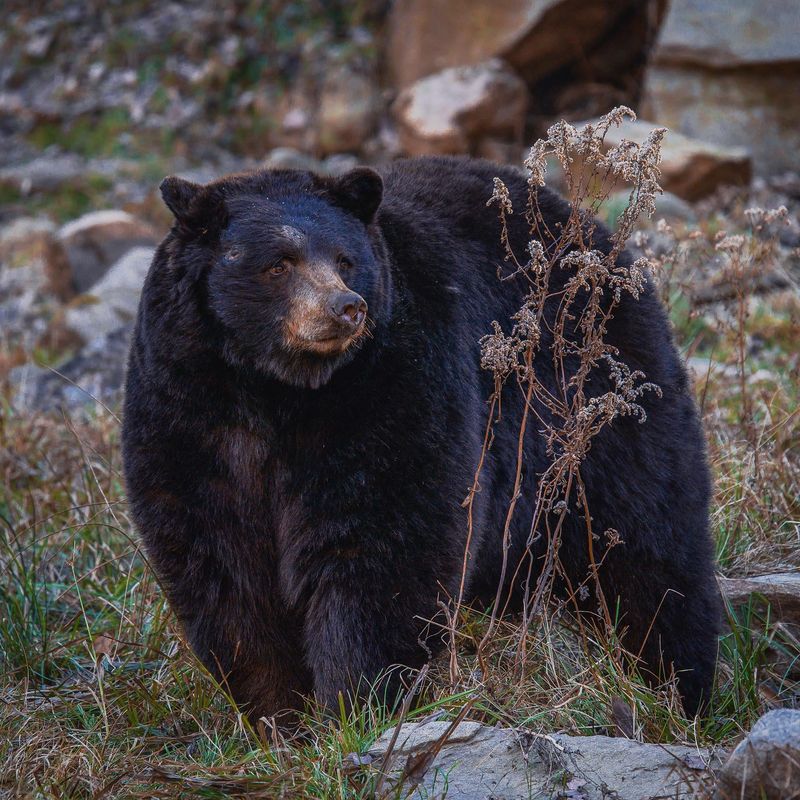
In the age of social media, it is tempting to capture every moment, including a bear sighting.
However, approaching a bear for a photo or video is extremely dangerous and disrespectful to the animal.
Bears need personal space just like humans do.
Getting too close can make them feel threatened, which may cause them to charge or attack.
Even if the bear seems calm or distracted, it can react in an instant.
Many people have been injured or worse because they prioritized a picture over their safety.
If you want to document the encounter, use a zoom lens or take photos from inside your home.
Never walk toward the bear or try to get it to pose.
Do not send children or pets closer for a better shot.
Your safety and the bear’s well-being are far more important than any photograph.
Colorado wildlife officials regularly warn against this behavior, yet it remains a common problem.
Respect the bear by keeping your distance and observing from afar.
You can still share your experience with others without putting yourself or the animal at risk.
11. Skip Using Weapons Or Harmful Deterrents

Some people think the best way to handle a bear is to grab a gun, knife, or other weapon.
However, using lethal force should be an absolute last resort and is only justified if your life is in immediate danger.
Black bears are protected by Colorado law, and harming one without cause can result in serious legal consequences.
In most cases, bears are simply passing through and pose no real threat.
Using weapons can escalate the situation and put you and others at greater risk.
Bear spray is a much safer and more effective option if you feel you need protection.
It temporarily disables the bear without causing permanent harm.
Keep bear spray accessible if you live in bear country, but only use it if the bear is charging or acting aggressively.
Do not spray it randomly or use it as a deterrent from a distance.
Other harmful deterrents, like poison or traps, are illegal and cruel.
They can also harm pets, children, and other wildlife.
Focus on prevention and non-lethal methods to manage bear encounters.
Respect for wildlife and the law should guide your actions.