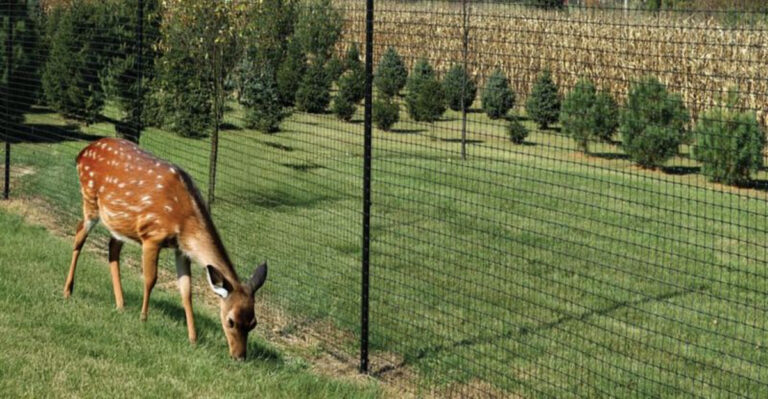
Steps To Take If A Deer Shows Up In Your Virginia Yard And What To Avoid
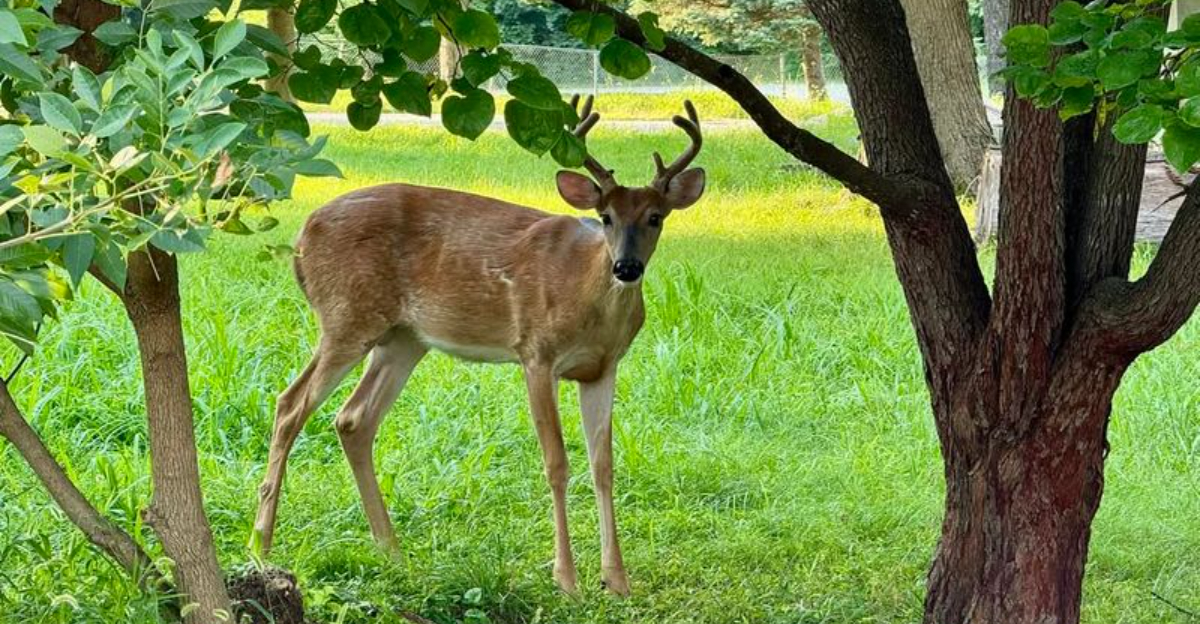
A deer wandering into a Virginia yard can turn an ordinary moment into something straight out of a nature scene.
One second the yard feels calm, and the next a graceful visitor stands among the trees as if it owns the place.
Deer move with quiet steps and sharp instincts, and a single wrong move from a homeowner can send the animal running or reacting in ways no one expects.
These encounters call for a cool head and a steady approach, because keeping the peace protects both you and the deer.
A calm yard gives the animal space to breathe, think, and find its way back to familiar ground.
Small choices make a big difference, from staying inside to avoiding loud reactions.
With a bit of patience and common sense, you can guide the moment safely and avoid turning a peaceful visit into a chaotic scramble.
The right steps keep everyone out of harm’s way.
1. Stay Calm And Keep Your Distance
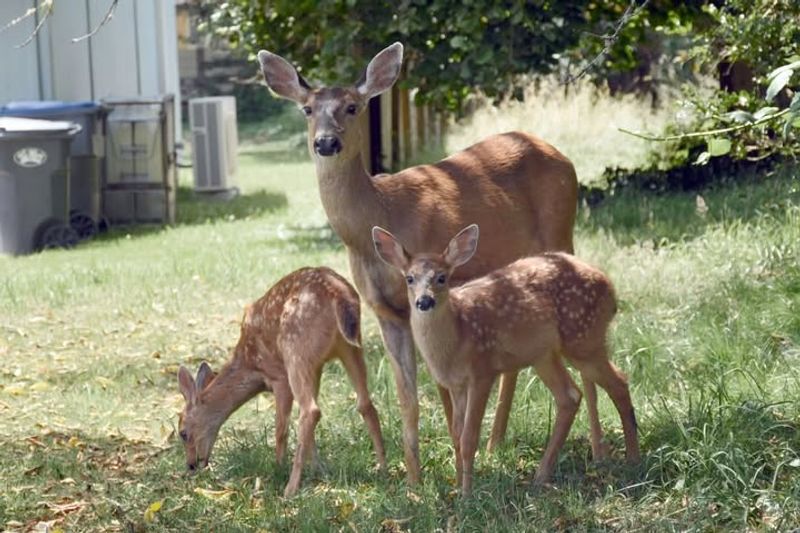
Picture this: you glance out your kitchen window and there’s a deer standing right there in your Virginia backyard.
Your heart might race with excitement, but the best thing you can do is take a deep breath and resist the urge to rush outside for a closer look.
Deer have incredible hearing and can sense sudden movements, which might startle them into unpredictable behavior.
Maintaining at least 50 feet of distance is the golden rule when dealing with deer in residential areas throughout Virginia.
These animals might seem comfortable around humans, especially in suburban communities where they’ve adapted to neighborhood life, but they’re still wild creatures with strong instincts.
Getting too close can trigger their fight-or-flight response, and a frightened deer might bolt in any direction, including toward you, your car, or through a window.
If you’re already outside when the deer appears, slowly back away without making direct eye contact, which the animal might interpret as a threat.
Keep your movements smooth and predictable.
Sudden gestures or quick steps can cause panic.
Remember that deer are especially unpredictable during certain seasons.
In fall, bucks become more aggressive during mating season, while does with fawns in spring and early summer can be protective.
Virginia residents should always prioritize safety over getting that perfect photo or video.
The deer will likely move along on its own once it feels comfortable, so patience truly is your best strategy during these backyard encounters.
2. Give The Deer A Clear Escape Route
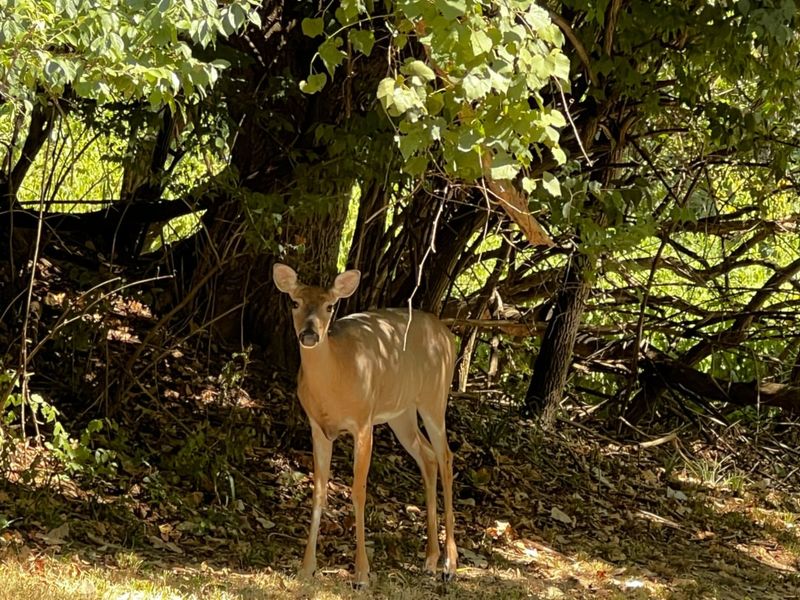
One of the biggest mistakes people make when they find a deer in their yard is accidentally trapping it.
Deer naturally want to return to wooded areas or open spaces where they feel secure, but fences, walls, and closed gates can block their path.
When a deer feels cornered, stress levels skyrocket, and that’s when unpredictable behavior happens.
Walk around your Virginia property and identify potential exit points before approaching the situation.
If you have a fenced yard, open gates on the side that leads toward natural areas, parks, or greenways.
Many Virginia neighborhoods back up to wooded corridors that deer use as travel routes, so directing them toward these familiar paths makes sense.
Avoid positioning yourself between the deer and its most obvious escape route, this creates a barrier that increases the animal’s anxiety.
Sometimes deer wander into garages, covered patios, or other enclosed spaces while exploring.
If this happens on your property, prop open all doors and windows, then leave the area completely.
Deer are smart enough to find their way out once they realize an exit exists and no threat is present.
In urban and suburban parts of Virginia like Arlington, Richmond, or Virginia Beach, deer have learned to navigate human spaces but still rely on their instincts.
Creating an obvious, unobstructed path to safety helps the animal leave quickly and calmly.
Don’t try to herd or guide the deer, just remove obstacles and give it space to make its own choice about where to go next.
3. Secure Pets Indoors
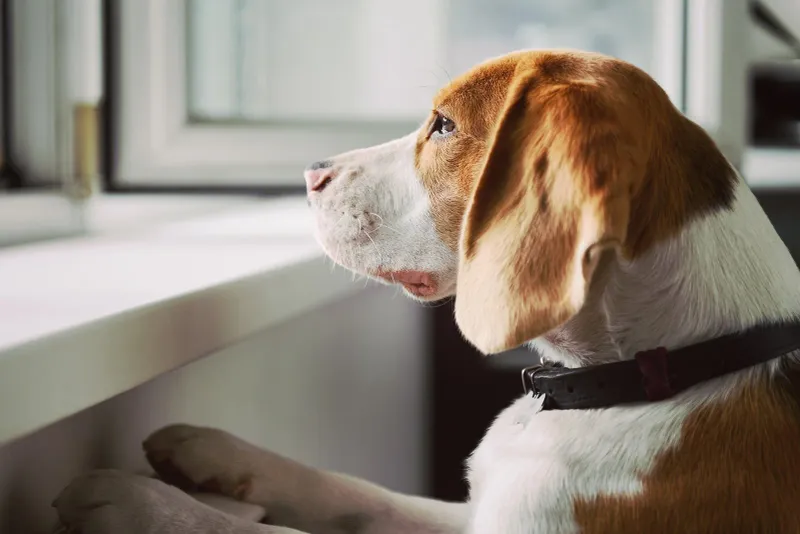
Your dog might think that deer in the yard is the most exciting thing that’s happened all week, but letting pets outside during a deer encounter is a recipe for trouble.
Dogs naturally want to chase wildlife, and even the friendliest, most well-trained pup can’t always resist the temptation when a deer is right there in their territory.
Deer are surprisingly powerful animals, and they won’t hesitate to defend themselves if they feel threatened by a barking, charging dog.
Across Virginia, veterinarians regularly treat dogs who’ve been injured during encounters with deer.
A deer’s sharp hooves can cause serious harm, and bucks with antlers pose an even greater risk during certain times of year.
Beyond physical injuries, the stress of a chase can cause deer to crash through fences, into roads, or into other dangerous situations.
Your pet could also end up in traffic or lost if they chase the deer away from your property.
Cats should also stay inside during deer visits, though they’re typically less interested in confrontation.
However, a startled deer might accidentally step on or collide with a cat that’s lounging in the yard.
Call your pets inside immediately when you spot a deer, even if they’re normally allowed to roam your Virginia yard freely.
Keep them entertained with toys or treats near a window where they can watch the wildlife safely.
This protects both your beloved pet and the visiting deer, preventing injuries and unnecessary stress for everyone involved.
Once the deer moves along and is completely out of sight, you can let your pets back outside to resume their normal activities.
4. Observe Quietly From Indoors
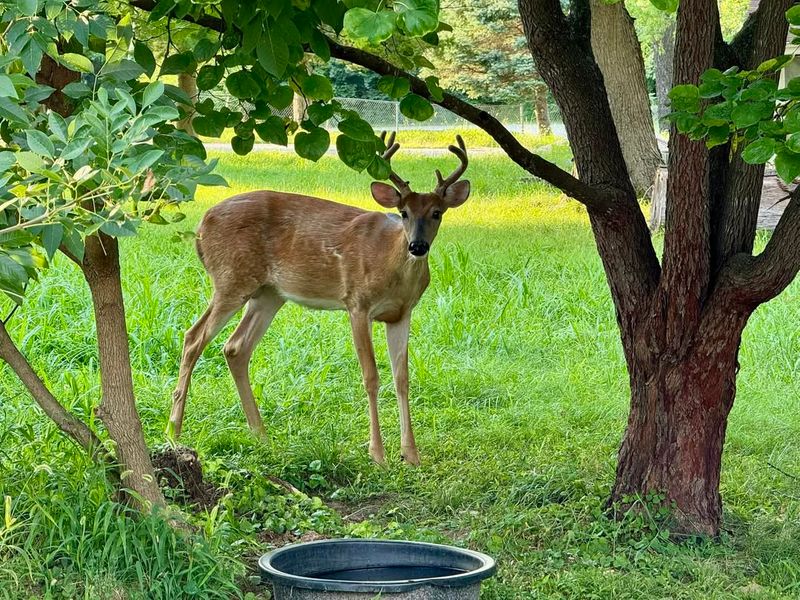
When a deer steps into your Virginia yard, the best first move is to watch from indoors and give the animal room to breathe.
A calm setting helps the deer stay relaxed and reduces the chance of sudden flight or injury.
Deer often wander into neighborhoods out of curiosity, hunger, or after being spooked by noise, dogs, or traffic.
Observing from a window or screened porch allows you to understand the deer’s behavior without becoming part of the scene.
This distance protects both you and the animal, since deer can react unpredictably to human presence.
Remaining inside also prevents the deer from associating people with danger or attention, which helps it move on naturally.
By staying out of sight, you allow the deer to assess its surroundings, find an escape path, and leave without feeling cornered.
Quiet observation helps maintain balance between wildlife and residential spaces, keeping both safe while letting the animal continue its journey with as little stress as possible.
5. Do Not Approach Or Try To Touch The Deer
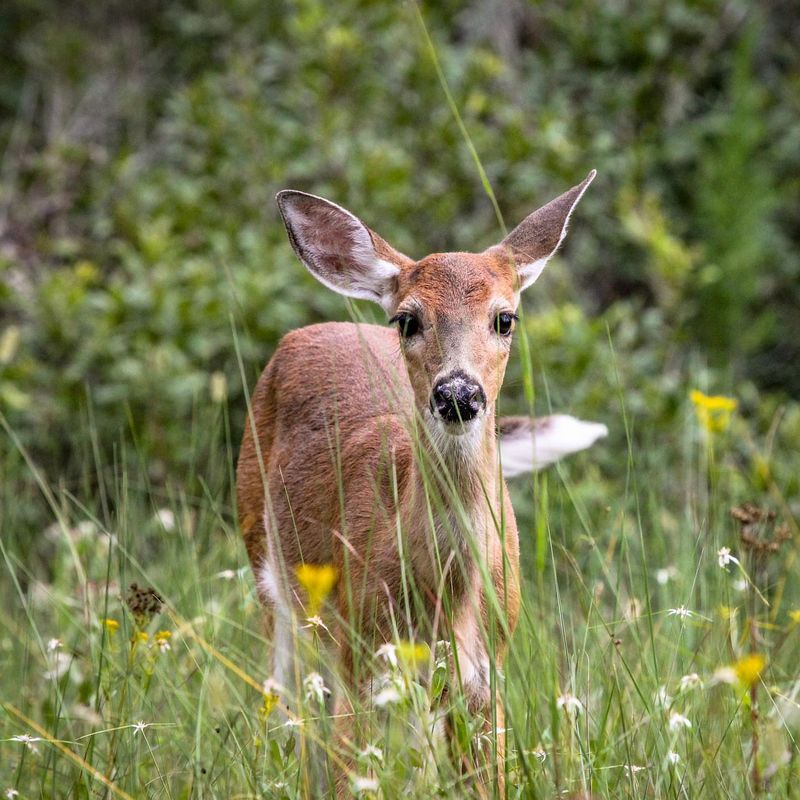
A deer in your yard may look gentle, but approaching it creates a risky situation for both sides.
Deer are highly alert animals with strong survival instincts, and any movement toward them can trigger a powerful defensive response.
Even a small deer can kick, charge, or bolt into obstacles if it feels threatened.
Touching a deer is even more dangerous, as close contact removes all sense of personal space the animal needs to stay calm.
Many people underestimate how quickly a deer can react or how sharp its hooves can be.
Approaching can also stress the deer to the point of exhaustion, especially if it becomes trapped or confused in a fenced area.
Staying back gives the deer time to settle and find its way out.
Wild animals need distance to feel safe, and when you give them that space, the encounter ends more peacefully.
Avoiding physical contact protects your safety, prevents property damage from a panicked escape, and ensures the deer does not develop harmful associations with humans.
6. Do Not Offer Food
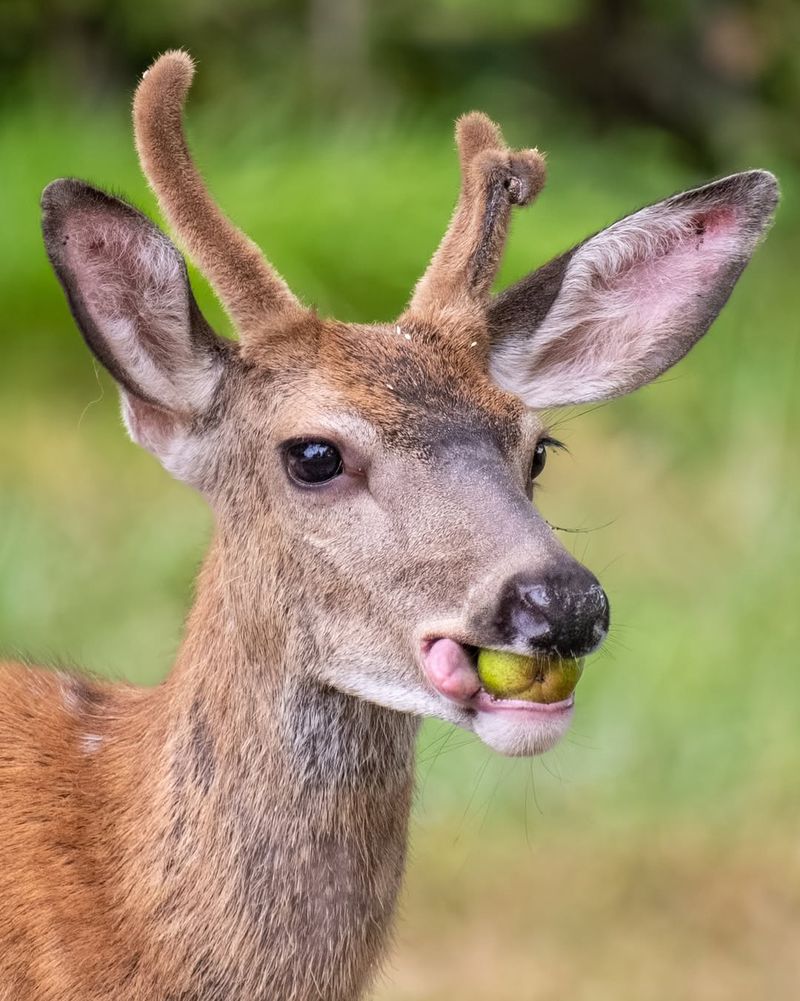
Feeding a deer might seem kind, but it creates a chain of problems that affect you, your neighbors, and the deer itself.
When deer learn that yards provide easy meals, they return again and again, losing their natural caution.
This encourages dependency and increases the risk of conflicts with pets, gardens, and vehicles.
Human-provided food also disrupts the deer’s digestion, since many items common in yards are not part of a natural diet and can cause illness.
Feeding deer can attract entire groups, multiplying the risk of accidents and spreading disease among wildlife.
It also disrupts the natural balance by drawing deer out of their usual habitat and closer to neighborhoods that weren’t built for frequent visits.
In Virginia, feeding deer often leads to long-term behavior changes that are difficult to undo.
The best approach is to keep deer wild by allowing them to forage on their own and move freely without depending on human help.
Avoiding food handouts protects local ecosystems and keeps both people and wildlife safe.
7. Do Not Chase Or Yell
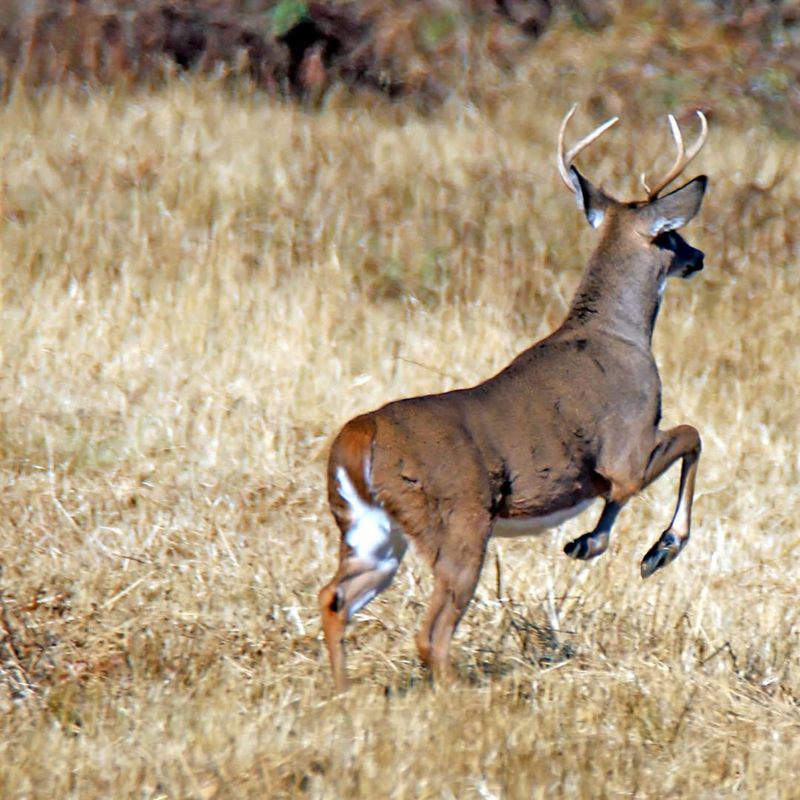
Chasing or yelling at a deer may seem like a quick way to send it on its way, but it can trigger dangerous reactions.
Deer respond to sudden noise or motion with instinctive flight, often running without awareness of obstacles such as fences, sheds, or vehicles.
This panic can lead to injuries for the deer and significant property damage.
Yelling can also escalate the animal’s fear, making it unpredictable or causing it to behave defensively if cornered.
A calm environment helps the deer think clearly and find an exit on its own.
When you raise your voice or move aggressively, you remove that sense of safety and increase the chance of a chaotic escape.
Chasing also puts you at risk, as a frightened deer can abruptly change direction or lash out.
Allowing the deer to leave at its own pace keeps the situation controlled and respectful.
Maintaining calm preserves the natural flow of wildlife passing through your property and protects the well-being of everyone involved.