Steps To Take If Wild Turkeys Appear In Your Massachusetts Neighborhoods
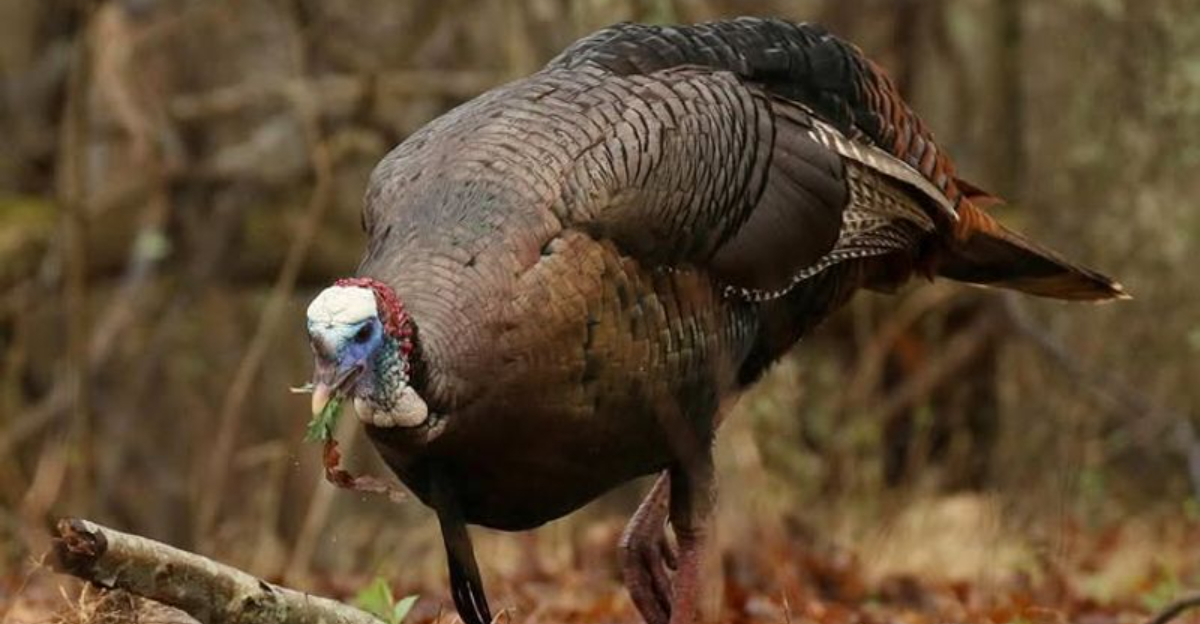
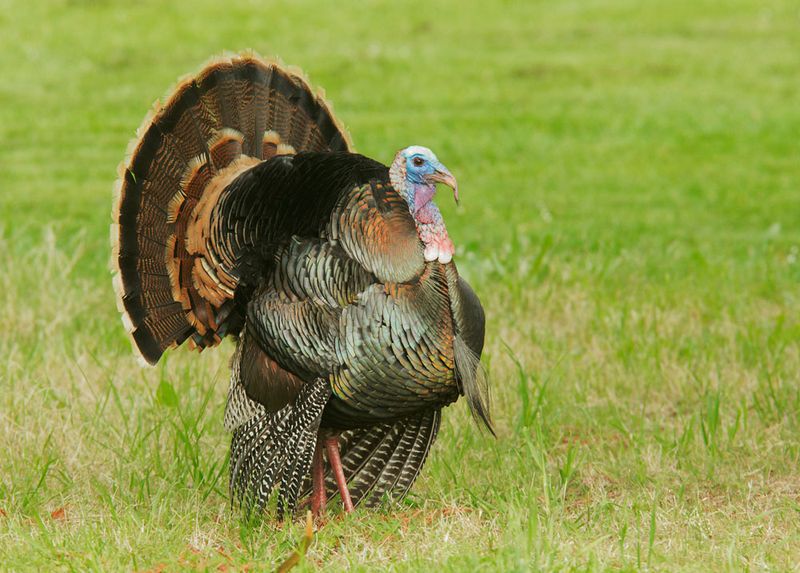
Seeing wild turkeys strolling through a Massachusetts neighborhood can feel like something out of left field.
One minute the street is quiet, and the next a small flock is strutting across lawns as if they own the place.
These birds have made a strong comeback in recent years, and they are no longer shy about sharing space with people.
While turkeys may look calm, they are still wild animals with strong instincts.
During certain times of year, especially spring and fall, their behavior can shift quickly.
Feeding them or getting too close can stir up trouble faster than expected.
Understanding how to react keeps small situations from turning into bigger headaches.
When turkeys settle into a neighborhood, routines matter.
Trash placement, pet safety, and outdoor habits all play a role in how long they stick around.
A few smart adjustments can send a clear message without causing harm.
Like drawing a line in the sand, calm and consistent actions help set boundaries.
Knowing the right steps protects both residents and wildlife.
With the right approach, Massachusetts neighborhoods can coexist with these unexpected visitors while keeping everyone safe and stress free.
1. Keep Your Distance And Observe From Afar
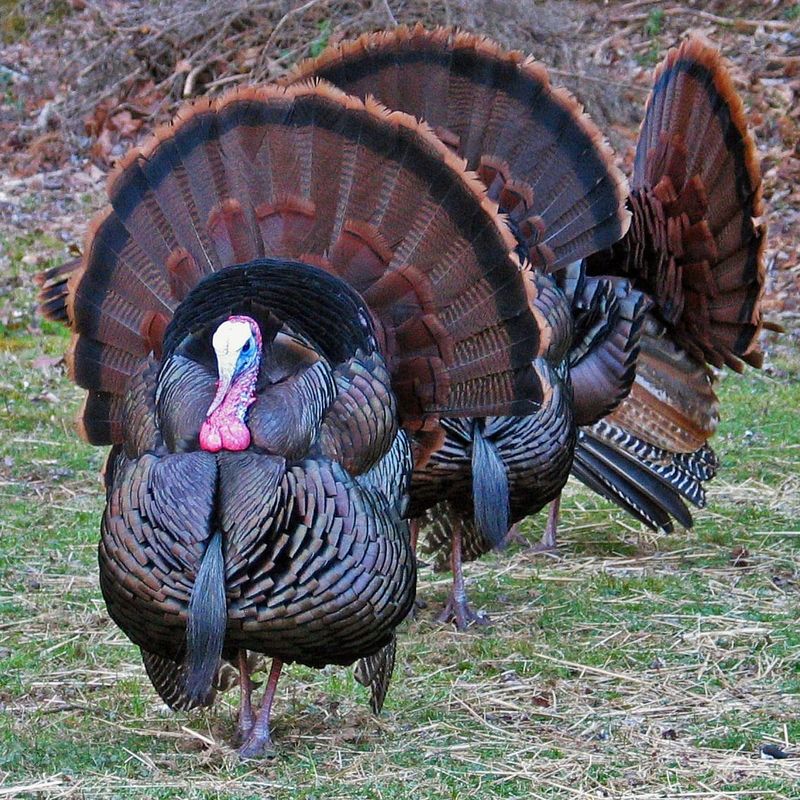
Respecting personal space isn’t just good manners between people, it applies to wildlife too.
When you spot wild turkeys wandering through your Massachusetts neighborhood, your first instinct might be to get closer for a better look or snap a photo, but maintaining a safe distance is crucial for everyone’s safety.
Turkeys have excellent vision and can spot movement from far away, so they’re already aware of your presence even if you think you’re being sneaky.
Getting too close can stress the birds and may trigger defensive behaviors, especially during breeding season in spring when male turkeys become more territorial.
A good rule of thumb is to stay at least 15 to 20 feet away from any wild turkey you encounter.
If you’re indoors, watching from a window is the perfect way to observe these birds without causing them any alarm.
Many Massachusetts residents have discovered that turkeys make for great wildlife watching opportunities right from the comfort of their living rooms.
You can still enjoy their interesting behaviors and take photos using a zoom lens or binoculars without putting yourself at risk.
Remember that wild turkeys are not domesticated animals, and their behavior can be unpredictable.
Even though they might look calm and unbothered by human presence, they can quickly become agitated if they feel cornered or threatened.
Teaching children in your household about maintaining distance from wildlife is equally important, as kids might be tempted to chase or try to pet these birds.
By keeping your distance, you’re helping turkeys remain wild and wary of humans, which ultimately keeps both species safer in shared spaces throughout Massachusetts neighborhoods.
2. Never Feed The Turkeys Under Any Circumstances
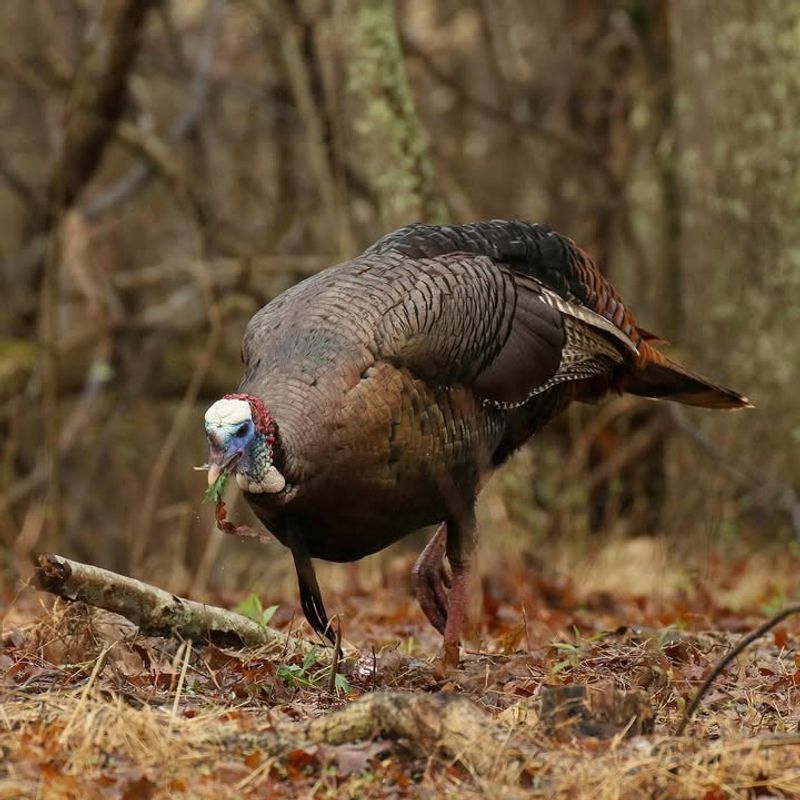
Feeding wild turkeys might seem like a kind gesture, but it’s actually one of the worst things you can do for these birds and your community.
When turkeys receive food from humans, they quickly lose their natural fear of people and begin to associate neighborhoods with easy meals.
This behavioral change creates what wildlife experts call “food conditioning,” where animals become dependent on human handouts and start acting more boldly around people.
In Massachusetts, many aggressive turkey encounters have been traced back to birds that were previously fed by well-meaning residents who didn’t understand the consequences of their actions.
Turkeys that become accustomed to being fed will start approaching people expectantly, and when they don’t receive food, they may become aggressive or territorial.
These birds can block driveways, chase pedestrians, and even attack people they perceive as withholding food.
Additionally, human food isn’t nutritionally appropriate for turkeys and can lead to health problems that affect the entire flock.
Bread, crackers, and other processed foods that people often offer to wildlife lack the proteins, vitamins, and minerals that turkeys need to thrive in their natural environment.
Massachusetts wildlife officials strongly discourage feeding turkeys, and in some communities, there are actually ordinances that prohibit feeding wildlife altogether.
If you notice neighbors feeding turkeys in your area, politely educating them about the risks can help prevent future problems.
Turkeys are perfectly capable of finding their own food by foraging for seeds, berries, insects, and plants.
By allowing them to maintain their natural foraging behaviors, you’re helping ensure they remain healthy, wild, and appropriately cautious around humans.
This simple step of not feeding turkeys protects both the birds and the people who share neighborhoods with them across Massachusetts.
3. Make Yourself Appear Large And Intimidating
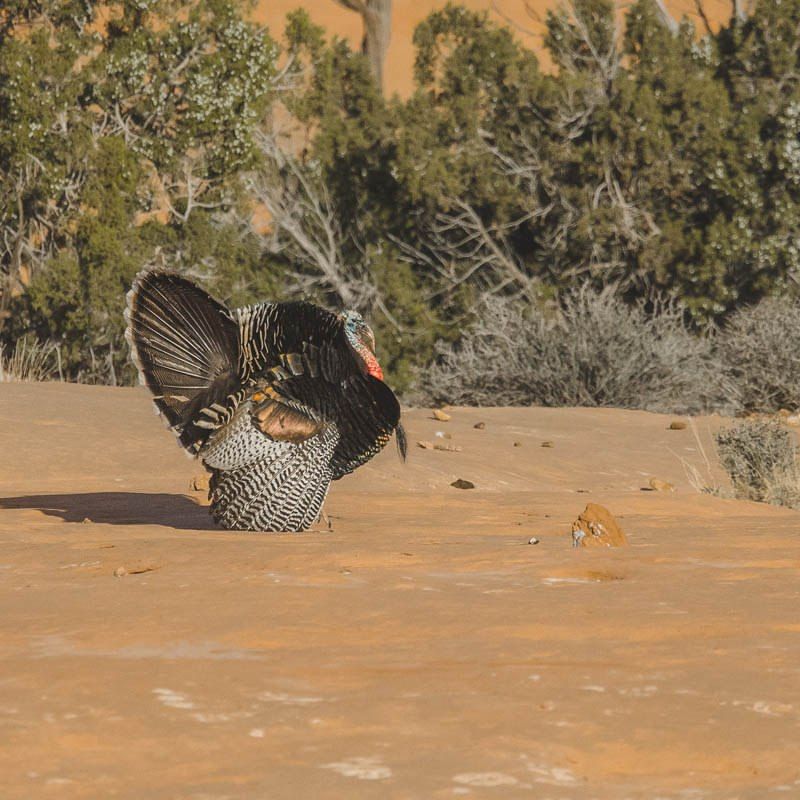
Sometimes wild turkeys in Massachusetts neighborhoods become a bit too bold and start approaching people in ways that feel uncomfortable or threatening.
When this happens, you need to reassert your dominance and remind these birds that humans are not to be trifled with.
The key is to make yourself look as large and imposing as possible, which taps into the turkey’s natural instinct to avoid larger potential threats.
This technique works because turkeys, like many animals, make quick assessments about whether a confrontation is worth the risk based on the size and behavior of what they’re facing.
Start by standing tall and spreading your arms wide to increase your visual profile.
If you’re wearing a jacket, open it up and hold it out to your sides.
An umbrella can be an excellent tool for this purpose, as opening it suddenly creates a dramatic size increase that often startles turkeys into retreating.
Some Massachusetts residents keep umbrellas handy specifically for turkey encounters, even on sunny days.
You can also wave your arms, stomp your feet, and make loud noises to reinforce the message that you’re not someone to mess with.
The important thing is to be confident and assertive in your movements.
Turkeys can sense hesitation, and if you act timid or scared, they’re more likely to stand their ground or even advance.
Don’t turn your back on an approaching turkey or run away, as this can trigger a chase response.
Instead, maintain eye contact and continue making yourself large while slowly backing away if needed.
This approach has proven effective for countless Massachusetts residents who’ve found themselves in standoffs with bold turkeys.
By establishing yourself as the dominant presence, you help reinforce appropriate boundaries that keep future encounters safer for everyone in your neighborhood.
4. Secure Your Property And Remove Attractants

Prevention is always easier than dealing with persistent turkey problems, and securing your Massachusetts property is one of the most effective ways to discourage these birds from becoming regular visitors.
Turkeys are opportunistic foragers, and if your yard offers easy access to food sources, they’ll keep coming back day after day.
Taking a close look at your property to identify and eliminate potential attractants can make a huge difference in whether turkeys decide to set up camp in your neighborhood or move along to more promising territory.
Start with your garbage cans, which should have tight-fitting lids that turkeys cannot pry open with their beaks.
Compost bins are another common attractant, especially if they contain food scraps that turkeys find irresistible.
Consider switching to enclosed composting systems or making sure your current bin is properly secured.
Bird feeders present a particular challenge because while you might enjoy feeding songbirds, turkeys will happily help themselves to seeds that fall on the ground.
If turkeys are a persistent problem in your area, you might need to temporarily remove feeders or switch to designs that minimize spillage and are mounted high enough that turkeys cannot reach them.
Gardens with accessible vegetables and fruits are like buffets for hungry turkeys roaming through Massachusetts neighborhoods.
Fencing can protect your crops, though it needs to be tall enough and sturdy enough that turkeys cannot jump over or push through it.
Pet food left outside is another major attractant that many homeowners don’t consider.
If you feed pets outdoors, bring bowls inside immediately after meals rather than leaving them out.
By removing these food sources and making your property less appealing to foraging turkeys, you reduce the likelihood of ongoing encounters and help keep these birds wild and appropriately wary of residential areas.
5. Use Water As A Harmless Deterrent
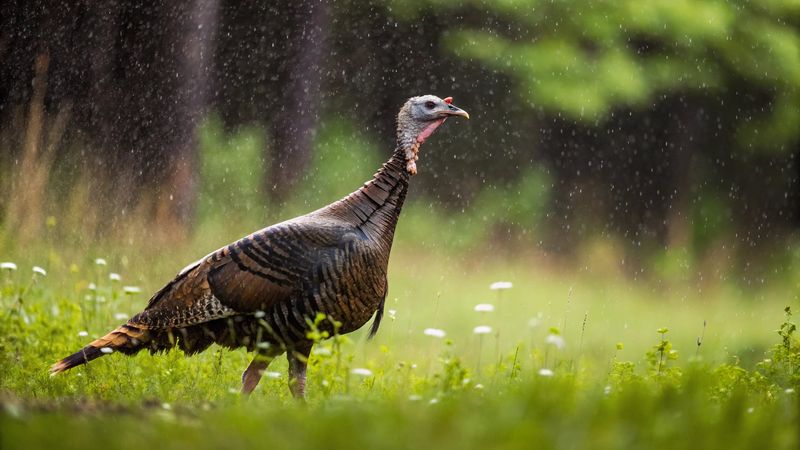
Water serves as one of the most effective and harmless tools for discouraging wild turkeys from hanging around your Massachusetts property.
Turkeys don’t particularly enjoy getting wet, and a well-timed spray from a garden hose can convince them that your yard isn’t the welcoming place they thought it was.
This method works especially well because it doesn’t harm the birds in any way, but it creates an unpleasant experience that helps them associate your property with something they’d rather avoid.
Many Massachusetts homeowners have found success with this approach after struggling with persistent turkey visitors who seemed immune to other deterrent methods.
The key to using water effectively is consistency and timing.
When you spot turkeys on your property, grab your garden hose and give them a good spray, aiming for their bodies rather than directly at their heads.
The sudden sensation of cold water usually sends them scurrying away quickly.
For this method to work long-term, you need to repeat it every time the turkeys return until they finally get the message that your yard is off-limits.
Motion-activated sprinklers offer an automated solution that works even when you’re not home, and these devices have become increasingly popular in Massachusetts neighborhoods dealing with regular turkey traffic.
Some creative residents have also used water guns or spray bottles for closer encounters, though a regular hose provides better range and coverage.
The beauty of this approach is that it’s completely safe for the turkeys while still being effective at changing their behavior.
Unlike some deterrent methods that might accidentally harm wildlife, water simply creates a temporary discomfort that encourages turkeys to find somewhere else to spend their time.
Over time, turkeys learn which properties to avoid, and they’ll likely move on to areas where they face less harassment, making your Massachusetts neighborhood a more peaceful place for both humans and wildlife.
6. Report Aggressive Behavior To Local Authorities
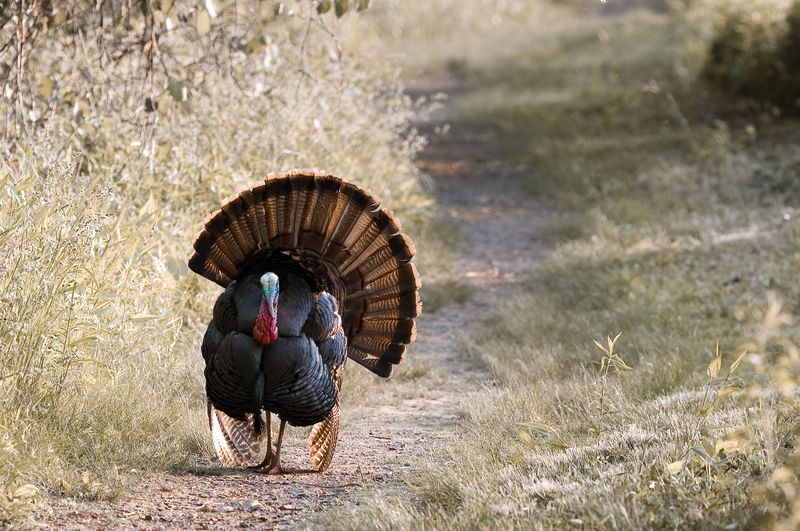
Not all turkey encounters are created equal, and sometimes situations escalate beyond what individual residents can handle safely on their own.
When wild turkeys in your Massachusetts neighborhood display truly aggressive behavior such as repeatedly chasing people, blocking access to homes or vehicles, or acting in ways that pose genuine safety concerns, it’s time to contact local authorities who have the training and resources to address the problem appropriately.
Many people hesitate to make these calls because they worry about overreacting, but wildlife officials would much rather hear about problems early before someone gets hurt or the situation becomes more difficult to manage.
In Massachusetts, you can contact your local animal control office, the police department’s non-emergency line, or the Massachusetts Division of Fisheries and Wildlife for guidance and assistance.
These agencies track turkey behavior patterns across different regions and can provide specific advice based on your situation.
They may send someone to assess the problem, offer deterrent strategies tailored to your circumstances, or in extreme cases involving genuinely dangerous birds, take more direct action to protect public safety.
Keeping a record of aggressive incidents, including dates, times, and descriptions of what happened, can be helpful when you make your report.
It’s particularly important to report turkeys that have become so habituated to humans that they no longer respond to normal deterrent efforts.
These birds pose the greatest risk because their lack of fear can lead to increasingly bold and potentially dangerous behaviors.
Schools, playgrounds, and other areas where children gather deserve special attention, as kids may not know how to respond appropriately to turkey encounters.
By reporting problems to Massachusetts authorities, you’re not just protecting yourself and your family but also helping wildlife managers track turkey populations and behaviors across the state.
This information helps them develop better management strategies and educational programs that benefit entire communities dealing with similar wildlife challenges.
7. Educate Your Community About Coexistence
Individual actions matter, but creating a community-wide approach to managing wild turkey encounters in your Massachusetts neighborhood produces the best long-term results.
When everyone in an area understands proper turkey etiquette and follows the same guidelines, turkeys receive consistent messages about what behaviors are acceptable and what aren’t.
This unified approach prevents the common problem where one person’s actions undermine everyone else’s efforts, such as when a single resident feeds turkeys despite neighbors working hard to discourage them from hanging around.
Community education creates a shared understanding that benefits both people and wildlife.
Consider organizing a neighborhood meeting or creating an information campaign through local social media groups, community newsletters, or bulletin boards.
Share practical tips about turkey encounters, explain why certain behaviors like feeding are harmful, and provide contact information for local wildlife authorities.
Many Massachusetts towns have community Facebook groups or Nextdoor pages where this information can be shared quickly and reach a wide audience.
You might also reach out to your homeowners association if you have one, as they can help distribute educational materials and establish community guidelines for wildlife interactions.
Schools in your area should also be part of these educational efforts, especially if turkeys frequent properties near school grounds.
Children need to understand how to respond safely to turkey encounters, and teachers can incorporate wildlife safety into their lessons.
Some Massachusetts communities have found success inviting wildlife experts to give presentations at schools, libraries, or community centers.
These events provide opportunities for residents to ask questions and learn from professionals who understand turkey behavior.
By fostering a community culture of informed coexistence, you help ensure that wild turkeys remain wild while minimizing conflicts that can arise when people and wildlife share the same spaces throughout Massachusetts neighborhoods.
This collaborative approach creates safer, more harmonious communities where both humans and turkeys can thrive.