Steps To Take Right Now To Save Your Frost-Damaged Plants In Pennsylvania
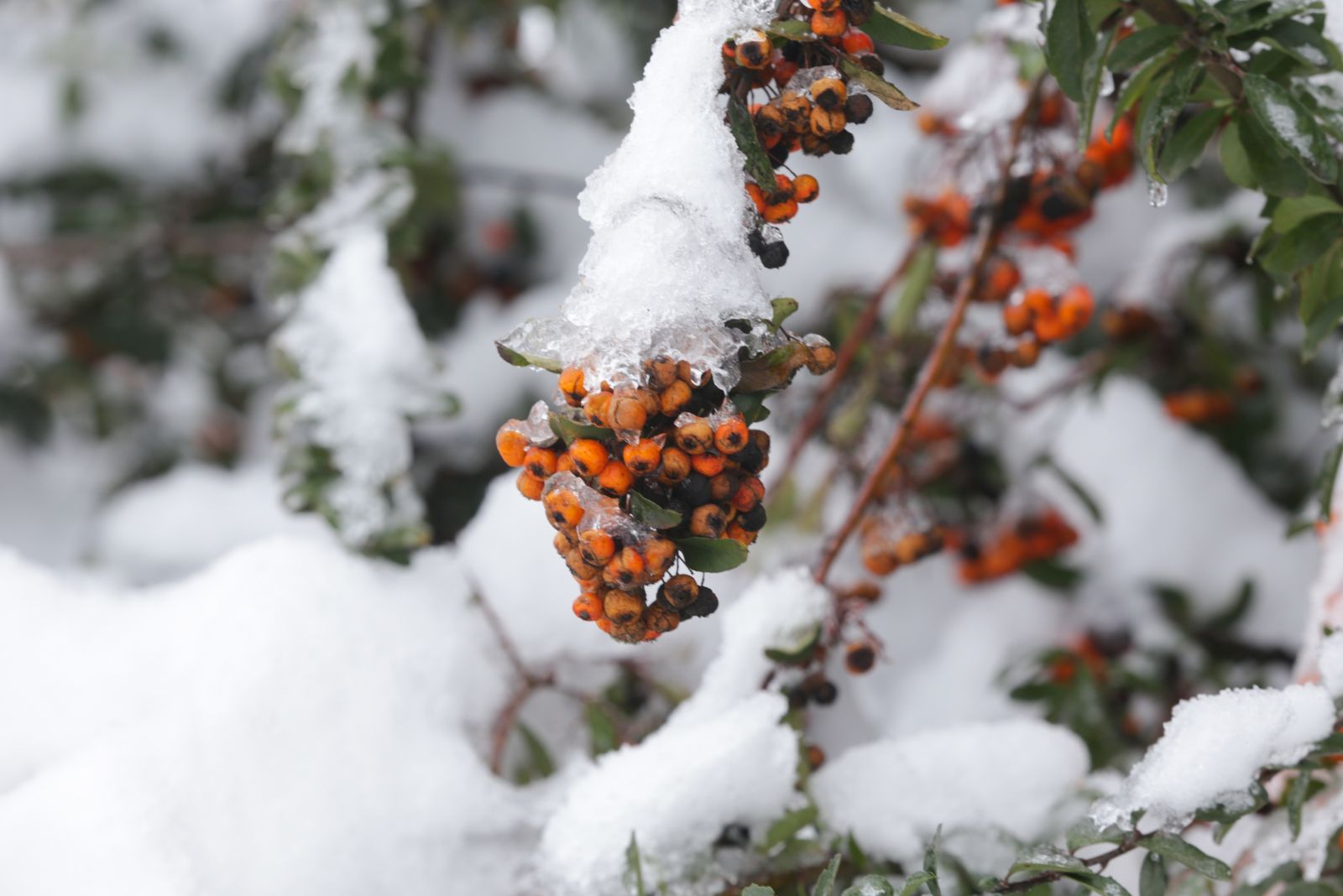
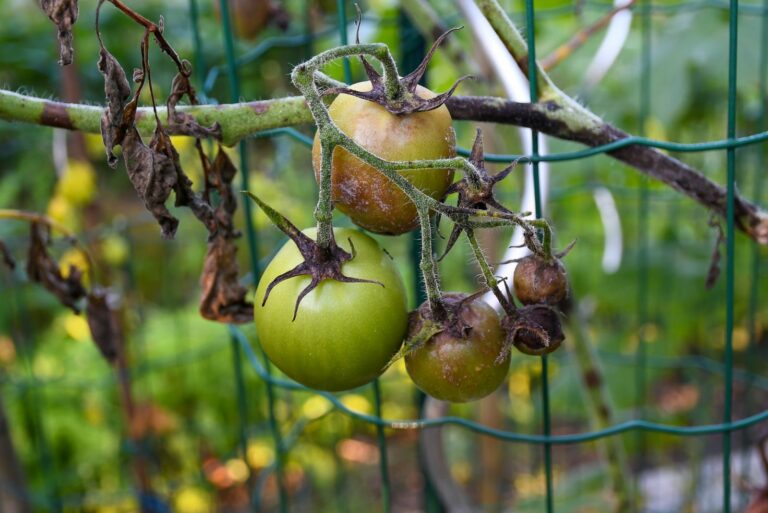
Woke up to plants that look droopy, burned, or suddenly lifeless after a cold night? Frost can sneak into Pennsylvania gardens fast, and even hardy plants can struggle when temperatures dip lower than expected.
The good news is that not all frost damage is permanent, and acting quickly can make a real difference in what survives. Many plants only look worse than they actually are, but they need the right kind of help to bounce back.
Rushing to prune or water heavily can do more harm than good, while simple, steady steps can protect stressed tissues and encourage recovery. Early intervention also helps prevent long-term setbacks once spring growth begins.
With a little patience and a few smart moves, you can give your frost-touched plants a fighting chance. Before you assume the worst, it’s worth knowing what to do right now to support their comeback.
1. Pause Before Acting
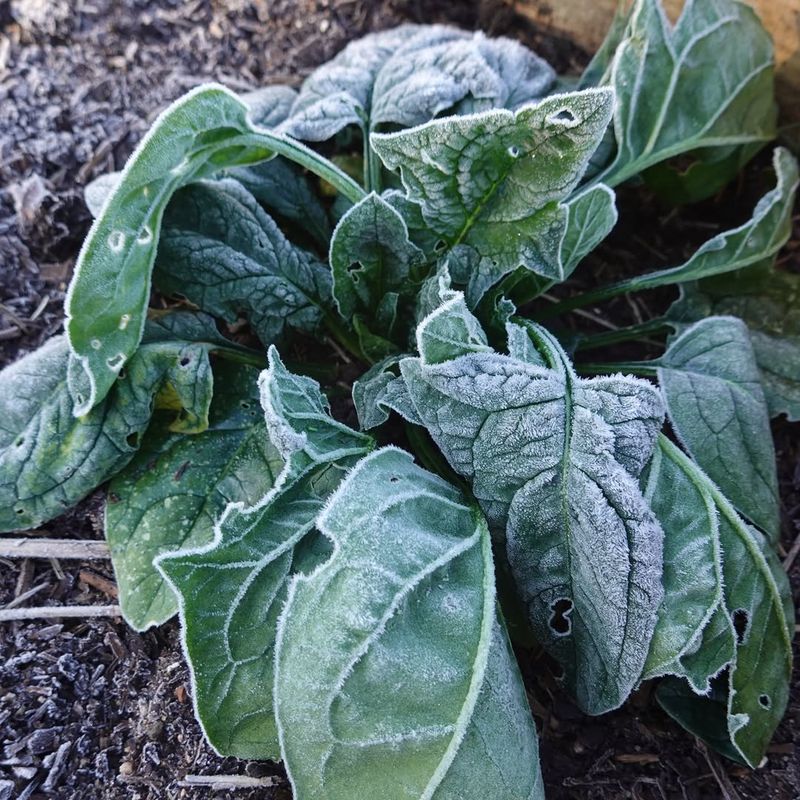
Frost damage can look scary at first glance. Your instinct might be to rush outside and start cutting away damaged leaves or pulling up plants that look beyond saving. However, the best thing you can do right now is absolutely nothing.
Pennsylvania mornings after a frost can be deceiving. What appears to be severe damage might only be superficial.
Plants have amazing survival mechanisms, and many store energy in their roots and stems even when their leaves look terrible. Jumping in too quickly with pruning shears or pulling plants out can actually cause more harm than the frost itself.
Take a few days to simply observe your garden. Walk around and make mental notes of which plants look affected, but resist the urge to take action.
This waiting period allows you to see which damage is truly permanent and which parts might recover on their own. Some plants will perk up as temperatures rise throughout the day.
During this observation time, avoid touching or handling damaged foliage. Frost-damaged plant tissue is extremely fragile, and even gentle handling can cause additional injury.
The ice crystals that formed inside plant cells during the frost have already caused enough disruption. Let things settle naturally before you intervene.
Pennsylvania gardeners who practice patience during this critical phase often find that their plants recover better than those who acted hastily. Give your garden at least three to five days before moving to the next step.
2. Hydrate Those Roots
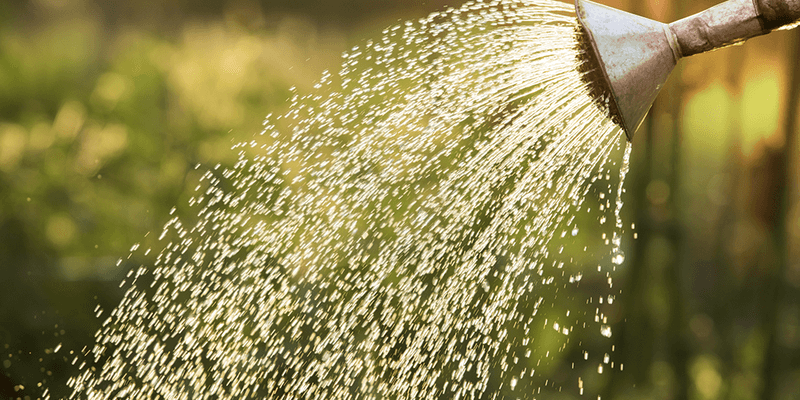
After you’ve waited and observed your frost-damaged plants, it’s time for your first active step. Proper watering is crucial for recovery, and it might surprise you to learn that frost-damaged plants often need more water, not less.
Frost causes cellular damage that disrupts how plants move water through their systems. Even though the leaves might look wilted or brown, the roots are still working hard to support recovery.
In Pennsylvania, spring weather can be dry, and frost-damaged plants lose moisture faster than healthy ones because their damaged tissue can’t regulate water properly.
Water deeply at the base of each affected plant, focusing on the root zone rather than the foliage. Avoid overhead watering, which can spread disease and further damage fragile leaves.
The goal is to keep the soil consistently moist but not waterlogged. Soggy soil can lead to root rot, which would compound your problems.
Check the soil moisture every few days by sticking your finger about two inches deep. If it feels dry, water again.
Pennsylvania’s clay-heavy soils in some areas can retain moisture longer, while sandy soils drain quickly. Adjust your watering schedule based on your specific soil type.
Morning watering works best because it gives plants all day to absorb moisture before cooler evening temperatures arrive.
This steady supply of water helps damaged cells recover and supports new growth that will eventually replace damaged tissue. Keep this watering routine going for several weeks as your plants work to recover.
3. Skip Early Pruning
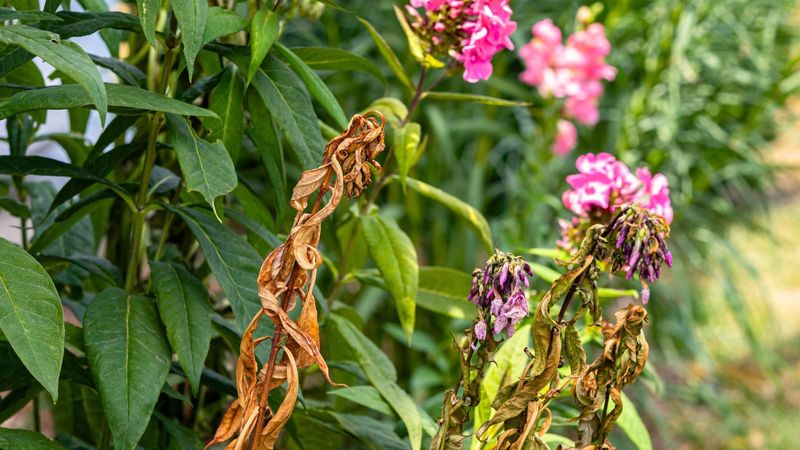
Looking at brown, crispy leaves and blackened stems can make any gardener want to grab the pruning shears immediately.
Those damaged parts seem useless, so why not remove them right away? The answer is simple but important: those damaged tissues are still serving a purpose.
Even brown and wilted foliage continues to protect the plant’s interior tissues and growing points.
In Pennsylvania, late spring frosts can happen, and keeping that damaged outer layer provides insulation against another cold snap. Think of it as a protective bandage that nature has provided.
Damaged leaves and stems also continue to photosynthesize at reduced levels in some cases, providing a small amount of energy to support recovery. More importantly, the plant needs time to redirect its resources and seal off damaged areas internally.
When you prune too early, you force the plant to heal the pruning wound while it’s still trying to recover from frost damage.
Wait at least two to three weeks, or even longer for woody shrubs and trees. This gives you time to see where new growth emerges, which tells you exactly where the living tissue ends and the damaged tissue begins.
Pennsylvania’s variable spring weather means patience pays off here. If you prune too soon, you risk cutting into healthy tissue that just hasn’t shown signs of life yet.
Many plants will surprise you by pushing out new leaves from stems that looked completely gone. Give them that chance before you make any cuts.
4. Prune Only After New Growth
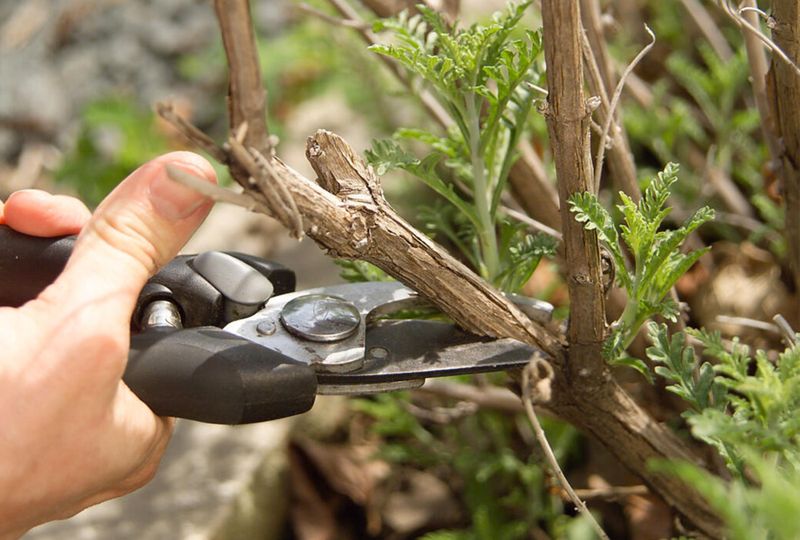
Now comes the moment you’ve been waiting for. After weeks of patience, you’ll finally see signs of life returning to your frost-damaged plants.
Small green buds or shoots will begin emerging from stems, and this is your signal that it’s safe to start pruning.
New growth shows you exactly where the plant is still alive and vigorous. In Pennsylvania gardens, this typically happens in late spring, though timing varies by plant type.
Perennials often recover faster than woody shrubs, and different species have different recovery timelines.
When you’re ready to prune, use clean, sharp tools to make precise cuts. Start by cutting back to just above the point where you see new growth emerging.
This ensures you’re removing only truly damaged tissue while preserving all the living parts. Make your cuts at a slight angle to help water run off.
For shrubs and trees, follow the branch back until you find green tissue just under the bark. You can test this by gently scraping a small area with your fingernail.
Green underneath means living tissue, while brown means that section has perished. Cut back to the green zone.
Work slowly and methodically through each plant. Some may need only light trimming while others require more extensive pruning. Don’t worry if your plants look sparse after pruning.
Pennsylvania’s growing season provides plenty of time for them to fill back in with healthy new foliage and regain their shape throughout the summer months.
5. Fertilize Later
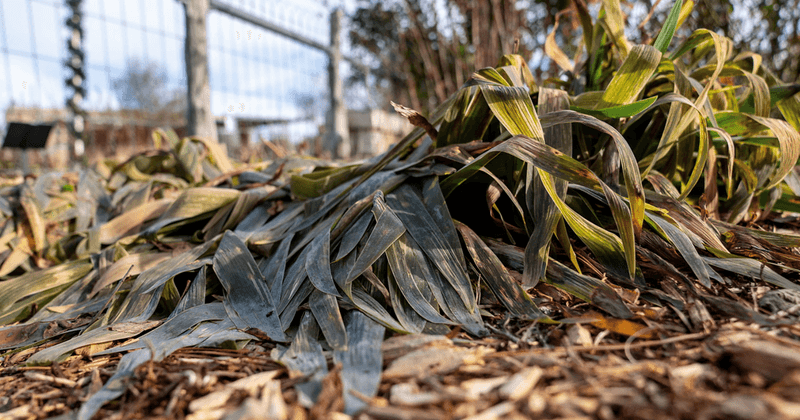
Many gardeners assume that fertilizer will help frost-damaged plants recover faster. While that logic seems sound, it’s actually one of the worst things you can do immediately after frost damage.
Fertilizer can stress already-struggling plants and cause more problems than it solves.
Frost-damaged plants need to focus all their energy on internal healing and producing new growth from existing reserves.
When you add fertilizer too early, you’re essentially forcing the plant to grow before it’s ready. This is especially true with high-nitrogen fertilizers that push rapid leaf growth.
In Pennsylvania, wait until you see substantial new growth before considering fertilizer. This usually means waiting at least four to six weeks after the frost event.
By then, your plants will have established their recovery pattern and will actually benefit from a nutrient boost.
When you do fertilize, choose a balanced, slow-release formula rather than quick-acting synthetic options.
Organic fertilizers work beautifully because they release nutrients gradually as soil microbes break them down. This gentle feeding supports steady recovery without overwhelming stressed plants.
Apply fertilizer according to package directions, but consider using half strength for the first application. Water thoroughly after fertilizing to help nutrients reach the root zone. Pennsylvania’s spring rains often help with this, but don’t rely on rain alone.
Continue a light fertilizing schedule through the growing season to support your plants as they rebuild their foliage and strength. By fall, most recovered plants will look nearly as good as they did before the frost struck.
6. Clear Deceased Tissue Last
Once your plants have pushed out healthy new growth and you’ve completed your strategic pruning, there’s one final cleanup task.
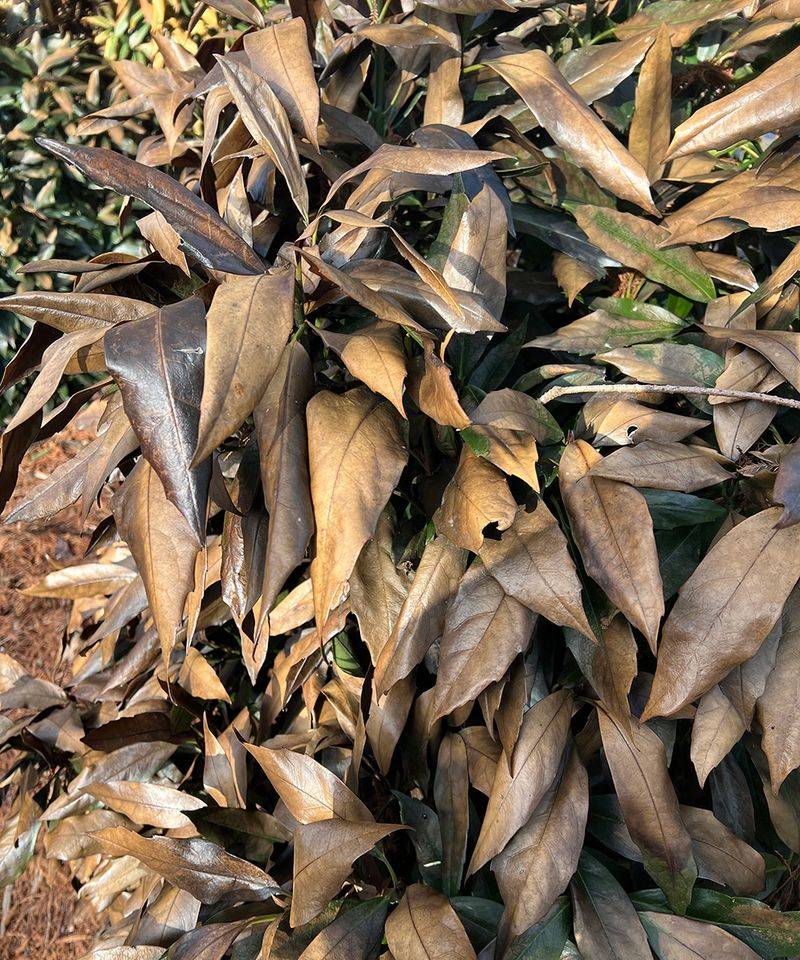
Some damaged foliage will remain on your plants even after they’ve started recovering. This tissue has served its protective purpose and can now be removed.
Completely brown, crispy leaves and stems that show no signs of life can be gently cleared away. This improves your garden’s appearance and reduces potential disease issues.
Pennsylvania’s humid summers can turn damaged plant tissue into a breeding ground for fungi and bacteria if left in place too long.
Remove this material carefully by hand or with gentle pruning. Avoid pulling or tugging, which might damage new growth or disturb roots.
Some damaged leaves will fall off naturally, so you’re just helping the process along. Collect all removed material and dispose of it properly.
Don’t add frost-damaged plant material to your compost pile unless it’s very hot and active. Some diseases can survive in compost and potentially reinfect plants later.
Bagging it for municipal yard waste collection is usually the safest option for Pennsylvania gardeners.
As you clear away the old damage, take time to appreciate how far your plants have come. What looked hopeless weeks ago is now showing vibrant new life. This cleanup step marks the transition from recovery mode to normal garden maintenance.
Keep monitoring your plants throughout the growing season. Most will continue improving and filling in gaps left by frost damage.
By summer’s end, many Pennsylvania gardens show little evidence of the early spring frost that caused such concern.
7. Patience Is Key And Recovery Takes Time)
Recovery from frost damage doesn’t happen overnight, and this final step is perhaps the most important of all.
Understanding that plant recovery is a slow process will save you frustration and help you avoid making impulsive decisions that could set back your progress.
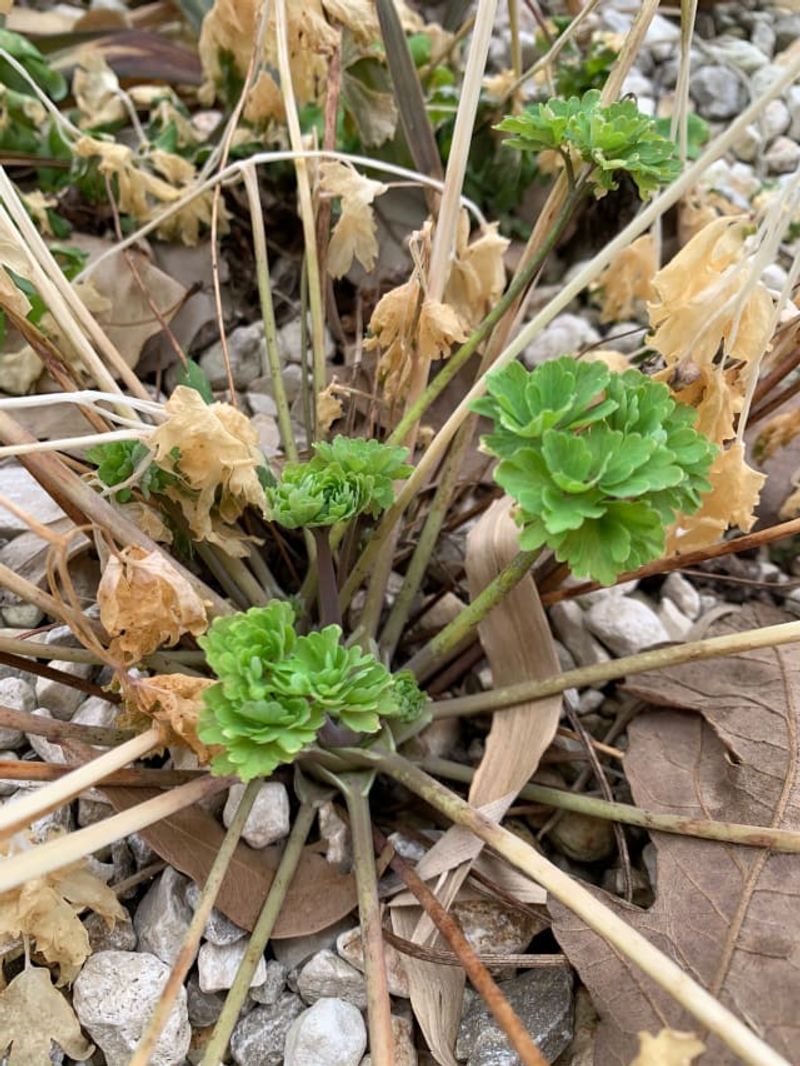
Different plants recover at different rates. Perennials often bounce back within weeks, showing vigorous new growth once temperatures warm up.
Shrubs and trees take much longer, sometimes requiring an entire growing season to fully recover. Some woody plants in Pennsylvania gardens might not show their full recovery until the following year.
During this recovery period, maintain consistent care. Water regularly, watch for pests that target stressed plants, and keep an eye on weather forecasts for any additional frost warnings. Pennsylvania’s unpredictable spring weather means staying vigilant pays off.
Don’t compare your garden to your neighbor’s or to photos online. Every garden has unique conditions that affect recovery speed.
Soil quality, sun exposure, plant age, and the severity of frost damage all play roles in how quickly plants bounce back.
Some plants might not recover at all despite your best efforts. That’s okay and doesn’t reflect on your gardening skills.
Severe frost can cause damage beyond what any care routine can fix. If a plant shows no new growth after eight weeks, it might be time to accept its loss and plan for a replacement.
Celebrate the small victories as new leaves unfurl and stems strengthen. Your patience and proper care have given your Pennsylvania garden the best possible chance at recovery, and that’s something to be proud of.