8 Steps To Take When Armyworms Show Up In Alabama Lawns And Garden Beds
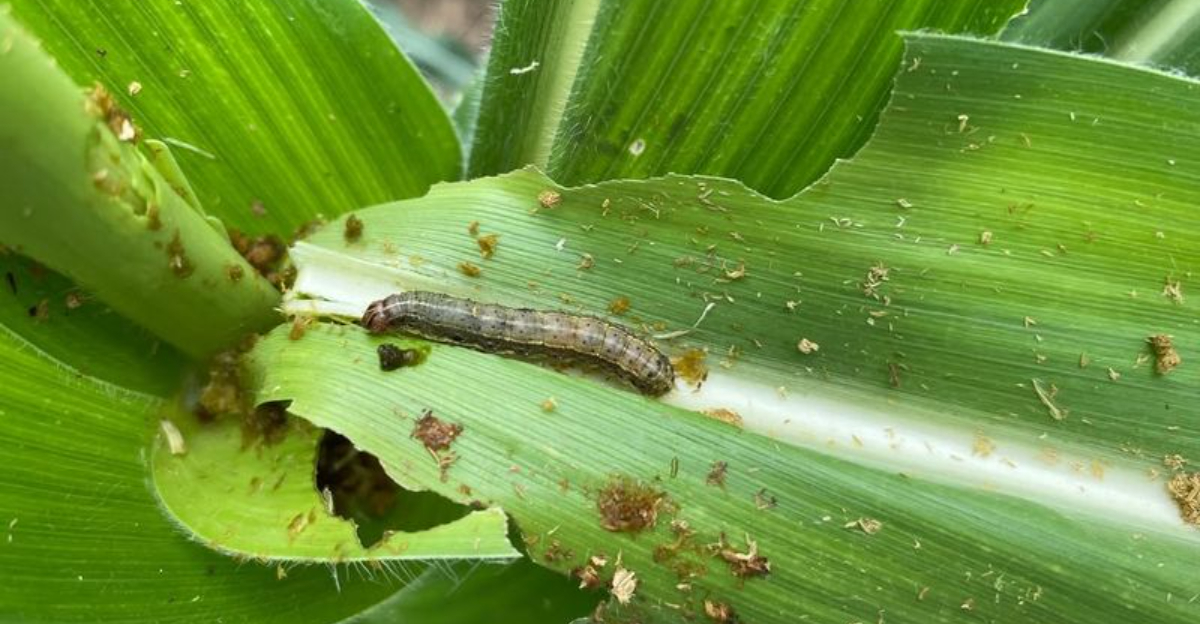
Armyworms have a way of showing up out of the blue and eating their way through Alabama lawns like they’ve got a deadline to meet.
One week the grass looks green and healthy, the next it’s chewed down to bare patches that stick out like a sore thumb.
These pests don’t knock first, and once they move in, they waste no time.
Warm weather and sudden rain can roll out the welcome mat for armyworms.
They travel in groups, feed fast, and leave damage behind before many homeowners even spot the problem.
By the time the warning signs become clear, the damage can already be in full swing.
Some people panic and grab the first treatment they see, while others shrug it off and hope for the best.
Both moves can make a bad situation worse.
Armyworms respond best to timely, well-chosen action, not guesswork or delay.
Knowing the right steps to take can turn the tables.
A clear plan helps limit damage, protect garden beds, and save lawns from being stripped bare.
With a little awareness and quick thinking, Alabama homeowners can stop armyworms from marching any further than they already have.
1. Identify The Invaders Quickly
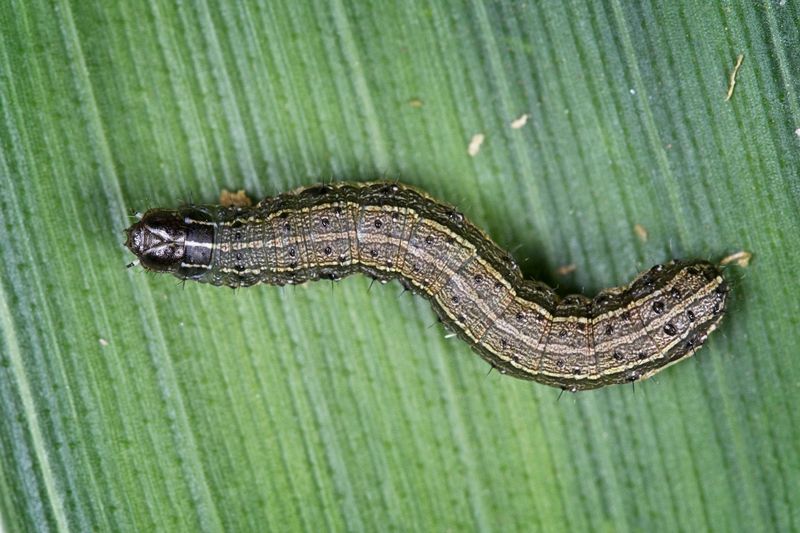
Spotting armyworms early gives you the best chance to protect your Alabama lawn before major damage occurs.
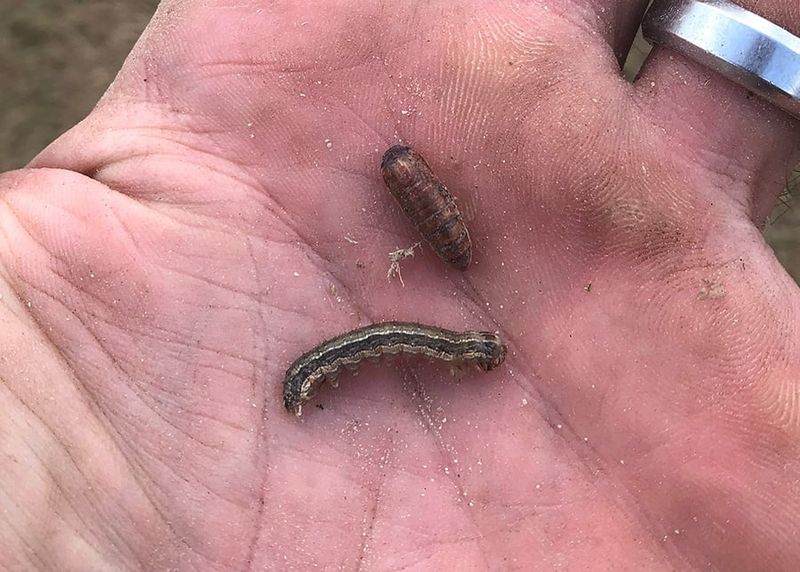
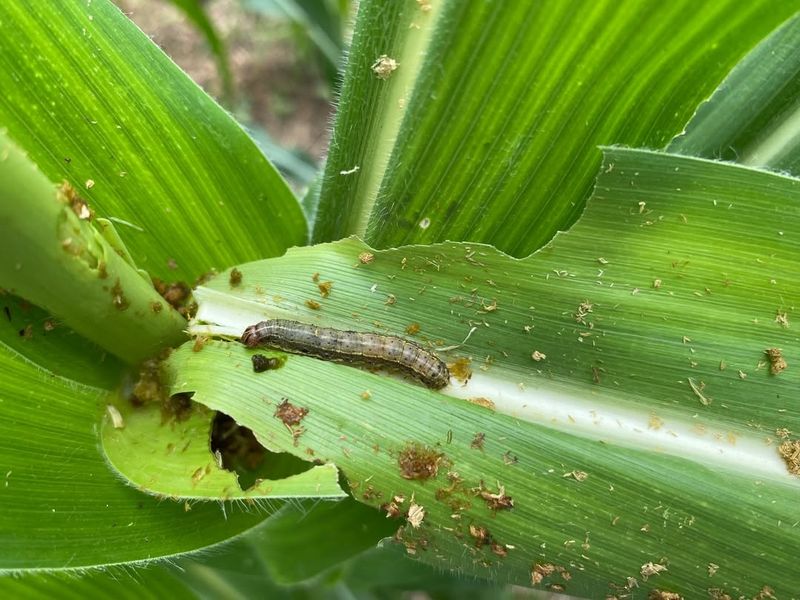
Look for small green or brown caterpillars with stripes running down their sides, usually measuring about one to two inches long.
They often hide during daylight hours beneath grass blades or in the soil, emerging at dusk and dawn to feed.
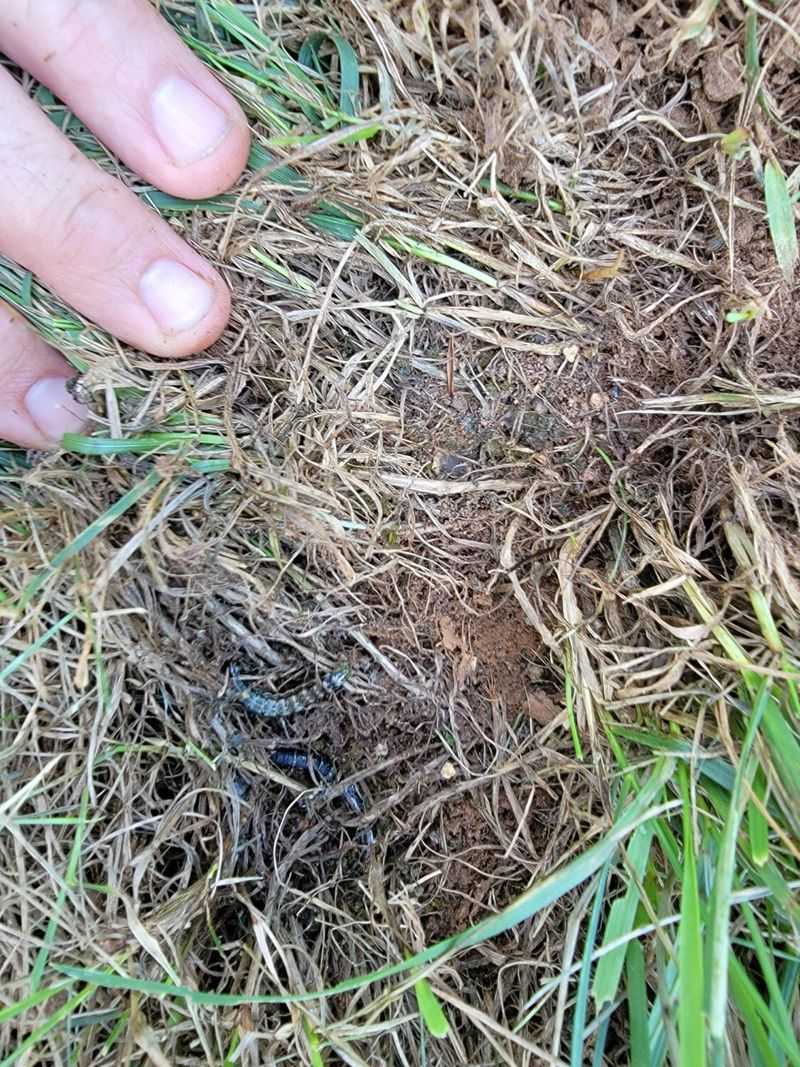
Check your lawn carefully by parting the grass near damaged areas and looking close to the ground.
You might notice irregular brown patches appearing suddenly, which signals active feeding.
Armyworms leave behind a distinctive pattern where grass looks scalped or chewed down to the roots.
Alabama lawns typically see armyworm outbreaks from late summer through early fall when temperatures stay warm and rainfall is frequent.
Watch for moths flying low over your grass in the evening, as these adult insects lay eggs that hatch into hungry larvae within days.
Early detection means you can take action before entire sections of your yard suffer.
Pay special attention to areas near outdoor lights, as adult moths are attracted to brightness and often lay eggs nearby.
Inspect garden beds too, since armyworms don’t limit themselves to grass alone.
Vegetable plants, ornamental flowers, and other greenery can become targets when populations grow large enough to spread beyond turf areas.
2. Water Your Lawn To Flush Them Out
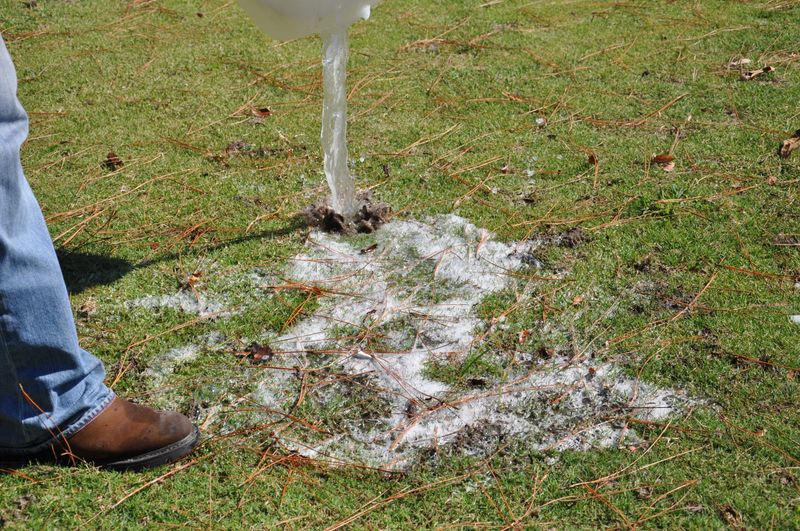
A simple trick helps confirm whether armyworms have invaded your Alabama property.
Mix a couple tablespoons of dish soap with a gallon of water, then pour this solution over a square yard of suspected turf.
Within minutes, any armyworms hiding in the grass will crawl to the surface, making them easy to count and assess.
This soap flush method works because the mixture irritates the caterpillars without harming your grass.
Once they emerge, you’ll get an accurate picture of how severe your infestation really is.
Experts suggest that finding more than three or four armyworms per square foot means you need to take immediate action to prevent widespread lawn damage.
Regular watering also plays a role in overall lawn health during an armyworm outbreak.
Well-hydrated grass recovers faster from feeding damage and maintains stronger roots.
Alabama’s hot climate can stress turf already weakened by pest activity, so consistent irrigation helps your lawn bounce back.
Avoid overwatering though, as soggy conditions can create other problems like fungal diseases.
Aim for deep, infrequent watering that encourages roots to grow deeper into the soil.
Morning watering is best since it allows grass blades to dry before evening when armyworms become most active and hungry for their next meal.
3. Apply Appropriate Treatments Promptly
Acting fast with the right treatment can stop armyworms from destroying your Alabama landscape.
Several products work effectively against these pests, including options that contain specific ingredients designed to target caterpillars.
Granular formulas and liquid sprays both offer good results when applied correctly to affected areas.
Read product labels carefully before application, paying attention to instructions about timing and coverage.
Evening applications tend to work best since armyworms feed most actively after sunset.
Make sure to treat the entire lawn, not just visible damage spots, because caterpillars often spread beyond what you can see.
Natural options exist for homeowners who prefer less chemical intervention.
Beneficial nematodes, for example, are microscopic organisms that attack armyworm larvae in the soil.
Bacillus thuringiensis, commonly called Bt, is another biological choice that specifically targets caterpillars while remaining safe for people, pets, and beneficial insects.
Alabama’s warm temperatures can affect how quickly treatments work and how long they remain effective.
Higher heat may speed up product breakdown, so follow reapplication guidelines if armyworm activity continues.
Always wear protective gear during application and keep children and pets off treated areas until products dry completely, following manufacturer recommendations for safety.
4. Monitor Your Yard Daily
Keeping a close eye on your Alabama property after discovering armyworms helps you track whether your treatment is working.
Walk your lawn each morning and evening, looking for new damage patterns or additional caterpillar activity.
Fresh feeding marks appear as ragged grass blades or expanding brown patches that weren’t there the day before.
Document what you observe by taking photos or keeping simple notes about which areas show improvement or decline.
This information becomes valuable if you need to adjust your management strategy or consult with lawn care professionals.
Armyworm populations can explode quickly under favorable conditions, so daily monitoring catches problems before they spiral out of control.
Check neighboring properties too, if possible, since armyworms often affect entire neighborhoods simultaneously.
Adult moths can fly considerable distances to lay eggs, meaning your yard might face repeated invasions even after successful treatment.
Staying vigilant helps you respond immediately to new threats.
Alabama homeowners should continue monitoring even after visible armyworm activity stops.
Eggs laid earlier might still hatch, bringing a second wave of hungry caterpillars.
Most armyworm life cycles complete in about a month, so maintain your watch for at least that long after the initial outbreak to ensure your lawn stays protected and healthy.
5. Encourage Natural Predators
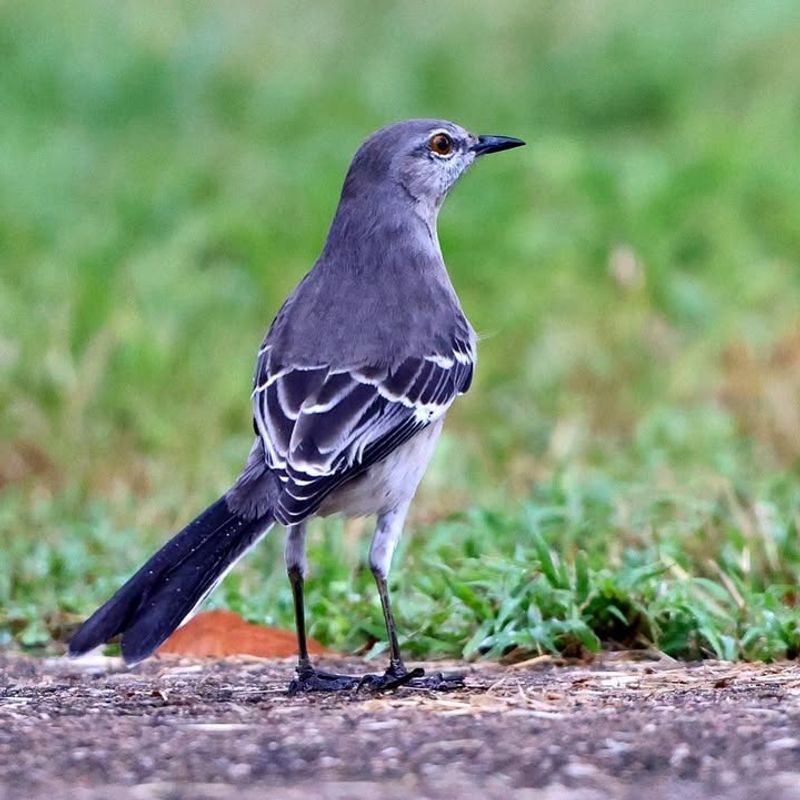
Nature provides its own armyworm control through various beneficial creatures that call Alabama home.
Birds like mockingbirds, robins, and bluebirds feast on caterpillars, helping reduce pest populations naturally.
Ground beetles, spiders, and parasitic wasps also prey on armyworms at different life stages, creating a balanced ecosystem in your yard.
Creating a wildlife-friendly landscape encourages these helpful predators to stick around.
Install bird feeders and birdbaths to attract feathered friends year-round.
Plant native flowers and shrubs that provide shelter and food sources for beneficial insects.
Avoid using broad-spectrum pesticides that harm both pests and their natural enemies.
Leaving small areas of your Alabama property slightly wild gives predators places to nest and hunt.
A brush pile in a corner or a patch of native grasses creates habitat for ground beetles and spiders.
These creatures work around the clock, hunting armyworms and other garden pests without any effort on your part.
Parasitic wasps deserve special mention because they lay eggs inside armyworm caterpillars, eventually stopping the pests from feeding.
These tiny beneficial insects occur naturally throughout Alabama but thrive when you minimize pesticide use and provide flowering plants for adult wasps to feed on nectar, strengthening their populations over time.
6. Maintain Proper Lawn Care Practices
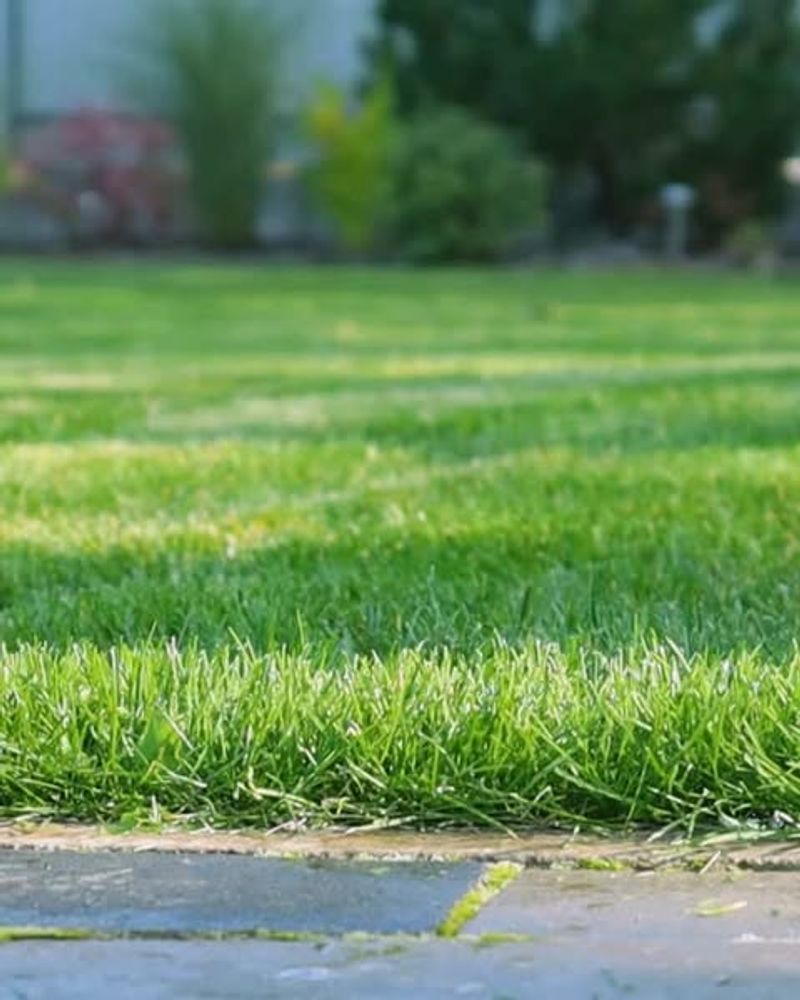
Healthy grass stands a better chance of surviving and recovering from armyworm attacks in Alabama.
Mow at the correct height for your specific grass type, which for most warm-season varieties means keeping blades between two and three inches tall.
Taller grass develops deeper roots and better withstands pest pressure than turf cut too short.
Fertilization timing matters when dealing with armyworms.
Avoid heavy nitrogen applications during peak armyworm season since lush, rapidly growing grass actually attracts more moths looking for ideal egg-laying sites.
Instead, follow a balanced fertilization schedule that promotes steady growth without creating conditions that invite trouble.
Core aeration improves soil health and helps your Alabama lawn recover from damage more quickly.
This process creates small holes that allow water, oxygen, and nutrients to reach grass roots more effectively.
Stronger roots mean faster regrowth in areas where armyworms have fed, helping your yard return to its former beauty.
Thatch management also plays a role in armyworm prevention.
Excessive thatch layers provide perfect hiding spots for caterpillars during daylight hours.
Keep thatch under half an inch through regular maintenance, making your lawn less hospitable to these pests while improving overall turf health and appearance throughout the growing season.
7. Protect Your Garden Beds Too
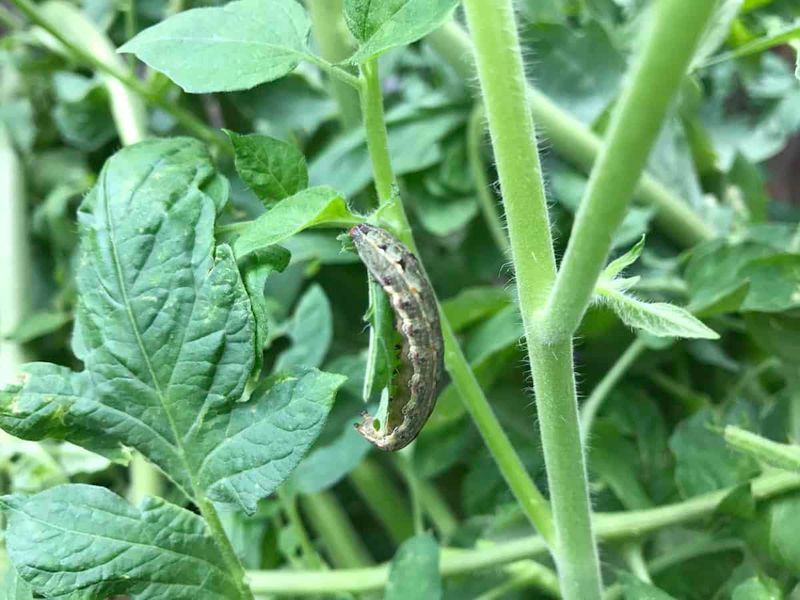
Armyworms don’t stop at grass when they’re hungry enough.
Alabama gardeners often discover these pests munching on vegetable plants, flowers, and ornamental shrubs after lawn populations grow large.
Tomatoes, peppers, beans, and leafy greens all become potential targets when armyworm numbers reach high levels.
Inspect garden beds using the same careful approach you use for lawns.
Look under leaves and around plant bases where caterpillars hide during bright daylight.
Remove any armyworms you find by hand if numbers are small, dropping them into soapy water to prevent further damage to your prized plants.
Row covers offer physical protection for vegetable gardens during armyworm outbreaks.
These lightweight fabrics allow sunlight and water through while keeping pests away from plants.
Secure edges tightly to the ground so caterpillars can’t crawl underneath, creating a safe zone for your crops to grow undisturbed.
Many treatments safe for lawns also work in garden settings, but always verify that products are approved for edible plants if you’re growing vegetables.
Bt products work particularly well in gardens because they target only caterpillars, leaving beneficial pollinators unharmed.
Apply treatments in the evening when armyworms are actively feeding for maximum effectiveness across your entire Alabama property.
8. Plan For Future Prevention
Learning from an armyworm outbreak helps Alabama homeowners prepare for potential future invasions.
Keep records of when infestations occurred, which treatments worked best, and how long recovery took.
This information creates a personalized action plan you can follow if armyworms return next season.
Consider your landscape design choices with pest management in mind.
Diverse plantings that include a variety of grass types, groundcovers, and ornamentals create a less uniform environment that doesn’t attract massive pest populations as readily.
Monoculture lawns sometimes suffer worse armyworm damage than varied landscapes.
Stay connected with local Alabama extension services and lawn care professionals who track pest activity across the region.
Many counties offer alerts when armyworm flights begin, giving you advance warning to start monitoring your property closely.
Early awareness means you can spot problems at the first sign and respond before damage becomes severe.
Build soil health over time through organic matter additions and reduced chemical dependence.
Healthy soil grows healthy grass that recovers quickly from pest damage and better resists future attacks.
Think of armyworm management as part of an ongoing lawn care strategy rather than a one-time emergency response, creating resilience in your Alabama landscape year after year.