Still Buying Strawberries In Winter? These 10 Tips Make Indoor Growing Easy In Massachusetts
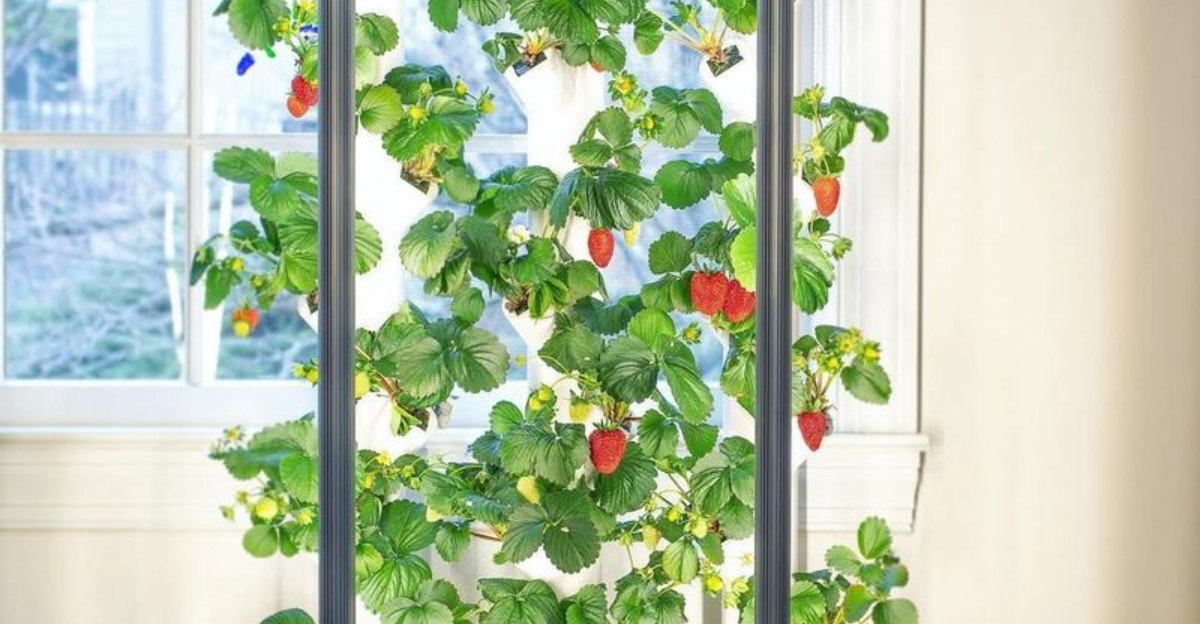
Winter in Massachusetts can feel endless—and so can the struggle for fresh strawberries.
Those supermarket berries are often flavorless, overpriced, and hardly a reminder of summer.
But what if you could pick your own sweet, juicy strawberries right in your kitchen, no backyard required
Indoor growing makes it possible, and it’s easier than you think.
Stop paying for bland berries—grow your own all winter long!
With just a few smart techniques, Massachusetts gardeners can enjoy strawberries year-round.
From choosing the right container and variety to managing light, water, and temperature, these ten tips take the guesswork out of indoor gardening.
No greenhouse? No problem.
Even small windowsills or sunny counters can support a thriving strawberry patch.
Your apartment can become a sweet berry oasis—even in the dead of winter.
By following these tips, you’ll enjoy a steady harvest, superior flavor, and the satisfaction of growing your own food, all without leaving the house.
Fresh strawberries in January aren’t a luxury—they’re a reality. Why settle for store-bought when your own kitchen can produce perfection?
1. Choose Day-Neutral Strawberry Varieties For Indoor Success
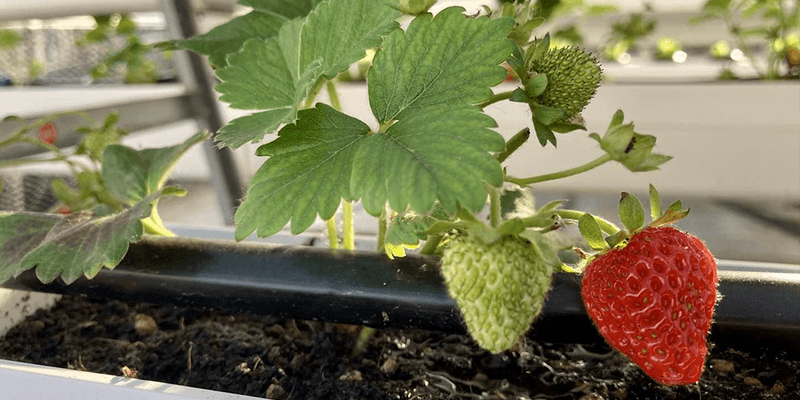
Day-neutral strawberries are your best friends when growing indoors during Massachusetts winters.
Unlike June-bearing varieties that need specific day lengths to produce fruit, day-neutral types bloom and produce berries regardless of how many hours of light they receive.
This makes them perfect for indoor environments where natural light changes throughout the season.
Popular day-neutral varieties include Seascape, Albion, and Tristar, all of which adapt well to container growing and indoor conditions.
These varieties produce smaller harvests than their outdoor counterparts but fruit continuously throughout the growing season, giving you a steady supply of fresh berries.
When shopping for plants, look specifically for labels that say day-neutral or everbearing, as these terms indicate varieties that will perform well indoors.
Avoid June-bearing types, which require the long summer days that Massachusetts simply cannot provide during winter months.
Day-neutral strawberries also tend to be more compact, making them ideal for the limited space most indoor gardeners have available.
Their ability to fruit without strict photoperiod requirements means you can enjoy fresh strawberries even during the darkest months of the year.
Starting with the right variety sets the foundation for indoor growing success and eliminates many potential frustrations before they begin.
2. Start With Healthy Plants Instead Of Seeds
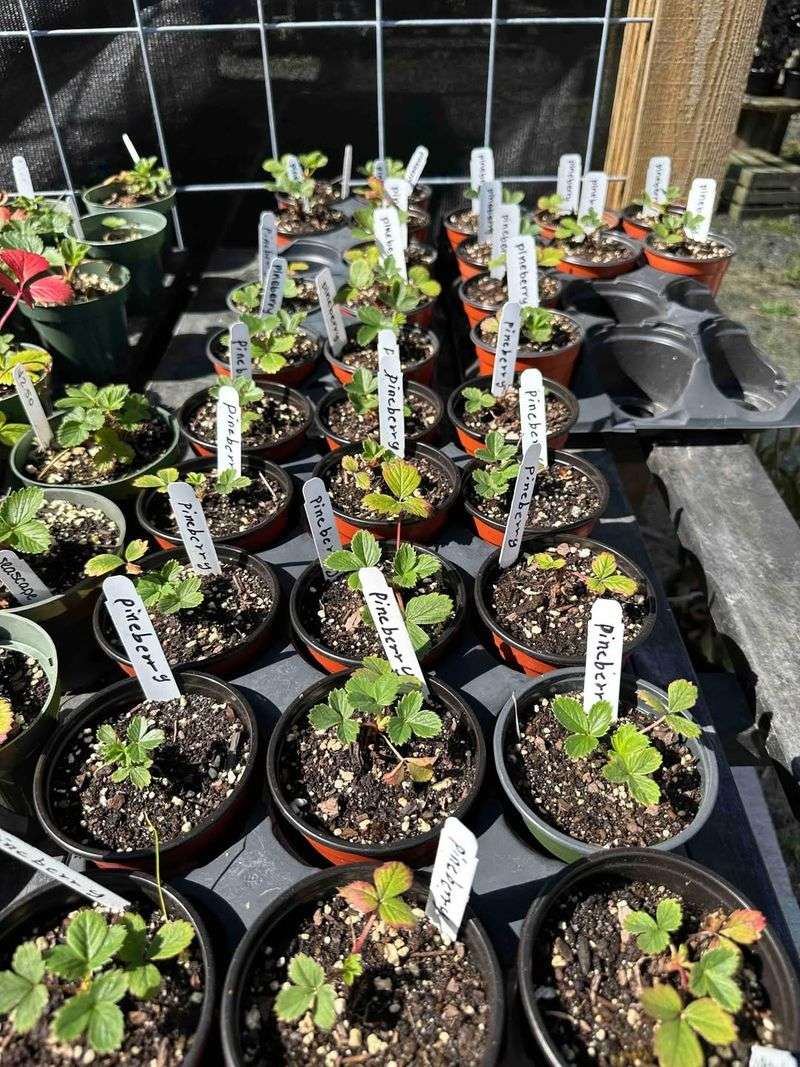
Skipping seeds and starting with established plants can save you months of waiting during New England’s long winters.
Bare-root crowns or starter plants from nurseries give you a significant head start, often producing fruit within weeks rather than the several months seeds require.
When you purchase bare-root plants, look for firm crowns with no signs of mold or mushiness, and roots that appear healthy and light-colored.
Starter plants in small pots offer an even easier transition since they’re already growing and just need to be moved into larger containers.
This approach is especially valuable in Massachusetts because our winters are so long that starting from seed means you might not see berries until spring anyway.
Many garden centers and online suppliers offer strawberry plants specifically prepared for indoor growing, which have been hardened off and are ready to produce.
The investment in starter plants pays off quickly when you consider the time saved and the higher success rate compared to seed starting.
Seeds can be finicky about temperature and moisture, and they’re more prone to fungal issues in indoor environments where air circulation might be limited.
Established plants have stronger root systems that can better handle the transition to indoor growing conditions.
For Massachusetts gardeners eager to enjoy homegrown berries during winter, starting with plants rather than seeds is the smartest shortcut to success.
3. Give Strawberries More Light Than You Think
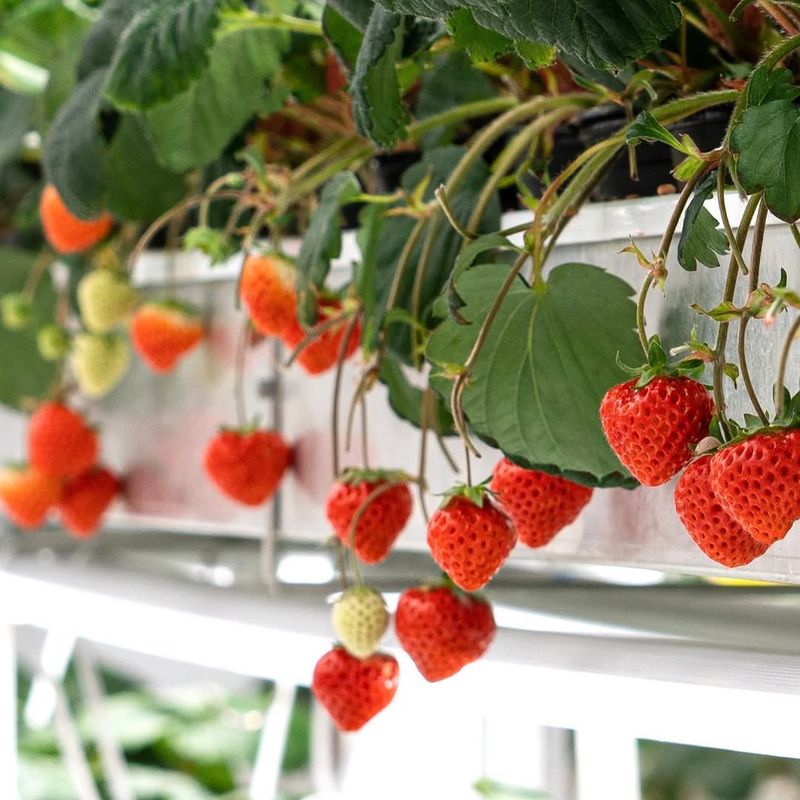
Strawberries are sun-lovers that need at least 12 to 16 hours of bright light daily to produce fruit indoors.
Even a south-facing window in Massachusetts during winter rarely provides enough natural light to keep strawberry plants thriving and productive.
The weak winter sun and short days mean that supplemental lighting isn’t just helpful—it’s usually essential for indoor strawberry success.
LED grow lights are the most efficient option, providing the full spectrum of light that strawberries need while keeping electricity costs reasonable.
Position your lights about 6 to 12 inches above the plants and run them for 12 to 16 hours per day using an automatic timer.
If you’re relying solely on window light, choose a south-facing window and be prepared for slower growth and fewer berries than you’d get with supplemental lighting.
East and west windows can work as secondary light sources but shouldn’t be your primary option for indoor strawberry growing.
North-facing windows simply don’t provide enough light intensity for fruit production, even with extended daylight hours.
Watch your plants for signs of insufficient light, such as pale leaves, leggy growth, or failure to produce flowers.
Investing in quality grow lights makes the difference between plants that barely survive and plants that actually produce delicious berries throughout the Massachusetts winter.
4. Use Containers That Prevent Soggy Roots
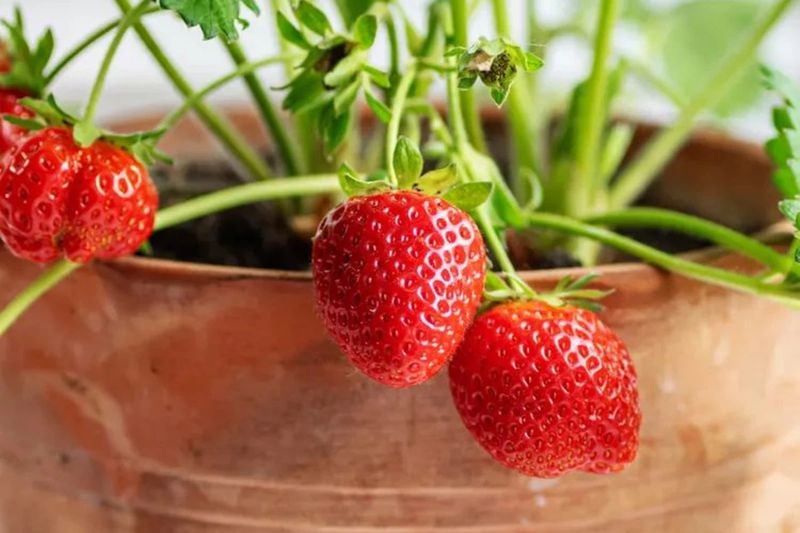
Root rot is one of the biggest threats to indoor strawberries, and proper containers are your first line of defense.
Choose pots that are at least 8 to 10 inches deep with multiple drainage holes at the bottom to allow excess water to escape freely.
Terracotta pots work wonderfully because they’re porous and allow soil to dry out more evenly, though plastic containers with excellent drainage also perform well.
Avoid decorative pots without drainage holes, or use them only as outer cachepots with a properly draining inner container that can be removed for watering.
Place saucers under your pots to catch drainage water, but empty them within an hour or two after watering to prevent roots from sitting in standing water.
The cooler indoor temperatures typical of Massachusetts homes during winter mean soil dries out more slowly than it would in warm outdoor conditions.
Using containers that are too large can lead to soil staying wet too long, creating perfect conditions for fungal growth and root problems.
Each strawberry plant needs about one gallon of soil volume, so an 8 to 10 inch pot is ideal for a single plant or a slightly larger container for multiple plants.
Consider using a well-draining potting mix specifically formulated for containers rather than garden soil, which tends to compact and hold too much moisture.
Proper container selection and drainage setup will prevent most of the moisture-related problems that plague indoor strawberry growers.
5. Keep Indoor Temperatures Stable And Moderate
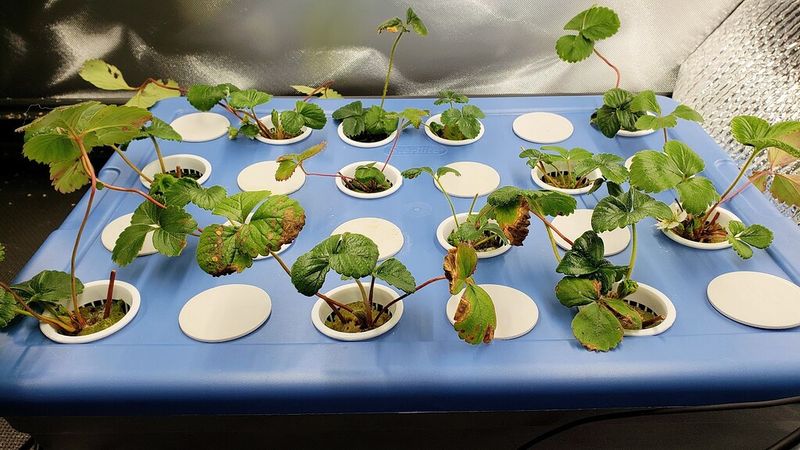
Strawberries prefer daytime temperatures between 65 and 75 degrees Fahrenheit, with nighttime temperatures slightly cooler, around 60 to 65 degrees.
Massachusetts homes with forced-air heating systems can create challenging conditions, with hot, dry air near vents and cooler spots near windows.
Position your strawberry plants away from heating vents and radiators, which can quickly dry out soil and stress plants with blasts of hot air.
Equally important is avoiding cold drafts from poorly insulated windows or doors that open frequently, as temperature swings can shock strawberry plants and reduce fruiting.
The key is finding a location in your home where temperatures remain relatively consistent throughout the day and night.
Basements with grow lights can work well if they stay above 60 degrees, while heated sunrooms or spare bedrooms often provide ideal conditions.
Use a simple thermometer near your plants to monitor actual temperatures in their growing area rather than relying on your home thermostat reading.
If your home runs cooler to save on heating costs, strawberries can tolerate temperatures down to about 55 degrees but will grow more slowly and produce less fruit.
Excessive heat above 80 degrees can cause flowers to drop without setting fruit and can stress plants unnecessarily.
Creating a stable temperature environment helps your strawberries focus their energy on producing delicious berries rather than coping with environmental stress.
6. Hand-Pollinate Flowers For Better Fruit Set
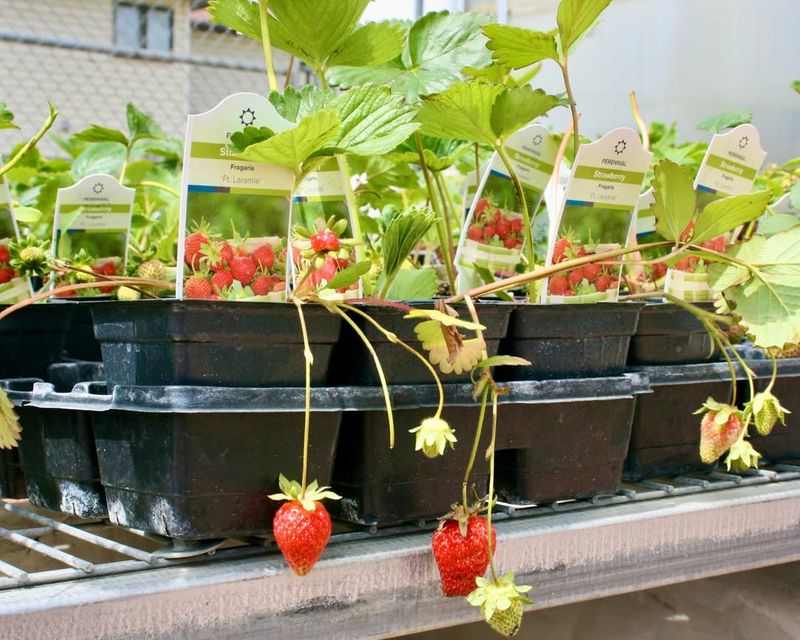
Without wind and pollinating insects, indoor strawberries need your help to turn flowers into fruit.
Hand pollination sounds complicated, but it’s actually one of the easiest and most rewarding tasks in indoor strawberry growing.
When flowers open fully, use a small, soft paintbrush or cotton swab to gently brush the center of each bloom, transferring pollen from the stamens to the pistils.
You can also use your fingertip to lightly tap or brush each flower, though a brush gives you more control and tends to be more effective.
Pollinate every flower every day or every other day while blooms are open, as strawberry flowers remain receptive for several days.
The best time to pollinate is mid-morning when flowers are fully open and pollen is most viable and abundant.
You’ll know pollination was successful when the flower petals drop away and a tiny green berry begins to swell at the base of where the flower was attached.
Some growers gently shake their strawberry plants to mimic wind pollination, though this method is less reliable than direct contact with a brush.
Hand pollination takes just a few minutes every couple of days and dramatically increases your berry production compared to leaving flowers to chance.
This simple practice transforms your indoor strawberry growing from a leafy green plant into an actual fruit-producing powerhouse throughout the Massachusetts winter.
7. Water Carefully To Avoid Mold And Fungus
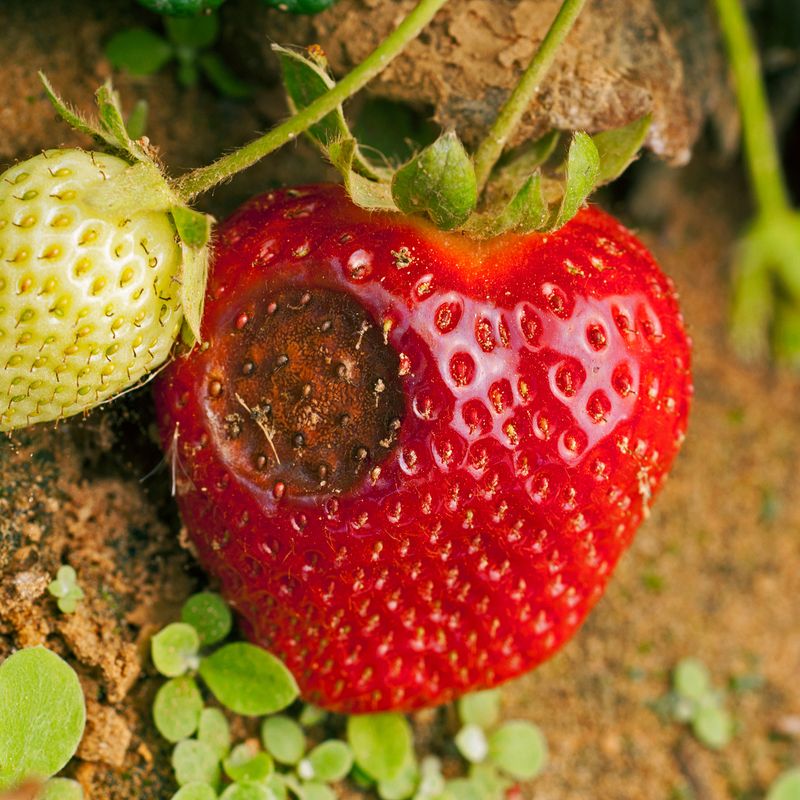
Overwatering is the number one mistake that trips up indoor strawberry growers, especially in Massachusetts homes where humidity can be high.
Strawberry plants need consistently moist soil, but never soggy or waterlogged conditions that promote fungal growth and root problems.
Water at the soil level rather than from above to keep moisture off leaves and crowns, where fungal diseases love to take hold.
The best approach is to check soil moisture by sticking your finger about an inch into the soil—if it feels dry at that depth, it’s time to water.
During winter, indoor plants need less frequent watering than you might expect because cooler temperatures and lower light levels slow their growth and water uptake.
Watch for signs of overwatering such as yellowing leaves, a musty smell from the soil, or visible mold growing on the soil surface.
If you notice these symptoms, reduce watering frequency and improve air circulation around your plants with a small fan.
On the flip side, underwatering causes leaves to wilt and berries to shrivel, though strawberries usually recover quickly once properly watered.
Using room-temperature water rather than cold tap water helps prevent shocking the roots and encourages better nutrient uptake.
Proper watering technique protects your plants from the fungal issues that plague many indoor gardens and keeps your strawberries healthy and productive all winter long.
8. Rotate Plants To Encourage Even Growth
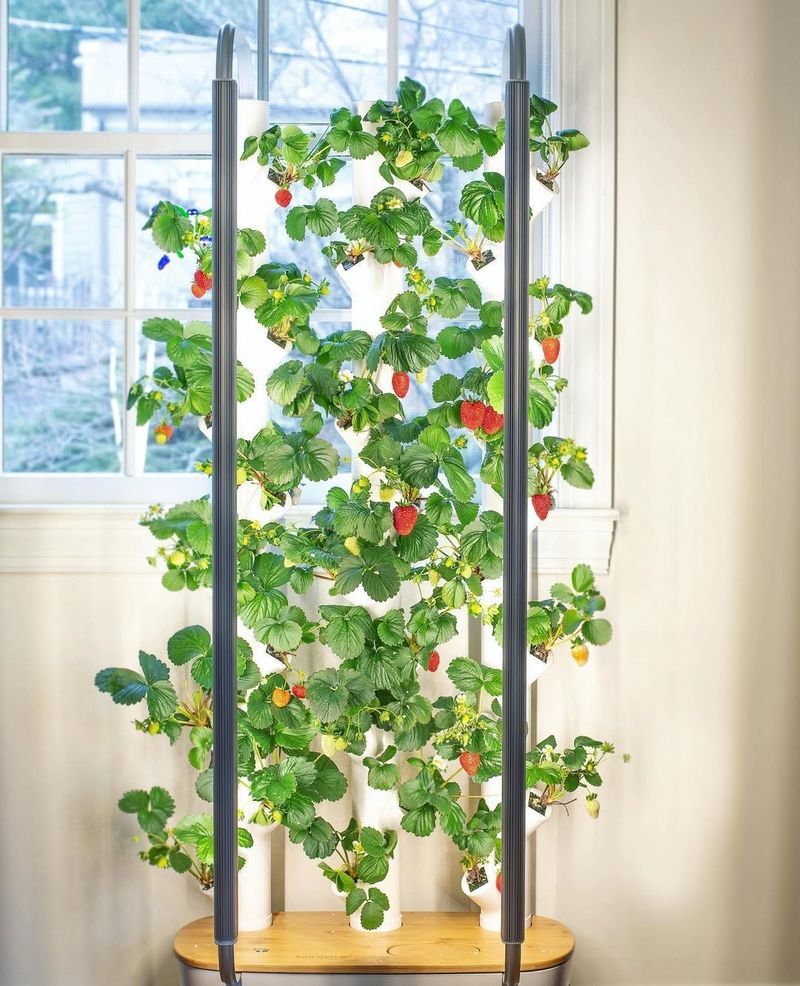
Even with grow lights, strawberry plants tend to lean toward the strongest light source, creating lopsided growth if left in one position.
Rotating your containers every few days ensures all sides of the plant receive equal light exposure, promoting balanced, bushy growth.
Give each pot a quarter turn every two to three days, which takes only seconds but makes a noticeable difference in plant shape and productivity.
This practice is especially important if you’re growing near a window where light comes primarily from one direction throughout the day.
Plants receiving light from only one side will stretch and lean, developing weak stems and producing fewer flowers on the shaded side.
Regular rotation also helps you spot potential problems early, as you’ll naturally inspect different parts of the plant each time you turn it.
Look for pests, yellowing leaves, or developing berries that might be hidden on the back side of the plant when viewing from your usual angle.
If you’re using overhead grow lights, rotation is slightly less critical but still beneficial for encouraging full, rounded plant growth.
Mark your containers with a small piece of tape or marker so you can easily track which direction you’ve turned them.
This simple habit takes almost no time but results in healthier, more attractive plants that produce berries more evenly across the entire plant rather than just on the light-facing side.
9. Harvest Often To Encourage Continuous Production
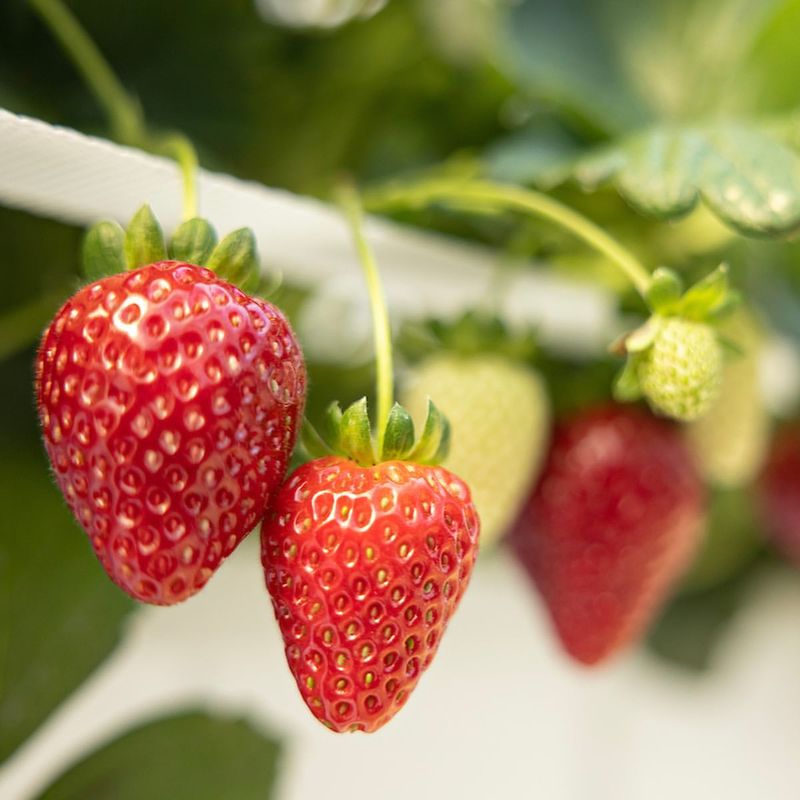
Picking ripe berries regularly signals your strawberry plants to keep producing more flowers and fruit throughout the season.
Strawberries are ready to harvest when they’re fully red with no white or green areas remaining, and they feel slightly soft when gently squeezed.
Use scissors or pinch off berries with a small piece of stem attached rather than pulling them, which can damage the plant and reduce future production.
Indoor strawberries may be smaller than store-bought varieties, but they’ll be sweeter and more flavorful when allowed to ripen fully on the plant.
Check your plants every day or two during peak production periods, as berries can go from perfect to overripe quickly in warm indoor conditions.
Leaving overripe fruit on the plant not only wastes berries but also attracts fruit flies and can encourage mold growth that spreads to healthy fruit.
Regular harvesting also allows you to inspect your plants closely, catching any pest problems or disease issues before they become serious.
Some day-neutral varieties will produce fruit steadily for months if you keep harvesting, while letting berries remain on the plant can slow or stop new flower production.
Enjoy your harvest fresh, add berries to smoothies, or use them in recipes—the frequent small harvests from indoor plants are perfect for daily enjoyment.
The act of harvesting itself becomes a rewarding ritual during Massachusetts winters, giving you something fresh and homegrown to look forward to regularly.
10. Adjust Expectations—But Enjoy Better Flavor Than Store-Bought
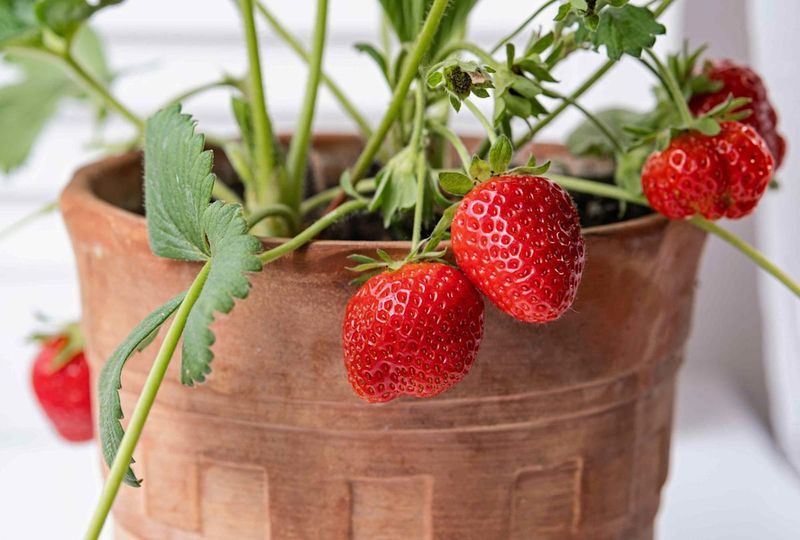
Indoor strawberry growing won’t match the abundant harvests of a summer garden, but the flavor will far exceed anything you’ll find in winter grocery stores.
Expect smaller berries and fewer of them compared to outdoor growing, but what you sacrifice in quantity you gain in taste and freshness.
Store-bought winter strawberries are typically picked unripe, shipped long distances, and bred more for shelf life than flavor, resulting in bland, sometimes woody-tasting fruit.
Your indoor berries, ripened fully on the plant just steps from your kitchen, will burst with sweetness and have that wonderful strawberry aroma that store berries lack.
A single indoor plant might produce a handful of berries each week during peak production, which is perfect for topping your morning yogurt or enjoying as a special treat.
The real value of indoor strawberry growing isn’t just the fruit—it’s the satisfaction of growing fresh food during Massachusetts winters when nothing grows outside.
Children especially love watching berries develop and ripen, making indoor strawberries a wonderful educational project that the whole family can enjoy together.
Consider your indoor strawberry garden as much about the experience and the superior flavor as about the total harvest volume.
When you bite into a sun-warm berry that you grew yourself in January, you’ll understand why indoor strawberry growing is worth the effort.
The combination of better taste, the joy of gardening year-round, and the money saved on expensive winter berries makes indoor growing a rewarding winter hobby for Massachusetts gardeners.