Stone Landscaping Ideas That Make Oregon Yard Care So Much Easier
I’ve spent plenty of weekends in my Oregon yard, and if I’m being honest, keeping everything green and lush can sometimes feel like a full-time job.
Between the rainy season, the dry stretches, and those spots that never seem to drain properly, it can be a challenge.
That’s why I started experimenting with stone landscaping, and I have to say, it’s been a game-changer.
Using stones in your garden isn’t just about looks (though I love the texture and contrast they add).
It actually makes yard care so much easier.
Paths, borders, and rock beds help control weeds, reduce muddy spots, and even improve drainage in tricky areas.
Plus, stones are low-maintenance and last for years, which is perfect when I’d rather spend time enjoying my garden than constantly tending it.
Over time, I’ve found ways to mix different sizes, shapes, and colors to make the yard feel natural without looking forced.
It’s kind of satisfying to see a space come together where stones guide plants, flowers, and grass in a way that works with the land instead of against it.
If you’ve been looking for practical, attractive ways to simplify your yard care, here are some stone landscaping ideas I’ve been loving in my own Oregon garden.
1. Gravel Pathways For Easy Navigation
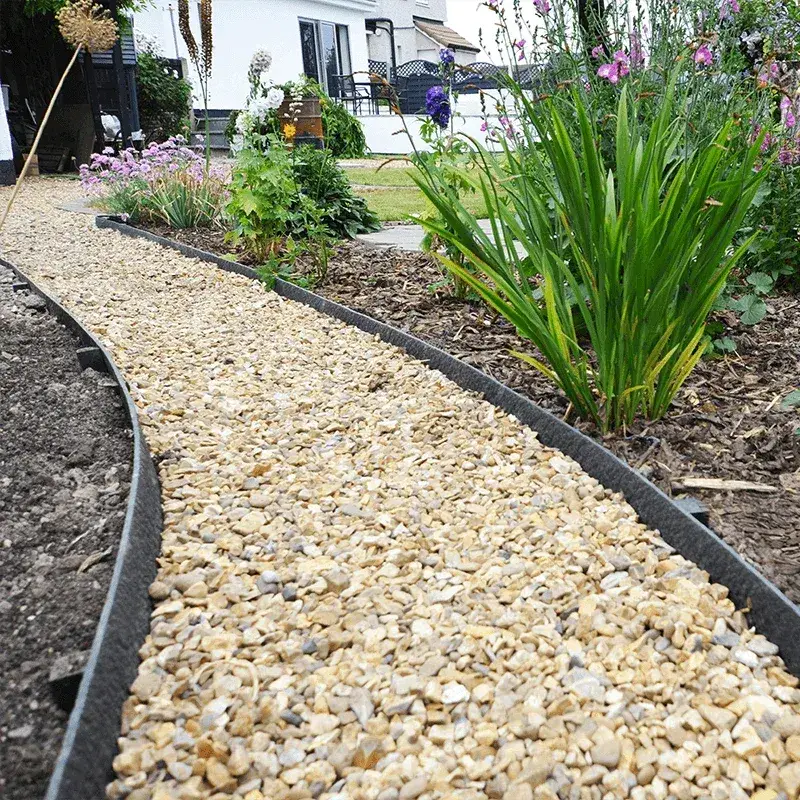
Walking through a muddy yard after Oregon rain is never fun.
Gravel pathways solve this problem by creating firm, dry routes between different areas of your property.
They drain water quickly and prevent those soggy spots that ruin shoes and track dirt indoors.
Installation takes just a weekend with basic tools.
You dig shallow trenches, lay landscape fabric to block weeds, and fill with gravel.
The fabric underneath stops plants from pushing through while allowing water to pass.
A compacted base layer of crushed rock improves stability and prevents shifting over time.
Maintenance involves occasional raking to keep the surface level and adding fresh gravel every few years.
This keeps pathways looking neat and prevents low spots from forming.
Pea gravel works well for softer walking surfaces, while crushed rock provides better compaction for wheelbarrows and garden carts.
Choose material based on how much traffic the path will get.
Edge your pathways with larger stones or metal strips to keep gravel contained.
This simple border prevents gravel from spreading into flower beds or lawn areas.
Pathways also define garden spaces clearly, making your yard look organized without constant trimming.
They help guide foot traffic and protect delicate plantings.
Choose colors that complement your home exterior.
Gray and tan tones blend naturally with Oregon landscapes, while white or black gravel creates striking contrast.
Pathways reduce lawn area too, meaning less mowing overall.
They also help with drainage, keeping water moving away from foundations and low-lying garden areas.
2. River Rock Mulch Beds That Stay Put
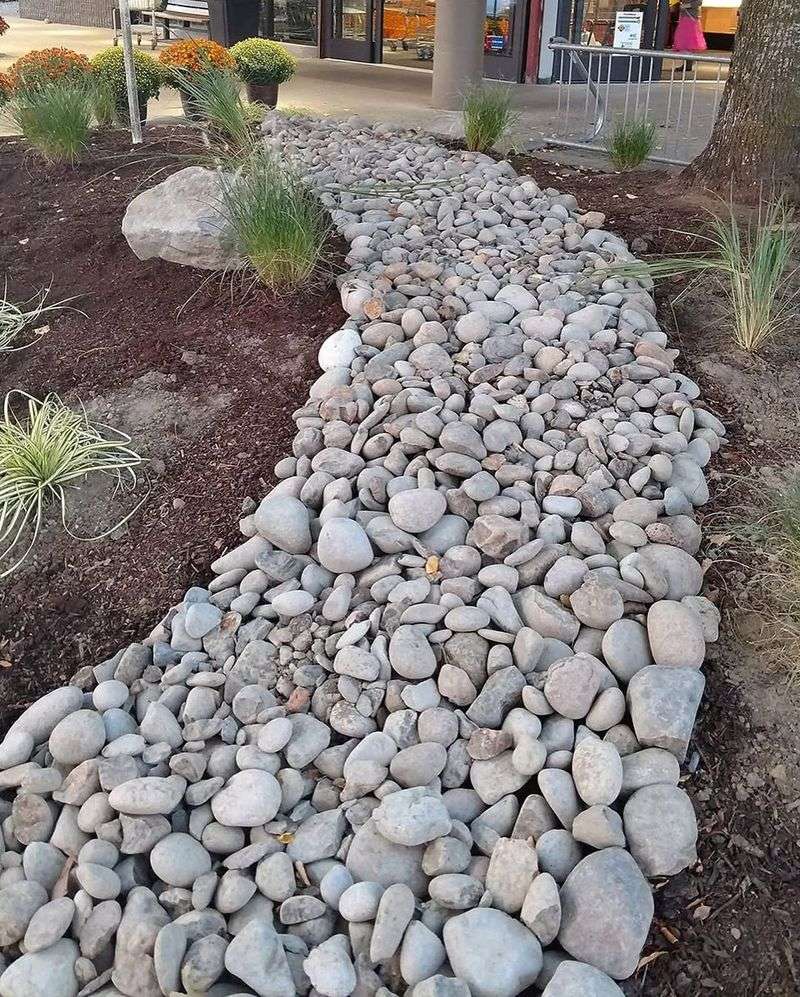
Traditional wood mulch floats away during heavy Oregon downpours.
River rock mulch stays exactly where you place it, rain or shine.
These smooth stones come in various sizes and create beautiful ground cover around shrubs, trees, and perennials.
Water drains through rock much better than organic mulch, preventing root rot in plants that dislike soggy conditions.
The rocks also warm up during sunny days, helping soil temperatures stay more consistent.
You never need to replace river rock mulch annually like wood chips.
One installation lasts for years with minimal adjustment.
Weeds still appear occasionally, but pulling them from rock beds is easier than digging through decomposing mulch.
Lay landscape fabric first to minimize weed problems even further.
River rocks range from small pebbles to fist-sized stones.
Mix different sizes for visual interest, or stick with uniform pieces for a clean, modern look.
Colors vary from pure white to deep charcoal, with many earth tones in between.
Lighter colors brighten shady areas, while darker rocks absorb heat and highlight plant colors.
This option reduces the amount of organic material you need to purchase and spread each spring.
3. Stacked Stone Retaining Walls
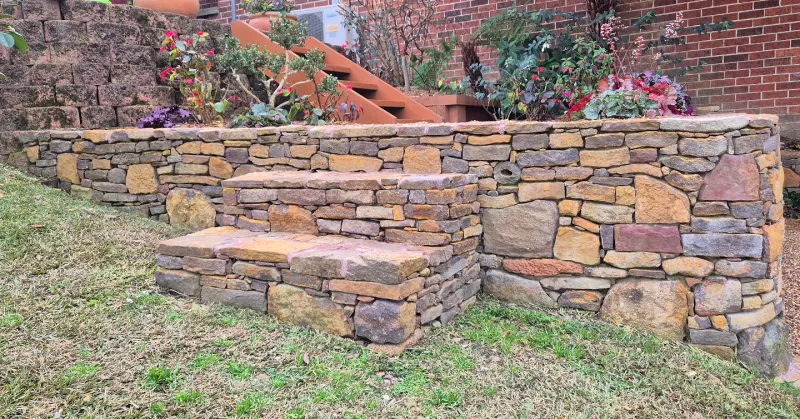
Sloped yards create erosion problems when Oregon rains wash soil downhill.
Stacked stone retaining walls hold soil in place while creating level planting areas.
These structures add architectural interest and solve practical drainage issues simultaneously.
Natural stone walls blend beautifully with Pacific Northwest landscapes.
Basalt, granite, and sandstone all work well and are available from local suppliers.
Dry-stacked walls use no mortar, allowing water to drain through gaps between stones.
This drainage feature prevents pressure buildup that could push walls over during wet months.
Building retaining walls requires more effort than other stone projects, but the results last decades.
Their durability makes them a long-term investment in your property.
Start with a gravel base for stability, then stack stones with the largest pieces at the bottom.
Proper preparation ensures the wall stays straight and secure.
Tilt each stone slightly backward into the slope for added strength.
Walls under three feet tall typically need no professional engineering.
Taller structures may require permits and expert design to ensure safety.
The flat areas created by retaining walls become perfect spots for flower beds, vegetable gardens, or seating areas.
You gain usable yard space while reducing erosion maintenance.
4. Flagstone Patios For Outdoor Living
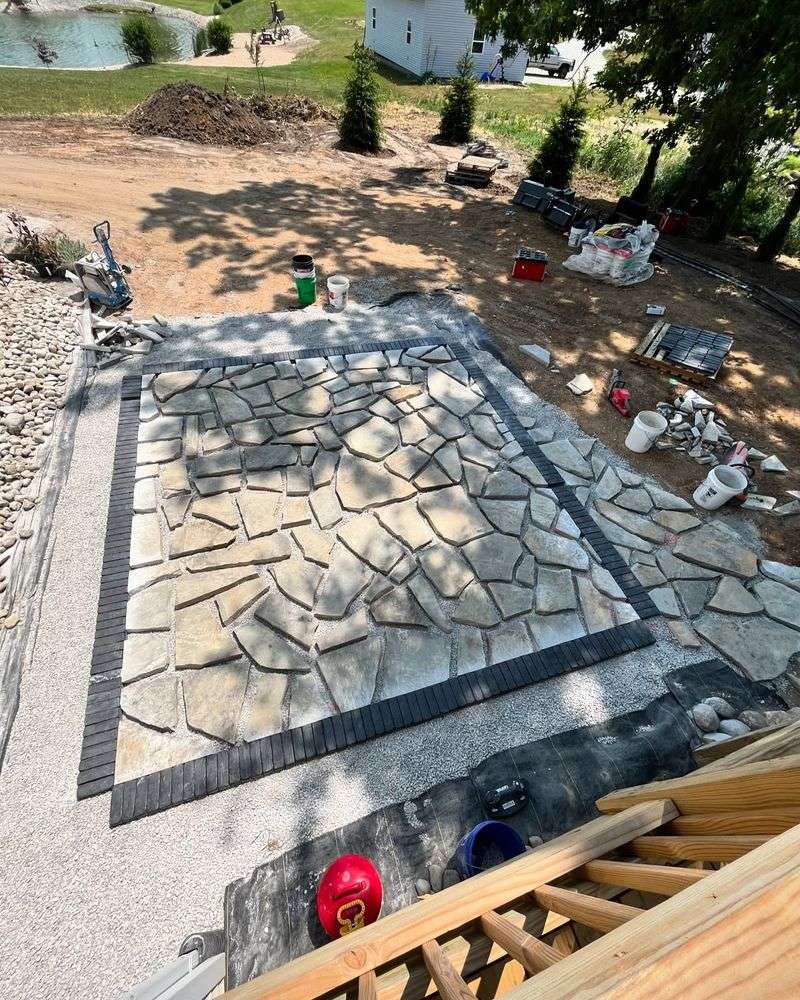
Grass patios turn into mud pits during Oregon winters.
Flagstone patios provide dry, stable surfaces for outdoor furniture year-round.
These flat stones fit together like puzzle pieces, creating beautiful patterns that feel both natural and refined.
Flagstone comes in irregular shapes that you arrange creatively, or pre-cut squares for easier installation.
Sandstone, slate, and bluestone are popular choices with different color palettes.
Each stone type offers unique textures and tones to match your home’s style.
Installation over compacted gravel with sand joints allows water to drain between stones.
This permeable design prevents puddles and reduces runoff problems.
You can also set flagstones in mortar over concrete for a more permanent, formal appearance.
Either method eliminates the need to mow, edge, or maintain grass in that area.
Sweep flagstone occasionally and rinse with a hose to remove dirt and moss buildup.
Regular light cleaning keeps surfaces looking fresh.
Moss grows in shady, damp spots but brushes off easily or adds rustic character if you prefer that look.
Patios expand your living space outdoors and increase property value.
They also create a welcoming place for entertaining or relaxing.
Size your patio based on how you plan to use it.
Dining areas need more room than simple seating nooks.
5. Decorative Boulders As Focal Points
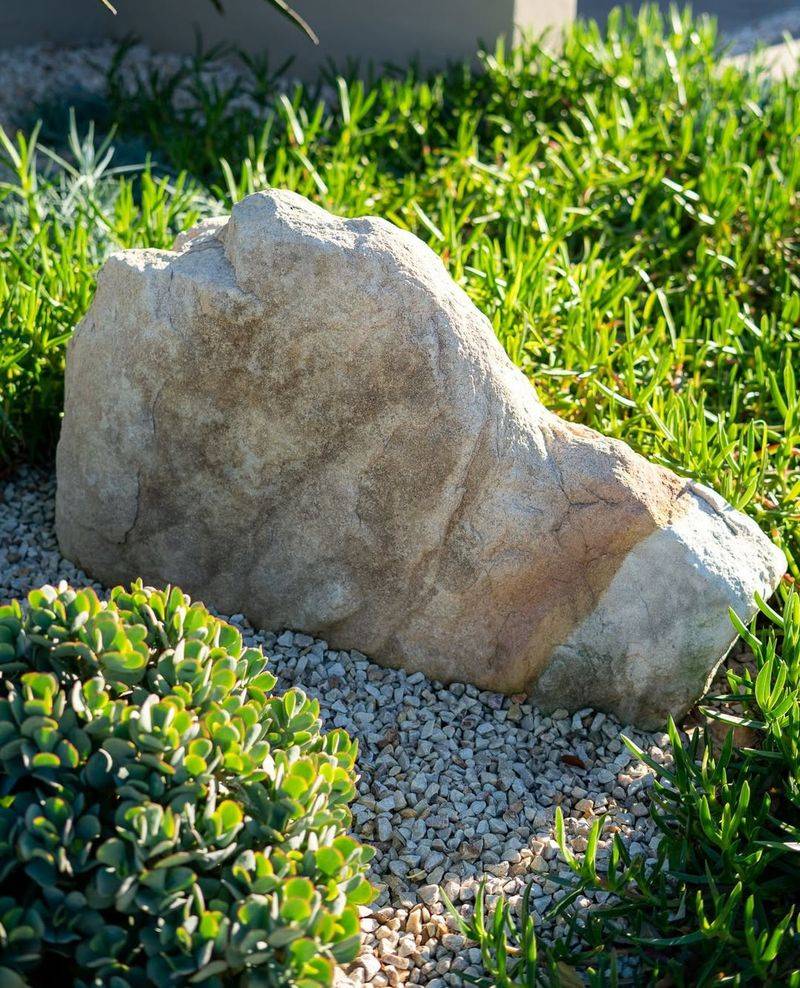
I’ve always loved how a single well-placed boulder can completely change the feel of a garden.
Large boulders create instant visual impact without any ongoing care.
Position one or several strategically around your yard to anchor garden beds or mark entrances.
They immediately draw the eye and give your landscape a sense of purpose.
Boulders provide scale and permanence that smaller plants take years to achieve.
Once set, they become a lasting part of the landscape.
Oregon landscapes benefit from the natural, rugged appearance that boulders bring.
They echo the rocky coastline and mountain terrain native to the region.
Choose boulders with interesting shapes, colors, or textures.
Variations in stone add character and uniqueness.
Moss and lichen naturally colonize boulder surfaces over time, adding aged character.
This natural patina blends them even more into the environment.
Delivery and placement require heavy equipment for large specimens, but once positioned, they never move or require attention.
That makes them one of the most maintenance-free features you can add.
Boulders work especially well in low-maintenance landscapes where you want drama without fussy plantings.
Surround them with gravel or ground covers that need little water or trimming.
They also solve problem areas where nothing grows well due to shade or poor soil.
Instead of fighting those spots, place a boulder and call it a design feature.
Boulders near property lines or driveways prevent accidental vehicle damage to lawns.
They mark boundaries clearly while looking completely natural.
This approach reduces lawn edges you need to trim regularly.
6. Stone Borders Around Planting Beds
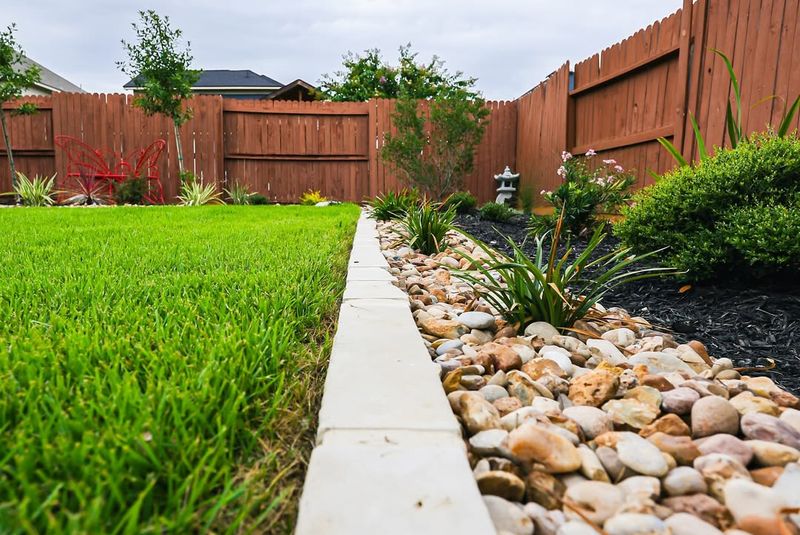
Clean edges make gardens look intentional and well-maintained.
Stone borders create permanent boundaries between lawn and planting areas without constant re-edging.
They prevent grass from creeping into flower beds and keep mulch contained.
Use flat stones stacked one or two layers high, or set rounded river rocks in a shallow trench.
Both methods work well, depending on the style you prefer.
Flat stacked stones provide height that protects plants from mower damage.
River rock borders lie lower and create softer transitions between spaces.
Installation takes minimal time compared to installing metal or plastic edging that deteriorates over years.
Stone borders last indefinitely and improve with age as they settle into place.
They also add texture and color contrast that highlights your plantings.
Choose stone colors that complement your home and existing landscape materials.
Borders reduce the amount of precise trimming needed along bed edges.
Mowers can run right against stones without scalping grass or damaging plants.
This feature alone saves significant time during weekly yard maintenance.
Stone borders work equally well around vegetable gardens, rose beds, or ornamental shrub plantings.
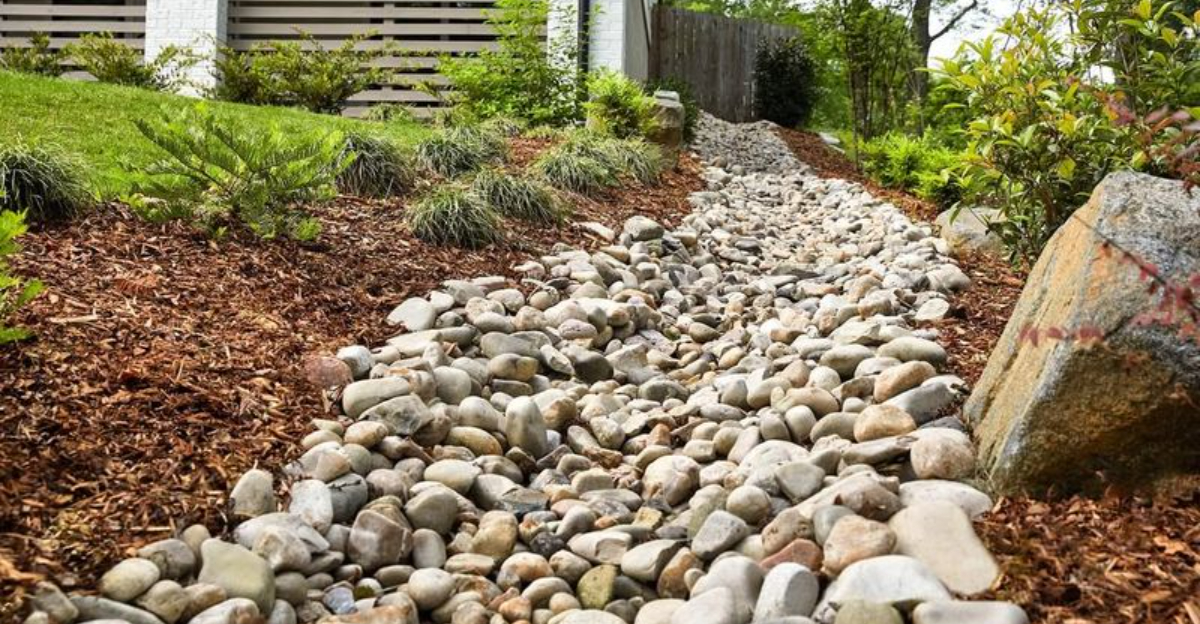
7. Dry Creek Beds For Drainage Solutions
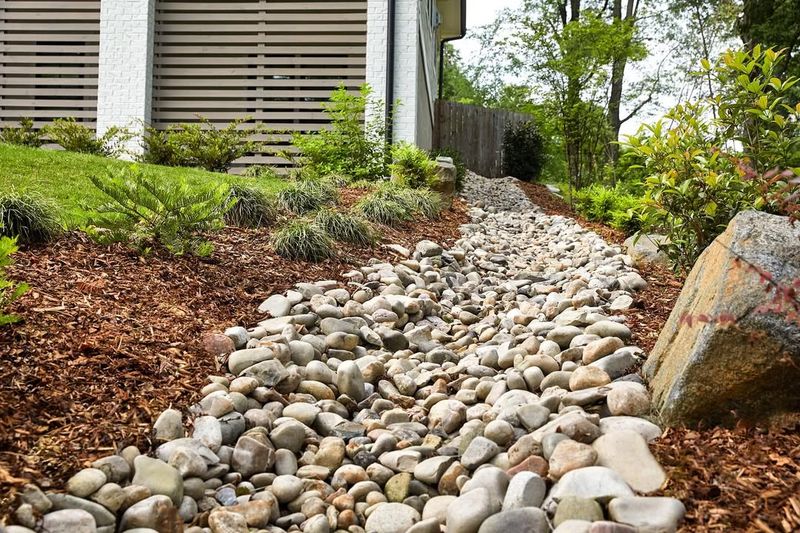
Drainage problems plague many Oregon yards during rainy months.
Dry creek beds channel water away from foundations and prevent standing puddles.
They look like natural stream beds filled with rocks of various sizes.
When rain falls, water flows through the rock-filled channel instead of pooling or eroding soil.
During dry periods, the creek bed remains an attractive landscape feature.
Design your dry creek to follow natural drainage patterns where water already flows.
This makes the system more efficient and visually believable.
Dig a shallow, winding channel and line it with landscape fabric.
Fill the bottom with smaller gravel for drainage, then add larger decorative rocks on top and along edges.
Place the biggest boulders strategically to create visual interest and mimic natural waterways.
Plant moisture-loving perennials along the banks to enhance the natural appearance.
Ferns, hostas, and ornamental grasses thrive in these conditions and require little care.
Dry creek beds solve functional problems while adding unique character to your landscape.
They eliminate muddy channels and erosion gullies that would otherwise need constant repair.
This approach turns a maintenance headache into an attractive garden feature that actually works with Oregon weather.
Once installed, they require very little upkeep beyond occasional debris removal, making them ideal for homeowners who want beauty without constant yard work.
8. Stepping Stone Paths Through Ground Cover
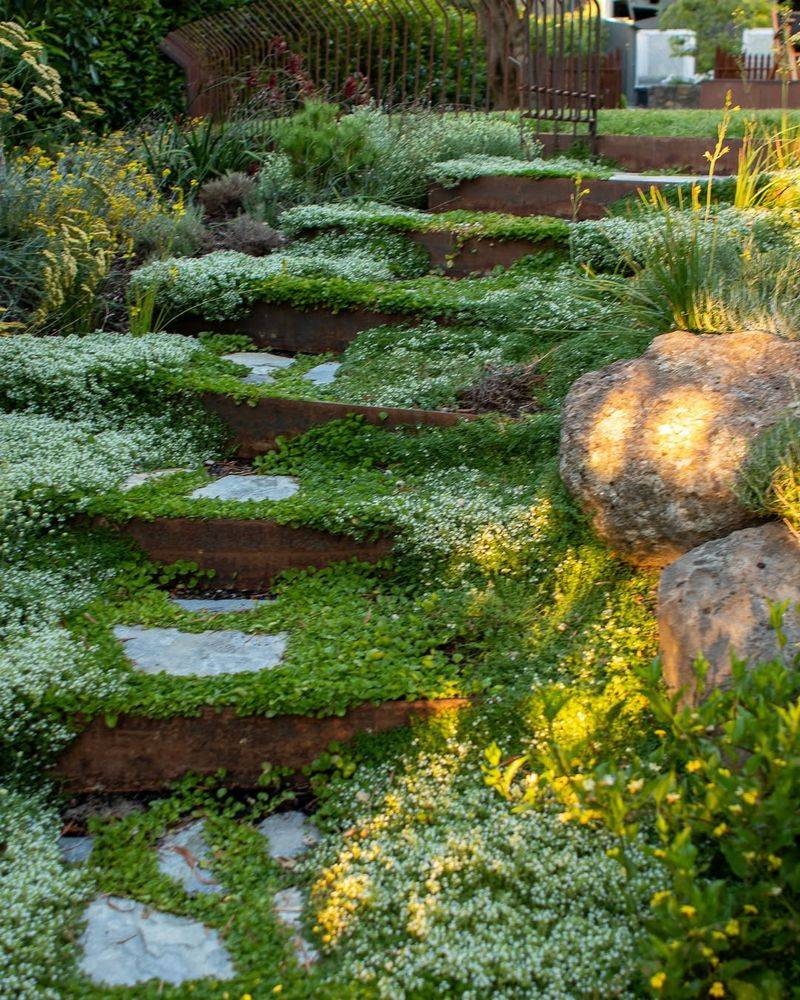
Ground covers like thyme, sedum, or clover create living carpets that need far less care than traditional lawns.
Stepping stones placed through these low-growing plants provide walking paths without compacting the ground cover.
This combination offers the best of both worlds: soft greenery with functional walkways.
Stepping stones can be natural flagstone, concrete pavers, or even large river rocks.
Space them at comfortable walking distances, typically 18 to 24 inches apart.
Set each stone level with or slightly above the ground cover so they remain visible and functional.
Ground covers spread around and between stones, softening edges and creating a cottage garden feel.
Many ground cover plants tolerate light foot traffic, but stepping stones protect them from heavy use.
This design works beautifully in areas where full lawns seem too formal or require too much water and mowing.
Oregon gardeners appreciate how ground covers stay green through winter when grass goes dormant.
Stepping stones also prevent muddy footprints during wet months.
Maintenance involves occasional trimming if ground covers spread too enthusiastically, but this takes minutes compared to weekly mowing.
The varied textures of stone and living plants create visual interest that plain grass cannot match.