Stone Landscaping Ideas That Save Nevada Homeowners Time And Effort
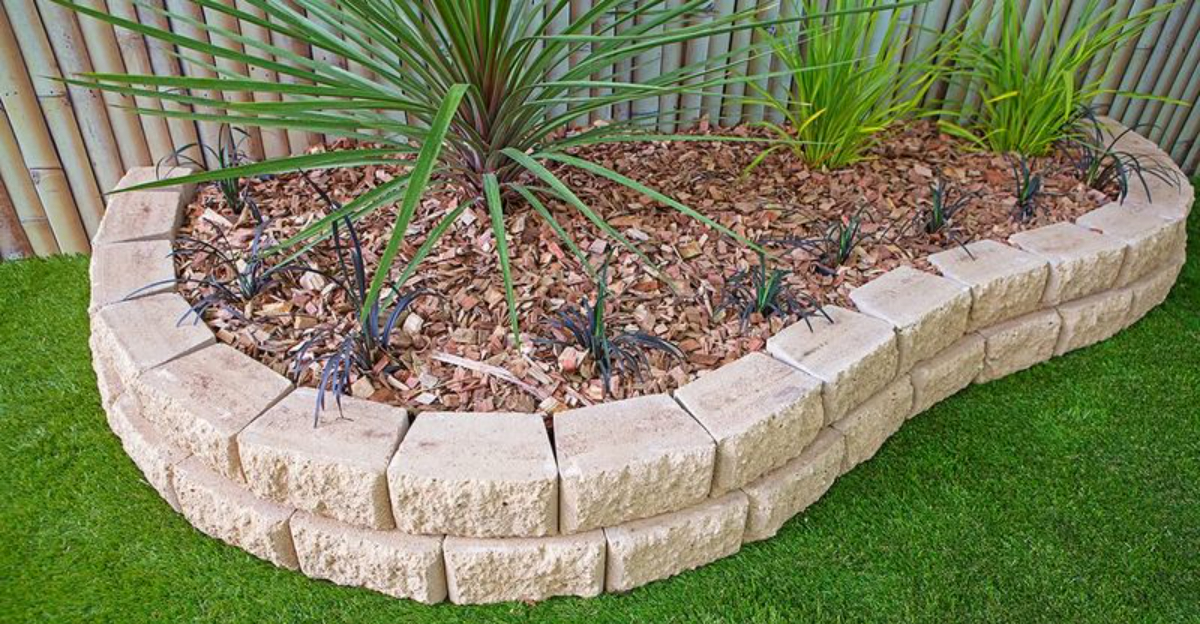
Stone landscaping has become a smart solution for Nevada homeowners who want attractive yards without constant upkeep.
Hot summers, dry air, and strict water limits make traditional lawns feel like more work than they’re worth.
Gravel, rock, and stone surfaces handle Nevada heat far better than grass while still looking intentional and clean.
Instead of mowing, edging, and watering, stone features stay put and keep yards looking neat with minimal effort.
Many Nevada properties use stone to control dust, reduce weeds, and create defined outdoor spaces that last for years.
Once installed, stone landscaping cuts back on weekly chores and ongoing maintenance costs. That extra time can be spent enjoying the yard rather than working in it.
Stone paths, borders, and ground cover also hold up well during wind and sudden weather shifts common across Nevada. They stay stable when other materials break down or shift.
Over time, stone landscaping turns outdoor spaces into low-effort areas that still feel polished and purposeful.
1. Desert River Rock Pathways
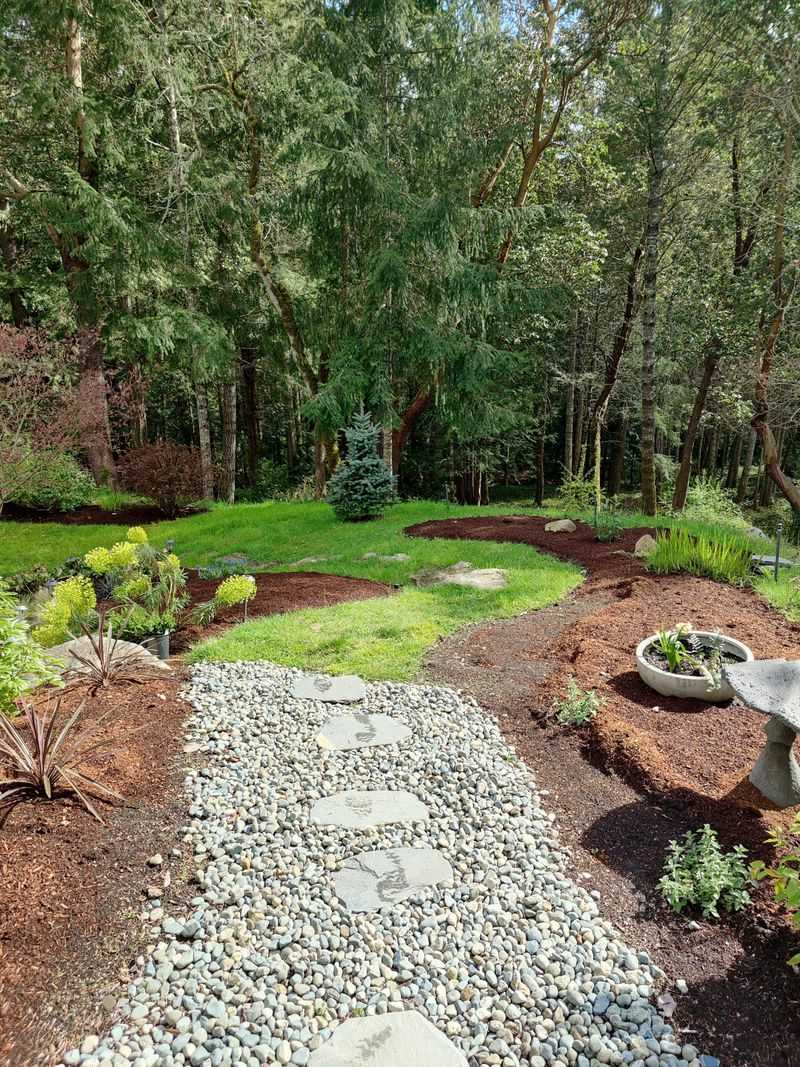
Creating walkways with river rocks transforms your Nevada property into a low-maintenance paradise. Smooth stones in shades of tan, gray, and rust blend naturally with the surrounding desert landscape.
Installing these pathways takes just a weekend but saves countless hours of mowing, edging, and watering that grass paths demand.
River rocks come in various sizes, letting you customize the look from fine pebbles to chunky stones.
They stay cool underfoot compared to concrete and provide excellent drainage during rare rainstorms.
Nevada homeowners appreciate how these paths prevent muddy tracks into the house while creating defined walking areas through garden beds.
Maintenance involves occasional raking to keep stones level and adding fresh rocks every few years. Weeds rarely push through when you lay landscape fabric underneath.
The natural colors complement stucco homes and desert plants beautifully, creating a cohesive outdoor design that feels intentional rather than neglected.
River rock walkways also reduce dust and soil erosion, which is especially helpful during Nevada’s dry, windy conditions.
Over time, they settle into place and become one of the easiest landscape features to live with year after year.
2. Decorative Boulder Focal Points
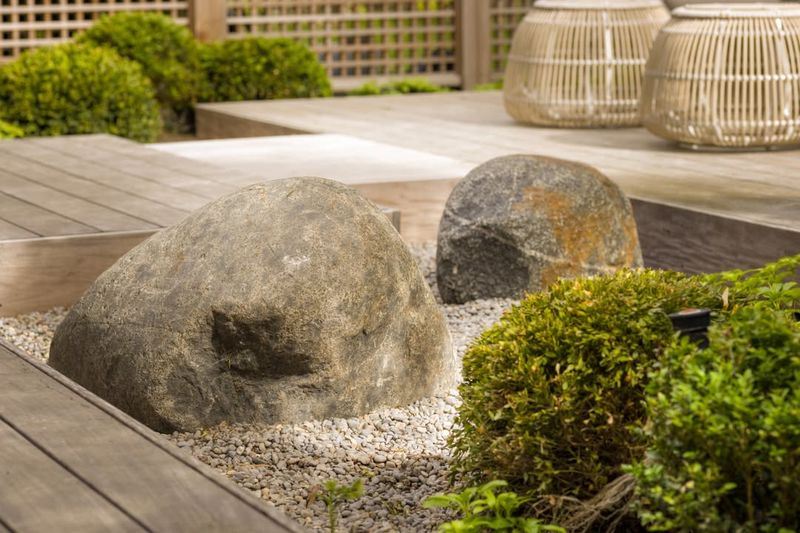
Large boulders create instant drama in Nevada yards without requiring any ongoing care. Positioning one or two statement rocks near your entrance or in garden beds adds visual weight and texture.
These natural sculptures cost less than elaborate water features and never need repairs or electricity to make an impact.
Choosing native Nevada stone types like sandstone or granite helps your landscape feel rooted in place.
Boulders range from basketball-sized to small-car-sized, depending on your budget and space.
Professional placement ensures they sit securely and look like they’ve always belonged there rather than randomly dropped.
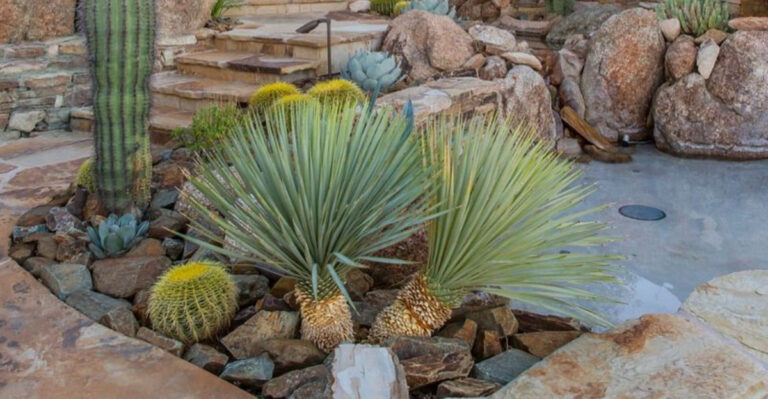
Desert plants tucked around the base soften the edges while highlighting the boulder’s natural beauty.
Unlike decorative items that fade or break, stone improves with age as lichens add character.
Nevada’s intense sun causes no damage, and winter freezes won’t crack properly selected rocks, making them truly set-and-forget landscape elements.
Large boulders also help anchor open spaces, preventing yards from feeling empty or unfinished.
They create natural focal points that guide the eye and balance surrounding plants and hardscape features.
For Nevada homeowners seeking impact without upkeep, boulders offer one of the most reliable long-term design choices.
3. Crushed Granite Ground Cover
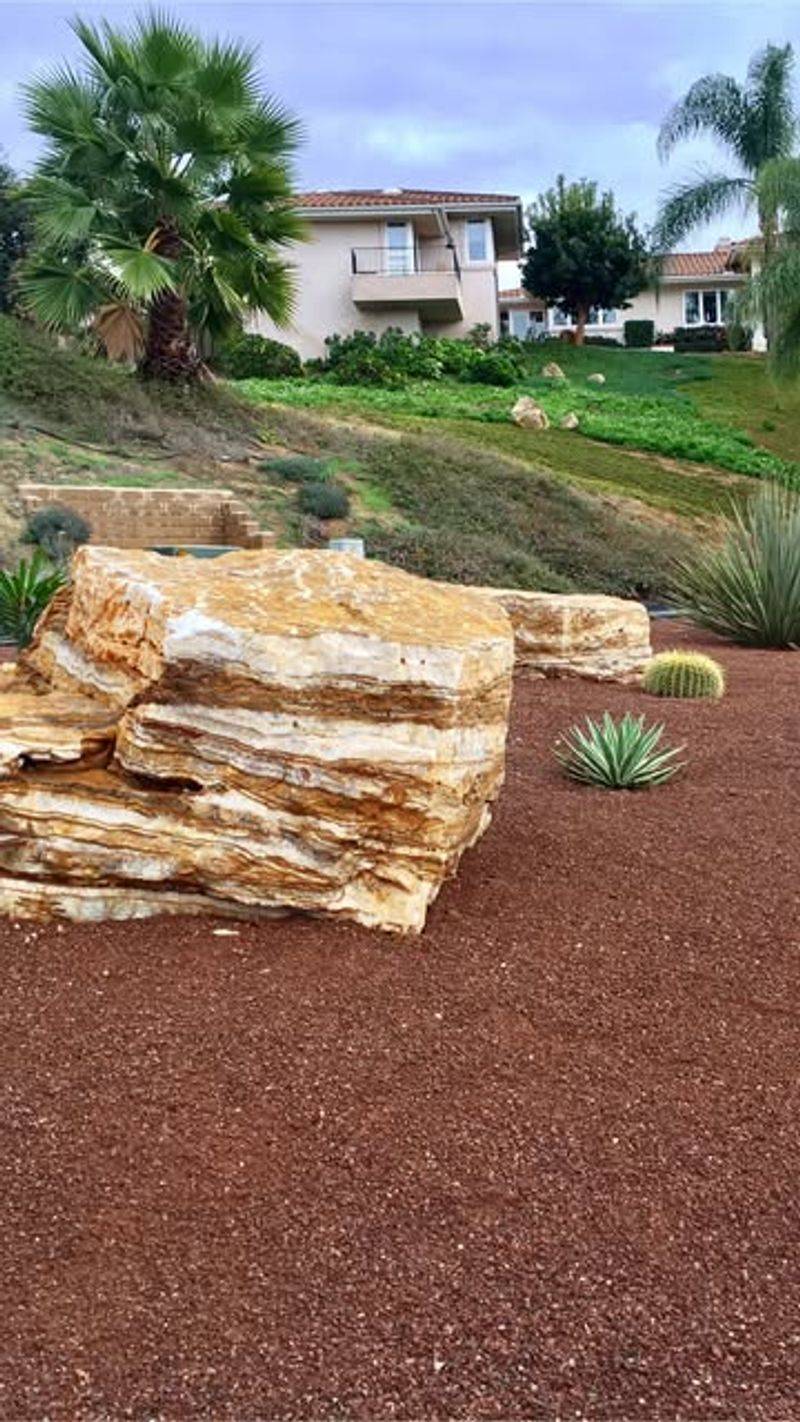
Spreading crushed granite across planting beds eliminates weeding while creating a polished look. This affordable material packs down slightly over time, forming a stable surface that resists wind scatter better than loose mulch.
Nevada homeowners save money on water bills since granite doesn’t absorb moisture meant for plants.
Colors range from buff to reddish-brown, letting you match your home’s exterior or create contrast.
The angular pieces lock together naturally, staying in place during windstorms that would blow lighter materials away.
Installation requires minimal skills—just clear the area, lay fabric, and spread the granite evenly.
Unlike wood chips that decompose and need annual replacement, granite lasts indefinitely with just occasional top-dressing.
It reflects heat less than darker materials, helping plant roots stay cooler during Nevada’s brutal summers.
The texture provides visual interest without competing with flowering plants, creating a sophisticated backdrop that makes your landscape look professionally designed.
Crushed granite creates a clean, finished surface that holds its shape over time, helping planting beds look intentional and well maintained without constant touch-ups.
Because it does not break down or wash away easily, this material supports long-term landscape structure while still allowing water to pass through to the soil below.
Once settled, it provides a calm visual base that highlights plants, hardscaping, and architectural details without demanding ongoing attention or seasonal replacement.
4. Stacked Stone Retaining Walls
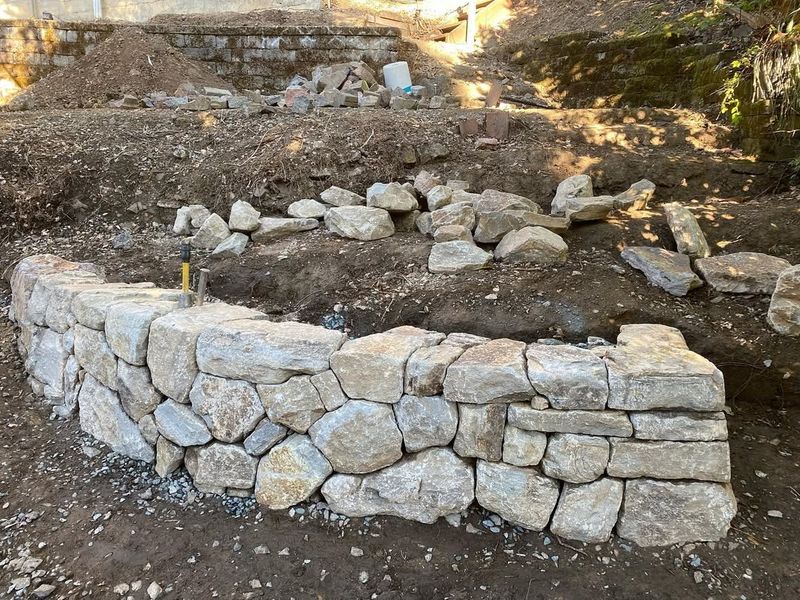
Building retaining walls from stacked stone solves slope problems while adding architectural interest. These structures hold soil in place without rotting like wooden walls or requiring the industrial look of concrete blocks.
Nevada properties with elevation changes benefit from terraced areas that create usable flat spaces for seating or planting.
Dry-stacking techniques use friction and gravity rather than mortar, allowing flexibility as ground settles. Natural stone walls develop character over decades, with gaps providing homes for beneficial lizards that eat garden pests.
The thermal mass helps moderate temperature swings, protecting nearby plants from extreme heat and cold.
Maintenance involves checking stability annually and resetting any shifted stones, which takes minutes rather than hours. Unlike painted or stained surfaces, stone never needs refinishing.
The rustic texture complements Nevada’s rugged landscape while providing functional support that prevents erosion during heavy rains, making your property both beautiful and structurally sound.
Stacked stone walls also create subtle visual rhythm across a yard, breaking up long slopes into defined sections that feel more intentional and usable.
As plants mature around the stones, the wall begins to blend naturally into the landscape, softening hard edges while still providing strong structural support.
This combination of durability and visual depth makes stacked stone a solution that improves both function and appearance over time.
5. Pebble Mosaic Patios
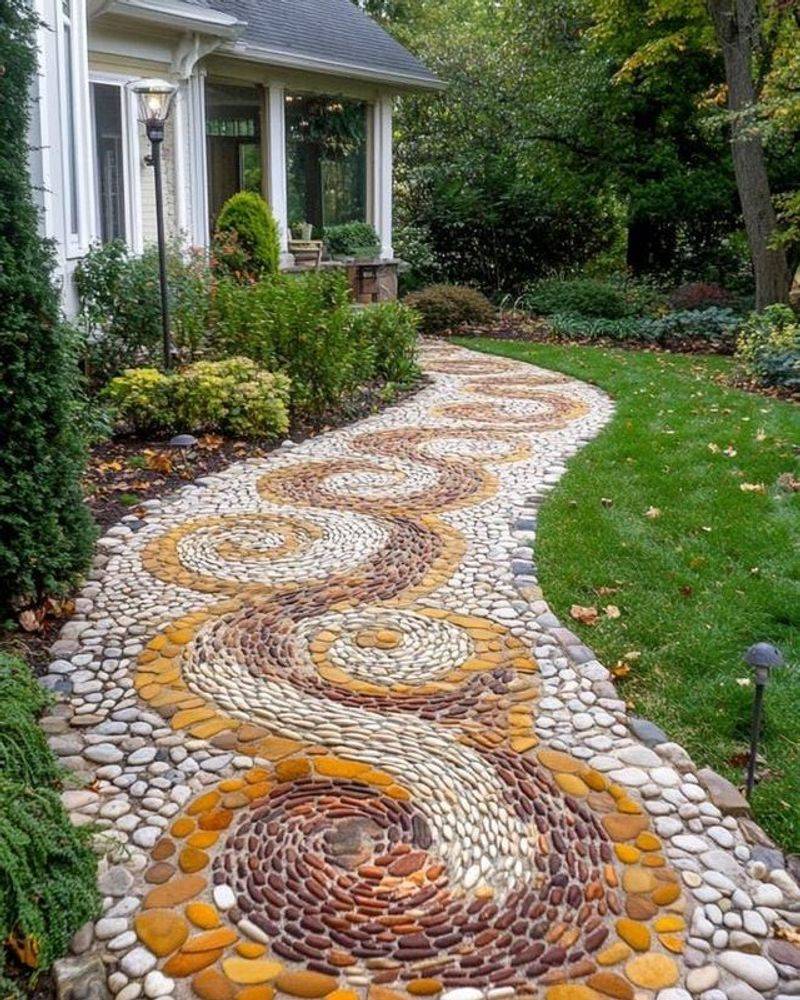
Designing patios with arranged pebbles creates artistic outdoor floors that require zero upkeep. Small smooth stones set in sand or mortar form patterns ranging from simple swirls to elaborate geometric designs.
Nevada homeowners enjoy personalized spaces that showcase creativity while handling foot traffic and weather without complaint.
Installation takes patience but not professional skills, making it a satisfying weekend project.
Pebbles in contrasting colors create definition, while uniform tones offer understated elegance.
The textured surface provides natural slip resistance when wet, unlike smooth tile or polished concrete that become hazardous.
Once in place, pebble patios last generations with minimal intervention. Sweeping removes debris, and occasional hosing keeps stones looking fresh.
Unlike wooden decks that splinter or concrete that cracks, pebble surfaces flex slightly with ground movement, preventing damage.
The natural drainage prevents puddles, and Nevada’s dry climate means you’ll rarely deal with moisture issues that plague more humid regions.
Pebble patios also create a visual softness that balances hard architectural lines, making outdoor areas feel more inviting and thoughtfully designed.
Because the materials are natural and timeless, these surfaces age gracefully without looking dated or needing cosmetic updates.
Over time, the combination of durability, texture, and subtle pattern turns pebble patios into lasting features that feel both artistic and practical.
6. Flagstone Seating Areas
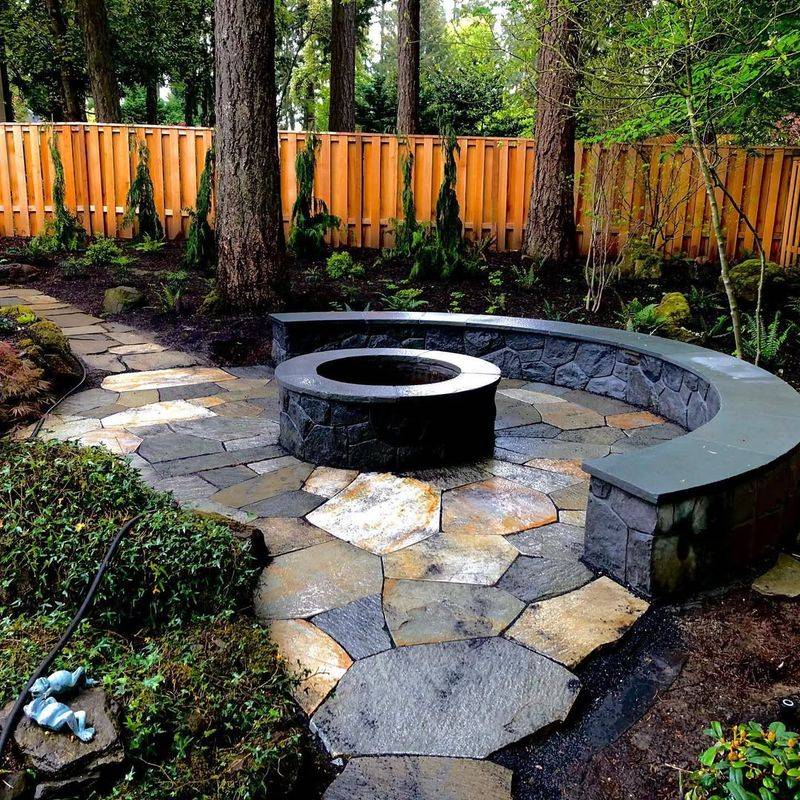
Laying flagstone creates elegant gathering spaces that feel custom-designed. Irregular shapes fit together like natural puzzles, with sand or gravel filling the joints.
These areas stay cooler than solid concrete and provide better traction than smooth surfaces, making them practical for Nevada’s climate and lifestyle.
Thickness variations add character, and the natural cleft surface shows beautiful striations and color variations.
Installation over compacted base material ensures stability without complicated techniques.
Flagstone handles temperature extremes without cracking, expanding, or contracting like manufactured materials.
Maintaining flagstone involves sweeping and occasional rinsing, taking less time than staining a deck.
Weeds that sprout between stones pull out easily from sand joints, or you can use polymeric sand that hardens to prevent growth.
Nevada residents appreciate how flagstone ages gracefully, developing a patina that enhances rather than detracts from appearance, creating outdoor rooms that improve property value while demanding almost nothing in return.
Flagstone layouts naturally guide foot traffic and furniture placement, helping outdoor areas feel organized without looking overly planned or rigid.
As surrounding plants grow and weather softens the stone edges, the space takes on a lived-in quality that feels established rather than newly installed.
This balance of durability, comfort, and visual depth makes flagstone a long-term solution that continues to look better with age instead of wearing out.
7. Lava Rock Garden Beds
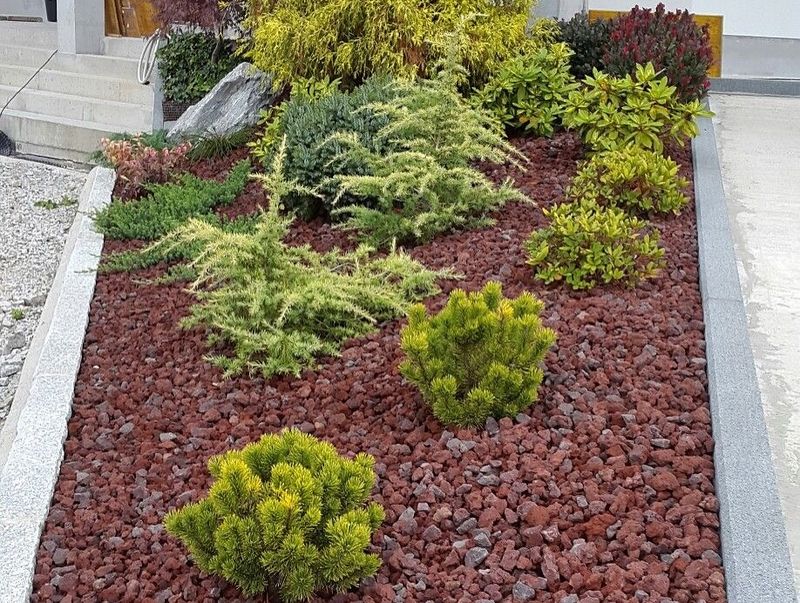
Filling garden beds with lava rock provides drainage while suppressing weeds effectively. The porous volcanic material allows air circulation around plant roots, promoting healthier growth.
Nevada gardeners value how the dark reddish-brown color creates striking contrast against green succulents and silvery desert plants.
Lightweight compared to denser stones, lava rock ships economically and spreads easily without heavy equipment.
The rough texture discourages cats and other animals from digging in beds.
Heat absorption during the day releases slowly at night, extending the growing season slightly for cold-sensitive plants.
Unlike organic mulches that compact and decompose, lava rock maintains its structure indefinitely.
Rinsing occasionally removes dust buildup, but otherwise, it requires zero attention.
The natural appearance fits seamlessly into Nevada’s volcanic landscape, creating gardens that look native and intentional.
Combining lava rock with boulders and drought-tolerant plants produces cohesive designs that celebrate the desert environment rather than fighting against it.
Lava rock also helps stabilize soil temperatures by reducing rapid swings that can stress roots during extreme daytime and nighttime changes.
Because it does not blow away, float, or wash out easily, it keeps garden beds looking consistent even after wind, irrigation, or seasonal weather shifts.
Over time, this durability makes lava rock a dependable choice for gardeners who want strong visual impact without ongoing maintenance demands.
8. Stone Edging Borders
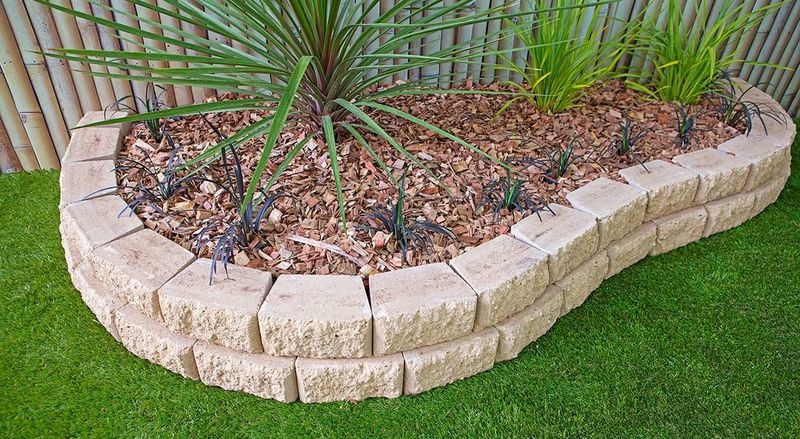
Installing stone borders along planting beds defines spaces while preventing grass encroachment. Flat stones set vertically or horizontally create clean lines that guide the eye through your landscape.
Nevada homeowners eliminate tedious edging chores that come with maintaining grass boundaries against flower beds.
Natural stone edges complement any architectural style, from modern to traditional southwestern designs. The permanent borders mean you’ll never replace rotted wood or rusted metal edging again.
Stones withstand weed trimmer impacts that destroy plastic alternatives, maintaining crisp appearance year after year.
Placement takes an afternoon but pays dividends in reduced maintenance for decades.
The physical barrier stops grass runners while allowing water to drain freely.
Nevada’s temperature swings don’t affect stone like they do manufactured edging that warps and cracks.
Combining stone edging with gravel or granite fill creates professional-looking beds that frame your plantings beautifully, making even simple landscapes look thoughtfully designed and well-maintained.
Stone edging also helps keep soil from washing onto walkways during irrigation or heavy rain.
Clear boundaries make planting, mulching, and seasonal cleanup quicker and far more controlled.
9. Pea Gravel Courtyards
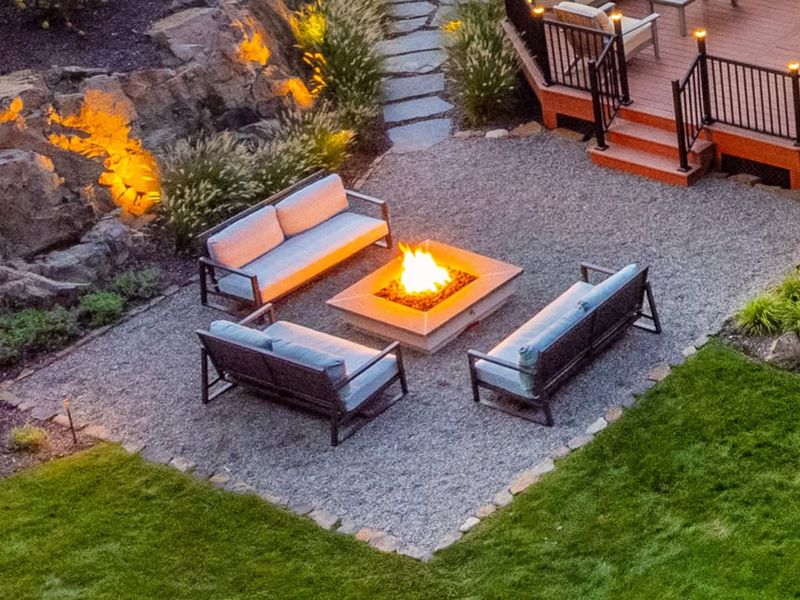
Transforming unused spaces into pea gravel courtyards adds functional outdoor rooms.
The small rounded stones create soft surfaces underfoot while providing excellent drainage.
Nevada residents convert side yards and back corners into inviting spaces for container gardens, seating, or simply visual interest without installing expensive hardscaping.
Pea gravel comes in neutral tones that work with any color scheme and stays loose enough to rake smooth easily.
Unlike solid surfaces, it allows rainwater to percolate naturally into soil rather than creating runoff.
The crunching sound underfoot provides a security feature, alerting you to visitors.
Maintenance involves adding fresh gravel every few years as stones gradually sink into soil. Blowing leaves off takes minutes compared to raking lawns or sweeping large patios.
The informal texture suits Nevada’s casual outdoor lifestyle while looking intentional rather than neglected.
Surrounding pea gravel areas with larger stone borders contains the material and creates visual distinction between different landscape zones.
10. Rock Mulch Around Trees
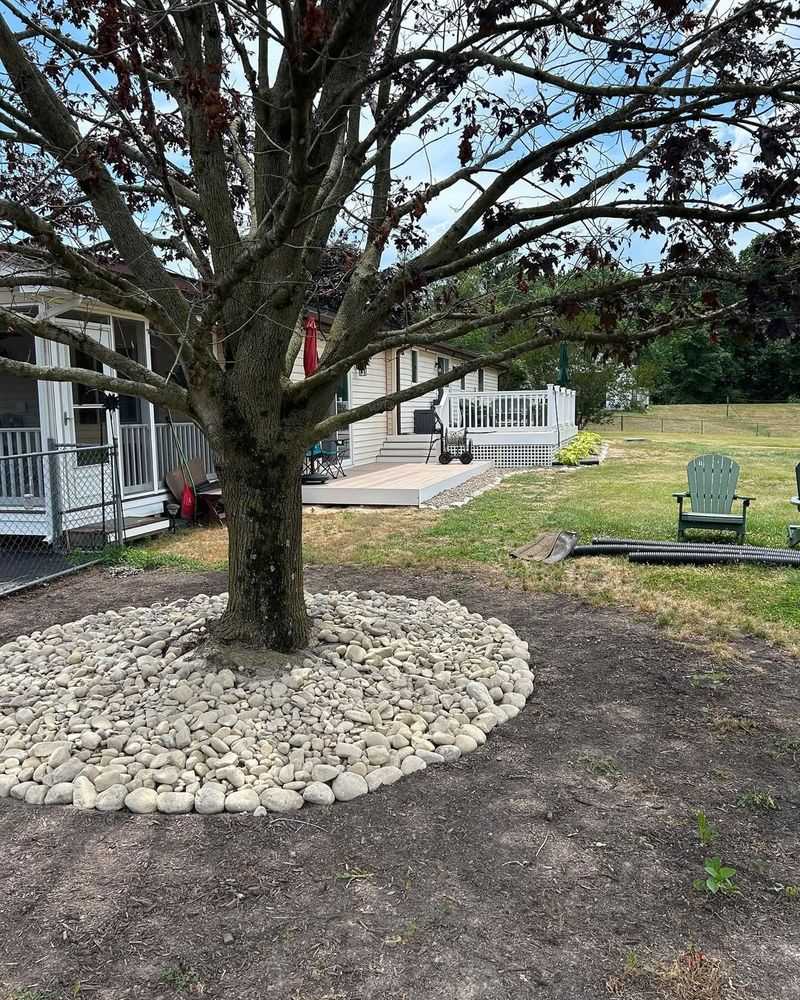
Surrounding trees with rock mulch eliminates grass competition and reduces watering needs. Stone rings extend from trunk to drip line, protecting roots while creating tidy circles that simplify mowing.
Nevada homeowners avoid the constant battle of keeping grass alive under tree canopies where shade and root competition make growth difficult.
Choosing complementary stone colors ties individual trees into your overall landscape theme. The mulch moderates soil temperature, keeping roots cooler in summer and warmer during winter freezes.
Unlike wood mulch that attracts termites, rock poses no pest risks to your home or trees.
Application requires removing existing grass, laying fabric, and spreading stones several inches deep.
Once established, these tree rings need virtually no maintenance beyond occasional leaf removal.
Nevada’s native trees especially thrive with rock mulch that mimics their natural desert floor conditions.
The permanent solution means you’ll never buy bagged mulch again, saving money and time while creating landscapes that honor the region’s natural beauty and practical realities.