Stop Leaving Newly Seeded Root Crops Exposed To North Carolina’s 98 Degree Sun
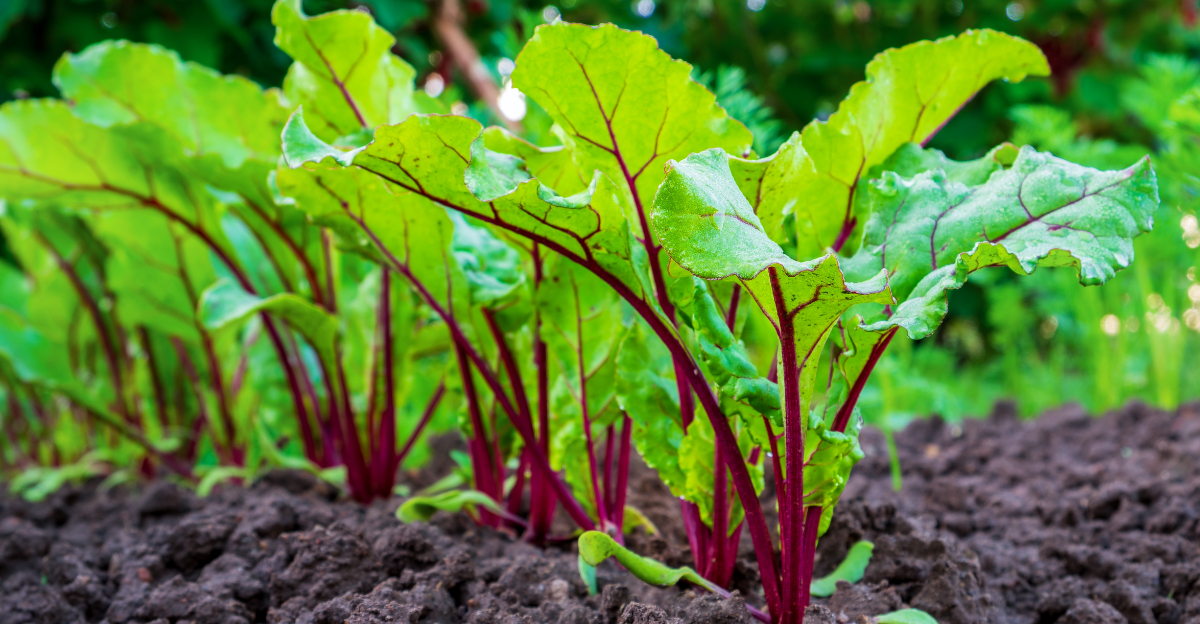
Newly seeded root crops need gentle, consistent conditions to germinate well, but a sudden 98 degree day in North Carolina can undo that fast.
Seeds sitting just below the soil surface are vulnerable to heat in a way established plants aren’t, since there’s no root system yet to pull up moisture and cope with the stress.
Exposure to intense sun during this fragile stage can dry out the soil faster than seeds can handle, leading to poor germination or seedlings that struggle right out of the gate.
For root vegetables especially, a rough start below ground often means uneven growth later, even if the plant looks fine above the soil.
With another scorching stretch in the forecast, this is a moment where a small precaution goes a long way. Here’s what North Carolina gardeners should be doing right now to protect newly seeded root crops from the sun.
1. Protect The Seed Bed From Afternoon Heat
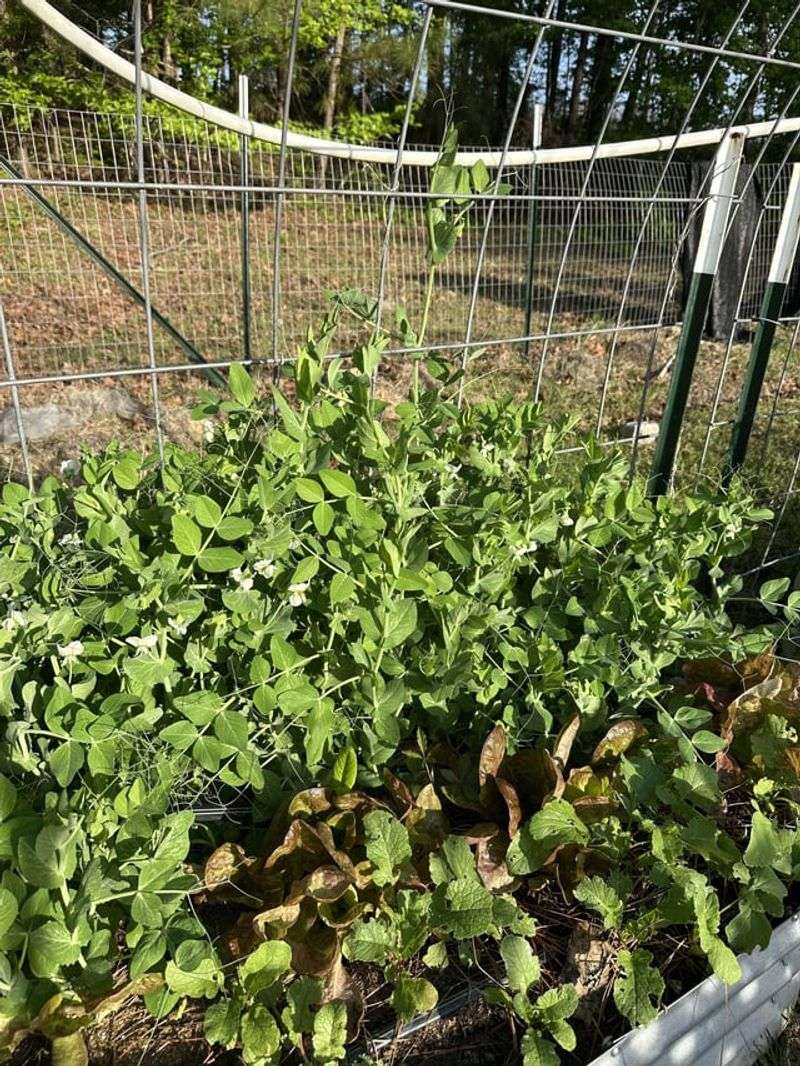
Picture a tiny carrot seed resting just below the soil surface while the afternoon sun beats down at 98 degrees. That top layer heats up fast, and the little bit of moisture around the seed vanishes before it ever gets a chance to sprout.
Root crops like carrots, radishes, and beets germinate best when the soil stays cool and damp. When bare ground bakes in full sun, temperatures near the surface can climb far higher than the air around it.
Seeds sitting in that hot zone simply shut down instead of waking up. North Carolina heat waves make this worse because the sun stays strong for hours.
The Piedmont and Coastal Plain often see long, blazing afternoons that turn a moist seed bed into a dry crust by evening. Even if you watered in the morning, that moisture may be long gone by two o’clock.
The fix starts with paying attention to your hottest hours. Afternoon sun does the most harm, so plan your protection around that window. A shaded, cooler seed bed gives seeds the steady conditions they crave.
Try checking your soil with your finger during the peak of the day. If it feels warm and dry an inch down, your seeds are struggling.
Small changes, like adding light cover or watering at the right time, keep that surface friendlier.
When you treat the seed bed like a delicate nursery instead of leaving it open to the sky, your rows fill in evenly and your harvest looks much stronger.
2. Shade The Soil Before Seeds Sprout
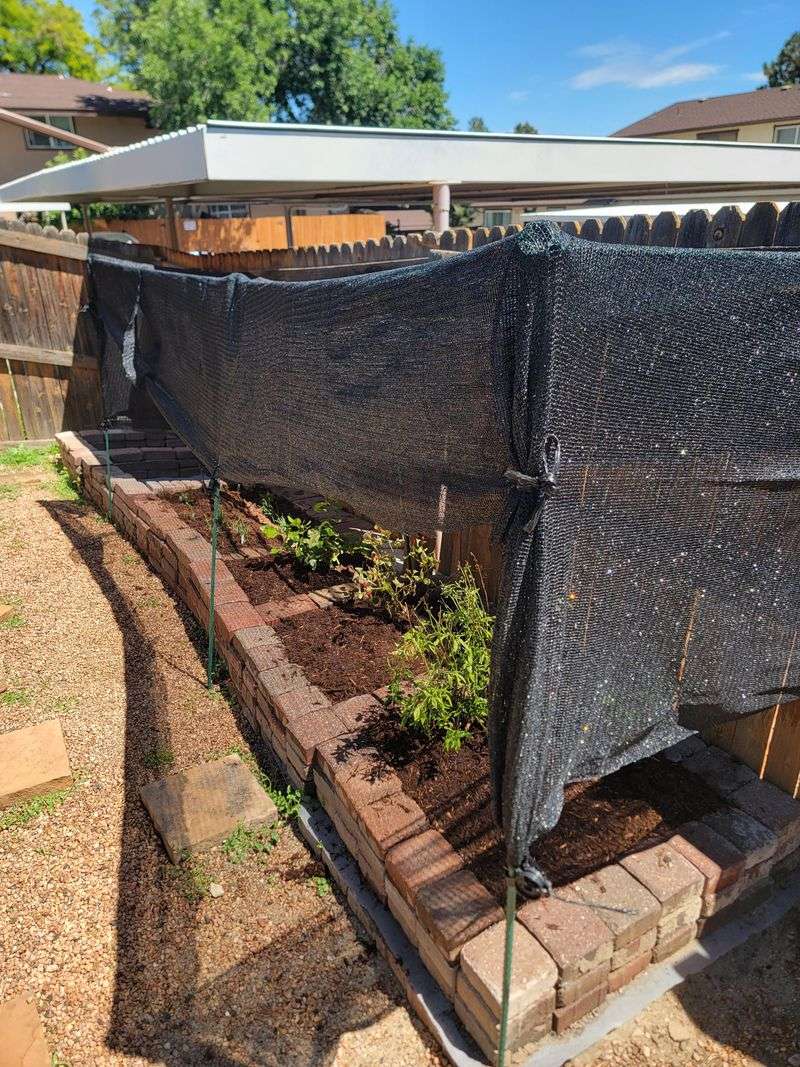
One of the easiest tricks in a hot-weather garden is a simple piece of shade cloth stretched over your rows. It acts like a beach umbrella for your seeds, dropping the soil temperature enough to let them do their job.
Shade cloth comes in different levels, and something around 30 to 40 percent works well for cooling without making things too dark. You can drape it over low hoops, prop it on stakes, or lay a light board along the row until sprouts appear.
The goal is to break the harshest rays during peak sun. Here is the part many gardeners forget. Once seedlings poke through, they need real light to grow strong.
Your North Carolina Garden Changes Every Week. Your Plan Should Too.
Gardening in North Carolina changes quickly throughout the season. Every Friday you’ll receive a simple weekly plan showing exactly what to plant, prune, fertilize, harvest, and protect so you never miss the right timing.
Leaving heavy cover on too long makes them stretchy and weak, so lift the shade or switch to a lighter material as soon as green shows up.
Other quick options work too. An old bedsheet, burlap, or even scattered straw can soften the sun until germination happens. Just remember to check daily so you catch that first burst of sprouts.
Temporary shade also keeps the surface from drying out as fast, which means you water less often and worry less about crusting. It is a small effort that pays off in fuller, more even rows.
Think of shade as a short-term babysitter for your seed bed. You only need it during the toughest stretch, and then you hand the job back to the sun once your seedlings are ready to soak it up.
3. Keep The Top Layer Consistently Moist
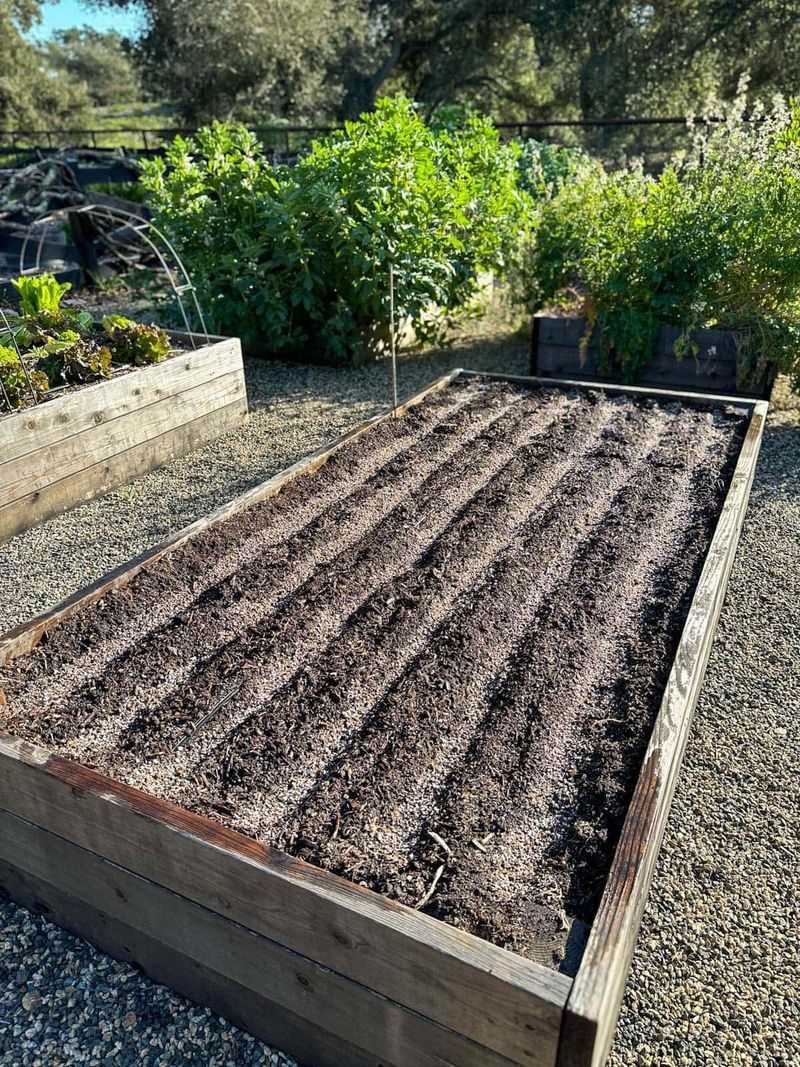
Water is the secret handshake between a seed and a sprout. Root crop seeds sit near the surface, and that shallow zone is exactly where hot North Carolina afternoons steal moisture the fastest.
Carrots and beets can take a couple of weeks to germinate, which is a long time to keep such a thin layer damp. If the seed dries out even once during that stretch, it may quit for good.
Steady moisture is what keeps the process moving along.
During heat waves, one watering a day often is not enough. Many gardeners water lightly in the early morning and again in the late afternoon to keep the surface from cracking open.
The idea is not to flood the bed but to keep it evenly moist, like a wrung-out sponge. A gentle spray matters here. A strong blast can wash seeds out of place or dig little trenches, so use a soft nozzle or a fine watering can.
You want the water to soak in without disturbing your neat rows. Mulch and shade help stretch the time between waterings, but during the worst heat you still need to check often. Poke a finger into the soil and feel for dampness near the seeds.
Consistency beats quantity every time. A garden that gets small, regular sips stays far healthier than one that swings between soggy and bone dry. Keep that top layer cool and damp, and your seeds reward you with quick, even sprouting.
4. Avoid Letting A Crust Form
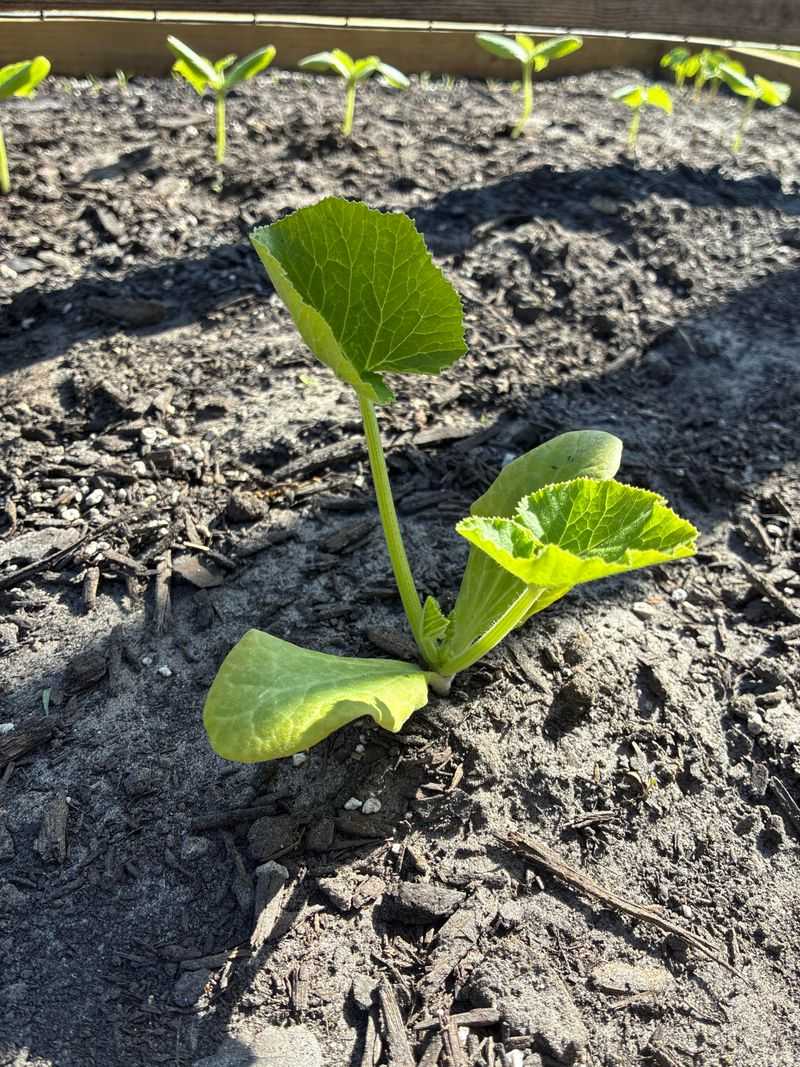
When wet soil dries out under a hot sun, it can harden into a stiff crust across the surface. That crust may look harmless, but for a tiny seedling it is like trying to push through a locked door.
Root crops have small, delicate sprouts that need soft soil to break into the open air. If a crust forms right above them, they run out of energy before they can punch through.
That is one big reason gardeners end up with gaps in their rows. Repeated cycles of drying make the problem worse. Every time the bed dries and hardens, the surface gets tougher.
North Carolina’s blazing afternoons speed up this drying, so crusting can happen faster than you expect.
Keeping the surface moist is your first defense, since damp soil rarely cakes. A light covering of fine mulch, compost, or even vermiculite over the seed row also helps hold water and stops that hard shell from forming.
If a crust does show up, break it gently. Lightly mist the area, then use your fingers or a small rake to loosen the very top layer without disturbing the seeds below.
Be careful, because sprouts may be hiding just underneath. Some gardeners cover rows with a board or cloth until seeds are close to emerging, then remove it right before sprouts appear. This keeps the surface soft and welcoming.
A crumbly, easy surface lets your seedlings rise up with almost no effort, giving you those full rows you are hoping for.
5. Plant At The Right Time For Fall
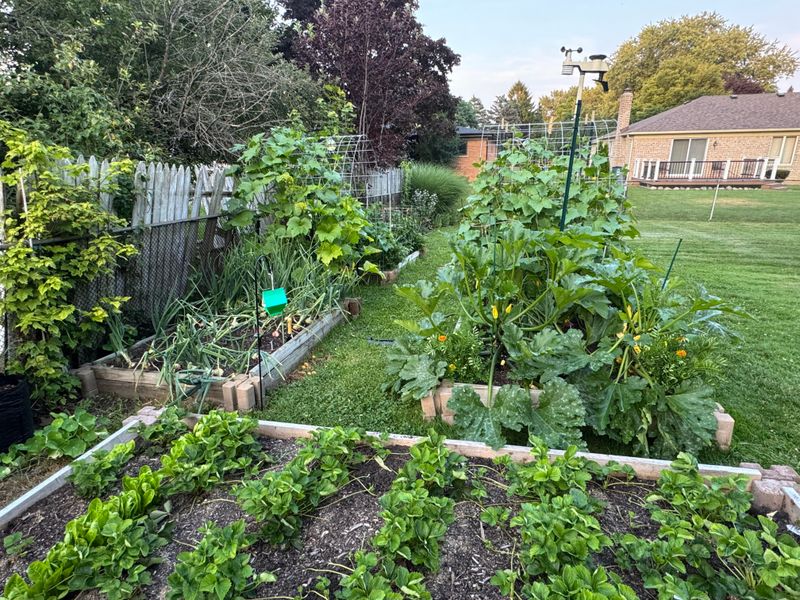
Timing can be your best friend when you are growing root crops in a hot climate. Many North Carolina gardeners aim their fall carrots, beets, and turnips for the window when summer heat starts backing off.
Planting too early means fighting the full force of 98 degree afternoons. Planting a little later, as the worst heat eases, gives seeds cooler soil and a smoother start. The plants then mature during the crisp, comfortable days of autumn.
North Carolina is a big state with three main regions, and each one has its own rhythm. In the Mountains, cooler weather arrives sooner, so fall planting often starts earlier in the season.
Gardeners up there get a shorter warm window but milder summers overall.
Down in the Piedmont, the heat lingers longer, so planting usually happens a bit later than in the mountains. The Coastal Plain stays warmest of all, which means gardeners there often wait even further into late summer or early fall before seeding.
Checking your local frost dates and county extension guides takes the guesswork out of it. Those resources tell you when your area cools down enough for happy root crops.
Working with the seasons instead of against them saves you from constant watering battles and patchy rows. Seeds planted in kinder conditions sprout faster and grow stronger.
When you match your planting date to your region, you set your garden up for success before you ever drop a seed into the ground. Good timing quietly does half the work for you.
6. Use Mulch Carefully After Sprouting
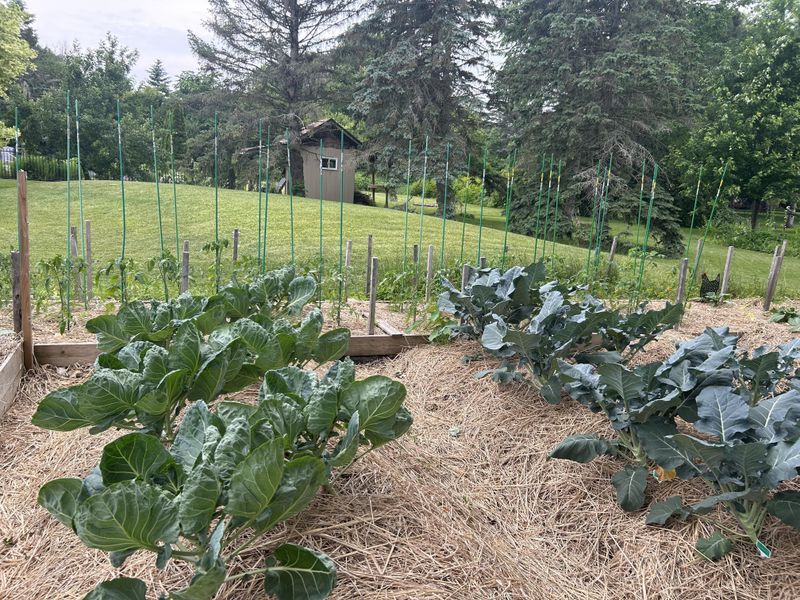
Mulch is a garden hero, but timing and amount matter, especially with small root crops. A thin layer spread after your seedlings are up helps lock in moisture and keeps the soil from overheating.
The trick is to wait until the sprouts have a little size to them. If you pile mulch over tiny, freshly emerged seedlings, you can bury them and block the light they need.
Patience here keeps your young plants from getting smothered.
Once seedlings stand a couple of inches tall, tuck a light layer of straw, shredded leaves, or fine compost around them. Keep the material off the stems and spread it between the rows and plants rather than on top of them.
A gentle mulch layer works like a cozy blanket for the soil. It slows evaporation, so the surface stays damp longer and you spend less time dragging the hose around.
It also softens the impact of hard rain and keeps weeds from crowding your crops.
Go easy with the thickness. A light dusting is plenty for young root crops, while a thick pile can trap too much dampness and invite trouble. You can always add more as the plants grow taller and sturdier.
Skip fresh grass clippings right on tender seedlings, since they can heat up as they break down. Dry, airy materials are a safer choice early on.
Used with a little care, mulch keeps your root crops cool, moist, and steady through the rest of a warm North Carolina season.
7. Watch For Uneven Germination
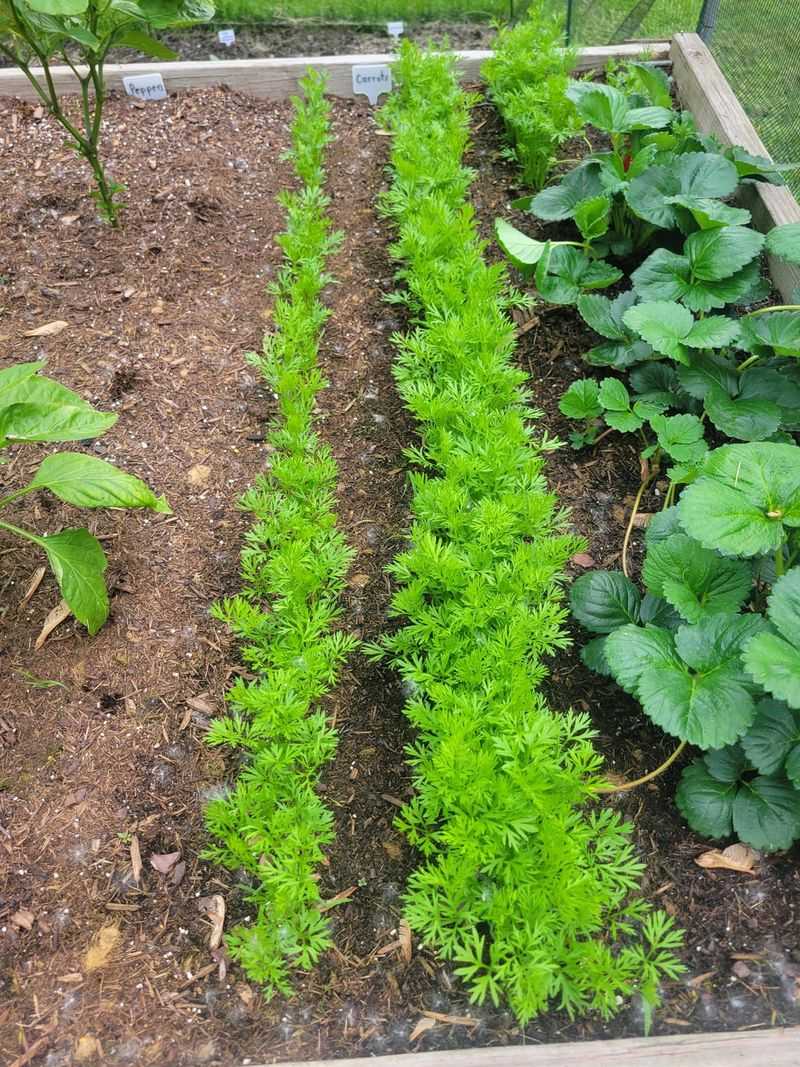
Ever looked down a row and seen thick clusters of sprouts in one spot and bare patches in another? That uneven look is one of the clearest signs that heat stress hit your seed bed.
When parts of the soil dry out faster or heat up more, the seeds in those spots often fail to sprout. Maybe the shade slipped, or one end of the row caught more afternoon sun. The result is a patchy stand that looks messy and grows unevenly.
Spotting the gaps early gives you time to fix them. Root crops do not transplant well, so the best move is usually to reseed the empty areas rather than move plants around. A quick second seeding can fill in those blank spaces nicely.
Before you reseed, think about why that spot struggled. If it dried out, add a little shade or water it more often. If a crust formed, loosen the surface so new seeds have an easier path up.
Keep a few extra seeds on hand for exactly this reason. Radishes sprout fast and make great fillers, while carrots and beets may need a bit more patience the second time around.
Reseeding a couple of weeks after your first planting also helps stretch your harvest. Instead of everything maturing at once, you get a steady supply over time.
Watching your rows closely and acting quickly turns a spotty start into a full, productive bed. A little follow-up care makes those gaps disappear.
8. Give Seedlings Time To Recover
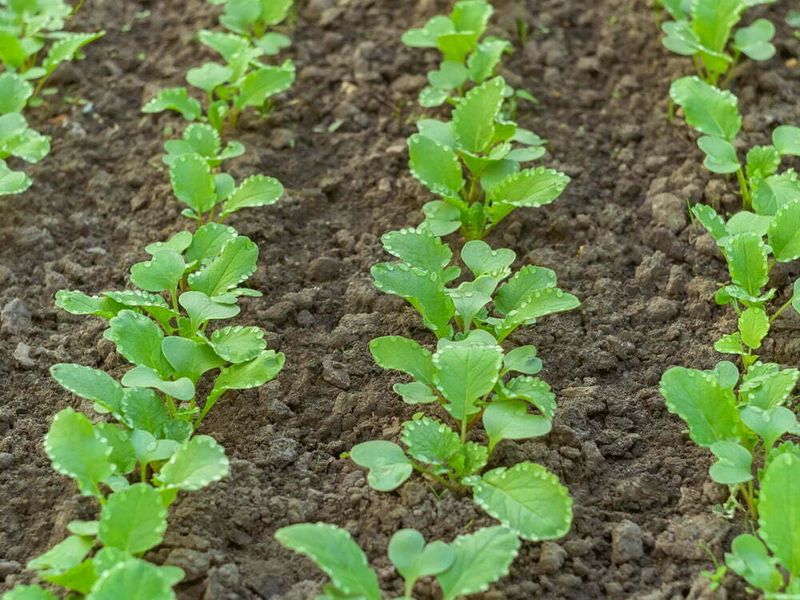
Do not give up on a rough-looking patch too soon. Root crops are tougher than they seem, and many bounce back beautifully once the weather turns kinder.
Early heat can leave seedlings looking pale, small, or slow. That does not always mean the crop is finished.
As North Carolina temperatures cool through fall, those same plants often find their stride and start growing with real energy.
Cooler air and softer sunlight ease the stress on young roots. Instead of pouring their energy into surviving the heat, the plants can focus on building strong leaves and fat, tasty roots below the soil.
Give struggling seedlings steady water and a little patience. Sometimes a bed that looked disappointing in the sizzling weeks of late summer fills out into a lovely stand once October rolls around.
Nature often rewards gardeners who wait. Keep tending the bed even when progress feels slow. Light feeding, gentle watering, and a thin mulch layer support the recovery.
Watch for new leaves and fresh green color as signs that things are turning around.
Of course, if a section stays truly empty, reseeding is still smart. But before you tear anything out, give the plants a couple of cool weeks to show what they can do.
Gardening rewards patience more than panic. A shaky start under a blazing sun can still lead to a satisfying harvest of sweet carrots, crisp radishes, and hearty beets.
Trust the process, keep caring for your rows, and let the cooler season finish the work you started.