Stop Making These 7 Mistakes In Your Pennsylvania Garden This February
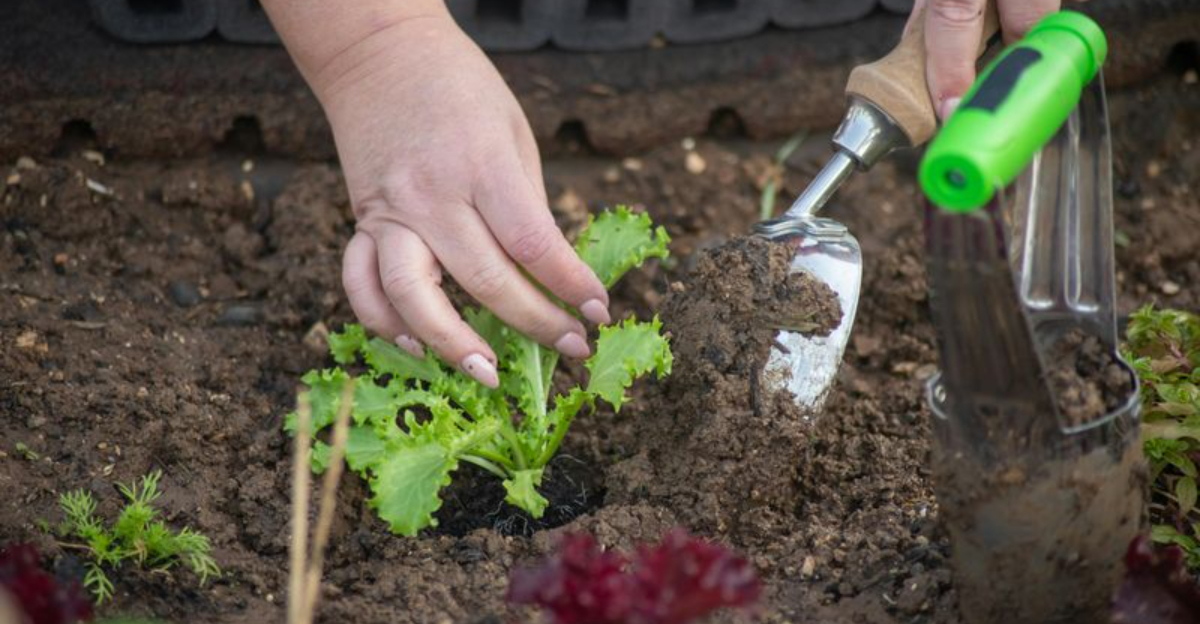
February might feel like a quiet month in the garden, but for Pennsylvania gardeners, it’s actually a crucial time.
While the soil may still be frozen and snow might cover the ground, what you do, or don’t do, now can set the tone for a thriving spring.
The problem? Many gardeners make simple mistakes this time of year that can lead to stunted growth, pest issues, or delayed blooms once the weather warms up.
Maybe it’s pruning too early, ignoring soil prep, or forgetting to check on overwintered plants. Whatever the case, small oversights can have big consequences.
But don’t worry – catching and correcting these habits is easier than you think. If you want to give your garden a solid head start and avoid the setbacks others face, it’s time to take action.
1. Ignoring Soil Preparation During Dry Periods
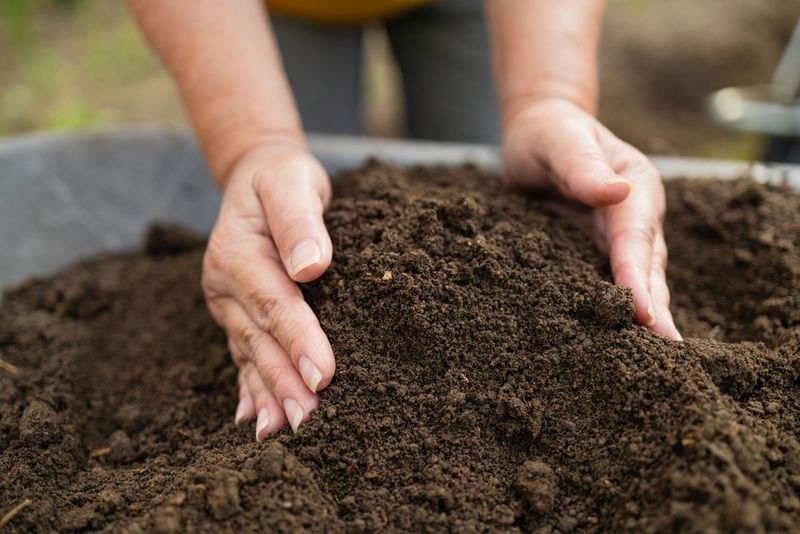
When February brings a few dry days in Pennsylvania, many gardeners stay indoors and miss valuable opportunities. Soil preparation doesn’t have to wait until March or April, especially when the ground thaws and dries out enough to work.
Walking away from these chances means harder, more compacted soil when planting season arrives. Your future plants will struggle to develop strong root systems in unprepared earth.
Working wet or frozen soil causes serious damage to its structure. Clay particles stick together and form hard clumps that take years to break down naturally.
However, when the soil dries to the right moisture level during a February warm period, you can add compost, aged manure, or other organic matter. These amendments need time to integrate and improve soil texture before planting begins.
Testing your soil pH during February also makes sense because it gives you time to make adjustments. Pennsylvania soils often run acidic, and many vegetables prefer a more neutral pH.
Adding lime to raise pH works slowly, so applying it in February means it has weeks to take effect. You’ll have perfectly balanced soil ready when transplanting time comes around.
Avoid tilling or digging when the ground is muddy or frozen solid. Wait for a stretch of dry weather when you can grab a handful of soil and have it crumble apart rather than form a sticky ball.
These windows might be brief in Pennsylvania’s February climate, but taking advantage of them pays off tremendously. Your garden beds will drain better, warm up faster in spring, and support healthier plant growth throughout the season.
2. Planting Too Early Because Of A Warm Spell
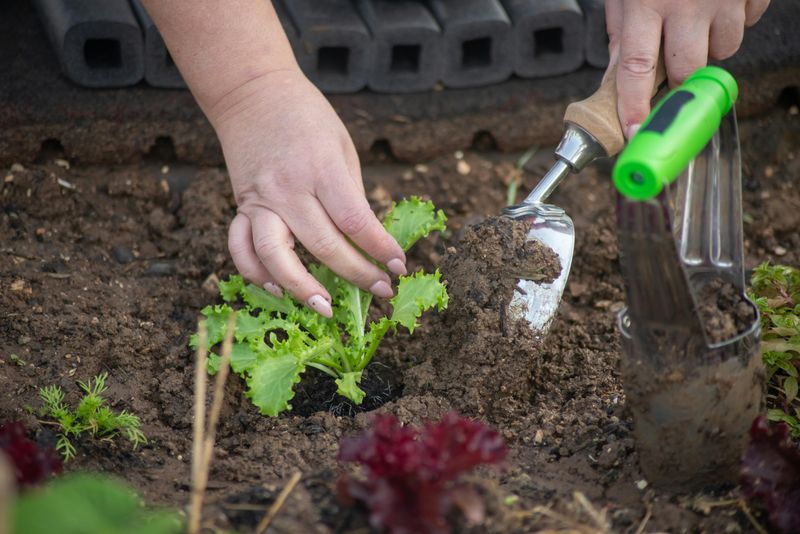
Pennsylvania weather loves to play tricks on gardeners during February. One week might bring temperatures in the 50s or even 60s, making you feel like spring has arrived early.
Your hands might itch to start planting tomatoes, peppers, or other warm-season crops because the sun feels so inviting. However, this warm spell is almost always temporary, and a hard freeze can return without warning.
The average last frost date for most of Pennsylvania falls between mid-April and early May, depending on your specific region. Planting tender vegetables or annual flowers in February puts them at serious risk.
Even if they survive the initial planting, one cold snap can damage or completely destroy young plants that haven’t developed cold tolerance. The money and effort you invest gets wasted when frost returns.
Instead of rushing to plant, use those warmer February days for garden preparation tasks. You can clean up debris, prune dormant trees and shrubs, and plan your garden layout.
Start seeds indoors under grow lights if you’re eager to begin growing. This gives plants a head start in a controlled environment where temperature fluctuations won’t harm them.
Cool-season crops like peas, spinach, and lettuce can sometimes be planted in late February if the ground isn’t frozen, but even these benefit from waiting until March in most Pennsylvania locations. Check your local frost dates and resist the temptation to jump ahead of the calendar.
Patience during February leads to healthier plants and better harvests when the true growing season begins. Pennsylvania’s climate requires gardeners to work with nature’s timeline rather than against it.
3. Forgetting To Protect Perennials From Freeze-Thaw Cycles
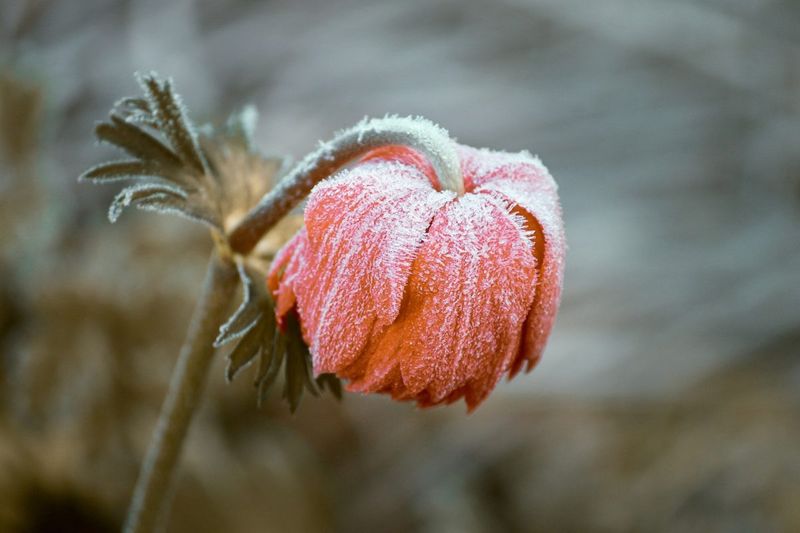
February in Pennsylvania creates a dangerous pattern for perennial plants that many gardeners overlook. Daytime temperatures might climb above freezing while nights drop back down, causing the soil to repeatedly freeze and thaw.
This cycle pushes plant roots upward and exposes them to cold air and drying winds. Perennials that seemed perfectly fine in January can suffer serious damage during this unstable month.
Mulch serves as insulation that keeps soil temperatures more consistent. If you didn’t mulch heavily in fall, February still offers a chance to add protection around your perennials.
Apply a layer of shredded leaves, straw, or wood chips several inches thick around the base of plants. This covering prevents the ground from warming too quickly during sunny days and keeps roots anchored safely below the surface.
Newly planted perennials face the greatest risk because their root systems haven’t fully established yet. Even mature plants with shallow roots, like coral bells and creeping phlox, benefit from extra protection during Pennsylvania’s unpredictable February weather.
Check your garden beds after warm spells to see if any plants have heaved up from the ground. Gently press them back into place and add more mulch immediately.
Avoid removing winter mulch too early just because you see a few warm days. The protective layer should stay in place until consistent spring temperatures arrive, usually in late March or April for most Pennsylvania regions.
Premature mulch removal exposes plants to late-season freezes that can damage emerging growth. Keeping that insulation in place throughout February gives perennials the stability they need to survive until true spring weather settles in for good.
4. Over-Pruning Or Pruning At The Wrong Time

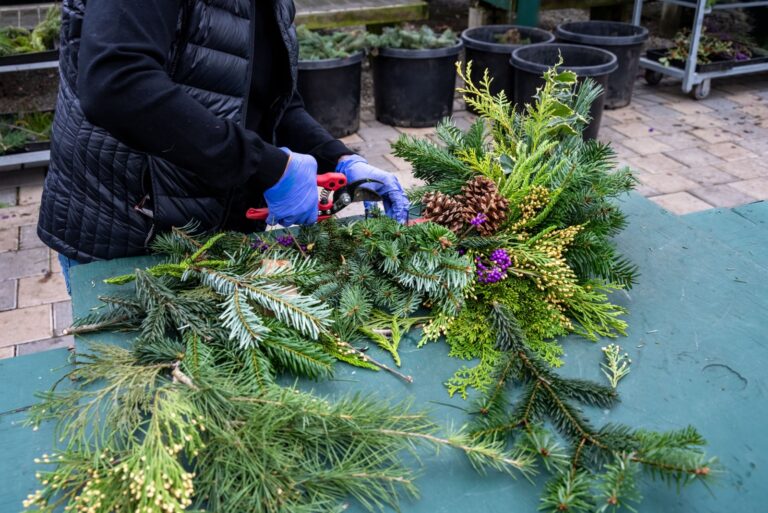
Pruning shears seem to call out to gardeners during February when outdoor tasks feel limited. While some pruning makes perfect sense during this dormant period, cutting the wrong plants or removing too much growth causes problems.
Pennsylvania gardeners sometimes get overly enthusiastic and remove branches that would have produced beautiful flowers or fruit later in the year. Understanding which plants to prune now and which to leave alone saves you from disappointing results.
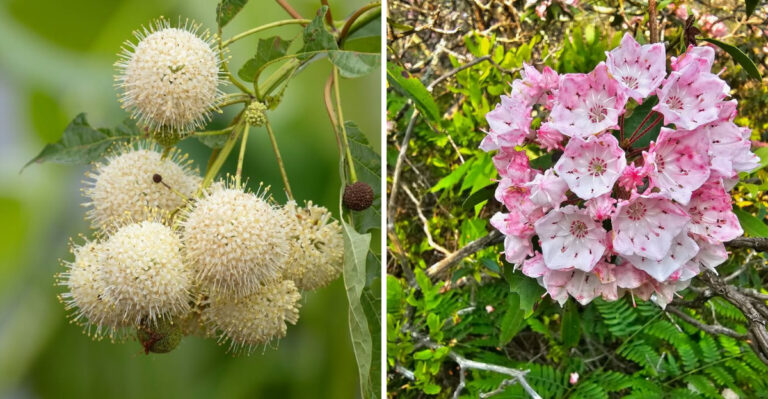
Late winter is actually ideal for pruning many trees and shrubs because you can easily see their structure without leaves blocking your view. Fruit trees, shade trees, and summer-blooming shrubs like butterfly bush benefit from February pruning in Pennsylvania.
These plants bloom on new growth, so cutting them back now encourages fresh branches that will flower beautifully. Remove dry, damaged, or crossing branches to improve air circulation and overall plant health.
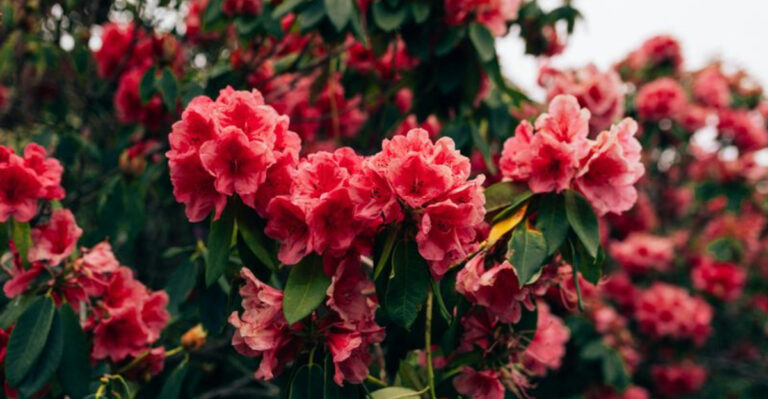
However, spring-blooming shrubs like lilacs, forsythia, and azaleas should never be pruned in February. These plants set their flower buds in late summer and fall, and those buds are already waiting on the branches.
Cutting them off in February means you remove this year’s entire flower display. Wait until right after they finish blooming to do any shaping or size reduction.
Avoid removing more than one-third of a plant’s total growth in a single pruning session. Taking off too much at once stresses the plant and can weaken its ability to recover.
Make clean cuts just above outward-facing buds to encourage growth in the right direction. Pennsylvania’s variable February weather means you should prune on dry days when temperatures are above freezing to make cleaner cuts that heal faster.
5. Neglecting To Check For Winter Damage On Trees And Shrubs
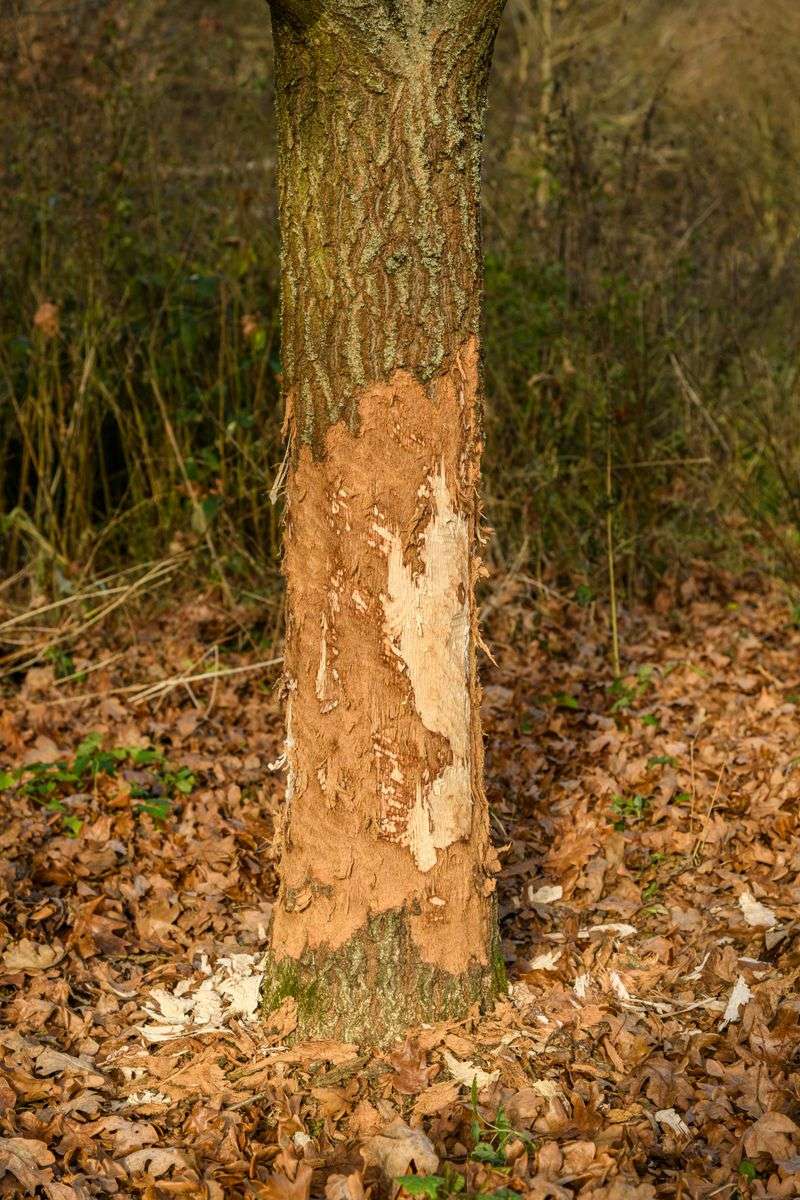
Winter storms, heavy snow, and ice accumulation take their toll on Pennsylvania trees and shrubs. By February, damage has often occurred but goes unnoticed because gardeners stay indoors during cold weather.
Broken branches, split bark, and bent stems don’t heal themselves, and ignoring them leads to bigger problems. Disease can enter through wounds, and structural damage can worsen with spring winds.
Walk around your property on a mild February day and really look at your woody plants. Check for branches that have cracked under snow weight but haven’t completely broken off.
These hanging branches create safety hazards and should be removed promptly with clean cuts back to healthy wood.
Look for bark that has split on the south or southwest side of tree trunks, which happens when sunny winter days warm the bark and cold nights cause it to contract rapidly.
Evergreens deserve special attention because winter burn shows up as brown or bronze foliage, particularly on the windward side of the plant. While this discoloration looks alarming, the plant often recovers once new growth emerges in spring.
Avoid pruning off brown evergreen branches in February because you might remove parts that will green up again. Wait until late spring to assess what actually needs removal.
Pennsylvania’s February weather can still bring damaging storms, so checking your landscape multiple times throughout the month makes sense. Remove any broken branches promptly to prevent tearing that damages healthy wood.
For major structural damage or large broken limbs, consider hiring a professional arborist who has the proper equipment and training.
Taking care of winter damage now prevents infections and helps trees and shrubs recover their strength before the demands of spring growth begin.
6. Starting Seeds Without Proper Planning Or Equipment
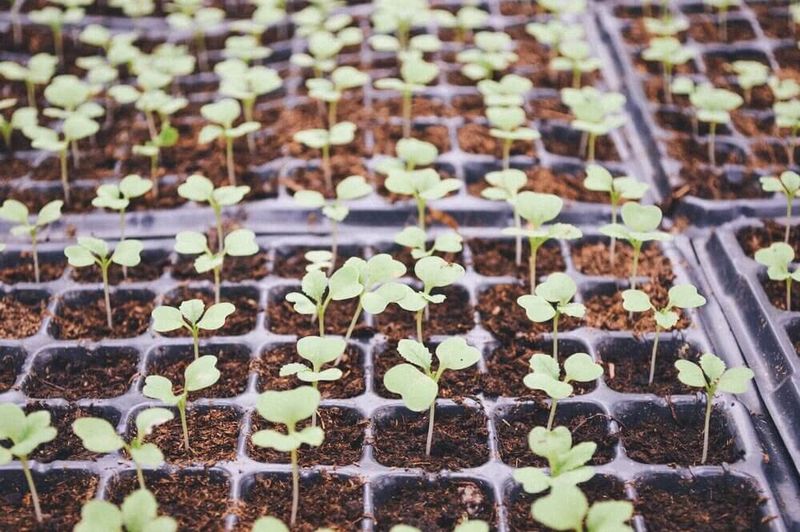
The urge to start seeds indoors hits many Pennsylvania gardeners during February’s cold days. Catalogs arrive in the mail with colorful pictures, and the idea of growing your own transplants sounds appealing and economical.
However, jumping into seed starting without the right setup leads to weak, leggy seedlings that struggle when transplanted outdoors. Poor planning about timing also results in plants that outgrow their containers before the weather allows outdoor planting.
Successful seed starting requires adequate light, which natural window light rarely provides during February in Pennsylvania.
Even south-facing windows don’t deliver enough intensity, causing seedlings to stretch toward the light and develop thin, weak stems.
Invest in proper grow lights positioned just a few inches above the seedlings and keep them on for 14 to 16 hours daily. This mimics strong spring sunlight and produces sturdy, compact plants.
Temperature control matters just as much as lighting. Most vegetable seeds germinate best in temperatures between 65 and 75 degrees Fahrenheit.
Placing seed trays on top of the refrigerator or using heating mats helps maintain consistent warmth. Once seedlings emerge, they prefer slightly cooler temperatures to prevent excessive stretching.
Pennsylvania homes often have dry indoor air during winter, so covering seed trays with plastic domes or wrap until germination helps maintain moisture.
Count backward from your area’s average last frost date to determine when to start different seeds.
Tomatoes and peppers need six to eight weeks indoors before transplanting, which means late February or early March for most Pennsylvania locations.
Starting too early creates oversized plants that become root-bound and stressed. Keep records of what you plant and when so you can adjust your timing in future years based on actual results.
7. Allowing Weeds To Get A Head Start
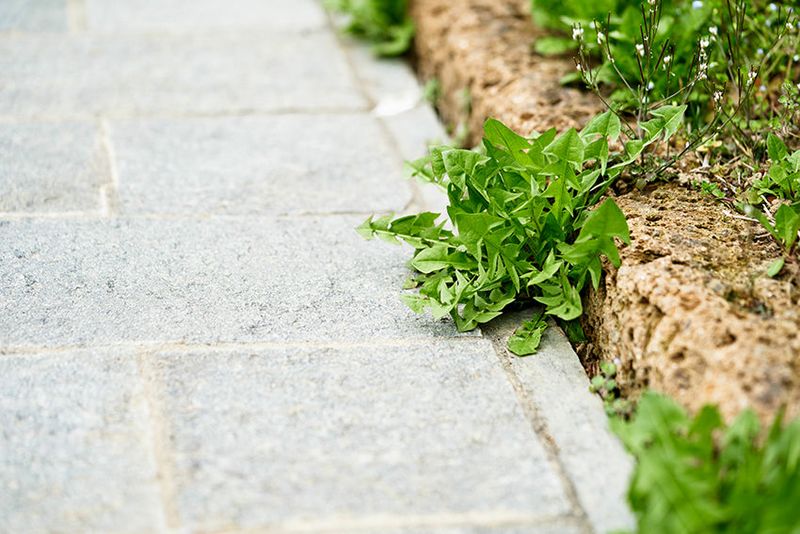
Weeds don’t take February off in Pennsylvania, even though many gardeners do. Cool-season weeds like chickweed, henbit, and purple deadnettle actively grow during mild winter days.
These opportunistic plants spread quickly and set seeds that create problems for months to come. Ignoring them now because the garden looks dormant means you’ll face a much bigger weeding job when spring arrives and you want to focus on planting instead.
Some winter weeds actually bloom and produce seeds during February’s warm spells. Each plant can create thousands of seeds that remain viable in the soil for years.
Pulling or cutting these weeds before they flower dramatically reduces future weed pressure in your Pennsylvania garden.
The ground might be soft enough during mild periods to make pulling easy, and weeds come up roots and all with minimal effort.
Mulch serves double duty by suppressing weeds while protecting soil and plant roots. Check your mulch depth in February and add more where it has broken down or blown away.
A layer three to four inches thick blocks light from reaching weed seeds and prevents most from germinating.
This simple step saves countless hours of weeding throughout the growing season. Avoid piling mulch directly against plant stems or tree trunks, which can cause rot issues.
Garden paths and edges often harbor weeds that spread into cultivated areas. Take a few minutes on warmer February days to clear these boundary areas.
Even though new weeds will appear, staying on top of them now keeps populations manageable. Pennsylvania gardeners who address weeds during winter enjoy cleaner gardens with less maintenance required during the busy spring and summer months ahead.