Stop Planting These Aggressive Plants In Pennsylvania (Use These Native Instead)
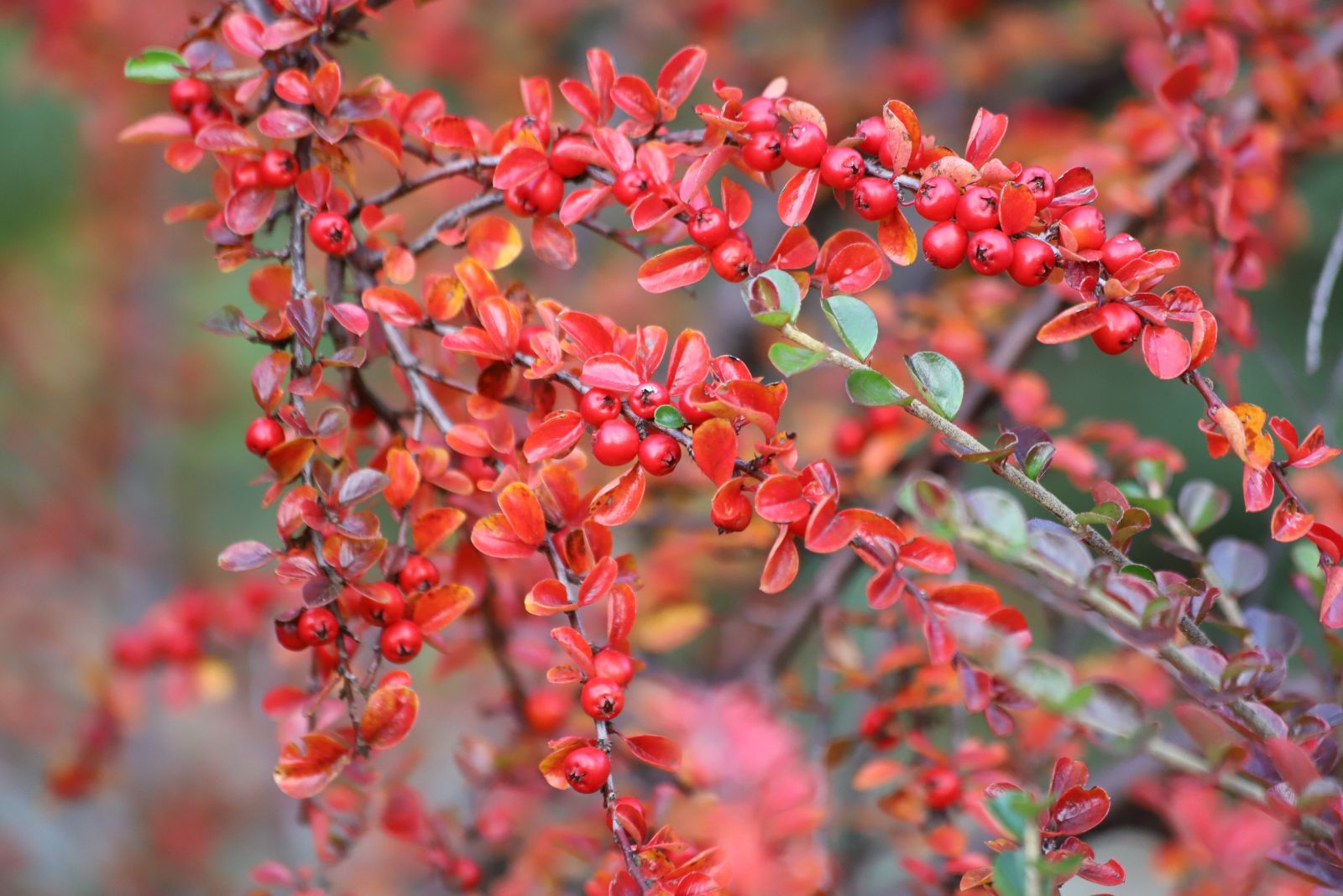
Some plants look great at the garden center and seem harmless enough when you bring them home. Then a season or two passes, and suddenly they are everywhere.
They creep into flower beds, crowd out neighboring plants, and turn a nice-looking yard into something much harder to control. In Pennsylvania, a lot of gardeners have learned this lesson the frustrating way.
Certain aggressive plants grow fast, spread even faster, and end up causing way more trouble than their pretty flowers or quick growth ever seemed worth in the beginning.
That is why more people are rethinking what they plant and paying closer attention to native alternatives. Native plants tend to fit Pennsylvania’s conditions better, support local wildlife, and bring beauty without trying to take over every open inch of space.
They can still give you color, texture, and strong seasonal interest, but they do it in a way that works with the landscape instead of fighting it.
If you are tired of battling pushy plants that refuse to stay put, swapping them out for better-behaved natives can make your garden feel easier, healthier, and a whole lot more enjoyable in the long run.
1. Japanese Knotweed
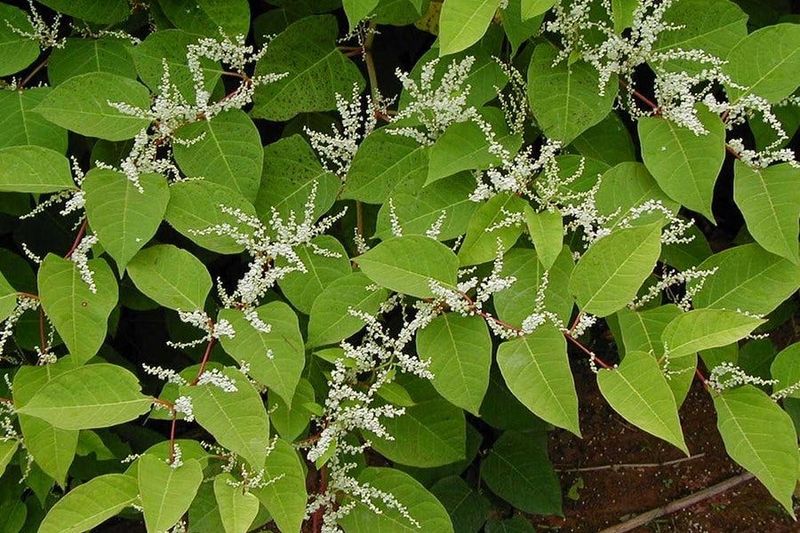
Few plants in Pennsylvania cause as much headache as Japanese Knotweed. Originally brought from East Asia as an ornamental plant in the 1800s, it quickly proved to be one of the most aggressive invaders the state has ever seen.
It spreads through underground stems called rhizomes, which can push through concrete, pavement, and building foundations.
Even a tiny piece of root left in the soil can sprout a whole new plant. Pennsylvania roadsides, riverbanks, and backyards have been taken over by this species, leaving very little room for anything else to grow.
Removing it takes years of persistent effort, and many homeowners feel completely overwhelmed by it.
Instead of fighting this relentless plant, swap it out for Joe-Pye Weed (Eutrochium purpureum).
Joe-Pye Weed grows tall and beautiful, reaching up to six feet, and it produces clusters of dusty pink-purple flowers that attract butterflies, bees, and other pollinators from late summer into fall. It is native to Pennsylvania and thrives in moist, sunny spots.
Unlike Japanese Knotweed, Joe-Pye Weed plays nicely with other plants in the garden. It does not spread out of control, and it actually supports local ecosystems rather than destroying them.
Birds love the seeds, and the foliage provides shelter for beneficial insects. Making this one simple switch in your Pennsylvania garden can make a real difference for local wildlife and keep your yard looking gorgeous all season long.
2. English Ivy
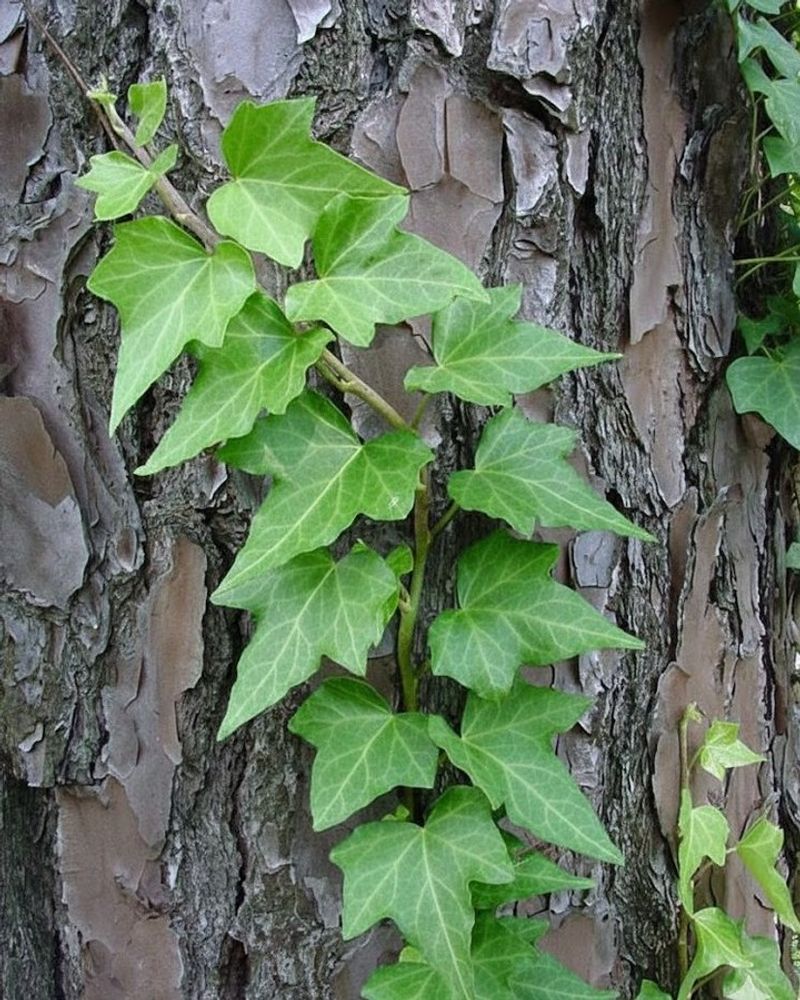
Walk through almost any older Pennsylvania neighborhood and you will spot English Ivy crawling up brick walls, fences, and tree trunks. It looks tidy and classic at first glance, but underneath that pretty green exterior lies a seriously destructive plant.
English Ivy smothers trees by blocking sunlight from their bark and adding so much weight to branches that they snap under the pressure.
On the forest floor, English Ivy forms thick mats that prevent native wildflowers and tree seedlings from ever getting started. It spreads into natural areas from gardens and becomes nearly impossible to remove once it gets established.
Pennsylvania’s native woodlands are especially vulnerable because so many neighborhoods border forested land.
Virginia Creeper (Parthenocissus quinquefolia) is an outstanding native alternative that gives you all the lush, climbing vine look without the ecological damage.
This tough native plant clings to walls and fences just as effectively as English Ivy, but it actually supports wildlife instead of smothering it.
In fall, Virginia Creeper transforms into a breathtaking display of deep red and crimson foliage.
Birds absolutely love Virginia Creeper’s small dark berries, making it a fantastic choice for anyone who wants to attract more wildlife to their Pennsylvania yard.
It is drought-tolerant once established, handles both sun and shade, and grows vigorously without taking over neighboring properties or natural areas.
Replacing English Ivy with Virginia Creeper is one of the smartest and most rewarding swaps any Pennsylvania gardener can make.
3. Periwinkle / Vinca
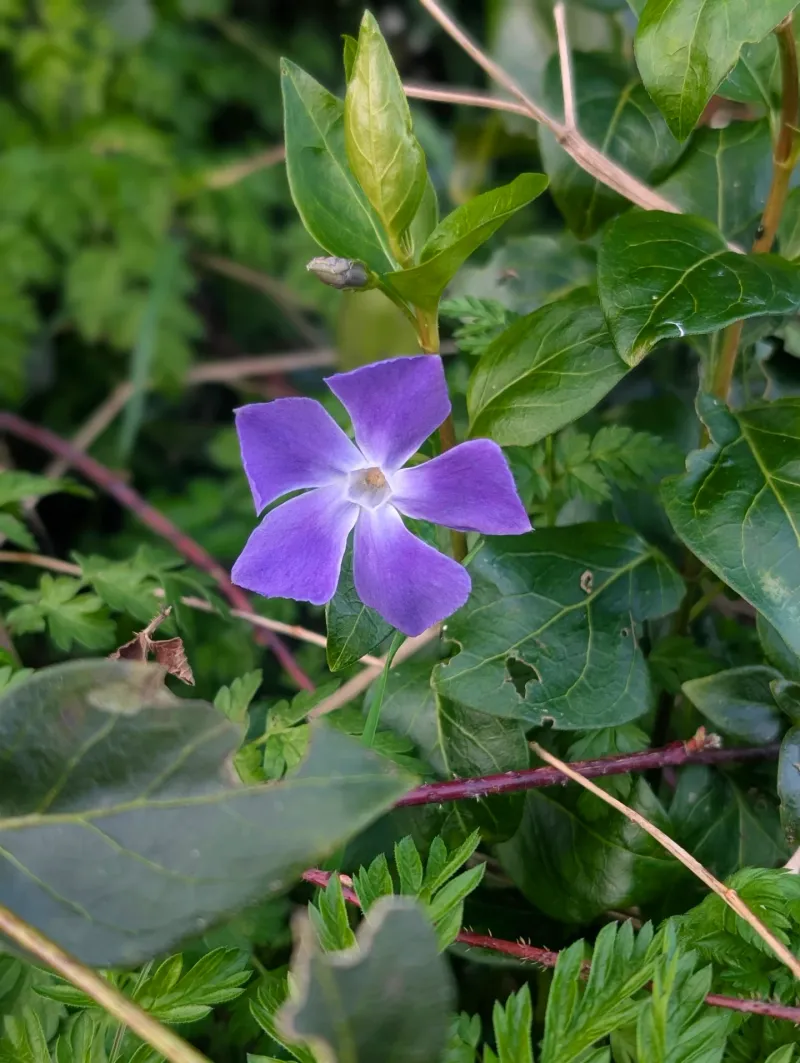
Periwinkle might look like a harmless little ground cover, but do not let those cheerful purple flowers fool you. Once Vinca minor gets settled into a Pennsylvania garden, it spreads into a thick, suffocating carpet that nothing else can grow through.
Native wildflowers, tree seedlings, and woodland plants simply cannot compete with its aggressive spread.
What makes Periwinkle especially tricky is how slowly the damage becomes obvious. For the first year or two, it seems perfectly well-behaved.
Then it quietly creeps into surrounding areas, jumps into nearby natural spaces, and before long it has taken over entire sections of your yard and the woods beyond your fence.
Wild Ginger (Asarum canadense) is a fantastic native ground cover for shaded Pennsylvania gardens. It forms a lush, low-growing carpet of large, heart-shaped leaves that look elegant and natural.
Wild Ginger spreads at a reasonable pace, stays where you plant it, and does not invade natural areas the way Vinca does.
As a bonus, Wild Ginger has a fascinating relationship with native ants, which help spread its seeds through a process called myrmecochory.
The plant thrives under trees and in shady spots where grass struggles to grow, making it a practical and beautiful solution for tricky areas in your yard.
It also supports native insects and contributes to the biodiversity that Pennsylvania’s forests need to stay healthy and resilient. Swapping Vinca for Wild Ginger is a quiet but powerful choice for any Pennsylvania gardener.
4. Burning Bush
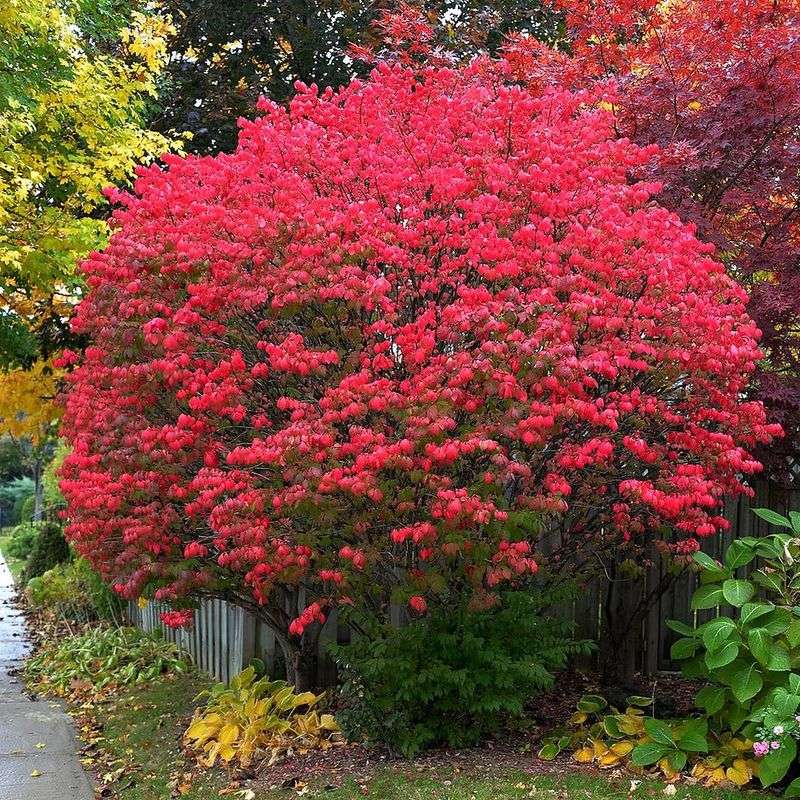
Every autumn, Burning Bush puts on a showstopping display of blazing red foliage that makes it one of the most popular shrubs sold at garden centers across Pennsylvania.
The problem is that birds eat the berries and spread the seeds into nearby forests, where the plant establishes itself and starts outcompeting native understory shrubs that wildlife depends on.
Pennsylvania’s native forests are already under pressure from many different invasive species, and Burning Bush is quietly adding to that burden. It thrives in a wide range of conditions, which makes it very hard to manage once it escapes into natural areas.
Many states have already banned its sale, and Pennsylvania gardeners are increasingly being encouraged to make the switch.
Oakleaf Hydrangea (Hydrangea quercifolia) is a stunning native shrub that can absolutely hold its own as a garden showpiece.
It produces large, cone-shaped clusters of creamy white flowers in summer, and its deeply lobed leaves turn brilliant shades of orange, red, and burgundy in fall, giving you that dramatic autumn color without any of the ecological baggage.
Oakleaf Hydrangea also has beautiful peeling bark that adds winter interest to your Pennsylvania garden when most other plants have gone dormant. It attracts pollinators during the blooming season and provides shelter for small birds and insects year-round.
This native shrub handles shade and drought reasonably well once established, making it a tough and reliable choice for Pennsylvania landscapes that want beauty and ecological responsibility in one package.
5. Japanese Barberry
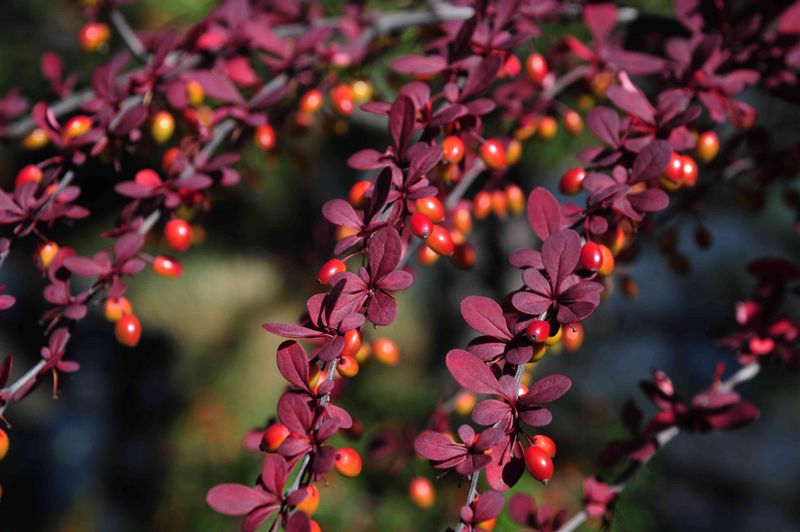
Japanese Barberry has a reputation as a tough, low-maintenance shrub, and that reputation is completely earned, but not in a good way.
This thorny shrub spreads aggressively across Pennsylvania’s forests and open lands, forming dense thickets that crowd out native plants and alter the chemistry of the soil beneath them.
Studies have shown that Barberry thickets create the warm, humid microhabitat that deer ticks prefer, which has been linked to higher rates of Lyme disease in areas where the shrub is abundant.
Birds spread the seeds widely, so even a single plant in your yard can contribute to infestations in natural areas far beyond your property line.
Pennsylvania wildlife managers and conservationists have been raising alarms about Japanese Barberry for years, and many regions are actively working to remove it from public lands.
Ninebark (Physocarpus opulifolius) is a spectacular native shrub that deserves far more attention than it gets.
It produces clusters of white or pink flowers in late spring that attract native bees and butterflies, and its peeling, layered bark gives it a distinctive textural quality that looks great in any Pennsylvania landscape.
Ninebark comes in a wide range of cultivars, from golden-leafed varieties to deep burgundy forms, giving gardeners plenty of options to match their style. It is tough, adaptable, and handles Pennsylvania’s variable weather with ease.
Unlike Japanese Barberry, Ninebark supports native wildlife at every level, from the pollinators that visit its flowers to the birds that shelter in its branches throughout the colder months.
6. Purple Loosestrife
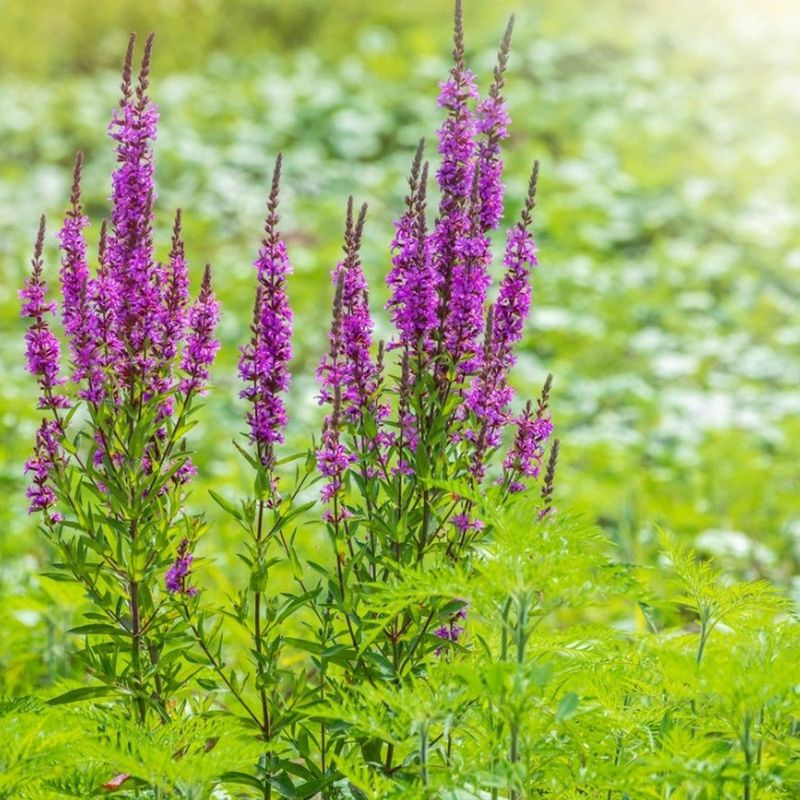
Standing at the edge of a Pennsylvania wetland filled with tall spikes of bright magenta flowers, Purple Loosestrife looks almost too beautiful to be a problem. But looks can be deeply misleading.
A single Purple Loosestrife plant can produce up to two million seeds per year, and those seeds spread by wind and water to colonize wetlands, stream banks, and wet meadows across the state.
Once it takes hold, Purple Loosestrife forms dense, impenetrable stands that push out native cattails, sedges, and other wetland plants that ducks, herons, frogs, and turtles depend on for food and shelter.
Pennsylvania’s wetlands are already among the most threatened habitats in the state, and Purple Loosestrife makes a difficult situation much worse.
Blue Vervain (Verbena hastata) is a gorgeous native wetland plant that thrives in the same moist conditions where Purple Loosestrife tends to show up.
It produces slender spikes of tiny violet-blue flowers that bloom from midsummer into fall, and it is a magnet for native bees, especially sweat bees and small native bumblebees.
Blue Vervain grows in wet meadows, pond edges, and stream banks throughout Pennsylvania, fitting naturally into the landscape without overwhelming other plants. Birds, including sparrows and finches, flock to it in late fall to feed on the seeds.
It has a graceful, airy quality that looks natural and wild in the best possible way. Choosing Blue Vervain over Purple Loosestrife is a genuinely meaningful act of stewardship for Pennsylvania’s precious wetland ecosystems.
7. Wisteria (Chinese Or Japanese)
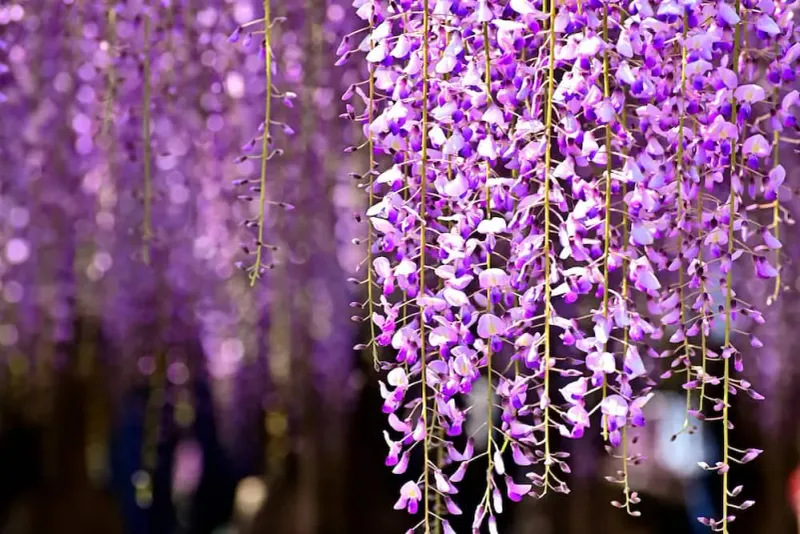
There are few sights more breathtaking in a spring garden than a Wisteria vine in full bloom, draped in long, cascading clusters of purple and white flowers. It is easy to understand why so many Pennsylvania gardeners have planted it over the years.
But Chinese and Japanese Wisteria are among the most structurally destructive vines you can put in your yard.
The woody stems wrap tightly around tree trunks, fences, pergolas, and even house structures, squeezing and girdling them over time. In natural areas across Pennsylvania, Wisteria climbs into the forest canopy and pulls down trees under its enormous weight.
It spreads by runners and seeds, and once established, it is incredibly difficult to bring under control.
American Wisteria (Wisteria frutescens) gives you everything you love about the Asian species without the ecological nightmare.
It produces the same stunning clusters of fragrant, lavender-blue flowers, but it is far less aggressive and much more manageable in a home garden setting.
American Wisteria is native to the eastern United States and is perfectly adapted to Pennsylvania’s climate and soils.
It still needs a sturdy support structure, but it will not rip your pergola apart or strangle your oak trees. Native bees and hummingbirds visit the flowers enthusiastically, making it a true wildlife-friendly choice.
Several cultivars are available at native plant nurseries across Pennsylvania, including compact forms perfect for smaller yards. Making the switch from Asian Wisteria to its American cousin is one of the most satisfying upgrades a Pennsylvania gardener can make.