Stop Pruning These Plants Once April Begins
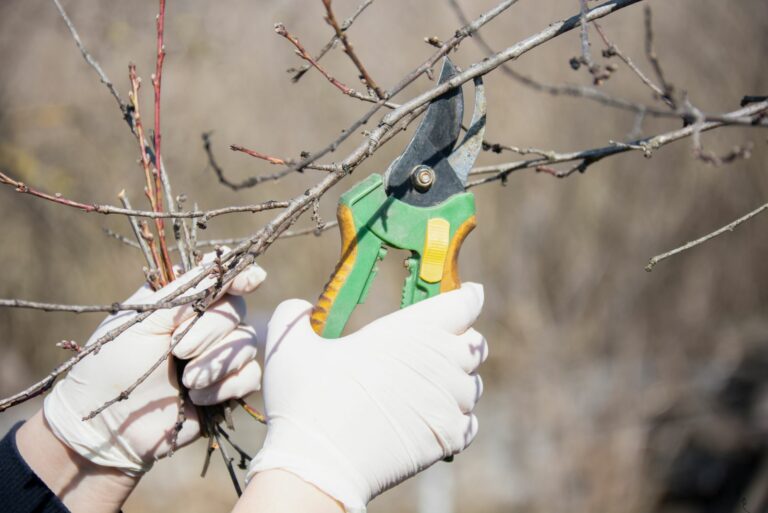
April can be a tricky month for gardeners who love to tidy things up. After weeks of watching the yard wake back up, it is tempting to grab the pruners and start cutting anything that looks messy, overgrown, or slow to leaf out.
It feels productive, and sometimes it even seems like the right thing to do. But once April begins, pruning certain plants can do more harm than good.
A quick trim at the wrong time can remove developing buds, weaken fresh growth, or cut off the very flowers you have been waiting to see.
That is what makes timing so important. Some plants benefit from an early cut, but others are already too far along by the time April rolls around.
They may be setting buds, pushing out tender new growth, or getting ready for a strong bloom cycle that pruning can interrupt. In many cases, the difference between a thriving plant and a disappointing one comes down to knowing when to stop.
If you want healthier shrubs, better flowers, and less frustration later in the season, this is one of those spring habits worth rethinking before you make the next snip.
1. Lilacs
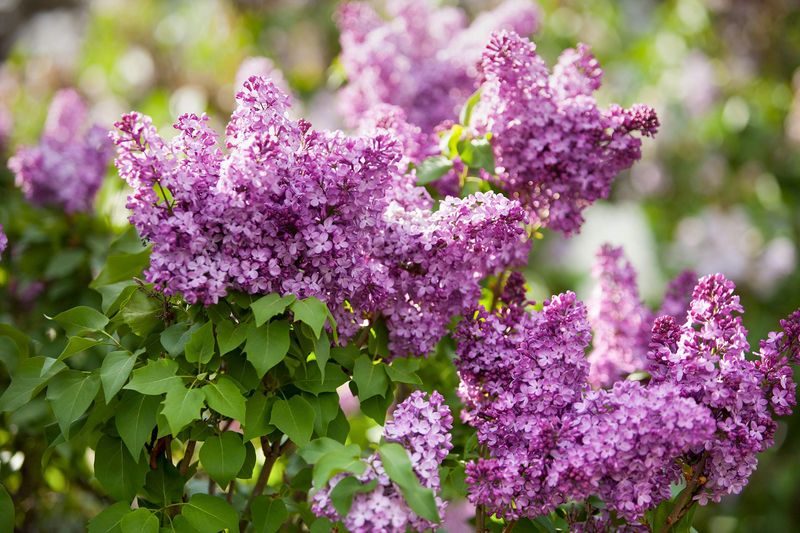
Few things in a garden smell as amazing as a lilac bush in full bloom. That sweet, familiar scent drifting across your yard in spring is something many people look forward to all year long.
But here is a fact that surprises a lot of gardeners: lilacs bloom on old wood, meaning the flower buds were formed on last year’s branches, not on new spring growth.
If you prune your lilac bush in April, you are cutting off those precious buds before they ever get the chance to open. You might think you are helping the plant look neat and tidy, but you are actually removing the blooms entirely.
Gardeners from New England to the Pacific Northwest have learned this lesson the hard way after wondering why their lilac never flowered.
The best time to prune lilacs is right after they finish blooming, which is usually sometime in late spring.
At that point, the plant has already put on its show, and you can shape it up without affecting next year’s flowers. Aim to finish any pruning within about two to three weeks after the blooms fade.
When you do prune, focus on removing older, thicker stems to encourage fresh new growth from the base. You can also trim back any branches that are crossing or crowding each other. Keep cuts clean using sharp tools to help the plant stay healthy.
Lilacs can live for decades and even generations when they are cared for properly. Giving them the right pruning schedule is one of the simplest ways to enjoy their gorgeous purple, pink, or white flower clusters year after year in your outdoor space.
2. Azaleas
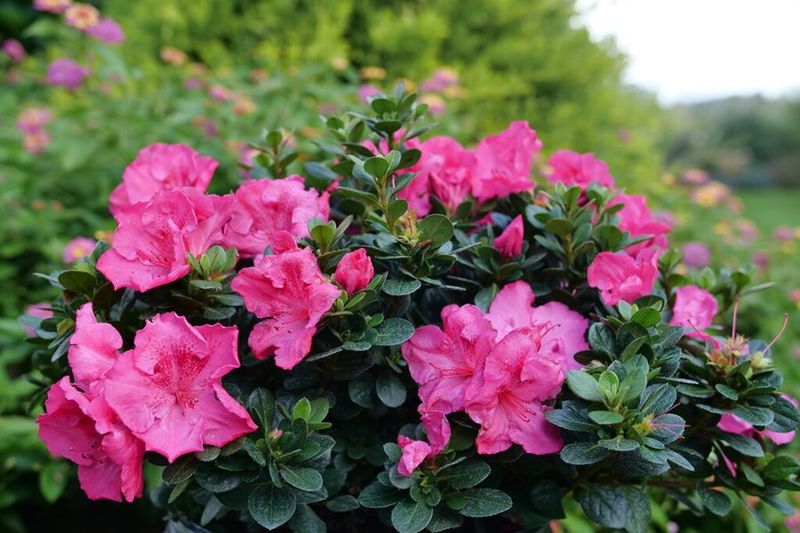
Walk through almost any neighborhood in the American South in spring, and you will see azaleas putting on a spectacular show. Their bold pink, red, orange, and white blooms can completely transform a front yard.
What many people do not realize is that azaleas set their flower buds well before spring even arrives, usually back in late summer or early fall of the previous year.
Pruning an azalea in April is one of the most common garden mistakes made across the country. By the time April rolls around, those buds are already fully formed and just waiting to open.
Running a pair of shears through your azalea at that point means fewer blooms or possibly no flowers at all for that entire season.
Patience is the key with azaleas. Let them bloom fully first, then get to work with your pruning tools.
The ideal window for pruning is right after the flowers fade, which is typically sometime in late spring depending on your region. Gardeners in warmer climates like the Southeast may find their azaleas finish blooming earlier than those in cooler northern areas.
When pruning, focus on shaping the outer edges of the shrub and removing any branches that look weak or are growing in odd directions. Avoid cutting too deep into the plant, as azaleas respond best to light, careful shaping rather than heavy pruning.
Healthy azaleas that are pruned at the right time will reward you with even more flowers the following year. A little timing knowledge goes a long way when it comes to keeping these stunning shrubs at their very best season after season.
3. Forsythia
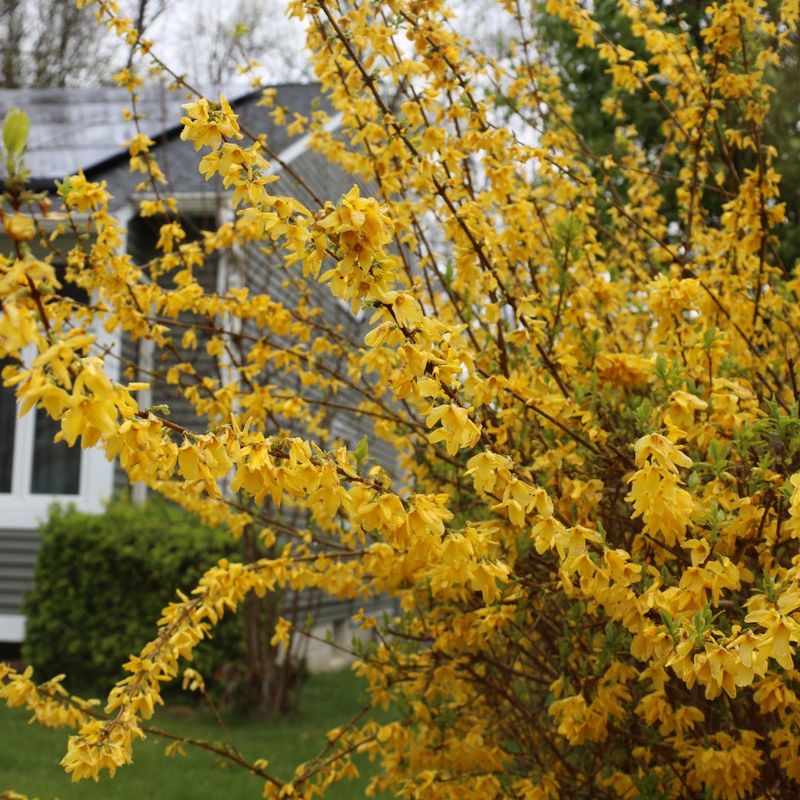
Forsythia is often the first sign that spring has truly arrived. Those brilliant yellow flowers seem to explode onto the branches almost overnight, and for many gardeners, they are a welcome sight after a long winter.
Here is something worth knowing though: forsythia blooms on buds that formed during the previous growing season, just like lilacs and azaleas.
Pruning a forsythia bush in April is a classic timing mistake. The buds that create that cheerful yellow display were set last summer and fall.
If you cut the branches back before the flowers open or while they are still blooming, you are essentially removing the plant’s entire spring show. Gardeners in the Midwest and Mid-Atlantic states often make this mistake while doing general spring cleanup.
The smart move is to wait until the flowers have fully faded before touching your forsythia with pruning tools. That window usually comes in mid to late spring, depending on where you live.
Once the blooms are gone, you can shape the shrub, remove older woody stems, and encourage fresh new growth for next year.
Forsythia actually responds really well to pruning after bloom time. Cutting back about one-third of the oldest stems each year at the base keeps the plant vigorous and full.
This approach encourages new shoots that will carry next year’s flower buds through the summer and fall months.
Sharp, clean tools make a real difference when pruning forsythia. Ragged cuts can invite disease into the stems, which weakens the plant over time.
Take care of your forsythia with proper timing and clean cuts, and it will keep delivering that gorgeous golden spring display for many years to come.
4. Hydrangeas (Bigleaf And Oakleaf Types)
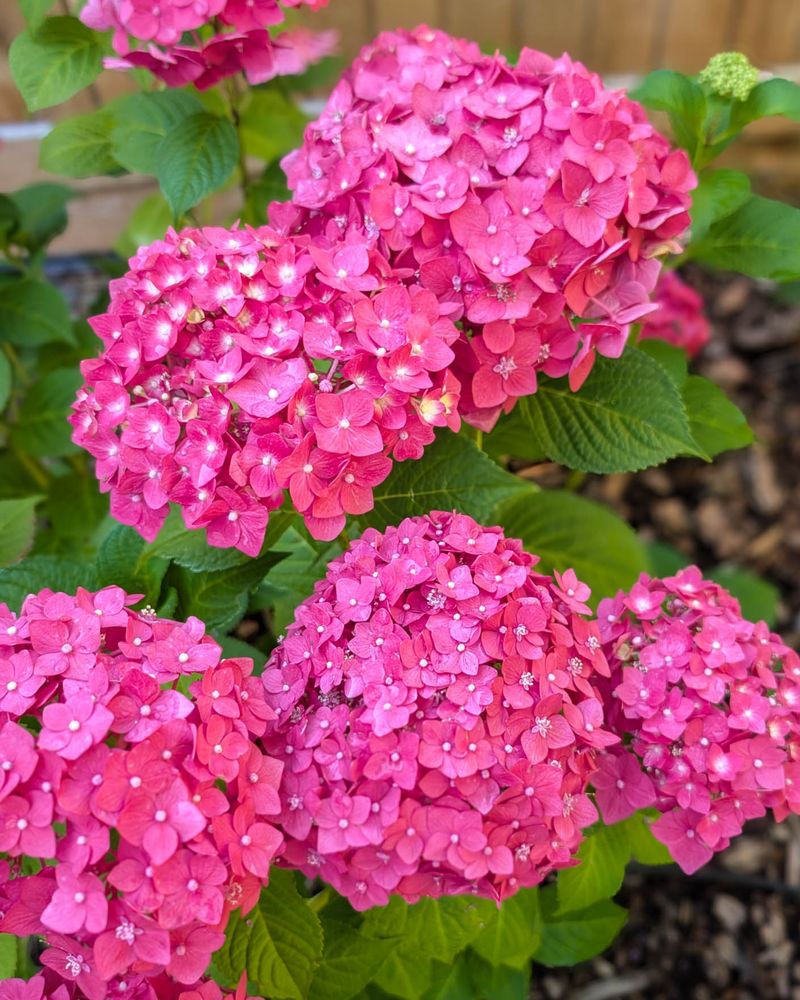
Hydrangeas are some of the most beloved flowering shrubs in American gardens, and it is easy to see why. Their big, showy flower clusters come in dreamy shades of blue, pink, purple, and white.
But not all hydrangeas are the same when it comes to pruning, and getting the timing wrong can mean a summer without a single bloom.
Bigleaf hydrangeas, also called mopheads or lacecaps, and oakleaf hydrangeas both bloom on old wood. That means the flower buds for this season were already formed on last year’s stems.
If you prune these varieties in April, those buds go with the cut branches, and your plant may not produce any flowers at all that year. This is a surprisingly common issue in gardens across the country.
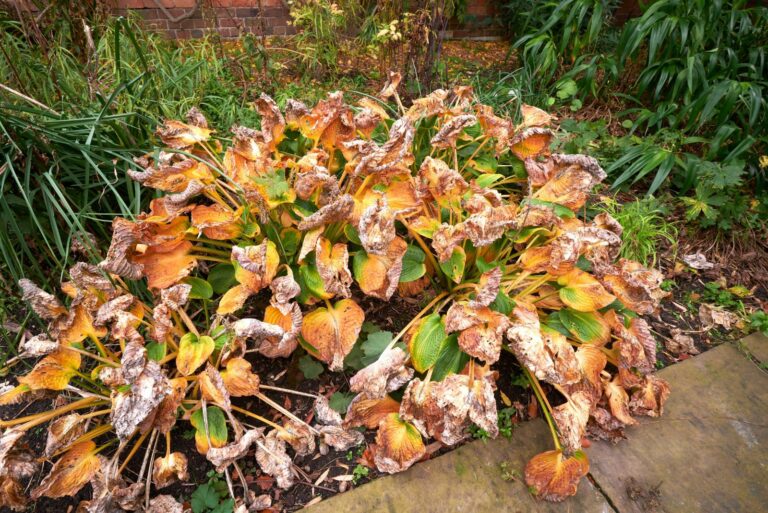
The safest approach in April is to leave these hydrangeas completely alone unless you are removing stems that are clearly damaged or have not leafed out at all. Even then, cut only what is necessary and be conservative.
Healthy-looking stems, even ones that appear bare in early spring, may still carry live buds that will open later.
For bigleaf and oakleaf hydrangeas, the best time for any shaping or cleanup is right after the plant finishes blooming in summer. At that point, new buds for the following year have not yet formed, giving you a short but safe window to tidy things up.
Understanding which type of hydrangea you have is the first step to pruning it correctly. Smooth and panicle hydrangeas bloom on new wood and can handle spring pruning just fine.
But for bigleaf and oakleaf types, patience and restraint in April will pay off with a stunning floral display all summer long.
5. Rhododendrons
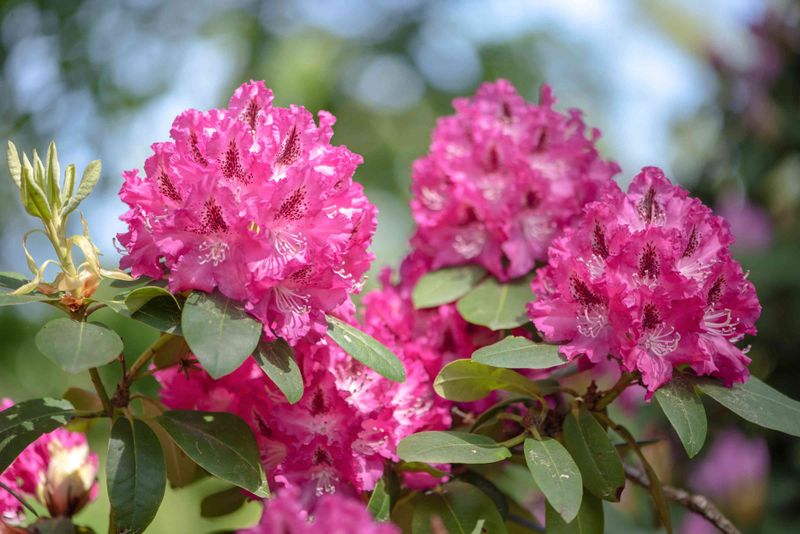
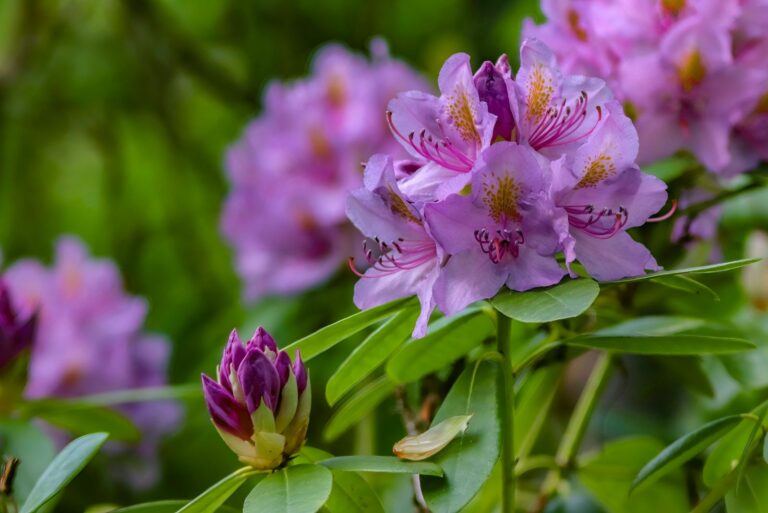
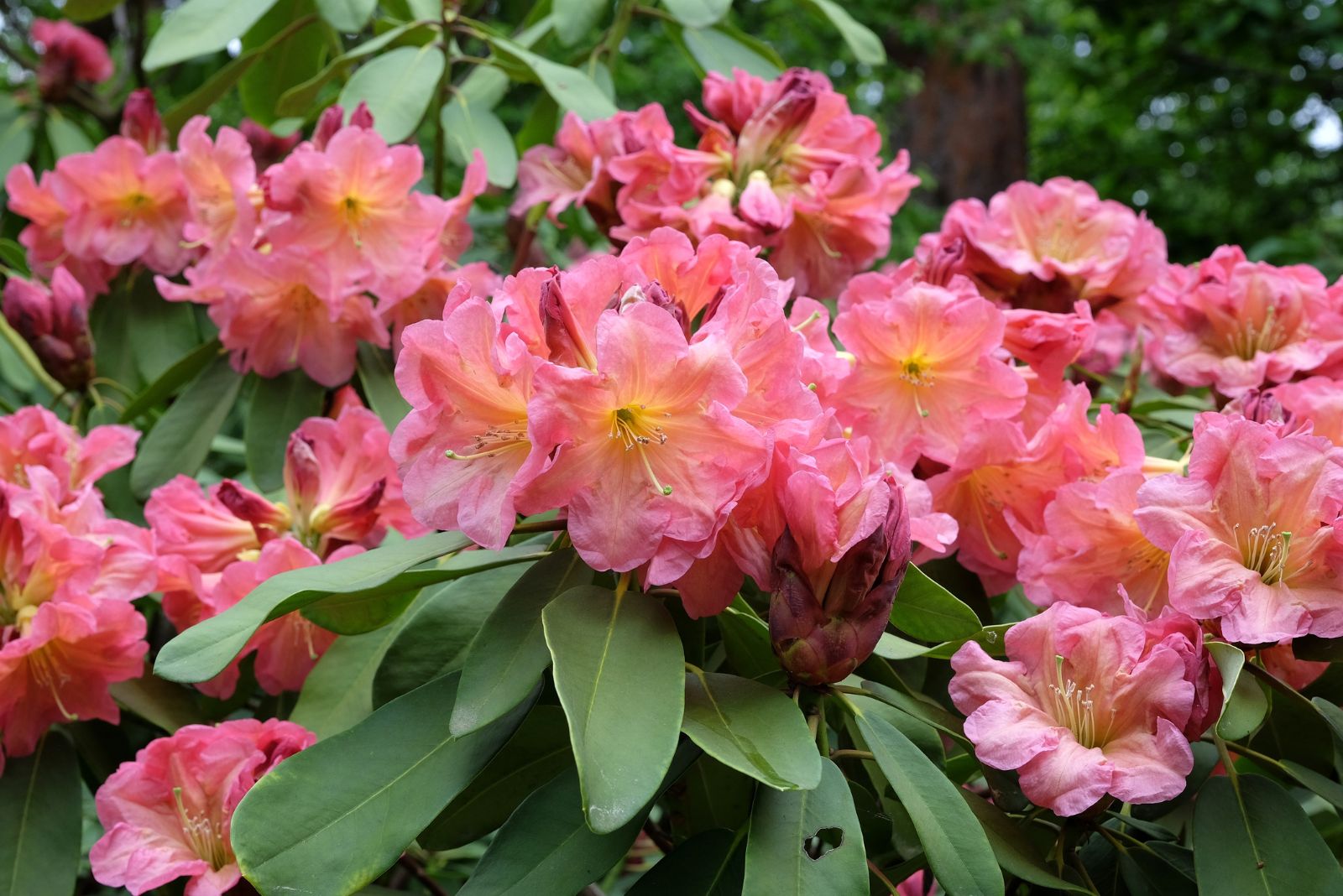
Rhododendrons are the showstoppers of the spring garden. Their massive clusters of flowers in shades of pink, red, purple, and white can make an entire landscape look like something out of a magazine.
They are especially popular in the Pacific Northwest and the Appalachian region, where the cool, moist climate suits them perfectly.
Much like their close relatives the azaleas, rhododendrons set their flower buds in late summer and fall of the previous year. By the time April arrives, those buds are plump and ready to open.
Pruning at that point removes the buds and leaves you with a plant full of leaves but no flowers. It is a frustrating outcome that is completely avoidable with the right timing.
Holding off on pruning until after the blooms fade is the best strategy for rhododendrons. Depending on the variety and your region, bloom time can range from early spring all the way into early summer.
Watch your plant closely and wait until the flower clusters are fully spent before reaching for your pruning shears.
Light shaping works best for rhododendrons. They do not respond as well to heavy cutting as some other shrubs do, so focus on removing spent flower heads and trimming back any branches that are sticking out awkwardly.
This encourages the plant to put its energy into new growth and next year’s buds. One fun detail about rhododendrons is that some varieties can grow into small trees over many years. Regular but carefully timed pruning keeps them looking full and well-shaped.
Treat your rhododendron with respect in April, and it will reward you with a breathtaking floral display that makes your whole garden shine every single spring.
6. Flowering Quince
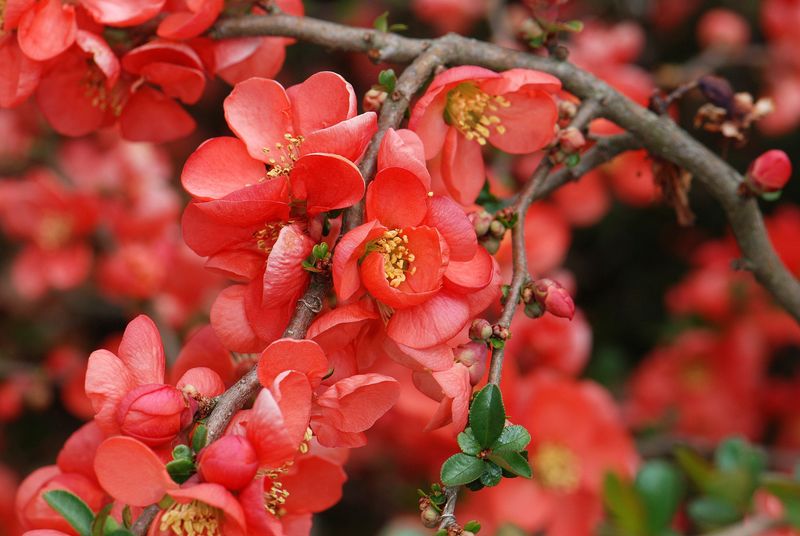
Flowering quince is one of those plants that catches your eye and makes you stop in your tracks. Its fiery red, orange, and coral blossoms appear on bare branches in very early spring, sometimes even before the last frost has fully passed.
It is one of the earliest bloomers in the garden, and that early timing is exactly why April pruning can be such a problem.
Like the other plants on this list, flowering quince blooms on old wood. The buds that produce those brilliant early-season flowers were formed on last year’s stems.
Pruning in April, even just a light trim, can remove a significant number of those buds and seriously reduce the floral display. Gardeners in the Southeast and Mid-Atlantic regions often see this happen when they do spring cleanup too eagerly.
The best time to prune flowering quince is immediately after it finishes blooming. That window is usually brief, lasting just a few weeks in mid to late spring.
Acting quickly after the flowers fade gives the plant plenty of time to set new buds on fresh growth before the following spring arrives.
Flowering quince can get a little wild and thorny if left unpruned for too long. Regular post-bloom trimming keeps the shape tidy and manageable.
You can remove crossing branches, shorten long arching stems, and thin out the center to improve airflow through the plant.
Here is a bonus fact: flowering quince actually produces small, hard fruits after the blooms fade. Some people use them to make jams and jellies.
So beyond its stunning spring show, this plant offers a little extra reward for patient gardeners who know exactly when to put down the pruning shears and just let it do its thing.