Stop This Plant Before It Takes Over Your Pennsylvania Garden
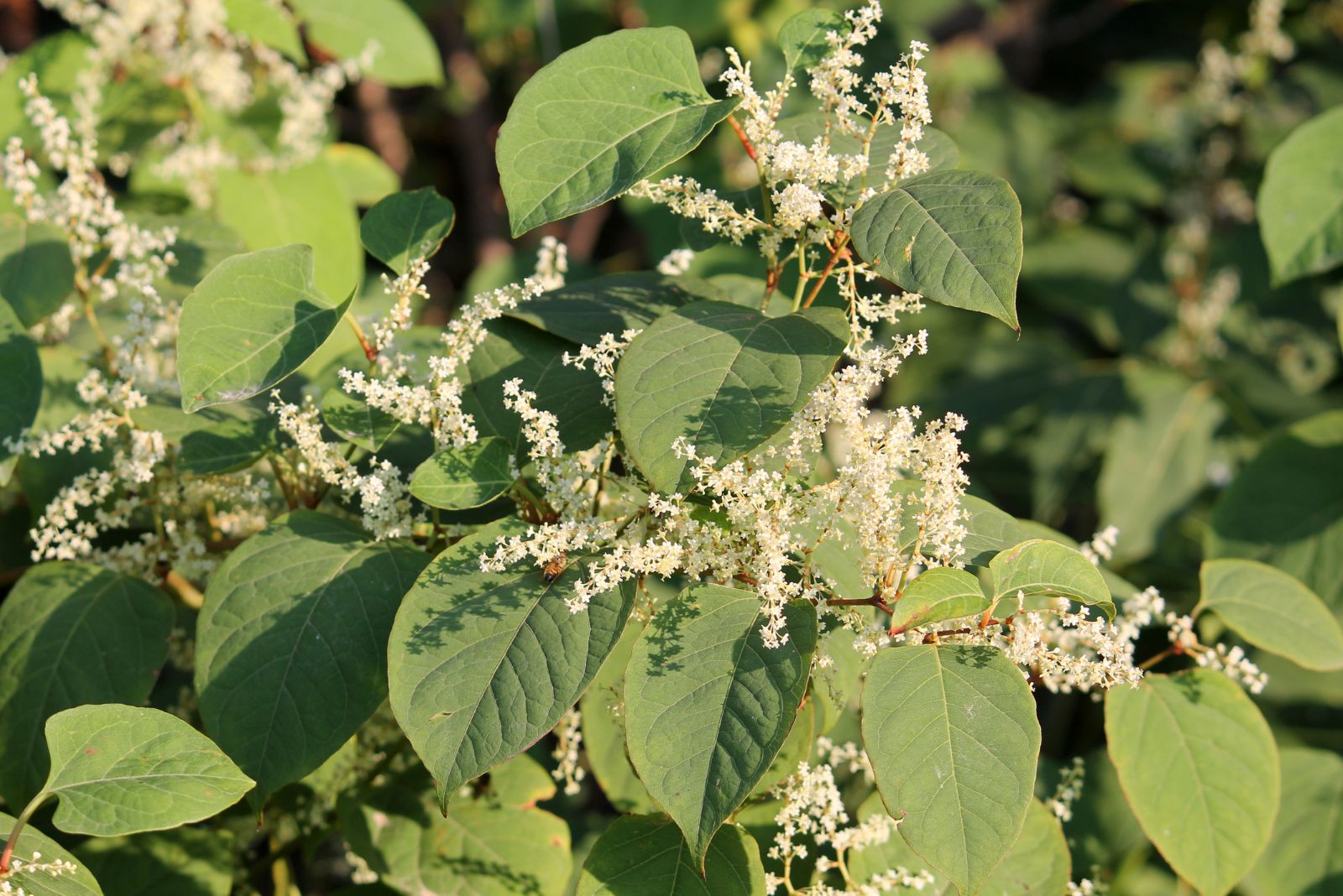
It can start with what looks like a harmless patch of greenery, the kind of plant you barely notice at first near a fence line, driveway, or back corner of the yard. Then suddenly it is taller, thicker, and spreading faster than anything else around it.
In Pennsylvania, some aggressive plants do not just grow quickly. They take over garden beds, crowd out other plants, and turn a manageable space into a frustrating mess before many homeowners realize what is happening. That is what makes this one such a problem.
Japanese knotweed is especially notorious for its fast growth, strong roots, and ability to come back even after people think they have gotten rid of it. Once it settles in, it can be incredibly hard to control without a real plan.
It pushes through neglected areas, fills empty spaces in no time, and can make regular garden upkeep a lot harder than it should be.
If something in your yard seems suspiciously unstoppable, this may be the plant to watch. Catching it early can save you a lot of time, effort, and stress later on.
1. What Is Japanese Knotweed And Why Is It So Dangerous?
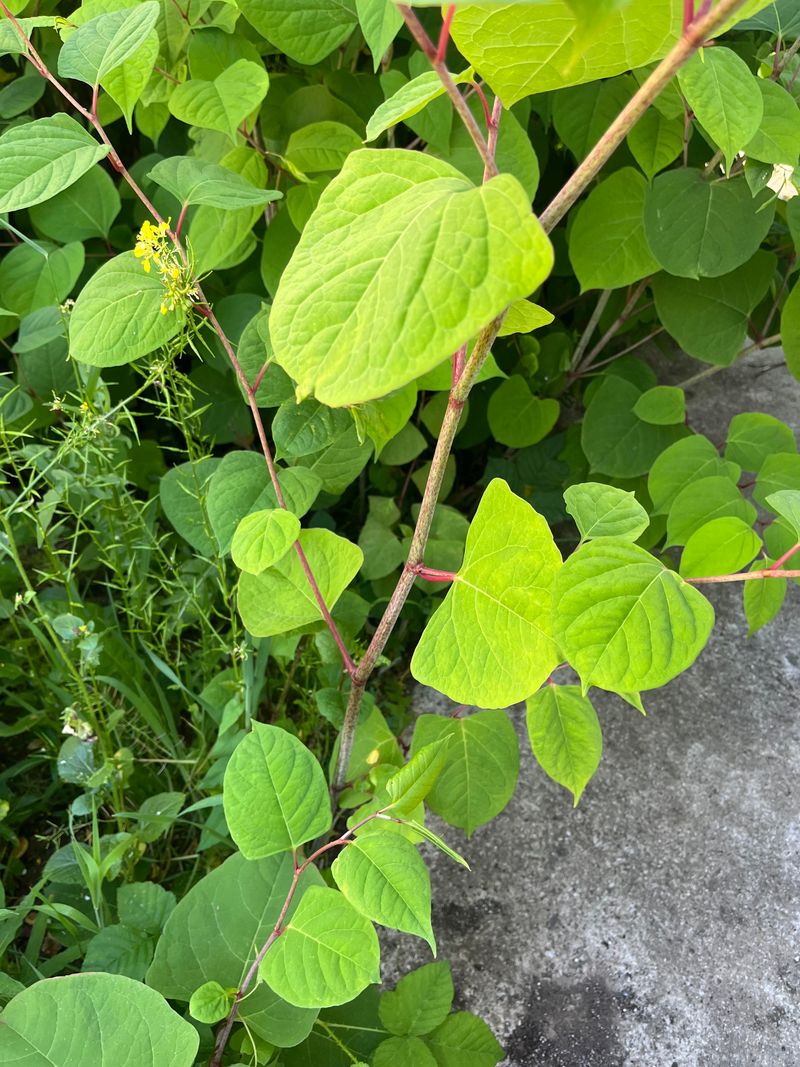
Most gardeners in Pennsylvania have no idea they are dealing with one of the world’s most unwanted plants until it is already out of control.
Japanese Knotweed, known scientifically as Fallopia japonica, was originally brought to North America from Asia as an ornamental plant. It looked pretty at first glance, but the problems it causes are anything but decorative.
This fast-growing invasive plant can shoot up several feet in a single season. It spreads through an underground network of root-like stems called rhizomes, which can stretch up to 65 feet from the main plant.
Even a tiny fragment of root left in the soil can sprout a brand-new plant.
In Pennsylvania, Japanese Knotweed has become a serious problem in yards, along roadsides, and near waterways. It crowds out native plants that local wildlife depends on for food and shelter.
It also causes real physical damage. The roots are strong enough to push through cracks in foundations, driveways, and even basement walls.
Many homeowners first notice it growing near fences, drainage ditches, or disturbed soil areas. By the time it is recognized, it has often already spread to a wide area.
The Pennsylvania Department of Conservation and Natural Resources has listed it as a plant that requires serious management attention.
Understanding what this plant is and why it behaves so aggressively is the first step toward protecting your garden. Once you know what you are up against, you can take the right steps to stop it before it causes lasting harm to your outdoor space.
2. How To Identify Japanese Knotweed In Your Garden
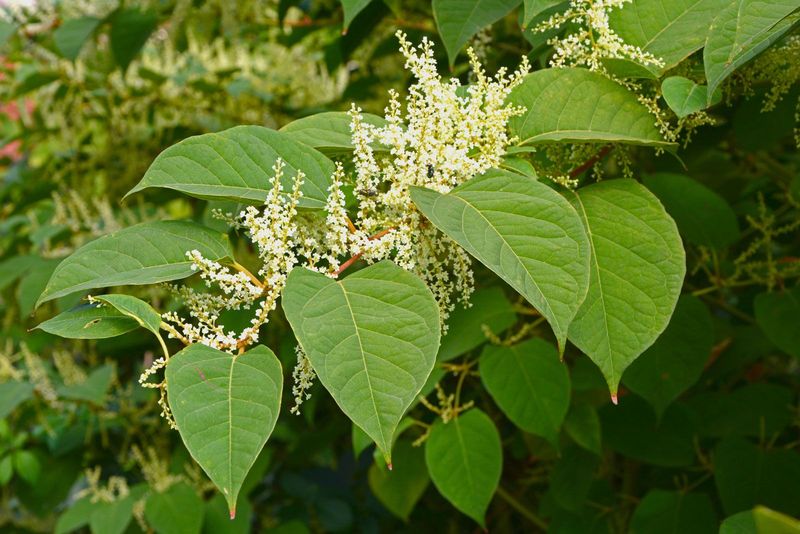
Spotting Japanese Knotweed early can save you a lot of trouble down the road. The good news is that once you know what to look for, it is actually pretty easy to recognize.
The tricky part is that many people first mistake it for a harmless garden shrub or even a type of bamboo.
The stems are one of the biggest giveaways. They are hollow, segmented, and look a lot like bamboo canes.
They can grow up to ten feet tall in a single season. The stems are often reddish or purplish at the base and turn green higher up.
If you snap one open, it will be completely hollow inside. The leaves are another clear clue. They are large, broad, and shaped like a heart or a shovel.
They grow in a zigzag pattern along the stem and can reach up to six inches wide. The flat or slightly indented base of the leaf is the detail that really sets it apart from other plants.
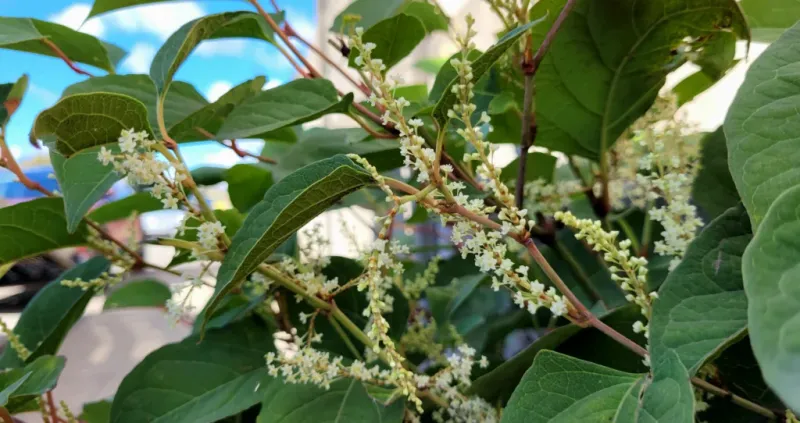
In late summer, Japanese Knotweed produces clusters of small, creamy white flowers that hang in loose, feathery bunches. These flowers attract pollinators, which can make the plant seem harmless or even beneficial at first. Do not be fooled by the pretty blooms.
In Pennsylvania gardens, Japanese Knotweed is often found near water sources, along fence lines, and in areas where soil has been recently disturbed. Knowing these identification features means you can catch it early and act before it spreads further across your property.
3. Why You Must Act Quickly Before It Spreads
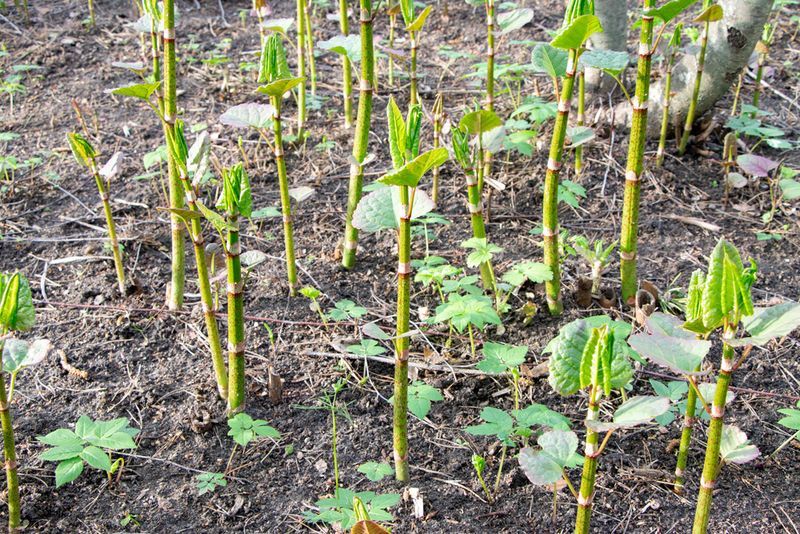
Speed is everything when it comes to Japanese Knotweed. This plant does not wait around, and neither should you.
During its peak growing season in spring and early summer, it can grow several inches in a single day. That is not an exaggeration.
Researchers have measured growth rates of up to four inches per day under the right conditions.
What makes it especially hard to control is how it reproduces. You might think pulling it out is enough, but even the tiniest root fragment left in the soil can sprout a whole new plant.
A piece of rhizome as small as half an inch can take root and start growing again within weeks.
Japanese Knotweed also spreads through water. In Pennsylvania, heavy rains can wash root fragments downstream, spreading the plant to new areas along creek banks and drainage channels.
Once it establishes itself in a new spot, it forms dense thickets that choke out native plants and reduce habitat for local wildlife.
The longer you wait, the harder it gets. A small patch that could be managed in one season can grow into a massive stand that takes years of consistent effort to bring under control.
Early action is always more effective and less costly than trying to deal with a large infestation later.
If you spot even a few shoots coming up in your Pennsylvania yard, treat it as an urgent problem. Mark the area, document the size, and start planning your removal strategy right away.
Every week you wait gives this plant more time to expand its underground network and make removal much harder.
4. The Biggest Mistakes That Make Knotweed Worse
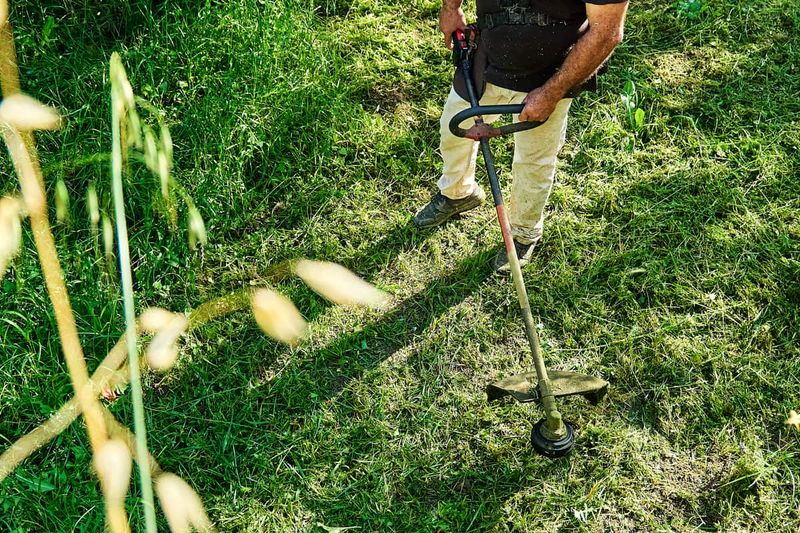
Here is something that surprises a lot of Pennsylvania gardeners: some of the most common ways people try to deal with Japanese Knotweed actually make the problem worse.
Good intentions are not enough when you are dealing with this plant. Knowing what NOT to do is just as important as knowing the right approach.
One of the biggest mistakes is mowing or cutting the plant without a proper follow-up plan. Cutting the stems does weaken the plant over time, but only if done repeatedly and consistently throughout the growing season.
A single mow actually stimulates new growth and can make the plant spread even more aggressively.
Trying to dig out the plant without removing every last piece of root is another common error. The rhizomes run deep and wide underground.
Most people only get the top layer, leaving behind a network of roots that quickly bounce back. Disturbing the roots without full removal can actually fragment them and spread the infestation to new areas.
Moving contaminated soil is one of the most damaging mistakes of all. If you dig up soil from an infested area and move it to another part of your yard or take it to a dump site, you are carrying live root fragments with you.
This is how Japanese Knotweed spreads to brand-new locations across Pennsylvania. Ignoring early growth is also a serious mistake. A few small shoots might not look alarming, but they signal that an underground root system is already active.
Catching it early and responding consistently is always the smarter move when dealing with this aggressive plant.
5. How To Remove Japanese Knotweed Effectively
Removing Japanese Knotweed is not a one-and-done job. It takes patience, consistency, and the right strategy.
The good news is that with the correct approach, you can bring even a large infestation under control over time.
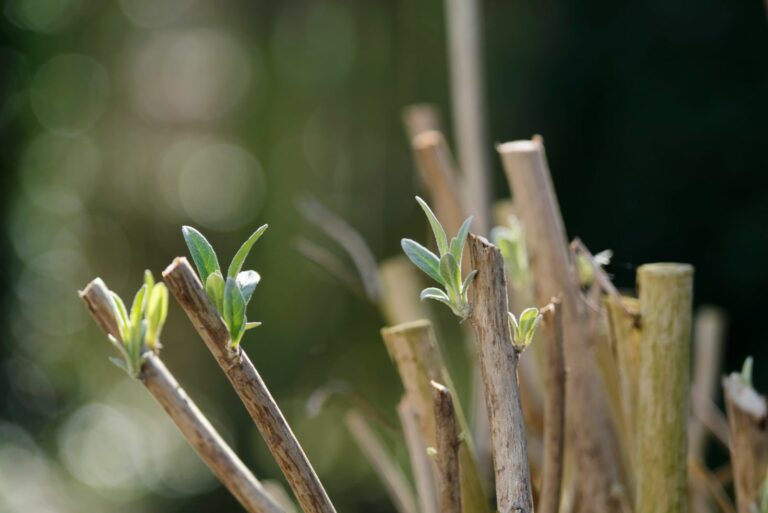
Repeated cutting is one of the most accessible methods for homeowners. Cut the stems down to ground level every two to three weeks throughout the growing season.
This drains the plant’s energy reserves stored in the roots. On its own, cutting takes several years to work, but it is a solid part of a larger strategy.
Combining cutting with herbicide treatment is far more effective. The best time to apply herbicide to Japanese Knotweed is in late summer to early fall, when the plant is moving energy from its leaves down into the root system.
Applying a systemic herbicide at this time means the chemical travels directly to the roots where it can do the most damage to the plant’s regrowth ability.
Another option is smothering the plant with heavy-duty landscape barriers or thick layers of cardboard covered with deep mulch. This blocks sunlight and slowly exhausts the root system.
It works best for smaller patches and must be maintained for multiple growing seasons to be effective in Pennsylvania’s climate.
For large or deeply established infestations, calling in a professional removal service is a smart choice. Certified invasive plant specialists have access to stronger tools and can create a multi-year management plan.
The Pennsylvania DCNR also offers resources to help homeowners find qualified help and take the right steps toward long-term control.
6. How To Prevent It From Coming Back
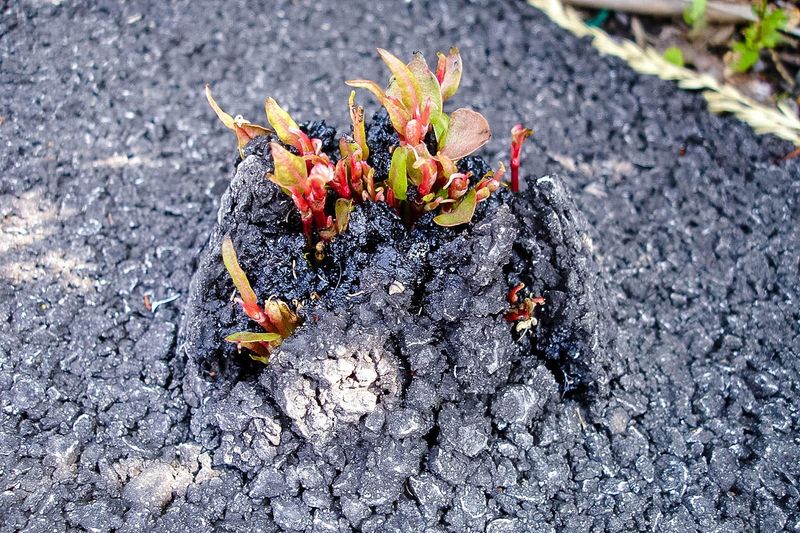
Getting rid of Japanese Knotweed is a major accomplishment, but the work does not stop there. Preventing it from coming back requires ongoing attention and a few smart habits that become part of your regular garden routine.
Many Pennsylvania gardeners have successfully kept this plant away for years by following a simple but consistent prevention plan.
Regular monitoring is the most important step. Walk the area where the knotweed was growing at least once a week during spring and summer.
New shoots can pop up quickly, and catching them early means you can cut or treat them before they establish new roots. Keep a record of where regrowth appears so you can track progress over time.
Never compost knotweed clippings or root fragments. Even in a hot compost pile, these plant parts can survive and regrow.
Instead, bag the clippings in heavy-duty plastic bags and check with your local Pennsylvania waste management service about proper disposal. Some counties have specific guidelines for invasive plant material.
Restoring the cleared area with strong native plants is one of the best long-term defenses. Native species like wild bergamot, goldenrod, or native grasses compete for space and resources, making it harder for knotweed to get a foothold again.
A dense, healthy planting leaves very little room for invaders. Maintaining healthy, nutrient-rich soil also reduces the chance of reinfestation. Japanese Knotweed tends to thrive in disturbed or nutrient-poor soil.
Regularly amending your garden beds with compost and organic matter creates conditions where native plants outcompete invasive ones, keeping your Pennsylvania garden beautiful and balanced for years to come.