Stop This Pruning Mistake If You Want More Lilac Flowers In Oregon
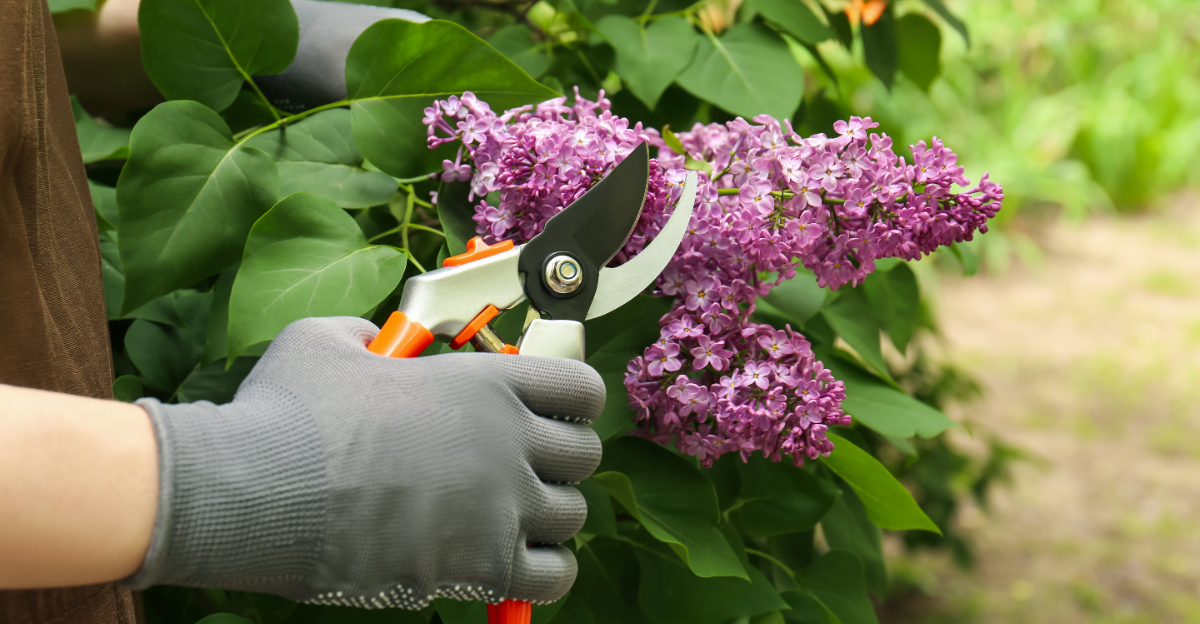
If your lilac bushes in Oregon are not blooming the way you hoped, there is a good chance pruning at the wrong time is the reason. Many gardeners make a simple but costly mistake that wipes out an entire season of flowers without even knowing it.
Lilacs are beautiful, fragrant shrubs that can thrive across Oregon when cared for correctly.
Understanding when and how to prune them can make the difference between a bush full of blooms and one that stays bare every spring.
Oregon gardens are full of potential, and with just a few adjustments to your pruning habits, you can enjoy stunning lilac flowers year after year. The good news is that fixing this mistake is easier than you think.
Once you learn how lilacs grow and when they set their flower buds, everything starts to make sense.
Keep reading to find out exactly what to stop doing and what to do instead for a showstopping lilac display next spring.
1. Pruning Lilacs Too Late In The Season
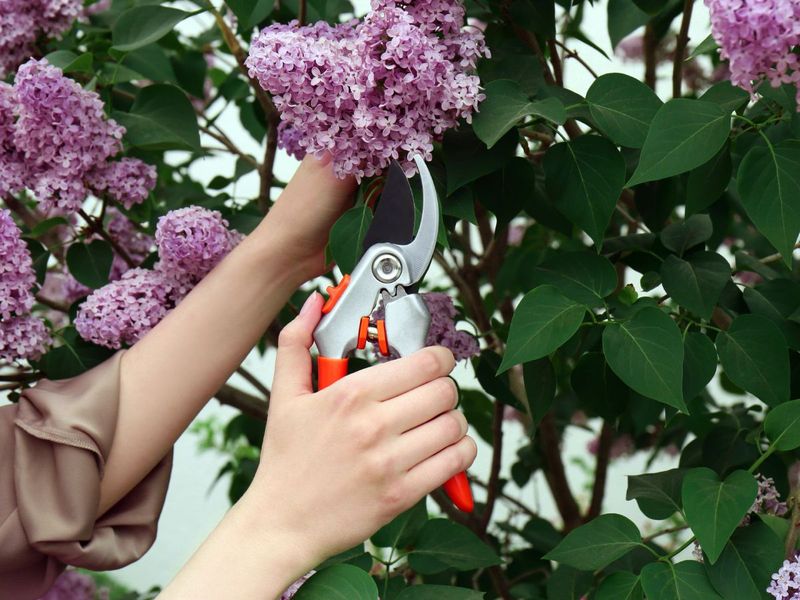
Most Oregon gardeners do not realize they are hurting their lilac blooms until the following spring arrives with nothing to show. Late-season pruning is one of the most common mistakes made in home gardens across the state.
It feels like the right thing to do, especially when the bush looks overgrown or messy heading into fall.
Lilacs bloom on what is called old wood. That means the flower buds for next year start forming on the branches that grew this season, usually by late summer.
When you prune in fall or winter, you are cutting off those buds before they ever get a chance to open.
Many gardeners in Portland, Salem, and Eugene make this mistake because they treat lilacs like other shrubs that tolerate fall trimming. Lilacs are different.
They need their new growth left alone after blooming so buds can develop undisturbed through the rest of the year.
Skipping the fall and winter pruning session can feel strange at first, especially if you are used to tidying up your garden beds before the cold sets in. But leaving your lilac alone during those months is actually the best thing you can do for it.
Once you break this habit, you will likely notice a major improvement in bloom count the very next spring in your Oregon garden.
2. Why Timing Matters For Lilac Blooms
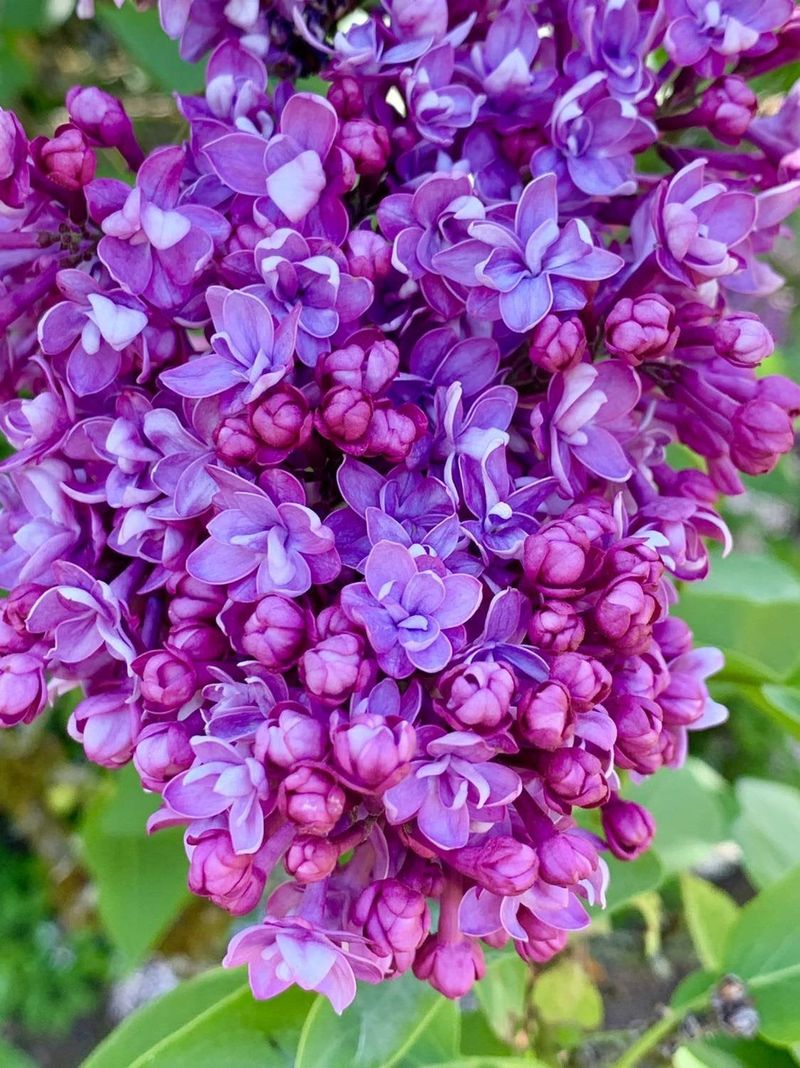
Timing is everything when it comes to getting the most out of your lilac bushes in Oregon. Unlike some flowering shrubs that bounce back quickly after a trim, lilacs follow a very specific growth cycle that makes pruning windows narrow and important.
Miss that window, and you could wait an entire year to see flowers again.
After a lilac finishes blooming in late spring, it immediately starts preparing for the next season. The plant puts energy into growing new shoots, and those shoots begin forming flower buds within weeks.
By midsummer, those buds are already taking shape on the branches.
If you wait until August, September, or later to prune, those developing buds get removed along with the branches. The plant then has to start over, which means no flowers the following spring.
That is a long wait for something that could have been avoided with better timing.
Oregon’s mild but wet climate actually gives lilacs a great environment to set buds if left undisturbed. The key is working with the plant’s natural rhythm rather than against it.
Think of pruning as something you do right after the blooms fade, not something you save for the end of the gardening season. Getting the timing right is the single most important step any Oregon gardener can take to protect next year’s lilac flowers.
3. Lilacs Form Buds Earlier Than You Think
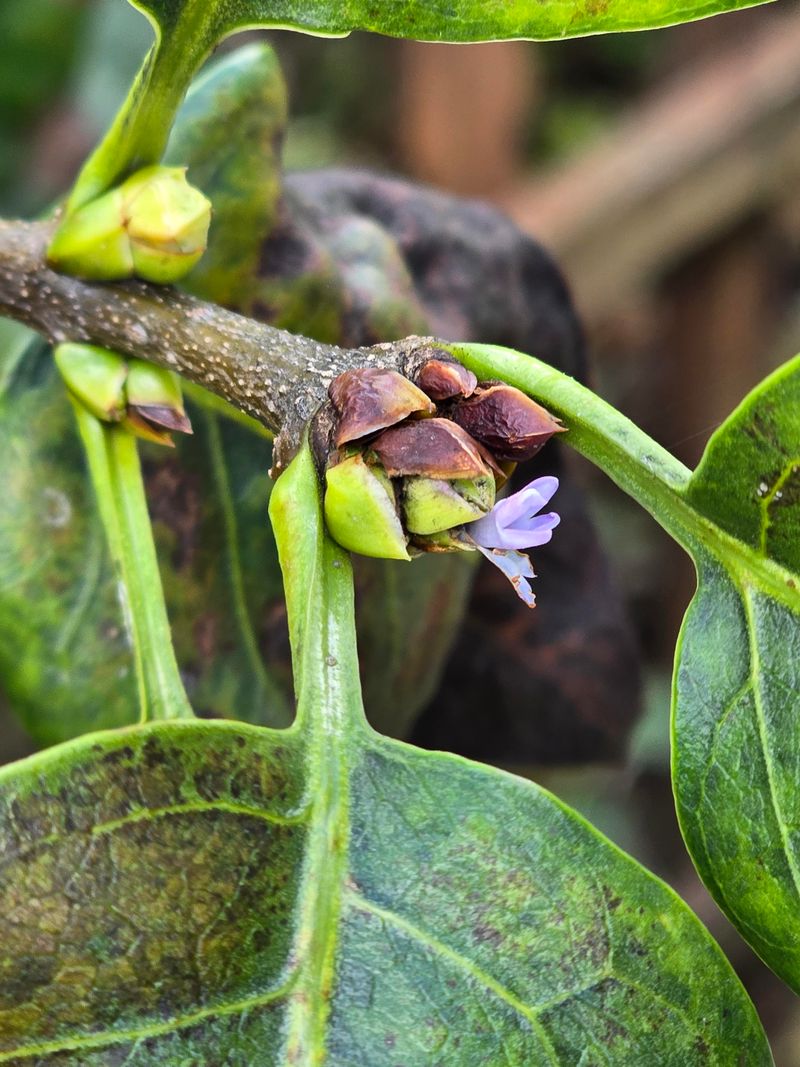
A lot of people are surprised to learn just how early lilacs begin setting their buds for the following year. Most assume bud formation happens in late fall or winter, similar to other plants.
With lilacs, the process starts much sooner, and that changes everything about how and when you should prune.
Right after the flowers fade in late spring, the plant shifts its focus. New shoots emerge, and within just a few weeks, tiny bud clusters begin forming at the tips of those new branches.
By July or early August, those buds are well on their way to becoming next year’s blooms.
In Oregon, where the growing season can stretch comfortably into fall, this early bud development often goes unnoticed. Gardeners see a healthy, leafy bush and assume everything is fine no matter when they trim it.
But those small green buds on the branch tips are already holding next spring’s flowers inside them.
Once you know this, it becomes much easier to protect your blooms. Simply make it a rule to finish all pruning by early July at the latest.
Some experienced Oregon gardeners aim to complete their pruning within two to three weeks after the last flower drops.
That short window gives the plant plenty of time to set strong, healthy buds that will survive the winter and burst open beautifully next spring across your garden.
4. How Late Pruning Removes Next Year’s Flowers

Grabbing your pruning shears in September or October might seem harmless, but for lilacs, that simple action can erase an entire year of blooms. The connection between late pruning and missing flowers is direct and predictable.
Once you understand what happens at the branch level, you will never make this mistake again.
When you cut a lilac branch in late summer or fall, you are not just removing old wood. You are removing the bud clusters that formed over the past few months.
Those buds are the only source of flowers for the coming spring. There is no backup plan.
The plant cannot replace them until after it blooms again next year.
Gardeners across Oregon have reported scratching their heads wondering why their lilacs looked healthy but never bloomed. In many cases, the answer was simple.
A well-meaning fall cleanup session had quietly removed every flower bud on the bush. The plant looked fine going into winter but had nothing left to bloom with come spring.
This is especially frustrating because the damage is invisible at first. The branches look normal after pruning.
You only discover the loss months later when spring arrives and the bush stays green with no flowers in sight. Avoiding this outcome is completely within your control.
Just keep your shears away from your lilacs after midsummer, and your Oregon garden will reward you with a full and fragrant bloom season next year.
5. The Best Time To Prune Lilacs
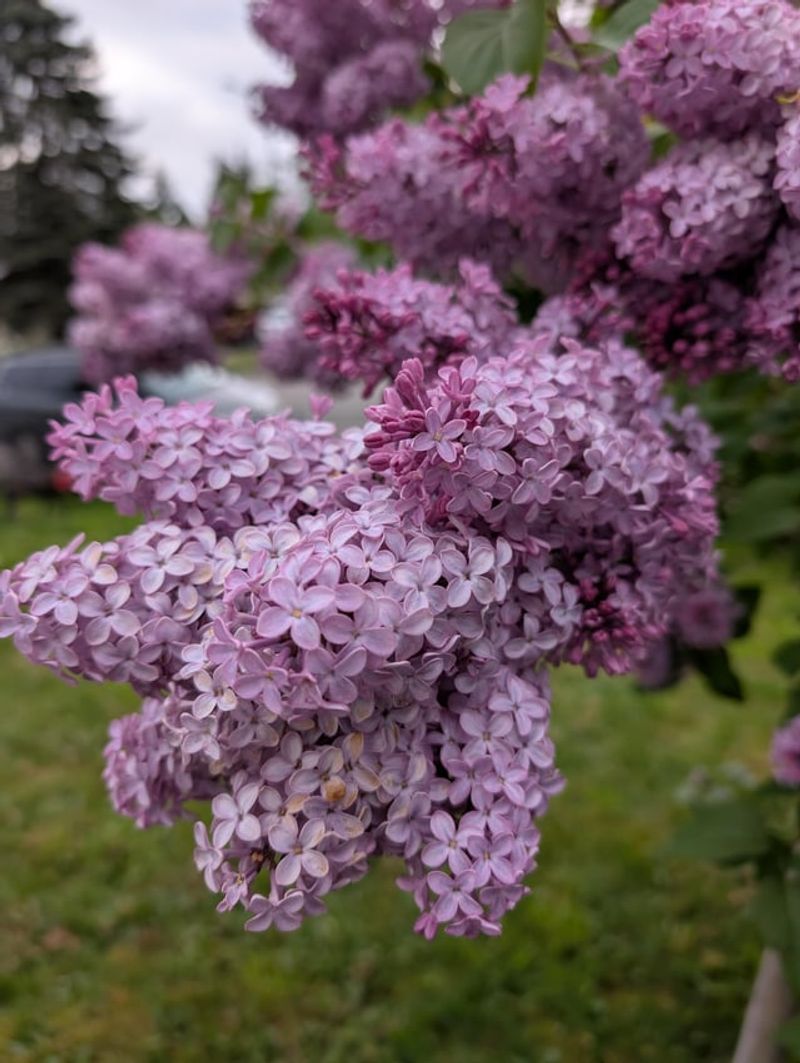
Right after your lilac finishes blooming is the golden window for pruning. For most parts of Oregon, that window falls somewhere between late May and late June, depending on the variety and your local climate.
Acting quickly during this short period gives your plant the best chance to recover and set strong buds for the following year.
The goal during this pruning session is to shape the plant, remove spent flower clusters, and cut away any dead or crossing branches. You are not trying to drastically reduce the size of the shrub.
Think of it as a light refresh that encourages healthy new growth without removing the wood that will carry next year’s buds.
Oregon State University Extension recommends pruning lilacs soon after bloom for exactly this reason. The post-bloom window is when the plant is most ready to respond with vigorous new shoots.
Those shoots will become the flower-bearing branches you enjoy the following spring.
If you missed the window this year, do not panic. Simply skip pruning altogether until after next year’s blooms fade.
One missed season will not cause lasting harm. Your lilac will still grow and look presentable without being trimmed.
And when you do get back on schedule, you will have a perfectly timed pruning that sets you up for years of beautiful, fragrant blooms throughout your Oregon garden and yard.
6. How To Prune Without Losing Blooms
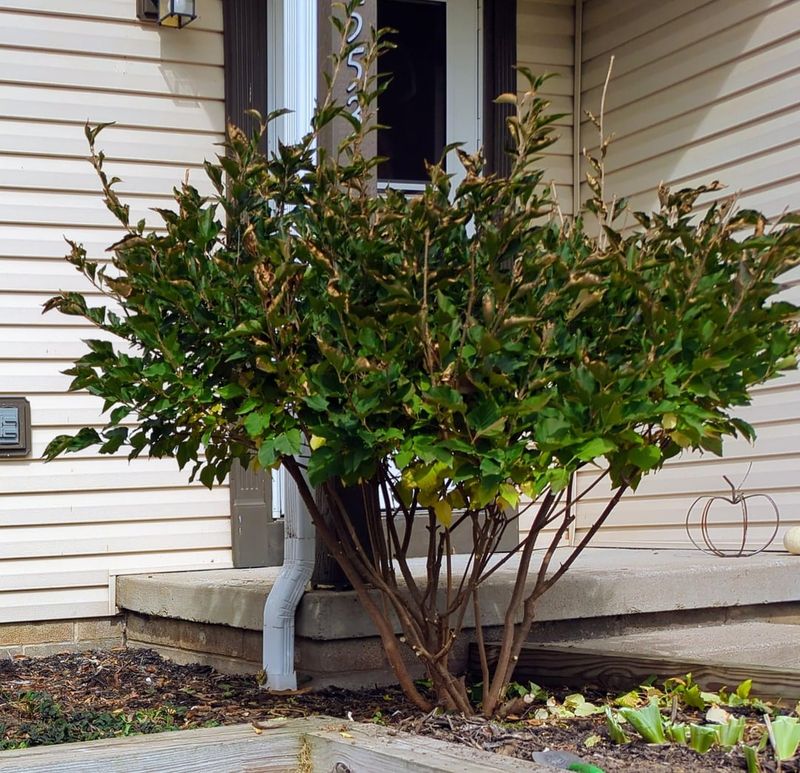
Knowing when to prune is only half the equation. How you prune matters just as much when it comes to protecting your lilac flowers in Oregon.
A few smart techniques can help you shape your bush confidently without accidentally removing the buds that carry next year’s blooms.
Start by removing the faded flower clusters right after blooming ends. Cut just below the spent bloom, above the first set of healthy leaves.
This prevents the plant from putting energy into making seeds and redirects that energy toward new growth instead. New shoots will emerge quickly from just below your cuts.
Next, look for dead, damaged, or crossing branches. Remove those at the base or back to a healthy side branch.
Avoid cutting into green, healthy wood unless you have a specific reason. The less healthy wood you remove, the more bud-producing branches the plant retains going into summer.
For older lilac bushes that have become crowded or overgrown, a technique called renewal pruning works well. Remove no more than one-third of the oldest, thickest stems each year at ground level.
This gradual approach opens up the center of the bush for better airflow without shocking the plant or removing too many buds at once. Spread this work over three years for the best results.
Oregon gardeners who follow this method often see a noticeable increase in bloom coverage and overall plant health within just a couple of seasons.
7. Simple Tips For More Lilac Flowers
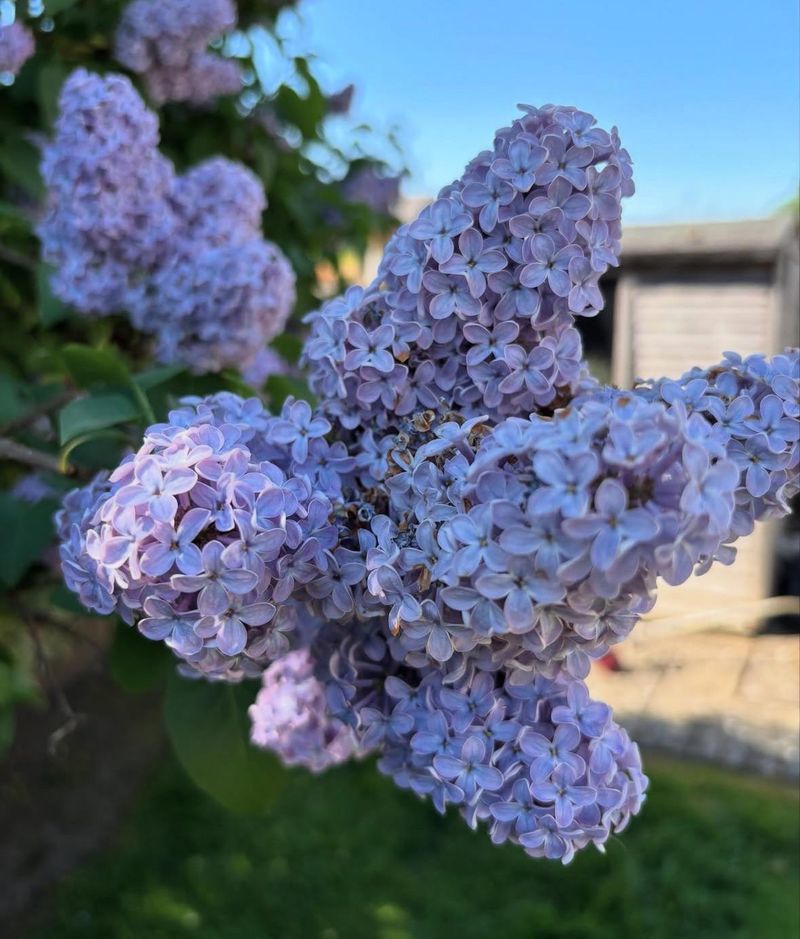
Beyond pruning, a few other habits can make a big difference in how many flowers your lilac produces each year in Oregon. Pruning correctly is the foundation, but pairing it with the right growing conditions takes your results to the next level.
Sunlight is one of the biggest factors. Lilacs need at least six hours of direct sun each day to bloom well.
If your bush is planted in a shady spot or crowded by nearby trees, it may produce few flowers no matter how well you prune it. Moving or thinning nearby plants can help significantly.
Soil matters too. Lilacs prefer well-draining soil with a slightly alkaline pH.
Oregon soils tend to be acidic, so adding garden lime every few years can help balance things out. A soil test from your local Oregon State Extension office can tell you exactly what your garden needs.
Fertilizing lightly in early spring with a low-nitrogen fertilizer encourages blooms rather than leafy growth. Too much nitrogen pushes the plant to grow more leaves and fewer flowers, which is the opposite of what you want.
Watering deeply but infrequently during dry summer months helps roots stay strong without creating soggy conditions. Healthy roots support healthy bud development.
Put all of these habits together with smart, timely pruning, and your Oregon lilac garden will become the most fragrant and colorful spot on the block every single spring season.