13 Striking Coral Bells Pennsylvania Gardeners Should Be Growing
Pennsylvania gardens thrive on four clear seasons, and few plants rise to the occasion like coral bells.
With bold leaves, refined form, and color that holds steady from spring through frost, these perennials pull more than their fair share of weight.
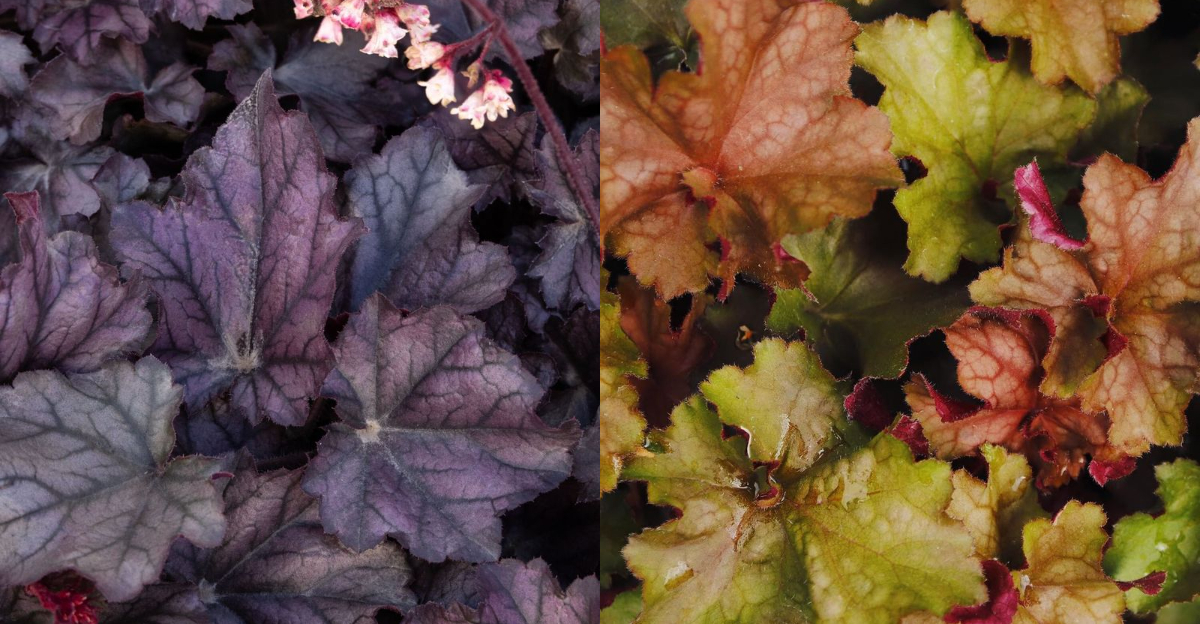
Deep plum, fiery amber, silvery green, and rich caramel shades turn shady beds into showpieces.
As the saying goes, good things come in small packages, and coral bells prove the point year after year.
Cold winters test every plant’s resolve, yet coral bells stand firm. Hardy roots shrug off frost, while foliage brings contrast long after flowers fade elsewhere.
These plants fit neatly into borders, woodland beds, and container displays, which makes them a favorite among gardeners who value both beauty and reliability.
Deer tend to pass them by, and pests rarely cause trouble, which adds peace of mind to their appeal.
Pennsylvania soil and climate suit coral bells well, especially with proper drainage and filtered light.
Once established, they reward care with steady color and graceful form.
A thoughtful choice of varieties can add depth, texture, and personality to any landscape.
With coral bells in place, gardens gain lasting impact without constant fuss or fragile charm.
1. Palace Purple
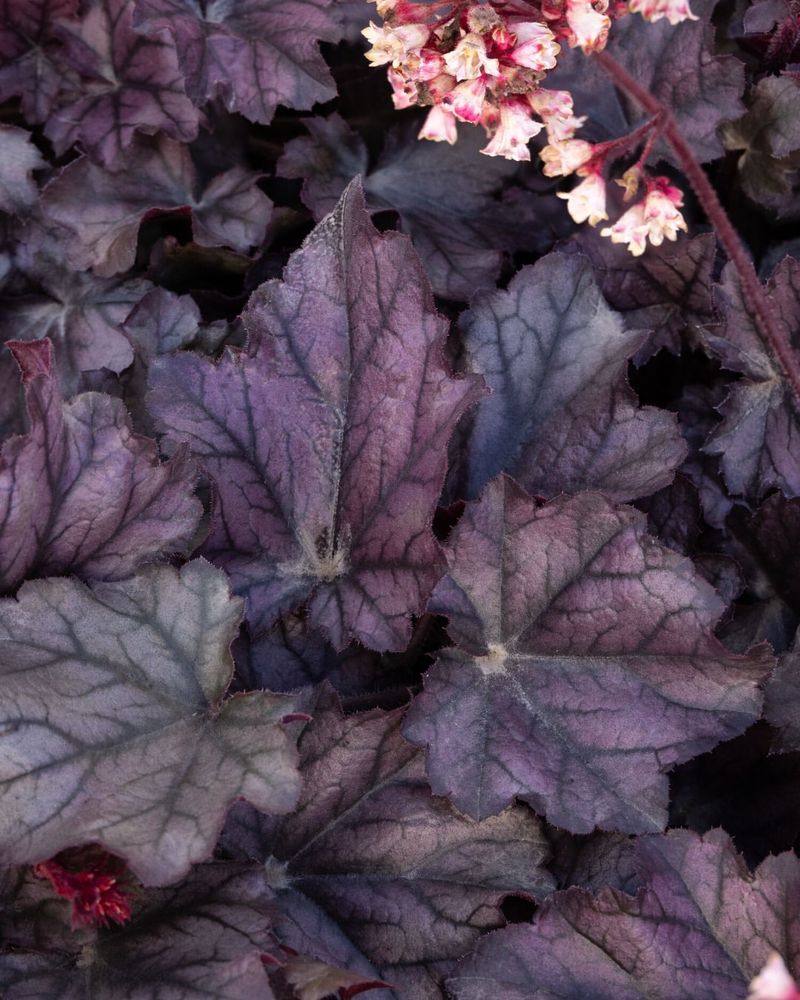
Deep burgundy leaves make this classic variety a standout in any Pennsylvania garden bed.
Palace Purple earned the prestigious Perennial Plant of the Year award back in 1991, and gardeners still adore it today.
The glossy, maple-shaped foliage holds its rich color from spring through fall, creating dramatic contrast against lighter plants.
This variety grows about 18 inches tall and spreads to form a nice clump over time.
Tiny white flowers appear on tall stems in early summer, attracting hummingbirds and butterflies to your yard.
The blooms add a delicate touch without stealing attention from those gorgeous leaves.
Plant Palace Purple in partial shade for the best color development in Pennsylvania’s climate.
Too much direct sun can fade the leaves, while too much shade may cause them to turn greenish.
Morning sun with afternoon shade creates ideal conditions for this beauty.
The foliage looks stunning when paired with yellow hostas or chartreuse ferns.
This combination creates eye-catching contrast that brightens shady corners.
Mulch around the base to keep roots cool during our humid summers, and watch this reliable performer return year after year with minimal fuss.
2. Caramel
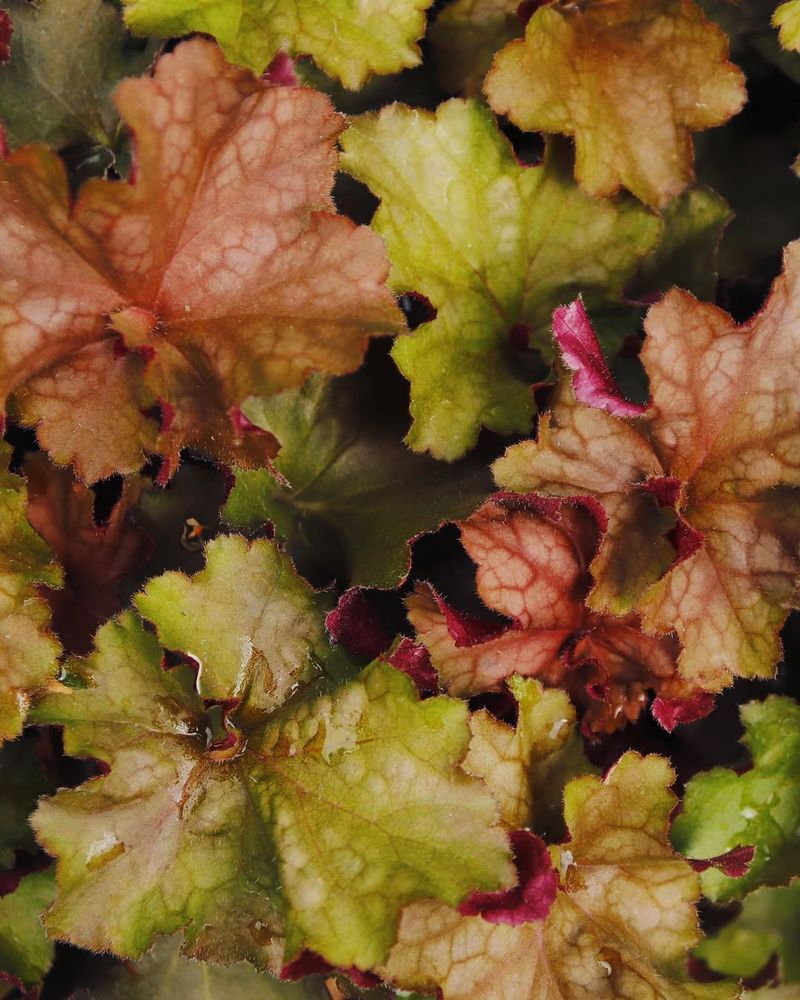
Imagine leaves the color of warm butterscotch candy brightening your garden beds.
Caramel brings exactly that with its peachy-orange foliage that shifts through different shades as seasons change.
Spring brings peachy tones, summer deepens to amber, and fall adds hints of rose.
Ruffled leaf edges give this variety extra texture and visual interest.
The wavy margins catch light differently throughout the day, creating a shimmering effect.
Cream-colored flowers bloom on tall stems in late spring, complementing the foliage beautifully.
This cultivar handles Pennsylvania’s variable weather with impressive toughness.
Cold winters and hot summers barely faze this adaptable plant.
Give it part shade to full sun, though some afternoon shade helps prevent leaf scorch during July and August.
Pair Caramel with blue-flowered perennials like catmint or salvia for a stunning color combination.
The warm orange tones also look fabulous next to deep purple heucheras or bronze carex.
Space plants about 12 inches apart to allow good air circulation, which helps prevent fungal issues in our humid climate.
Water regularly during establishment, then this low-maintenance beauty practically takes care of itself.
3. Obsidian
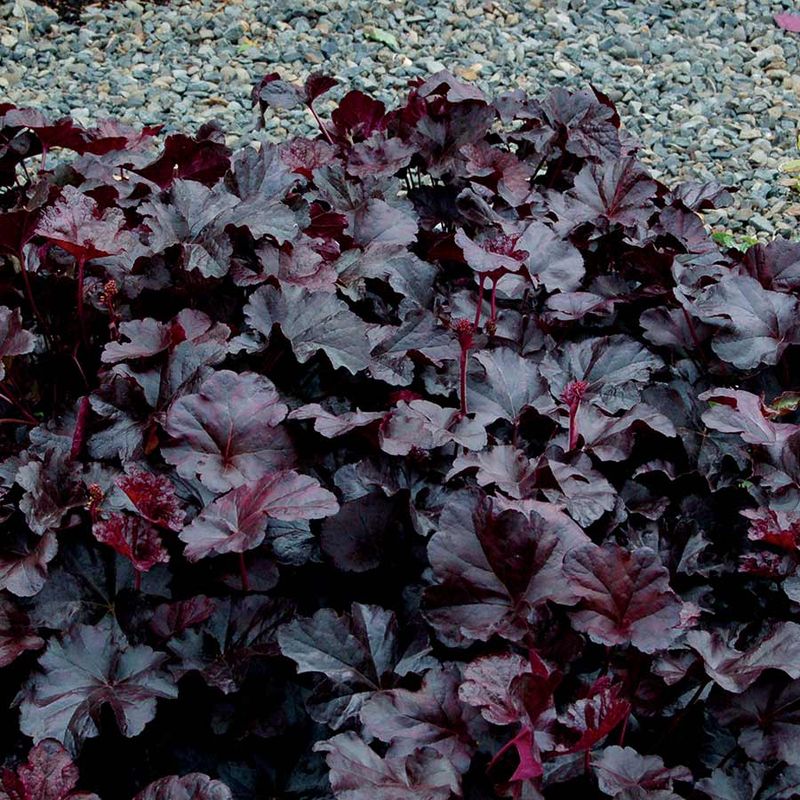
Nearly black foliage makes Obsidian one of the darkest coral bells available to Pennsylvania gardeners.
The glossy leaves look almost like polished stone, giving this variety its volcanic rock-inspired name.
Under bright light, hints of deep purple shimmer through the darkness.
Creamy white flowers create dramatic contrast when they bloom in early summer.
The light blooms against dark foliage create a striking visual that stops visitors in their tracks.
Each flower spike reaches about 20 inches tall, adding vertical interest to compact plantings.
Use Obsidian to anchor mixed containers or create bold garden statements.
The dark foliage makes bright flowers pop, so plant it near yellow coreopsis or pink astilbe.
This variety also works beautifully in moon gardens, where white flowers glow against the dark leaves at twilight.
Obsidian tolerates more sun than many dark-leaved varieties, though afternoon shade still helps in Pennsylvania.
The thick, glossy leaves resist damage from pests and weather better than thinner-leaved types.
Divide clumps every three to four years to maintain vigor and prevent overcrowding.
This tough performer handles our winter cold without protection, emerging fresh each spring with that signature dark beauty intact.
4. Lime Rickey
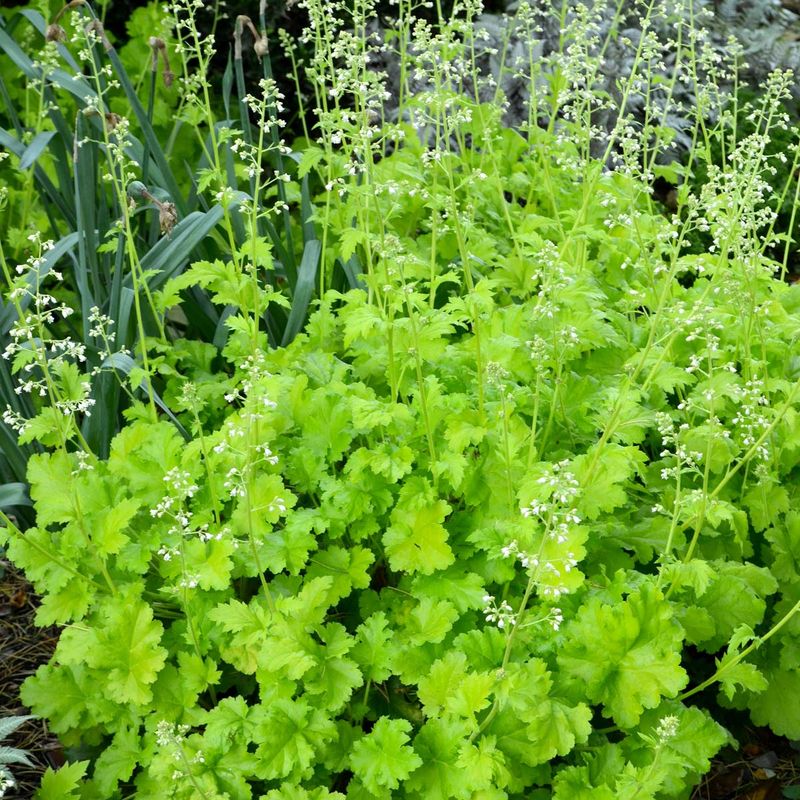
Bright chartreuse leaves bring sunshine to shady Pennsylvania gardens where other plants look dull.
Lime Rickey glows with electric energy, its ruffled foliage creating a cheerful focal point.
The color stays vibrant from spring through fall, never fading even during our hottest summer weeks.
Ruffled edges add texture that catches breezes and creates movement in the garden.
White flowers appear in late spring on stems that reach about 16 inches high.
The blooms attract beneficial insects while the foliage provides season-long color.
This variety works magic in shade gardens by reflecting available light.
Plant it under trees or along north-facing foundations where its brightness counteracts darkness.
Lime Rickey also excels in containers, especially when combined with purple or burgundy companions.
Pair this zingy beauty with dark-leaved plants for maximum impact.
Try it alongside black mondo grass or purple ajuga for combinations that make neighbors jealous.
The bright foliage also complements blue hostas and pink bleeding hearts perfectly.
Lime Rickey prefers partial to full shade in Pennsylvania gardens.
Too much sun can bleach the leaves, reducing that signature neon glow.
Keep soil consistently moist but well-drained, and this easygoing variety rewards you with months of brilliant color.
5. Plum Pudding
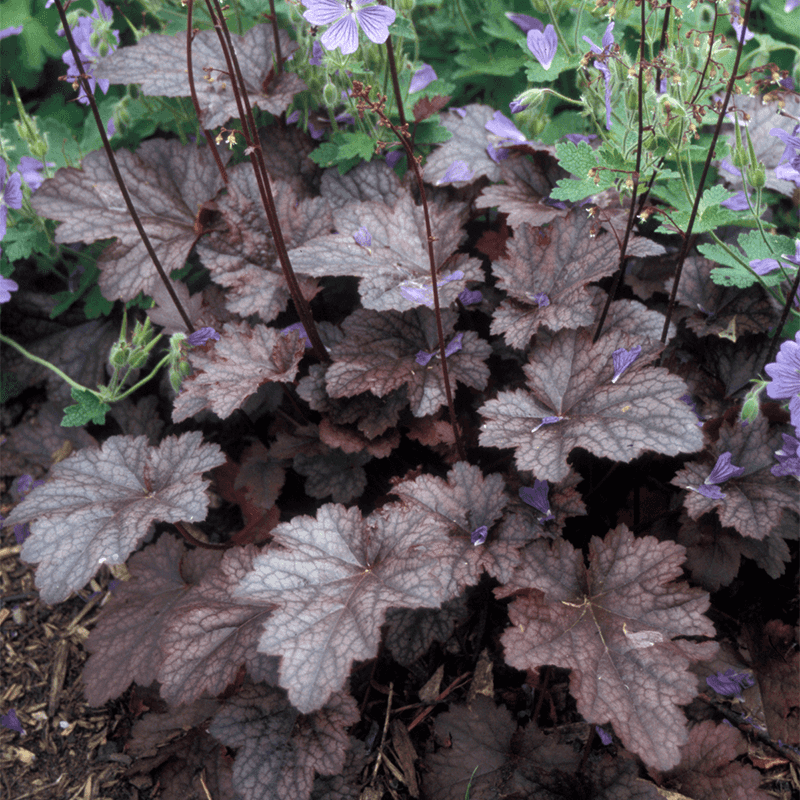
Shimmering silver overlays deep plum foliage, creating a two-toned effect that changes as light shifts throughout the day.
Plum Pudding offers complexity that simple solid-colored varieties cannot match.
The metallic sheen catches morning dew and makes this plant sparkle in ways that surprise first-time growers.
Each leaf shows intricate silver veining against the purple background.
This natural artwork needs no flowers to impress, though white blooms do appear in early summer.
The compact mound reaches about 10 inches tall and spreads to 14 inches wide.
Plum Pudding thrives in Pennsylvania’s partial shade conditions.
The silver markings show up best when plants receive some direct light, so morning sun works perfectly.
Afternoon shade protects the leaves from stress during hot spells.
Use this variety to add sophistication to woodland gardens or shady borders.
The silver and purple combination pairs beautifully with pink astilbe or white impatiens.
Plum Pudding also works well in rock gardens, where its compact size fits among stones.
Fungal resistance makes this cultivar reliable in our humid Pennsylvania summers.
Good air circulation helps, so avoid crowding plants too closely together.
Remove any damaged leaves promptly to maintain the plant’s tidy appearance and encourage fresh growth throughout the season.
6. Berry Smoothie
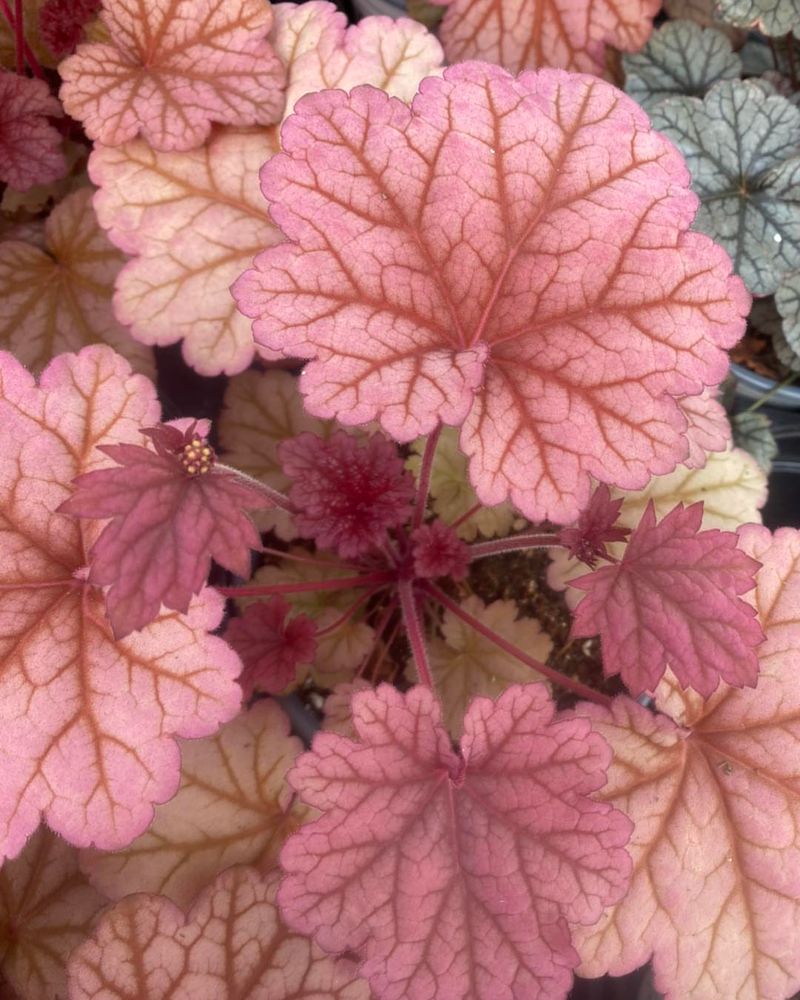
Rose-pink leaves with silver veining create a dessert-inspired color palette that sweetens any garden space.
Berry Smoothie lives up to its delicious name with foliage that looks good enough to eat.
The pink tones deepen in cool weather, adding extra interest during spring and fall.
Silvery highlights shimmer across each leaf surface, creating dimension and visual texture.
Pink flowers on tall stems bloom in late spring, echoing the foliage color.
The overall effect resembles a strawberry milkshake come to life in your garden bed.
This variety appreciates more light than darker-leaved types to maintain its vibrant pink color.
Partial shade with morning sun works beautifully in Pennsylvania gardens.
Too much shade can cause the pink to fade toward green, reducing the signature berry hue.
Combine Berry Smoothie with silver-leaved plants like lamb’s ear or artemisia for a soft, romantic look.
The pink also pairs wonderfully with blue flowers such as brunnera or forget-me-nots.
Container plantings benefit from this variety’s cheerful color and compact growth habit.
Berry Smoothie handles our cold winters without trouble when planted in well-drained soil.
Avoid heavy clay that stays soggy, as coral bells dislike wet feet during dormancy.
Mulch lightly around plants to moderate soil temperature while allowing good drainage around the crown.
7. Citronelle
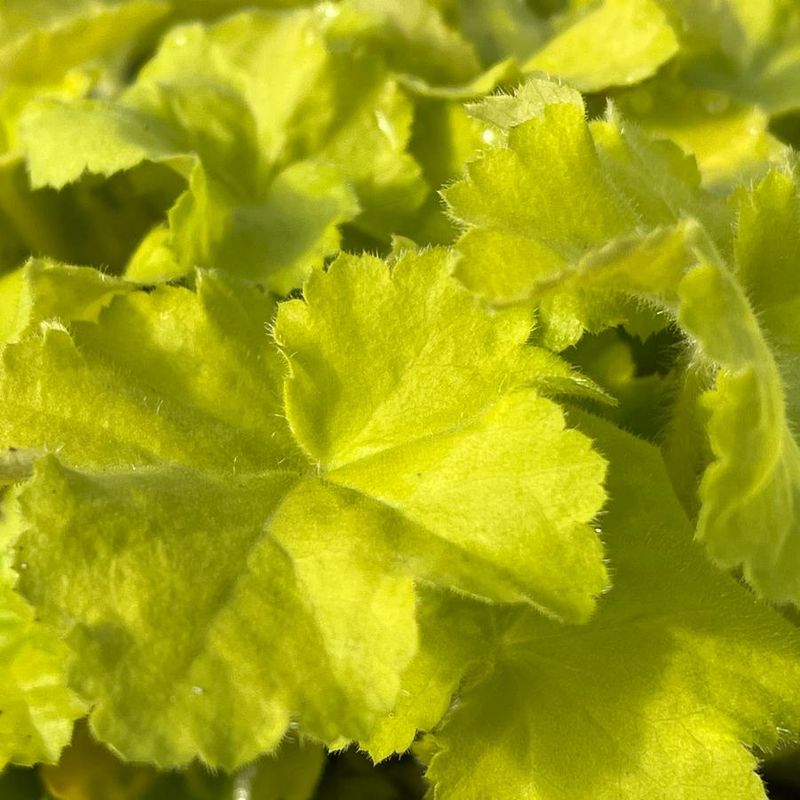
Brilliant yellow-green foliage brings tropical vibes to Pennsylvania gardens despite our temperate climate.
Citronelle glows like sunshine captured in leaf form, brightening even the gloomiest corners.
The color intensity rivals any annual but returns reliably year after year.
Rounded leaves with gently scalloped edges form neat mounds about 12 inches tall.
White flowers bloom on stems that rise to 18 inches in early summer.
The blooms add a bonus, though the foliage provides the main attraction throughout the growing season.
Shade-loving nature makes Citronelle perfect for spots under trees or beside foundations.
The bright color illuminates dark areas where traditional shade plants look muddy.
This variety also tolerates more sun than many chartreuse types, though afternoon shade still helps in July.
Create stunning combinations by planting Citronelle with purple foliage plants.
Try it alongside purple fountain grass or dark-leaved coleus for contrast that packs visual punch.
The yellow-green also complements blue flowers like lobelia or ageratum beautifully.
Consistent moisture helps Citronelle maintain its brilliant color through Pennsylvania summers.
Mulch around plants to conserve water and keep roots cool during heat waves.
Divide every few years to maintain vigor, and this luminous beauty will light up your garden for decades.
8. Midnight Rose
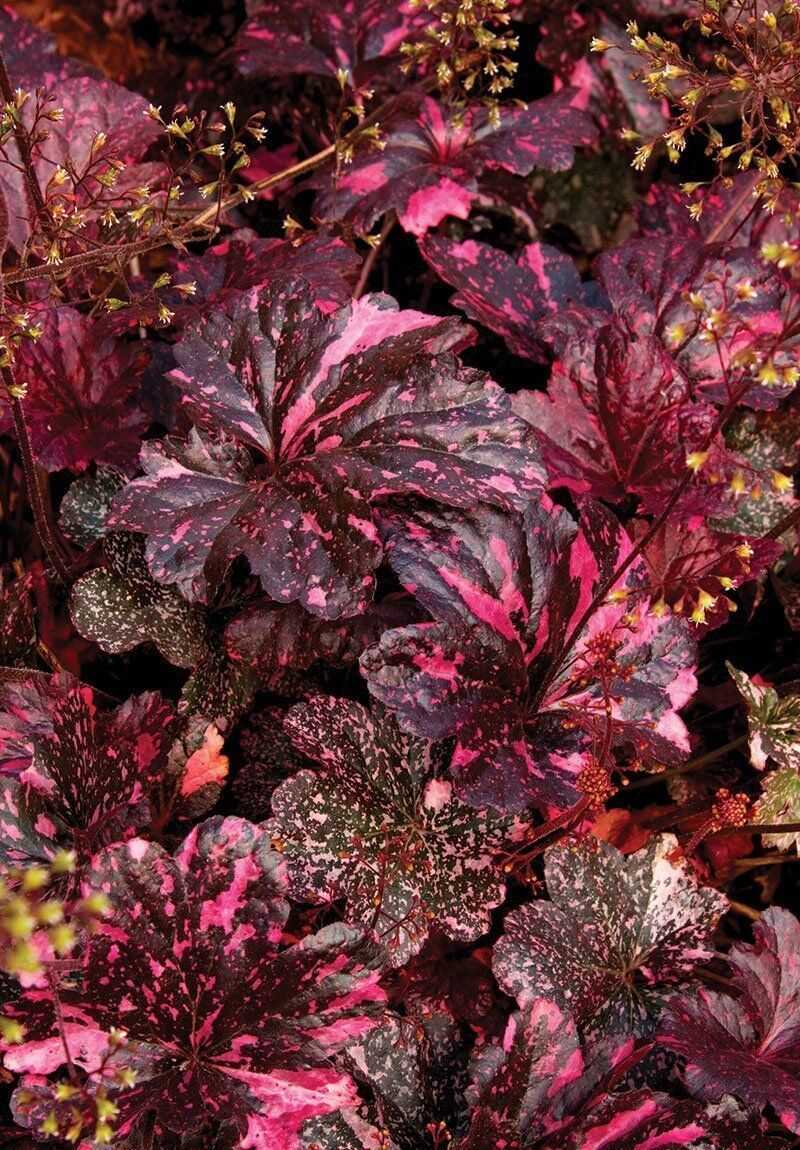
Hot pink splatters across near-black leaves create a look unlike any other plant in Pennsylvania gardens.
Midnight Rose appears hand-painted by an artist with a wild imagination.
Each leaf shows unique spotting patterns, making every plant slightly different from its neighbors.
The pink spots emerge as new foliage develops, creating an ever-changing display.
Cool weather intensifies both the dark background and bright spots.
White flowers bloom in late spring, adding another layer to this already complex beauty.
Gardeners love this variety because it provides constant visual interest without being overwhelming.
The spotted pattern adds excitement to containers and borders alike.
Midnight Rose works especially well in modern garden designs where bold statements fit the aesthetic.
Pair this dramatic plant with solid-colored companions to let the unique foliage shine.
Silver-leaved plants like dusty miller or artemisia make excellent partners.
Avoid planting too many busy patterns together, as the effect can become chaotic.
Partial shade brings out the best coloration in Pennsylvania’s climate.
Too much sun can fade the pink spots, while deep shade reduces their intensity.
Morning light with afternoon protection creates ideal conditions for maximum color development.
This conversation-starter plant handles our winters beautifully, emerging each spring ready to dazzle with its painted appearance.
9. Southern Comfort
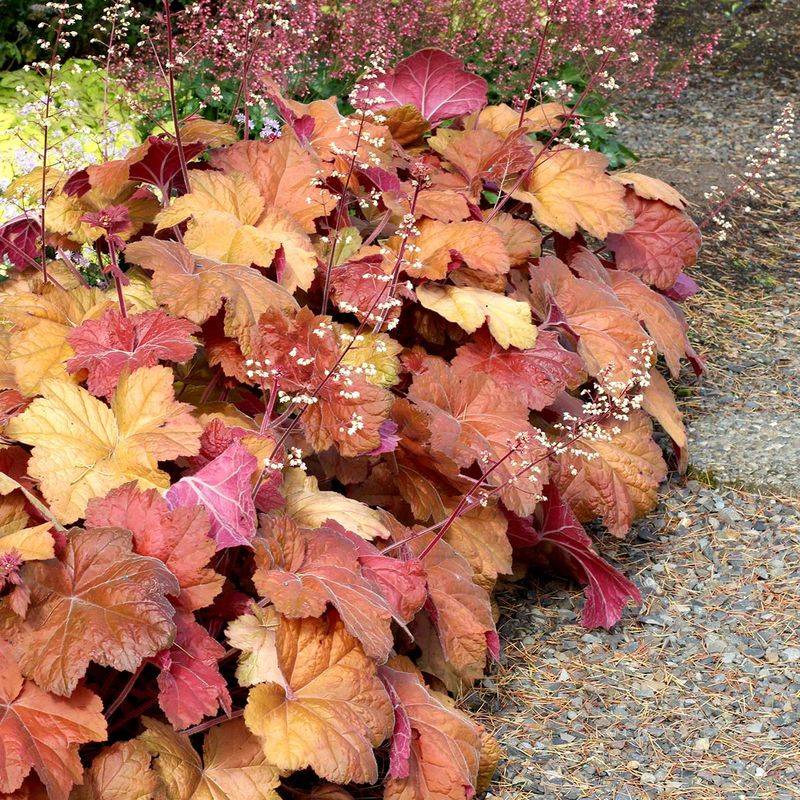
Peachy-cinnamon foliage with hints of amber creates warmth that radiates through Pennsylvania gardens.
Southern Comfort offers larger leaves than many coral bells, making a bolder statement.
The color shifts with seasons, from peachy-pink in spring to deep amber-orange in fall.
Each leaf can reach four to five inches across, providing substantial visual weight.
This size makes Southern Comfort perfect for filling space quickly in new plantings.
Cream-colored flowers bloom on tall stems in early summer, though the foliage remains the star.
Heat tolerance sets this variety apart from many coral bells.
Pennsylvania’s humid summers barely faze this tough performer.
The larger leaves seem to handle sun better than smaller-leaved types, though some afternoon shade still helps during peak heat.
Use Southern Comfort as a foundation plant where its substantial size anchors mixed borders.
The warm colors complement both cool blues and hot reds in the garden palette.
This variety also works beautifully in large containers, where its size provides appropriate scale.
Plant in well-drained soil enriched with compost for best results.
Water regularly during establishment, then this adaptable beauty handles some drought once roots establish.
The robust nature and reliable performance make Southern Comfort an excellent choice for beginning gardeners seeking low-maintenance color.
10. Marmalade
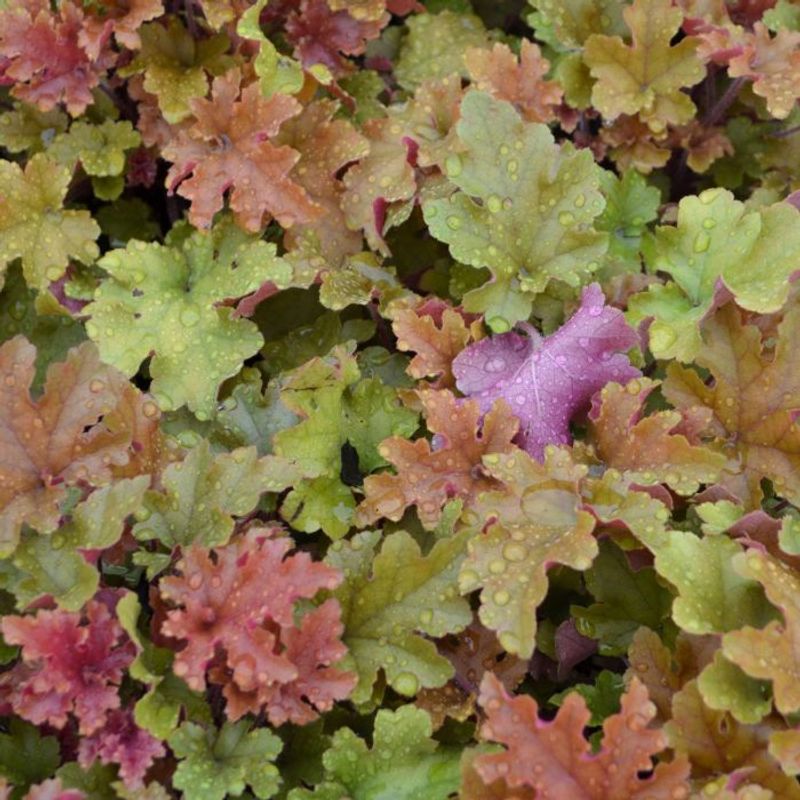
Tangerine-orange leaves with heavy ruffling create texture that begs to be touched.
Marmalade brings breakfast-inspired color to Pennsylvania gardens with its citrusy brightness.
The intensely ruffled edges catch light and shadow, adding dimension that flat-leaved plants cannot provide.
Color changes throughout the growing season keep this variety interesting.
Spring brings peachy-orange tones, summer deepens to true tangerine, and fall adds bronze undertones.
Each stage offers something different, ensuring this plant never looks boring.
Compact size makes Marmalade perfect for edging paths or fronting borders.
The plant reaches about 10 inches tall and 14 inches wide at maturity.
White flowers appear in late spring, providing contrast against the vibrant foliage.
Partial shade suits Marmalade best in Pennsylvania’s climate.
Morning sun with afternoon protection prevents leaf scorch while maintaining good color.
Too much shade can cause the orange to fade toward peachy-yellow, reducing impact.
Combine this zesty beauty with purple or blue companions for exciting color schemes.
Try it alongside purple salvia or blue fescue for combinations that energize the garden.
Marmalade also pairs well with other coral bells in mixed plantings, where its unique color and texture add variety.
Good drainage proves essential, especially during winter when soggy soil can cause problems.
11. Electric Lime
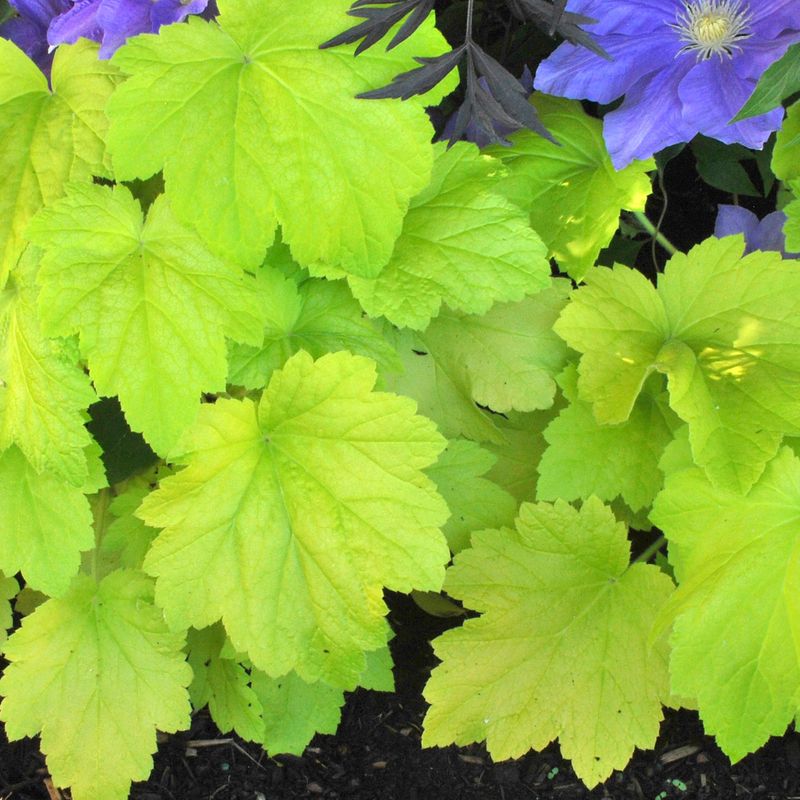
Neon chartreuse foliage practically glows in shade, earning this variety its electrifying name.
Electric Lime delivers color intensity that rivals any tropical plant despite being Pennsylvania-hardy.
The brightness never dims, maintaining its voltage from spring frost to fall freeze.
Rounded leaves with subtle ruffling form compact mounds about eight inches tall.
This smaller size makes Electric Lime perfect for tight spaces or container gardens.
White flowers bloom on stems reaching 14 inches, though the foliage provides the real show.
Shade gardens benefit tremendously from this luminous variety.
Plant it where its glow can illuminate dark corners under trees or beside shaded foundations.
The bright color also works magic in evening gardens, remaining visible long after other plants fade into darkness.
Pair Electric Lime with dark foliage for maximum drama and contrast.
Black mondo grass, purple heucheras, or dark coleus make excellent companions.
The lime color also complements pink flowers beautifully, creating fresh and cheerful combinations.
Partial to full shade suits this variety best in Pennsylvania gardens.
Too much direct sun can bleach the leaves, reducing that signature electric glow.
Keep soil consistently moist but not waterlogged, and this compact beauty rewards you with months of brilliant, eye-catching color that transforms shady spots.
12. Peach Flambe
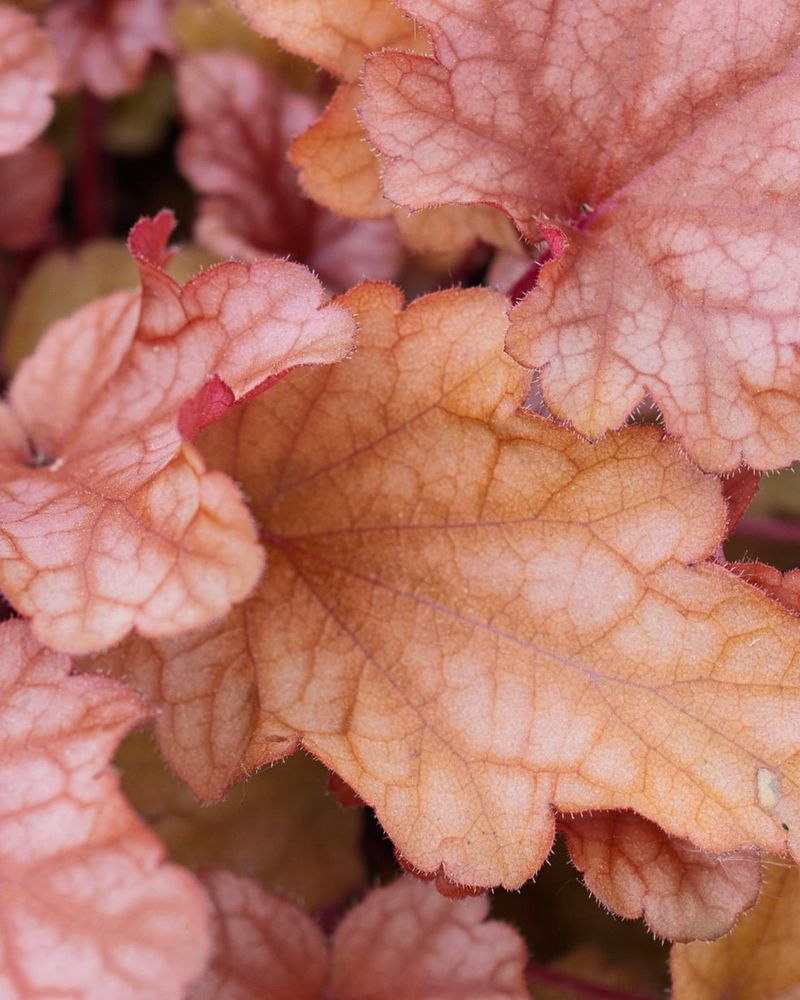
Bright peach tops with burgundy undersides create a two-toned effect that surprises and delights.
Peach Flambe offers hidden color that reveals itself when breezes flip the leaves.
This dual nature adds movement and interest that solid-colored varieties cannot match.
The peachy-orange upper surface glows warmly in morning or evening light.
Burgundy undersides show when wind ruffles the foliage or when leaves curl slightly.
This color play creates depth and complexity that changes throughout the day.
Coral-pink flowers bloom in late spring on stems that reach about 18 inches tall.
The blooms echo both the peach and burgundy tones found in the foliage.
Hummingbirds adore these flowers, adding wildlife appeal to ornamental beauty.
Peach Flambe handles Pennsylvania’s variable weather with impressive toughness.
The variety tolerates heat better than many coral bells while remaining fully winter-hardy.
Partial shade with morning sun brings out the best coloration without stressing the plant.
Create exciting combinations by pairing Peach Flambe with blue or purple flowers.
Catmint, salvia, or veronica make excellent companions that complement the warm tones.
This variety also works beautifully in containers, where its colors brighten patios and entryways.
Well-drained soil and occasional division keep this flamboyant beauty performing at its peak year after year.
13. Forever Purple
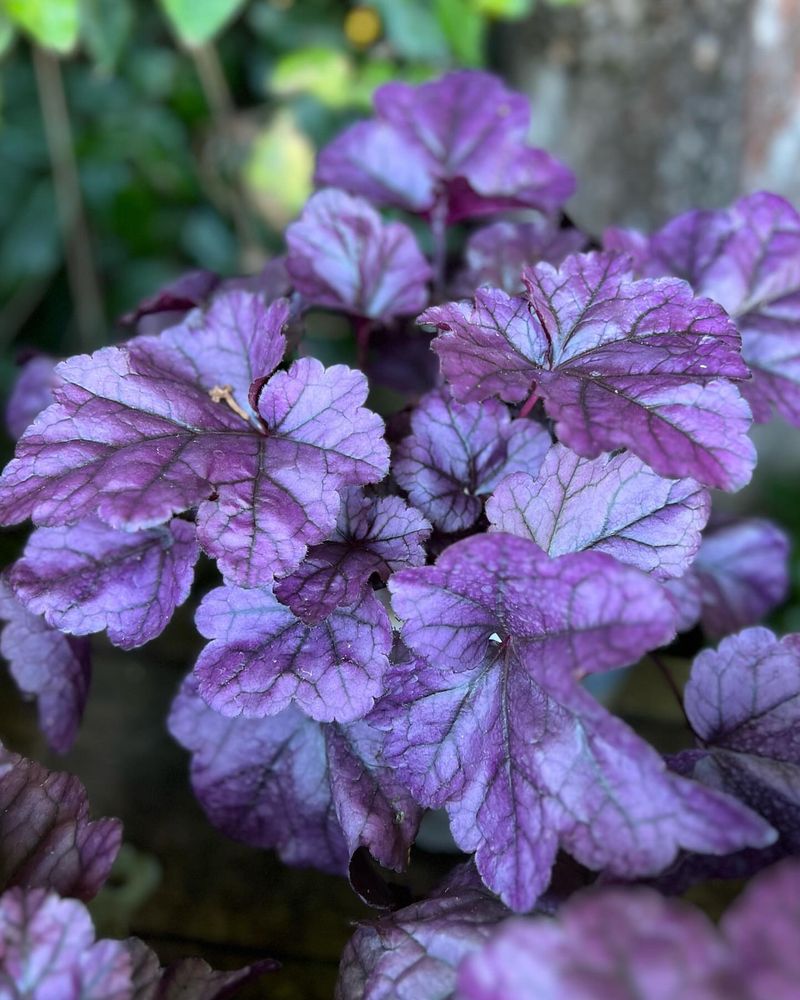
Rich purple foliage holds its color from spring through fall, living up to the forever promise in its name.
This variety delivers consistent color without the fading that plagues some purple-leaved plants.
The glossy leaf surface adds shine that makes the purple appear even more intense.
Compact growth habit makes Forever Purple ideal for small gardens or container plantings.
Plants reach about 10 inches tall and 12 inches wide at maturity.
White flowers bloom in early summer, creating striking contrast against the dark foliage.
Use Forever Purple to anchor mixed plantings where reliable color matters.
The deep purple works with virtually any other color in the garden palette.
Try it with yellow coreopsis for bold contrast or pink roses for softer, romantic combinations.
Partial shade suits this variety best in Pennsylvania gardens.
Some morning sun intensifies the purple color, while afternoon shade prevents stress.
Too much direct sun can cause leaves to look dull or bronzed rather than richly purple.
Cold hardiness and disease resistance make Forever Purple a dependable choice for Pennsylvania gardeners.
The variety handles our winter weather without protection or special care.
Divide clumps every three years to maintain vigor and prevent crowding.
This reliable performer returns faithfully each spring, ready to provide another season of gorgeous purple color that truly lasts.