13 Striking Plants That Steal The Show In Pennsylvania Gardens
Pennsylvania gardens have a quiet way of surprising people.
With four distinct seasons and a mix of sun, shade, humidity, and cold, the state creates the perfect backdrop for plants that don’t just grow well—they stand out.
From bold foliage to dramatic blooms, certain plants thrive in these conditions while delivering serious visual impact from spring through fall.
These are the plants that stop visitors in their tracks.
Some tower above the rest with architectural shapes, while others command attention through intense color, texture, or unexpected flowering habits.
Many handle Pennsylvania’s fluctuating weather with ease, returning year after year with even more presence than before.
They don’t blend into the background or play a supporting role—they become the focal point of the entire garden.
Whether planted along walkways, anchoring borders, or filling in key spaces around patios and fences, these showstoppers bring personality and polish to outdoor spaces across the state.
Below are 13 striking plants that steal the show in Pennsylvania gardens, each chosen for its ability to thrive locally while delivering unforgettable curb appeal and garden drama.
1. Purple Coneflower
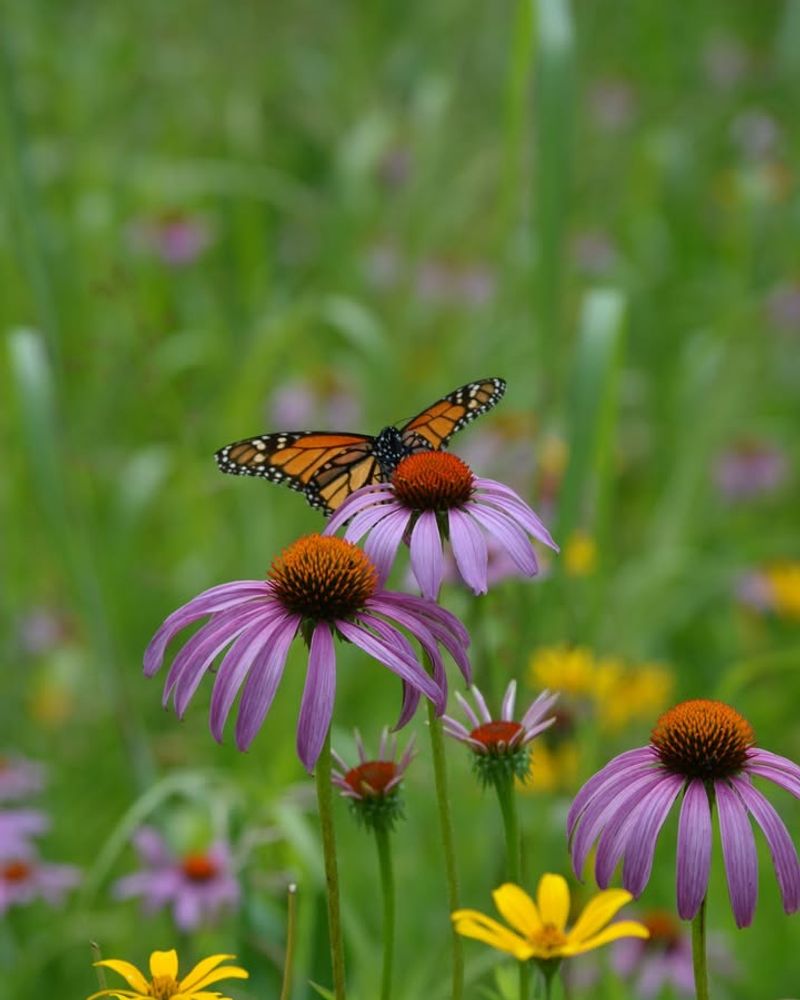
Native wildflowers bring authenticity and charm to Pennsylvania landscapes, and this prairie beauty delivers both in spectacular fashion.
The daisy-like blooms feature drooping purple-pink petals surrounding a spiky orange cone that butterflies absolutely adore.
Blooming from midsummer through early fall, these perennials create stunning drifts of color that brighten any sunny border.
Pennsylvania gardeners appreciate how tough and reliable these flowers are once established in well-drained soil with plenty of sunshine.
They tolerate drought conditions remarkably well and rarely suffer from serious pest problems or diseases.
The seed heads left standing after blooming provide winter interest and food for hungry goldfinches.
Plants typically reach two to four feet tall, making them perfect for middle-of-the-border placement where their cheerful blooms shine.
Deadheading spent flowers encourages additional blooms, though leaving some promotes self-seeding for natural garden expansion.
These coneflowers adapt beautifully to cottage gardens, prairie-style plantings, and pollinator-friendly landscapes throughout Pennsylvania’s diverse growing regions.
2. Bleeding Heart
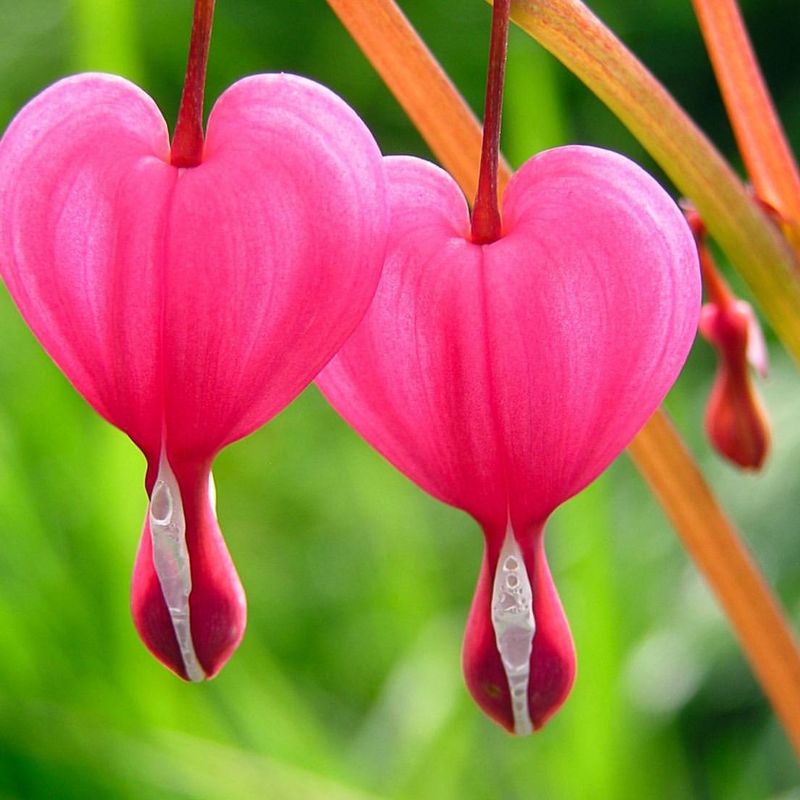
Romantic heart-shaped blooms dangle gracefully from arching stems, creating an enchanting display that captivates everyone who encounters this woodland treasure.
Each flower looks exactly like a tiny heart with a droplet beneath, earning this perennial its memorable common name.
Blooming in late spring, the pink and white blossoms appear against beautiful blue-green ferny foliage that remains attractive.
Shade gardens in Pennsylvania come alive when bleeding hearts are tucked beneath trees or along north-facing walls where sunlight filters gently.
These plants prefer cool, moist conditions with rich organic soil that mimics their native woodland habitat.
The foliage naturally goes dormant by midsummer in warmer locations, so companion planting with hostas or ferns fills gaps.
Growing one to three feet tall, bleeding hearts work wonderfully as focal points in shaded borders or naturalized woodland settings.
They spread slowly through rhizomes, forming attractive clumps that can be divided every few years to create more plants.
This old-fashioned favorite brings nostalgic charm and elegant beauty to Pennsylvania gardens where harsh afternoon sun cannot reach.
3. Black-Eyed Susan
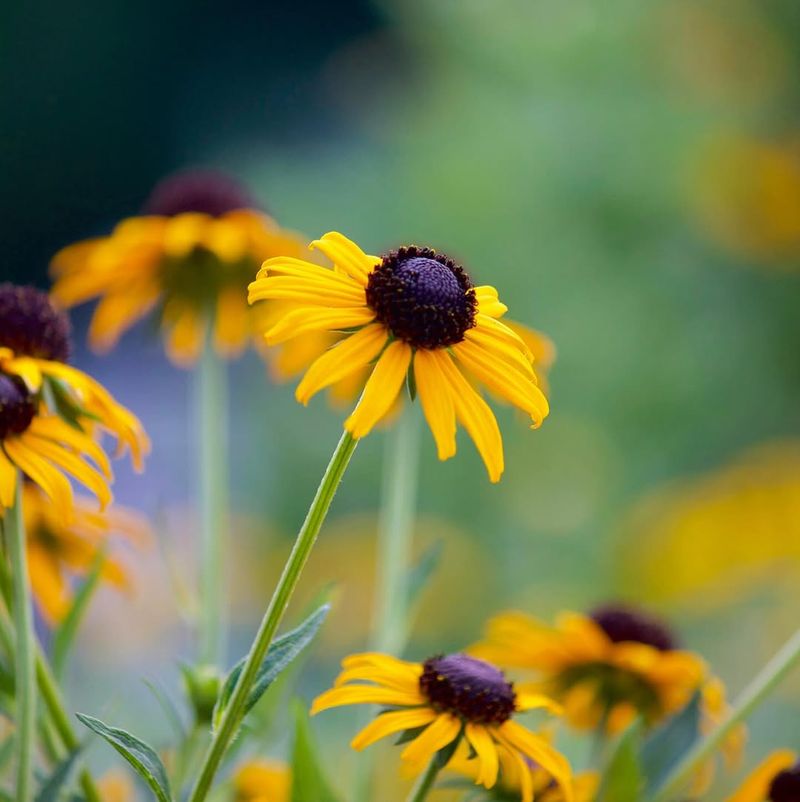
Bright golden petals surrounding chocolate-brown centers create a cheerful display that screams summer across Pennsylvania meadows and cultivated gardens alike.
This native wildflower blooms prolifically from June through September, providing months of continuous color with minimal fuss or maintenance.
The flowers attract beneficial pollinators while also making excellent cut flowers for indoor arrangements that last surprisingly long.
Adaptable to various soil types and conditions, black-eyed Susans thrive in full sun locations where other plants might struggle.
They tolerate heat, humidity, and occasional drought once their root systems establish firmly in the ground.
Pennsylvania’s variable weather patterns rarely phase these tough-as-nails perennials that return reliably year after year.
Reaching heights of two to three feet, these flowers create stunning mass plantings or mix beautifully with ornamental grasses.
They self-seed generously, filling in bare spots and creating naturalized drifts that look increasingly spectacular over time.
Their carefree nature and extended bloom period make them absolute champions for Pennsylvania gardeners seeking maximum impact with minimal effort.
4. Hosta
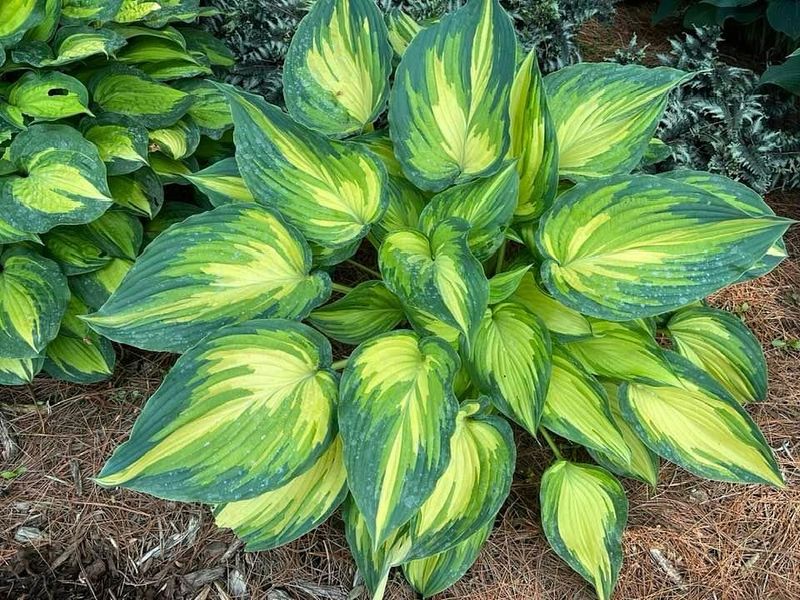
Lush foliage in countless patterns, colors, and sizes makes these shade-loving perennials absolute superstars in Pennsylvania gardens where sunlight is limited.
From tiny miniatures to massive specimens with dinner-plate-sized leaves, hostas offer incredible variety for every landscape need.
Leaf colors range from chartreuse to deep blue-green, with many featuring striking variegation patterns in white, cream, or gold.
Pennsylvania’s humid summers and cold winters suit hostas perfectly, allowing them to thrive in locations where flowering plants struggle.
They prefer rich, moisture-retentive soil and protection from intense afternoon sun that can scorch delicate leaves.
Slug control becomes important in wet seasons, but otherwise these plants require remarkably little maintenance once established.
Depending on variety, hostas grow from six inches to four feet tall, creating dramatic textural contrast in shaded borders.
Lavender or white flower spikes emerge in summer, adding vertical interest above the foliage mounds below.
These long-lived perennials increase in size and beauty each year, eventually forming impressive clumps that anchor shade garden designs throughout Pennsylvania.
5. Bee Balm
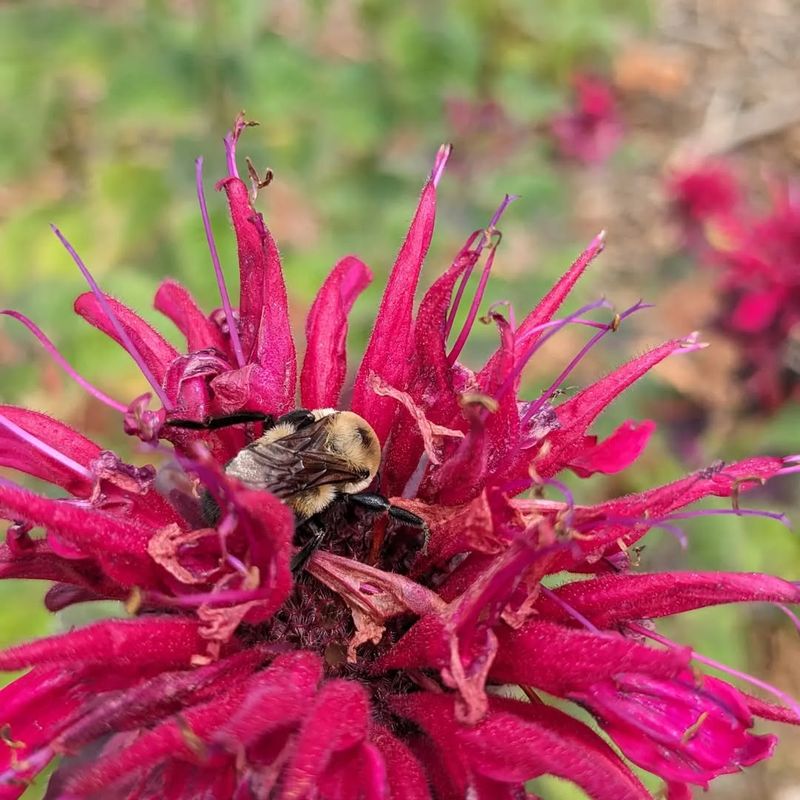
Spiky tubular flowers in brilliant red, pink, or purple hues create fireworks displays that hummingbirds simply cannot resist visiting repeatedly.
This native perennial blooms throughout summer, providing nectar for butterflies, bees, and hummingbirds when many other flowers have finished.
The aromatic foliage releases a delightful minty fragrance when brushed against or crushed between your fingers.
Growing in Pennsylvania’s full sun to partial shade locations, bee balm thrives in moist soil with good air circulation.
Powdery mildew can affect older varieties in humid conditions, but newer cultivars offer excellent disease resistance.
Dividing clumps every few years keeps plants vigorous and prevents them from spreading too aggressively through underground rhizomes.
Plants reach two to four feet tall, making bold statements in cottage gardens, pollinator borders, or naturalized meadow settings.
The shaggy, unusual flower form adds unique texture and architectural interest that contrasts beautifully with traditional daisy shapes.
Pennsylvania gardeners who want wildlife activity and old-fashioned charm find bee balm absolutely perfect for creating dynamic, engaging landscapes.
6. Japanese Maple
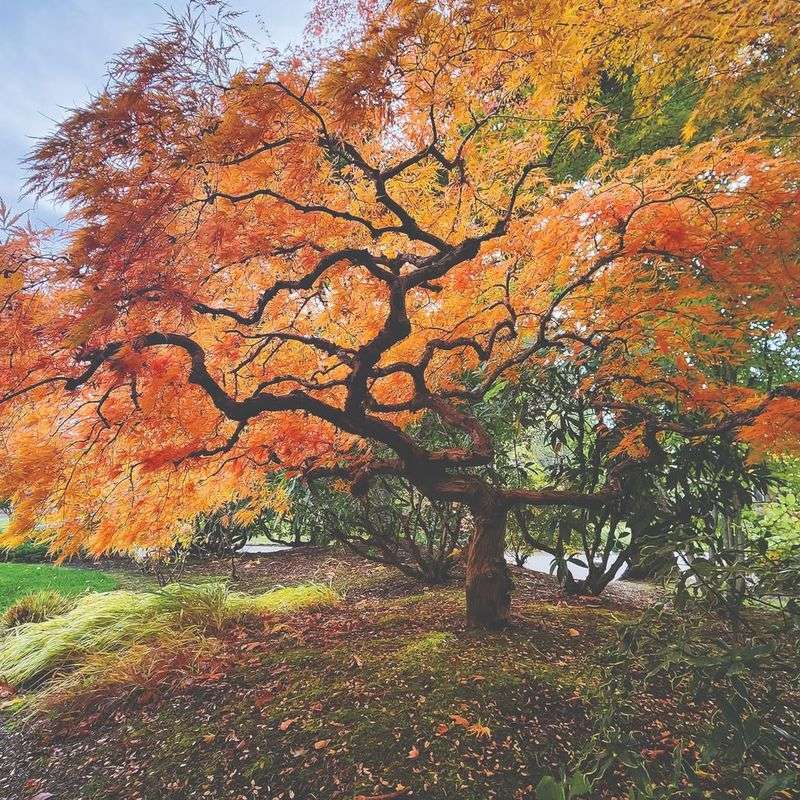
Graceful branching structure and stunning foliage colors make these small trees absolute showstoppers in Pennsylvania landscapes from spring through autumn.
Leaf colors range from bright green to deep burgundy, with many varieties displaying brilliant red, orange, or yellow fall color.
The delicate, lacy leaves create an elegant appearance that adds sophistication and Asian-inspired beauty to any garden.
Pennsylvania’s climate suits many Japanese maple varieties, though protection from harsh winter winds and intense summer sun produces the healthiest specimens.
They prefer well-drained, slightly acidic soil enriched with organic matter that retains moisture without becoming waterlogged.
Mulching around the root zone helps regulate soil temperature and conserve moisture during hot summer months.
Depending on cultivar, Japanese maples range from compact shrubs to small trees reaching fifteen to twenty-five feet tall.
Their slow growth rate and manageable size make them perfect for smaller properties, foundation plantings, or container gardens.
These ornamental trees serve as stunning focal points that draw the eye and create year-round interest in Pennsylvania gardens.
7. Daylily
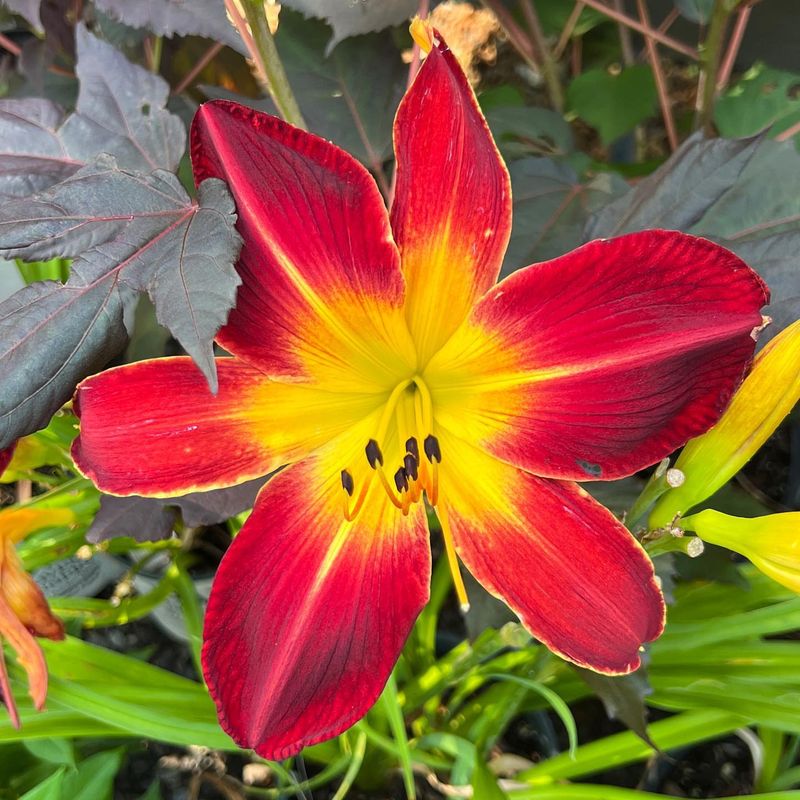
Trumpet-shaped blooms in every imaginable color open fresh each morning, creating a constantly changing display throughout the summer months.
Though individual flowers last only one day, each stem produces numerous buds that keep the show going for weeks.
Colors range from pale yellow to deep burgundy, with many featuring contrasting throats, edges, or elaborate ruffling.
Incredibly adaptable, daylilies tolerate a wide range of soil conditions and thrive in Pennsylvania’s variable climate with minimal care.
They perform best in full sun but accept partial shade, though flowering may be reduced in darker locations.
Once established, these tough perennials handle drought, humidity, and temperature fluctuations without missing a beat.
Plants form attractive grass-like foliage clumps that remain neat throughout the growing season, even when flowers are not present.
Heights range from one to four feet depending on variety, offering options for front, middle, or back border placement.
Pennsylvania gardeners love daylilies for their reliability, extended bloom period, and ability to thrive with almost no maintenance whatsoever.
8. Hydrangea
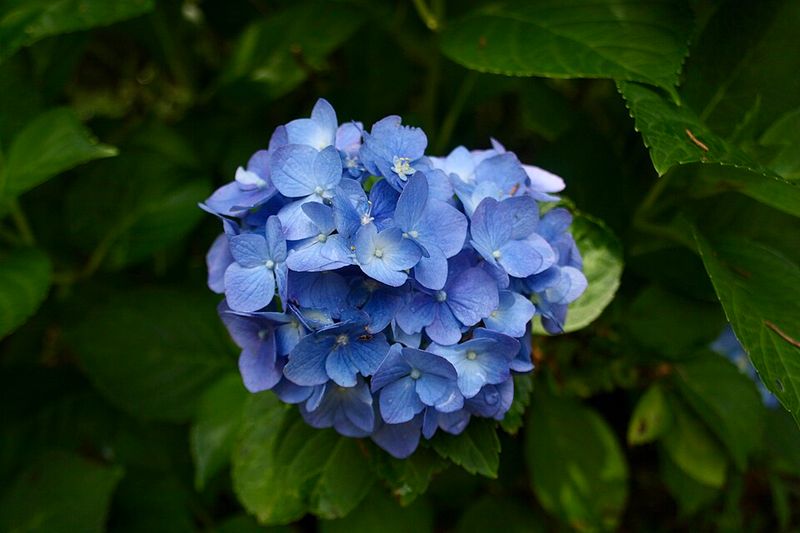
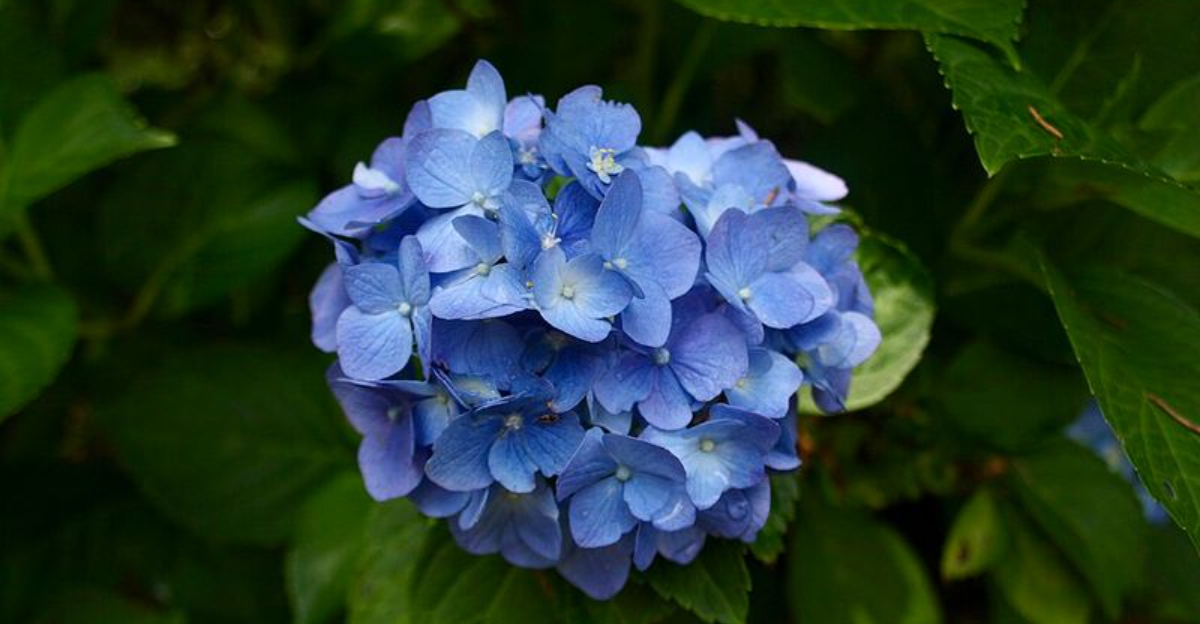
Massive flower clusters in shades of blue, pink, white, or purple create stunning displays that dominate Pennsylvania gardens from midsummer through fall.
These deciduous shrubs produce flowers so large and abundant that branches sometimes bend under their weight, creating dramatic cascades.
Flower color in some varieties changes based on soil pH, with acidic soil producing blue tones and alkaline soil creating pink.
Pennsylvania’s climate suits hydrangeas beautifully, though different species have varying cold hardiness and sun requirements to consider carefully.
Most prefer morning sun with afternoon shade and consistent moisture in rich, well-drained soil.
Proper pruning timing depends on variety, as some bloom on old wood while others flower on new growth.
Depending on type, hydrangeas grow from three to eight feet tall and wide, making substantial statements in foundation plantings or borders.
The flowers dry beautifully on the plant, providing winter interest and material for dried arrangements indoors.
These reliable shrubs deliver massive visual impact and romantic cottage garden charm that Pennsylvania homeowners absolutely adore for their landscapes.
9. Salvia
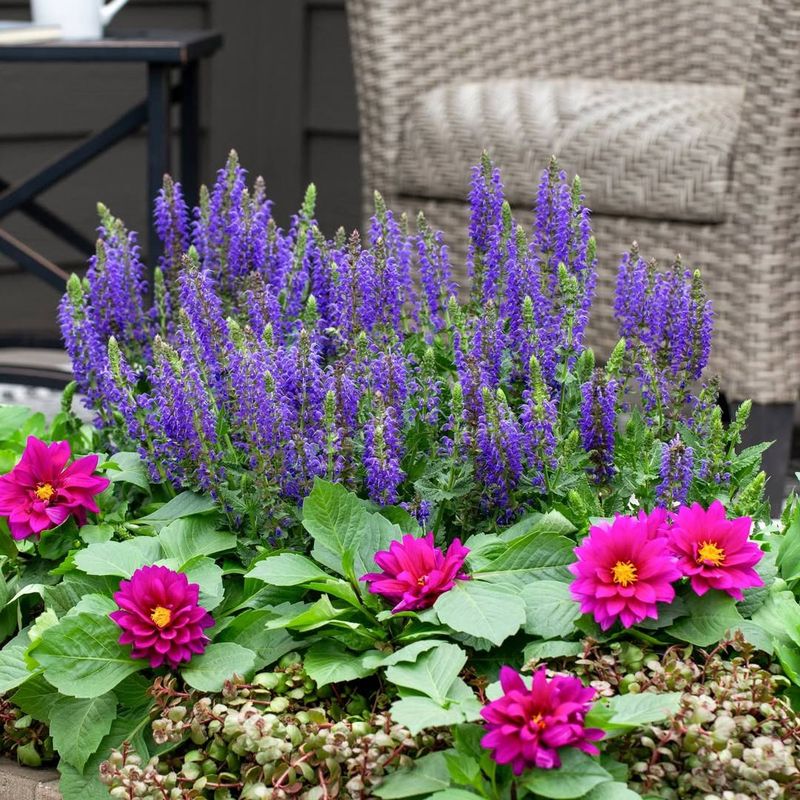
Vertical flower spikes in electric blue, purple, or red rise above the foliage, creating dramatic punctuation marks that add height and structure.
These perennials bloom for months when deadheaded regularly, providing continuous color from late spring through first frost.
The tubular flowers attract hummingbirds and butterflies while deer and rabbits typically leave them alone thanks to aromatic foliage.
Full sun locations with well-drained soil suit salvias perfectly in Pennsylvania gardens, though some varieties tolerate partial shade reasonably well.
They handle heat and drought admirably once established, making them excellent choices for low-maintenance landscapes.
Many varieties are hardy perennials in Pennsylvania, while others perform as annuals that reseed generously for next season.
Plant heights range from one to four feet depending on species, offering options for various garden positions and design needs.
The spiky flower form contrasts beautifully with rounded shapes like coneflowers or daisies in mixed borders.
Pennsylvania gardeners seeking long-blooming, pollinator-friendly plants with strong vertical presence find salvias absolutely indispensable.
10. Peony
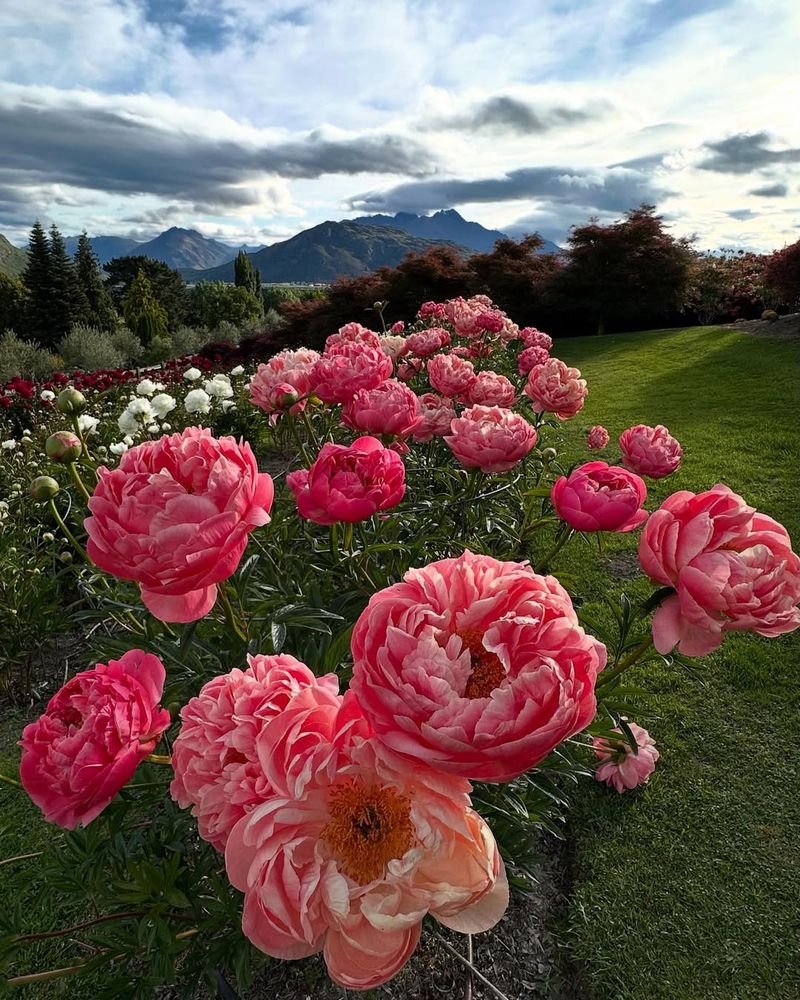
Enormous fragrant blooms resembling roses create spectacular displays in late spring that Pennsylvania gardeners eagerly anticipate each year.
Flowers come in single, semi-double, or fully double forms with layers of silky petals in white, pink, red, or coral.
The intoxicating fragrance fills gardens and makes magnificent cut flowers that bring elegance indoors for special occasions.
Long-lived perennials that can thrive for fifty years or more, peonies establish slowly but reward patience with increasing beauty.
They require full sun and well-drained soil, disliking wet feet and excessive fertilization that produces foliage over flowers.
Pennsylvania’s cold winters provide the necessary chill period peonies need for proper flower bud development each spring.
Plants grow two to four feet tall with attractive glossy foliage that remains handsome throughout summer even after flowering finishes.
Staking becomes necessary for heavy double varieties whose massive blooms can topple under rain or wind.
These old-fashioned favorites bring timeless elegance and spectacular spring drama to Pennsylvania gardens.
11. Ornamental Grass
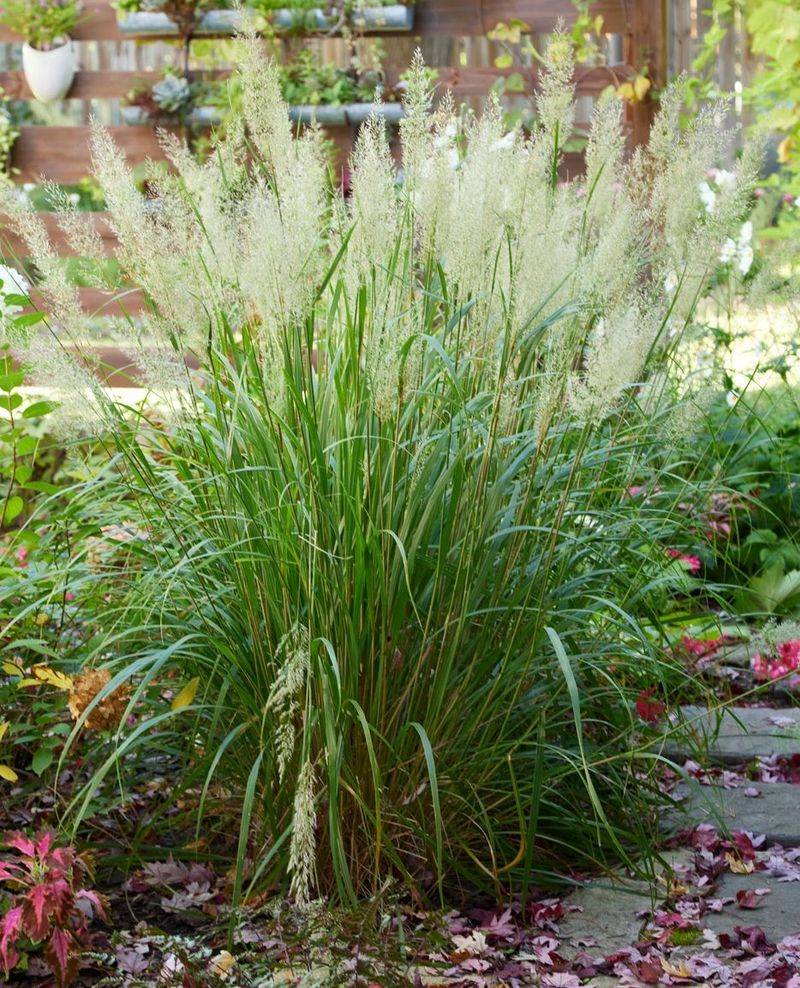
Graceful movement and texture transform Pennsylvania gardens when ornamental grasses sway in the breeze, adding motion and sound.
From compact varieties to towering specimens, these grasses offer incredible diversity in size, color, and form.
Feathery plumes emerge in late summer, providing vertical interest and seed heads that persist beautifully through winter months.
Low-maintenance and adaptable, ornamental grasses thrive in Pennsylvania’s climate with minimal care once established.
Most prefer full sun and well-drained soil but tolerate various conditions including clay, sand, and occasional drought.
They rarely suffer from serious pest or disease problems, making them wonderfully carefree additions to landscapes.
Sizes range from one-foot tufts to ten-foot giants, offering options for edging, borders, screens, or dramatic focal points.
The foliage provides interest from spring through winter, changing colors seasonally from green to gold, burgundy, or tan.
Pennsylvania gardeners appreciate how grasses add contemporary style, naturalistic beauty, and four-season interest.
12. Astilbe
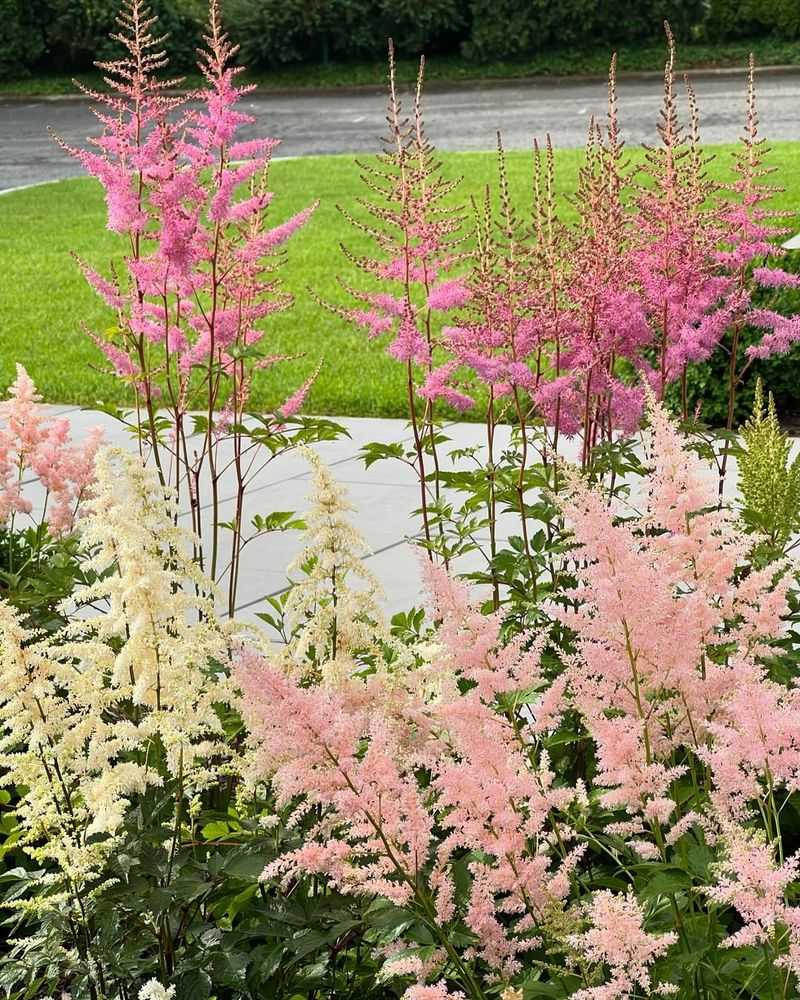
Feathery flower plumes in pink, white, red, or lavender rise above fern-like foliage, bringing color to shaded Pennsylvania gardens.
These perennials bloom from late spring through midsummer depending on variety, creating soft, romantic displays.
The fluffy texture contrasts beautifully with bolder foliage plants like hostas, creating interesting combinations in shade borders.
Moisture-loving astilbes thrive in Pennsylvania’s shaded areas with rich, organic soil that stays consistently moist.
They struggle in dry shade or intense sun, so proper site selection ensures success and abundant flowering.
Mulching helps retain soil moisture and keeps roots cool during summer heat waves.
Plants range from one to four feet tall depending on cultivar, offering options for front or background placements.
The attractive foliage remains appealing throughout the growing season, even after flowers fade.
Pennsylvania gardeners with shaded, moist areas find astilbes absolutely perfect.
13. Sedum
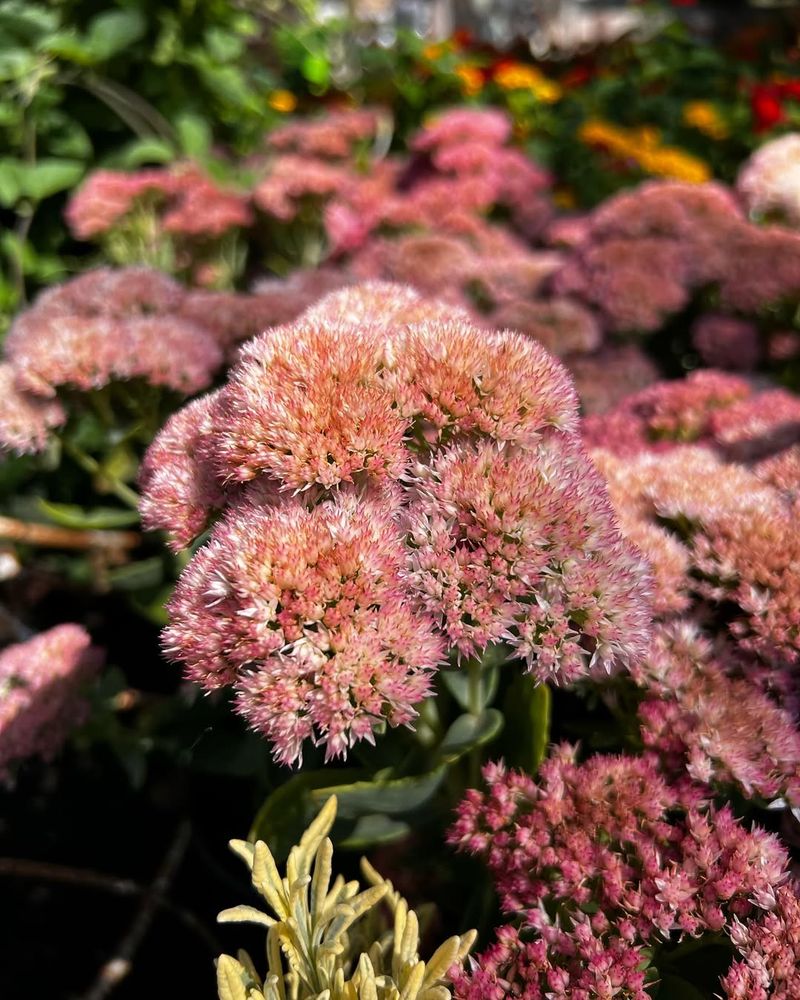
Thick succulent foliage and flat-topped flower clusters make these perennials incredibly tough and visually striking in Pennsylvania gardens.
Flowers emerge green in summer, gradually changing to pink, then deep rose, and finally rusty bronze as autumn progresses.
The flower heads remain attractive through winter, providing architectural interest and food for birds.
Drought-tolerant and unfussy, sedums thrive in full sun with well-drained soil.
They require virtually no maintenance and rarely suffer from serious pest problems.
Varieties range from low groundcovers just inches tall to upright varieties reaching two feet in height.
The fleshy foliage provides interesting texture from spring through fall.
Late-season flowers attract butterflies and beneficial insects.
These dependable perennials work perfectly anywhere striking beauty is desired without demanding maintenance.