7 Strong-Smelling Plants In Pennsylvania That Repel Groundhogs Naturally
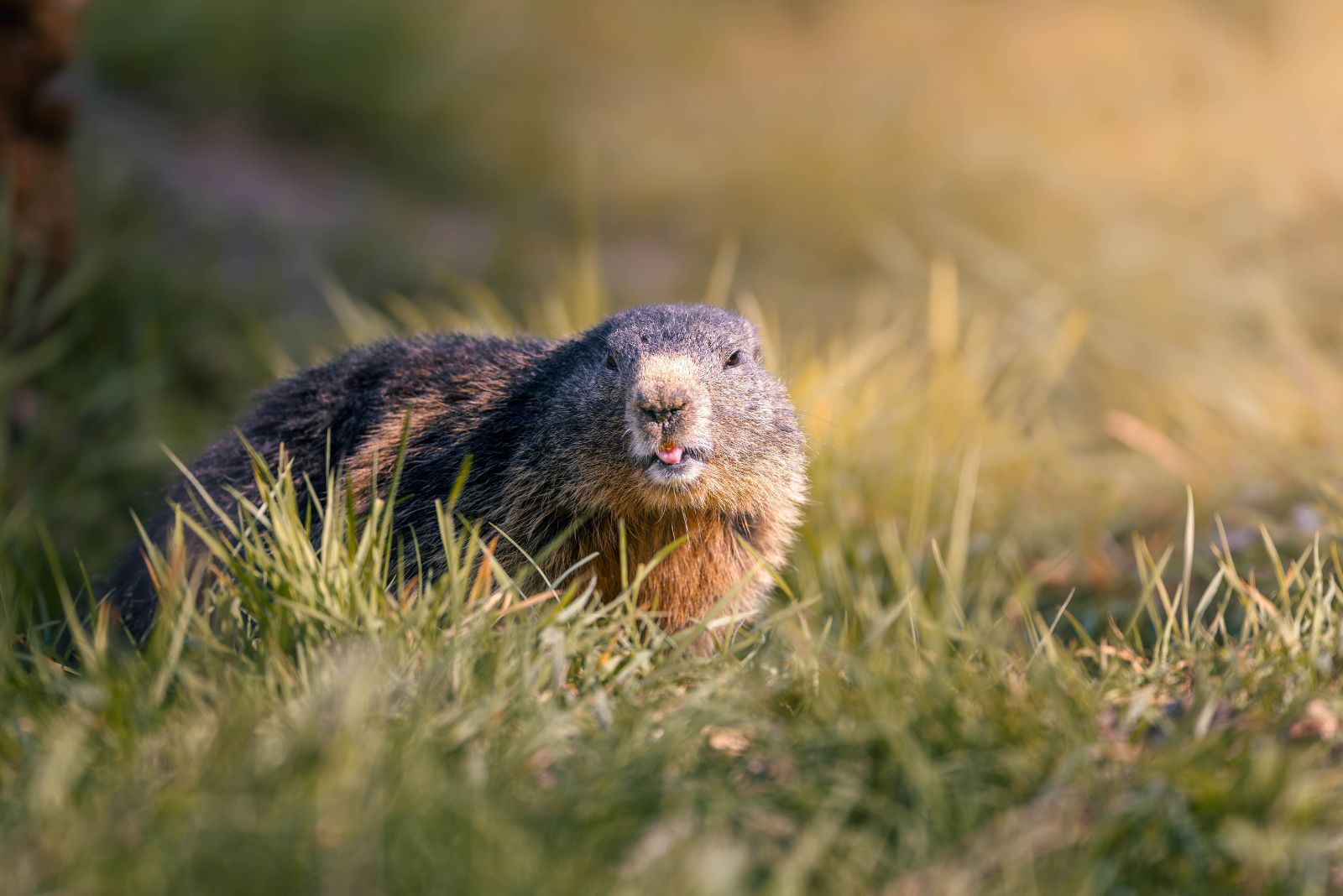
Have you ever spotted a groundhog in your Pennsylvania garden and wondered how to keep it from turning your flower beds into a buffet? These furry visitors can be charming at a distance, but they have a knack for munching on vegetables, flowers, and tender plants.
Luckily, nature provides a solution – plants with strong scents that groundhogs find unpleasant.
Certain herbs and flowers naturally repel these critters while adding beauty, color, and fragrance to your garden.
Plants like rosemary, garlic, and marigolds not only keep groundhogs at bay but also attract pollinators and enhance the overall health of your garden.
By planting strategically, you can protect your crops and decorative beds without resorting to harsh chemicals or traps.
For Pennsylvania gardeners, using strong-smelling plants is an effective and eco-friendly way to safeguard your yard. With the right combination, you can enjoy a thriving garden while keeping unwanted visitors away naturally.
1. Garlic
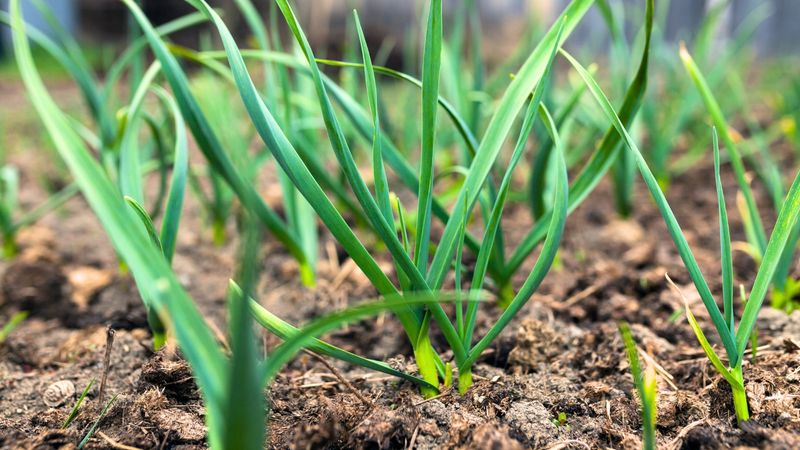
Few smells in the plant world pack as much punch as garlic. Groundhogs rely heavily on their sense of smell to find food, and the sharp sulfur compounds in garlic are basically a stop sign for these animals.
When they catch a whiff of garlic growing nearby, they tend to turn around and look for easier pickings somewhere else.
Planting garlic around the edges of your garden beds is one of the most practical things you can do for natural pest control in Pennsylvania. You can tuck garlic cloves along the borders of vegetable rows or weave them between other plants to create a fragrant barrier.
The best time to plant garlic in Pennsylvania is in the fall, around October, so the cloves can establish roots before winter sets in.
Come summer, you will have a full harvest of garlic bulbs ready to pull from the ground. That means you get double the benefit: a natural groundhog deterrent and a delicious crop for your kitchen.
Garlic is also a low-maintenance plant that does not need constant attention, which makes it a great choice for busy gardeners.
You can also crush a few garlic cloves and scatter them around problem areas for a quick fix while your plants are still getting established.
Pennsylvania gardeners have been using garlic as a companion plant for generations, and it is easy to see why. It is affordable, effective, and surprisingly easy to grow in most Pennsylvania soil types.
2. Chives
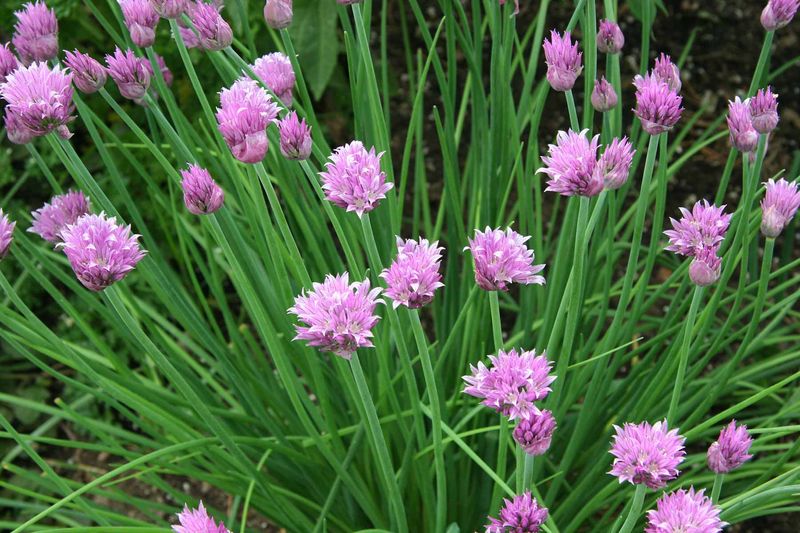
If garlic feels like too much of a commitment, chives are the easygoing cousin that still gets the job done. Chives belong to the same Allium family as garlic and onions, which means they carry that same sharp, onion-like scent that groundhogs find so offensive.
The smell may be milder to human noses, but to a groundhog, it is more than enough reason to stay away.
One of the best things about chives is how versatile they are in the garden. You can plant them in a ring around your vegetable patch, tuck them between rows of lettuce or carrots, or use them as a decorative edging plant along flower beds.
Their slender green leaves and pretty purple blooms make them one of the more attractive pest deterrents you can choose for a Pennsylvania garden.
Chives are also incredibly hardy. They come back year after year with almost no effort, which makes them a great investment for long-term garden protection.
In Pennsylvania, they can handle cold winters and bounce back strong in the spring, often being one of the first herbs to show new growth after the frost clears.
Did you know chives have been used in gardens for over 5,000 years? Ancient Chinese gardeners were growing them long before anyone had a name for companion planting.
Today, Pennsylvania gardeners can enjoy that same ancient wisdom while also snipping fresh chives onto baked potatoes and scrambled eggs. Practical and tasty, that is a hard combination to beat.
3. Daffodils
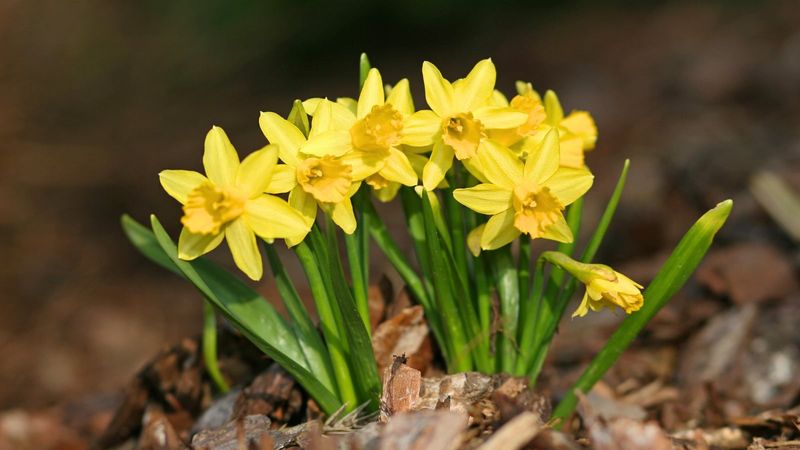
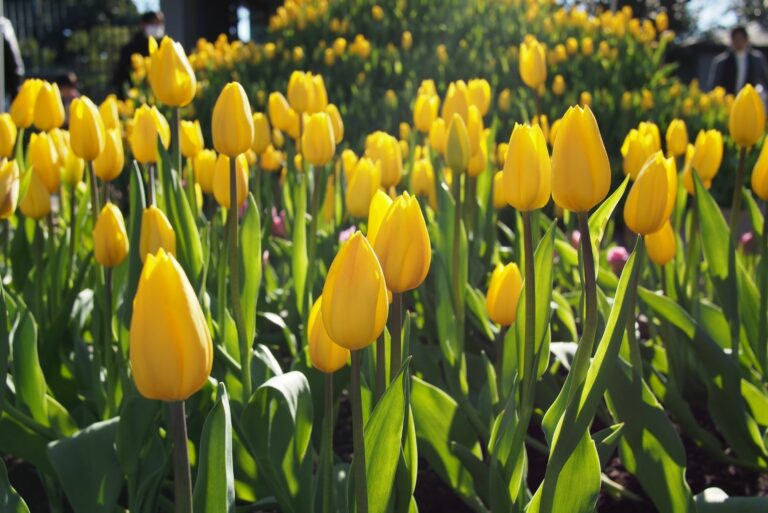
Every spring, daffodils light up Pennsylvania gardens with cheerful yellow and white blooms, but there is more going on beneath those pretty flowers than most people realize. Daffodil bulbs contain a bitter, toxic compound called lycorine that groundhogs instinctively avoid.
These animals seem to know that daffodils are not safe to eat, so they give them a wide berth whenever possible.
Planting daffodils along the edges of your garden is a smart strategy for creating a natural barrier. Groundhogs often approach gardens from the outside in, nibbling along the perimeter before working their way toward the center.
A solid row of daffodils along the border can stop that pattern before it starts. Many Pennsylvania gardeners plant daffodil bulbs in the fall so they are ready to bloom right when groundhogs become most active in the spring.
Beyond their protective qualities, daffodils are simply beautiful. They come in dozens of varieties, from classic yellow trumpets to delicate white and orange bicolors, giving you plenty of options to match your garden style.
They are also one of the easiest bulbs to grow in Pennsylvania, requiring very little care once they are in the ground.
Another bonus is that squirrels and deer also tend to avoid daffodils for the same reasons groundhogs do. So you are essentially getting multi-pest protection from one cheerful flower.
For any Pennsylvania gardener tired of watching their hard work get eaten overnight, daffodils are one of the most reliable natural defenses available.
4. Lavender
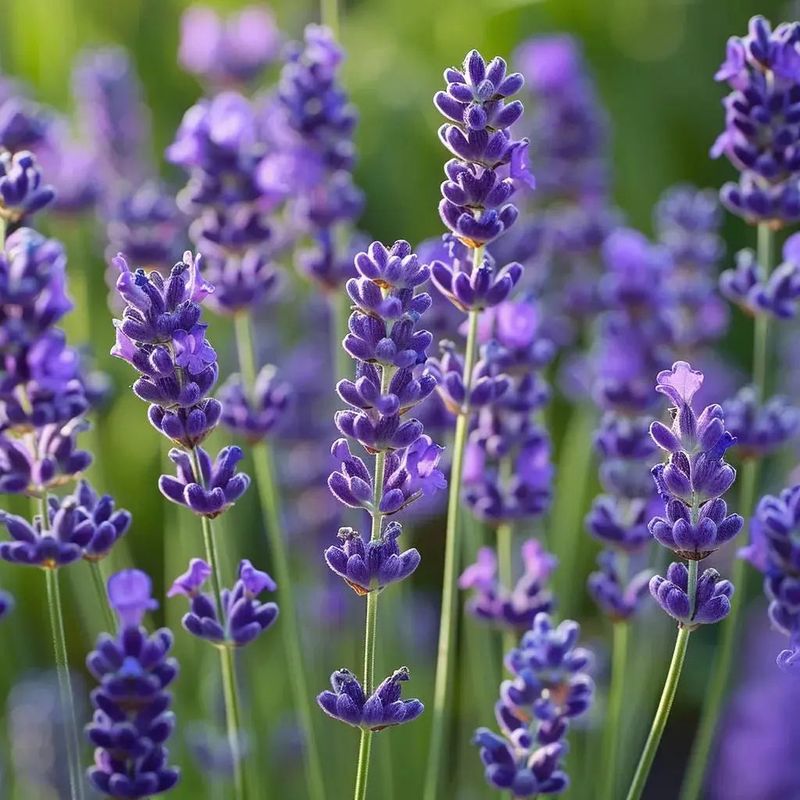
Walk past a lavender plant on a warm afternoon and the scent hits you immediately, sweet, floral, and deeply calming. Humans love it.
Groundhogs? Not so much.
The aromatic oils in lavender, especially a compound called linalool, are strongly off-putting to groundhogs and many other garden pests. What smells like a relaxing spa day to us smells like a warning sign to them.
Lavender thrives in the sunny, well-drained conditions found throughout much of Pennsylvania. It does especially well in areas like the Susquehanna Valley and the rolling hills of Chester County, where summers are warm and the soil drains well.
Once established, lavender is remarkably drought-tolerant and low-maintenance, making it a favorite among gardeners who want results without a lot of fuss.
You can plant lavender as a border around your garden, or use it in clusters near plants you most want to protect.
Its silvery-green foliage and tall purple flower spikes add real visual appeal, so it never feels like a compromise. Your garden gets both protection and beauty in one package.
Lavender also attracts pollinators like bees and butterflies, which is great news for any garden that needs a little extra help with flowering vegetables and fruits. So while it is busy keeping groundhogs away, it is also pulling in the beneficial insects your garden depends on.
For Pennsylvania gardeners who want a plant that truly earns its space, lavender checks every single box on the list.
5. Mint
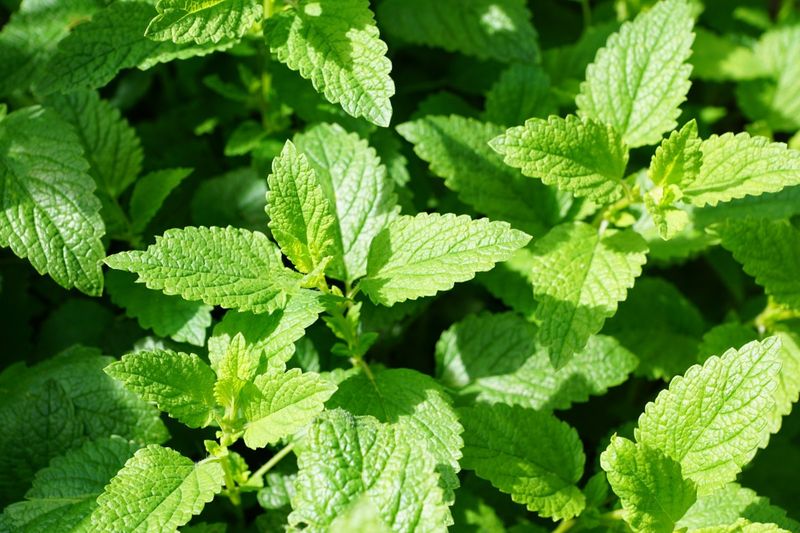
Mint is the overachiever of the herb garden. It grows fast, smells incredible, and sends groundhogs running in the opposite direction.
The strong menthol aroma that makes mint so refreshing to humans is genuinely overwhelming to groundhogs, whose sensitive noses cannot handle the intensity.
Planting mint near your vegetables or garden edges creates an invisible scent wall that these animals are reluctant to cross.
There is one important thing every Pennsylvania gardener needs to know before planting mint in the ground: it spreads like crazy. Mint sends out underground runners called rhizomes that can take over a garden bed in a single season.
The solution is simple though. Plant mint in containers or buried pots with the bottoms cut out to limit how far the roots can travel. That way you get all the repelling power without the takeover problem.
Mint comes in a surprising number of varieties, including spearmint, peppermint, chocolate mint, and apple mint. All of them carry that powerful scent, so any variety will work as a groundhog deterrent.
Pennsylvania summers give mint plenty of warmth and moisture to grow strong and fragrant all season long.
As a bonus, fresh mint is one of the most useful herbs you can have in the kitchen. From iced tea to fresh salads to homemade mojitos, having a container of mint on the patio means you always have something flavorful at arm’s reach.
Protecting your garden and upgrading your cooking at the same time feels like a pretty good deal for any Pennsylvania home gardener.
6. Rue
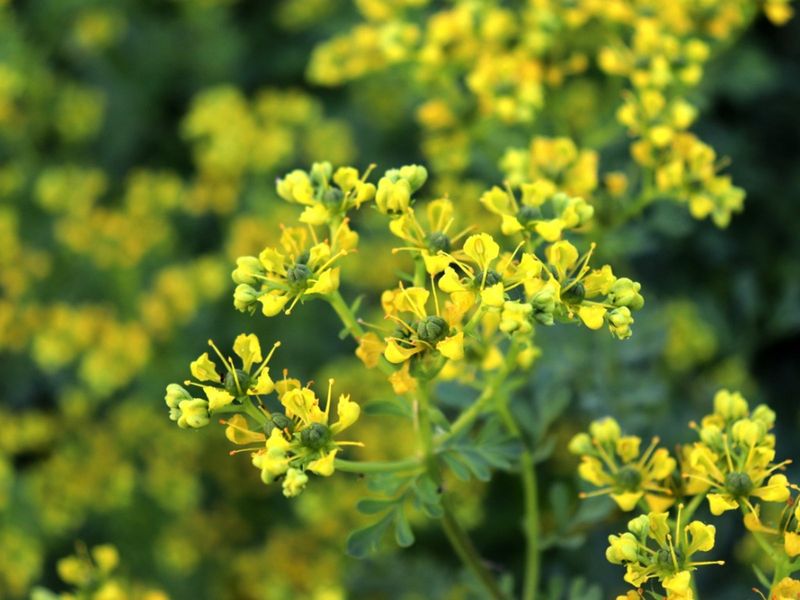
Rue might not be the most famous plant on this list, but Pennsylvania gardeners who know about it swear by it. Sometimes called the herb of grace, rue is a hardy perennial with a sharp, bitter odor that most animals find deeply unpleasant.
Groundhogs are no exception. The strong smell alone is usually enough to make them avoid any area where rue is growing.
What makes rue especially interesting is that its scent is not just strong, it is also described as somewhat medicinal and acrid, almost like a warning smell. Groundhogs and other small mammals seem to pick up on that signal and choose to stay away.
Planting rue around the perimeter of your garden or near plants you want to protect can create a surprisingly effective natural barrier in Pennsylvania gardens.
Rue also adds real ornamental value to the garden. Its blue-green, fernlike foliage is unlike anything else you will find in a typical Pennsylvania garden bed, and its small yellow flowers add a pop of color in late summer.
It grows well in sunny spots with decent drainage, conditions that are easy to find across most of Pennsylvania.
One heads-up worth mentioning: rue can cause skin irritation for some people, especially in direct sunlight. Wearing gloves when handling it is a smart habit.
Despite that, rue is a low-maintenance perennial that comes back every year with minimal care. For gardeners looking for something a little different that also works hard at keeping groundhogs away, rue is absolutely worth a spot in the garden.
7. Marigolds
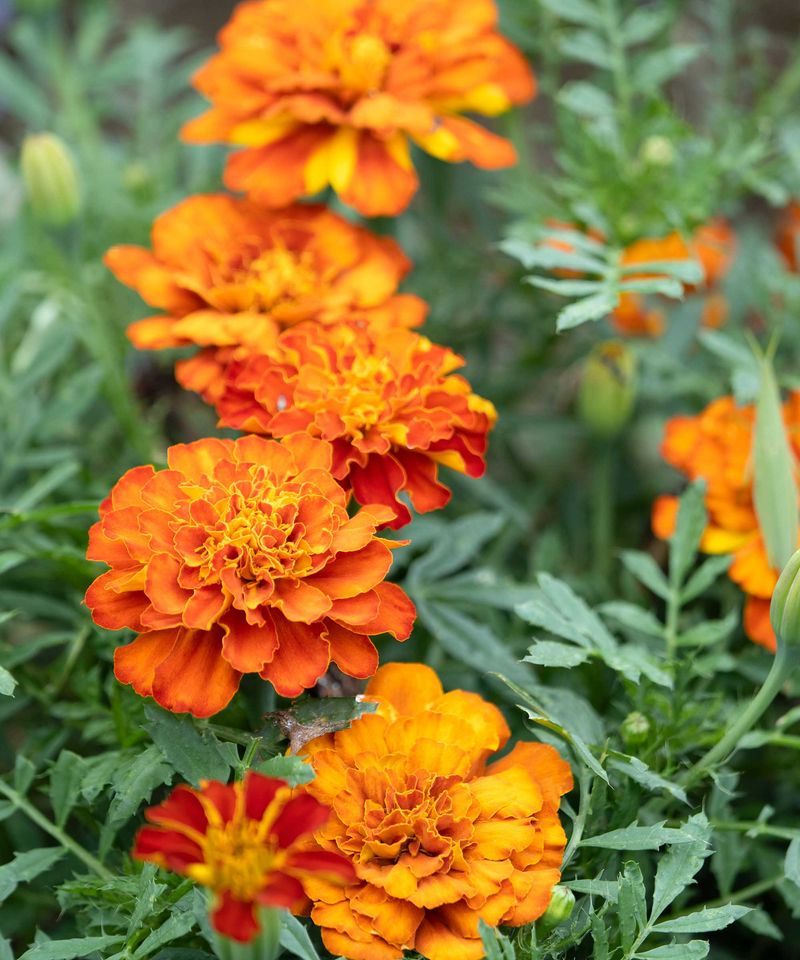
Marigolds are probably the most cheerful pest deterrent in the entire plant world. Their bold orange and yellow blooms are a staple of Pennsylvania gardens every summer, and their strong, musky scent does double duty by keeping groundhogs away from nearby vegetables and flowers.
Groundhogs find the pungent odor of marigold foliage genuinely unpleasant, which is great news for gardeners who want protection without sacrificing color.
The trick with marigolds is placement. Planting them in a continuous border around your garden creates a fragrant fence that groundhogs are reluctant to cross.
Many Pennsylvania gardeners plant marigolds directly alongside tomatoes, peppers, and squash, where groundhog damage tends to be most frustrating. The closer the marigolds are to your most vulnerable plants, the better the protection tends to be.
Marigolds are annuals, which means they will not come back on their own next year. But they are incredibly easy and inexpensive to grow from seed, and they bloom all the way from early summer until the first frost in fall.
That gives you months of continuous protection throughout the peak groundhog activity season in Pennsylvania.
Beyond groundhogs, marigolds are also known to repel aphids, whiteflies, and even some nematodes in the soil, making them one of the hardest-working plants you can add to a Pennsylvania garden. They are beginner-friendly, budget-friendly, and genuinely beautiful.
If you could only add one plant to your garden this season for pest protection, marigolds would be a very strong choice to start with.