12 Stunning Flowers That Represent Love And Romance
I’ve always believed flowers say the things words stumble over.
There’s something about a bloom that can steal the spotlight without making a sound.
When it comes to love and romance, certain flowers carry meaning like a love letter tucked between the petals, waiting to be read.
I first noticed how powerful flowers could be during small moments, not just grand gestures.
A simple bouquet on a quiet day can speak volumes, turning an ordinary room into something warm and memorable.
Each color, shape, and scent feels loaded with emotion, like it knows a secret about the heart.
What pulls me in is how these flowers stretch across time and cultures.
Some whisper devotion, others shout passion, and a few hint at love that runs deep and steady.
They all tell stories without raising their voices.
You don’t need a special occasion for them to work their magic.
Stunning flowers have a way of setting the mood and sealing memories.
I’ve learned that choosing the right bloom can turn feelings into something visible.
When words fall short, these romantic flowers step up and do the talking, one petal at a time.
1. Red Roses

Walking past a flower shop, you’ve probably noticed how red roses always steal the show, especially around Valentine’s Day.
There’s something timeless about them that never gets old.
People have been giving red roses to express deep love for hundreds of years, and honestly, the tradition still works.
Each red rose speaks volumes about passion and desire.
The rich crimson color represents the intensity of romantic feelings.
When you hand someone a bouquet of these beauties, you’re basically saying your love runs deep and true.
Fun fact: In Victorian times, people used flowers to send secret messages, and red roses always meant “I love you.”
Even today, florists sell more red roses than any other flower for romantic occasions.
The classic dozen roses remains one of the most popular gifts worldwide.
If you’re thinking about growing them yourself, red roses need plenty of sunshine and regular watering.
They’re not the easiest flowers to maintain, but the reward is worth the effort.
Nothing beats cutting fresh roses from your own garden to give to someone you adore.
2. Tulips
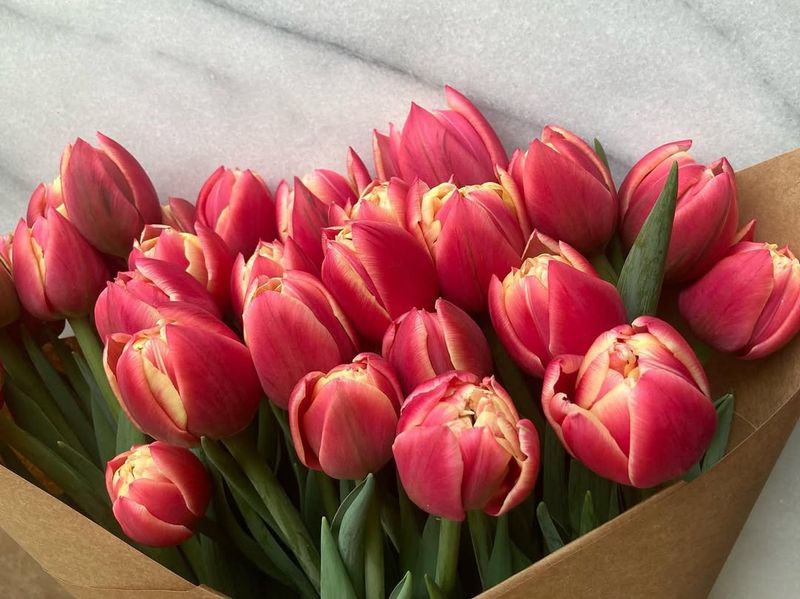
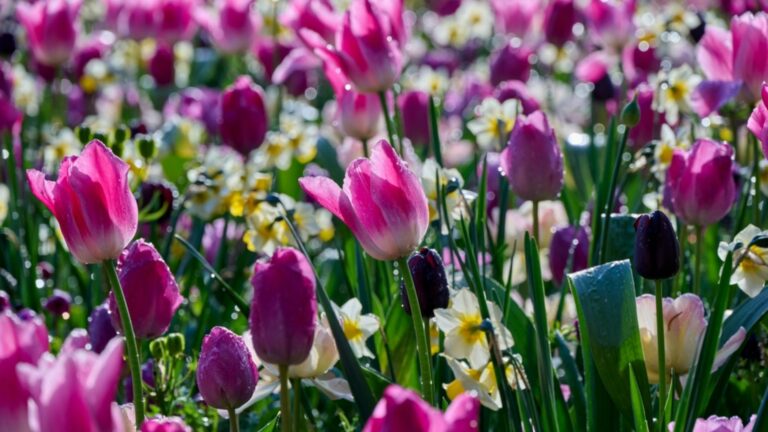
Tulips remind me of springtime and fresh starts, which makes them perfect for new relationships.
They have this cheerful, uplifting quality that just makes people smile.
While many colors exist, red tulips specifically symbolize true love and perfect romance.
The shape of a tulip is simple yet elegant, with smooth petals that cup together beautifully.
Pink tulips carry a message of caring and affection, making them ideal for someone you’re falling for.
Yellow tulips represent cheerful thoughts and sunshine, though they’re less romantic than their red cousins.
Here’s something interesting: tulips originally came from Turkey and were introduced to Europe in the 1500s.
They became so valuable in Holland that people traded them like money during “Tulip Mania.”
Today, they’re much more affordable but still carry that special charm.
Growing tulips is easier than you might think.
Plant the bulbs in fall, and they’ll pop up in spring with minimal fuss.
They work wonderfully in gardens or pots, bringing color and romance to any space you choose to brighten.
3. Carnations
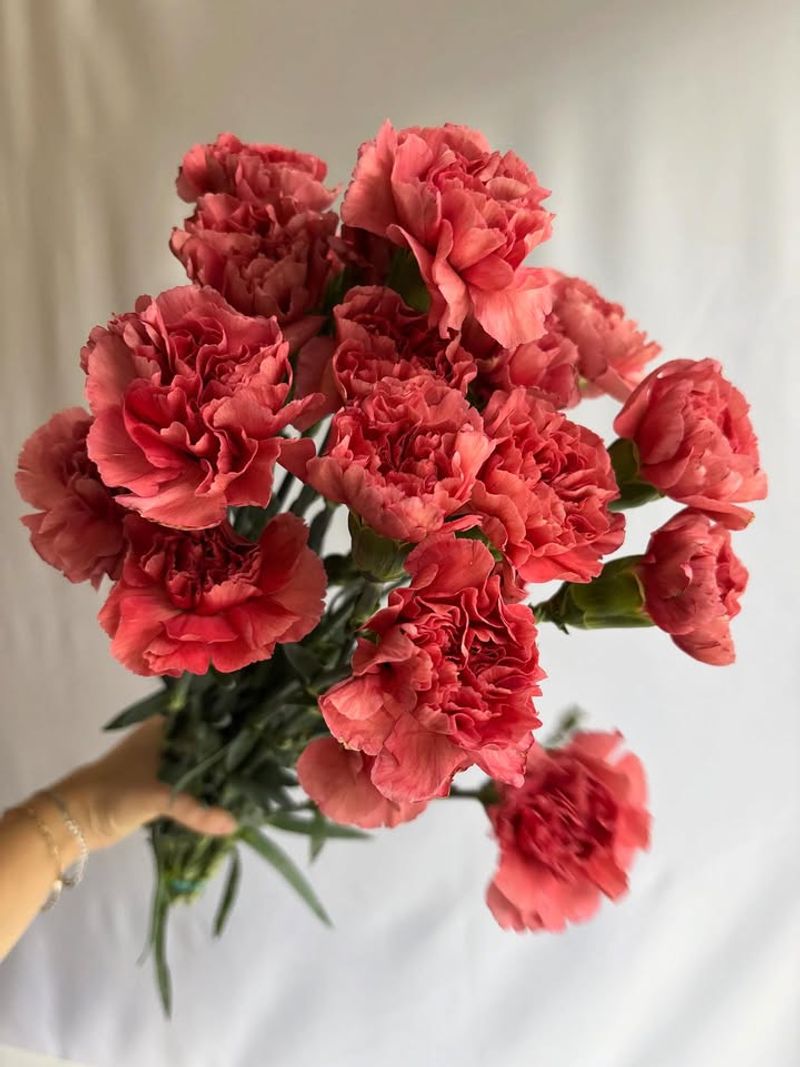
Carnations often get overlooked because they’re so common, but that’s actually what makes them special.
They last longer than most flowers, which symbolizes a love that endures through time.
Red carnations specifically mean deep love and admiration, while pink ones express gratitude and affection.
The ruffled petals of carnations create a texture that’s really unique and pretty.
They have a light, spicy fragrance that isn’t overwhelming but definitely pleasant.
Many people choose carnations for romantic gestures because they’re budget-friendly without looking cheap.
According to legend, carnations first appeared from the tears of the Virgin Mary, making them symbols of eternal love.
In some cultures, people wear carnations to weddings and other celebrations of love.
The variety of colors available means you can pick the perfect shade to match your message.
If you want to grow carnations at home, they prefer cooler weather and well-drained soil.
They’re surprisingly hardy and can bloom for several weeks with proper care.
Cutting them for indoor arrangements actually encourages more blooms, so don’t hesitate to bring some inside.
4. Orchids
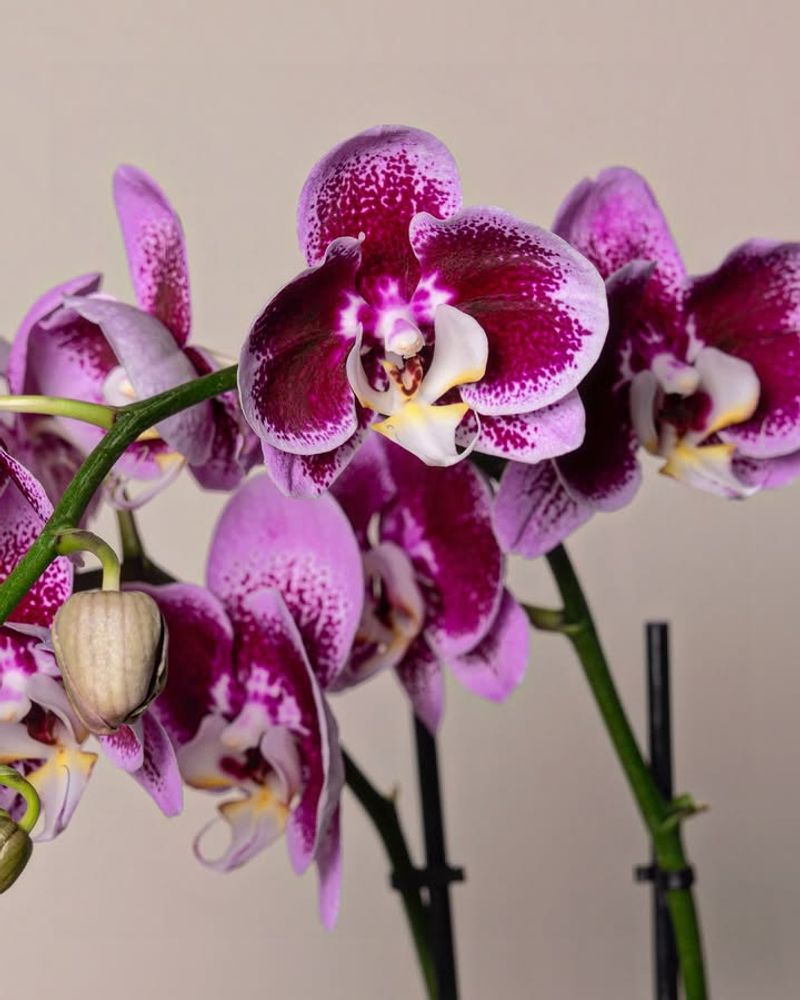
Orchids have this exotic, sophisticated vibe that makes them feel extra special.
When someone gives you an orchid, it shows they put real thought into choosing something unique.
These stunning flowers represent rare beauty, strength, and luxurious love that goes beyond the ordinary.
The delicate petals and intricate patterns on orchids are absolutely mesmerizing.
They come in nearly every color imaginable, from pure white to deep purple and even spotted varieties.
Pink orchids specifically symbolize grace and joy, while purple ones represent admiration and respect.
What’s really cool about orchids is how long they bloom compared to other flowers.
A single orchid plant can stay in flower for several months with minimal care.
This longevity makes them a symbol of lasting love and enduring relationships.
Growing orchids isn’t as hard as people think, though they do have specific needs.
They prefer indirect sunlight and need their roots to dry out between waterings.
Many people successfully keep orchids as houseplants, enjoying their beauty for years rather than just days like cut flowers offer.
5. Peonies
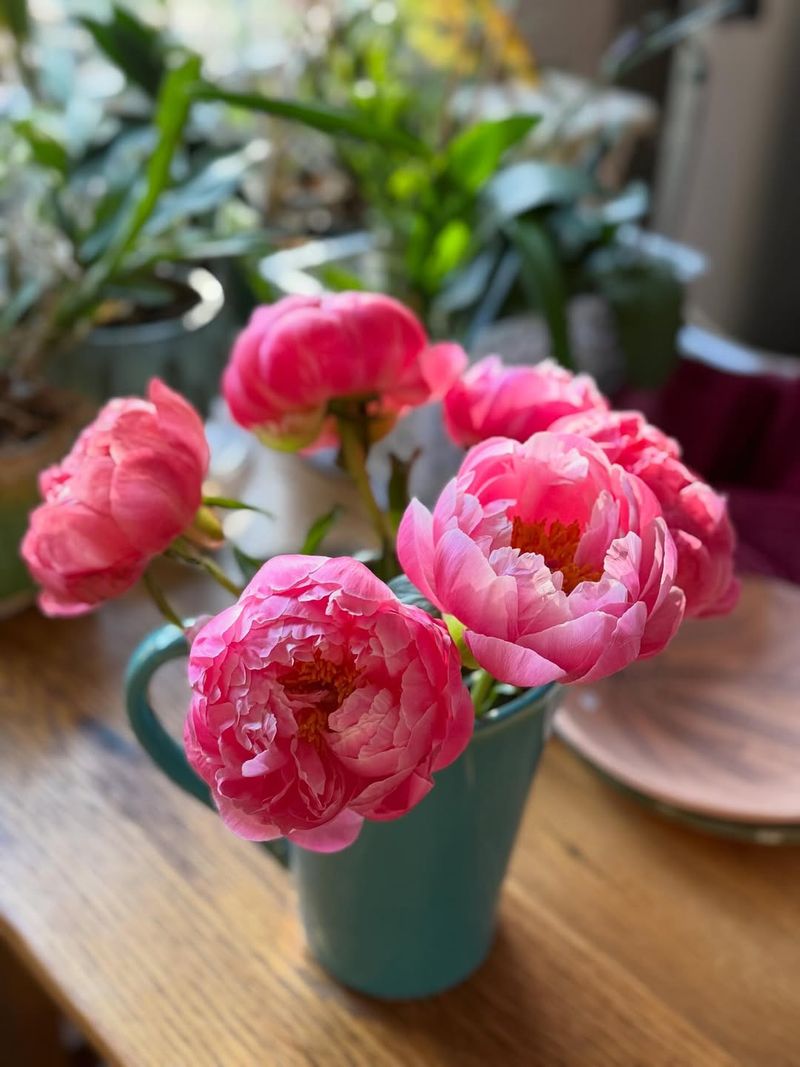
Have you ever seen a peony in full bloom and just stopped to stare?
These flowers are absolutely gorgeous with their layers upon layers of soft, ruffled petals.
Peonies represent romance, prosperity, and a happy marriage, making them popular wedding flowers.
The fullness of a peony bloom symbolizes bashfulness and compassion in the language of flowers.
They have a sweet, subtle fragrance that isn’t too strong but definitely noticeable.
Pink peonies are the most romantic, though white ones work beautifully for weddings and red ones show passion.
Peonies have been cherished in China for over 2,000 years as symbols of honor and wealth.
In Western culture, they became associated with romance and happy marriages during the Victorian era.
Today, brides often choose peonies for their bouquets because of their lush, romantic appearance.
If you’re considering growing peonies, know that they need patience at first but reward you for years.
Once established, a peony plant can bloom for decades in the same spot.
They prefer cold winters and need that chill period to produce their spectacular spring blooms each year.
6. Lilies

Lilies command attention wherever they appear, with their large blooms and bold presence.
Stargazer lilies, with their pink and white petals, are particularly romantic and symbolize ambition and passion.
The sweet, heady fragrance of lilies fills an entire room, making them impossible to ignore.
White lilies traditionally represent purity and devotion, perfect for expressing sincere feelings.
Pink lilies carry meanings of prosperity, abundance, and admiration for someone special.
The trumpet shape of lily flowers seems to announce love loudly and proudly.
Different cultures have embraced lilies for various romantic traditions throughout history.
In Greek mythology, lilies were connected to Hera, the goddess of marriage and birth.
Ancient Romans used lilies in wedding ceremonies because they believed the flowers represented hope and new beginnings.
Growing lilies requires some attention to soil quality and drainage.
They prefer rich, well-composted soil and a spot with good morning sun.
Once planted, lily bulbs multiply over the years, giving you more stunning blooms each season without additional effort or expense.
7. Gardenias

The moment a gardenia blooms, its incredible fragrance announces itself to everyone nearby.
These creamy white flowers have a perfume so sweet and intoxicating that it’s been captured in countless fragrances.
Gardenias symbolize secret love, purity, and the idea that you’re telling someone they’re lovely.
The velvety petals of gardenias contrast beautifully with their dark, glossy green leaves.
They bloom primarily in late spring and summer, bringing elegance to gardens and arrangements.
Many people associate gardenias with Southern romance and moonlit garden strolls.
Interestingly, gardenias were often worn by men in their lapels during formal occasions in the early 1900s.
They became symbols of refined taste and sophisticated romance.
Today, they’re still popular as corsages for special dates and formal events.
Growing gardenias takes some dedication because they can be particular about their conditions.
They need acidic soil, consistent moisture, and protection from harsh afternoon sun.
Despite being somewhat high-maintenance, gardeners who succeed with them feel the stunning blooms and amazing fragrance make every bit of effort worthwhile for creating romantic garden spaces.
8. Ranunculus

Ranunculus flowers look almost too perfect to be real, with their paper-thin petals spiraling in tight layers.
They’re like roses but with even more delicate, intricate petals that create a mesmerizing effect.
These charming blooms represent radiant charm and tell someone that they’re attractive and captivating.
The color range of ranunculus is impressive, from soft pastels to vibrant jewel tones.
Pink and coral varieties are especially popular for romantic occasions and spring weddings.
Each flower starts as a tight bud and slowly unfurls into a full, lush bloom over several days.
According to Persian legend, a young man sang to his beloved every day until he was transformed into a ranunculus.
The story adds a layer of romantic mythology to these already enchanting flowers.
In Victorian flower language, giving ranunculus meant you found someone charming and attractive.
If you want to grow ranunculus, plant the funny-looking claw-shaped tubers in fall or early spring.
They prefer cool growing conditions and will bloom prolifically in the right climate.
While they might look delicate, ranunculus are surprisingly hardy and make excellent cut flowers that last over a week in arrangements.
9. Daisies
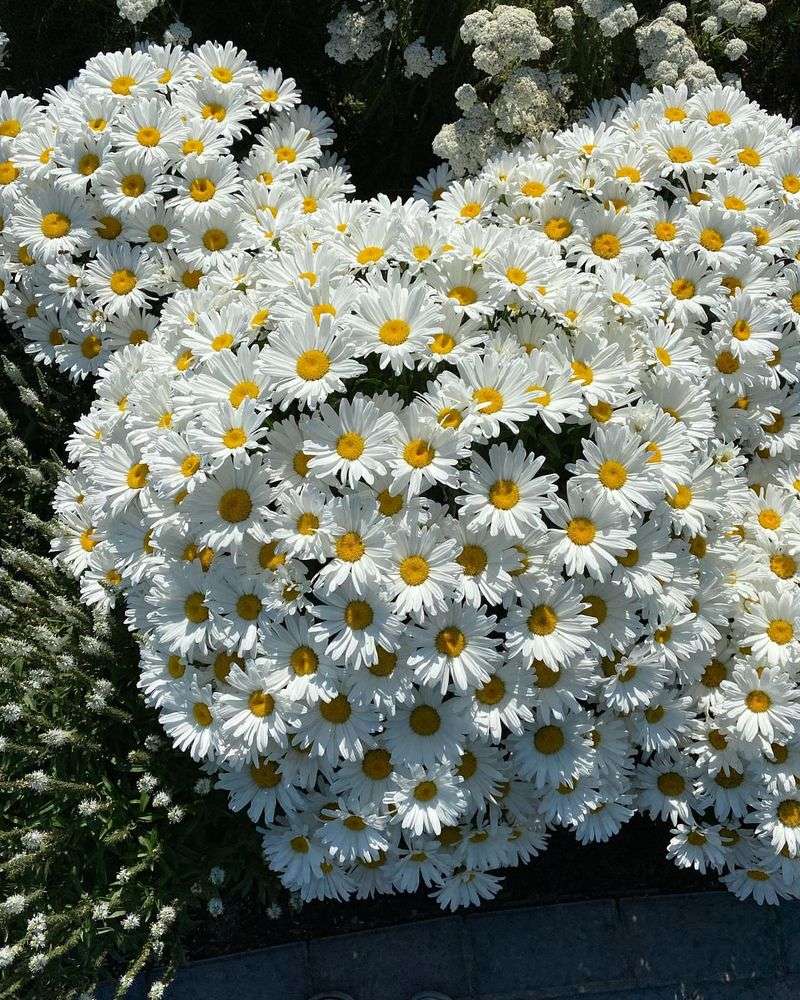
Daisies might seem simple compared to fancy roses, but they carry a sweetness that’s genuinely romantic.
Their innocent appearance represents loyal love and purity of emotion.
When someone gives you daisies, they’re expressing feelings that are honest and true without pretension.
The classic white petals surrounding a sunny yellow center create a cheerful, optimistic symbol.
Gerbera daisies come in brighter colors and represent cheerfulness and beauty.
Both types work wonderfully for expressing affection in a more casual, approachable way than formal flowers.
Children often pick daisies to give to people they love, which shows the universal appeal of these blooms.
The tradition of plucking petals while saying “loves me, loves me not” connects daisies to romance forever.
In Norse mythology, daisies were sacred to Freya, the goddess of love, beauty, and fertility.
Growing daisies is incredibly easy, even for complete beginners with no gardening experience.
They’re tough, adaptable, and bloom reliably with minimal care or attention.
Daisies spread naturally and fill garden spaces with cheerful blooms that you can cut freely for indoor bouquets without guilt.
10. Camellias

Camellias bloom during the cooler months when most other flowers have finished for the season.
Their waxy, perfect petals look almost artificial in their symmetry and beauty.
Red camellias specifically symbolize love, desire, and passion, while pink ones represent longing and admiration.
The glossy, evergreen foliage of camellia plants provides beauty even when flowers aren’t present.
Blooms can be simple with a few petals or incredibly complex with dozens of layered petals.
They open slowly and hold their shape for weeks, making them symbols of steadfast, enduring love.
In Japanese culture, camellias represent the divine and have deep connections to samurai traditions and honor.
They were considered noble flowers worthy of respect and admiration.
In the West, they became associated with gratitude and admiration during the Victorian language of flowers era.
If you’re thinking about growing camellias, they prefer shade and acidic soil similar to azaleas.
They’re relatively low-maintenance once established and can live for many decades.
Winter-blooming camellias bring romance to gardens during the coldest months when color is scarce and most appreciated by garden enthusiasts.
11. Chrysanthemums

Chrysanthemums might make you think of fall decorations, but red mums specifically represent deep love.
In many Asian cultures, chrysanthemums are highly respected symbols of longevity and devoted love.
The full, rounded blooms come in so many forms, from tight pompoms to spider-like petals that spread dramatically.
Red chrysanthemums carry the message of passionate love and are often given as romantic gifts.
White mums can symbolize truth and loyal love in some traditions.
The variety of shapes and sizes available means you can find chrysanthemums to suit any personal style or preference.
In China and Japan, chrysanthemums are so revered that festivals celebrate them annually.
They represent perfection and are associated with autumn, harvest, and abundance.
The flower appears in art, poetry, and traditional ceremonies as a symbol of lasting joy and happiness.
Growing chrysanthemums is fairly straightforward, and they reward you with abundant blooms in late summer and fall.
Regular pinching back of stems in early summer creates bushier plants with more flowers.
Mums are perennials in many climates, returning year after year to brighten your garden when summer flowers have faded away completely.
12. Alstroemeria

Alstroemeria, also called Peruvian lilies, might not be as famous as roses, but they’re incredibly meaningful.
These beautiful flowers represent devotion, friendship, and the bond between two people who truly care about each other.
Their delicate petals often feature stripes or spots that add unique character and visual interest.
The long vase life of alstroemeria makes them practical for romantic gestures that last.
They come in gorgeous colors including pink, purple, coral, and white, all perfect for expressing affection.
Each stem typically has multiple blooms, creating a full, generous appearance even with fewer stems.
The six petals of alstroemeria actually represent understanding, humor, patience, empathy, commitment, and respect.
These qualities form the foundation of lasting romantic relationships, making alstroemeria symbolically perfect.
They’re less expensive than many romantic flowers, allowing you to give a generous bouquet without breaking your budget.
If you want to grow alstroemeria, they prefer full sun and well-drained soil in moderate climates.
Once established, they spread through underground rhizomes and bloom prolifically throughout the growing season.
Regular deadheading encourages more flowers and keeps plants looking fresh and beautiful for months of continuous color and romantic appeal.