10 Stunning Heart-Shaped Plants Every Pennsylvania Garden Needs
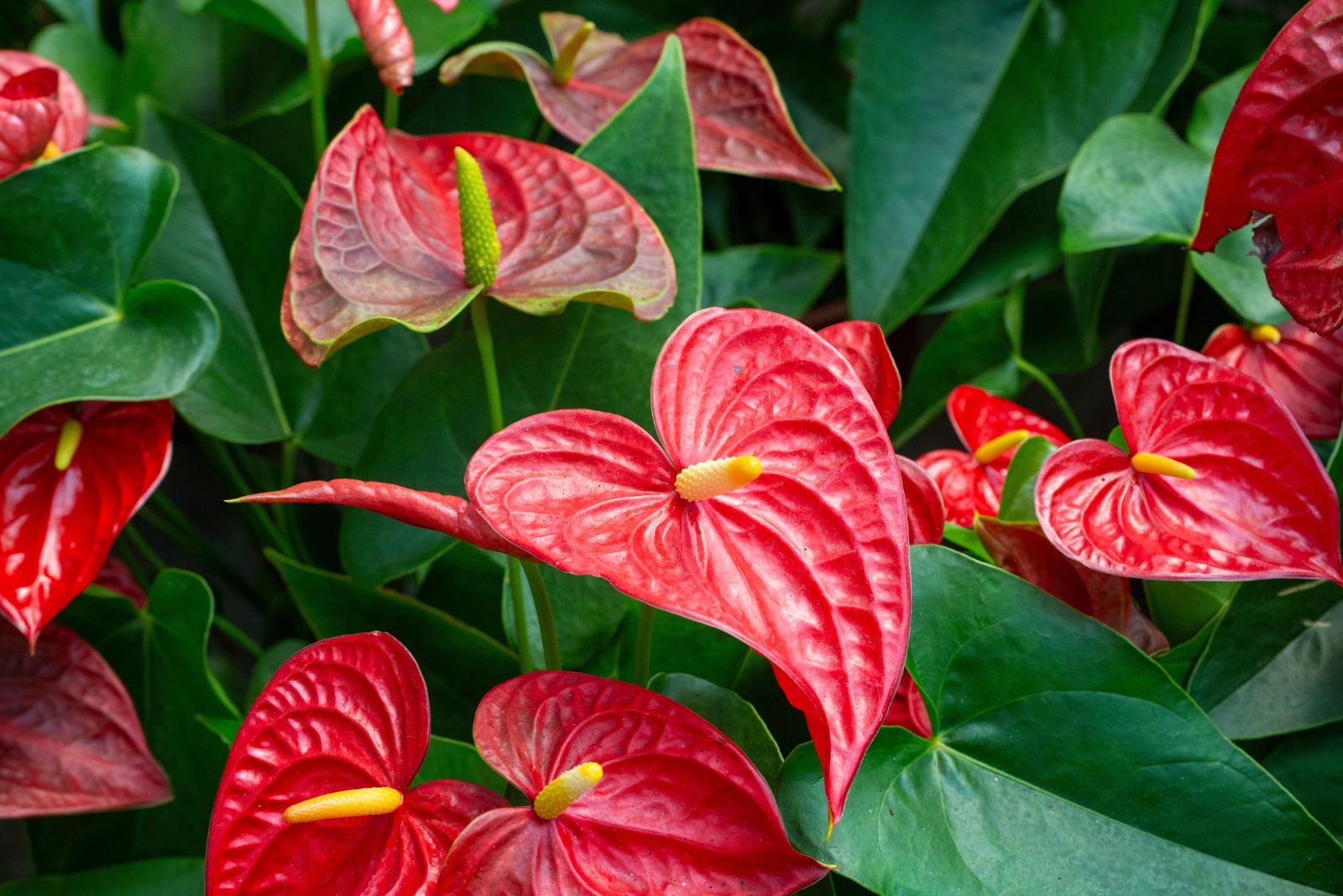
Looking for a way to add a little romance and charm to your Pennsylvania garden? Heart-shaped plants are the perfect choice.
Their naturally whimsical leaves and blooms bring instant personality and a touch of love to any landscape. These plants work beautifully in borders, containers, or mixed garden beds, creating playful shapes that catch the eye and delight visitors.
Some are hardy perennials that return year after year, while others add seasonal color and texture with minimal care. Heart-shaped foliage isn’t just fun, it can also attract pollinators and enhance the overall health of your garden.
Whether you want a subtle hint of romance or bold statement pieces, these plants add both beauty and a unique twist to traditional garden design. With the right selection, your garden can feel lively, heartwarming, and full of personality, making it a space you’ll love as much as your plants.
1. Hosta
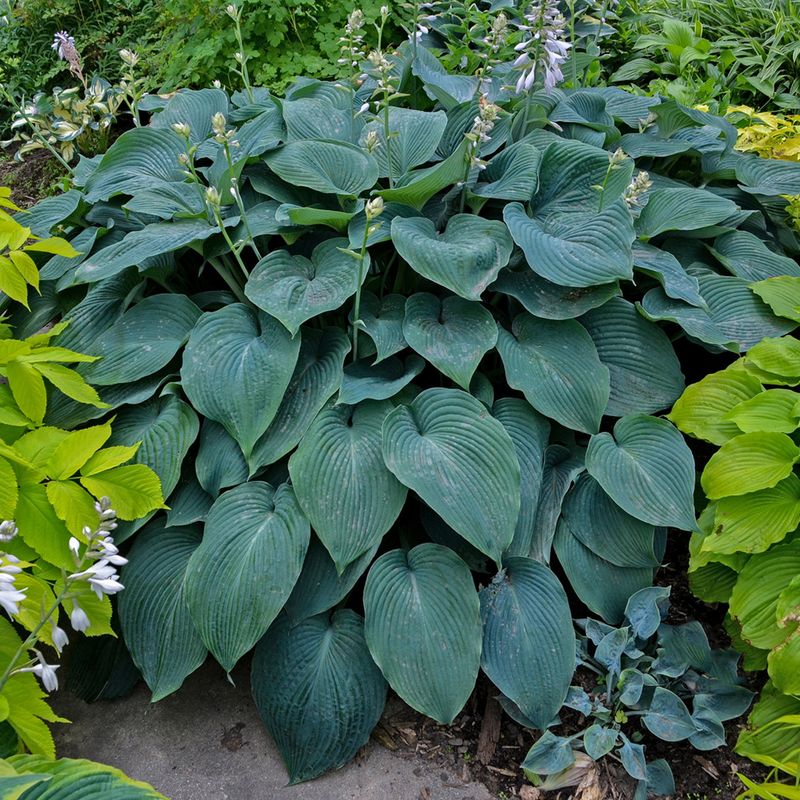
Garden centers across Pennsylvania stock hostas for good reason. These reliable perennials produce gorgeous heart-shaped leaves that range from tiny to dinner-plate sized.
Their foliage comes in shades of green, blue, gold, and even variegated patterns that brighten shady spots.
Hostas absolutely love the shade that many Pennsylvania properties naturally provide. They grow well under mature trees and along north-facing walls where other plants struggle.
Most varieties reach full size within three years and return bigger each spring.
Watering needs stay moderate once these plants establish their root systems. Morning watering works best to prevent slug damage, which can be a concern in humid Pennsylvania summers.
Adding organic mulch around the base helps retain moisture and keeps roots cool.
These plants pair beautifully with ferns, astilbes, and other shade lovers common in Pennsylvania gardens. Their low-maintenance nature makes them perfect for busy gardeners.
Deer can browse hostas, so consider protective measures if wildlife visits your yard. The heart-shaped foliage creates stunning texture from April through October across our state.
2. Bleeding Heart (Dicentra Spectabilis)
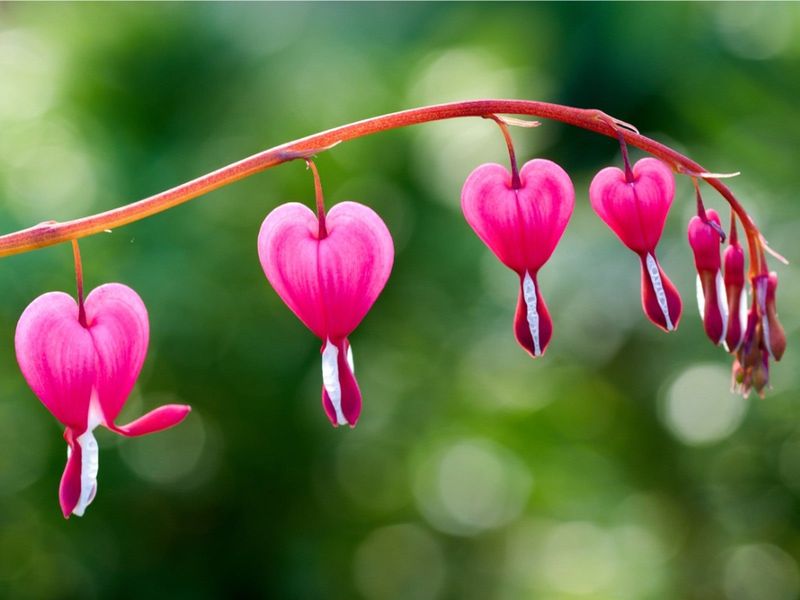
Spring brings pure magic when bleeding hearts bloom in Pennsylvania gardens. The dangling heart-shaped flowers appear on graceful arching stems, creating a cottage garden feel that gardeners adore.
Pink and white varieties offer classic beauty, while pure white cultivars provide elegant sophistication.
These woodland natives thrive in the dappled shade found throughout Pennsylvania landscapes. They prefer cool, moist soil similar to forest floor conditions.
The plants emerge early in spring and bloom for several weeks before temperatures climb too high.
Bleeding hearts go dormant by midsummer, especially in warmer locations across Pennsylvania. This natural cycle means planning companion plants to fill the space later in the season.
Ferns and hostas work perfectly as neighbors since they expand as bleeding hearts fade.
Root division every few years keeps plants vigorous and blooming heavily. Pennsylvania gardeners find these perennials incredibly reliable once established in suitable locations.
The heart-shaped blooms attract early pollinators like bumblebees. Plant them near pathways where visitors can admire the unique dangling flowers up close throughout April and May.
3. Colocasia (Elephant Ear)
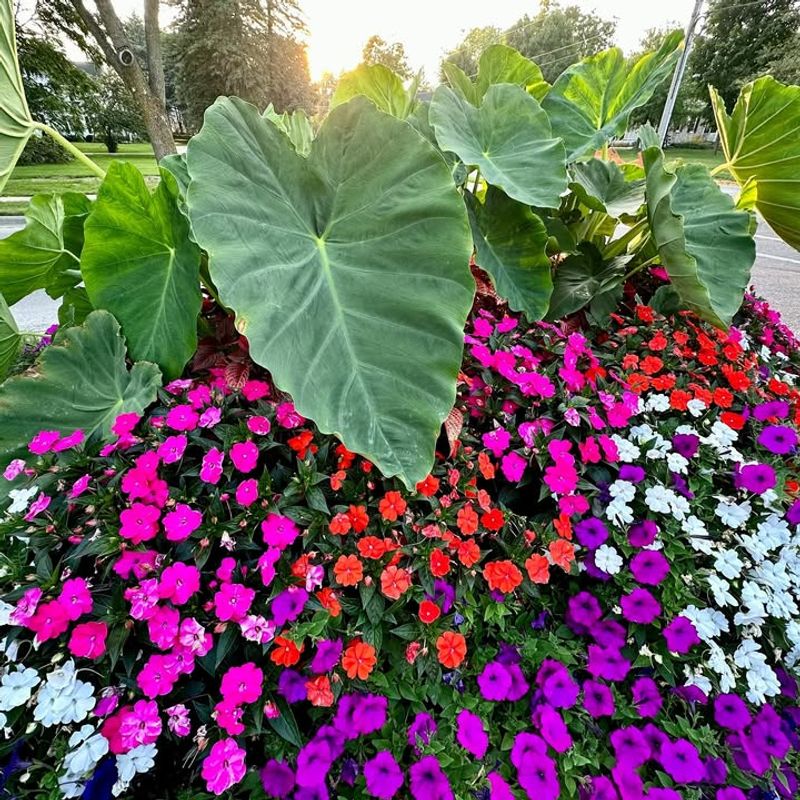
Tropical drama comes easily with elephant ears in Pennsylvania gardens. These bold plants produce enormous heart-shaped leaves that can reach three feet long.
Their impressive size creates instant focal points in beds, borders, and container arrangements.
Gardeners across Pennsylvania treat colocasia as annuals or dig up bulbs before frost. The plants love heat and humidity, making our summer weather ideal for lush growth.
They need consistent moisture and rich soil to produce those spectacular leaves.
Containers work wonderfully for elephant ears since you can move them to protected spots during cool spring nights. Mixing them with colorful annuals creates stunning combinations for patios and decks.
The heart-shaped foliage provides dramatic backdrop for smaller flowering plants.
Full sun to partial shade suits most varieties grown in Pennsylvania. Regular feeding every two weeks keeps the leaves large and healthy-looking.
Some gardeners successfully overwinter bulbs indoors in cool, dry locations. These plants transform ordinary spaces into tropical retreats during our growing season.
Their architectural presence makes them conversation starters at garden parties and neighborhood gatherings throughout the summer months.
4. Anthurium
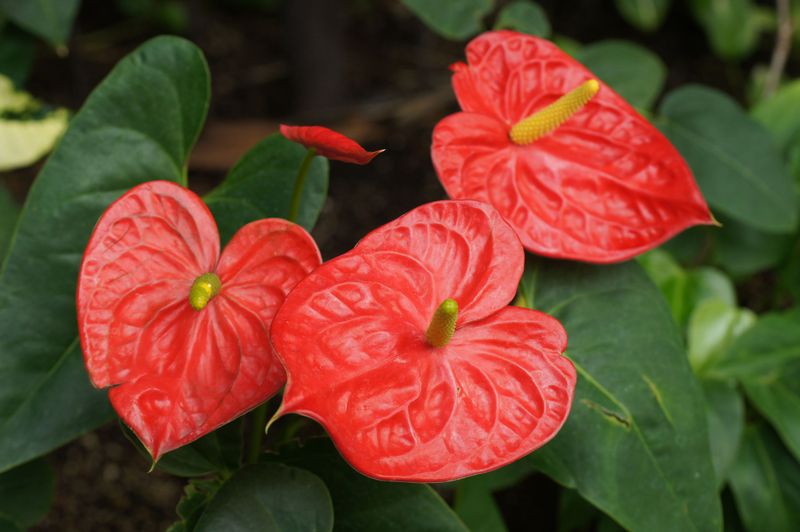
Bringing tropical elegance indoors works perfectly with anthuriums. Their shiny heart-shaped spathes come in red, pink, white, and even purple shades.
Pennsylvania gardeners appreciate these plants for adding year-round color to indoor spaces when outdoor gardens rest.
Bright indirect light near east or west-facing windows suits anthuriums best in Pennsylvania homes. They need warmth and humidity levels that indoor heating can reduce during winter.
Placing pebble trays filled with water beneath pots helps maintain adequate moisture in the air.
Watering requires attention since these plants dislike both soggy soil and complete dryness. Allow the top inch of potting mix to dry between waterings.
Using room-temperature water prevents root shock that can stress the plant.
The heart-shaped blooms can last for months, making anthuriums excellent value as houseplants. Regular feeding during spring and summer encourages continuous flowering.
Pennsylvania gardeners often move these plants to shaded porches during summer for a vacation outdoors. Their exotic appearance brings a touch of the rainforest to any room.
Clean the glossy leaves occasionally to keep them looking their absolute best throughout the year.
5. Morning Glory (Ipomoea Spp.)
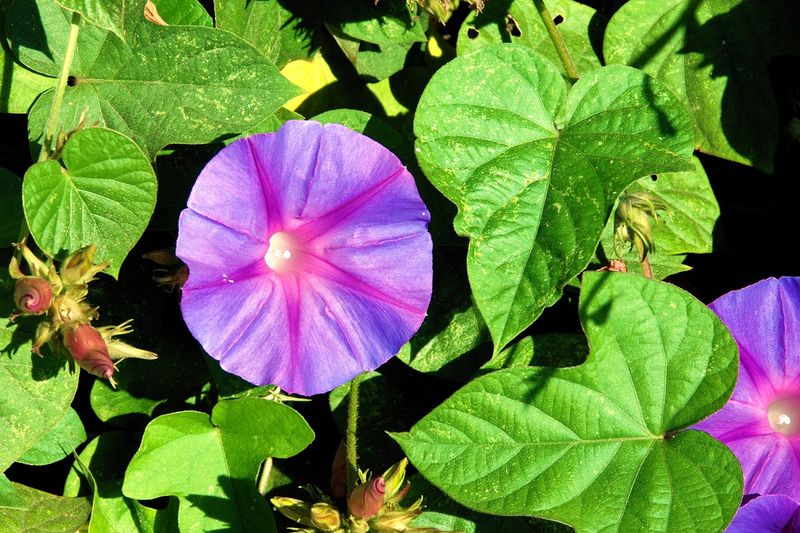
Fast-growing vines solve many garden challenges in Pennsylvania landscapes. Morning glories produce cheerful heart-shaped leaves along vigorous stems that climb fences, trellises, and arbors.
Their trumpet-shaped flowers open each morning in shades of blue, purple, pink, and white.
Seeds sprout easily when planted after the last frost date across Pennsylvania. These annuals grow quickly once warm weather arrives, often covering structures by midsummer.
They prefer full sun and well-drained soil but tolerate less-than-perfect conditions.
Morning glories need something to climb, making them perfect for vertical gardening in small spaces. They work beautifully for screening unsightly areas or creating privacy along property lines.
The heart-shaped foliage stays attractive even when flowers close by afternoon.
Pennsylvania gardeners love how these vines attract butterflies and hummingbirds throughout summer. Deadheading spent blooms encourages more flowers, though many gardeners let them self-seed.
The plants handle heat and humidity well during our typical summer weather. Their carefree nature makes them ideal for beginning gardeners.
Plant morning glories where you can enjoy their early-day blooms with your morning coffee on the patio.
6. Philodendron Heartleaf
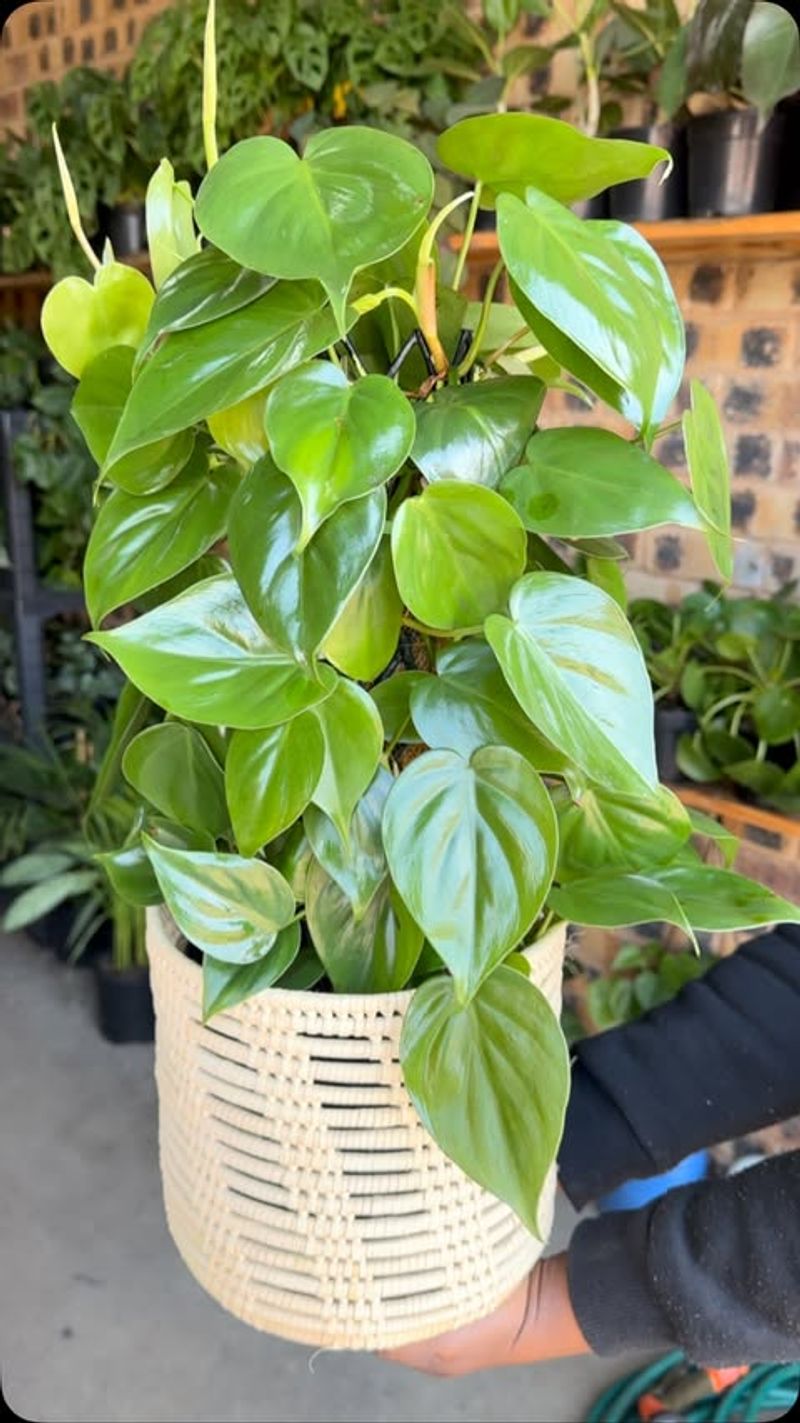
Few houseplants match the easygoing personality of heartleaf philodendrons. Their glossy heart-shaped leaves cascade gracefully from hanging baskets or climb up moss poles.
Pennsylvania plant lovers appreciate how forgiving these tropical beauties are with occasional neglect.
Low to medium light conditions work fine for philodendrons in Pennsylvania homes. They tolerate the reduced light levels during our winter months better than many houseplants.
Placing them away from direct sun prevents leaf scorch while maintaining healthy growth.
Watering once weekly usually suffices, though checking soil moisture prevents overwatering problems. These plants bounce back quickly from slight underwatering but struggle with soggy roots.
Room temperature water works best for preventing stress.
The trailing heart-shaped leaves can grow several feet long, creating living curtains of greenery. Pruning encourages bushier growth and provides cuttings that root easily in water.
Pennsylvania gardeners often propagate extras as gifts for friends and family.
Heartleaf philodendrons purify indoor air while adding natural beauty to any room. They thrive in bathrooms where humidity stays higher than other areas.
These reliable plants remain attractive year-round with minimal care, making them perfect for busy households throughout Pennsylvania.
7. String Of Hearts (Ceropegia Woodii)
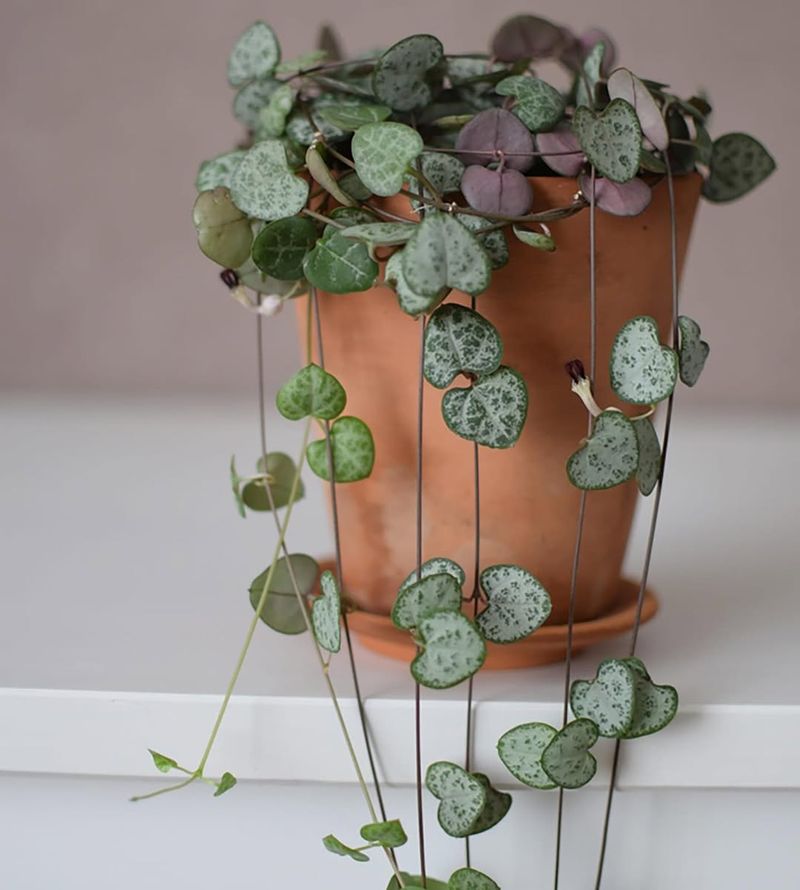
Delicate charm defines the string of hearts plant perfectly. Tiny heart-shaped leaves appear in pairs along thin, trailing stems that can reach several feet long.
The silvery-green foliage often shows purple undersides, creating beautiful color contrast.
Bright indirect light keeps string of hearts compact and colorful in Pennsylvania homes. These succulents store water in their leaves and tuberous roots, making them drought-tolerant.
They prefer drying out between waterings, especially during winter months.
Hanging baskets showcase the cascading heart-shaped leaves beautifully near sunny windows. The plants grow slowly compared to other trailing houseplants, maintaining manageable size for years.
Their delicate appearance belies their tough, adaptable nature.
Pennsylvania gardeners find these plants nearly indestructible once their simple needs are met. Occasional feeding during the growing season encourages fuller growth.
The stems can be wrapped around the pot to create denser arrangements.
Pink tubular flowers appear sporadically, adding unexpected interest to the display. Propagation happens easily by laying stems on moist soil where nodes touch.
These charming plants make wonderful gifts since they arrive already looking mature and established. Their romantic heart-shaped leaves suit any decorating style across Pennsylvania homes.
8. Caladium
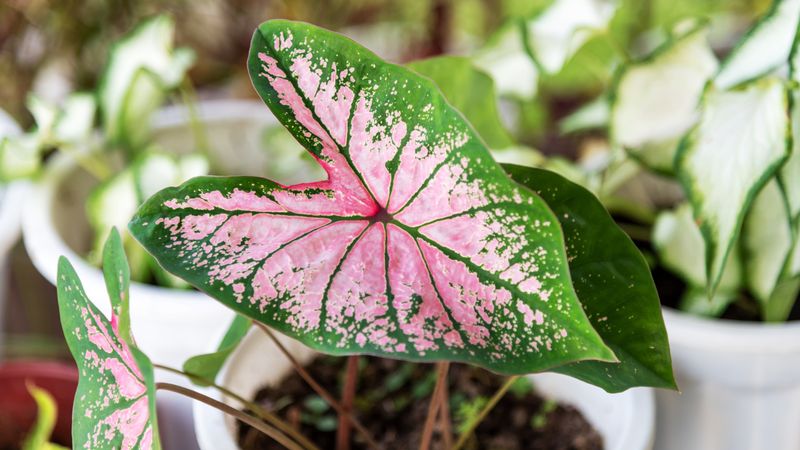
Bold color without flowers becomes possible with caladiums. These tropical bulbs produce spectacular heart-shaped leaves in combinations of pink, red, white, and green.
Pennsylvania gardeners use them for adding pizzazz to shady spots where flowering plants struggle.
Plant caladium bulbs after soil warms in late spring across Pennsylvania. They need warmth to grow actively and can sulk in cold, wet conditions.
Choosing shady locations protects the thin leaves from sun damage.
The heart-shaped foliage emerges in waves throughout summer, creating ever-changing displays. Containers filled with caladiums brighten porches, patios, and entryways beautifully.
Mixing different color varieties creates stunning combinations that last all season.
Regular watering keeps leaves looking fresh during hot Pennsylvania summers. These plants appreciate humidity and rich, well-drained soil.
Many gardeners dig bulbs before frost and store them indoors for replanting next year.
Caladiums pair wonderfully with ferns, impatiens, and begonias in shade gardens. Their tropical appearance transforms ordinary spots into exotic retreats.
The colorful heart-shaped leaves photograph beautifully for social media garden posts. Deer typically avoid caladiums, making them practical choices for Pennsylvania properties with wildlife visitors throughout the growing season.
9. Eastern Redbud (Cercis Canadensis)
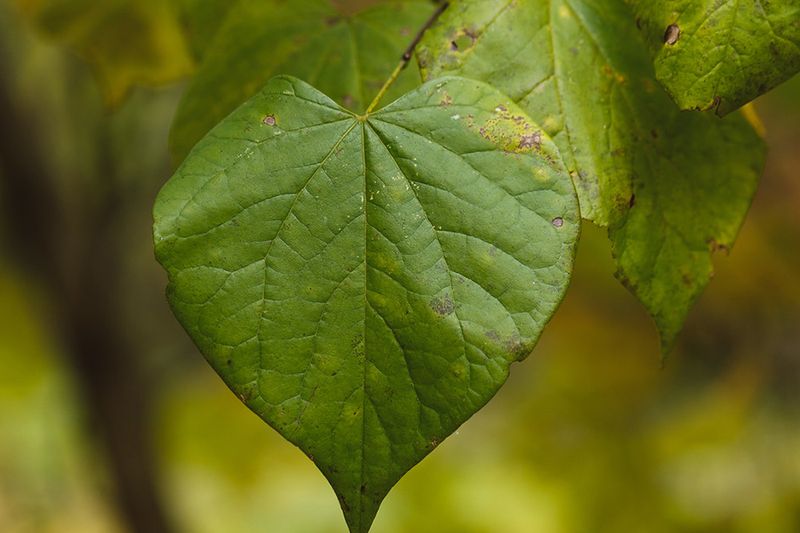
Native beauty shines through with eastern redbuds across Pennsylvania. These small trees produce clouds of pink flowers directly on branches each spring before leaves emerge.
The heart-shaped foliage follows, creating dense shade throughout summer.
Redbuds grow naturally in Pennsylvania woodlands, making them perfectly adapted to our climate. They handle various soil types and tolerate both sun and partial shade.
Mature trees typically reach 20 to 30 feet tall with similar spread.
Spring blooms attract early pollinators desperately seeking nectar after winter. The flowers appear edible and add tangy flavor to salads.
Heart-shaped leaves turn beautiful yellow shades during Pennsylvania autumns.
These trees work wonderfully as understory plantings beneath taller shade trees. They also serve as attractive focal points in smaller yards where large trees overwhelm.
The branching structure provides winter interest even after leaves drop.
Pennsylvania gardeners appreciate how redbuds support native wildlife throughout the year. Birds nest in the branches while butterflies visit flowers.
The trees need minimal maintenance once established in suitable locations. Their heart-shaped leaves create dappled shade perfect for growing hostas and ferns underneath.
Redbuds represent sustainable landscaping choices that connect gardens to natural Pennsylvania ecosystems beautifully.
10. Southern Catalpa (Catalpa Bignonioides)
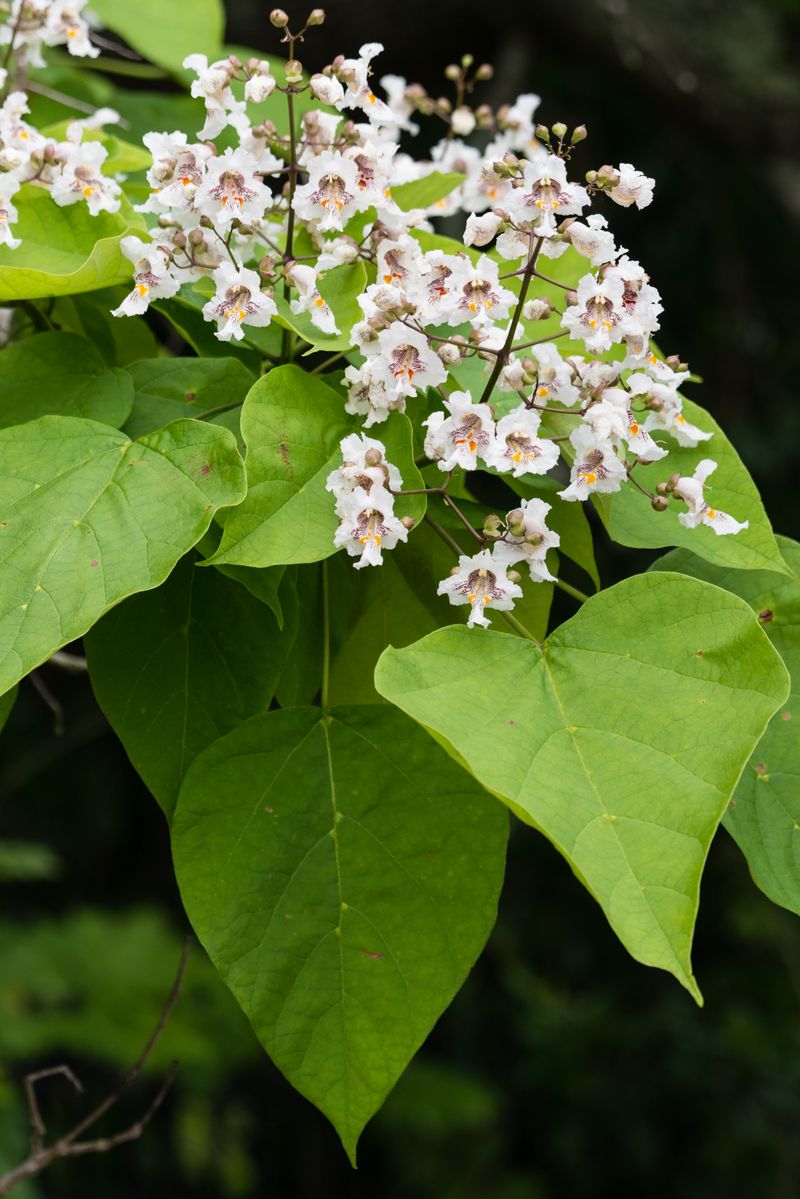
Impressive size defines southern catalpa trees perfectly. Their enormous heart-shaped leaves can measure ten inches across, creating dense tropical-looking canopies.
White orchid-like flowers appear in large clusters during early summer across Pennsylvania.
These fast-growing trees reach 40 feet tall with wide-spreading branches. They prefer full sun and tolerate various soil conditions including clay.
The large leaves provide substantial shade for outdoor living spaces.
Catalpas produce long seed pods that dangle from branches through winter. Some people find the pods messy, while others appreciate their unique appearance.
The heart-shaped leaves drop all at once in fall, making cleanup straightforward.
Pennsylvania gardeners use catalpas as shade trees in large yards where their size suits the space. They handle urban conditions reasonably well, tolerating pollution and compacted soil.
The dramatic foliage creates bold statements in landscapes.
Catalpa sphinx moth caterpillars sometimes feed on leaves but rarely cause serious harm. These caterpillars make excellent fishing bait, which some folks consider a benefit.
The trees need room to spread, so proper placement prevents future problems. Their heart-shaped leaves and showy flowers make catalpas memorable additions to Pennsylvania properties with adequate space for these substantial trees.