8 Stylish Ways Washington Gardeners Are Giving Old Planters A Second Look
Old planters across Washington gardens are getting a second look, not because they’re new, but because they’re being seen differently.
Weathered pots, faded containers, and mismatched planters suddenly feel full of potential instead of past their prime.
Rather than replacing them, gardeners are finding creative ways to refresh what’s already on hand.
Texture, age, and imperfections are becoming part of the appeal instead of something to hide.
Washington’s moody light and lush plant choices make reused planters feel intentional and stylish.
Small changes in placement or pairing can completely change how a planter reads in a space. That shift often costs nothing but a fresh idea.
Old containers start working as focal points instead of background clutter.
Giving planters a second look is turning overlooked pieces into some of the most eye-catching elements in Washington gardens.
1. A Simple Paint Refresh Changes Everything
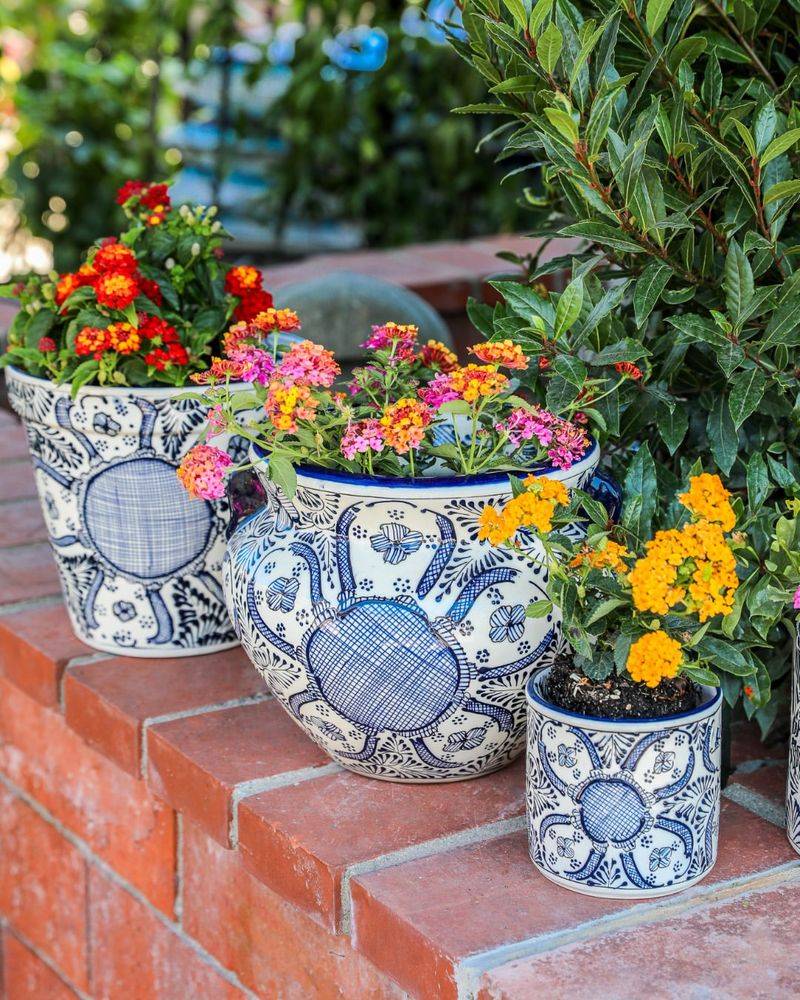
Most containers sitting in garages around Washington just need a fresh coat of color to look brand new again. Terracotta, plastic, and ceramic all take paint well when you prep them right.
Cleaning the surface first helps the paint stick better and last through rainy seasons.
Chalk paint works great because it dries fast and gives a matte finish that looks high-end. Spray paint covers larger pots quickly and evenly without brush marks.
You can also try stenciling patterns or adding geometric designs for extra personality.
Bright colors like coral, teal, or mustard yellow make older planters pop in shaded garden corners. Neutral tones like soft gray or cream blend beautifully with natural landscapes common throughout Washington.
Mixing different painted pots together creates a cohesive look that feels intentional.
Sealing painted containers with a waterproof topcoat protects your work from moisture and sun damage. This extra step keeps colors vibrant season after season.
Even chipped or cracked pots can look charming with the right paint treatment.
Gardeners in Seattle and Spokane love using leftover house paint for budget-friendly makeovers. Small sample sizes work perfectly for individual containers.
Painting old planters becomes a fun weekend project that transforms your entire patio or garden bed instantly.
This simple update also lets you coordinate containers with outdoor furniture or seasonal plantings without buying anything new.
With a little creativity and leftover paint, Washington gardeners can refresh tired spaces while keeping costs low and results visually striking.
2. Grouped Pots Create A Stronger Visual Moment

Clustering several old planters together makes each one look more intentional and stylish than placing them alone. Odd numbers like three, five, or seven tend to feel more natural to the eye.
Varying the heights adds depth and visual interest to any arrangement.
Washington gardeners often group mismatched containers by color theme or plant type for a unified appearance. Placing shorter pots in front and taller ones behind creates layered dimension.
This technique works especially well on porches, patios, and front entryways.
Mixing textures like ceramic with metal or wood keeps grouped displays from looking too uniform. Different sizes within the cluster prevent the arrangement from feeling stiff or overly planned.
Even worn-out planters gain new life when surrounded by complementary pieces.
Grouping also lets you experiment with seasonal themes without buying new containers each time. Swap out plants or add decorative elements like stones or moss to refresh the look.
This approach saves money while keeping your garden dynamic and interesting.
Everett and Tacoma residents often place grouped pots near outdoor seating areas to define spaces. The visual weight of multiple containers draws attention and anchors garden design.
Arranging old planters this way turns forgotten pieces into conversation starters that guests notice right away.
Clustering containers in one area simplifies upkeep while encouraging healthier plants through consistent watering and care routines.
When arranged with intention, these groupings add structure and visual flow to Washington gardens, helping outdoor spaces feel thoughtfully designed rather than randomly decorated.
3. Old Planters Work Better When Raised Off The Ground
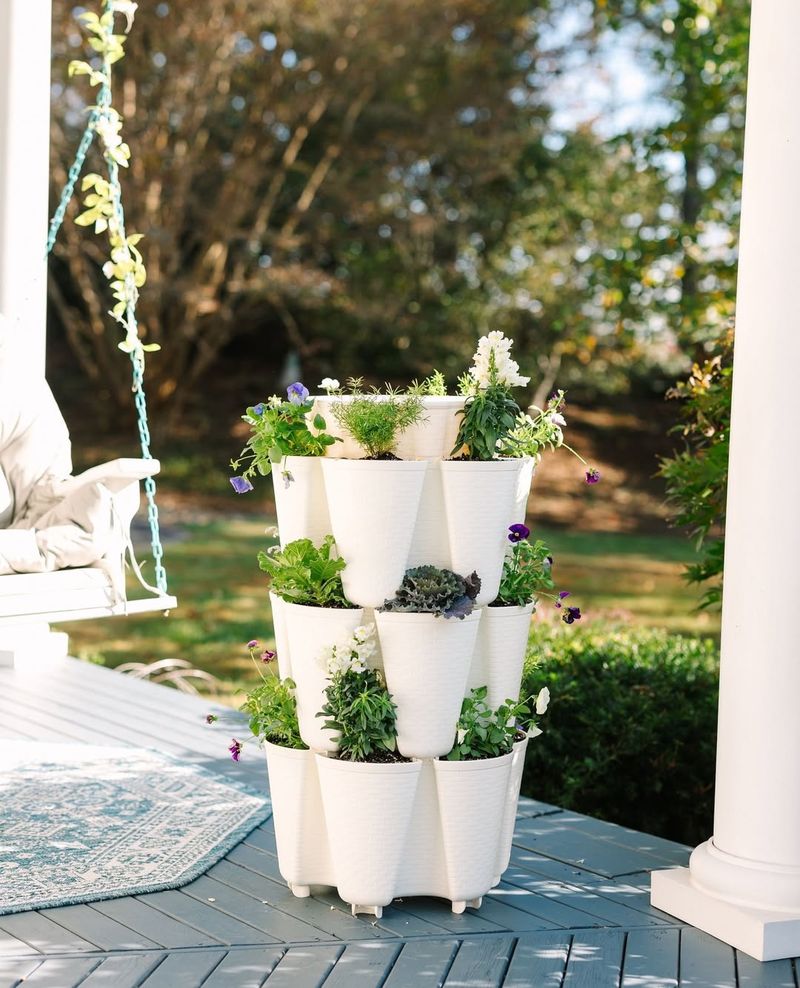
Lifting containers onto stands, bricks, or wooden blocks instantly adds elegance and prevents drainage issues. Elevation improves air circulation around the pot, which helps roots stay healthier.
This simple change also makes planters easier to see and appreciate from different angles.
Plant stands come in metal, wood, and ceramic styles that suit any garden aesthetic popular in Washington. Stacking bricks or pavers under pots costs almost nothing but delivers big visual impact.
Raising planters off damp ground also protects them from rot and staining.
Elevated containers become focal points that draw the eye upward and create vertical interest. This trick works especially well for smaller gardens where ground space feels limited.
Grouping raised planters at different heights adds even more dimension to outdoor areas.
Old wooden crates, turned upside down, make rustic stands that fit perfectly with cottage-style gardens. Metal plant stands with intricate designs add a vintage charm that complements weathered containers.
Even simple concrete blocks painted to match your color scheme can look surprisingly stylish.
Bellingham and Olympia gardeners use elevation to showcase trailing plants like ivy or petunias. The cascading foliage looks dramatic when it spills over raised edges.
Lifting old planters off the ground transforms them from overlooked basics into standout design elements.
Elevation also helps prevent pests and excess moisture from lingering around the base of containers during Washington’s wetter months.
By changing how planters interact with their surroundings, raised displays create cleaner lines, better plant performance, and a more intentional garden layout without major effort.
4. Texture Wraps Instantly Update Tired Containers
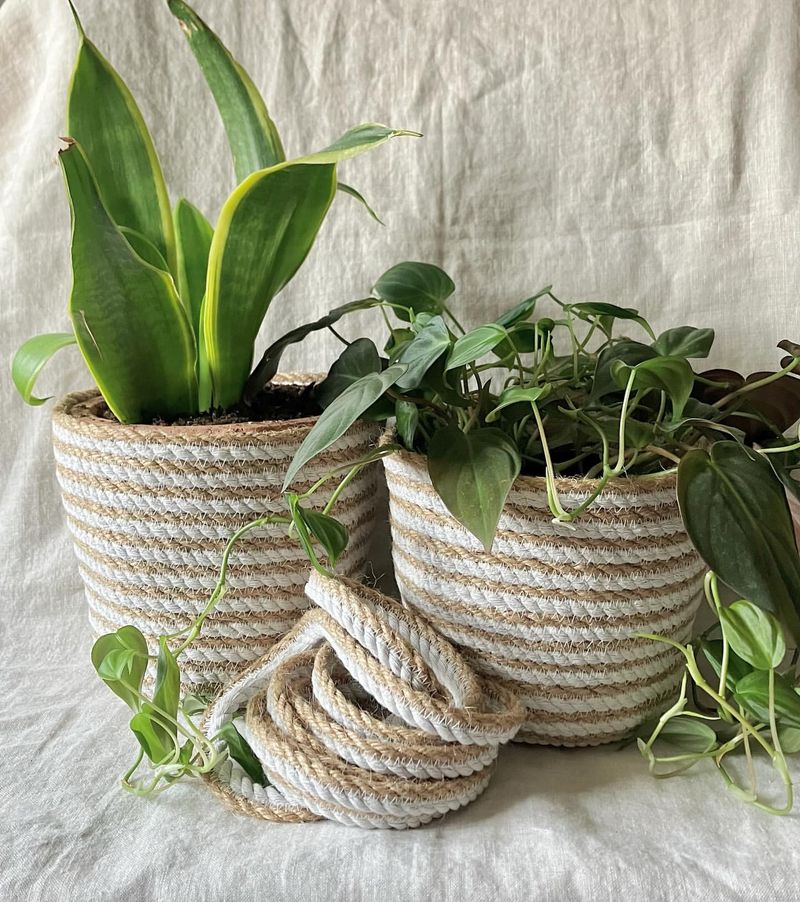
Wrapping old pots with rope, fabric, or natural materials gives them a whole new look without paint or permanent changes. Jute rope wound tightly around plastic containers adds warmth and hides imperfections.
This method works especially well for budget-conscious gardeners across Washington.
Burlap fabric secured with twine creates a rustic farmhouse vibe that pairs beautifully with herbs and wildflowers. You can also use outdoor-rated fabric in bold patterns for a more modern appearance.
These wraps come off easily when you want to try something different.
Bamboo fencing or reed screening cut to size and wrapped around large planters brings tropical flair to Pacific Northwest gardens. Securing wraps with hot glue or strong adhesive keeps them in place through wind and rain.
Natural materials blend seamlessly with outdoor environments.
Textured wraps also add insulation that protects plant roots from temperature swings common in Washington weather. They hide cracks, fading, or outdated colors instantly.
Changing wraps seasonally keeps your garden looking fresh without buying new containers.
Vancouver and Bellingham residents often combine texture wraps with painted rims for a custom designer look. Mixing materials like rope with metal accents creates interesting contrasts.
Wrapping old planters becomes a creative outlet that lets you personalize outdoor spaces affordably and easily.
This approach also lets gardeners experiment with texture and style without committing to a single look long term.
By layering materials thoughtfully, wrapped containers gain depth and character while staying flexible enough to adapt to changing seasons, plants, and outdoor moods across Washington gardens.
5. Unexpected Plants Make Old Pots Feel New

Switching up what you grow in familiar containers instantly changes their appearance and purpose. Planting ornamental grasses in an old ceramic pot gives it a modern, architectural feel.
Succulents clustered in a weathered planter create trendy minimalist appeal.
Washington gardeners love using edible plants like kale, chard, or lettuce in decorative containers for both beauty and function. Mixing vegetables with flowers breaks traditional rules and adds surprising color combinations.
Herbs like rosemary or lavender bring fragrance and texture that make old planters feel special.
Trying bold foliage plants like elephant ears or coleus in tired pots shifts attention to the greenery instead of the container. Seasonal bulbs planted in rotation keep the same planter looking different throughout the year.
This strategy maximizes what you already own while keeping gardens dynamic.
Unexpected plant choices also let you experiment without committing to permanent garden beds. Moving unusual combinations around helps you discover what works best in different light conditions.
Old planters become testing grounds for creative ideas.
Spokane and Tacoma residents often plant native species in repurposed containers to support local ecosystems. Ferns, wild ginger, or Oregon grape thrive in older pots and require less maintenance.
Refreshing plant selections breathes new life into containers you might have otherwise replaced or discarded completely.
This flexibility makes it easy to refresh outdoor spaces without buying anything new or making permanent changes.
By rethinking plant choices instead of containers, gardeners create fresh looks, improve plant performance, and keep Washington gardens evolving throughout the year.
6. Weathered Planters Shine In Natural Corners
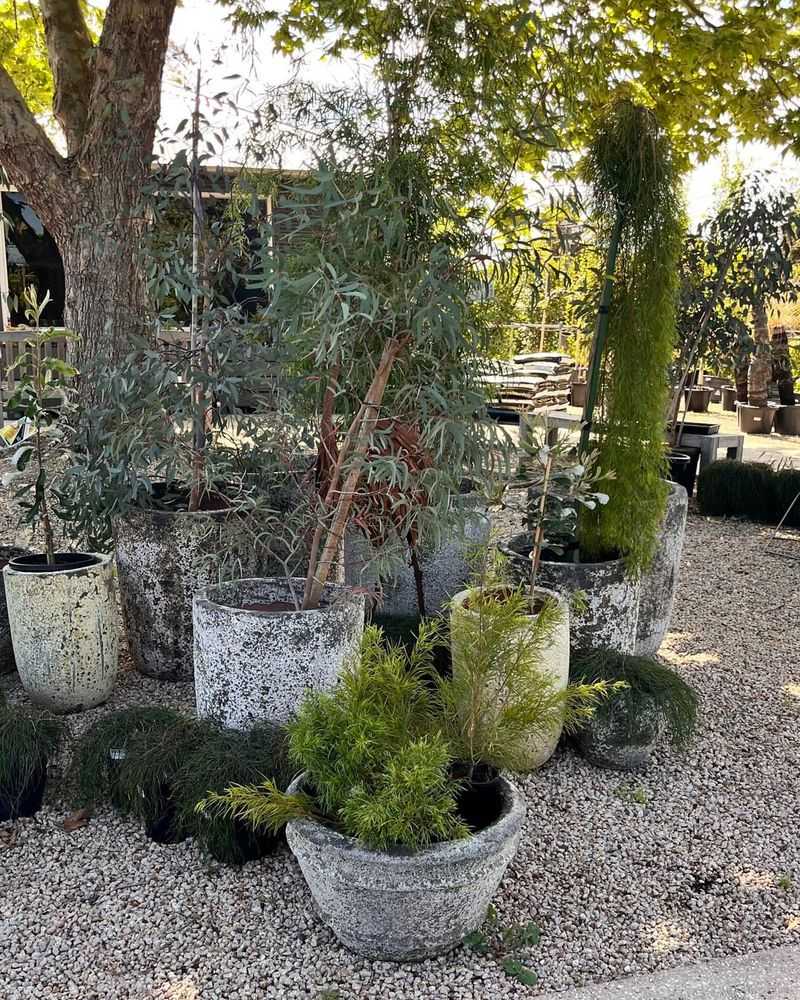
Placing aged containers in garden spots surrounded by greenery or natural elements makes their worn appearance look intentional. Moss-covered pots nestle perfectly under trees or beside water features.
Washington’s damp climate creates beautiful patina on older materials that feels organic in shaded areas.
Rustic containers blend seamlessly into woodland-style gardens where polished pots would look out of place. Positioning weathered planters near stone paths or wooden fences enhances their vintage charm.
These spots celebrate age rather than trying to hide it.
Natural corners often have softer light that makes imperfections less noticeable while highlighting interesting textures. Ferns, hostas, and shade-loving plants complement the earthy tones of aged containers.
This placement strategy turns flaws into features that add character.
Gardeners don’t need to worry about matching colors or styles when old planters sit among natural surroundings. The environment itself provides visual harmony.
Weathered pots actually gain appeal when moss, lichen, or algae begin to grow on their surfaces.
Seattle and Olympia residents often tuck old planters into forgotten garden corners to create discovered moments of beauty. These placements feel like happy accidents rather than staged designs.
Natural settings give weathered containers permission to age gracefully while still serving their purpose beautifully and effectively.
Surrounding older containers with layered plantings, stone, wood, and natural textures helps them feel grounded in the landscape rather than visually isolated.
When placed thoughtfully, these aged planters contribute to a relaxed, lived-in garden atmosphere that feels authentic to Washington’s climate and turns wear into part of the story instead of a flaw.
7. Oversized Pots Become Seasonal Focal Points
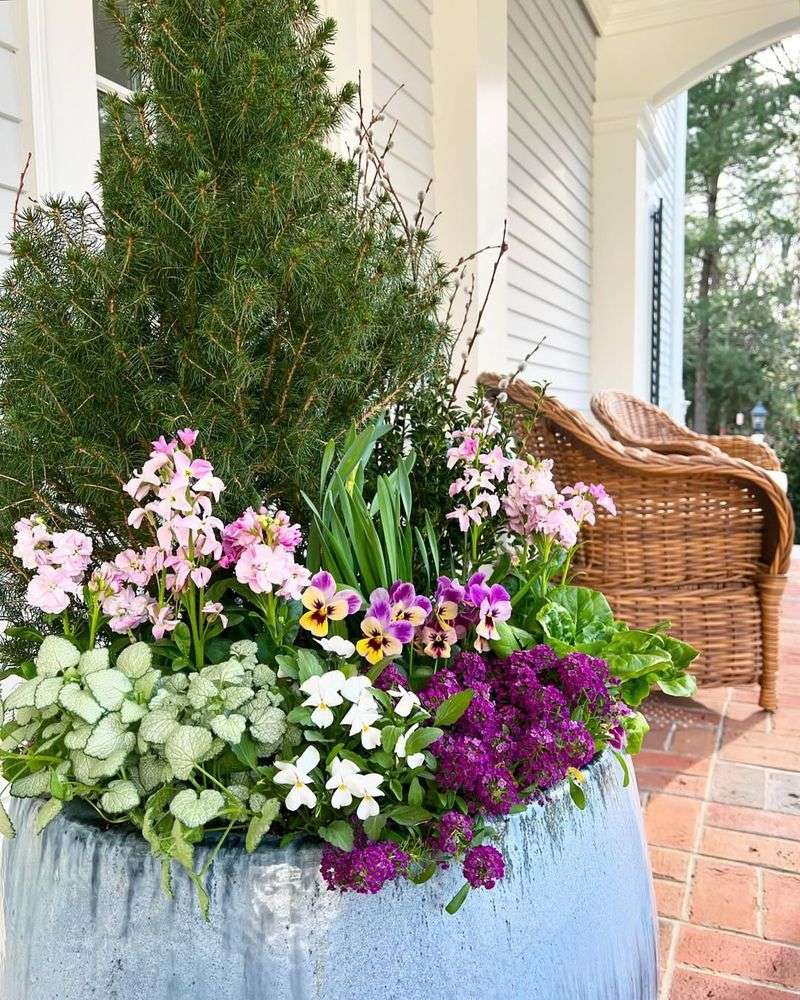
Large old planters make dramatic statements when filled with seasonal displays that change throughout the year. Spring bulbs bursting from a big container create instant curb appeal.
Summer annuals in oversized pots anchor patios and define outdoor living spaces across Washington.
Fall arrangements with ornamental cabbage, mums, and decorative grasses turn large planters into harvest centerpieces. Winter evergreen branches, berries, and twigs fill big containers when most plants go dormant.
Rotating seasonal themes keeps large old pots relevant and exciting year-round.
Oversized containers naturally draw attention because of their scale and presence in garden designs. Even if the pot itself shows age, a full seasonal planting distracts from imperfections.
These focal points guide visitors through outdoor spaces and create visual anchors.
Large planters also offer room for layered plantings with thrillers, fillers, and spillers that look professionally designed. Mixing heights and textures within one big container maximizes impact.
This approach works especially well near entryways or on large patios.
Everett and Vancouver gardeners often place oversized pots at the end of pathways or beside seating areas. The size alone makes them impossible to overlook.
Refreshing seasonal displays in the same large planter saves money while keeping gardens interesting and inviting throughout every season.
Their scale makes even weathered containers feel intentional when filled with full, seasonal plantings that draw the eye.
By rotating displays throughout the year, gardeners keep large planters visually strong and useful without replacing them.
8. Moving Containers Refreshes The Whole Space
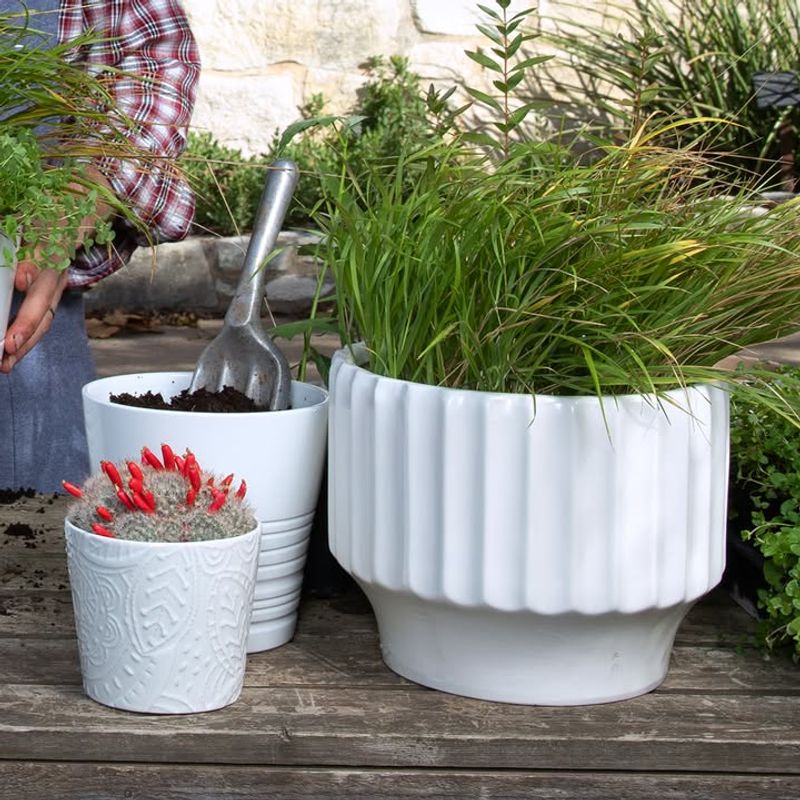
Simply relocating old planters to different spots around your yard can make them feel completely new. Containers that looked tired on the back deck might shine near the front door.
Washington gardeners discover hidden potential by experimenting with placement before making any other changes.
Moving pots from sun to shade or vice versa lets you try different plant combinations suited to new light conditions. This flexibility keeps gardens interesting without spending money.
Even swapping positions between two planters creates a fresh perspective.
Seasonal moves make practical sense too, bringing cold-sensitive plants closer to the house in winter or moving heavy bloomers into view during peak seasons. Changing locations throughout the year keeps outdoor spaces dynamic.
Old planters gain purpose when they travel around the garden.
Mobility also lets you test design ideas before committing to permanent beds or installations. You can audition color schemes or plant pairings easily.
This trial-and-error approach takes pressure off making perfect choices immediately.
Tacoma and Bellingham residents often move planters to cover bare spots or distract from areas needing work. Strategic placement solves design problems quickly.
Shifting old containers around breathes new life into both the pots and the entire garden layout, proving that sometimes the best makeover requires nothing more than a simple change of scenery.
This simple shift changes how the entire space feels without altering the planters themselves.
By rethinking placement first, Washington gardeners often find they don’t need upgrades at all to get a refreshed, intentional look.