8 Summer Bulbs To Plant In April Before Arizona Heat Rises
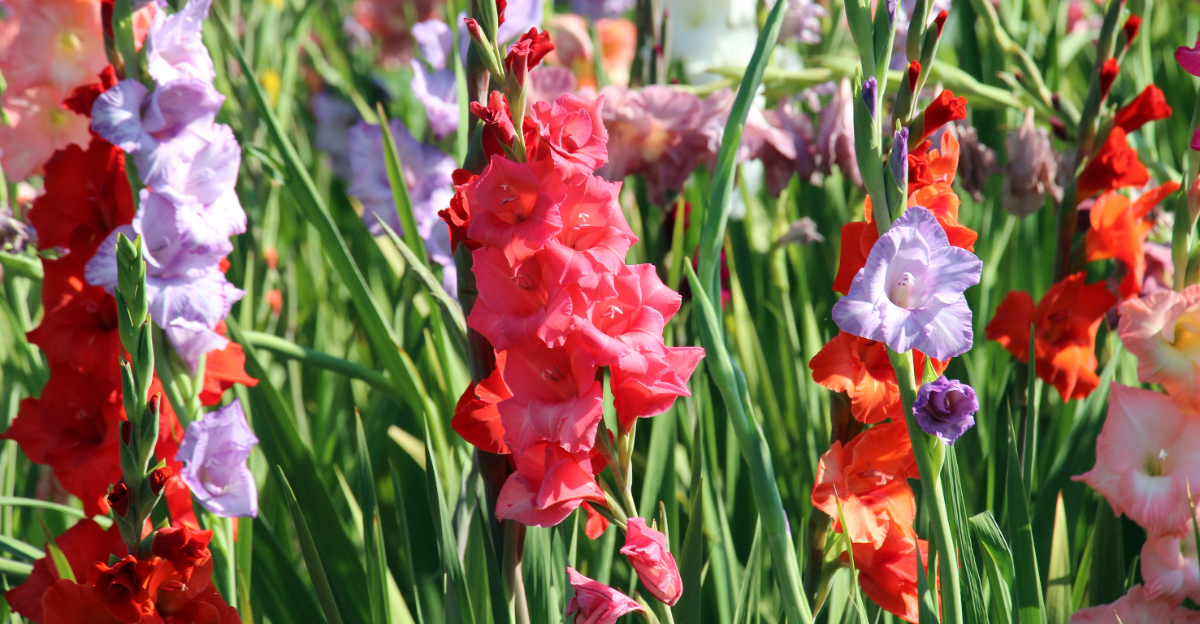
April opens a short window in Arizona before extreme heat takes over. Soil feels warm but not harsh, which gives summer bulbs a better chance to settle early and push out strong roots.
Timing makes a real difference here. Plant them now, and they establish while conditions still support growth.
Wait too long, and new shoots face dry soil and rising heat before they are ready, which often leads to weaker plants later.
Not every bulb can handle Arizona’s climate once summer arrives. Some stay strong through heat and still produce reliable color, while others struggle and fail to perform.
The right choices made now can lead to a much better result when temperatures climb. A small step at the right time can set up steady growth and a stronger display through the hottest part of the season.
1. Gladiolus Produces Strong Summer Blooms When Planted In Spring
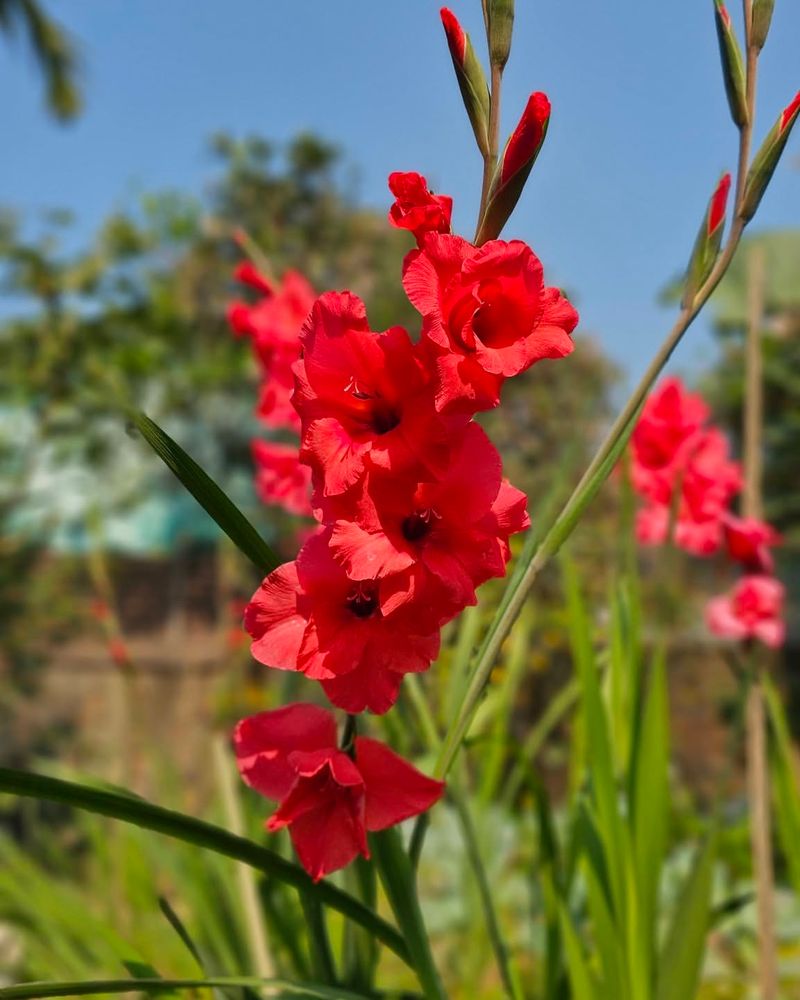
Gladiolus corms go in the ground in April and reward you with tall, dramatic flower spikes just when the rest of the yard starts looking tired. Plant them about four inches deep in a spot that gets full sun most of the day.
Space them roughly six inches apart so air can move between the stalks.
Arizona soil tends to be heavy in clay or sandy depending on where you live, so loosen the bed and mix in some compost before you drop the corms in. Water well after planting, then back off a bit until you see green shoots pushing up.
Overwatering early is one of the biggest mistakes people make with gladiolus here.
Staking is worth the effort in Phoenix or Tucson because afternoon winds can knock over tall spikes pretty fast. A simple bamboo stake tied loosely does the job.
Gladiolus blooms in layers from the bottom up, which stretches out the show over several days. Cut the spikes when the lowest flowers open and bring them inside — they last surprisingly well in a vase and keep sending up new growth outside.
This also encourages the plant to keep producing new spikes instead of putting energy into seed production. It would be best to leave some foliage in place so the corm can store energy for the next season.
2. Canna Lily Thrives In Heat With Regular Water
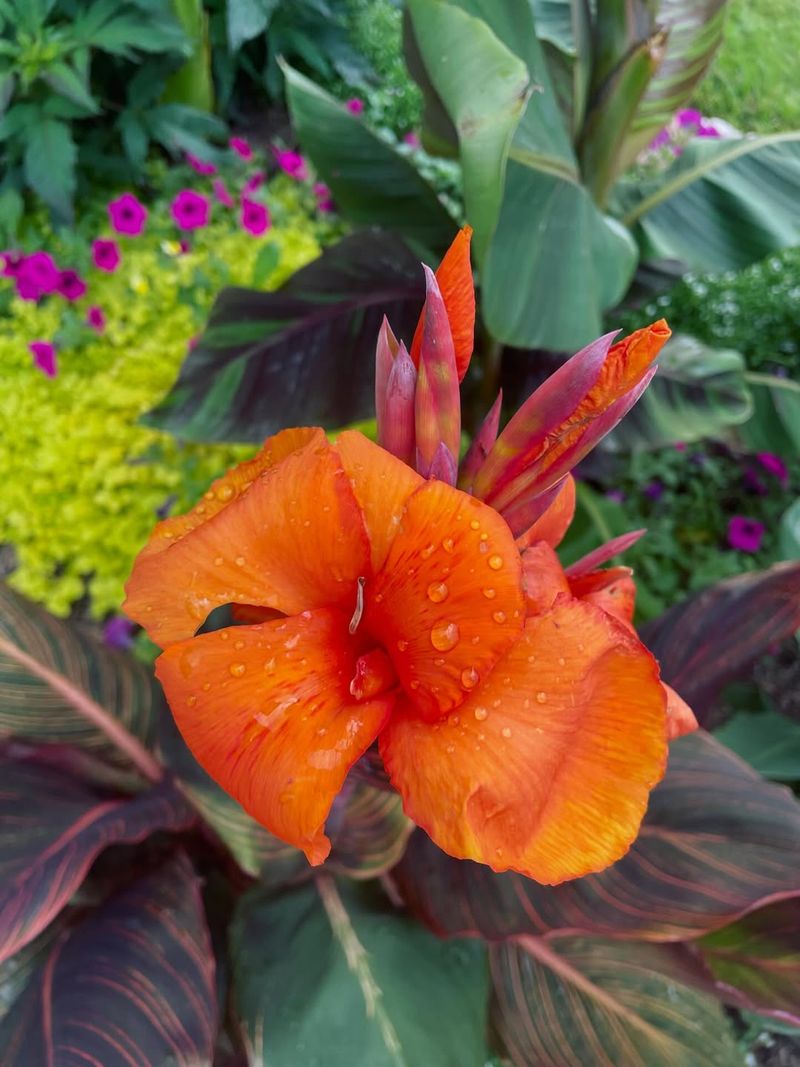
Nobody warned you that canna lilies look like they belong in a jungle, but somehow they absolutely love the Arizona heat. Plant the rhizomes about four inches deep in April and water consistently once the green shoots appear.
Without regular moisture, the leaves get crispy edges fast in desert conditions.
Full sun is where cannas do their best work. Tucson and Phoenix gardeners often line them along fences or walls where reflected heat is intense, and cannas handle it better than almost anything else.
Just keep up with watering two to three times a week once summer really sets in.
Fertilizing monthly through June and July keeps the blooms coming strong. A balanced slow-release fertilizer worked into the soil at planting time gives them a solid start.
Cannas come in red, orange, yellow, and even striped varieties, so picking a color combination is actually a fun part of the process. Deadhead spent blooms by cutting the stalk back to the next bud — new flowers will keep pushing up through the season.
At the end of the year, you can dig and divide the rhizomes to multiply your plants for next spring.
This keeps the clumps from getting overcrowded and helps maintain strong flowering. It would be best to replant divisions right away or store them in a dry spot until planting time.
3. Spider Lily Produces Fragrant Blooms And Handles Heat Well
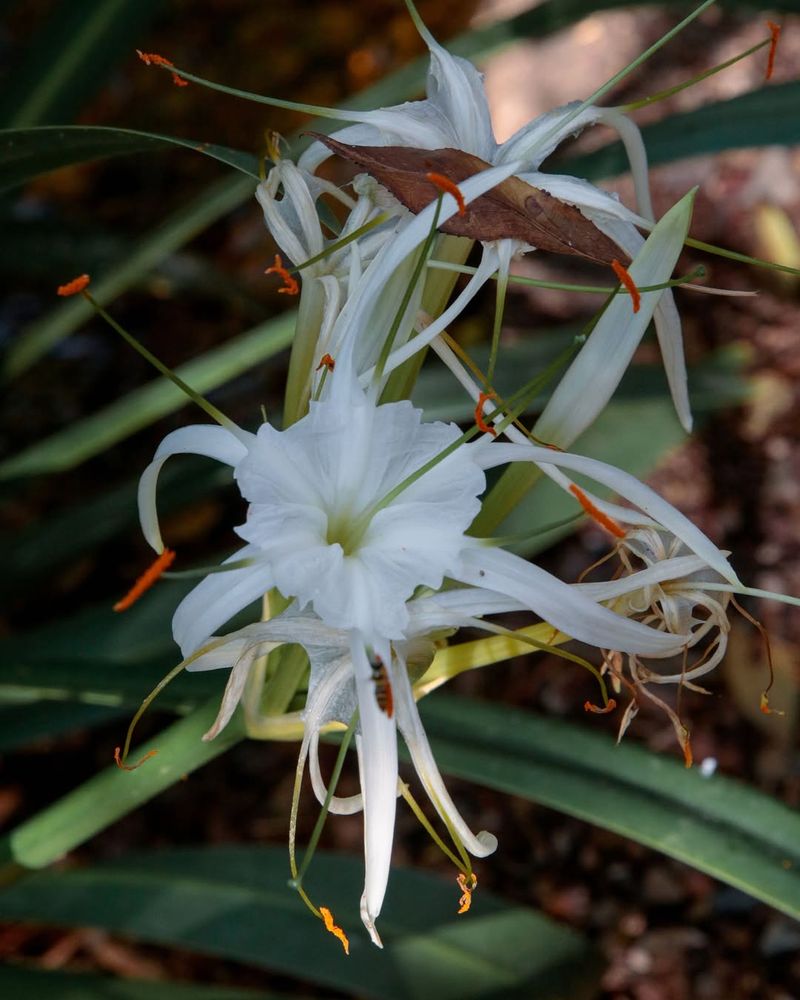
Spider lily is a strong choice for warm season color because it settles in quickly and keeps a clean, upright look as temperatures rise.
The long, strappy foliage appears first, followed by tall stems that carry elegant white blooms with a light fragrance that becomes more noticeable in the evening.
That soft scent adds another layer of interest without overwhelming surrounding plants.
Plant the bulbs in well-draining soil where water does not sit around the roots for long. If the soil feels compacted, mix in compost before planting to improve structure and help the bulbs establish more evenly.
Set each bulb with the neck at or just above soil level, and leave enough space between them so air can move freely as the foliage fills in.
Water deeply right after planting, then keep moisture steady while new growth develops. Once established, spider lily handles rising heat better than many softer flowering plants, especially when watering stays consistent but not excessive.
A thin layer of mulch helps keep soil conditions more stable during hotter periods.
This plant fits easily into borders, mixed beds, or along walkways where the blooms can be noticed up close. After flowering, leave the foliage in place so the bulb can continue building strength for the next growing cycle.
This helps support reliable blooming again next season.
4. Rain Lily Responds Quickly To Warm Weather And Occasional Water
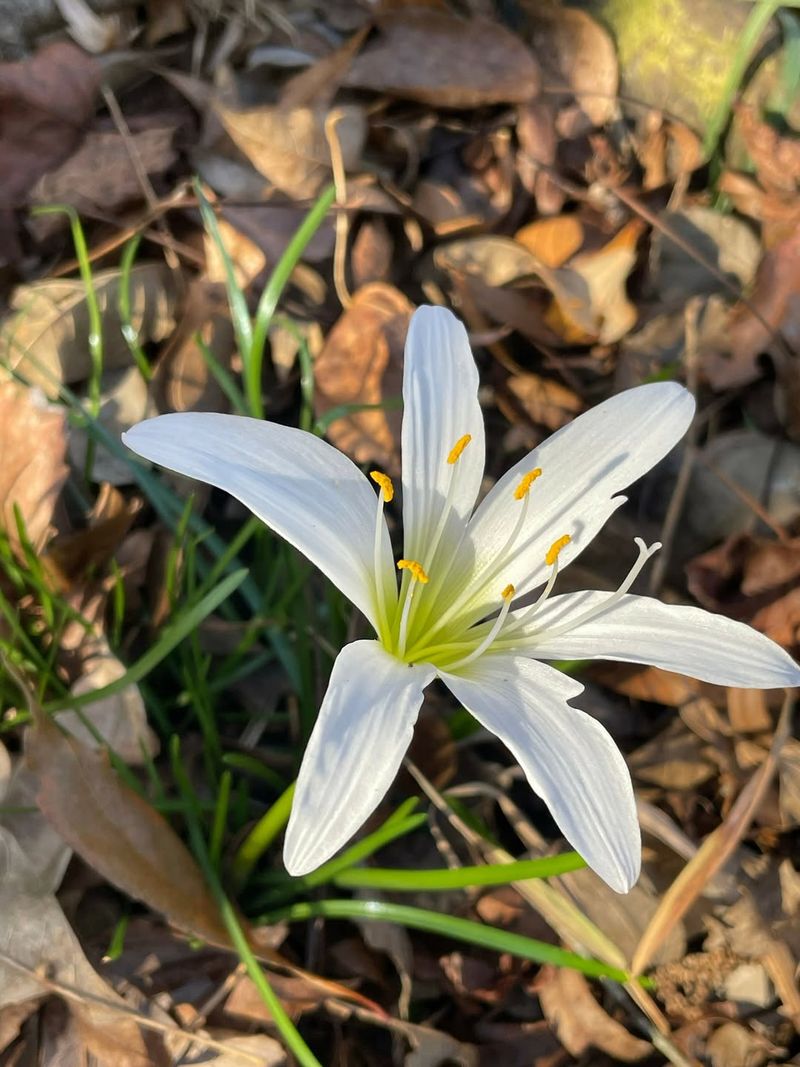
Rain lilies have a little trick up their sleeve — they bloom in response to water, which makes them feel almost magical when summer monsoons roll into Arizona. Plant the small bulbs in April about two inches deep and six inches apart in a sunny to lightly shaded spot.
They ask for very little attention once they are in the ground.
Between rains or waterings, rain lilies go quiet and look like a patch of plain grass. Then within a day or two of getting soaked, they pop up with clusters of delicate pink, white, or yellow flowers.
It is one of the most satisfying things to watch happen in a desert garden.
Container planting works really well for rain lilies in Arizona because you can move the pot to a spot that gets afternoon shade during the most intense heat of July and August. Group several bulbs together for a fuller, more dramatic display.
Soil that drains well is key — monsoon rains can be heavy and bulbs left in soggy ground will not survive. Pair rain lilies with gravel mulch for a tidy, low-water look that still bursts into color after every storm.
They multiply naturally over time, so your patch will grow bigger each year.
This makes them a low-effort choice for filling in empty spots without replanting. It would be best to thin them out every few years if the clumps start to look crowded.
5. Crinum Lily Handles Heat And Dry Conditions Once Established
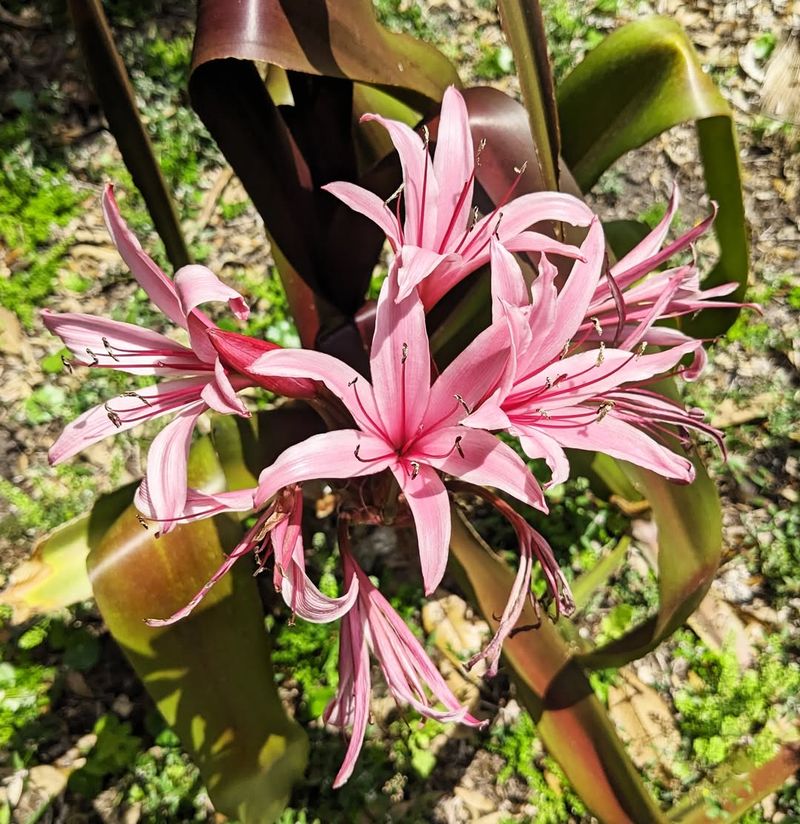
Crinum lily is built for tough conditions, and Arizona gives it plenty of those. These are big plants — the bulbs are large, the leaves are long and strappy, and the flower stalks can reach three feet tall.
Plant them in April with the neck of the bulb just above the soil surface, in a hole wide enough to fit the bulb without cramping the roots.
Space crinum lilies at least eighteen inches apart because they spread over time. Full sun works well, but afternoon shade in the hottest part of summer helps the flowers last longer before they fade.
Water deeply at planting and then taper off as the plant settles in over the following weeks.
What makes crinum stand out in a Phoenix or Tucson yard is how it holds up through a dry stretch without looking completely defeated. Established plants have thick, fleshy roots that store moisture, letting them coast through gaps between watering.
Blooms appear in clusters and carry a light, sweet scent, especially noticeable in the evening hours. The flowers come in white, pink, or striped combinations depending on the variety.
Add compost to the planting hole for the best start, and side-dress with fertilizer once in late spring to push strong summer growth.
6. Society Garlic Tolerates Heat And Produces Long-Lasting Blooms
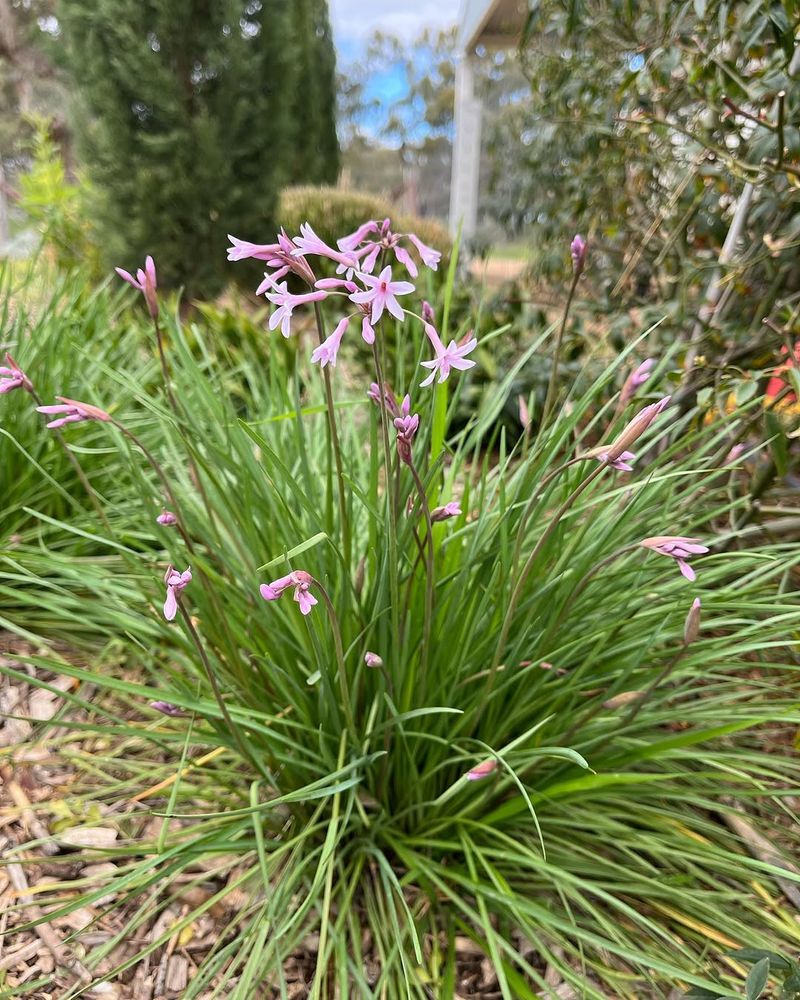
Society garlic earns its spot in any Arizona garden by blooming for months without much fuss. Plant the clumps in April in full sun and well-draining soil.
It grows from rhizomes rather than true bulbs, but the planting process is simple — set the clumps just at soil level and water them in well.
Lavender-purple flowers appear on slender stalks that rise above the grassy foliage throughout the warm months. In Phoenix and Tucson, that can mean blooms from late spring all the way into fall.
Deadheading spent flower stalks encourages the plant to keep sending up fresh ones.
Crushing a leaf releases a mild garlic scent, which is where the name comes from. Some gardeners use it as a low border plant along pathways because the scent is said to discourage certain pests.
Water needs are moderate — twice a week during peak summer heat keeps it looking good without overwatering.
Society garlic handles reflected heat from walls and pavers better than a lot of flowering plants, which makes it useful in spots where other things tend to struggle.
It spreads slowly over time, and dividing clumps every few years keeps the plants vigorous and the blooms plentiful. A light application of balanced fertilizer in spring gets the season off to a strong start.
Regular dividing also helps prevent the center of the clump from thinning out. It would be best to do this in early spring before new growth fully takes off.
7. Oxalis Adapts Well To Warm Conditions And Seasonal Moisture
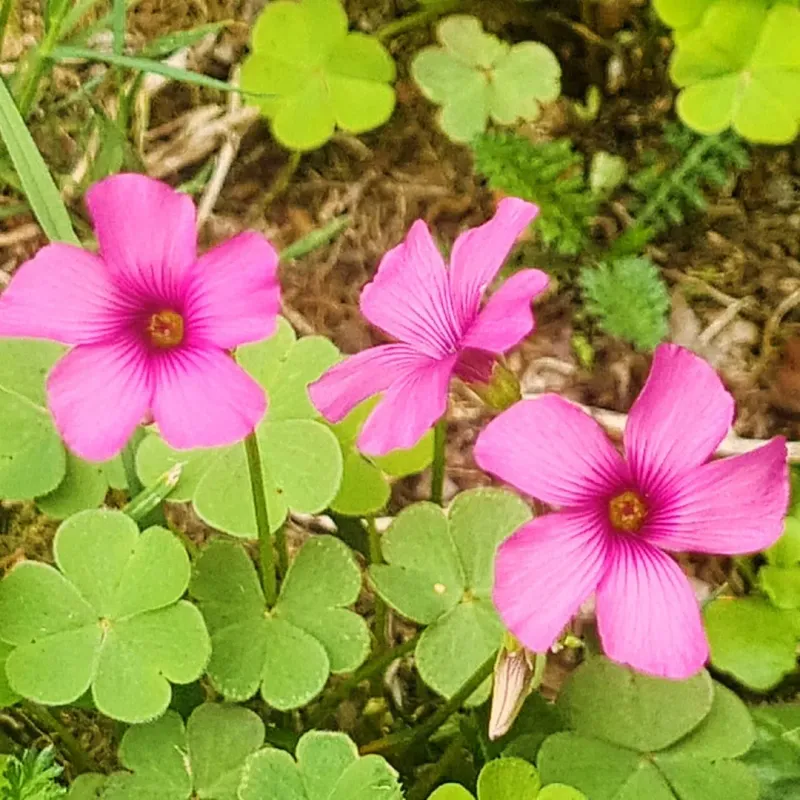
Oxalis surprises a lot of people because it looks delicate but actually holds up well in Arizona’s warm conditions when planted at the right time. April planting gives the bulbs a chance to root before summer heat peaks.
Plant them about one inch deep and four to six inches apart in a spot with morning sun and light afternoon shade.
Clover-shaped leaves and cheerful flowers in pink, yellow, or white make oxalis a nice contrast to the bold, tropical look of cannas or crinum. It works well in containers, along borders, or tucked into gaps in a rock garden.
Soil that holds a little moisture without staying soggy is the sweet spot for oxalis in Arizona.
Water two to three times a week during active growth, especially once temperatures climb past 100 degrees in Phoenix and the surrounding areas.
Oxalis naturally goes dormant during extreme heat, which can look alarming at first — the foliage yellows and fades back, but the bulbs are just resting underground.
Resume watering in early fall and you will likely see fresh growth return. Fertilize lightly in spring with a balanced formula to support flowering.
Pairing oxalis with a mulch layer helps moderate soil temperature swings, which Arizona gardens are famous for delivering in the span of just a few weeks.
8. Tuberose Produces Strong Summer Fragrance When Planted In Spring
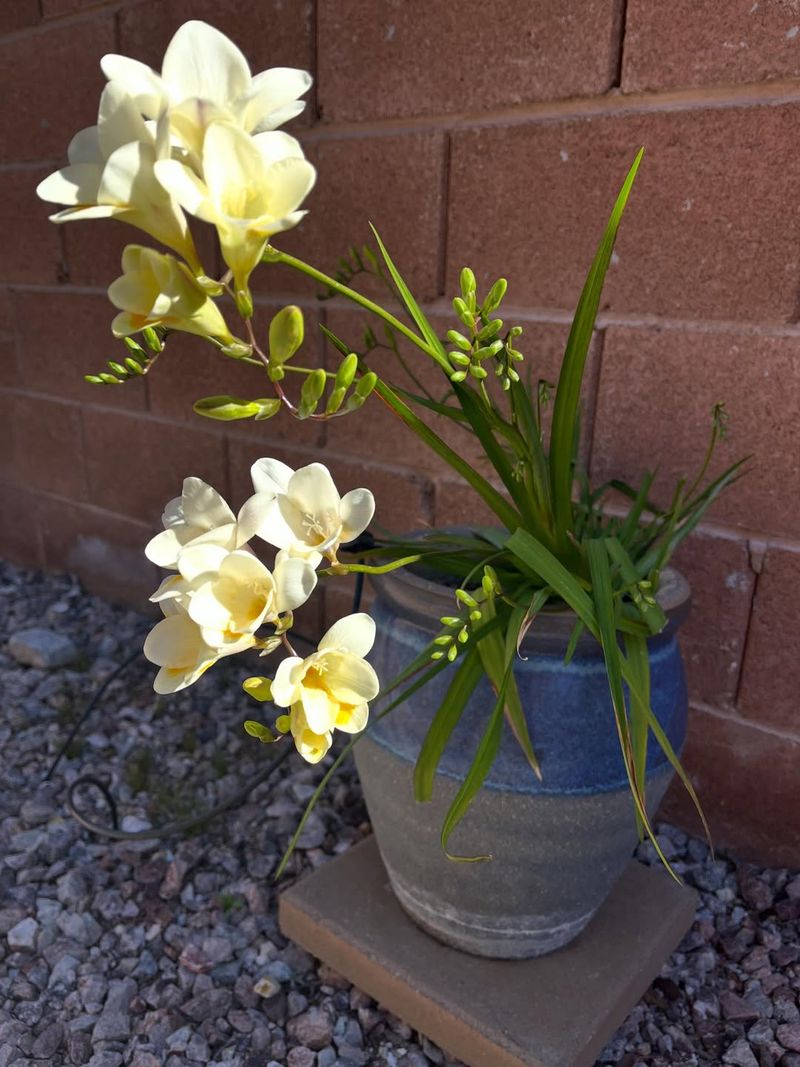
Tuberose is one of the few bulbs that actually lines up with spring planting and summer performance without creating problems later. Planting in April gives it enough time to settle in while soil is warm but not yet at peak heat levels.
That early start is what allows it to push out strong growth before conditions turn more intense.
Set the bulbs a couple of inches deep in loose, well-draining soil. If the ground feels compacted, it would be best to work in compost before planting so roots can spread more easily.
Good drainage matters here because sitting in wet soil too long can slow growth or cause issues early on. Choose a spot that gets full sun for most of the day, since tuberose depends on consistent light to develop strong flower spikes.
Water deeply right after planting, then keep moisture steady as shoots begin to appear. Once established, the plant handles heat better than expected, but it still performs best when watering stays consistent rather than irregular.
Letting the soil dry out too much between waterings can reduce flowering strength.
By early to mid-summer, tall stems begin to form, followed by clusters of white blooms that release a noticeable fragrance, especially in the evening. This is where tuberose stands out.
It brings something different compared to most summer flowers, which often focus more on color than scent.
Feeding lightly during active growth helps support better flowering without pushing excessive leafy growth.