14 Surprising Crops Missouri Residents Are Not Allowed To Grow

Missouri gardeners enjoy plenty of freedom—but that freedom has limits.
Several crops are restricted or outright banned due to concerns about invasive spread, agricultural disease, or public safety.
What surprises many residents is how ordinary some of these prohibited plants appear.
Some banned crops are illegal because they host pests or pathogens that threaten Missouri’s major agricultural industries.
Others spread aggressively, overwhelming native plants and damaging ecosystems.
A few fall under federal regulations that override state gardening norms entirely.
These plants may be legal in other states, sold online, or passed along casually between gardeners, which only adds to the confusion.
Once discovered, homeowners may be required to remove them—sometimes at their own expense.
For Missouri residents, staying informed protects more than just your garden. It safeguards local farms, native landscapes, and your own peace of mind.
When it comes to backyard crops, ignorance isn’t just risky—it can be costly.
1. Opium Poppy (Papaver Somniferum)
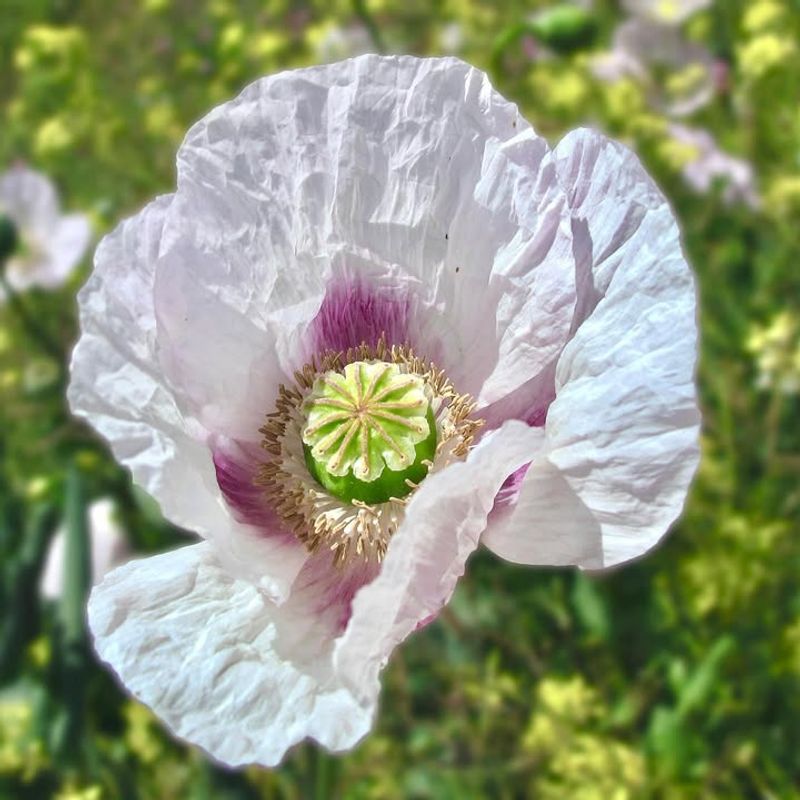
Walk into any garden center and you might spot gorgeous poppy seeds for sale, their flowers promising brilliant reds, purples, and pinks come springtime.
What many Missouri gardeners don’t realize is that one particular species—Papaver somniferum—crosses a serious legal line.
This opium poppy looks nearly identical to ornamental varieties but contains morphine, codeine, and other opiate alkaloids that make it a controlled substance under federal law.
Growing opium poppies without proper authorization from the Drug Enforcement Administration is illegal, even if you have zero intention of harvesting the latex for narcotics.
The plant itself is the problem, not just what you do with it.
Seed catalogs sometimes sell these poppies under innocent-sounding names, and gardeners may accidentally purchase them without understanding the legal risk.
Law enforcement typically doesn’t target home gardeners who unknowingly plant a few poppy seeds, but technically, cultivation without a license violates federal statutes.
The distinctive bulbous seed pods are the giveaway—if your poppies develop large, smooth capsules rather than frilly seed heads, you may have the illegal variety.
Removing them promptly is the safest course of action.
Stick to California poppies, Iceland poppies, or other legal species if you want that papery-petaled charm in your flower beds.
They offer all the beauty without any legal complications, letting you enjoy a vibrant garden while staying fully compliant with Missouri and federal regulations.
2. Coca Plant (Erythroxylum Coca)

Native to South American mountain regions, the coca plant has been cultivated for thousands of years by indigenous communities who chew its leaves for energy and altitude sickness relief.
Despite this long cultural history, coca is completely illegal to grow anywhere in the United States, including Missouri.
Federal law classifies coca as a Schedule II controlled substance because its leaves contain cocaine alkaloids, making possession and cultivation serious criminal offenses.
Some curious gardeners wonder if they could grow coca as a botanical curiosity or for traditional tea, but U.S. law makes no exceptions for personal, religious, or educational use.
Even importing coca seeds can result in criminal charges, and customs officials actively intercept shipments.
The plant itself is relatively unremarkable in appearance, with oval green leaves and small white flowers, but its legal status is crystal clear.
Unlike some restricted plants that have limited exemptions, coca has none for private citizens.
Commercial operations like The Coca-Cola Company hold special federal permits, but these are extraordinarily rare and unavailable to home gardeners.
Attempting to cultivate coca in your Missouri yard would violate both state and federal drug laws.
If you’re interested in growing unusual or exotic plants, countless legal alternatives offer fascinating foliage and cultural significance without landing you in legal trouble.
Botanical gardens sometimes display coca plants under strict security and licensing, but backyard cultivation remains firmly off-limits across all fifty states.
3. Peyote Cactus (Lophophora Williamsii)
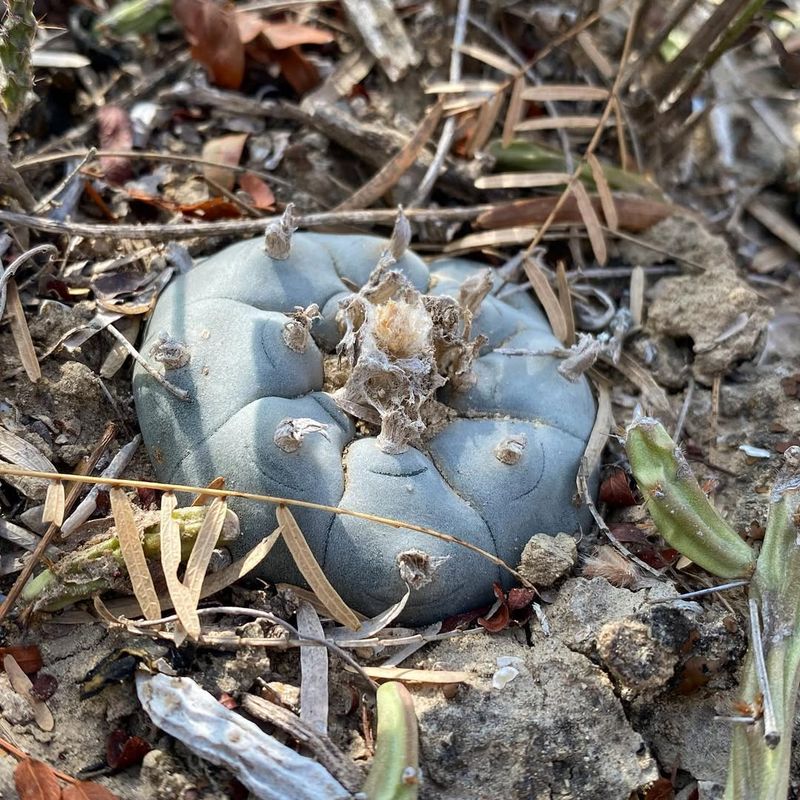
This small, spineless cactus native to the southwestern deserts holds profound spiritual significance for certain Native American tribes who have used it ceremonially for centuries.
Peyote contains mescaline, a powerful psychoactive compound that makes the cactus a controlled substance under federal law.
For most Missouri residents, cultivating, possessing, or consuming peyote is completely illegal and can result in serious criminal penalties.
The only legal exception applies to members of the Native American Church who use peyote in bona fide religious ceremonies protected under the American Indian Religious Freedom Act.
This exemption is extremely narrow and does not extend to non-Native individuals, hobbyist cactus collectors, or people claiming spiritual interest outside recognized tribal practices.
Even if you belong to an indigenous community, cultivation outside the church context remains legally questionable.
Peyote grows slowly, taking years to mature from seed to harvestable size, which has contributed to its endangered status in the wild.
Conservation concerns add another layer to the legal restrictions, as overharvesting threatens wild populations.
Some cactus enthusiasts mistakenly believe they can legally grow peyote as long as they don’t consume it, but federal law prohibits cultivation regardless of intent.
Missouri gardeners interested in unusual cacti have thousands of legal species to choose from, many with equally fascinating forms and flowers.
Sticking to legal varieties protects both you and wild peyote populations, allowing these sacred plants to survive for the communities that depend on them spiritually.
4. Khat (Catha Edulis)
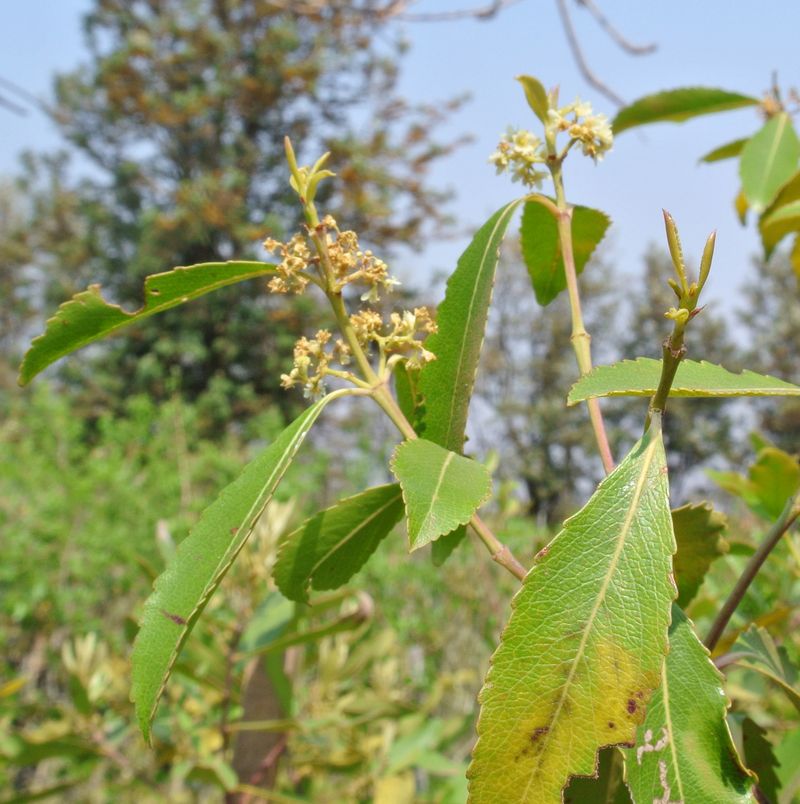
Popular in parts of East Africa and the Arabian Peninsula, khat is a flowering shrub whose fresh leaves are chewed for their stimulant effects.
The leaves contain cathinone and cathine, amphetamine-like compounds that produce euphoria and increased alertness similar to other stimulants.
Because of these psychoactive alkaloids, khat is classified as a Schedule I controlled substance in the United States, making it completely illegal to grow in Missouri.
Khat requires fresh leaves to produce its stimulant effects, which is why it’s traditionally consumed shortly after harvest in regions where it grows naturally.
Dried khat loses much of its potency, which historically limited its spread beyond cultivation areas.
However, modern transportation has enabled khat distribution to immigrant communities in the U.S., prompting federal authorities to crack down on both importation and domestic cultivation.
Some people argue that khat is less harmful than other controlled substances and point to its legal status in certain countries, but U.S. law makes no such distinction.
Growing khat in your Missouri garden, even for personal curiosity or cultural reasons, violates federal drug statutes.
Law enforcement treats khat cultivation as seriously as growing other controlled plants.
The shrub itself resembles many common ornamental plants, with glossy evergreen leaves and inconspicuous flowers, but its legal status is anything but ordinary.
If you’re interested in growing herbs with stimulating properties, legal options like coffee plants or tea bushes offer fascinating cultivation projects without any legal risk.
5. Salvia Divinorum

At first glance, this member of the mint family looks like any other ornamental salvia you might find at a nursery, with broad green leaves and square stems typical of the mint clan.
However, Salvia divinorum contains salvinorin A, one of the most potent naturally occurring psychoactive compounds known to science.
Missouri law specifically lists Salvia divinorum as a controlled substance, making it illegal to cultivate, possess, or sell within state borders.
This plant gained notoriety in the early 2000s when videos of people experiencing intense hallucinogenic effects circulated online, prompting many states to ban it.
Unlike some salvia species sold legally in garden centers, S. divinorum produces profound alterations in consciousness that last several minutes when leaves are chewed or smoked.
The legal consequences of growing this particular species are real, even though dozens of other salvias remain perfectly legal.
Some gardeners accidentally purchase S. divinorum from online plant sellers who market it as a rare or collectible variety without mentioning its legal status.
If you receive this plant by mistake, the safest action is immediate removal and disposal.
Missouri law enforcement has prosecuted cases involving Salvia divinorum possession and cultivation.
Plenty of legal salvia species offer gorgeous flowers and aromatic foliage for Missouri gardens.
Varieties like Salvia nemorosa, S. guaranitica, and S. greggii provide vibrant colors and pollinator benefits without any legal complications, making them far better choices for home landscapes.
6. Psilocybin-Producing Mushrooms (E.g., Psilocybe Species)
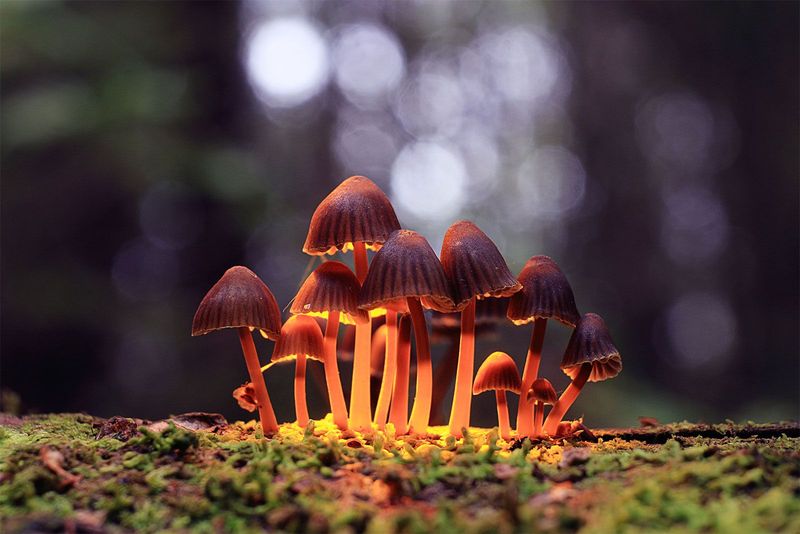
Missouri’s humid climate and rich organic matter create ideal conditions for many mushroom species, but one group remains strictly off-limits for cultivation.
Psilocybin-containing mushrooms, including various Psilocybe species, produce psychoactive compounds classified as Schedule I controlled substances under federal law.
Growing these mushrooms intentionally is illegal in Missouri regardless of whether you classify them as plants, fungi, or something else entirely.
Some people mistakenly believe that mushroom spores are legal because they don’t yet contain psilocybin, which only develops as the mushroom matures.
While spore possession occupies a legal gray area in some jurisdictions, germinating those spores and cultivating fruiting bodies clearly violates Missouri and federal drug laws.
Law enforcement has successfully prosecuted numerous cases involving psilocybin mushroom cultivation operations of all sizes.
Recent research into psilocybin’s potential therapeutic benefits has sparked renewed interest, and some cities have decriminalized possession, but Missouri maintains strict prohibition.
No exceptions exist for personal use, religious practice, or amateur mycology study when it comes to these specific species.
The penalties for cultivation can be severe, including felony charges depending on the quantity involved.
Missouri’s forests naturally produce hundreds of fascinating mushroom species that are completely legal to study, photograph, and even cultivate.
Gourmet varieties like shiitake, oyster mushrooms, and lion’s mane offer rewarding cultivation projects with culinary benefits.
Sticking to legal species lets you explore the amazing world of mycology without risking criminal prosecution.
7. Giant Reed (Arundo Donax)
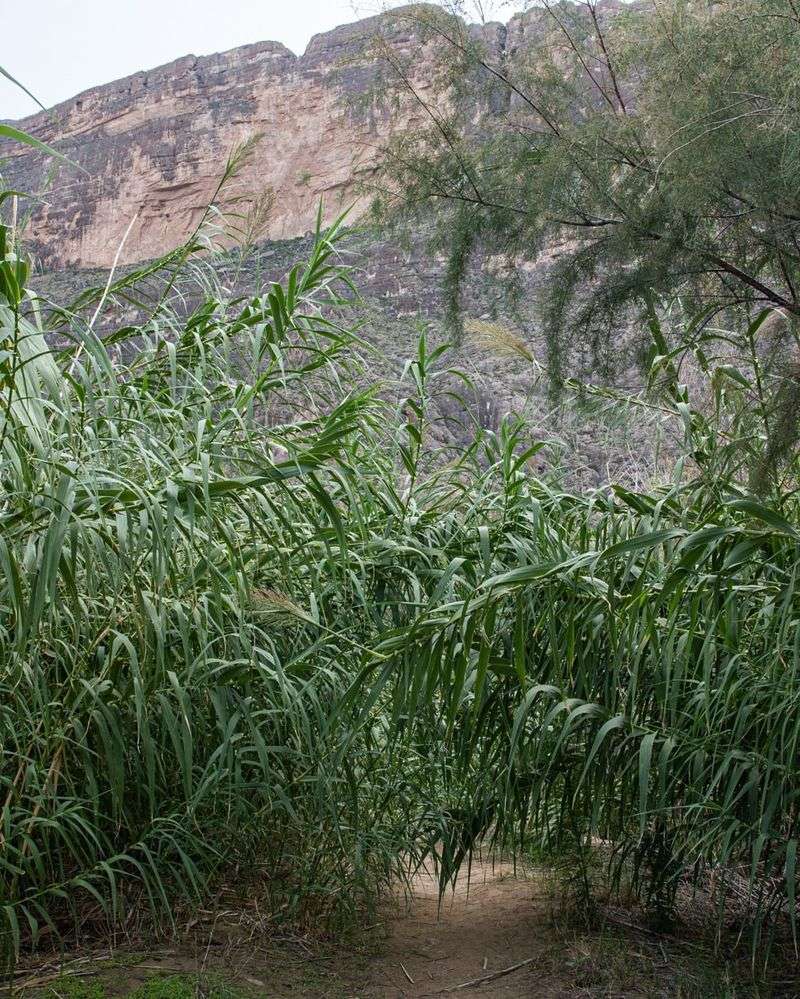
Towering up to twenty feet tall with bamboo-like stems and graceful plumes, giant reed might seem like an attractive privacy screen or ornamental grass for Missouri landscapes.
However, this Mediterranean native has earned a reputation as one of the world’s most invasive plants, and Missouri regulations prohibit its cultivation and sale.
Once established along waterways, giant reed spreads aggressively through underground rhizomes, forming dense stands that choke out native vegetation and alter entire ecosystems.
The plant’s massive root system destabilizes riverbanks, increasing erosion and flood risk during Missouri’s frequent storms and high-water events.
Wildlife suffers too, as giant reed thickets provide poor habitat compared to the diverse native plants they replace.
Birds, insects, and mammals all lose critical food sources and nesting sites when giant reed takes over.
Giant reed also poses fire hazards in areas where it grows, as dried canes burn intensely and can spread flames rapidly.
The plant’s ability to resprout quickly after cutting or burning makes eradication extremely difficult once it establishes.
Missouri conservation officials work constantly to control existing populations and prevent new introductions.
Gardeners seeking tall ornamental grasses have many legal alternatives that provide similar visual impact without ecological harm.
Native switchgrass, big bluestem, and Indiangrass all offer height, movement, and seasonal interest while supporting local wildlife.
These native grasses thrive in Missouri conditions and enhance rather than damage the natural environment, making them superior choices for responsible landscaping.
8. Kudzu (Pueraria Montana)
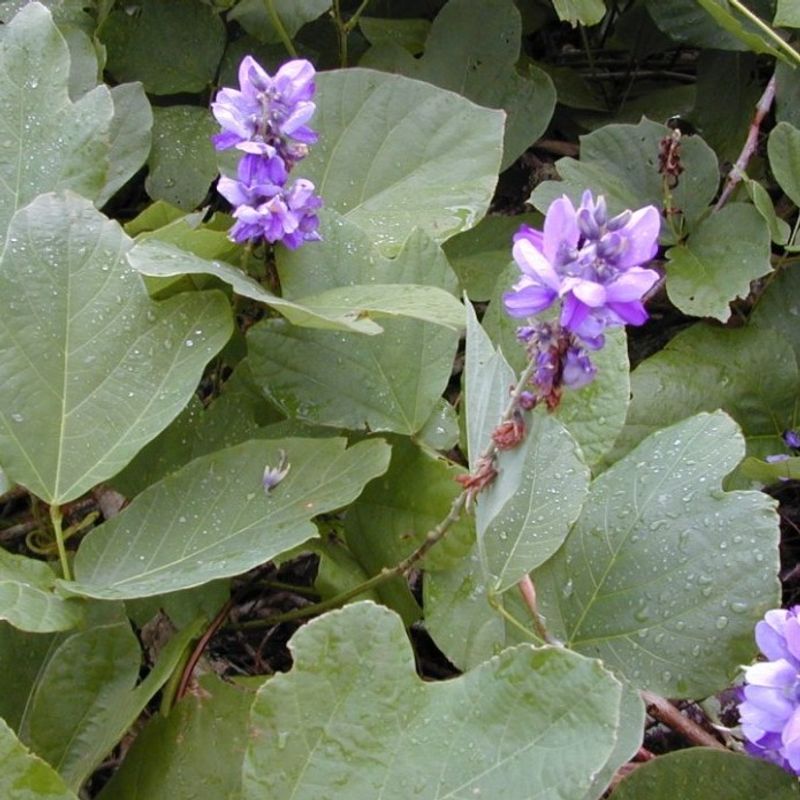
Nicknamed “the vine that ate the South,” kudzu has become a legendary symbol of invasive species gone wrong, and Missouri has joined many states in banning its intentional cultivation.
This aggressive climbing vine was originally introduced from Asia as an ornamental and later promoted for erosion control, but it quickly escaped cultivation and began swallowing entire landscapes.
Kudzu can grow up to a foot per day during summer, blanketing trees, buildings, and power lines under a suffocating green mass.
The vine’s incredible growth rate allows it to completely cover and shade out native plants, effectively eliminating biodiversity wherever it establishes.
Trees covered in kudzu cannot photosynthesize properly and eventually weaken or collapse under the vine’s weight.
Missouri’s climate, particularly in southern counties, provides suitable conditions for kudzu survival, making prevention critical.
State law lists kudzu as a noxious weed, meaning landowners must control existing populations and cannot intentionally plant or propagate it.
Violating these regulations can result in fines and mandatory removal at the landowner’s expense.
Even possessing kudzu plants or seeds for sale is prohibited under Missouri’s noxious weed statutes.
For erosion control and ground cover, Missouri gardeners have countless better options that won’t escape and destroy neighboring properties.
Native plants like wild ginger, Virginia creeper, and native grasses provide excellent soil stabilization while supporting local ecosystems.
These alternatives offer beauty and function without the nightmare scenario of watching your property disappear under an unstoppable green blanket.
9. Johnsongrass (Sorghum Halepense)
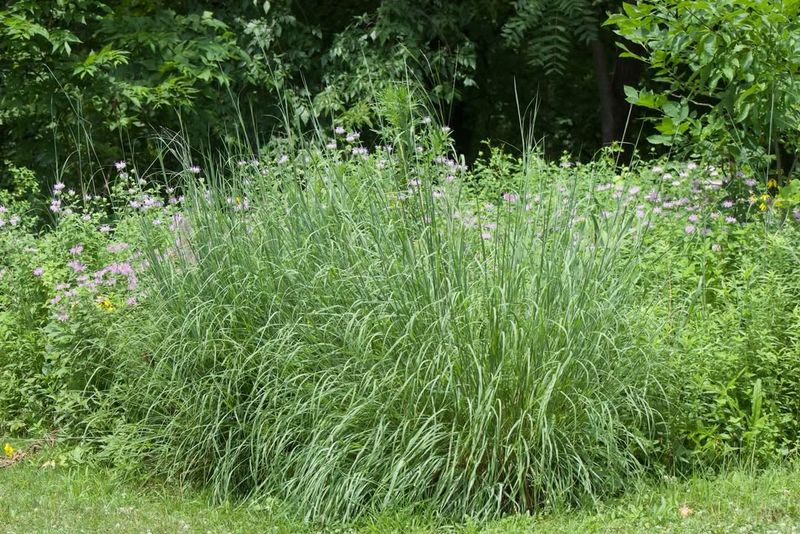
This tall perennial grass might look like an innocent relative of cultivated sorghum, but johnsongrass has earned federal noxious weed status and is illegal to intentionally grow anywhere in Missouri.
Originally introduced as a forage crop in the 1800s, johnsongrass quickly revealed its dark side, spreading aggressively through both seeds and rhizomes while resisting most control efforts.
The plant produces thousands of seeds per plant and develops extensive underground stems that can regenerate new plants from tiny fragments.
Johnsongrass causes millions of dollars in agricultural damage annually by invading crop fields, competing for water and nutrients, and reducing yields.
The grass also harbors crop diseases and pests, creating additional problems for Missouri farmers.
Young johnsongrass plants can accumulate toxic levels of cyanide compounds, potentially poisoning livestock that graze on it.
Federal and state regulations prohibit the sale, distribution, and intentional cultivation of johnsongrass, though it remains widespread as an accidental weed.
Landowners are encouraged to control existing populations before they spread further, and allowing johnsongrass to grow unchecked can result in enforcement actions.
The grass thrives in disturbed soils, roadsides, and field margins throughout Missouri.
If you need a tall ornamental grass for your landscape, native species like big bluestem or switchgrass provide similar height and texture without any invasive tendencies.
These natives actually benefit local wildlife and ecosystems while giving you the graceful movement and seasonal color that make ornamental grasses so appealing in modern landscaping designs.
10. Purple Loosestrife (Lythrum Salicaria)
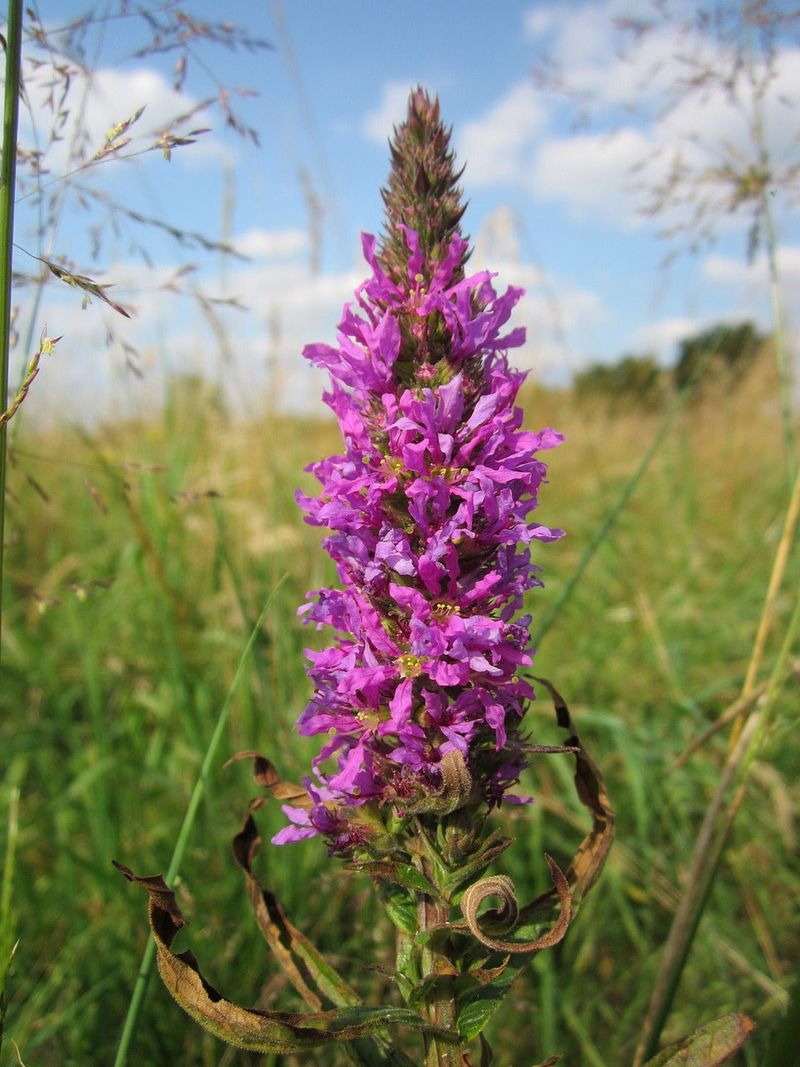
Few invasive plants combine beauty and destruction quite like purple loosestrife, whose gorgeous magenta flower spikes have made it a popular garden plant despite its devastating ecological impact.
Missouri law prohibits planting or selling purple loosestrife because it aggressively invades wetlands, marshes, and stream banks, forming dense stands that exclude native plants and wildlife.
A single mature plant can produce over two million seeds annually, and these seeds remain viable in soil for years, making eradication nearly impossible once populations establish.
Wetlands overtaken by purple loosestrife lose their ability to support native waterfowl, amphibians, and insects that depend on diverse native vegetation.
The plant provides poor food and habitat value compared to the native species it displaces, essentially creating biological deserts in what should be thriving ecosystems.
Missouri’s numerous rivers, streams, and wetlands face constant threat from purple loosestrife introductions.
Nurseries once sold purple loosestrife widely as a perennial garden plant, and many older gardens still contain established populations that continue spreading seeds into wild areas.
Sterile cultivars were developed and marketed as safe alternatives, but even these sometimes produce viable seeds through cross-pollination.
Missouri regulations ban all forms of purple loosestrife to prevent any risk of spread.
Gardeners who love purple flowers have many excellent legal alternatives.
Native ironweed, blazing star, and Joe-Pye weed all offer similar purple blooms while supporting butterflies, bees, and other pollinators.
These native plants thrive in Missouri conditions and enhance rather than harm local wetland ecosystems.
11. Water Hyacinth (Eichhornia Crassipes)

With its glossy leaves and stunning lavender flowers, water hyacinth looks like the perfect addition to backyard ponds and water gardens, but Missouri law strictly prohibits its cultivation and possession.
This South American native has become one of the world’s worst aquatic weeds, capable of doubling its population in just two weeks under favorable conditions.
Water hyacinth forms thick floating mats that completely cover water surfaces, blocking sunlight and depleting oxygen levels that fish and other aquatic life need to survive.
The plant’s buoyant structure allows it to float freely, meaning it easily escapes from garden ponds during floods or through careless disposal.
Once in natural waterways, water hyacinth spreads rapidly, clogging rivers, lakes, and irrigation channels.
The resulting mats interfere with boating, fishing, and water recreation while destroying aquatic ecosystems.
Missouri’s warm summers provide ideal conditions for water hyacinth growth, and the state’s interconnected waterways would allow rapid spread if populations established.
Even a single plant escaping from a backyard pond could spawn an infestation requiring expensive control efforts.
State regulations make it illegal to buy, sell, transport, or cultivate water hyacinth anywhere in Missouri.
Water gardeners have numerous legal floating plants to choose from, including native water lilies, lotus, and water lettuce alternatives that don’t pose invasion risks.
These legal options provide beauty and habitat for beneficial insects and amphibians while staying safely contained in your water feature without threatening Missouri’s natural aquatic ecosystems.
12. Brazilian Waterweed (Egeria Densa)
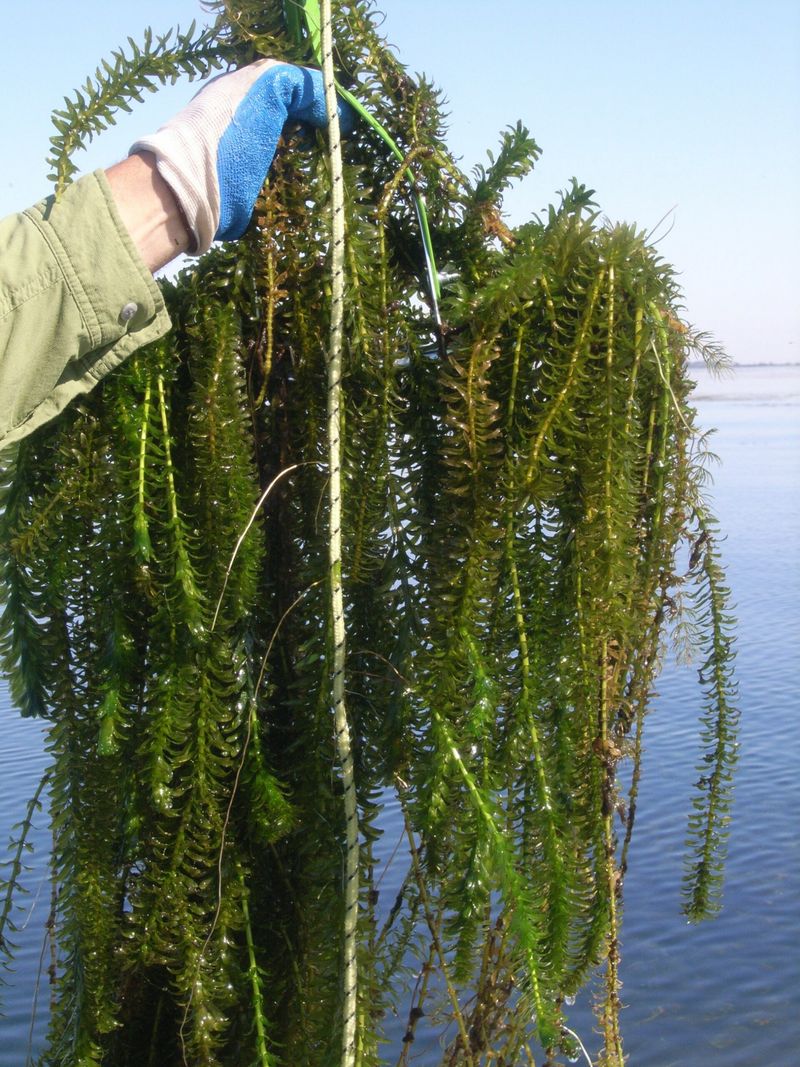
Aquarium hobbyists and pond owners have long appreciated Brazilian waterweed for its attractive appearance and oxygenating properties, but Missouri prohibits its cultivation due to serious invasive potential.
This submerged aquatic plant grows incredibly fast, producing dense underwater forests that choke out native vegetation and create navigation hazards in lakes and slow-moving streams.
Brazilian waterweed reproduces primarily through fragmentation, meaning any broken piece can drift downstream and establish a new colony.
The plant thrives in Missouri’s climate and water conditions, making it particularly dangerous if introduced to natural waterways.
Dense growths interfere with swimming, boating, and fishing while degrading habitat for native fish and invertebrates.
When Brazilian waterweed beds become too thick, they actually reduce oxygen levels at night, creating conditions that harm rather than help aquatic life.
Many people unknowingly introduce Brazilian waterweed by dumping aquarium contents into local waters or by failing to properly dispose of pond cleanings.
Even small amounts of plant material can establish populations that cost thousands of dollars to control.
Missouri regulations prohibit not just cultivation but also sale, distribution, and transport of this species.
Aquarium enthusiasts have many legal alternatives for planted tanks, including anacharis species that are less invasive and equally attractive.
For pond oxygenation, native submerged plants like coontail and various pondweeds provide the same benefits while supporting local aquatic ecosystems.
Choosing legal plants protects Missouri’s water resources while still allowing you to enjoy beautiful, healthy aquatic environments in your home or garden.
13. Hydrilla (Hydrilla Verticillata)
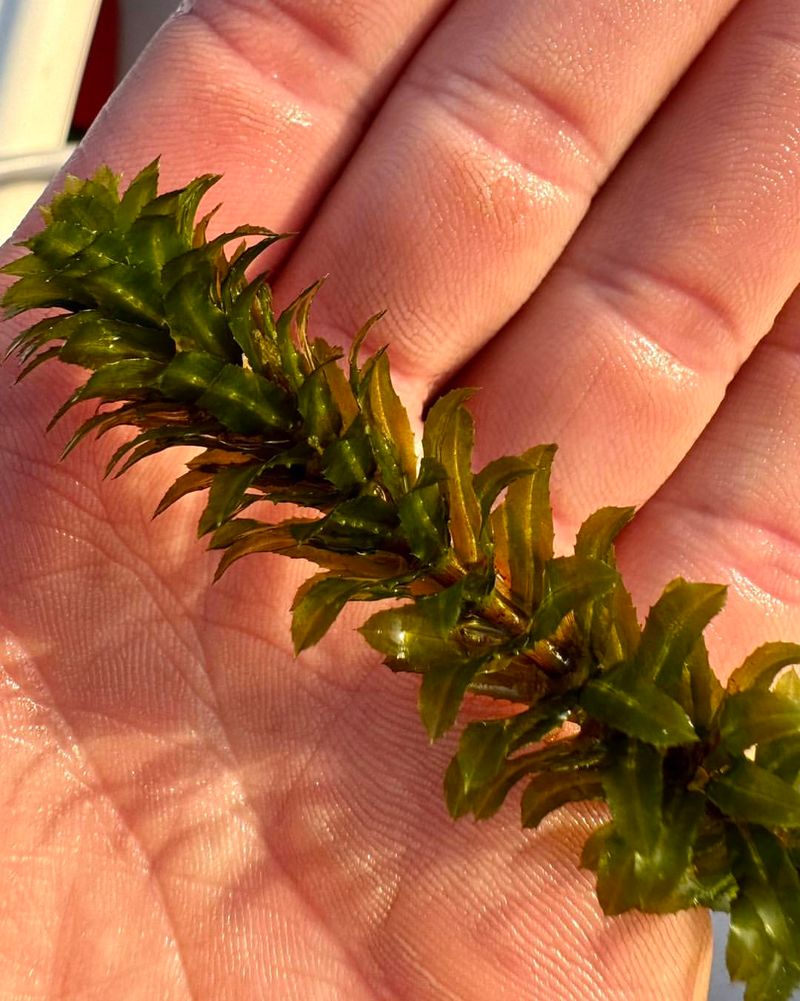
Often called the perfect aquatic weed, hydrilla combines aggressive growth, multiple reproduction methods, and extreme resilience into one of the most problematic invasive plants in the United States.
Missouri maintains strict regulations prohibiting hydrilla cultivation, possession, sale, and transport because of the catastrophic damage it causes to aquatic ecosystems and water-based recreation.
This submerged plant can grow over an inch per day, quickly forming impenetrable underwater jungles that render lakes and rivers virtually unusable.
Hydrilla reproduces through fragmentation, underground tubers, specialized stem structures called turions, and occasionally seeds, giving it multiple pathways to spread and survive.
The plant can grow in water up to twenty feet deep and tolerates a wide range of conditions, making it extremely difficult to control once established.
Boaters unknowingly spread hydrilla fragments between water bodies on trailers and equipment, causing new infestations miles away.
Missouri has invested heavily in preventing hydrilla establishment, as control costs can reach millions of dollars annually in affected water bodies.
The plant’s dense growth clogs boat propellers, makes swimming impossible, and destroys habitat for native fish and waterfowl.
Federal and state agencies consider hydrilla one of the highest-priority invasive species for prevention and early detection.
Water gardeners should avoid any temptation to use hydrilla, despite its occasional availability through online sources.
Legal aquatic plants provide all the aesthetic and functional benefits without risking ecological disaster.
Protecting Missouri’s lakes, rivers, and streams from hydrilla requires everyone’s cooperation in refusing to cultivate or transport this destructive invader.
14. Mile-A-Minute Vine (Persicaria Perfoliata)
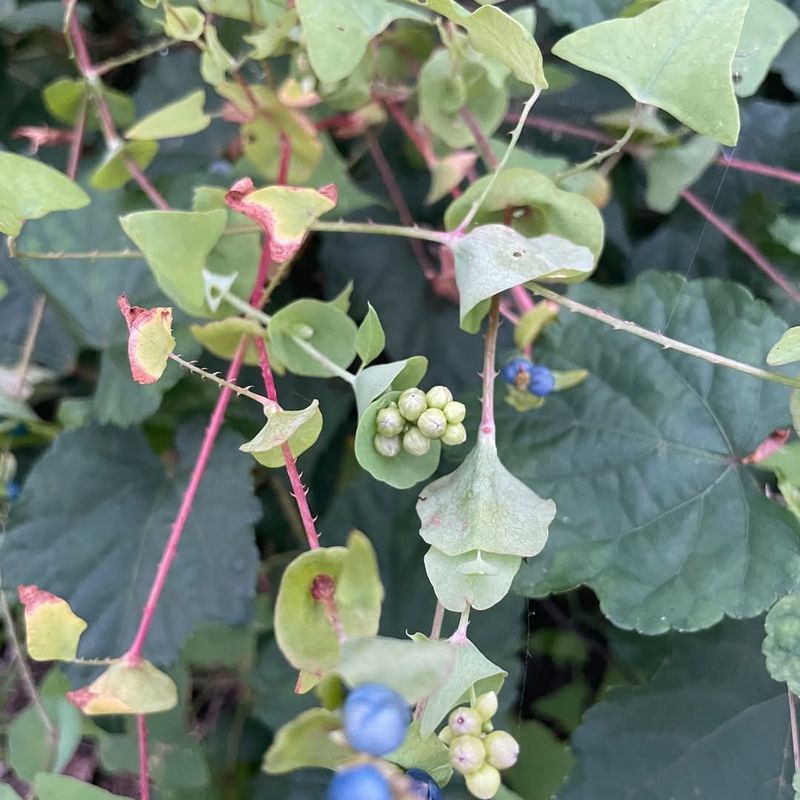
Named for its astonishing growth rate, mile-a-minute vine can extend up to six inches daily, rapidly smothering everything in its path with a tangle of barbed stems and distinctive triangular leaves.
Missouri prohibits cultivation of this Asian native because of its ability to completely overtake landscapes, gardens, and natural areas within a single growing season.
The vine’s recurved barbs help it climb over other vegetation, forming dense blankets that block sunlight and collapse plants under its weight.
Mile-a-minute vine produces attractive metallic blue berries that birds readily eat and disperse, spreading seeds across wide areas.
Each plant can generate thousands of seeds that remain viable in soil for several years, creating persistent seed banks that enable repeated infestations.
The vine particularly threatens forest edges, stream banks, and disturbed areas where it can establish quickly and spread into surrounding habitats.
While currently more problematic in eastern states, mile-a-minute vine has the potential to invade Missouri if introduced.
State regulations aim to prevent establishment by prohibiting intentional cultivation and requiring control of any accidental introductions.
The vine’s rapid growth overwhelms native plants before they can compete, fundamentally altering plant communities.
Gardeners seeking fast-growing vines have many legal options that provide quick coverage without invasive tendencies.
Native trumpet creeper, Virginia creeper, and various clematis species offer rapid growth and attractive flowers or fall color.
These alternatives give you the screening and vertical interest you want while maintaining ecological balance and staying on the right side of Missouri’s plant regulations.