14 Surprising Reasons You Should Think Twice Before Chasing Possums Out Of Your Mississippi Yard
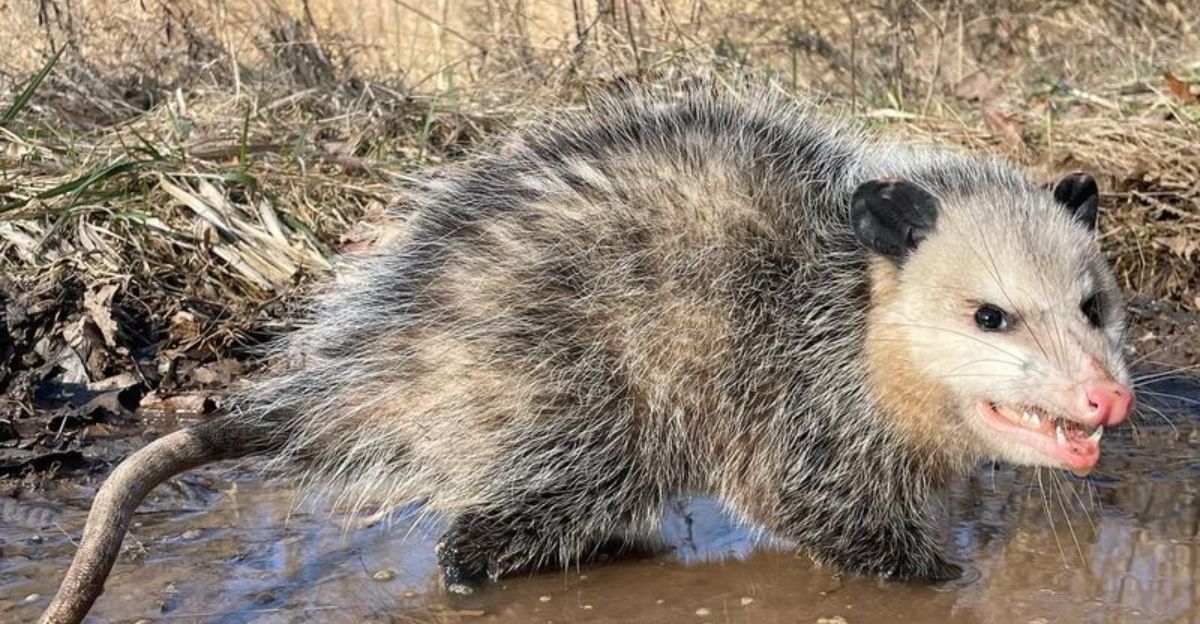
Spotting a possum in your Mississippi backyard may trigger the instinct to chase it off, but you might be surprised to learn that this slow-moving marsupial is more friend than foe.
Despite their spooky hiss and nighttime wanderings, possums quietly perform a long list of services that benefit your yard, your pets, and even your health.
They devour ticks by the thousands, clean up fallen fruit, reduce venomous snake encounters, and rarely carry rabies—contrary to popular belief.
In Mississippi’s warm, humid climate, where pests thrive and wildlife interactions are common, having a possum around can be an unexpected blessing.
Chasing them away not only disrupts the natural balance but may also remove one of the most effective, low-maintenance pest control systems you could ever have.
Before you shoo away the next possum crossing your lawn, consider the surprising ways this misunderstood creature is actually helping your yard stay cleaner, safer, and healthier.
1. Natural Pest Control You Never Knew You Needed

Your Mississippi yard is crawling with critters you would rather not see, and possums are surprisingly effective at managing them.
Roaches, beetles, crickets, and slugs make up a huge part of their nightly menu.
They also munch on small rodents like mice that can spread disease and ruin stored goods.
Gardens across the South struggle with insect damage every growing season.
Chemical sprays can harm beneficial bugs and pollinators, plus they cost money and require regular application.
Possums offer a completely free, natural alternative that works around the clock.
Because they are opportunistic feeders, possums patrol your property looking for whatever is easiest to catch.
This means they target the pests that are most abundant, keeping populations in check without you lifting a finger.
Their presence can reduce the need for traps, baits, and other control methods.
Instead of viewing them as pests themselves, think of possums as unpaid pest management specialists.
They quietly handle problems you might not even notice until they become serious.
Letting them roam freely can save you time, money, and frustration throughout the year.
2. Snake Reduction You Will Notice In Your Yard
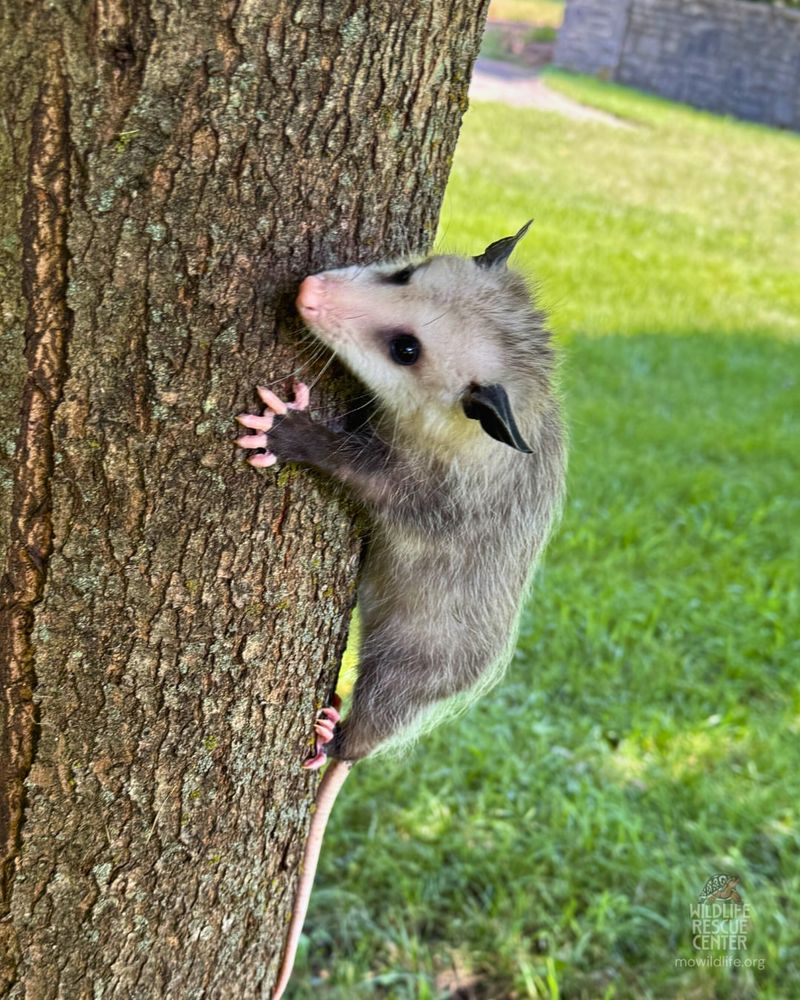
Venomous snakes like copperheads and cottonmouths are common in Mississippi, especially near wooded areas and water sources.
Possums actively hunt young snakes, reducing the chance of a dangerous encounter near your home.
While they cannot take down large adult snakes, they target juveniles and eggs with impressive efficiency.
Many homeowners worry about snakebites, particularly if children or pets play outside.
Traditional snake deterrents like fencing and repellents have mixed results and can be expensive to maintain.
Possums provide a natural, ongoing form of snake control that requires no installation or upkeep.
Their resistance to certain snake venoms gives them an advantage when hunting these reptiles.
This does not mean they are completely immune, but it does allow them to take risks other animals avoid.
By keeping snake populations lower, possums indirectly protect your family and pets.
Fewer snakes mean fewer anxious moments when you step outside after dark or reach into a garden bed.
This peace of mind is worth a lot, especially in rural or semi-rural areas where snake sightings are frequent.
Welcoming possums into your yard can make outdoor activities safer and more enjoyable for everyone.
3. Tick Removal Experts Working For Free
Ticks are a serious concern across the South, spreading Lyme disease, Rocky Mountain spotted fever, and other illnesses.
Possums are meticulous groomers, and during their nightly grooming sessions they eat thousands of ticks each season.
Research suggests a single possum can consume over 5,000 ticks in one year, making them incredibly effective tick controllers.
Unlike chemical treatments that require repeated applications and can harm pets, possums offer a safe, sustainable solution.
They roam your property picking up ticks as they move through grass, leaf litter, and underbrush.
Every tick they eat is one less tick that could latch onto you, your kids, or your pets.
Mississippi summers are prime tick season, and outdoor activities become risky without proper precautions.
Having possums around reduces the overall tick population, lowering your exposure risk significantly.
This benefit alone can make a huge difference in your family’s health and comfort.
Instead of relying solely on sprays, repellents, and tick checks, consider the possum your silent partner in tick prevention.
Their natural behavior does the heavy lifting, and you reap the rewards without lifting a finger.
Protecting them means protecting yourself from some of the most dangerous pests in the region.
4. Nighttime Clean Up Crew That Protects Your Property
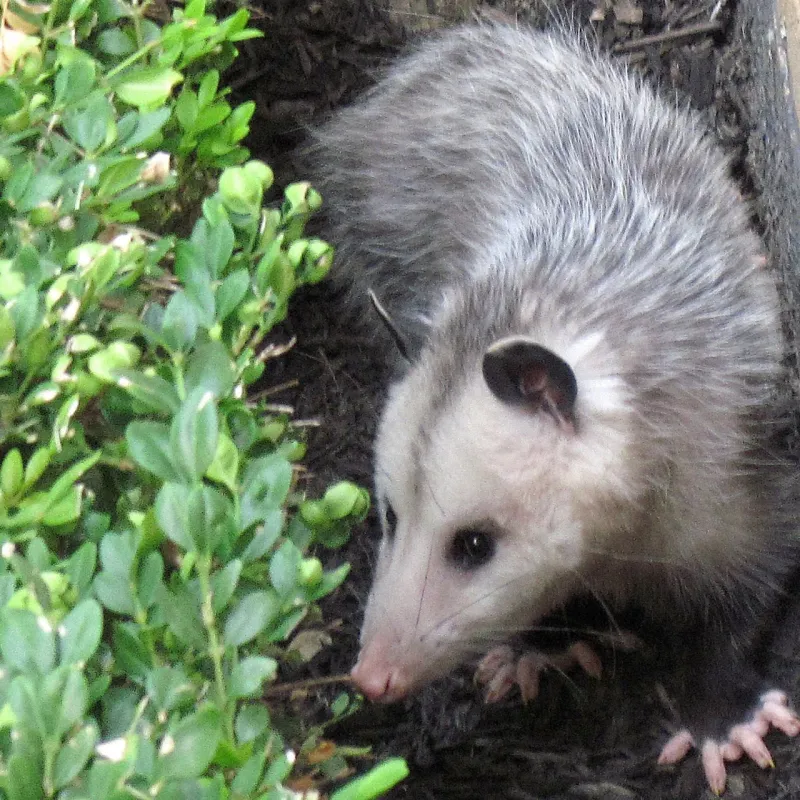
Fallen fruit, pet food left outside, and food scraps can attract unwanted visitors like raccoons, coyotes, and stray dogs.
Possums eat these leftovers quickly, removing the temptation before larger, more aggressive animals show up.
This keeps your yard cleaner and reduces the risk of dangerous encounters with wildlife.
Raccoons can be destructive, tearing into garbage cans and damaging property in search of food.
Coyotes pose a threat to small pets and can become bold if they find easy meals near homes.
By eating the food sources that attract these animals, possums act as a first line of defense.
They also consume carrion, which can otherwise create foul odors and attract flies and other scavengers.
Removing these organic materials quickly keeps your yard smelling fresh and looking tidy.
This sanitation service is especially valuable in warm, humid climates like Mississippi, where decomposition happens fast.
Think of possums as your overnight maintenance team, quietly tidying up messes you might not even notice.
Their scavenging habits prevent bigger problems from developing and make your outdoor spaces more pleasant.
Letting them do their job means less work for you and fewer worries about what might wander into your yard next.
5. Low Disease Risk Compared To Other Wildlife
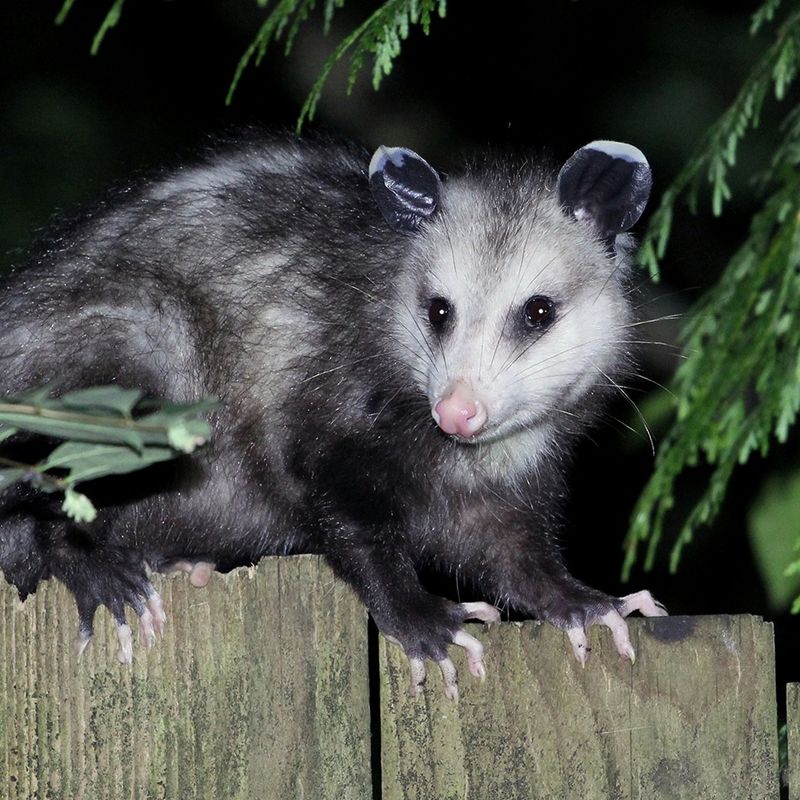
One of the biggest myths about possums is that they carry rabies, but their body temperature is actually too low for the rabies virus to survive.
This makes them far safer than raccoons, skunks, and foxes, which are common rabies carriers in Mississippi.
While no wild animal is completely risk-free, possums pose significantly less danger to humans and pets.
Many homeowners fear wildlife because of disease transmission, and that concern is valid for some species.
Raccoons can carry rabies, distemper, and roundworm parasites that are harmful to pets and people.
Possums, on the other hand, have a much cleaner bill of health and are less likely to spread serious illnesses.
Their lower body temperature also makes them less hospitable to other pathogens that thrive in warmer-blooded animals.
This natural defense system keeps them healthier and reduces the chance of transmitting disease through bites or scratches.
Since they are also non-aggressive, bites are extremely rare in the first place.
If you are worried about wildlife health risks, possums are one of the safest yard visitors you could hope for.
Their presence does not increase disease risk the way other animals might, and they offer numerous benefits without the downsides.
Understanding this can help you feel more comfortable sharing your space with them.
6. Gentle Temperament Misunderstood By Most Homeowners
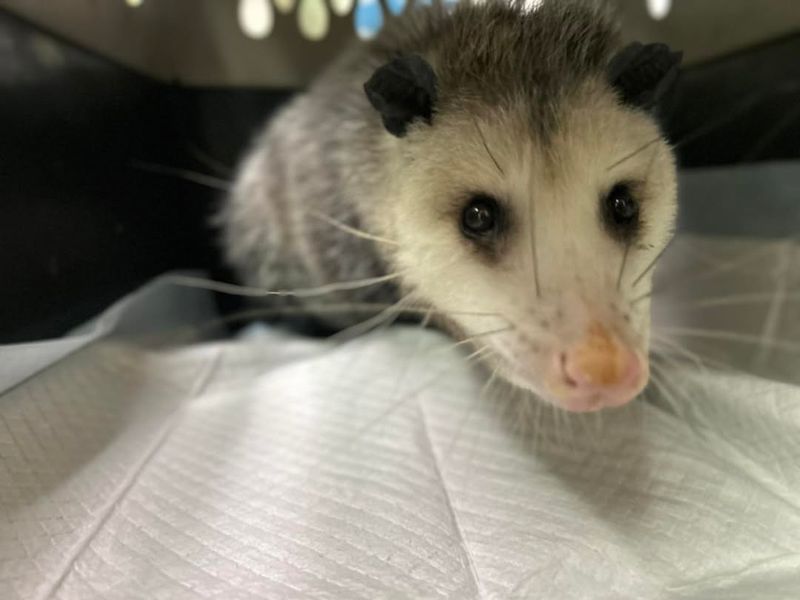
Possums have an intimidating appearance with their sharp teeth and rat-like tails, but their behavior is anything but aggressive.
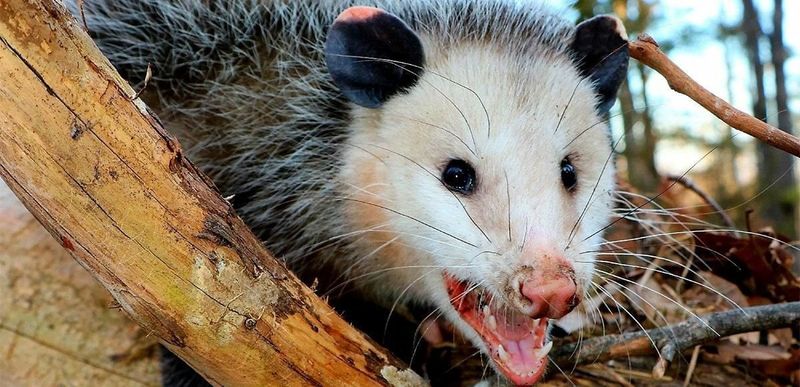
When threatened, they hiss, bare their teeth, and sometimes drool, but this is all bluff.
If the threat continues, they often play dead, a behavior called thanatosis, which can last for hours.
This defensive strategy is completely involuntary, like fainting, and shows just how non-confrontational these animals are.
They would much rather flee or freeze than fight, making them safer than many other yard visitors.
Even if cornered, they rarely bite, and when they do, it is usually a last resort.
Compare this to raccoons, which can be territorial and aggressive, especially when protecting young or food sources.
Possums simply do not have that aggressive instinct, and they avoid conflict whenever possible.
Their gentle nature makes them ideal neighbors, especially for families with children and pets.
Understanding their behavior helps reduce fear and encourages coexistence.
That scary hissing possum in your garage is probably more terrified of you than you are of it.
Giving them space and letting them move on naturally is usually the best approach, and they will leave without causing any trouble.
7. Immune System Advantage That Protects Your Animals
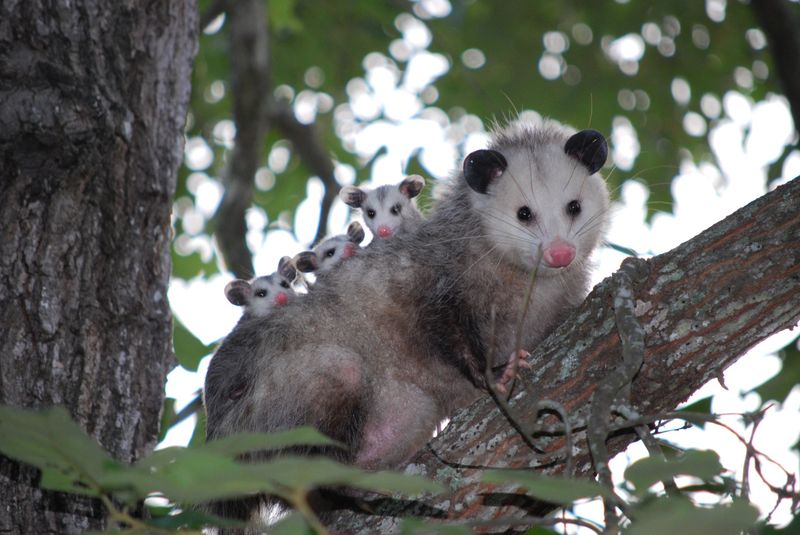
Possums have a unique immune system that resists many diseases common in Southern wildlife, including some snake venoms and bacterial infections.
This resistance helps them survive encounters that would harm or end other animals.
Their presence in your yard does not introduce the same health risks as other wildlife species.
Some research suggests possums produce a peptide that neutralizes certain toxins, giving them an edge in environments full of venomous snakes and insects.
This natural defense is fascinating and makes them one of the hardiest animals in Mississippi ecosystems.
While they are not invincible, their resilience is impressive and beneficial for your property.
Because they are less likely to carry diseases, they pose less risk to your pets and livestock.
Dogs and cats that encounter possums are unlikely to contract serious illnesses, unlike encounters with raccoons or skunks.
This makes possums one of the safer wild neighbors your pets could have.
Their robust immune system also means they can handle environments with higher pathogen loads without spreading disease further.
This ecological role helps keep your yard healthier overall, reducing the circulation of harmful bacteria and viruses.
Appreciating their biological advantages can shift your perspective from fear to respect and even gratitude for their presence.
8. Soil Aeration Helpers Without Even Trying
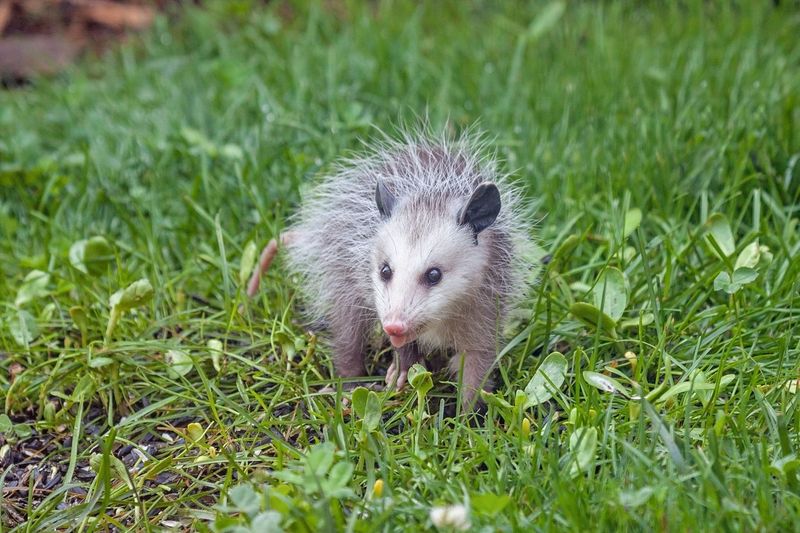
Healthy soil needs air circulation to support beneficial microbes, roots, and decomposition processes.
Possums naturally turn over leaf litter and lightly dig through topsoil while foraging for insects and grubs.
This gentle disturbance improves soil structure and helps organic matter break down faster.
Unlike armadillos, which tear up lawns with deep digging, possums create minimal surface disruption.
Their foraging is more like a light raking, which actually benefits gardens by mixing nutrients into the soil.
This process encourages earthworm activity and microbial growth, both essential for plant health.
Gardeners spend time and money on aeration tools and compost to improve soil quality.
Possums do some of this work for free, simply by following their natural feeding habits.
Their nightly patrols keep your garden soil loose and biologically active without any effort on your part.
Better soil means stronger plants, healthier lawns, and more productive vegetable gardens.
The indirect benefits of having possums around extend well beyond pest control and sanitation.
They contribute to a thriving ecosystem that supports everything growing in your yard, making them valuable allies for anyone who loves gardening or landscaping.
9. Compost Pile Partners That Reduce Waste
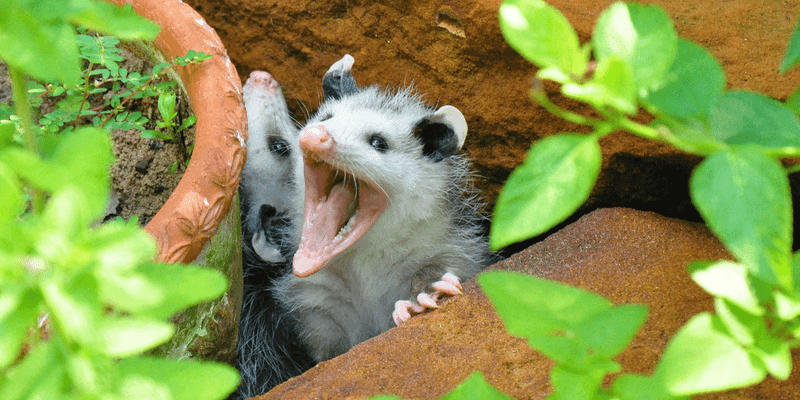
Composting is a great way to reduce household waste and create nutrient-rich soil for your garden.
Possums love compost piles because they are full of insects, worms, and food scraps that are easy to access.
Their presence actually helps speed up the decomposition process by eating pests and turning over materials.
Fruit flies, roaches, and other unwanted insects are drawn to compost, especially in warm weather.
Possums eat these pests, keeping your compost area cleaner and less likely to attract larger scavengers.
This makes composting more pleasant and reduces the chance of smells or infestations.
They also consume kitchen scraps like fruit peels, vegetable trimmings, and leftover grains that might otherwise sit too long.
By eating these materials, they help break down organic matter faster and keep the compost pile balanced.
This natural recycling system is efficient and requires no extra work from you.
Some people worry about animals getting into compost, but possums are actually beneficial visitors.
Unlike raccoons, they do not make a mess or scatter materials everywhere.
They eat what they need and move on, leaving your compost pile better off than before and contributing to a healthier, more sustainable yard ecosystem.
10. No Property Damage Compared To Other Wildlife
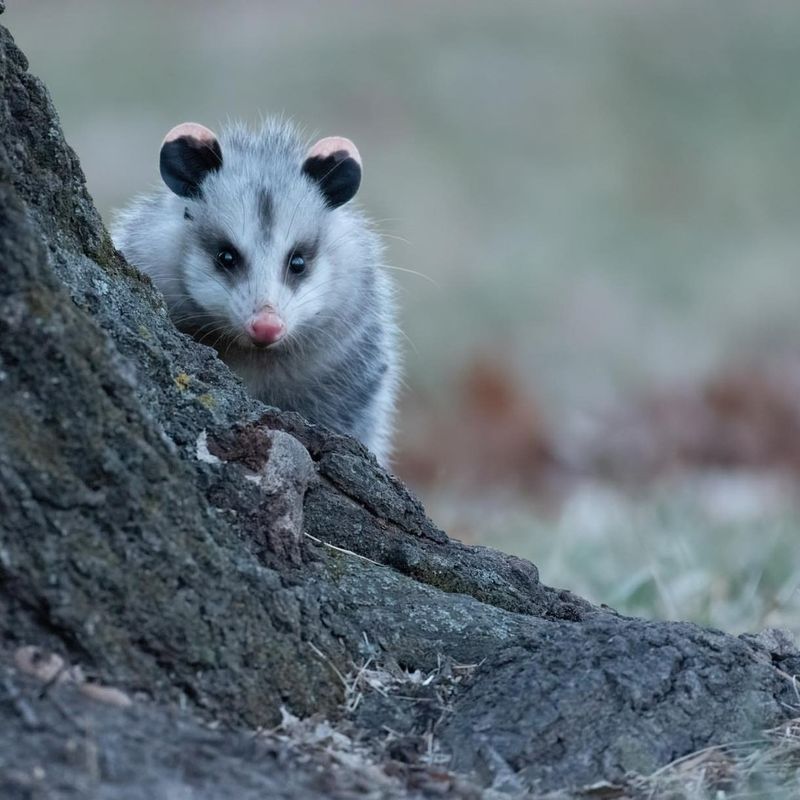
Raccoons are notorious for tearing into attics, ripping up insulation, and damaging roofing materials in search of shelter.
Possums, on the other hand, rarely cause structural damage and prefer temporary shelters like brush piles or hollow logs.
They do not chew through wires, tear up siding, or destroy insulation the way raccoons and squirrels often do.
This low-impact behavior makes them far less costly and frustrating to have around.
Homeowners can spend hundreds or even thousands of dollars repairing damage from destructive wildlife.
Possums simply do not create those problems, making them one of the most benign yard visitors you could encounter.
They also do not dig extensive burrows like armadillos or groundhogs, which can undermine foundations and create tripping hazards.
Their temporary dens are shallow and abandoned quickly, leaving no lasting impact on your property.
This transient lifestyle means they move through without leaving a trace.
If you are concerned about wildlife damage, possums should be at the bottom of your worry list.
They offer benefits without the drawbacks that come with other species, making them ideal neighbors for anyone who values their home and property.
Encouraging them to stay is a smart choice that protects both your yard and your wallet.
11. Garden Protection You Might Overlook
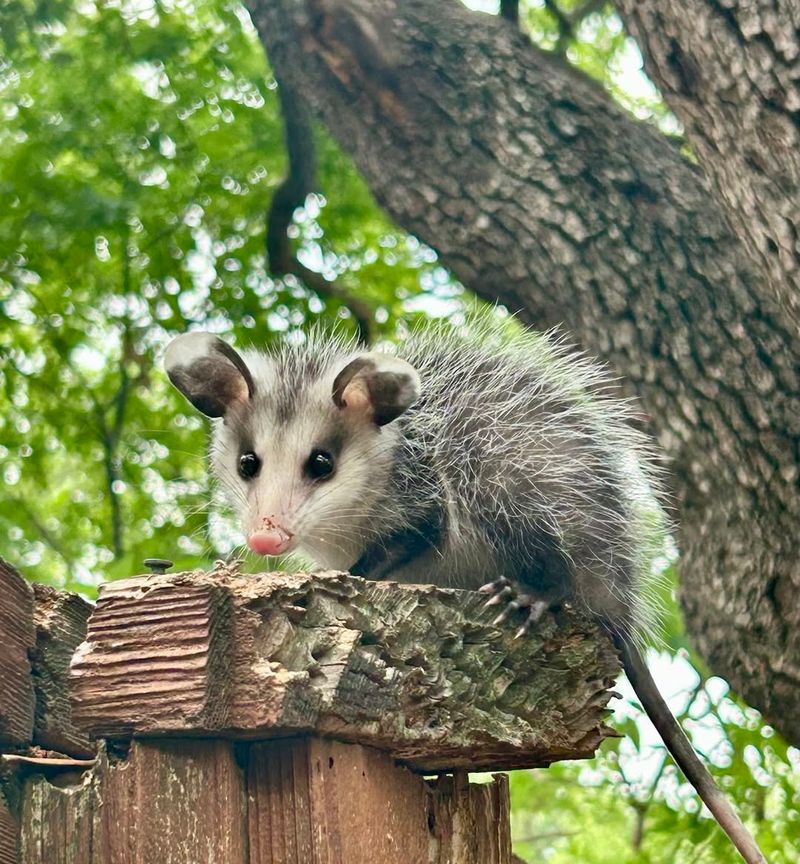
Slugs and snails are some of the most destructive pests in Mississippi vegetable gardens, devouring tender seedlings and leafy greens overnight.
Possums consider these slimy pests a delicacy and will actively hunt them in your garden beds.
This natural form of pest control is especially valuable for organic gardeners who avoid chemical pesticides.
Traditional slug control methods include beer traps, copper barriers, and hand-picking, all of which require time and effort.
Possums do this work for you, patrolling your garden after dark and eating slugs and snails before they can do serious damage.
Their nighttime activity aligns perfectly with when these pests are most active.
Many gardeners lose entire crops to slug infestations, especially during wet springs and summers.
Having possums around can mean the difference between a thriving garden and a disappointing harvest.
Their appetite for these pests protects your investment of time, seeds, and soil amendments.
Beyond slugs and snails, possums also eat beetles, caterpillars, and other insects that chew through leaves and stems.
This comprehensive pest control keeps your plants healthier and more productive throughout the growing season.
Welcoming possums into your garden is like hiring a free, round-the-clock security team that never takes a night off.
12. Beneficial Scavengers That Prevent Smells And Flies
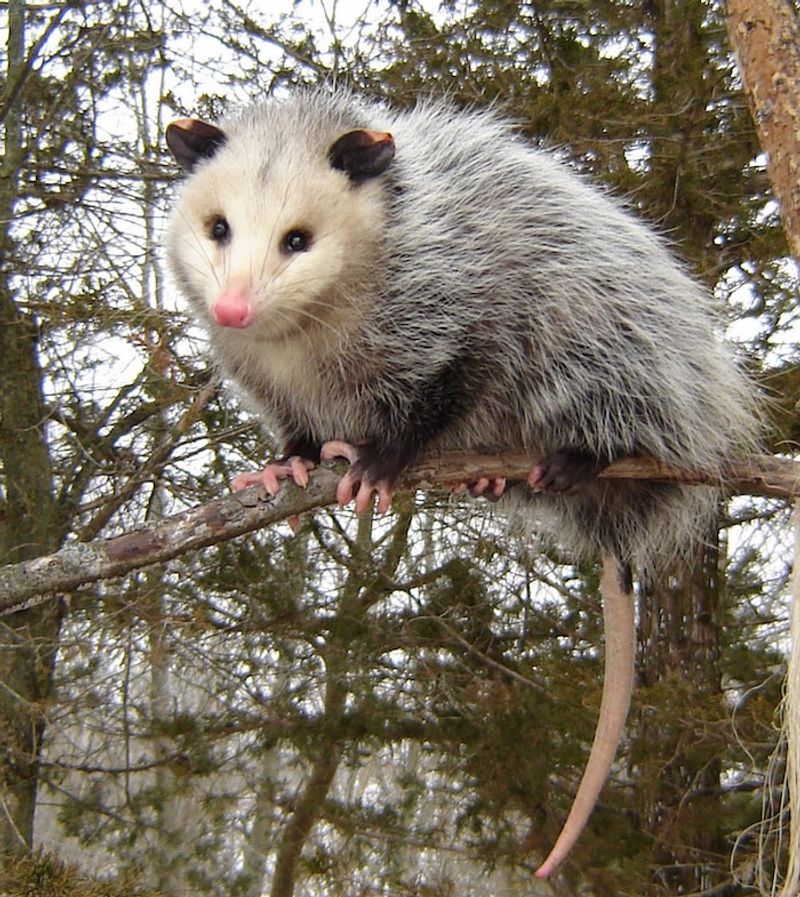
Organic waste like fallen animals, spoiled food, and other decaying matter can create terrible odors and attract swarms of flies.
Possums are efficient scavengers that consume this material quickly, preventing it from becoming a bigger problem.
Their work keeps your yard smelling fresh and reduces the presence of disease-carrying insects.
Flies breed rapidly in warm, humid climates like Mississippi, and decaying organic matter provides ideal breeding sites.
By removing carrion and other waste, possums eliminate these breeding grounds before fly populations explode.
This reduces the annoyance of buzzing pests and lowers the risk of fly-borne illnesses.
Homeowners often do not realize there is waste in their yard until it becomes a noticeable problem.
Possums handle it before you even know it is there, quietly disposing of materials that could otherwise attract larger scavengers.
This proactive cleanup service is one of their most underappreciated contributions.
Without possums, you might need to deal with unpleasant odors, increased fly activity, and the hassle of manually removing waste.
Their scavenging saves you time, effort, and discomfort, making your outdoor spaces more enjoyable.
Recognizing their role as sanitation workers can help you appreciate their presence and the value they bring to your property every single night.
13. Harmless Travelers Passing Through
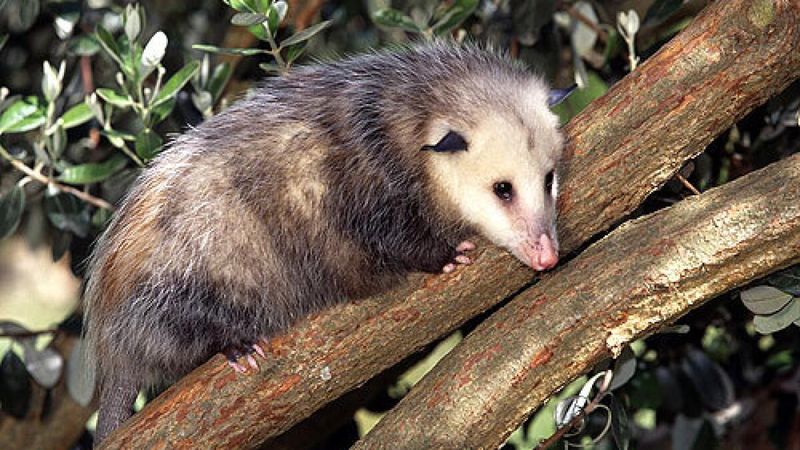
Possums are nomadic by nature, constantly moving from one area to another in search of food and shelter.
Most individuals stay in one location for only a few days before moving on to new territory.
This transient lifestyle means any possum you see is likely just passing through, not setting up permanent residence.
Many homeowners panic when they spot wildlife, assuming it will become a long-term problem.
With possums, this is rarely the case, and they usually disappear on their own without any intervention.
Patience and tolerance are often all you need, as they will naturally continue their journey.
Unlike raccoons or skunks that may den in your attic or under your porch for weeks or months, possums prefer temporary shelters.
They might rest in a brush pile or hollow log for a night or two, then move on.
This low-impact behavior makes them one of the easiest wild animals to coexist with.
Attempting to remove or relocate possums is often unnecessary and can actually be harmful to the animal.
Stressing them out or moving them to unfamiliar territory reduces their chances of survival.
Simply allowing them to pass through naturally is the kindest and most effective approach, and you will likely never see that particular possum again anyway.
14. Legally Protected From Certain Removal Practices
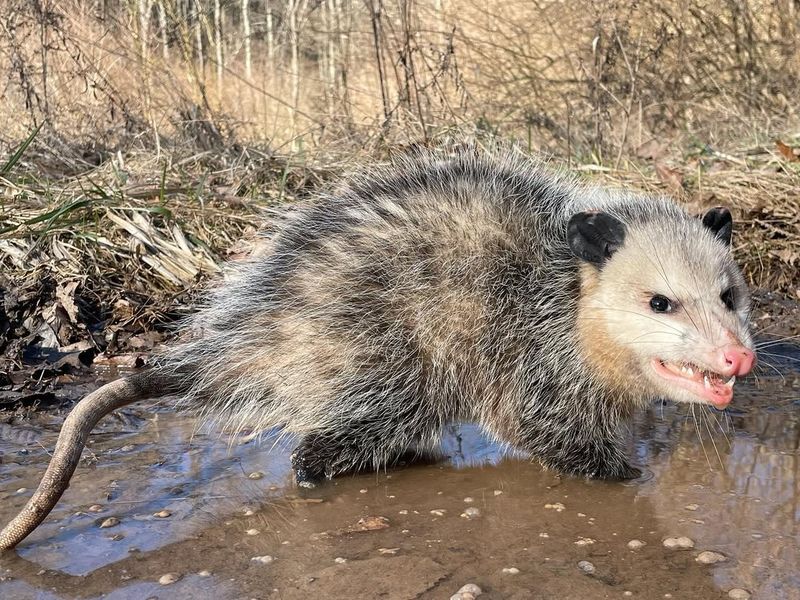
Mississippi wildlife regulations require humane treatment of all animals, including possums, and certain removal practices are restricted or prohibited.
Relocating wildlife without proper permits can violate state law and result in fines or other penalties.
Understanding these legal protections helps homeowners make informed, lawful decisions about wildlife management.
Many people assume they can simply trap and relocate any animal they find on their property, but this is not always legal or ethical.
Possums relocated to unfamiliar areas often struggle to survive, facing increased predation, starvation, and stress.
Humane coexistence is not only kinder but also more effective and legally sound.
If you have concerns about a possum on your property, contacting a licensed wildlife professional is the best approach.
These experts understand state regulations and can offer solutions that comply with the law while addressing your concerns.
DIY removal methods can backfire and create legal complications you did not anticipate.
Respecting wildlife laws protects both animals and property owners, creating a balanced approach to coexistence.
Possums provide valuable ecological services, and the law recognizes their importance by requiring humane treatment.
Learning to live alongside them benefits everyone, supporting healthier ecosystems and reducing unnecessary conflicts between humans and wildlife in Mississippi communities.