10 Surprising Reasons Your Homegrown Tomatoes Lack Flavor In Michigan

Growing tomatoes in Michigan should be a rewarding and enjoyable experience, but many gardeners find themselves disappointed when harvest time finally arrives.
Instead of the juicy, richly flavored tomatoes they imagined all summer, they end up with bland, watery fruits that lack the sweetness and depth they were hoping for.
This is especially frustrating after months of careful watering, pruning, and tending to each plant.
Understanding the real reasons your homegrown tomatoes lack flavor can make a dramatic difference in your results, helping you avoid common mistakes and produce the vibrant, delicious tomatoes you’ve always wanted.
With the right knowledge, even challenging northern climates can yield exceptional results. Here are ten surprising reasons your tomatoes may be falling short in the flavor department.
1. Choosing The Wrong Tomato Varieties For Cool Climates
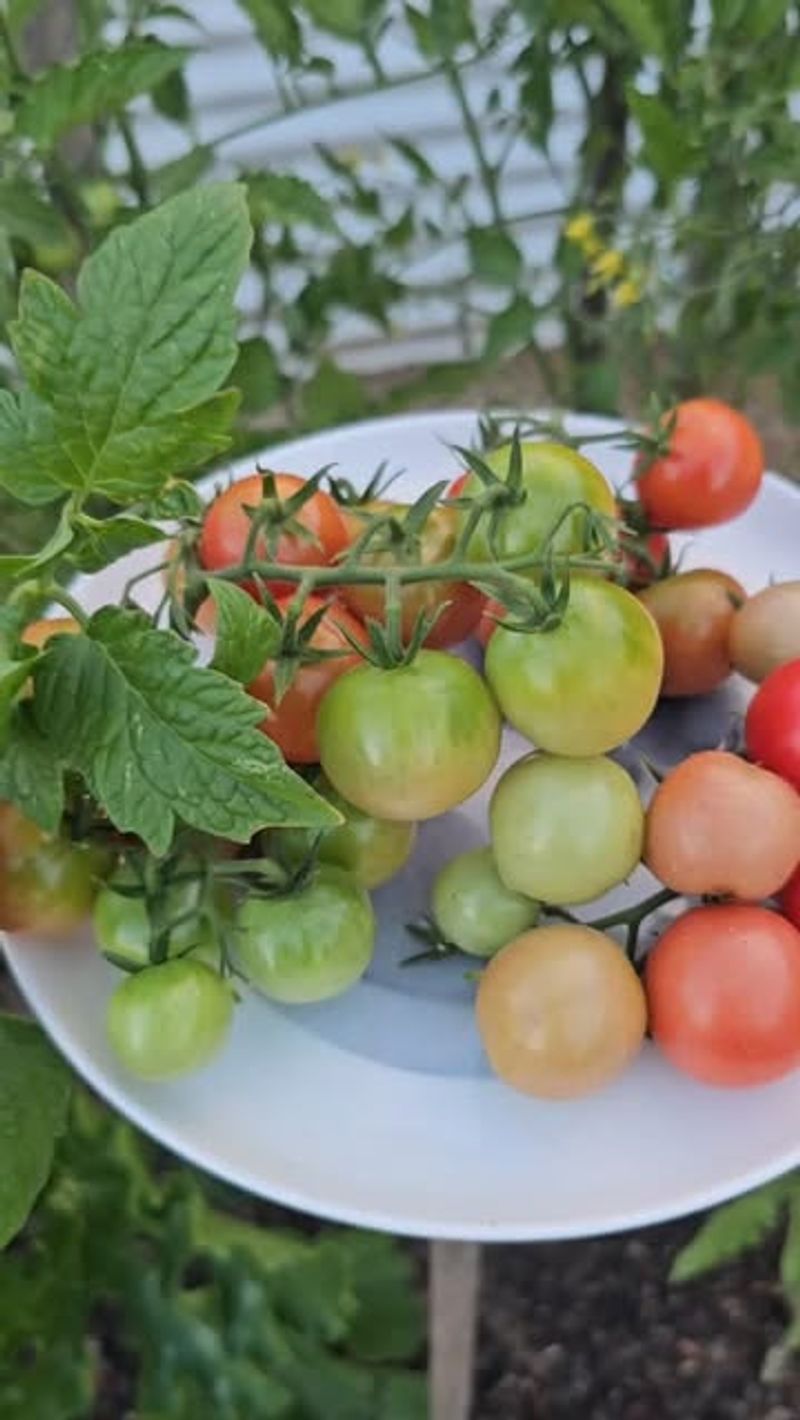
Not all tomato varieties thrive in the shorter growing seasons found across Michigan.
Many gardeners select varieties bred for warmer, longer seasons, which simply cannot develop their full flavor potential in cooler northern climates.
These tomatoes need more accumulated heat and sunshine hours than the Upper Midwest typically provides.
Selecting early-maturing varieties specifically bred for northern regions makes a tremendous difference in flavor development.
Look for varieties with 60-75 day maturity times rather than those requiring 85-100 days.
Popular choices include Early Girl, Stupice, and Manitoba, which have been specially developed to produce flavorful fruits even with limited heat.
Heirloom varieties adapted to cooler climates often deliver superior taste compared to generic hybrids.
Varieties like Paul Robeson, Black Krim, and Brandywine (when given proper care) can produce exceptional flavor in northern gardens.
Research which varieties perform best in your specific USDA hardiness zone, as Michigan span zones 3-6.
Your local cooperative extension office can provide excellent recommendations for varieties that consistently perform well in your area.
Talking with experienced local gardeners at farmers markets or garden clubs also yields valuable variety suggestions.
Investing time in variety selection upfront pays dividends in flavor at harvest time.
2. Watering Inconsistently Throughout The Growing Season
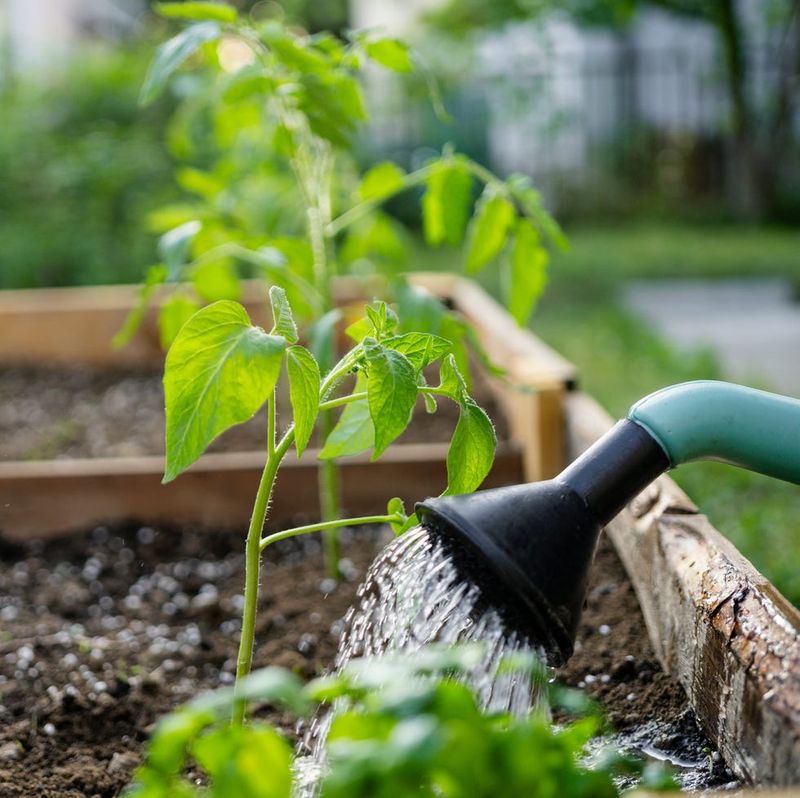
Tomatoes develop their best flavor when they receive consistent, even moisture throughout their entire growing period.
Fluctuating between bone-dry soil and soaking wet conditions stresses plants and produces bland, watery fruits.
Many gardeners in Michigan struggle with this balance, especially during unpredictable summer weather patterns.
When tomatoes receive irregular watering, they cannot properly regulate sugar and acid development within the fruit.
A tomato that grows rapidly after heavy rain following drought will have diluted flavor compounds.
The cells expand too quickly with water, stretching the fruit tissue and reducing the concentration of flavorful sugars and acids.
Establishing a regular watering schedule helps tomatoes develop deeper, more complex flavors.
Aim to provide one to two inches of water per week, delivered slowly and deeply to encourage strong root systems.
Morning watering allows foliage to dry during the day, reducing disease pressure common in humid Midwest summers.
Using soaker hoses or drip irrigation systems provides the most consistent moisture delivery.
Mulching around plants with straw or shredded leaves helps maintain even soil moisture between waterings.
Monitoring soil moisture with your finger (checking two inches down) helps you adjust your watering schedule based on actual conditions rather than guesswork.
3. Harvesting Tomatoes Before They Reach Peak Ripeness
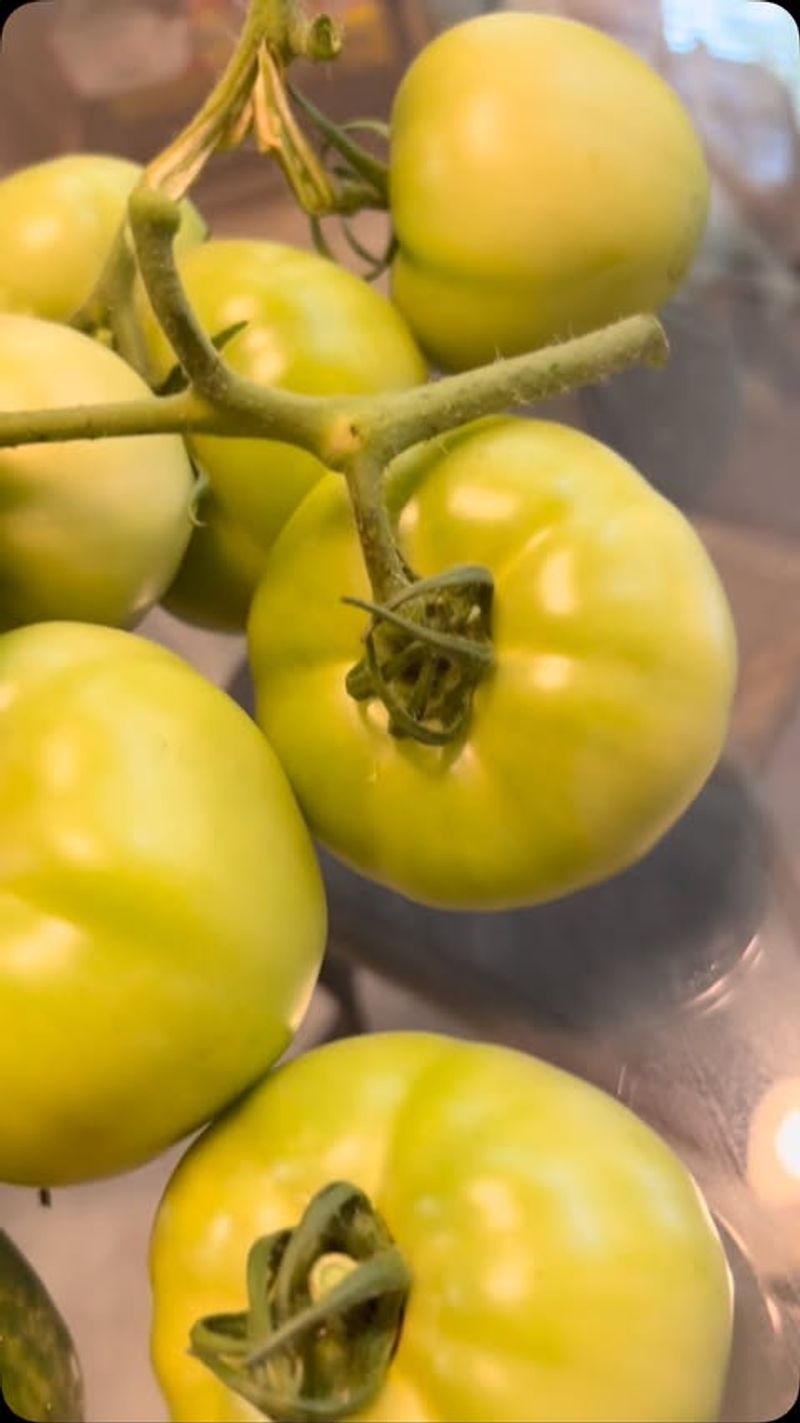
Patience truly is a virtue when it comes to harvesting flavorful tomatoes in northern climates.
Many Michigan gardeners pick their tomatoes too early, worried about early frosts or simply eager to taste their harvest.
Tomatoes picked even a few days before peak ripeness will never develop the full, rich flavor of vine-ripened fruits.
Flavor compounds in tomatoes develop primarily during the final ripening stages on the vine.
Sugars accumulate, acids balance out, and volatile aromatic compounds form only when the fruit remains connected to the plant.
A tomato picked when still partially green or pale will taste flat and one-dimensional compared to its fully ripened counterpart.
Wait until tomatoes show deep, rich color throughout before harvesting for maximum flavor.
For red varieties, this means a vibrant, glossy red with no green shoulders remaining.
The fruit should feel slightly soft when gently squeezed and should release easily from the vine with a gentle twist.
If frost threatens before your tomatoes fully ripen, you can pick them at the breaker stage (just starting to show color) and ripen them indoors.
Place them in a paper bag with a ripe banana or apple to speed the process.
While not quite as flavorful as vine-ripened, this method produces better results than picking completely green fruits.
4. Planting In Soil That Lacks Essential Nutrients
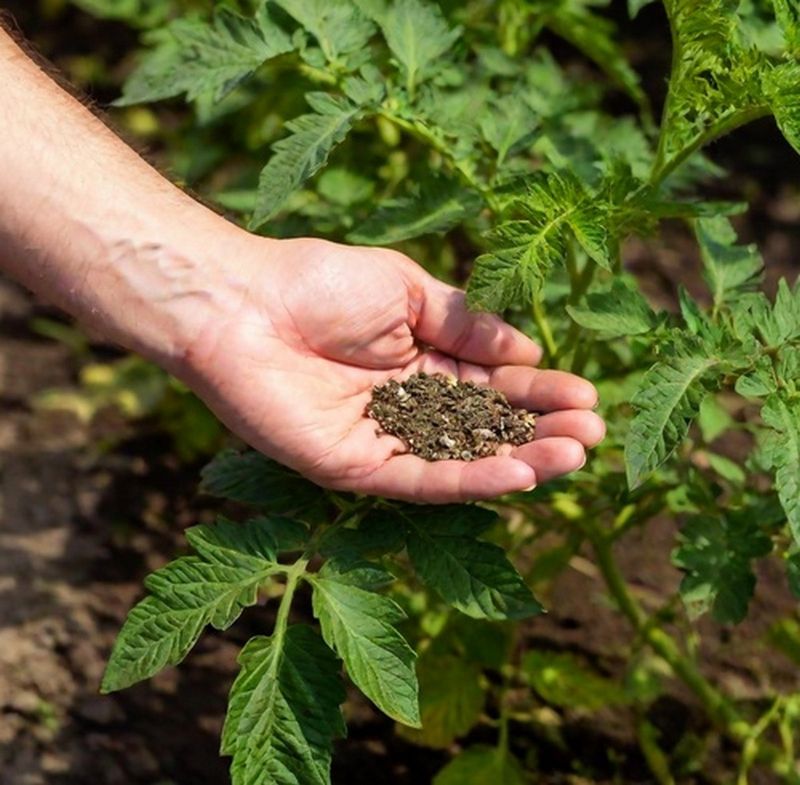
Flavor development in tomatoes depends heavily on the availability of specific nutrients in your garden soil.
Michigan soils vary considerably in their natural fertility, with some areas having naturally acidic or nutrient-depleted soils.
Without proper soil nutrition, even the best tomato varieties cannot produce the sugars, acids, and aromatic compounds that create delicious flavor.
Calcium plays a particularly important role in tomato flavor and fruit quality.
Soils deficient in calcium produce tomatoes with poor texture and underdeveloped taste.
Potassium also significantly impacts flavor by helping regulate sugar production and transport within the plant.
Testing your soil every few years provides valuable information about what your tomatoes need to thrive.
Most county extension offices offer affordable soil testing services that measure pH and nutrient levels.
The results will tell you exactly which amendments your soil needs for optimal tomato production.
Adding well-aged compost before planting improves soil structure and provides a broad spectrum of nutrients.
Balanced organic fertilizers formulated for vegetables supply the nitrogen, phosphorus, and potassium tomatoes need throughout the season.
Side-dressing with compost or organic fertilizer when plants begin flowering helps support fruit development without promoting excessive leafy growth that can reduce flavor concentration.
5. Growing Tomatoes In Insufficient Sunlight Conditions
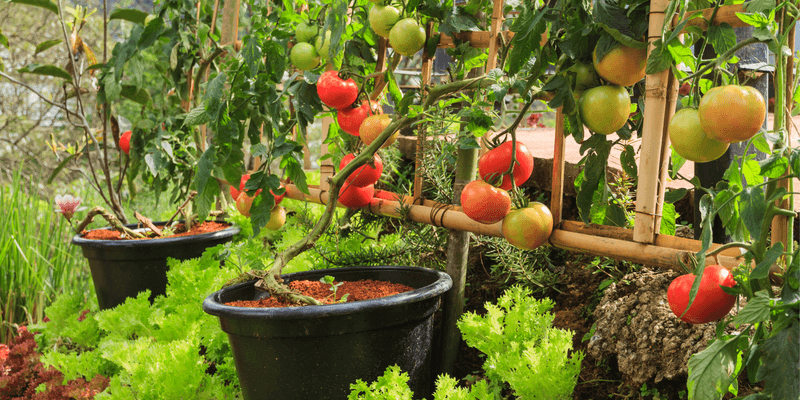
Sunlight powers the photosynthesis process that creates sugars in tomato plants, directly impacting fruit flavor.
Tomatoes need at least six to eight hours of direct sunlight daily to produce truly flavorful fruits.
Many Michigan gardens have mature trees or structures that create more shade than gardeners realize, especially as the season progresses and trees leaf out fully.
When tomatoes grow in partial shade, they produce less sugar through photosynthesis.
This results in bland fruits with lower sugar content and poorly developed flavor compounds.
Shaded plants also tend to develop more foliage and fewer fruits, further diluting the plant’s energy and reducing flavor concentration in the tomatoes that do form.
Observe your garden throughout the day to identify the sunniest spots for your tomato plants.
The ideal location receives morning sun (which dries dew quickly, reducing disease) and continues receiving direct light through the afternoon.
Southern exposures typically provide the most consistent sunlight in northern regions.
If your yard lacks truly sunny spots, consider growing tomatoes in containers that you can move to follow the sun.
Pruning nearby tree branches to allow more light penetration can also make a significant difference.
For particularly challenging sites, focus on growing leafy greens and herbs in shadier areas while reserving your sunniest real estate for sun-loving tomatoes and peppers.
6. Overfertilizing With High-Nitrogen Products
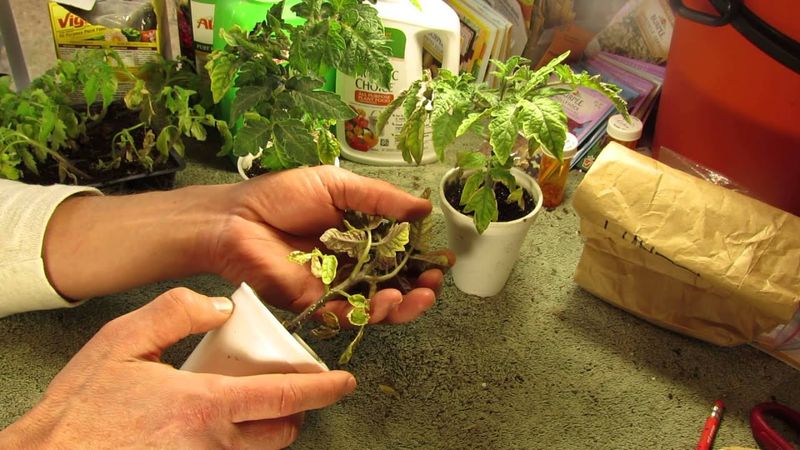
More fertilizer does not automatically mean better tomatoes, and this misconception causes many flavor problems.
Excessive nitrogen encourages vigorous leafy growth at the expense of fruit production and flavor development.
Tomato plants channel their energy into producing stems and leaves rather than concentrating sugars and flavors into their fruits.
Many gardeners unknowingly apply too much nitrogen through lawn fertilizers that drift into garden beds or by using fertilizers formulated for leafy vegetables.
While tomatoes need nitrogen, they require balanced nutrition with adequate phosphorus and potassium to develop flavorful fruits.
An overfertilized plant often looks lush and green but produces watery, tasteless tomatoes.
Once flowering begins, switch to a fertilizer with lower nitrogen and higher phosphorus and potassium.
Look for ratios like 5-10-10 rather than high-nitrogen formulas like 20-10-10.
This shift in nutrition supports fruit development and flavor concentration rather than continued vegetative growth.
Organic fertilizers release nutrients more slowly than synthetic options, reducing the risk of overfertilization.
Compost, aged manure, and fish emulsion provide balanced nutrition without the dramatic nitrogen spikes that synthetic fertilizers can cause.
Applying fertilizer according to package directions rather than the “more is better” philosophy helps maintain the nutrient balance that produces flavorful tomatoes.
7. Experiencing Cool Nighttime Temperatures During Fruit Development
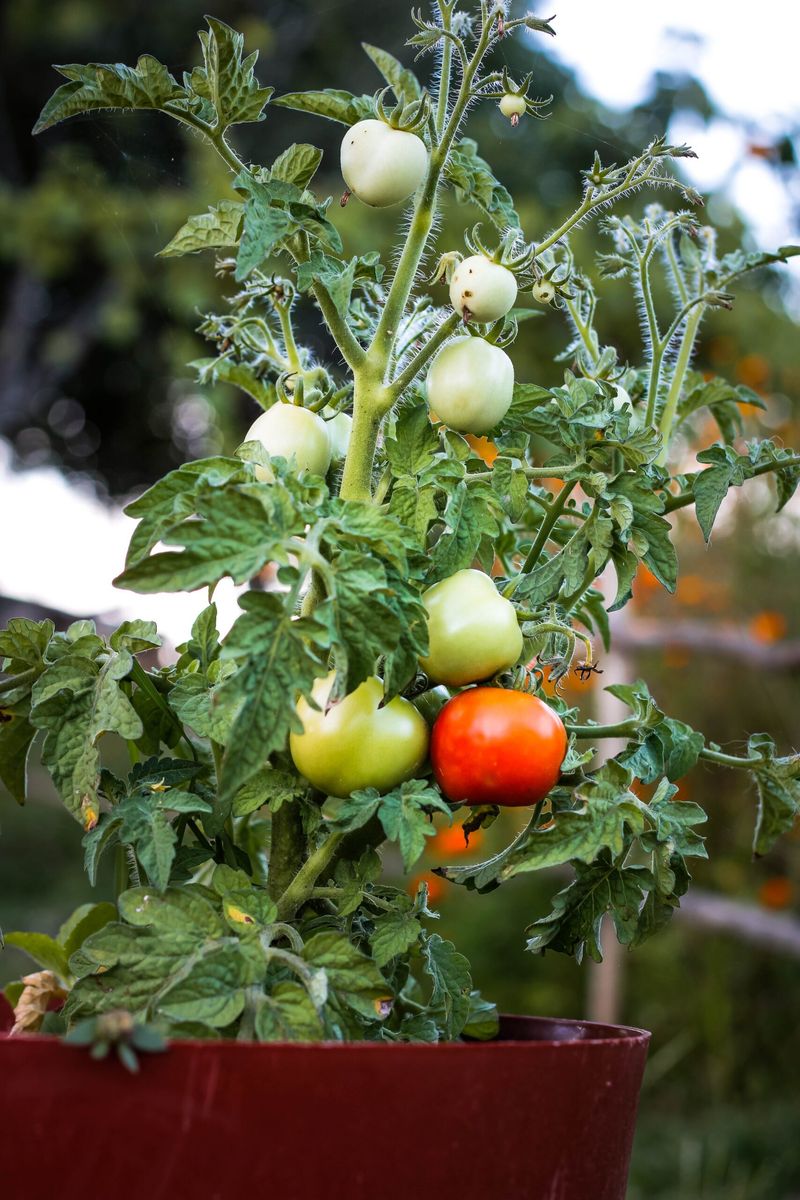
Temperature significantly influences how tomatoes develop their characteristic flavor profile.
While gardeners focus on daytime warmth, nighttime temperatures play an equally important role in flavor development.
Michigan often experiences cool nights even during summer, with temperatures dropping into the 50s, which slows sugar production and flavor compound development in tomatoes.
Tomatoes develop their best flavor when nighttime temperatures remain above 55 degrees Fahrenheit.
Cooler nights slow down the plant’s metabolism and reduce the production of sugars and aromatic compounds.
The temperature difference between day and night also affects how efficiently plants transport sugars from leaves into developing fruits.
Using row covers or cloches on cool nights helps maintain warmer temperatures around your plants.
Even lightweight fabric covers can trap several degrees of warmth, making a meaningful difference in flavor development.
Remove covers in the morning to allow full sun exposure and pollinator access.
Planting tomatoes against south-facing walls or fences creates a warmer microclimate that holds daytime heat into the evening.
Dark mulches like black plastic or landscape fabric absorb solar heat during the day and release it slowly at night.
For container gardeners, moving pots closer to the house or onto patios that retain heat can provide the extra warmth that enhances flavor development during cool northern summers.
8. Allowing Plants To Become Overcrowded With Excessive Foliage
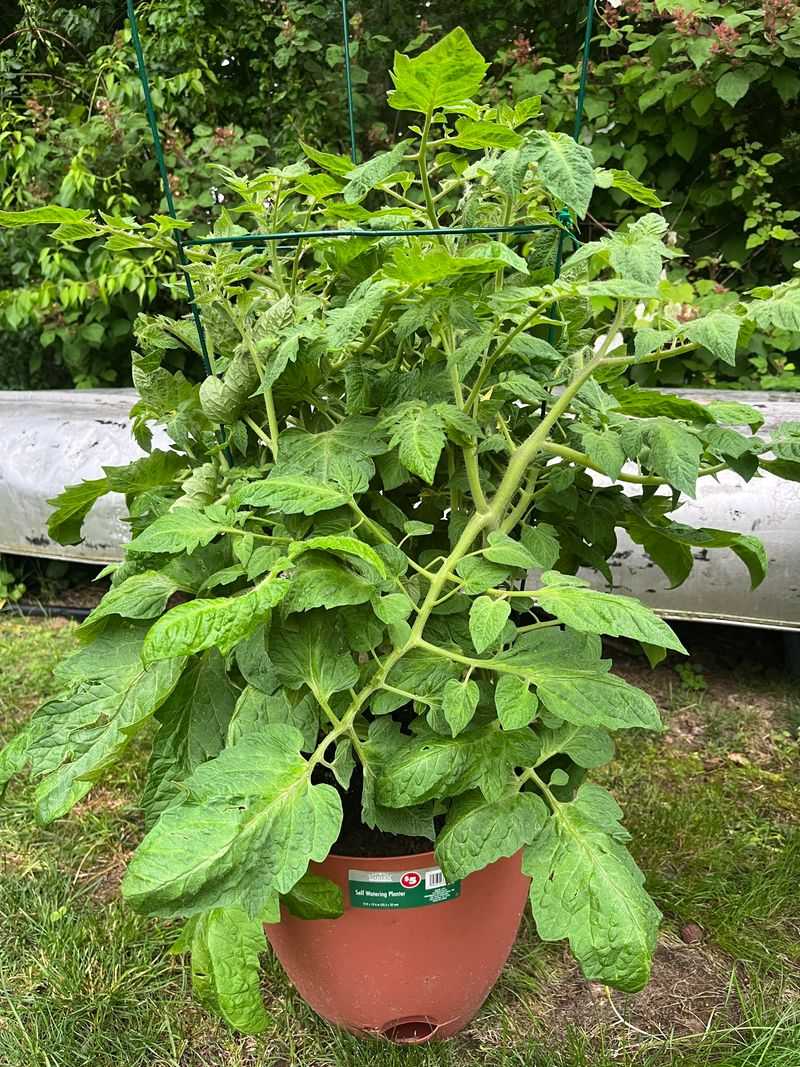
Tomato plants naturally produce vigorous growth, sending out suckers and developing dense foliage throughout the season.
While this growth seems healthy, overcrowded plants actually produce less flavorful tomatoes.
Excessive foliage means the plant spreads its energy across too much vegetative matter rather than concentrating resources into developing rich, flavorful fruits.
Dense foliage also reduces air circulation around fruits and restricts sunlight from reaching developing tomatoes.
Tomatoes that ripen in shade or poor airflow develop less complex flavors than those receiving adequate light and air movement.
The humid conditions created by overcrowded foliage also increase disease pressure, which further stresses plants and reduces flavor quality.
Regular pruning helps redirect plant energy toward fruit production and flavor development.
Remove suckers (shoots that emerge between the main stem and branches) when they’re small, especially on indeterminate varieties.
Thinning out some interior leaves improves air circulation and allows more sunlight to reach ripening fruits.
Focus on removing lower leaves that touch the soil or show any signs of disease.
As fruits develop, remove leaves directly shading them to allow better light exposure during ripening.
Maintaining good spacing between plants (at least 24 inches for determinate varieties, 36 inches for indeterminate) also prevents overcrowding and promotes better flavor development throughout your tomato patch.
9. Using Excessive Mulch That Keeps Soil Too Cool
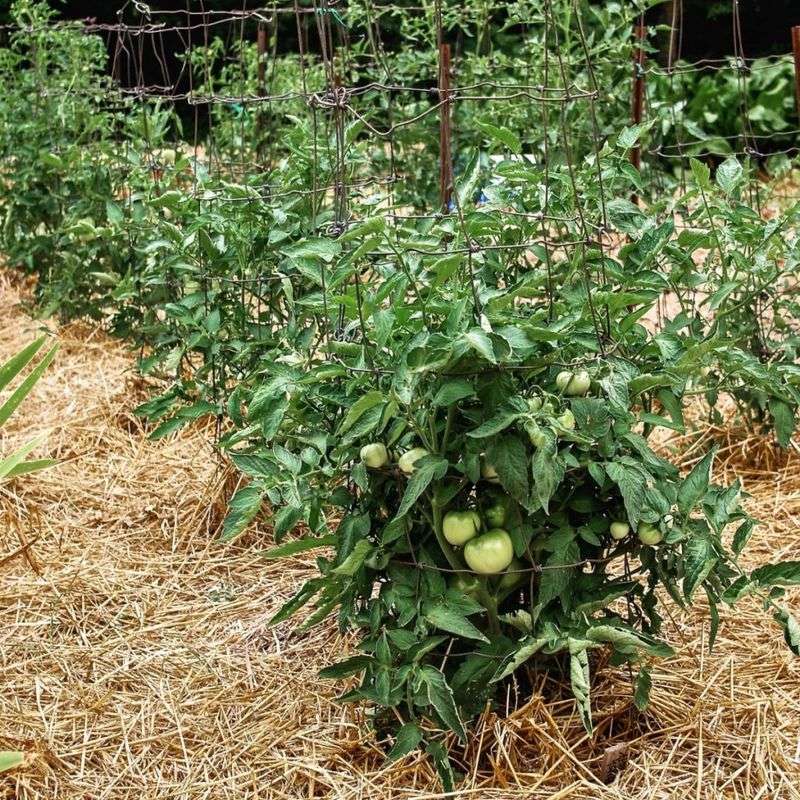
Mulching offers numerous benefits for tomato plants, including moisture retention and weed suppression.
However, applying mulch too early or too thickly can actually harm flavor development in northern climates.
Excessive mulch keeps soil temperatures cooler than optimal, slowing plant metabolism and reducing the production of sugars and flavor compounds in developing fruits.
Michigan soils naturally take longer to warm up in spring compared to southern regions.
Applying thick mulch before soil temperatures reach at least 60 degrees Fahrenheit prevents the ground from warming adequately.
Cool soil temperatures stress tomato roots, which are tropical in origin and prefer warm growing conditions.
Wait until soil has thoroughly warmed in late spring or early summer before applying mulch around tomatoes.
When you do mulch, apply a layer two to three inches thick rather than piling it six inches deep.
Keep mulch a few inches away from plant stems to prevent moisture-related diseases and allow the soil immediately around the stem to warm properly.
Consider using dark-colored mulches like black plastic or landscape fabric early in the season to actually warm the soil.
These materials absorb solar radiation and transfer heat to the soil beneath, creating warmer root zone temperatures.
Once temperatures consistently stay warm in midsummer, you can switch to organic mulches like straw or shredded leaves that keep soil cooler during hot spells while still maintaining moisture.
10. Stressing Plants With Inconsistent Care And Neglect
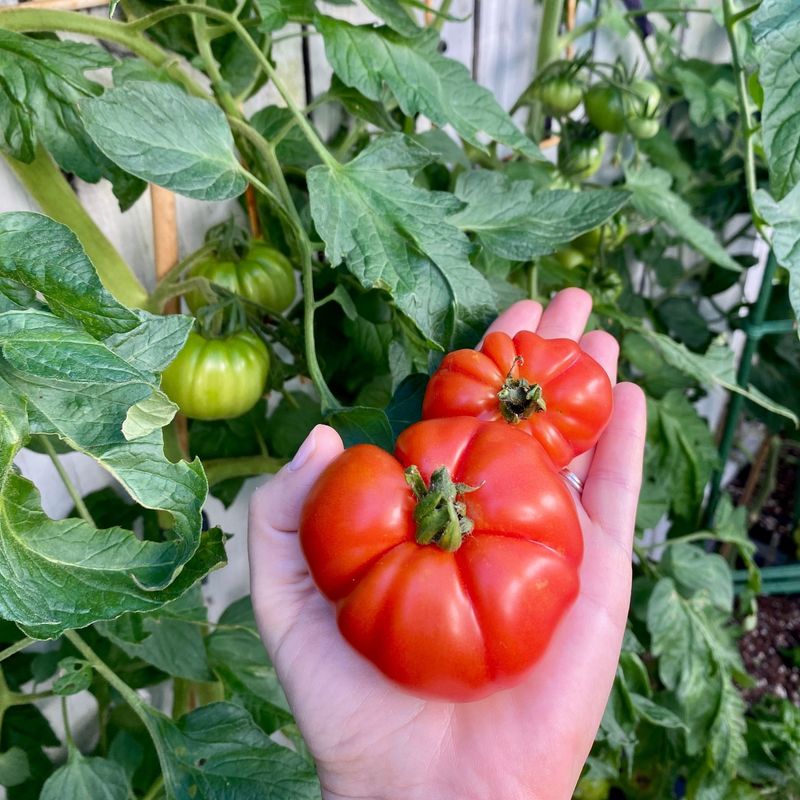
Tomatoes produce their best flavor when they grow steadily without major stress throughout the season.
Inconsistent care creates stressed plants that focus on survival rather than developing delicious, flavorful fruits.
Stress from neglect, irregular attention, or constantly changing conditions produces tomatoes with poor flavor development and disappointing taste.
Plants that experience repeated stress from factors like inconsistent watering, pest damage, or inadequate support produce stress hormones that affect fruit quality.
Stressed tomatoes often ripen unevenly, develop tough skin, and have unbalanced sugar-to-acid ratios.
The plant essentially goes into survival mode, producing fruits quickly rather than taking the time to develop complex, rich flavors.
Establishing consistent care routines helps tomatoes thrive and develop excellent flavor.
Regular watering on a set schedule, weekly inspection for pests and diseases, and timely pruning all contribute to steady, healthy growth.
Proper staking or caging prevents physical damage to plants and fruits while improving air circulation.
Creating a simple garden care checklist helps maintain consistency even during busy summer weeks.
Spending fifteen minutes daily checking on your tomatoes catches small problems before they become major stresses.
Consistent, attentive care throughout the growing season rewards you with healthy plants that channel their energy into producing the flavorful, delicious tomatoes you planted them for in the first place.