8 Surprising Results Of Not Cutting Back Perennials Last Fall In Pennsylvania
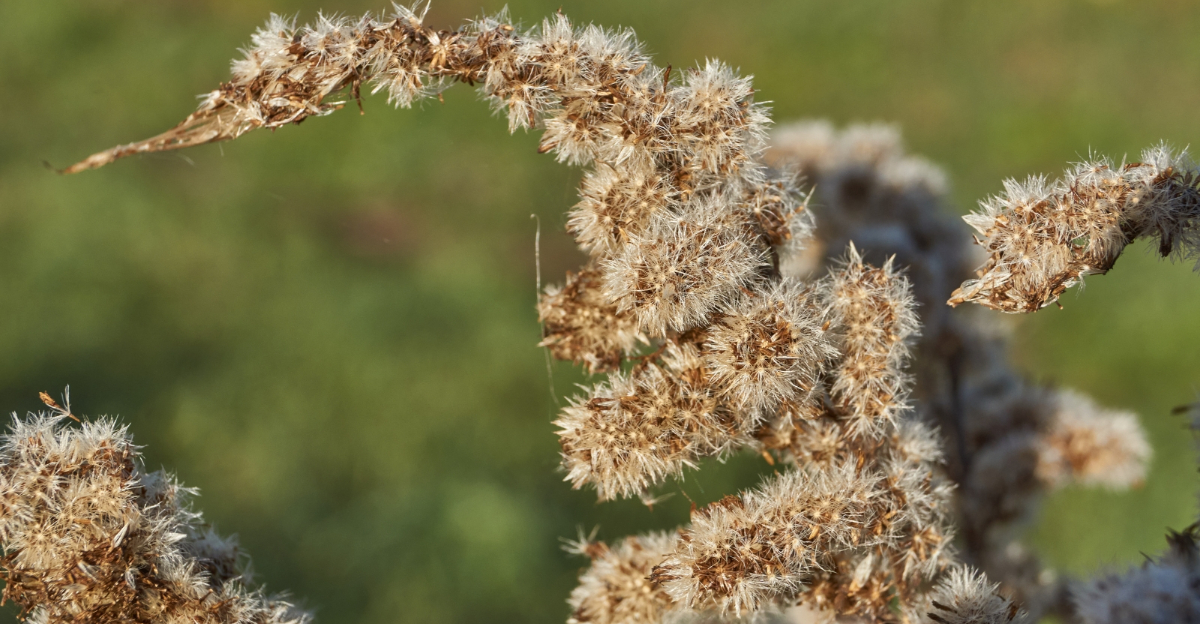
Skipping fall cleanup in Pennsylvania gardens often feels wrong at first, especially when tidy beds have long been treated as a seasonal rule.
Yet leaving perennials standing through winter can quietly change how a garden behaves once cold weather settles in.
What looks unfinished in autumn often turns into protection, insulation, and shelter as temperatures drop and snow arrives.
Many gardeners are surprised by how much life stays active around uncut stems, even during the coldest months.
Pennsylvania’s winters have a way of revealing which garden habits truly support long-term plant health.
Standing perennials interact with soil, moisture, and wildlife in ways that trimmed beds simply cannot replicate.
By spring, the difference becomes more obvious as plants respond faster and emerge with unexpected strength.
These outcomes rarely show up immediately, which is why they tend to catch gardeners off guard.
What started as a skipped task often ends up reshaping how a garden performs across seasons.
For many Pennsylvania gardens, not cutting back perennials last fall leads to results that feel surprising, practical, and hard to ignore once seen firsthand.
1. Birds Find Winter Food Sources Throughout Your Garden
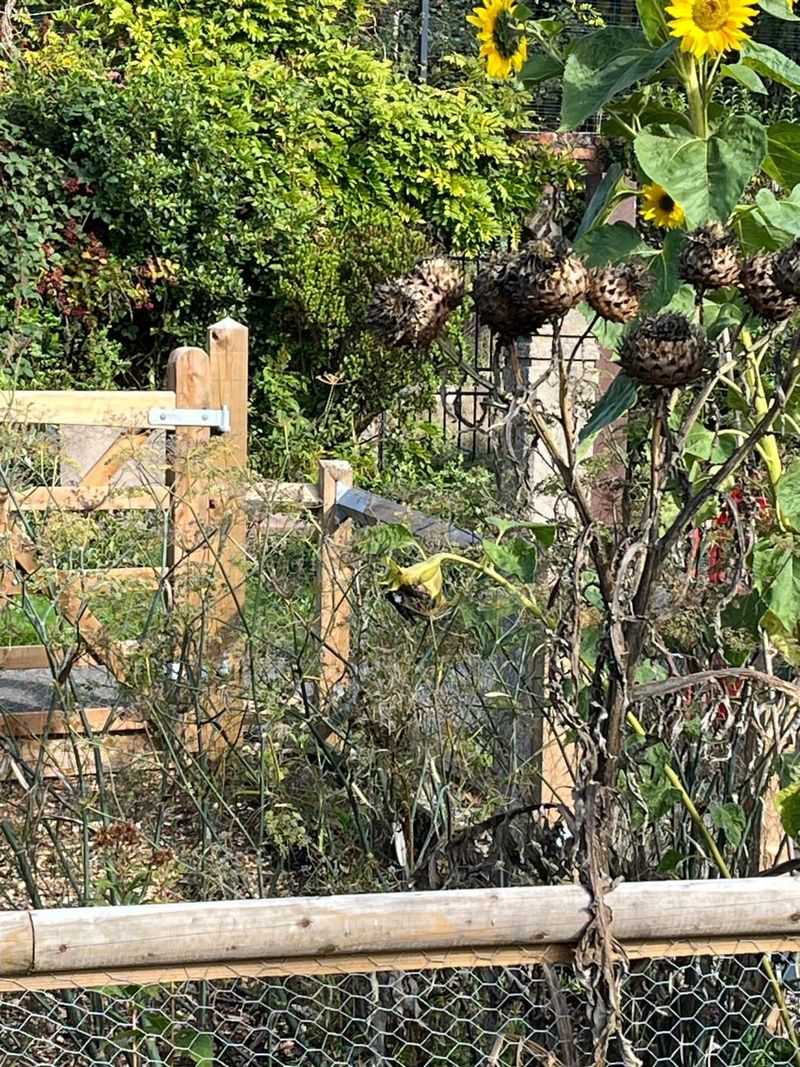
Seed heads left standing through winter months become vital food supplies for hungry birds searching for nutrition across Pennsylvania landscapes.
Cardinals, finches, and chickadees rely heavily on these natural feeding stations when snow blankets other food sources during harsh months.
Your uncut coneflowers and black-eyed Susans transform into bustling bird cafeterias that provide entertainment right outside your windows daily.
Pennsylvania winters can be brutally cold, making survival challenging for local wildlife populations that need consistent calorie intake for warmth.
Leaving perennials intact gives feathered friends reliable access to seeds they desperately need when temperatures plummet below freezing consistently.
Watching colorful birds visit your garden creates joyful moments during otherwise dreary winter days when everything looks gray.
Native bird species remember which yards offer food, returning year after year to gardens that support their survival needs.
Your decision not to cut back plants accidentally created a wildlife sanctuary that benefits entire ecosystems across Pennsylvania communities.
Plus, birds help control insect populations come spring, giving you natural pest management without expensive chemical treatments or labor.
As stems and seed heads slowly weather, they also add texture and quiet beauty to winter beds that might otherwise look empty.
Come early spring, those same plants protect new growth and soil until cleanup time finally arrives.
This steady food source reduces stress on birds during prolonged cold spells, helping more of them survive until warmer weather returns.
In return, your garden becomes a familiar refuge that stays active and full of life even in the heart of winter.
2. Natural Mulch Forms Around Plant Bases Protecting Roots
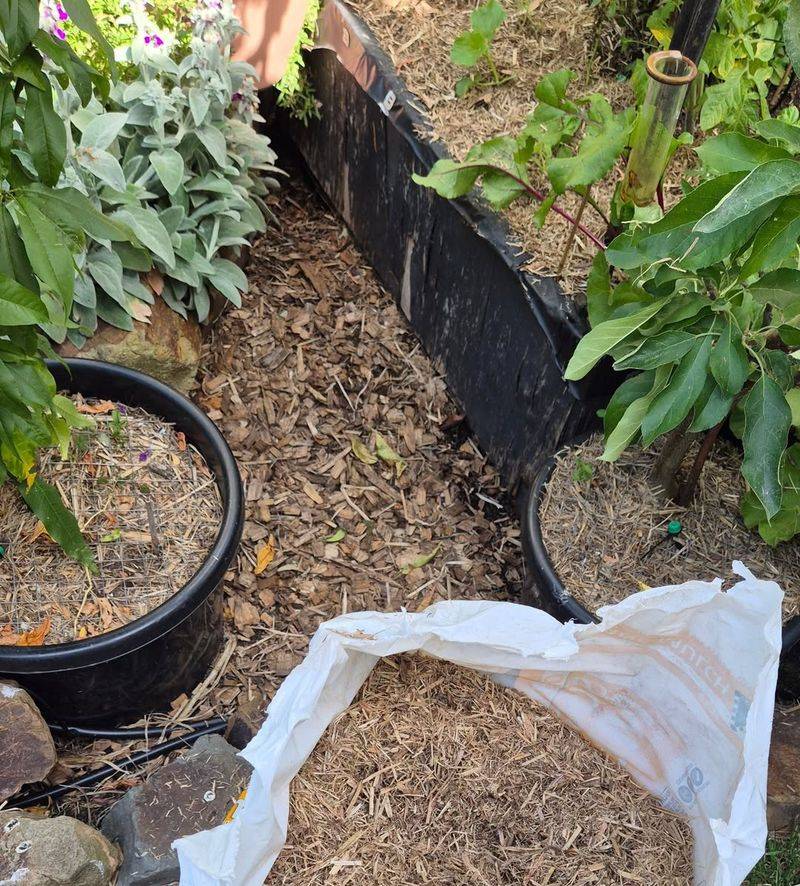
Stems and foliage that remain attached gradually break down over winter, creating protective organic layers around vulnerable root systems throughout Pennsylvania.
This natural decomposition process works better than store-bought mulch because it happens exactly where plants need protection most urgently.
Temperature fluctuations cause soil to freeze and thaw repeatedly, which can heave roots upward and damage delicate plant structures.
Your standing perennials act like insulating blankets, trapping air pockets that moderate soil temperature swings during unpredictable Pennsylvania weather patterns.
Snow collects around plant material instead of blowing away, adding extra insulation that shields roots from extreme cold snaps.
Decomposing leaves and stems also feed beneficial soil microorganisms that improve soil structure and nutrient availability for spring growth.
Commercial mulches cost money and require physical labor to spread properly around every plant in your garden beds each season.
By contrast, your uncut perennials provide free protection while you stay warm indoors during cold Pennsylvania months without any effort.
Come spring, partially decomposed plant material can simply be raked away or left to finish breaking down naturally.
As winter progresses, this slow breakdown helps retain moisture in the soil, preventing roots from drying out during cold, windy stretches.
When warmer days return, those protected plants often wake up stronger and more resilient than heavily cleaned beds.
This built-in protection reduces stress on plants during the most damaging freeze-thaw cycles of winter.
By the time spring arrives, soil conditions are already balanced and ready to support steady, healthy growth without extra intervention.
3. Beneficial Insects Survive Winter Inside Hollow Stems
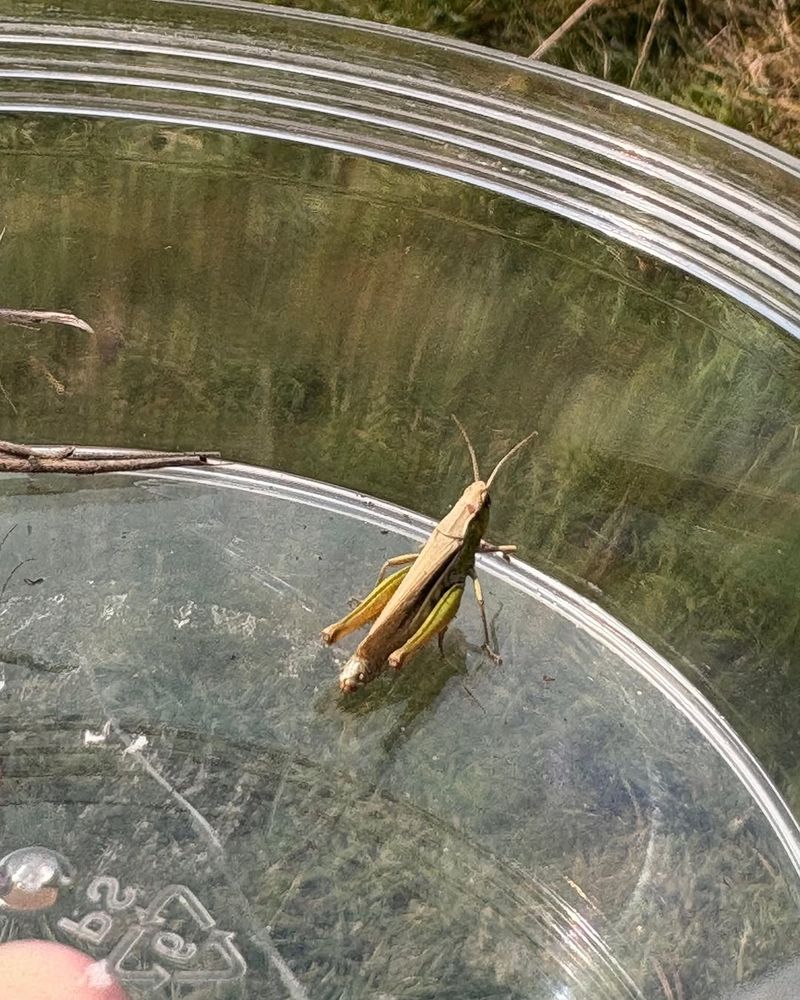
Countless helpful insects need safe overwintering spots to survive Pennsylvania’s freezing temperatures and emerge healthy when warm weather returns again.
Native bees, ladybugs, and other beneficial bugs crawl inside hollow perennial stems where they enter dormancy until spring sunshine wakes them.
Cutting back plants in fall destroys these critical shelters, accidentally harming the very creatures that pollinate flowers and control pests.
Pennsylvania gardens depend on complex ecosystems where insects play essential roles in maintaining healthy plant communities and productive growing seasons.
Your standing stems provide apartments for hundreds of tiny residents working hard to keep your garden balanced and thriving naturally.
Ladybug larvae consume enormous quantities of aphids, while native bees pollinate vegetables and flowers far more efficiently than honeybees alone.
Chemical pest controls become less necessary when you support populations of beneficial insects that handle problems naturally without environmental harm.
Gardens that shelter helpful bugs through winter develop stronger, more resilient plant communities that resist disease and pest damage better.
Your decision to leave perennials uncut accidentally created a thriving habitat supporting biodiversity across your Pennsylvania property beautifully.
Those hollow stems also protect insect eggs and larvae from harsh winds and sudden temperature drops during winter storms.
When spring arrives, these survivors emerge early, giving your garden a natural head start before pest populations explode.
4. Stunning Winter Garden Structure Creates Visual Interest
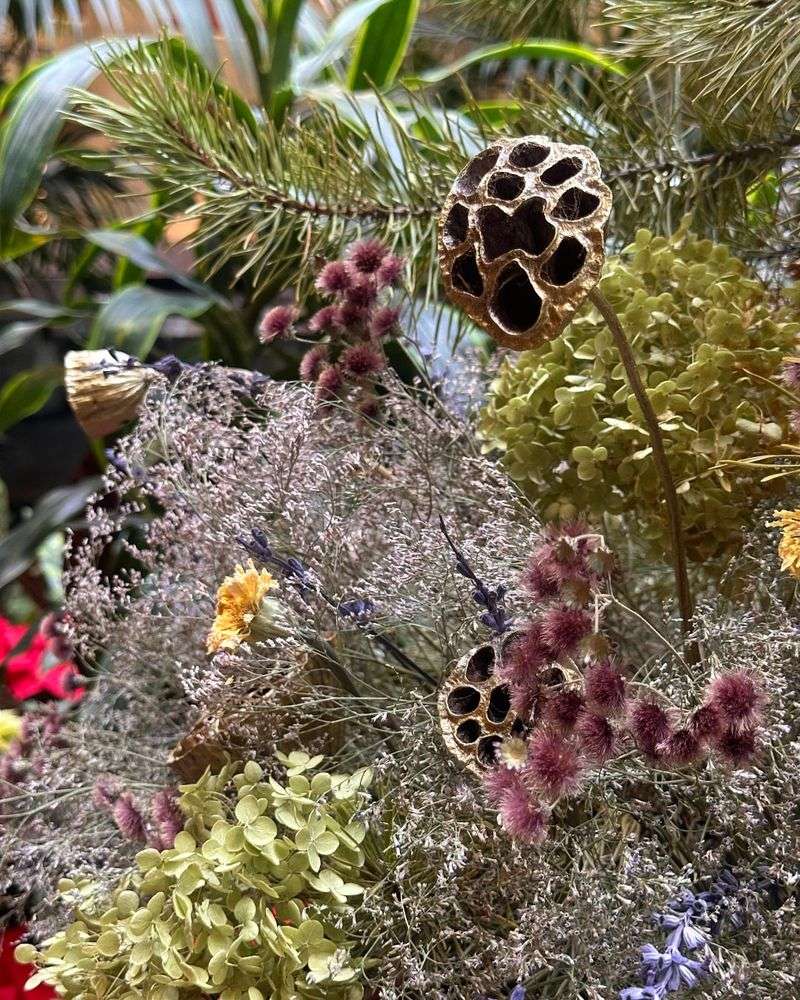
Frosted seed heads and dried foliage covered in morning ice crystals create breathtaking winter landscapes that rival summer blooms for beauty.
Pennsylvania gardeners who leave perennials standing discover unexpected artistic qualities in plants they previously considered done for the season completely.
Ornamental grasses sway gracefully in winter breezes, while sturdy coneflower stems wear snow caps like tiny hats throughout cold months.
Bare, cut-back gardens look depressing and lifeless during long Pennsylvania winters when everyone craves visual interest outside their windows.
Standing plant skeletons cast dramatic shadows across snow-covered ground, creating ever-changing patterns as sunlight moves throughout each day.
Architectural plant forms become sculptural elements that add dimension and texture to otherwise flat, monotonous winter landscapes everywhere.
Neighbors often comment on how attractive natural gardens look compared to bare beds that resemble abandoned lots during dormant seasons.
Your uncut perennials demonstrate that gardens can remain beautiful year-round without constant maintenance or intervention from tired gardeners.
Photography enthusiasts particularly love capturing winter garden scenes where frost highlights intricate plant structures invisible during growing season chaos.
Winter sunlight glinting off frost and seed heads turns even quiet mornings into moments worth lingering over.
These scenes remind gardeners that beauty doesn’t disappear in winter, it simply changes form and rewards patience.
Those subtle details give winter gardens a calm, reflective mood that feels intentional rather than neglected.
Even on the coldest days, these quiet scenes offer something living and beautiful to notice beyond bare branches and gray skies.
5. Spring Cleanup Becomes Easier With Weathered Plant Material
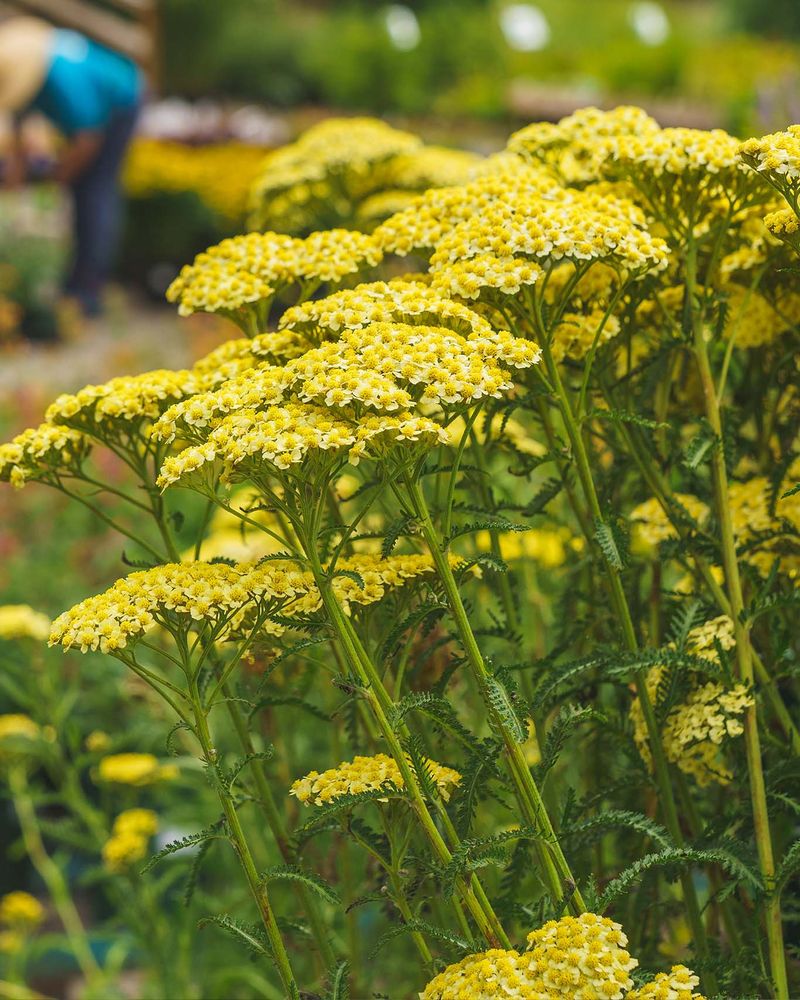
Perennial stems and leaves left standing through Pennsylvania winters become brittle and break apart easily when spring cleanup time arrives.
Fresh fall growth contains moisture and flexibility that makes cutting and removing plant material physically demanding and time-consuming work.
Winter weather naturally dries and weakens plant structures, allowing you to simply snap stems off at ground level effortlessly.
Weathered plant material also weighs significantly less than fresh autumn growth, making it easier to transport to compost piles.
Pennsylvania gardeners save considerable time and energy by postponing cleanup until plants have naturally decomposed partially through winter months.
Brittle stems crumble into smaller pieces that compost faster than tough, green material cut during fall when plants resist breaking.
Spring temperatures warm soil gradually, making outdoor work more pleasant than shivering through cold autumn afternoons in Pennsylvania gardens.
You can see exactly where new growth emerges, allowing precise cleanup that avoids damaging tender shoots accidentally during maintenance work.
Many gardeners find spring cleanup actually takes less total time despite initial appearances suggesting otherwise to newcomers trying this approach.
Cleanup also feels more satisfying when progress happens quickly instead of fighting stubborn, green stems that refuse to cooperate.
Waiting until spring turns garden maintenance into a lighter, faster task that fits naturally into the season’s momentum.
Tools stay cleaner, hands tire less, and the whole task feels far less frustrating than fall cleanup ever did.
By letting winter do the hard work first, spring gardening starts with momentum instead of exhaustion.
6. Crown Protection Prevents Moisture Damage During Freeze-Thaw Cycles
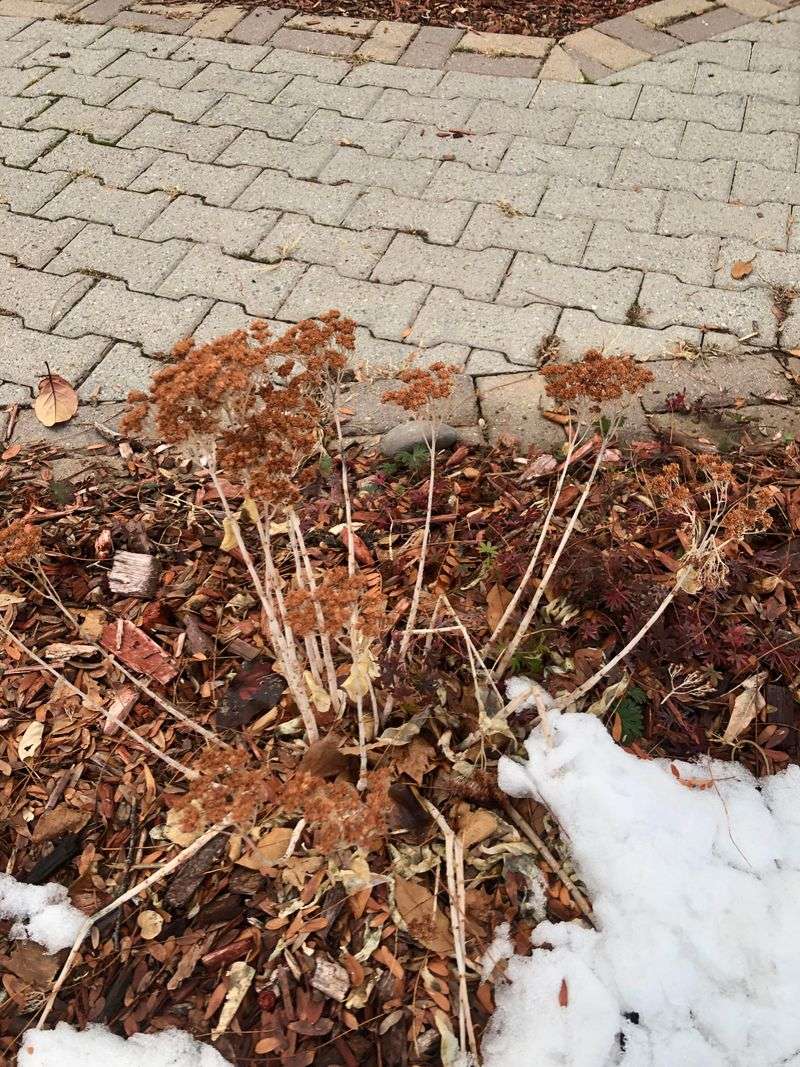
Plant crowns where stems meet roots are extremely vulnerable to moisture accumulation that causes rot during Pennsylvania’s unpredictable winter weather.
Standing foliage acts like tiny umbrellas that shed rain and melting snow away from sensitive crown areas throughout dormant months.
Cutting plants back eliminates this natural protection, leaving crowns exposed to standing water that freezes and damages tissues repeatedly.
Pennsylvania experiences frequent temperature swings where warm days melt snow followed by freezing nights that turn moisture into damaging ice.
Your uncut perennials channel water away from plant centers, keeping crowns relatively dry even during wet winter periods.
This protection proves especially valuable for plants sensitive to crown rot like lavender and salvias grown across Pennsylvania gardens.
Gardeners often lose expensive perennials to winter moisture damage without understanding why plants fail to emerge come spring warmth.
Your accidental decision to skip fall trimming may have saved numerous plants that would otherwise have succumbed to rot.
Healthy crowns mean stronger spring emergence with more vigorous growth that produces better flowers throughout the upcoming growing season ahead.
This simple layer of natural coverage reduces stress on plants during the most dangerous part of winter, when moisture causes more harm than cold alone.
By spring, protected crowns are better prepared to grow evenly and avoid the setbacks that weaken plants early in the season.
7. Self-Seeding Plants Spread Naturally Creating Fuller Gardens
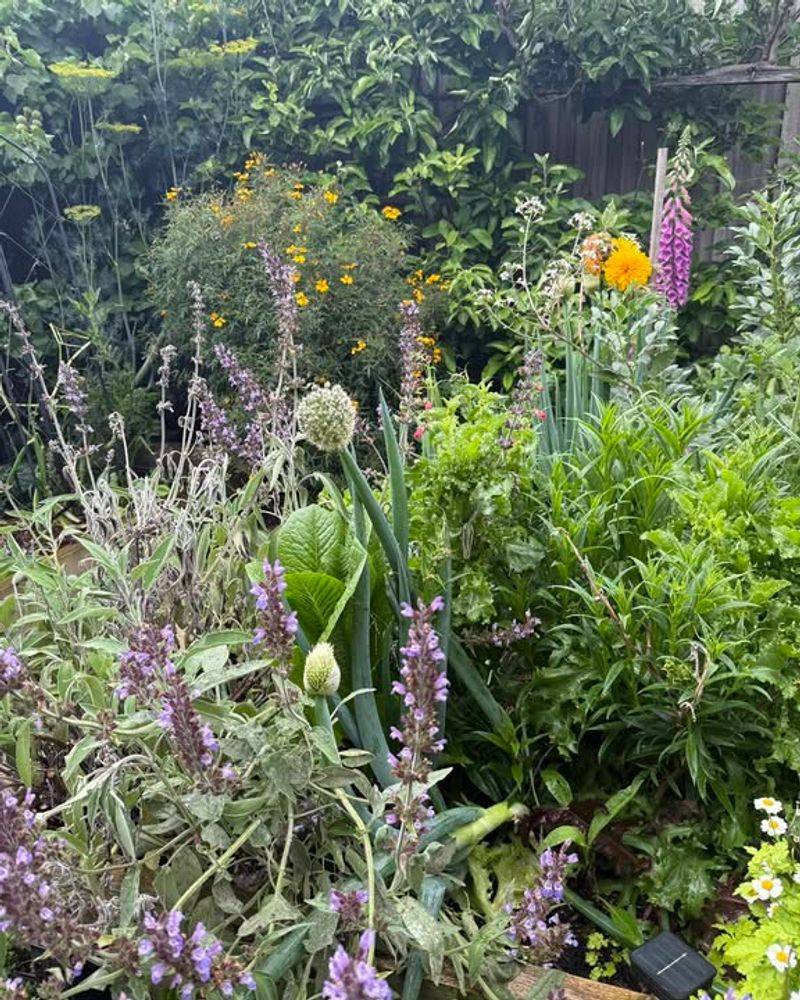
Many perennials drop seeds that need winter cold exposure before they can germinate successfully when spring arrives across Pennsylvania.
Cutting plants back in fall removes seed heads before they mature and disperse, preventing natural reproduction that fills garden gaps.
Standing plants hold seeds through winter, releasing them gradually as stems sway and weather breaks capsules open naturally over time.
Pennsylvania native plants especially rely on this cold stratification process where seeds must experience freezing temperatures before sprouting begins.
Your uncut garden allowed plants like coneflowers, black-eyed Susans, and columbines to complete their natural life cycles successfully.
Spring brings delightful surprises when seedlings appear in unexpected locations, creating fuller, more natural-looking plantings without purchasing additional plants.
Self-sown seedlings develop stronger root systems than transplants because they germinate exactly where they grow without transplant shock stress.
Free plants from self-seeding save money while increasing garden biodiversity with genetic variation among offspring that strengthens overall populations.
Many gardeners intentionally leave perennials uncut specifically to encourage this beneficial natural spreading throughout their Pennsylvania properties beautifully and economically.
Those volunteer seedlings often adapt better to your exact soil and microclimate than anything bought from a nursery.
Over time, this natural process helps gardens look more established and resilient without extra effort or expense.
These naturally placed seedlings often fill bare spots in ways that feel balanced instead of forced or planned.
With each passing year, gardens gain a softer, more layered look that reflects how plants truly want to grow in Pennsylvania conditions.
8. Soil Erosion Decreases With Standing Plant Material Holding Ground
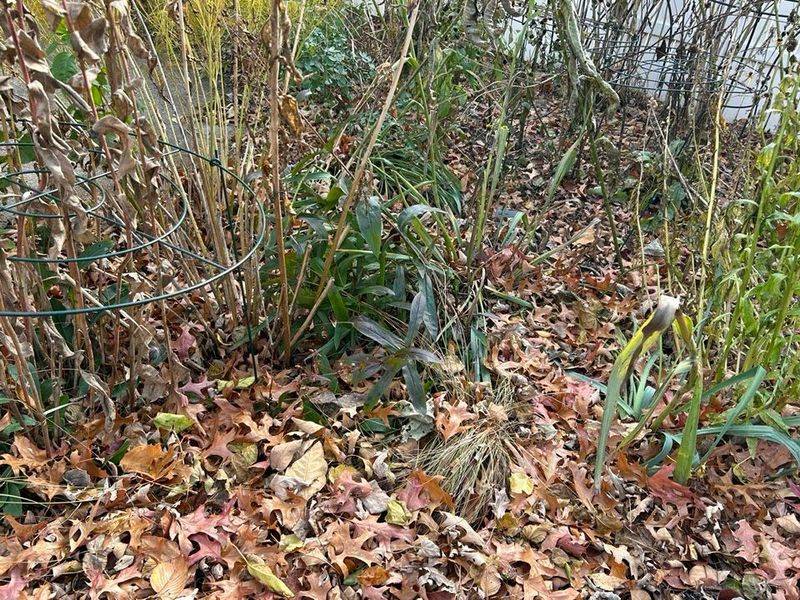
Pennsylvania landscapes experience significant rainfall and snowmelt during winter months that can wash away valuable topsoil from exposed garden beds.
Standing perennial stems slow water movement across soil surfaces, allowing moisture to soak in gradually rather than rushing off property.
Root systems remain active even during dormancy, holding soil particles together and preventing erosion on slopes and vulnerable areas.
Bare soil left after fall cleanup becomes vulnerable to wind erosion that strips away nutrient-rich surface layers during dry periods.
Your uncut plants act like miniature windbreaks that protect soil from harsh Pennsylvania winter winds that would otherwise carry away particles.
Stems also catch windblown leaves and organic matter, adding material that further protects and enriches soil throughout dormant seasons.
Property owners with sloped gardens particularly benefit from leaving perennials intact because erosion control becomes critical for maintaining planting beds.
Pennsylvania’s variable winter weather creates perfect conditions for soil loss that diminishes garden quality and requires expensive replacement efforts.
Standing plants provide free erosion control while improving soil structure and fertility naturally without any additional work from busy gardeners.
Over time, this protection helps maintain soil depth and stability, which directly supports healthier plant growth in spring.
Gardens that hold onto their soil through winter start the growing season stronger and far easier to manage.
Strong root systems and intact soil mean fewer washed-out beds and less reshaping once planting season begins.
By letting plants guard the ground through winter, Pennsylvania gardens avoid setbacks that can take years to correct.