9 Surprising Uses For Echinacea Oklahoma Gardeners Shouldn’t Overlook
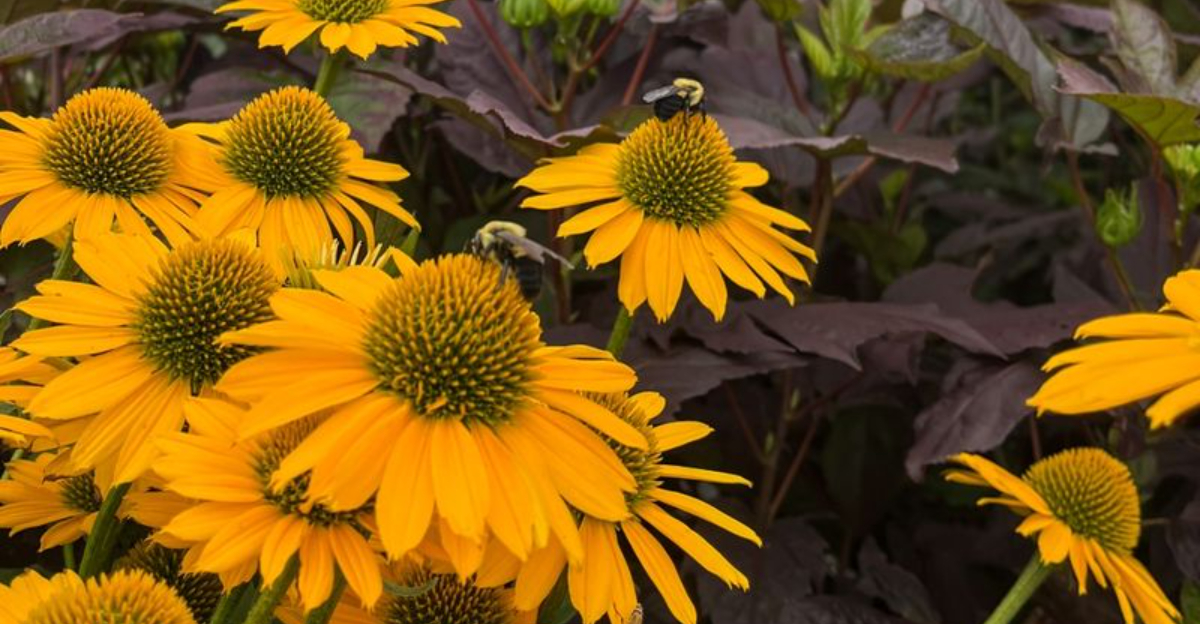
In Oklahoma gardens, echinacea is often planted for its bold, cheerful blooms—but stopping there barely scratches the surface.
This tough native plant has been quietly earning its reputation for centuries, offering benefits that extend well beyond ornamental appeal.
Echinacea thrives in Oklahoma’s heat, wind, and unpredictable rainfall, making it a reliable presence even in challenging conditions.
Its resilience is only part of the story.
From traditional wellness uses to soil health, pollinator support, and winter interest, echinacea proves itself useful long after flowering season ends.
Many gardeners overlook how versatile this plant really is.
Its roots, seed heads, and foliage all play a role, whether in supporting wildlife, enhancing garden balance, or providing practical home uses.
Once established, echinacea asks for very little and gives back generously.
For Oklahoma gardeners who value plants that work as hard as they do, echinacea is a standout.
Learning how to use it intentionally transforms it from a background flower into a true garden workhorse—one you’ll never see the same way again.
1. High-Heat Pollinator Support
When July and August turn Oklahoma gardens into blazing hot zones, many flowering plants wilt, droop, or stop blooming altogether, leaving pollinators scrambling for food sources.
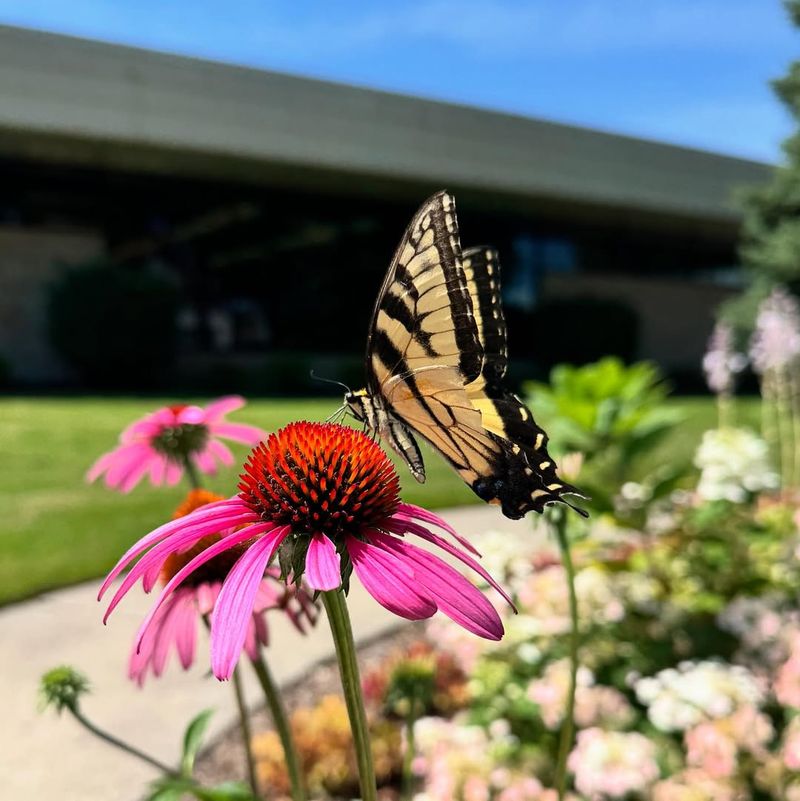
Echinacea stands tall through the heat, opening its signature cone-shaped blooms day after day without complaint, even when temperatures climb well above ninety degrees.
Native bees, honeybees, bumblebees, and butterflies flock to these dependable flowers, drawn by the generous supply of nectar and protein-rich pollen that keeps them nourished during the toughest weeks of summer.
Because echinacea evolved right here in the Great Plains, it has natural adaptations that allow it to thrive in conditions that would stress out less hardy species.
Its deep taproot reaches moisture far below the surface, so blooms stay fresh and attractive even during dry spells.
For gardeners committed to supporting pollinators, planting echinacea is one of the smartest moves you can make.
It bridges the gap when other nectar sources fade, ensuring that beneficial insects have the fuel they need to keep your garden ecosystem humming.
Plus, watching butterflies and bees visit your echinacea patch is a daily reminder of the vibrant, interconnected life flourishing right in your own backyard.
2. Feeding Goldfinches And Other Seed-Eating Birds
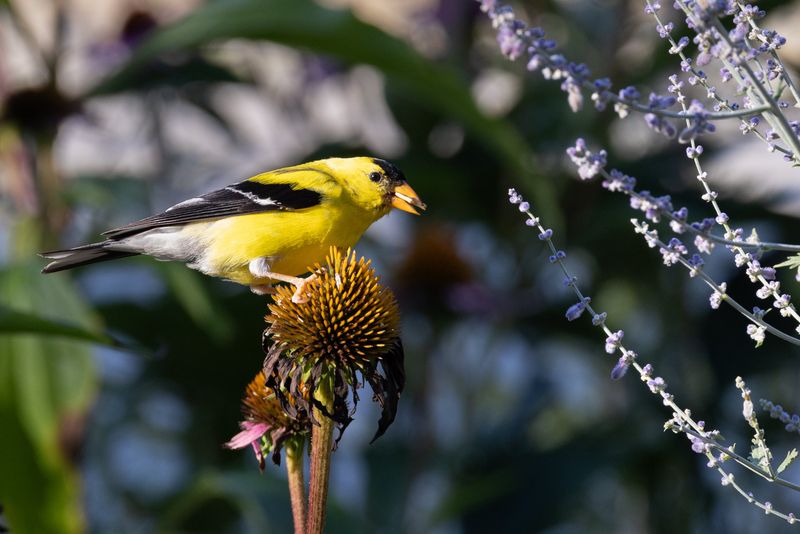
Once echinacea blooms fade and the petals drop away, the spiky seed heads left behind become a buffet for hungry birds.
American goldfinches are especially fond of these seeds, often arriving in cheerful flocks to pluck them straight from the cones throughout late summer and into the colder months.
Instead of deadheading spent flowers, simply leave the stems standing, and you will transform your garden into a natural feeding station that requires zero maintenance or cost.
Other seed-loving birds like chickadees, nuthatches, and juncos also appreciate the easy meal, especially when winter weather makes food harder to find.
These seed heads remain sturdy and accessible even after frost, providing reliable nourishment when insects and other food sources become scarce.
Beyond the practical benefit of feeding wildlife, there is something deeply satisfying about watching birds flit from stem to stem, their bright colors contrasting beautifully against the muted tones of the dormant garden.
Leaving echinacea standing also saves you work in the fall cleanup, so it is a win for both you and the birds.
This simple act of patience turns your garden into a year-round haven for feathered friends.
3. Low-Water Perennial For Xeric Beds
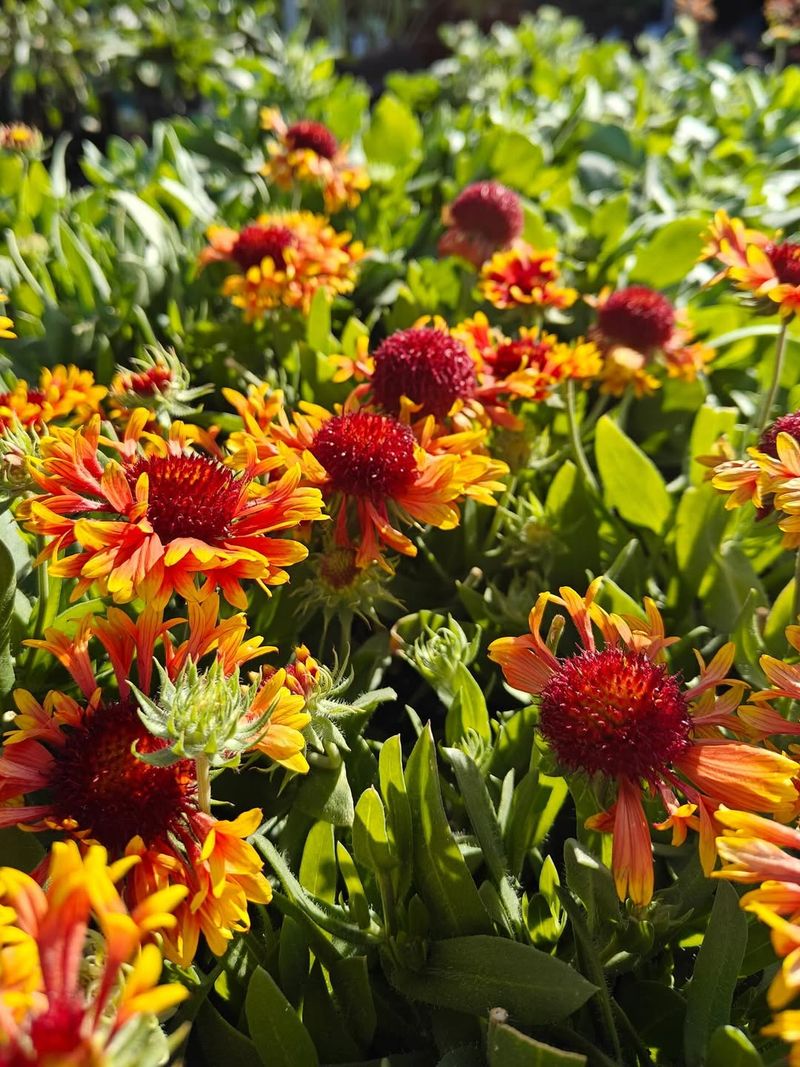
Water conservation is a growing priority for Oklahoma gardeners, especially in areas where irrigation is expensive, restricted, or simply impractical.
Echinacea fits perfectly into xeric or drought-tolerant landscapes, thriving with minimal supplemental water once its root system is established.
During the first growing season, consistent watering helps the plant develop a deep taproot, but after that, it can survive on rainfall alone in most parts of the state.
This makes echinacea an ideal choice for sunny, exposed beds where other perennials might struggle without regular irrigation.
Its ability to withstand heat and dry soil means you can enjoy vibrant blooms without the guilt or expense of constant watering.
Grouping echinacea with other low-water natives like black-eyed Susan, salvia, and ornamental grasses creates a resilient, low-maintenance garden that looks lush even during dry spells.
These plantings not only save water but also reduce the time you spend dragging hoses and adjusting sprinklers.
For gardeners looking to create a sustainable landscape that works with Oklahoma’s climate rather than against it, echinacea is an essential building block that delivers beauty, toughness, and practicality in equal measure.
4. Foundation Plant For Prairie-Style Gardens
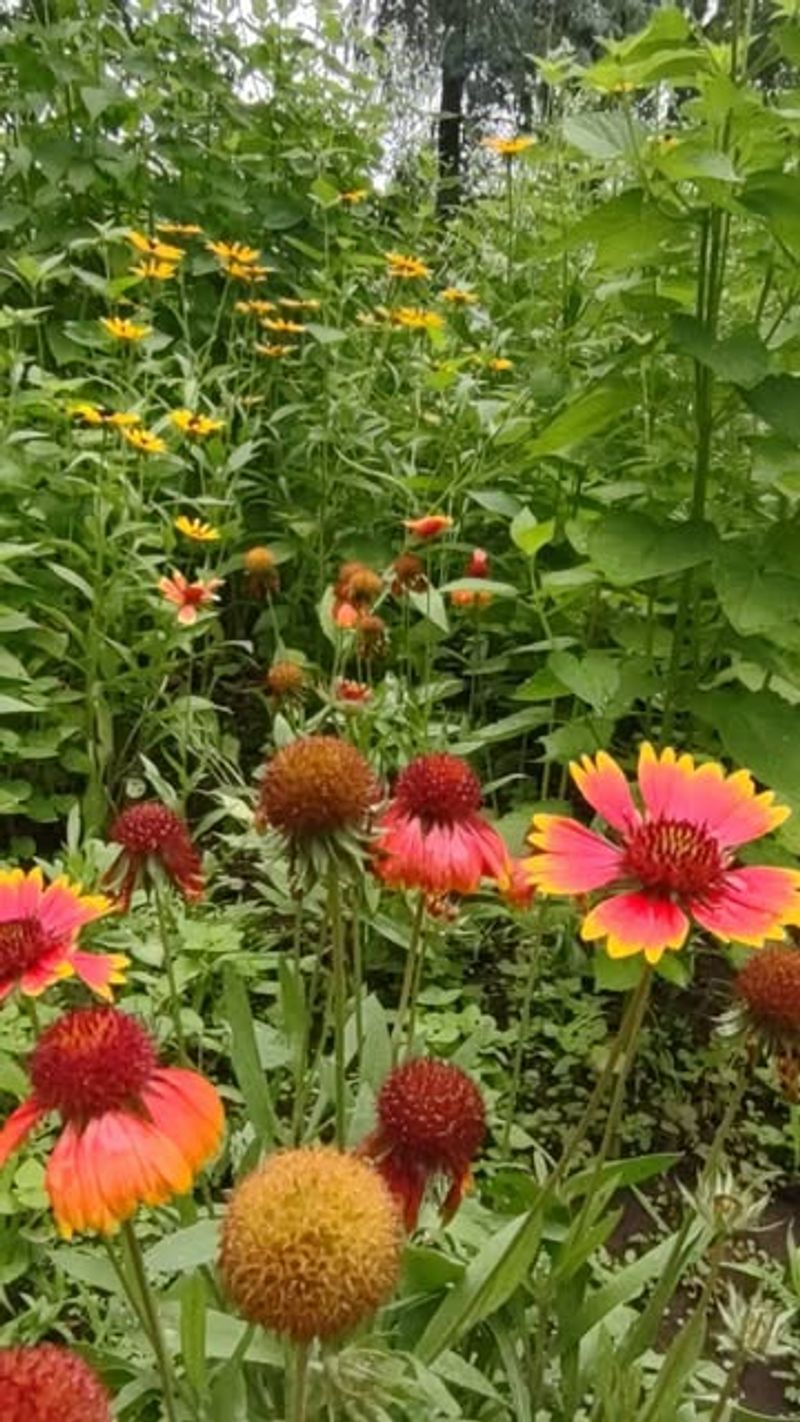
Recreating the look and feel of Oklahoma’s native prairies has become a popular trend among gardeners who want landscapes that feel rooted in place and require less fuss.
Echinacea serves as a foundational plant in these prairie-style gardens, providing reliable color, structure, and ecological value that ties the entire planting together.
When combined with native grasses like little bluestem, sideoats grama, and switchgrass, echinacea creates a naturalistic tapestry that shifts and sways with the wind, echoing the wild landscapes that once covered the region.
Adding companion wildflowers such as coreopsis, liatris, and butterfly milkweed further enhances the prairie feel while supporting a diverse community of insects, birds, and other wildlife.
These gardens require far less mowing, fertilizing, and watering than traditional lawns, making them a smart choice for busy gardeners or anyone looking to reduce their environmental footprint.
Echinacea’s long bloom period and sturdy presence ensure that the garden looks intentional and attractive rather than weedy or neglected.
By choosing plants that naturally belong in Oklahoma, you create a landscape that thrives with minimal intervention and celebrates the unique character of the Great Plains.
It is gardening that feels authentic, sustainable, and deeply connected to the land.
5. Cut Flowers That Hold Up In Summer Heat
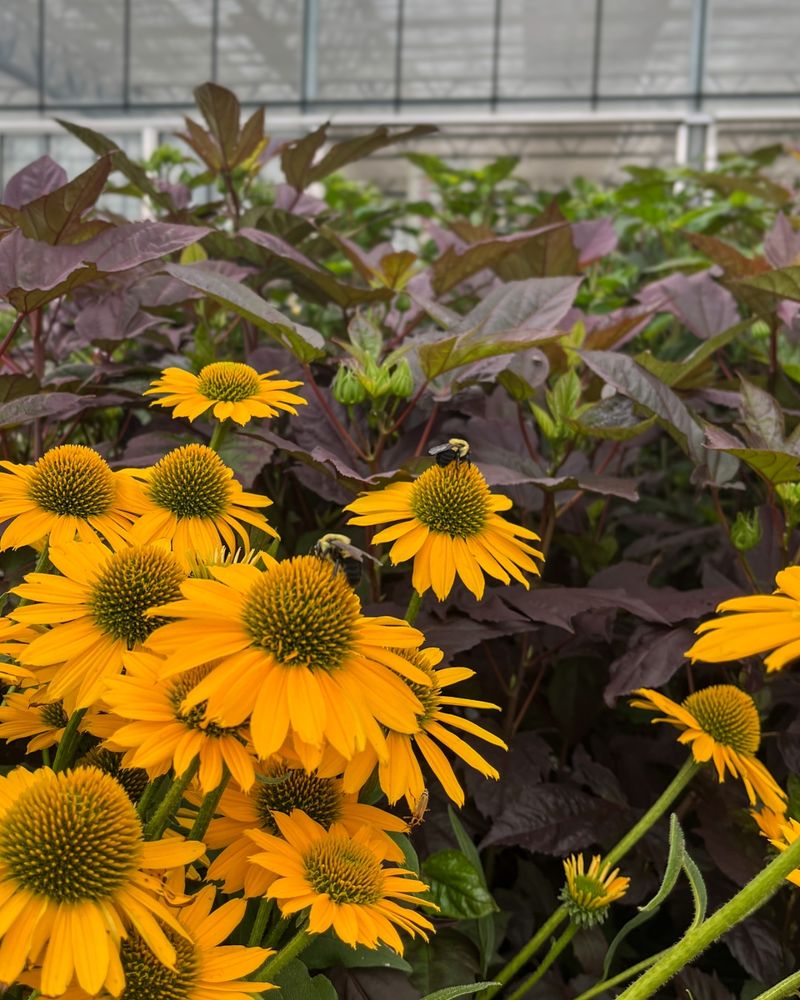
Many gardeners shy away from cutting flowers during Oklahoma’s brutal summer months because blooms often wilt before they even make it into a vase.
Echinacea breaks that pattern with its sturdy stems and long-lasting petals that hold up beautifully even when temperatures soar.
Cutting echinacea for indoor arrangements is a joy because the flowers stay fresh for over a week with just a simple change of water every few days.
The bold, daisy-like blooms add a cheerful, rustic charm to any room, and their slightly spiky centers create interesting texture that pairs well with other garden favorites like zinnias, sunflowers, and ornamental grasses.
Because echinacea blooms continuously throughout the summer, you can harvest stems regularly without worrying about depleting your garden display.
In fact, cutting encourages the plant to produce even more flowers, so it is a win for both your indoor and outdoor spaces.
For the best results, cut stems in the early morning when plants are fully hydrated, and place them immediately in cool water.
Strip any leaves that would sit below the waterline to prevent bacterial growth.
With minimal effort, you will have gorgeous, homegrown bouquets that brighten your home and remind you of your garden’s summer glory.
6. Dried Seed Heads For Fall And Winter Décor
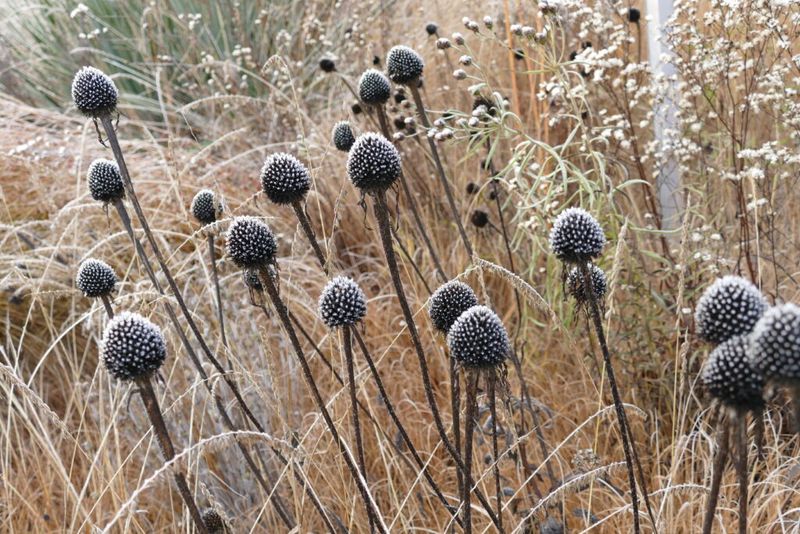
Echinacea’s usefulness does not end when the growing season fades; the seed heads that remain after blooms finish are perfect for crafting natural, earthy décor.
Once the petals drop and the cone-shaped centers turn a rich, dark brown, you can harvest the stems and dry them for use in wreaths, centerpieces, and arrangements that celebrate the beauty of the changing seasons.
The textured, spiky seed heads add visual interest and a touch of wildness to fall and winter displays, pairing beautifully with dried grasses, wheat, berries, and evergreen branches.
To dry echinacea, simply cut the stems when the seed heads are fully mature, bundle them loosely with twine, and hang them upside down in a cool, dry place for a few weeks.
Once dried, the stems can be used as-is or sprayed with metallic paint for a more festive look.
Many crafters appreciate the durability of dried echinacea, as the seed heads hold their shape and color for months without crumbling or fading.
Using materials from your own garden to decorate your home adds a personal, meaningful touch that store-bought décor simply cannot match.
It is a wonderful way to extend the joy of gardening into the colder months and celebrate the full life cycle of your plants.
7. Attracting Beneficial Insects For Pest Balance
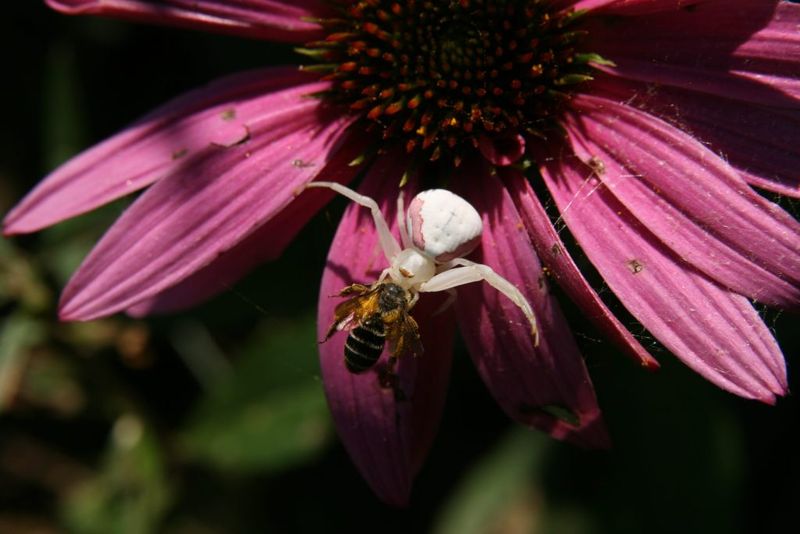
Gardeners often focus on attracting butterflies and bees, but echinacea also draws in a less celebrated yet equally important group of insects: the predators and parasitoids that help keep pest populations in check.
Ladybugs, lacewings, hoverflies, and tiny parasitic wasps are all drawn to echinacea flowers, where they feed on nectar and pollen before heading off to hunt aphids, caterpillars, and other garden pests.
By planting echinacea, you are essentially recruiting a team of natural pest controllers that work around the clock without chemicals, sprays, or traps.
This approach to pest management is safer for your family, pets, and the environment, and it encourages a balanced ecosystem where no single species dominates.
The presence of beneficial insects also reduces your reliance on synthetic pesticides, which can harm pollinators and disrupt the delicate web of life in your garden.
Echinacea’s long bloom season ensures that these helpful insects have a consistent food source throughout the growing season, making your garden a reliable refuge.
Over time, you will notice fewer pest problems and healthier plants overall as the beneficial insect population builds.
It is a quiet, powerful example of how working with nature rather than against it leads to better results and a more resilient garden.
8. Soil Stabilization In Sunny, Open Areas
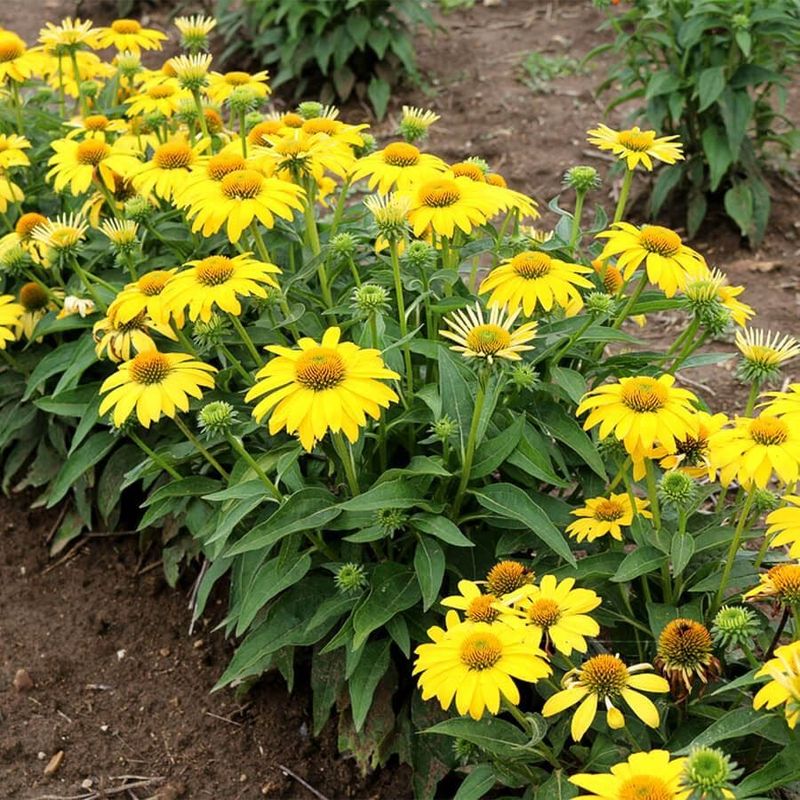
Oklahoma’s landscape is full of sunny, windswept areas where erosion can become a real problem, especially on slopes, embankments, and open lots.
Echinacea’s deep, fibrous root system makes it an excellent choice for stabilizing soil in these challenging spots, anchoring the earth and reducing the risk of runoff during heavy rains.
Unlike shallow-rooted annuals that wash away easily, echinacea roots dig deep, sometimes reaching two feet or more into the ground, creating a network that holds soil in place.
This makes it particularly valuable for planting along ditches, berms, or hillsides where erosion control is a priority.
Beyond its functional benefits, echinacea also beautifies these otherwise difficult-to-plant areas with its cheerful blooms and upright growth habit.
Grouping echinacea with other deep-rooted natives like prairie dropseed, Indian grass, and rudbeckia creates a living soil stabilization system that requires little maintenance once established.
These plantings also provide habitat for wildlife and improve water infiltration, reducing the likelihood of flooding and soil degradation over time.
For gardeners dealing with erosion issues, echinacea offers a practical, attractive solution that works with the land rather than fighting it, turning problem areas into thriving, functional garden spaces that serve multiple purposes.
9. Winter Structure And Habitat When Left Standing
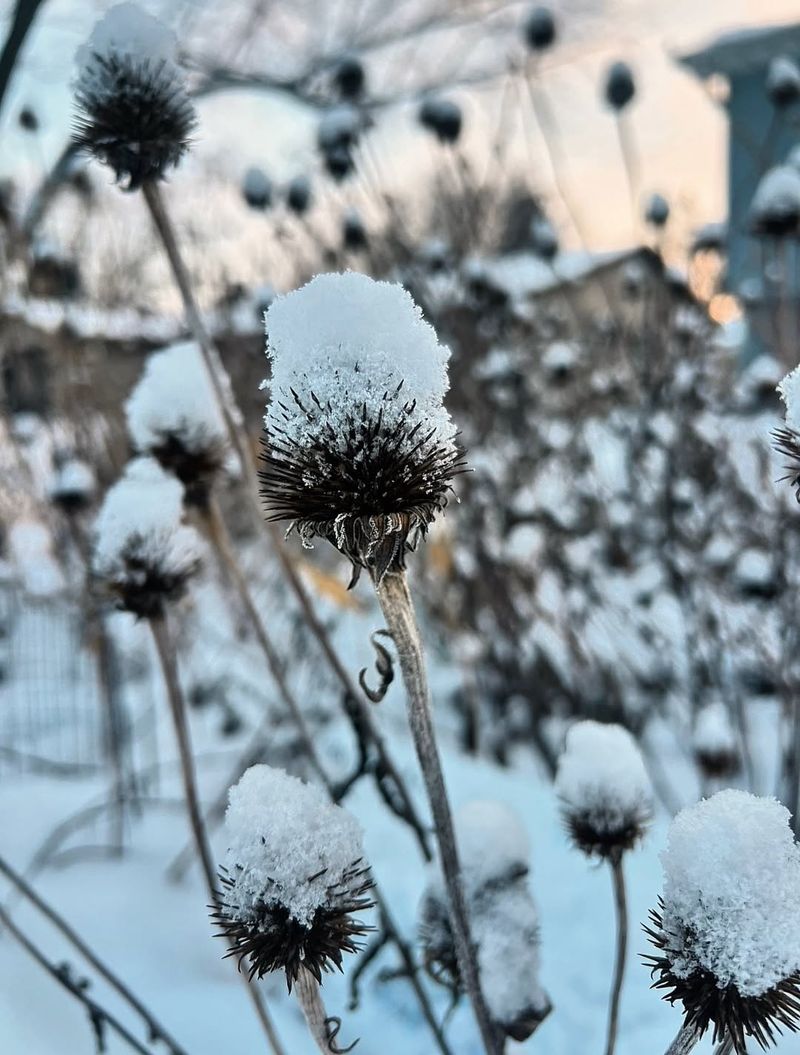
Most gardeners are tempted to cut everything back in the fall, but leaving echinacea standing through winter offers surprising benefits that extend far beyond aesthetics.
The sturdy stems and distinctive seed heads add vertical interest and architectural structure to the dormant garden, creating focal points that catch the eye even when covered in frost or dusted with snow.
These standing stems also provide critical habitat for overwintering insects, including native bees that hibernate in hollow plant stems and beneficial insects that shelter in the seed heads and leaf litter below.
By leaving echinacea in place, you are offering a safe refuge for the very creatures that will help your garden thrive come spring.
Birds continue to visit throughout the winter, gleaning any remaining seeds and finding insects tucked into the plant debris.
The visual effect of echinacea standing against a winter sky is quietly beautiful, a reminder that gardens can be interesting and valuable in every season, not just during peak bloom.
When spring arrives, simply cut back the old stems to make room for fresh growth.
This approach to garden maintenance is easier, more wildlife-friendly, and more sustainable than a full fall cleanup, and it transforms your winter landscape into something both functional and lovely.