9 Tasty Microgreens That Grow Easily Indoors In California Homes
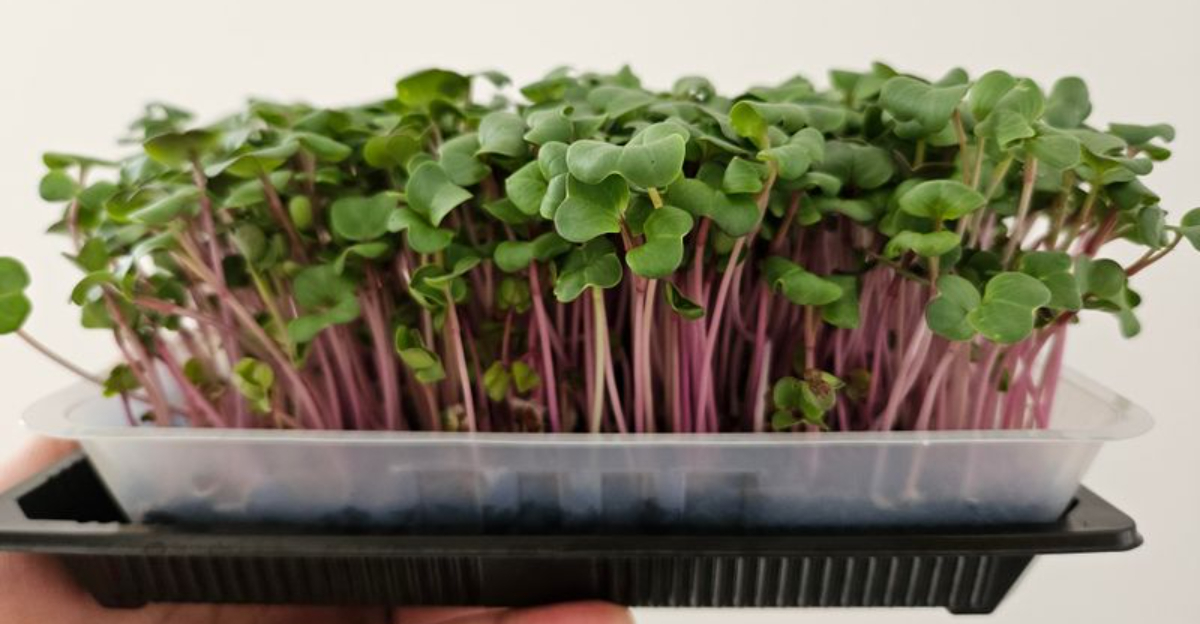
Microgreens have become a favorite indoor grow for California homes because they deliver fresh flavor fast without needing much room or effort.
These tiny greens sprout quickly on windowsills and counters, making them perfect for anyone craving homegrown food year-round.
With simple light and watering routines, even first-time growers can enjoy reliable harvests in just weeks.
Once you start snipping your own microgreens, store-bought versions suddenly feel a lot less exciting.
1. Radish Microgreens
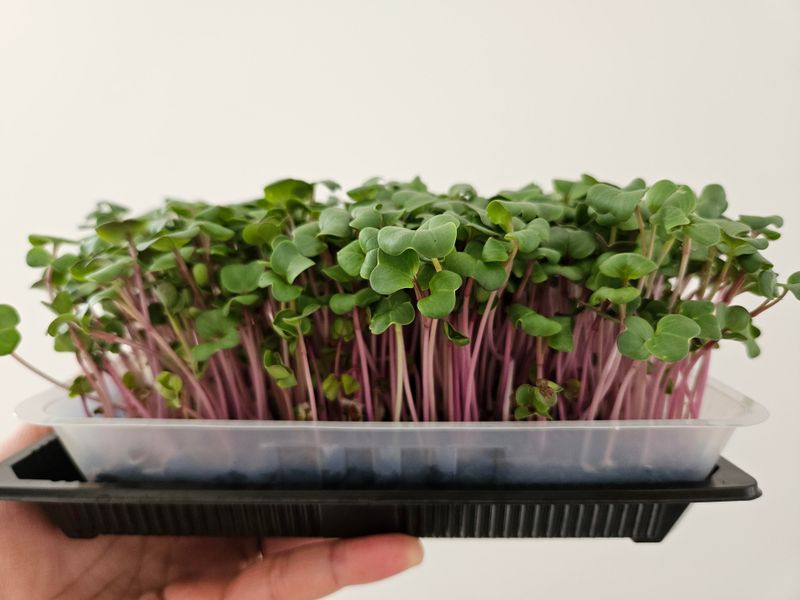
Radish microgreens bring a spicy kick that wakes up your taste buds faster than almost any other variety you can grow indoors.
California gardeners love how quickly these little powerhouses sprout, often showing green growth within just three to four days after planting seeds.
The peppery flavor works beautifully on tacos, burgers, and fresh salads where you want something bold that makes people notice the difference immediately.
Growing them requires nothing fancy—just a shallow tray, some potting soil, and a sunny spot near your window where light streams in.
Harvest happens around seven to ten days after planting, which means you get fresh greens faster than ordering takeout from your favorite restaurant.
Their pink and purple stems add gorgeous color to any plate, making meals look restaurant-quality even when you’re cooking at home casually.
Many California households keep several trays going at once, staggering plantings so there’s always a fresh batch ready for snacking or cooking.
Radish microgreens tolerate the dry indoor air common in Golden State homes better than many delicate herbs that wilt without constant attention.
Once you taste their crisp, spicy crunch, you’ll understand why they’re considered a gateway microgreen for beginners starting their indoor growing journey.
2. Sunflower Microgreens
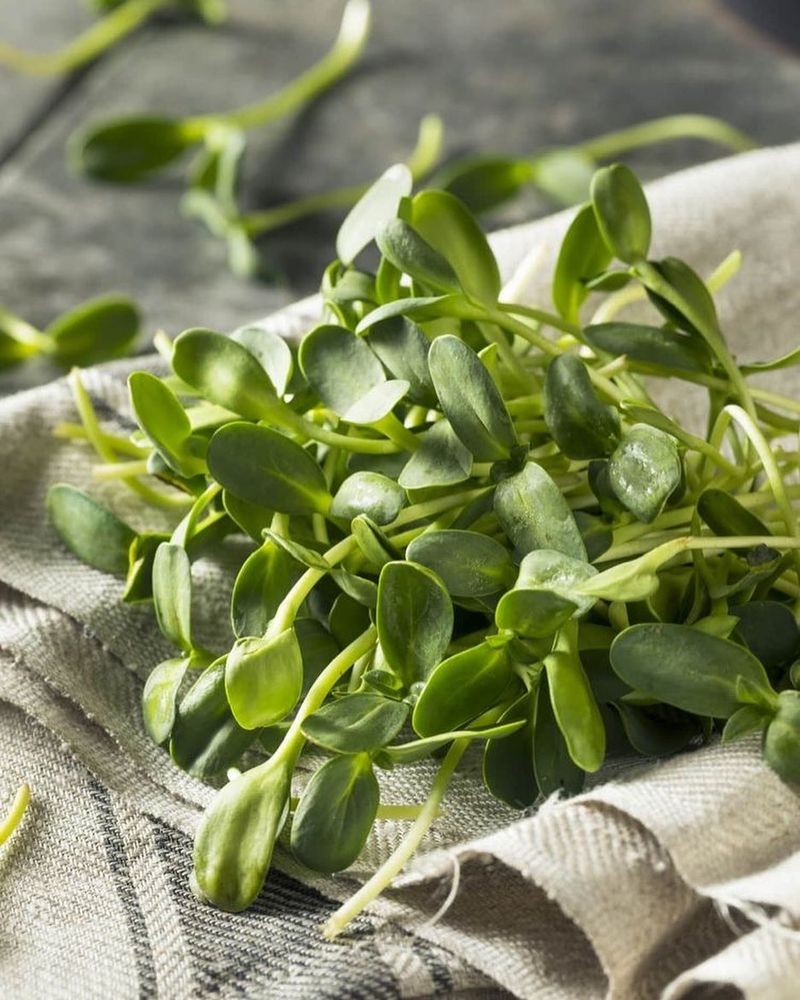
Big, crunchy, and surprisingly nutty, sunflower microgreens taste like a cross between sunflower seeds and fresh lettuce that everyone seems to enjoy.
These greens grow larger than most microgreen varieties, developing thick stems and substantial leaves that feel satisfying when you bite into them raw.
California’s indoor climate suits sunflowers perfectly since they prefer warmer temperatures and don’t mind the occasional dry spell between waterings at all.
Soaking the seeds overnight before planting helps them germinate faster, giving you a head start on your harvest in about ten to twelve days.
Their mild, slightly sweet flavor makes them kid-friendly, so even picky eaters will munch on them without complaints or weird faces at dinner.
Sunflower shoots add bulk to sandwiches and wraps, providing texture and nutrition without overpowering other ingredients you’ve carefully chosen for your recipe.
Many California families use them as a lettuce substitute, saving money while getting more vitamins and minerals packed into every single delicious bite.
The seeds are affordable and easy to find at garden centers or online, making sunflower microgreens an economical choice for budget-conscious households.
Watching them grow tall and strong feels rewarding, especially when kids get involved and see how food can sprout right at home.
3. Pea Shoots
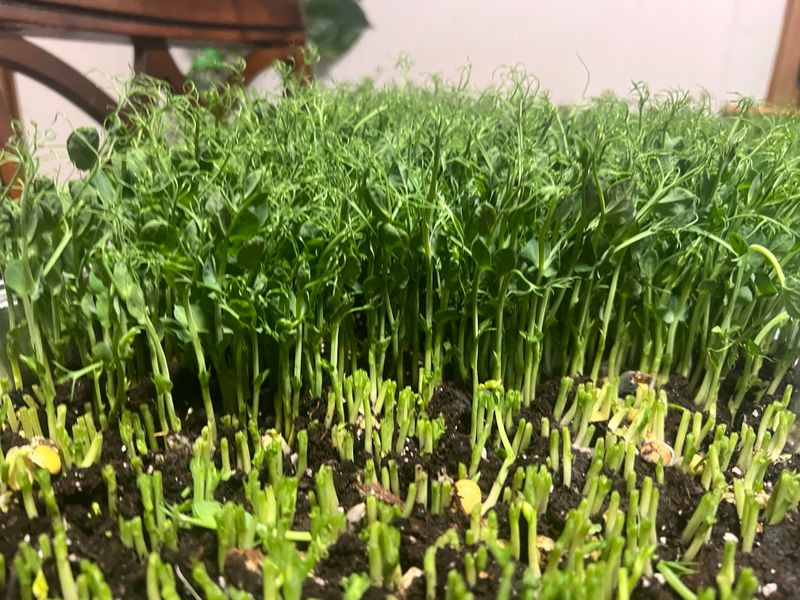
Sweet, tender, and absolutely delightful, pea shoots taste like springtime captured in a tiny green package that brightens up any meal instantly.
Unlike their full-grown garden cousins, pea shoot microgreens mature in roughly two weeks, offering that fresh pea flavor without months of waiting outside.
California’s consistent indoor temperatures help pea shoots thrive, especially during cooler months when outdoor gardening slows down or becomes less productive for most people.
Their delicate tendrils and bright green leaves look elegant on plates, making even simple dishes appear fancy enough for guests or special family occasions.
Pea shoots work wonderfully in stir-fries, adding a pop of color and a sweet crunch that complements garlic, ginger, and soy-based sauces beautifully.
Growing them requires slightly deeper trays than other microgreens since pea roots like a bit more room to stretch out and establish themselves properly.
Many California cooks toss pea shoots into smoothies for added nutrition, though their mild flavor means they won’t overpower your favorite fruit combinations at all.
Kids often enjoy growing pea shoots because the seeds are large and easy to handle, making the planting process less frustrating than fiddly seeds.
Once harvested, they stay fresh in the fridge for several days, giving you flexibility in meal planning without worrying about immediate spoilage or waste.
4. Broccoli Microgreens
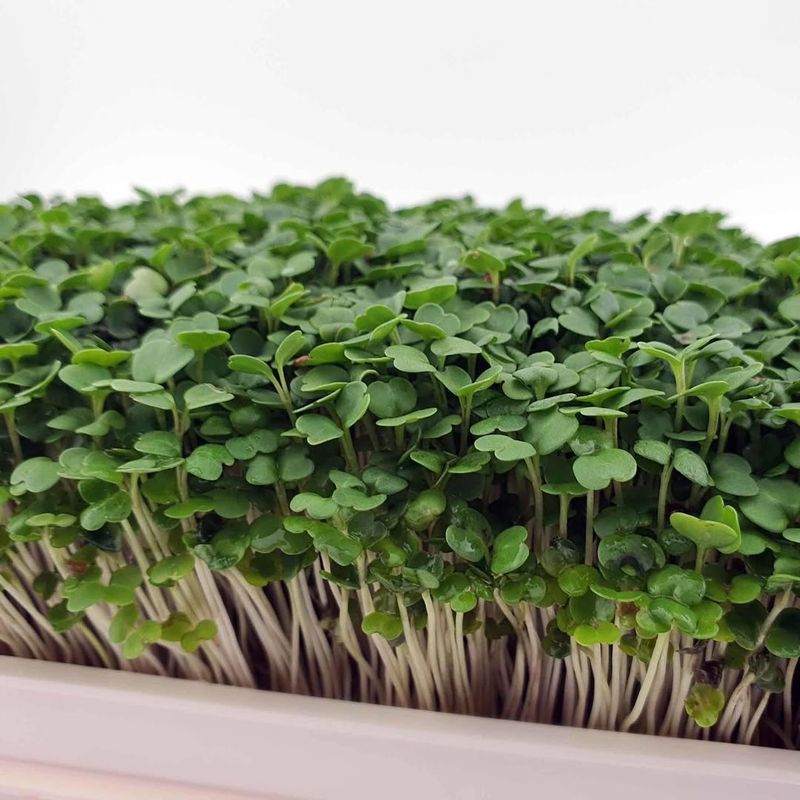
Packed with sulforaphane, broccoli microgreens deliver serious health benefits in a tiny package that tastes milder than full-grown broccoli florets you buy frozen.
California health enthusiasts adore these greens for their cancer-fighting compounds, which appear in concentrations higher than mature broccoli plants offer in grocery stores.
Their slightly cabbage-like flavor isn’t overpowering, making them easy to sneak into smoothies, omelets, or sandwiches without anyone noticing the extra nutrition boost.
Germination happens quickly, with sprouts appearing within three to five days, and full harvest readiness arriving around ten to fourteen days after initial planting.
Broccoli microgreens prefer cooler spots in your California home, so placing them away from heat vents or sunny windows helps prevent early bolting issues.
Their compact growth habit means you can fit more plants into a single tray, maximizing your harvest without requiring additional space or equipment purchases.
Many California families grow broccoli microgreens year-round, ensuring a steady supply of fresh greens regardless of outdoor weather conditions or seasonal availability at markets.
The seeds are inexpensive and widely available, making broccoli microgreens an accessible option for beginners who want nutritional value without breaking their monthly budget.
Harvesting them is simple—just snip with scissors above the soil line, rinse gently, and enjoy them immediately or store them for later use.
5. Arugula Microgreens
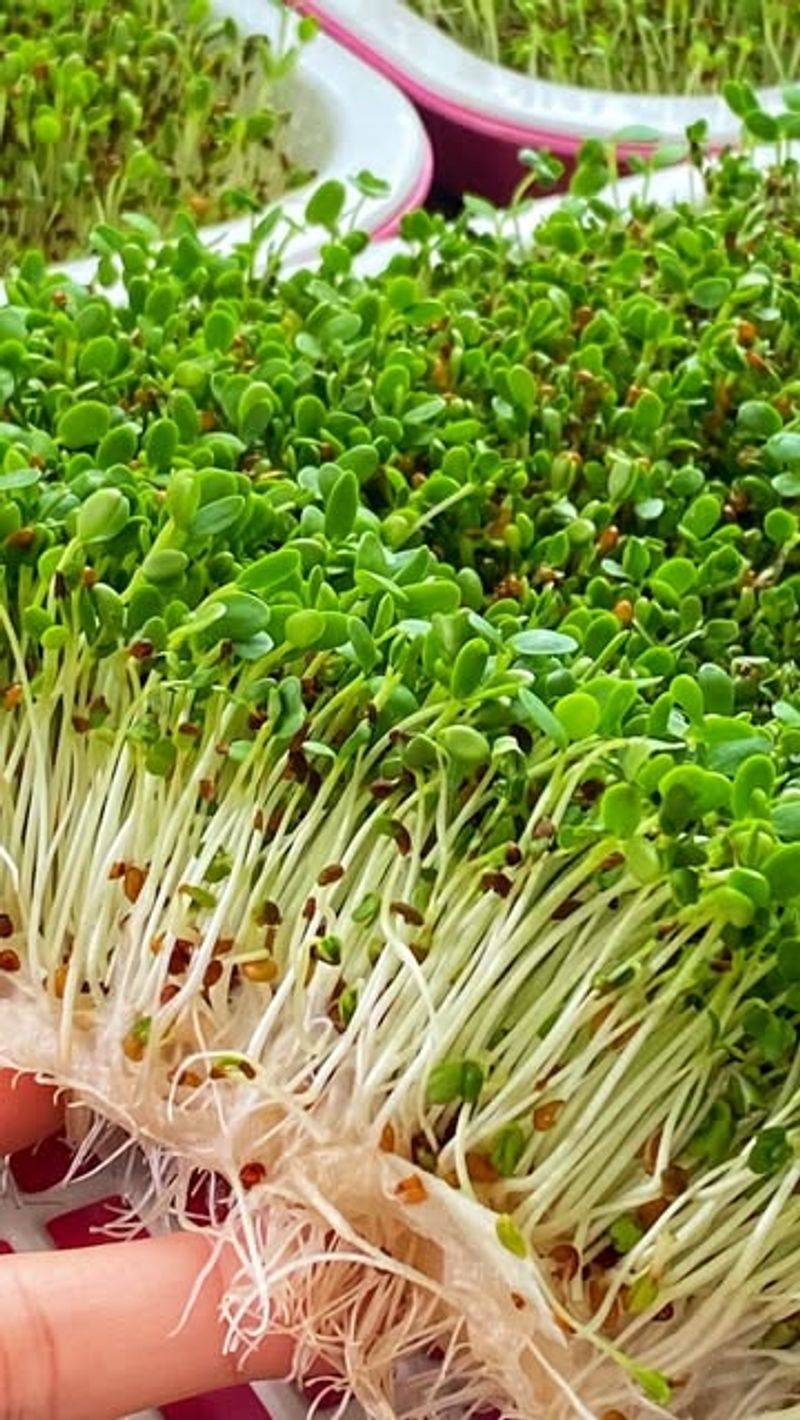
Bold, peppery, and packed with personality, arugula microgreens bring a sophisticated flavor that transforms ordinary salads into restaurant-quality creations at home.
California foodies appreciate how arugula microgreens offer the same spicy bite as mature arugula but with a more concentrated flavor profile in smaller portions.
Growing them indoors takes about seven to ten days from seed to harvest, making arugula one of the faster microgreens you can cultivate successfully.
Their dark green leaves add visual interest to plates, and the peppery taste pairs wonderfully with creamy cheeses, tomatoes, and balsamic vinegar in simple dishes.
Arugula microgreens tolerate California’s dry indoor air better than many delicate herbs, requiring less frequent misting or humidity adjustments throughout their growing cycle.
Many home cooks use them as a pizza topping after baking, adding fresh greens that wilt slightly from residual heat without becoming soggy or unappetizing.
The seeds are tiny, so sprinkling them evenly across your tray requires a gentle hand, but the effort pays off with dense, beautiful growth.
Arugula microgreens contain vitamins A, C, and K, along with calcium and iron, making them a nutritional powerhouse despite their small size and appearance.
Once you start growing arugula microgreens, you’ll find yourself adding them to sandwiches, wraps, and grain bowls wherever you need a flavor boost quickly.
6. Basil Microgreens
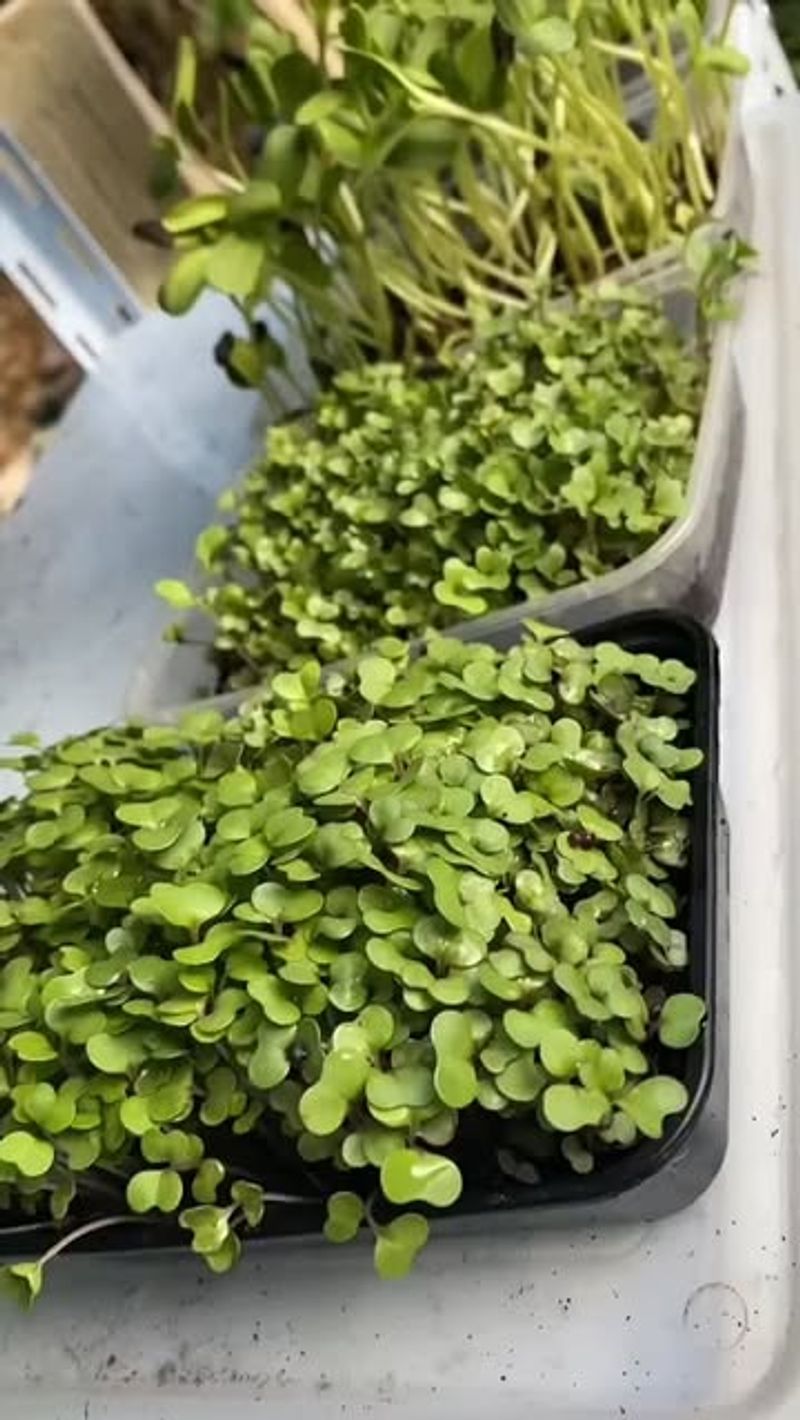
Fragrant and intensely flavorful, basil microgreens deliver that classic Italian herb taste in a compact form that’s perfect for California’s indoor growing conditions.
These tiny plants smell amazing as they grow, filling your kitchen with a fresh, aromatic scent that makes cooking feel more enjoyable every day.
Basil microgreens take slightly longer to mature than some varieties, usually around twelve to sixteen days, but the wait rewards you with incredible flavor.
California’s warm indoor temperatures suit basil perfectly since this Mediterranean herb thrives in warmth and doesn’t appreciate cold drafts or temperature fluctuations at all.
Their flavor works beautifully in Italian dishes, from pasta to caprese salads, where you want that unmistakable basil taste without using dried herbs instead.
Growing basil microgreens lets you enjoy fresh basil year-round, even during months when outdoor basil plants struggle or refuse to grow in cooler weather.
The seeds need consistent moisture to germinate, so checking your trays daily and misting when the soil feels dry prevents germination failures or patchy growth.
Many California cooks blend basil microgreens into pesto, creating a vibrant green sauce that tastes fresher and more intense than store-bought versions ever could.
Kids often enjoy the smell of basil microgreens, making this variety a fun choice for family gardening projects that engage multiple senses during growth.
7. Mustard Microgreens
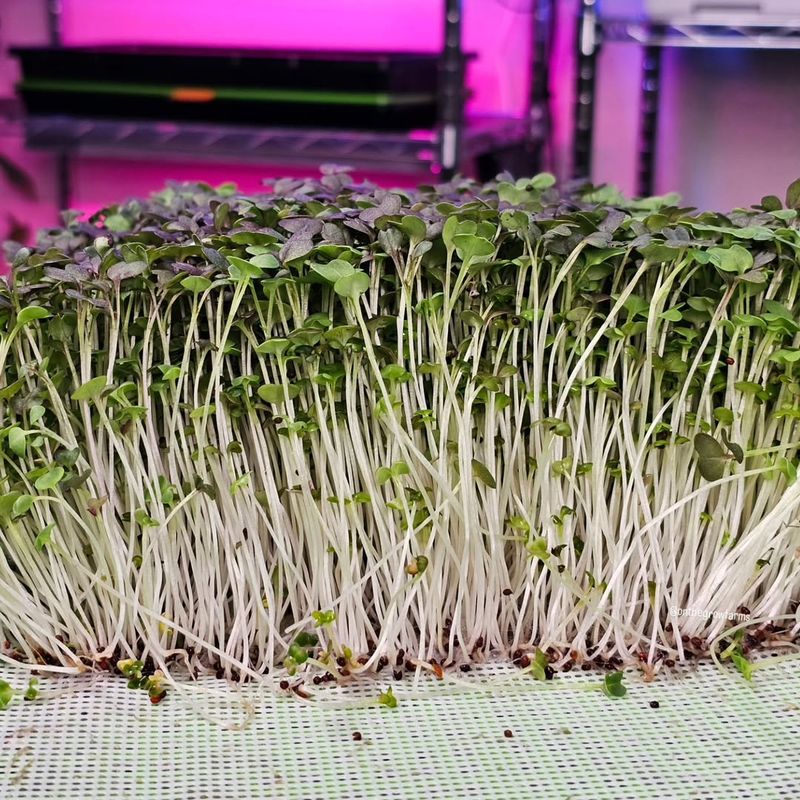
Spicy, bold, and impossible to ignore, mustard microgreens pack a punch that rivals horseradish or wasabi in their grown-up, full-strength condiment forms.
California gardeners who love heat in their food grow mustard microgreens to add zing to Asian-inspired dishes, tacos, and sandwiches needing extra excitement.
These greens grow fast, often ready to harvest within seven to ten days, making them ideal for impatient growers who want results quickly and efficiently.
Mustard microgreens come in several varieties, including red and green types, each offering slightly different flavors and colors that add visual diversity to meals.
Their intense flavor means a little goes a long way, so even a small tray provides enough greens for multiple meals without overwhelming your taste buds.
California’s dry indoor air doesn’t bother mustard microgreens much, and they grow vigorously without requiring constant attention or complicated care routines throughout their lifecycle.
Many home cooks use mustard microgreens as a garnish for soups and stews, adding a fresh, spicy element that contrasts beautifully with rich broths.
The seeds are affordable and sprout reliably, making mustard microgreens a low-risk choice for beginners experimenting with indoor gardening for the first time ever.
Harvesting them at different stages changes the flavor intensity, so you can experiment to find the perfect spice level for your family’s preferences.
8. Cilantro Microgreens
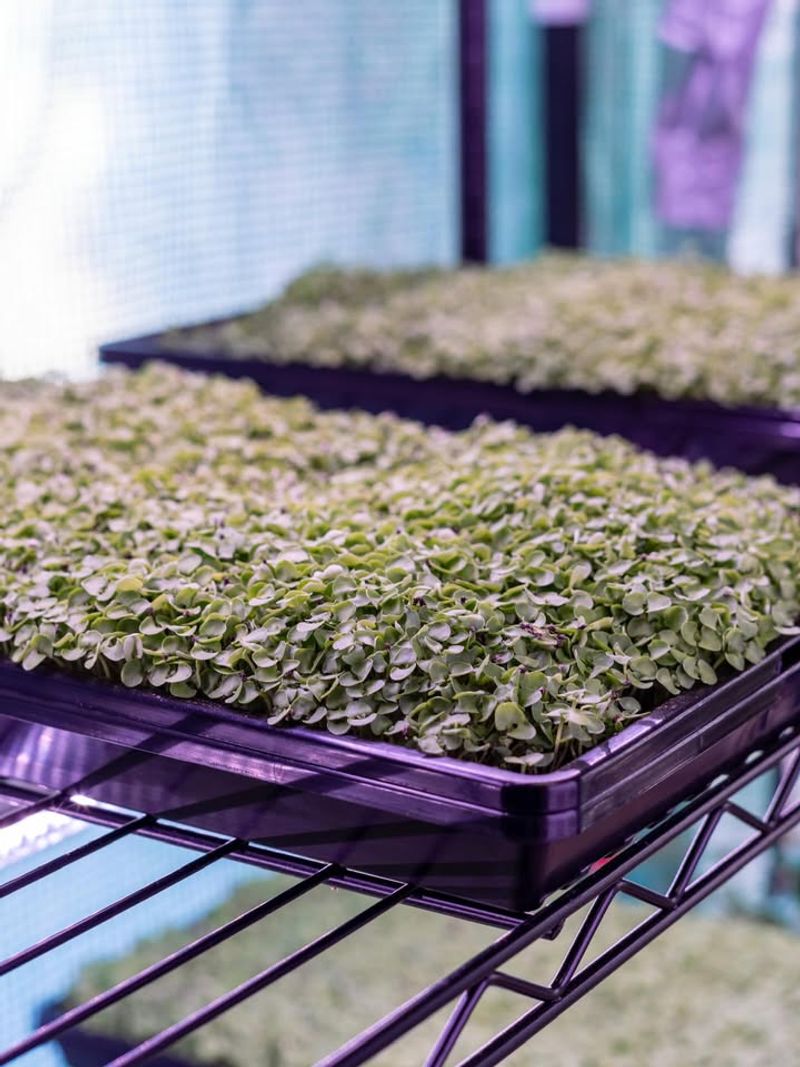
Love it or hate it, cilantro microgreens offer that distinctive, citrusy flavor that defines Mexican, Thai, and Indian cuisines people enjoy worldwide.
California’s diverse food culture makes cilantro microgreens especially popular, as many households cook dishes where fresh cilantro plays a starring role in recipes.
These microgreens take a bit longer to grow than some varieties, usually around fourteen to eighteen days, but their unique flavor makes patience worthwhile.
Cilantro microgreens taste milder than mature cilantro leaves, which means even people who typically dislike cilantro might find these baby plants more palatable overall.
Growing them indoors in California homes works well since cilantro prefers cooler temperatures and doesn’t thrive in hot outdoor summer conditions many regions experience.
Their delicate leaves require gentle handling during harvest and washing, as they bruise easily and lose their fresh appearance if treated too roughly or carelessly.
Many California cooks use cilantro microgreens in salsas, guacamole, and ceviche, where fresh herb flavor is essential for authentic taste and overall presentation quality.
The seeds, which are actually coriander seeds, need consistent moisture to germinate, so daily misting helps ensure good sprouting rates and healthy plant development.
Once harvested, cilantro microgreens should be used quickly since they don’t store as long as hardier varieties like sunflower or pea shoots typically do.
9. Kale Microgreens
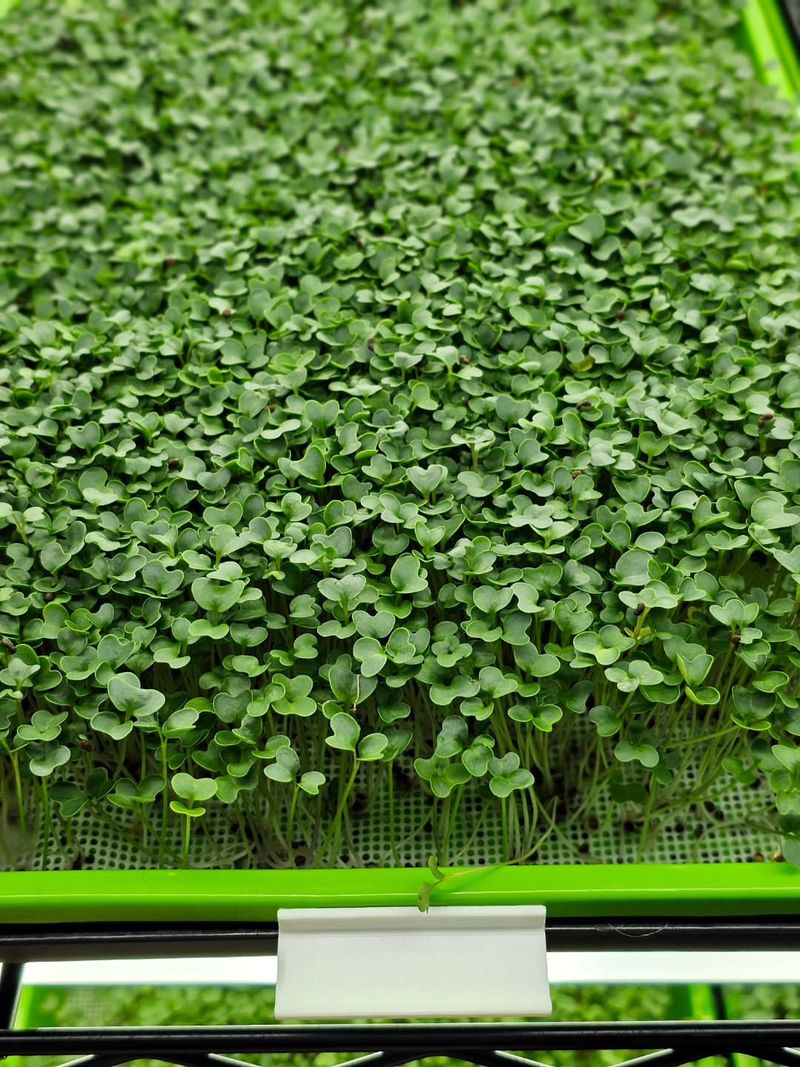
Nutrient-dense and surprisingly mild, kale microgreens deliver all the health benefits of mature kale without the tough texture or bitter taste people often avoid.
California health-conscious families grow kale microgreens for smoothies, juices, and salads where they want maximum nutrition without compromising on flavor or enjoyment at all.
These microgreens contain vitamins A, C, and K, plus calcium and antioxidants, making them one of the most nutritionally impressive options for indoor growing enthusiasts.
Kale microgreens take about ten to fourteen days to reach harvest size, developing beautiful green and purple leaves that look stunning on any plate.
Their mild flavor makes them incredibly versatile, working well in both savory and sweet applications where you want hidden nutrition without obvious vegetable taste.
Growing kale microgreens in California homes is straightforward since they tolerate a range of temperatures and don’t require precise conditions to thrive successfully indoors.
Many families add kale microgreens to breakfast smoothies, blending them with fruits and yogurt to create nutritious drinks that kids actually enjoy drinking happily.
The seeds are small but germinate reliably, producing dense growth that maximizes your harvest from even a small tray placed on a kitchen counter.
Kale microgreens stay fresh longer than some delicate varieties, giving you more flexibility in meal planning without worrying about waste or spoilage issues constantly.