8 Tender Herbs Georgia Gardeners Should Plant In April
April in Georgia has a pace that feels familiar to many gardeners. The air turns warmer, the soil loosens up, and it finally feels like planting season is fully underway after the slower winter months.
Longer days and steadier temperatures make it easier to get things growing with confidence.
Tender herbs line up well with this timing. They respond quickly to warm conditions and establish without much trouble when planted at the right moment.
Georgia’s extended growing season gives them room to develop steadily, especially when they are given enough sunlight and space early on.
Fresh herbs start showing up right when meals shift toward lighter, brighter flavors, and it doesn’t take long before they become part of daily cooking and outdoor routines.
1. Basil Bringing Classic Summer Flavor To Every Dish
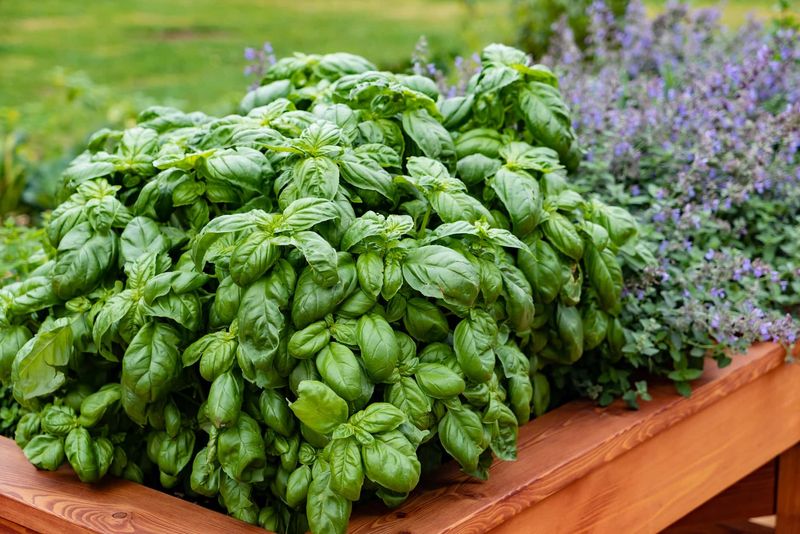
Few herbs say “summer” quite like basil. Walk past a basil plant on a warm Georgia afternoon and that rich, sweet aroma hits you instantly, and it never gets old.
Basil is one of the most popular herbs grown across the South, and for good reason: it loves heat, it grows fast, and it tastes incredible in everything from pasta sauces to homemade pesto.
In Georgia, April is the perfect time to get basil in the ground. The last frost has typically passed by mid-March, which means your plants will not face a sudden cold snap once you set them out.
Choose a sunny spot that gets at least six to eight hours of direct sunlight each day. Basil thrives in well-drained soil, so mix in some compost before planting to give it a rich, loose foundation to grow in.
Water your basil regularly, but avoid soaking the soil. Basil prefers moist conditions without sitting in standing water, which can cause root problems.
Pinch off flower buds as soon as they appear to keep the plant focused on producing big, flavorful leaves all season long.
Companion planting basil near tomatoes is a classic Georgia garden trick. Many gardeners plant basil near tomatoes as a traditional pairing, though evidence for improved flavor or pest control is limited.
Whether that is true or just garden folklore, one thing is certain: basil and tomatoes growing side by side in a sunny Georgia raised bed is a beautiful and practical combination worth trying.
2. Tarragon With A Light Anise Twist
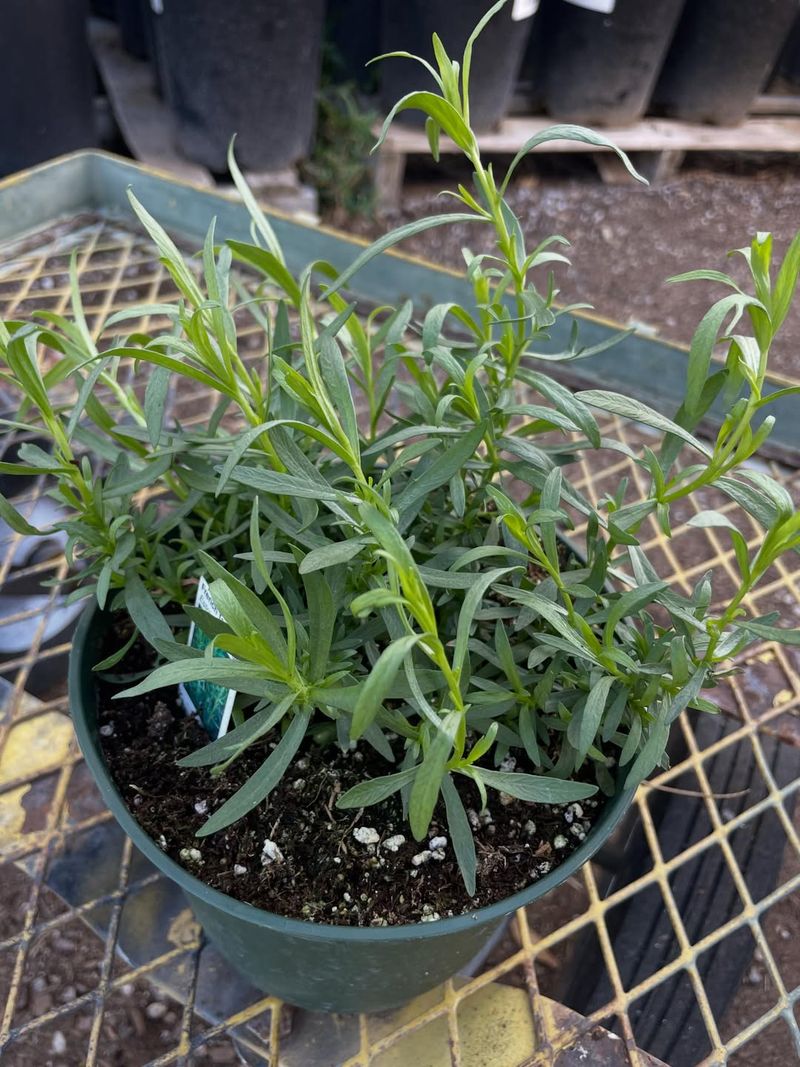
Tarragon might not be the first herb that comes to mind when you think of a Southern garden, but Georgia gardeners who give it a try rarely look back. French tarragon in particular has a distinctive anise-like flavor that works beautifully in vinaigrettes, chicken dishes, and creamy sauces.
It is a staple in classic French cooking, but it fits right in with Southern-inspired recipes too.
April is a great month to plant tarragon in Georgia because the soil has warmed up enough to encourage strong root development. Tarragon prefers well-drained soil and full sun, though it can tolerate a bit of afternoon shade during the hottest parts of the day.
One important note: always buy French tarragon as a plant or cutting rather than from seed, since French tarragon does not produce viable seeds. Russian tarragon does grow from seed but lacks the bold flavor that makes this herb so special.
Keep your tarragon on the drier side once it is established. Overwatering is one of the most common mistakes new growers make with this herb, and soggy soil can quickly lead to root rot.
A raised bed or a container with excellent drainage works especially well in Georgia’s sometimes heavy clay soils.
Harvest tarragon by snipping young stems in the morning when the essential oils are at their strongest. Regular harvesting encourages bushier growth and keeps the plant productive throughout Georgia’s long growing season.
Dry extra leaves or freeze them in olive oil for year-round use.
3. Cilantro Adding Fresh Bright Flavor Fast
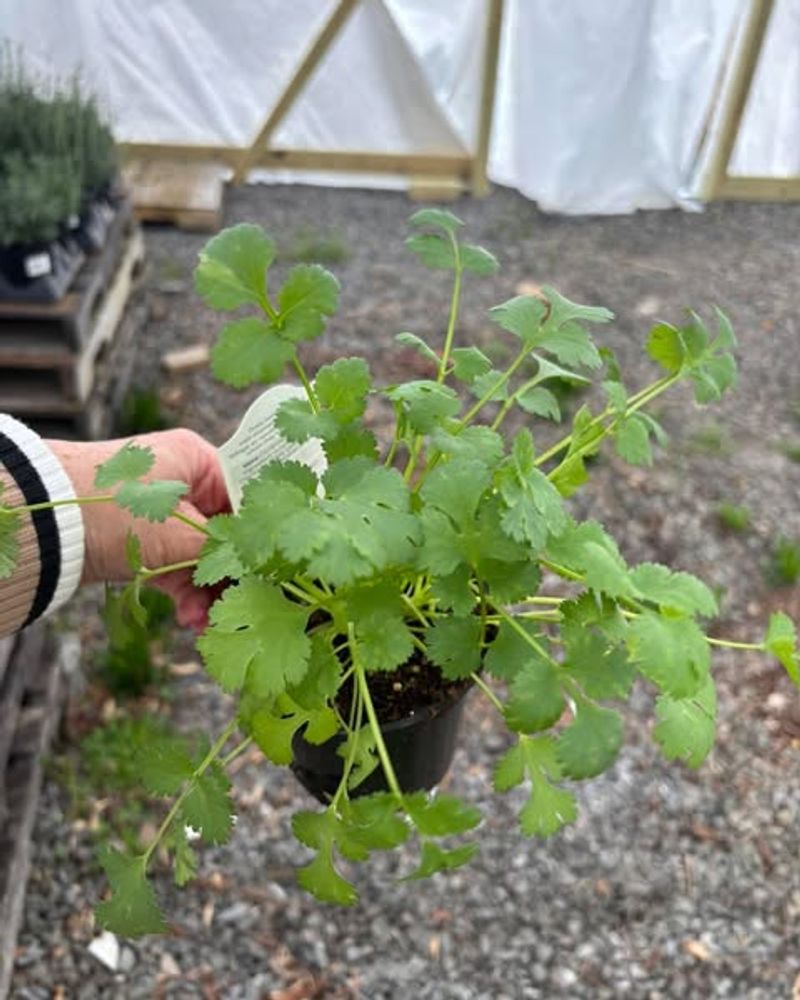
Love it or not, cilantro is one of those herbs that people feel strongly about. For those who adore its bright, citrusy flavor, fresh cilantro transforms salsas, tacos, curries, and soups into something truly special.
Georgia gardeners have a unique advantage with cilantro in April: the mild spring temperatures are actually ideal for this cool-season-leaning herb before summer heat sets in.
Cilantro does not love extreme heat, which means planting it in April in Georgia gives you a solid window of growth before temperatures climb too high. Sow seeds directly into the garden or use transplants and place them in a spot with full sun to partial shade.
In warmer parts of Georgia, a location that gets some afternoon shade can actually extend your harvest by slowing the bolting process.
Bolting, which is when the plant rushes to produce flowers and seeds, is the biggest challenge cilantro growers face. Once cilantro bolts, the leaves become sparse and bitter.
To slow this down, keep the soil consistently moist and harvest frequently by snipping the outer leaves. Succession planting every two to three weeks also keeps a steady supply of fresh leaves coming.
Here is a fun bonus: if you let cilantro bolt completely, the seeds it produces are the spice known as coriander. So even when your cilantro reaches the end of its leaf-producing life in Georgia’s warming summer, you can collect the seeds and use them in your cooking or replant them in the fall for another round.
4. Parsley More Than A Garnish With Steady Growth
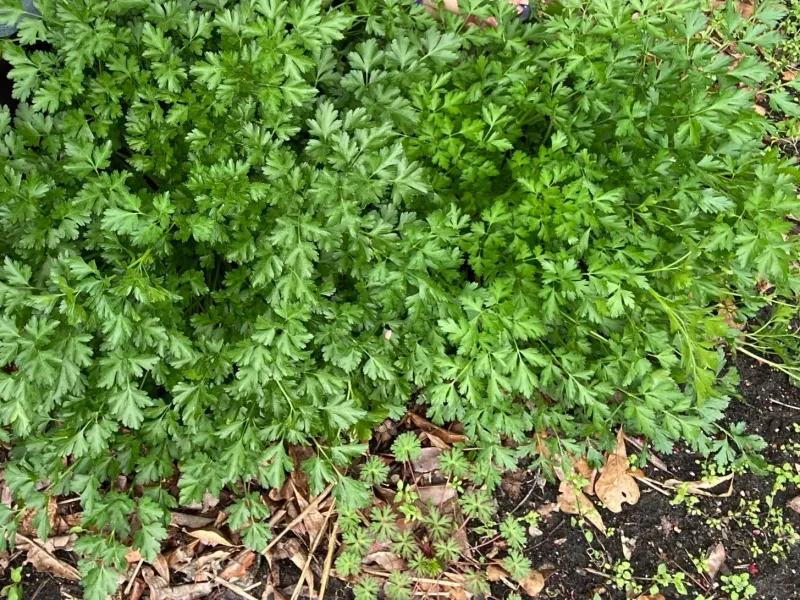
Often treated as just a garnish on a restaurant plate, fresh parsley is actually packed with flavor and nutrition, and it is incredibly easy to grow right here in Georgia. April is a fantastic month to get parsley established in your garden because the mild temperatures help young plants settle in without stress.
Both curly parsley and flat-leaf Italian parsley grow well in Georgia’s spring climate. Flat-leaf parsley tends to have a stronger, more complex flavor and is preferred by most cooks, while curly parsley is popular for its attractive appearance in garden borders.
Either variety will perform beautifully when planted in well-drained, compost-enriched soil with access to full sun or light partial shade.
One thing to keep in mind is that parsley is a biennial, meaning it completes its life cycle over two years. In its first year, it produces the lush leaves you want for cooking.
In the second year, it flowers and goes to seed. Most Georgia gardeners treat it as an annual and replant each spring to keep a fresh, productive crop going.
Water parsley consistently to keep the soil evenly moist, especially during Georgia’s warmer spring days. Avoid letting the soil dry out completely between waterings.
Harvest stems from the outer edges of the plant first, which encourages new growth from the center. Parsley pairs wonderfully with garlic, lemon, and olive oil in countless Southern and Mediterranean-inspired dishes.
5. Chives Offering Easy Onion Flavor In Small Spaces
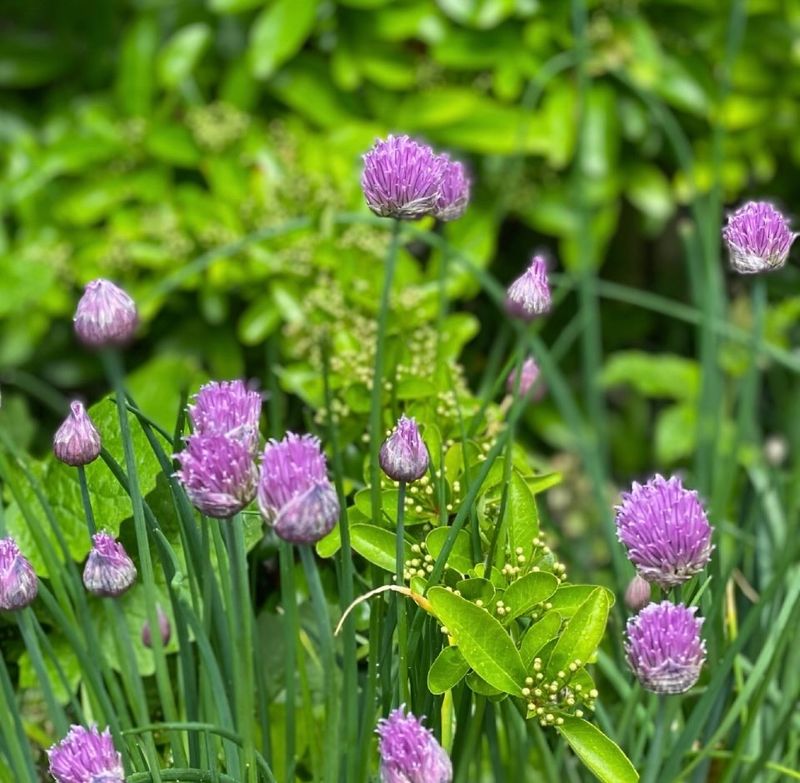
One of the easiest and most rewarding herbs you can grow in a Georgia garden is chives. They come back year after year, ask for very little attention, and produce beautiful purple flowers in spring that are just as edible as the green stems.
The mild onion flavor of chives makes them a natural fit for scrambled eggs, baked potatoes, soups, and fresh salads.
April is an excellent time to plant chives in Georgia, whether you are starting from seeds, transplants, or dividing an existing clump. They adapt well to a wide range of soil conditions but perform best in well-drained soil with full sun to partial shade.
One of the great things about chives is that they are not picky about growing conditions, which makes them a smart choice for beginner gardeners across the state.
Chives grow in clumps that slowly expand over time. Every few years, dividing the clumps and replanting them refreshes their vigor and gives you more plants to spread around your garden or share with neighbors.
In Georgia’s mild winters, chives often stay semi-green year-round, making them one of the earliest herbs ready for harvest each spring.
Snip the leaves with scissors about an inch above the soil level to harvest. The plant will quickly regrow, giving you a continuous supply of fresh chives throughout the season.
Avoid harvesting more than one-third of the plant at a time to keep it healthy and productive. Those purple blooms in spring also make a stunning edible garnish for spring salads and cheese boards.
6. Mint Spreading Fast With Cool Refreshing Leaves
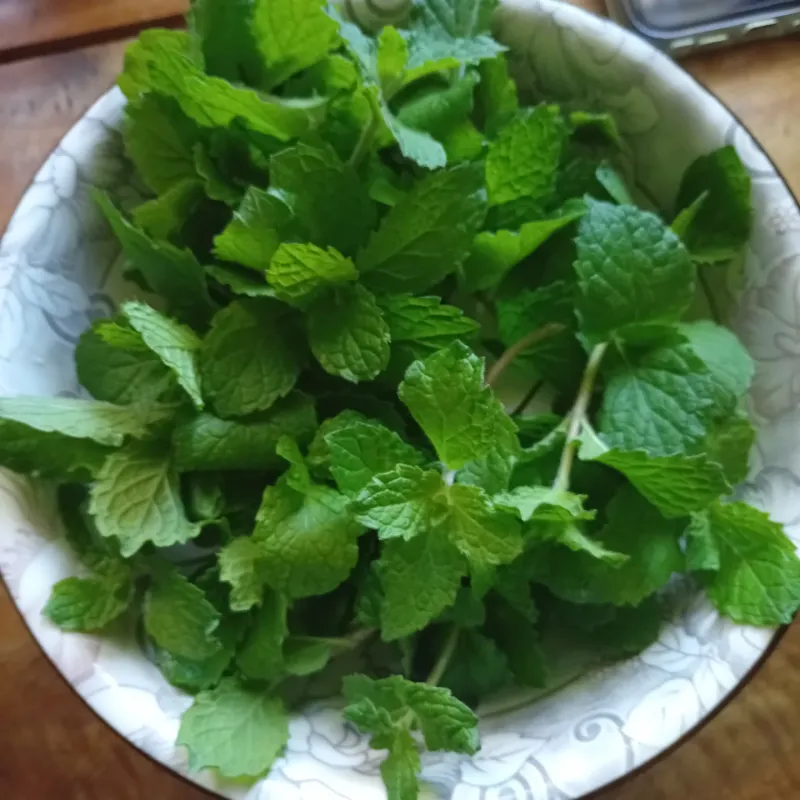
Left unchecked in a Georgia garden, mint will spread enthusiastically in every direction, taking over beds and crowding out neighboring plants. The secret most experienced gardeners use is simple: grow mint in a container or a buried pot to keep its roots from spreading too far.
April in Georgia is a perfect time to plant mint because the warming soil and longer days fuel fast, lush growth. Mint thrives in partial shade to full sun and prefers consistently moist soil, making it one of the more forgiving herbs when it comes to watering.
Spearmint, peppermint, and chocolate mint are all popular varieties that perform well across Georgia’s different growing regions.
The uses for fresh mint in a Southern kitchen are practically endless. A handful of fresh leaves in a glass of iced sweet tea is a Georgia classic.
Mint also shines in fruit salads, homemade lemonade, lamb dishes, and yogurt-based dips. Drying or freezing mint for off-season use is easy and ensures you have this flavorful herb available year-round.
Harvest mint frequently by pinching off stem tips to encourage bushy, full growth rather than tall, leggy plants. Mint flavor can change once it flowers, so many gardeners pinch off blooms to maintain leaf quality.
With just a little care, a single mint plant purchased in April can provide enough leaves to keep a Georgia kitchen well-stocked all summer long.
7. Thyme Staying Low With Strong Flavor
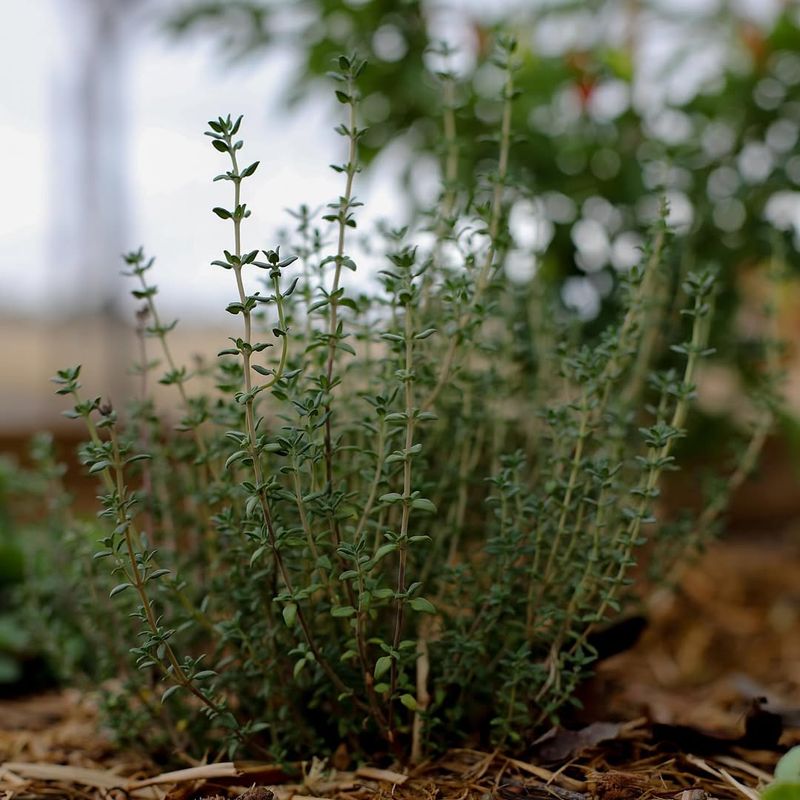
Tough, fragrant, and surprisingly versatile, thyme is one of those herbs that quietly does a lot of heavy lifting in both the garden and the kitchen. It forms a low, spreading mat of tiny aromatic leaves that looks beautiful along garden edges, between stepping stones, or in raised beds.
In Georgia, April is an ideal time to get thyme established because the warming spring temperatures are exactly what this herb loves.
Thyme is a perennial in Georgia’s climate, meaning once you plant it, it comes back year after year with minimal effort on your part. It thrives in full sun and well-drained soil, and it actually performs better in slightly lean, sandy soil rather than overly rich compost-heavy beds.
Too much nitrogen can make thyme grow fast but sacrifice the aromatic oils that give it that bold, earthy flavor.
Watering needs for thyme are low once the plant is established. It is quite drought-tolerant, which makes it a smart choice for Georgia gardeners who want a low-maintenance herb that handles summer heat without constant attention.
Avoid overwatering, as soggy soil is the fastest way to stress a thyme plant.
Common thyme, lemon thyme, and creeping thyme are all great options for Georgia gardens. Harvest by snipping young stem tips before the plant flowers for the strongest flavor.
Thyme pairs perfectly with roasted meats, root vegetables, soups, and stews. Fun fact: thyme has been used medicinally for thousands of years, valued by ancient Greeks and Romans for its antibacterial properties long before modern science confirmed it.
8. Oregano Packing Bold Flavor Into Every Leaf
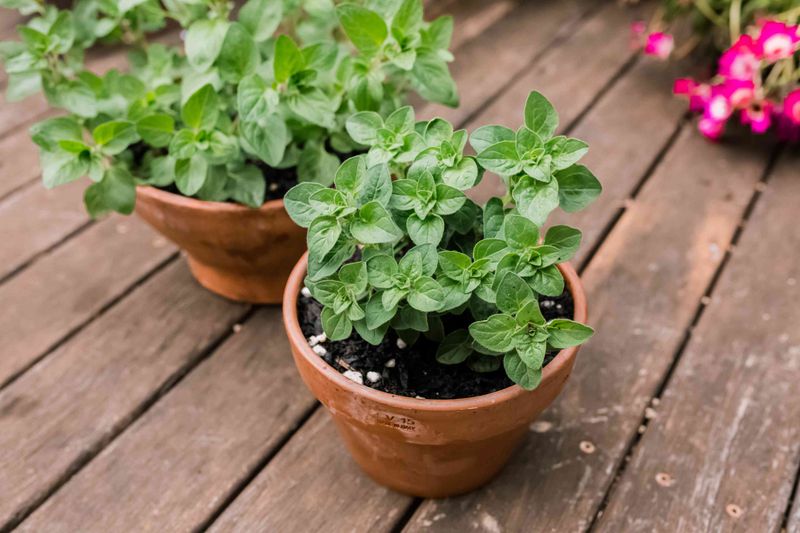
If you have ever made homemade pizza sauce or a slow-simmered marinara and reached for dried oregano from a jar, wait until you try it fresh from your own Georgia garden. Fresh oregano has a bold, slightly peppery, and earthy flavor that is noticeably more vibrant than anything from a grocery store spice rack.
Growing your own is easier than you might think, and April is the best time to get started.
Oregano is a perennial herb that thrives in Georgia’s warm climate and comes back reliably each spring. It loves full sun and well-drained soil, and like thyme, it actually prefers soil that is not overly rich.
A sunny raised bed or a terracotta pot filled with a sandy, well-draining mix works perfectly for oregano in Georgia gardens, especially in areas with heavy clay soil.
Once established, oregano is remarkably low-maintenance. It handles Georgia’s summer heat without much complaint and does not need frequent watering once its roots are settled in.
Trim the plant back by about one-third after it flowers to encourage a fresh flush of flavorful new growth and keep it from becoming too woody.
Greek oregano is the variety most commonly used in cooking and delivers the strongest, most classic flavor. Italian oregano is slightly milder and a bit sweeter.
Both grow well across Georgia. Harvest stems in the morning for the best flavor concentration, and dry extra bundles by hanging them upside down in a warm, airy spot.
Oregano is a must-have herb for any Georgia kitchen garden.