Tennessee Backyard Crops That Might Be Illegal Without You Even Knowing
Planting a backyard garden in Tennessee usually feels harmless. You pick your seeds, dig a few holes, and look forward to fresh food on your table.
But many homeowners are shocked to learn that some crops are actually restricted or illegal to grow. These rules exist to protect local farms, prevent invasive plants from spreading, and reduce agricultural risks, yet they rarely get talked about.
Some of these crops look completely ordinary, which makes the problem even trickier. You could be caring for a plant all season without realizing it violates state regulations.
Knowing what is allowed and what is not helps you avoid fines, forced removal, and wasted effort while keeping your garden productive and stress free. Checking your crop choices now could save you from an expensive surprise later.
1. Wild Morning Glory
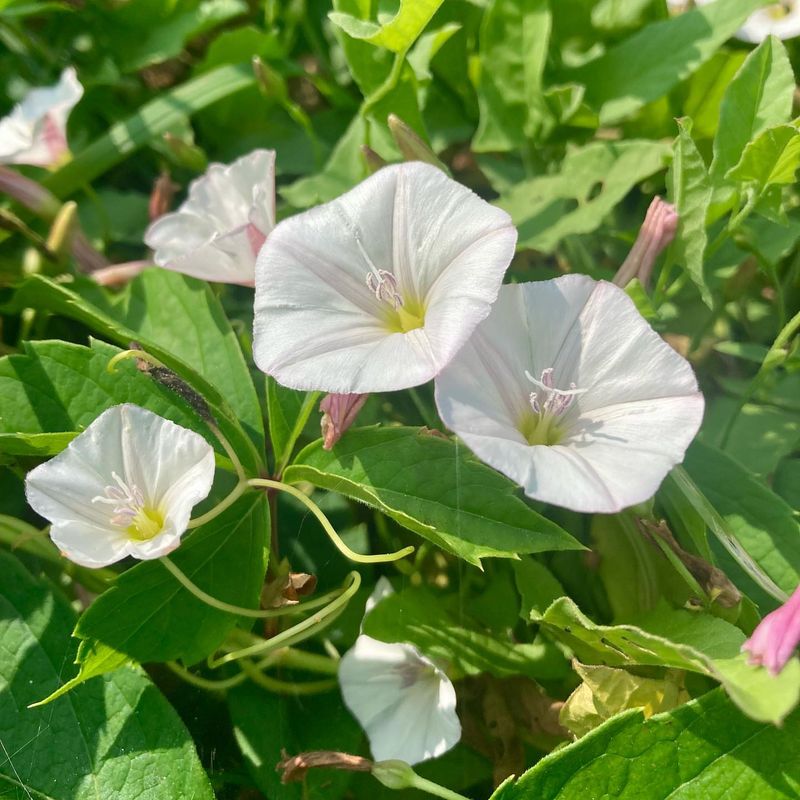
Wild morning glory (Ipomoea spp.) may look innocent in your Tennessee garden with its vibrant purple or pink trumpet-shaped flowers, but it’s classified as a noxious weed under state law.
Its aggressive growth habit allows it to quickly overtake other garden plants, climbing fences, trellises, and even trees, creating dense tangles that smother desirable vegetation.
Once established, its extensive root system spreads underground, making full eradication extremely difficult.
Tennessee farmers report millions in lost revenue each year as this invasive species competes for nutrients, water, and sunlight with crops such as soybeans, corn, and vegetables.
Homeowners attempting to grow wild morning glory may unintentionally create a neighborhood problem, as seeds can spread via birds, wind, or garden debris, leading to violations of noxious weed regulations.
Effective management requires removing plants before they flower and produce seeds, regularly monitoring for seedlings, and ensuring garden compost or mulch does not contain seeds.
Public awareness is crucial, as even small backyard plantings can contribute to larger infestations in natural areas. By understanding the risks, Tennessee gardeners can enjoy ornamental vines safely while complying with state regulations and protecting local ecosystems.
2. Giant Hogweed
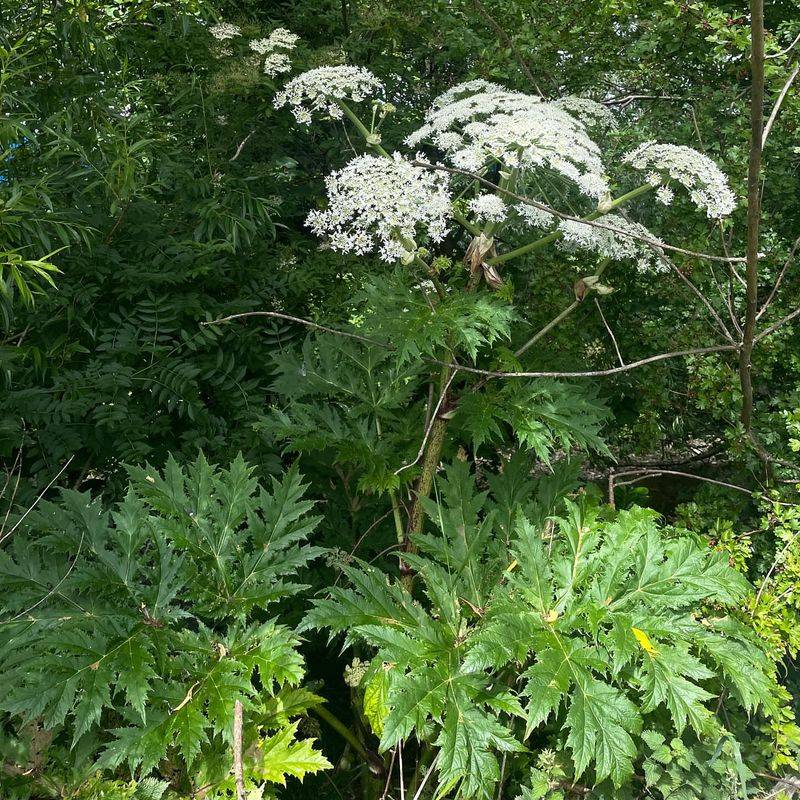
Giant hogweed (Heracleum mantegazzianum) is a towering, visually striking plant that presents serious legal and safety risks for Tennessee homeowners. Its sap contains furanocoumarins, chemicals that make skin extremely sensitive to ultraviolet light.
Contact with the sap in sunlight can cause severe burns, blistering, and long-lasting scars, and exposure to the eyes can lead to permanent blindness.
Originally introduced as an ornamental curiosity, giant hogweed has now been banned across Tennessee due to its public health threat.
The plant can reach heights of 10–15 feet, producing large umbrella-shaped flower clusters that release thousands of seeds capable of colonizing nearby areas. Its aggressive growth crowds out native plants, creating monocultures that reduce biodiversity.
Even trimming the plant is dangerous without protective clothing and proper handling techniques. Tennessee law prohibits its cultivation, sale, or transport, and homeowners can face fines for failing to remove it safely.
Preventing the spread requires careful identification, use of herbicide treatments, and removal of flower heads before seed dispersal.
Educating neighbors and community members about its dangers helps protect children, pets, and the local environment. Properly managing giant hogweed preserves both human safety and Tennessee’s ecological health.
3. Opium Poppies
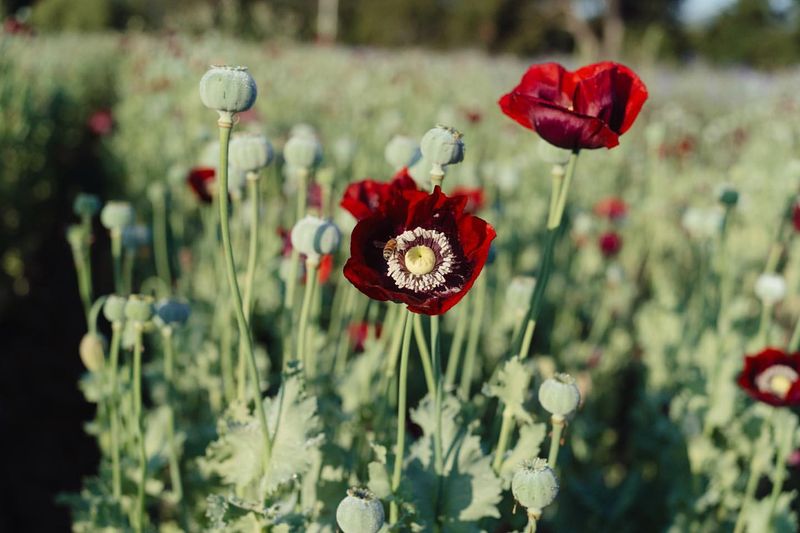
Opium poppies (Papaver somniferum) are often admired for their vivid red, white, or purple flowers and are popular in ornamental gardens, but in Tennessee, they are federally prohibited due to their narcotic content.
The plant produces compounds, including morphine and codeine, which can be processed into illegal substances.
Growing even a few plants in your backyard—whether for flowers or seeds used in baking—violates the Controlled Substances Act, potentially resulting in serious criminal penalties, including fines or imprisonment.
Law enforcement periodically inspects properties where these poppies are reported, and because they are easily recognizable, even casual gardeners can unintentionally come under legal scrutiny.
The DEA has strict rules regarding cultivation, and no exceptions are made for decorative purposes.
Tennessee gardeners must be vigilant, ensuring seeds purchased from catalogs or online suppliers are legal varieties, like ornamental or culinary poppy species that contain no narcotic compounds.
Educating gardening communities about the legal risks is essential to avoid unintentional violations.
Homeowners interested in poppies can safely grow alternative varieties, such as California or Oriental poppies, which provide similar aesthetic appeal without carrying federal restrictions or criminal liability.
Responsible gardening ensures beautiful blooms without legal consequences or risks to public safety.
4. Kudzu
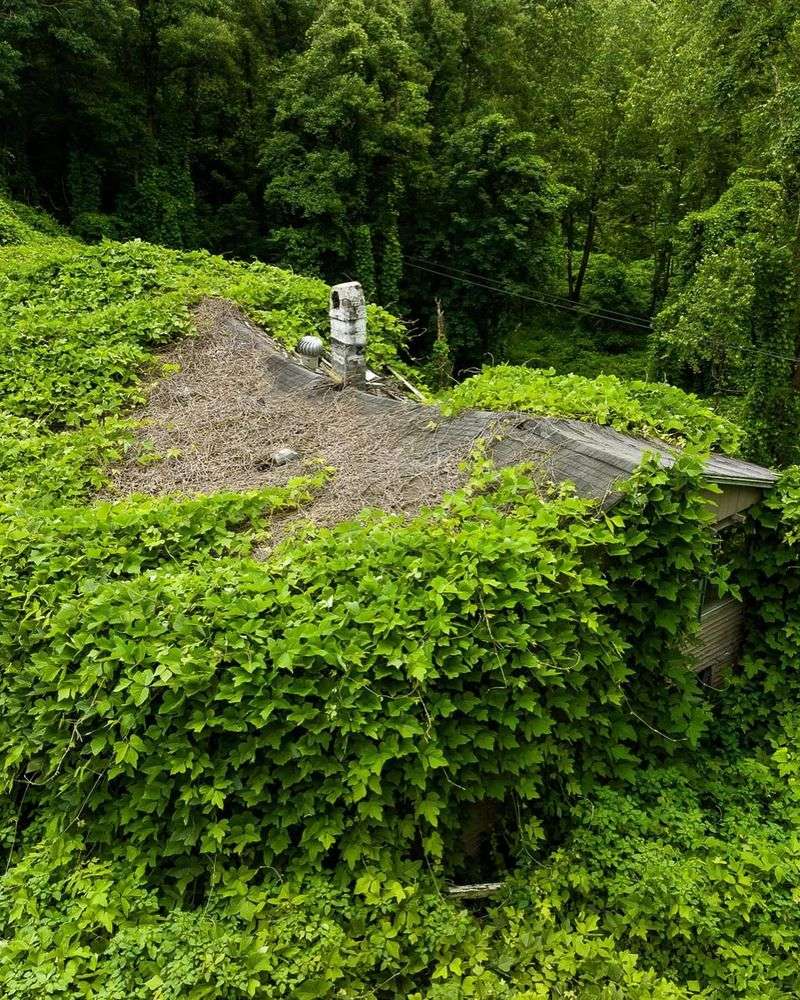
Kudzu (Pueraria montana), famously dubbed “the vine that ate the South,” is strictly prohibited for backyard cultivation in Tennessee due to its highly invasive nature and destructive growth.
This Asian vine can grow up to a foot per day during the summer months, rapidly covering trees, fences, power lines, and buildings.
Originally introduced for erosion control, kudzu has since become an ecological nightmare, smothering native plants, outcompeting crops, and altering habitats.
Its extensive root system makes eradication extremely challenging, often requiring repeated herbicide treatments, mechanical removal, and careful monitoring over multiple years.
Tennessee law forbids intentional planting, and property owners can face penalties if they fail to remove existing infestations. Gardeners unaware of kudzu’s aggressive tendencies may inadvertently contribute to the spread, as seeds and cuttings easily propagate.
Effective management includes promptly removing vines before they flower, properly disposing of plant material, and coordinating with neighbors to prevent reinfestation. Maintaining native vegetation buffers against re-establishment.
Understanding kudzu’s ecological impact helps homeowners comply with regulations, protect property, and preserve biodiversity while preventing the destruction of Tennessee’s natural and cultivated landscapes.
5. Cannabis
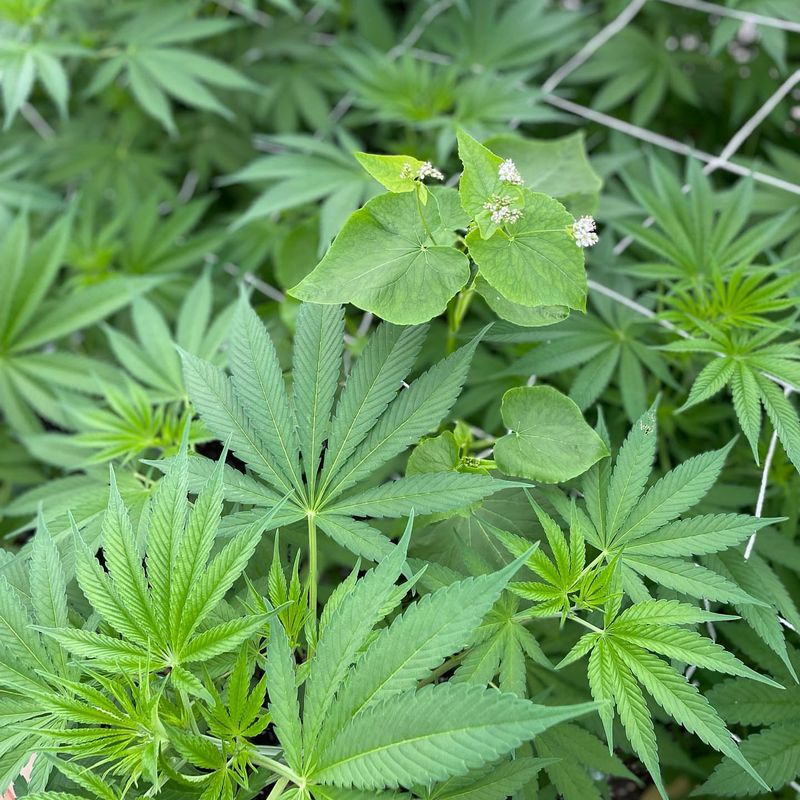
Despite the growing legalization trend across the U.S., growing cannabis (Cannabis sativa) remains illegal in Tennessee without a proper license. Home cultivation, even of a single plant, can result in felony charges, steep fines, and potential prison time.
Many homeowners are unaware of how strictly authorities enforce these laws, which include active surveillance in some areas. Cannabis plants are recognizable by their distinctive leaves and rapid growth, making them easy targets for law enforcement.
Even medical use exceptions in Tennessee are highly limited and require formal registration. Violations can result in not only criminal charges but also the forfeiture of property or plants.
Gardeners should be cautious, avoiding the temptation to grow cannabis in personal yards. Tennessee authorities actively educate the public about these legal restrictions, emphasizing that ignorance is not a defense.
Those interested in legal alternatives may consider hemp cultivation under strict state licensing programs, which provide lawful avenues for growing similar plants. Compliance protects homeowners while ensuring the state’s regulatory frameworks are respected.
6. Chinese Tallow Tree
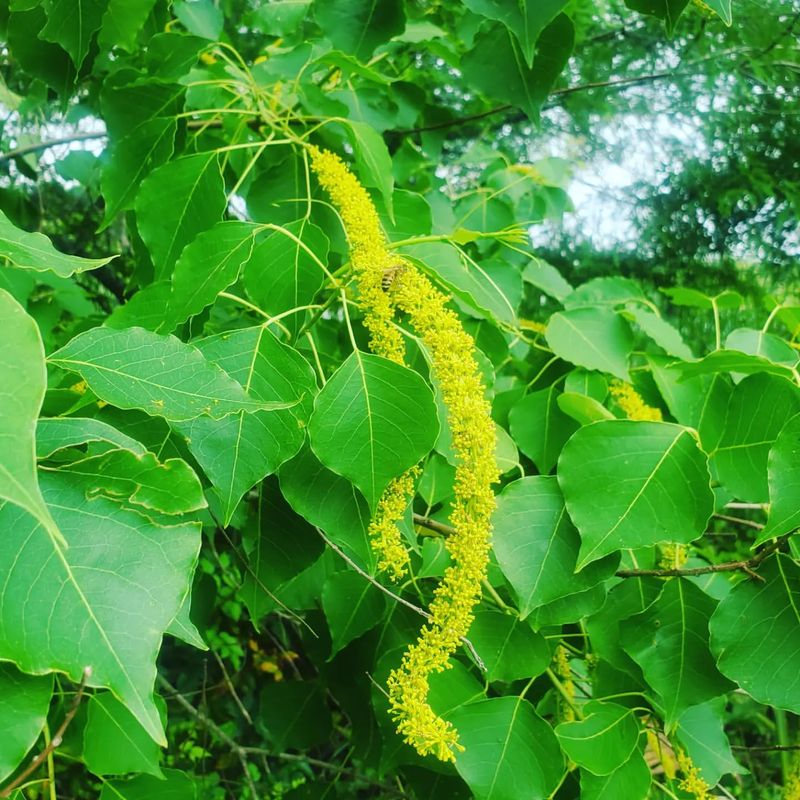
The Chinese tallow tree, often called the “popcorn tree” because of its white seed clusters, is banned throughout Tennessee due to its aggressive invasive behavior.
While many homeowners are drawn to its colorful fall foliage and fast growth, this tree creates serious long-term problems for native ecosystems.
Each mature tree can produce up to 100,000 seeds every year, which are easily spread by birds and water runoff. Once established, Chinese tallow forms dense groves that crowd out native plants, reducing habitat for birds, pollinators, and beneficial insects.
Its roots release chemicals that suppress the growth of surrounding vegetation, creating monoculture zones where little else can survive. Removal is expensive and labor-intensive, often requiring repeated cutting and herbicide applications to prevent regrowth.
Tennessee land managers spend significant resources combating this species in wetlands and riverbanks where it causes erosion and disrupts natural water flow. Homeowners who unknowingly plant Chinese tallow may face mandatory removal orders and fines.
Choosing native shade trees instead provides beauty, wildlife support, and long-term landscape stability without violating regulations or contributing to environmental damage.
Responsible planting decisions protect both property values and Tennessee’s natural heritage.
7. Jimsonweed
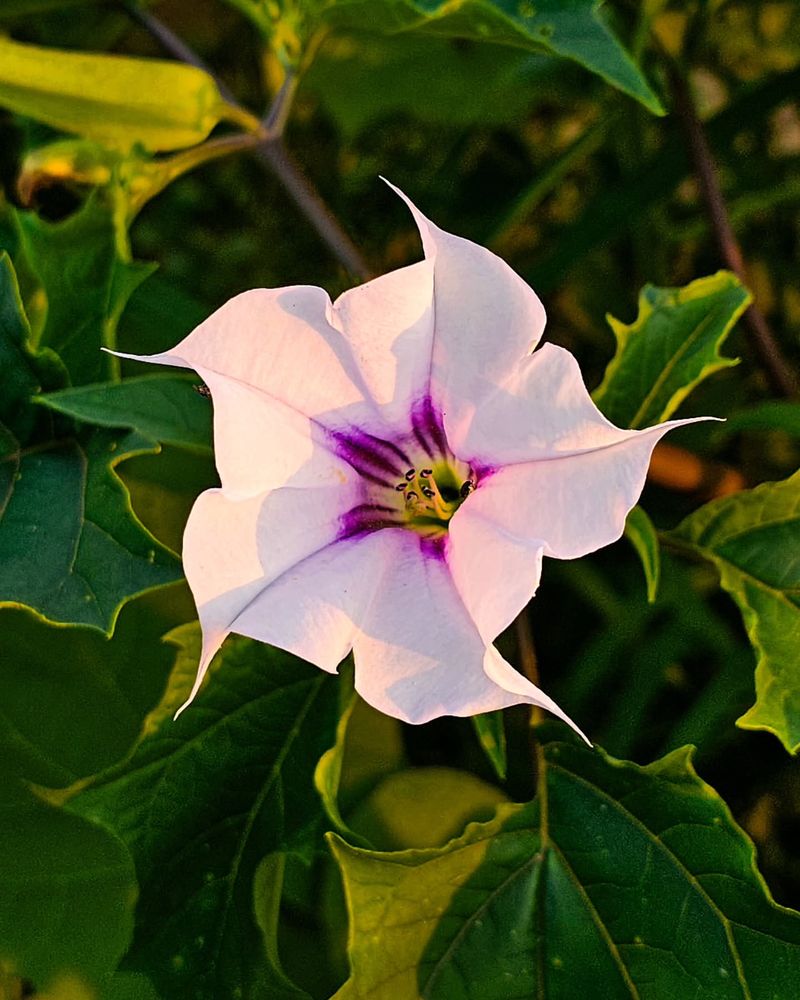
Jimsonweed may look harmless with its trumpet-shaped white or purple flowers, but this plant is both illegal and extremely dangerous in Tennessee.
Every part of the plant contains toxic alkaloids that affect the nervous system, causing hallucinations, confusion, seizures, heart irregularities, and even death in severe cases.
Children and pets are especially vulnerable because the spiny seed pods resemble small decorative ornaments or unusual fruits. Tennessee law prohibits intentional cultivation of jimsonweed due to its public health risks and agricultural impact.
The plant also poses a threat to livestock, with yearly reports of poisoning incidents when animals accidentally consume contaminated hay or grazing plants.
Jimsonweed spreads easily through seeds that remain viable in soil for years, making infestations difficult to eliminate once established.
Homeowners who discover jimsonweed on their property should remove it carefully using protective gloves and dispose of it properly to prevent seed dispersal. Regular garden inspections and weed management reduce the risk of accidental spread.
Avoiding this plant protects families, pets, and farmland while helping maintain safe outdoor spaces across Tennessee communities.
8. Japanese Barberry
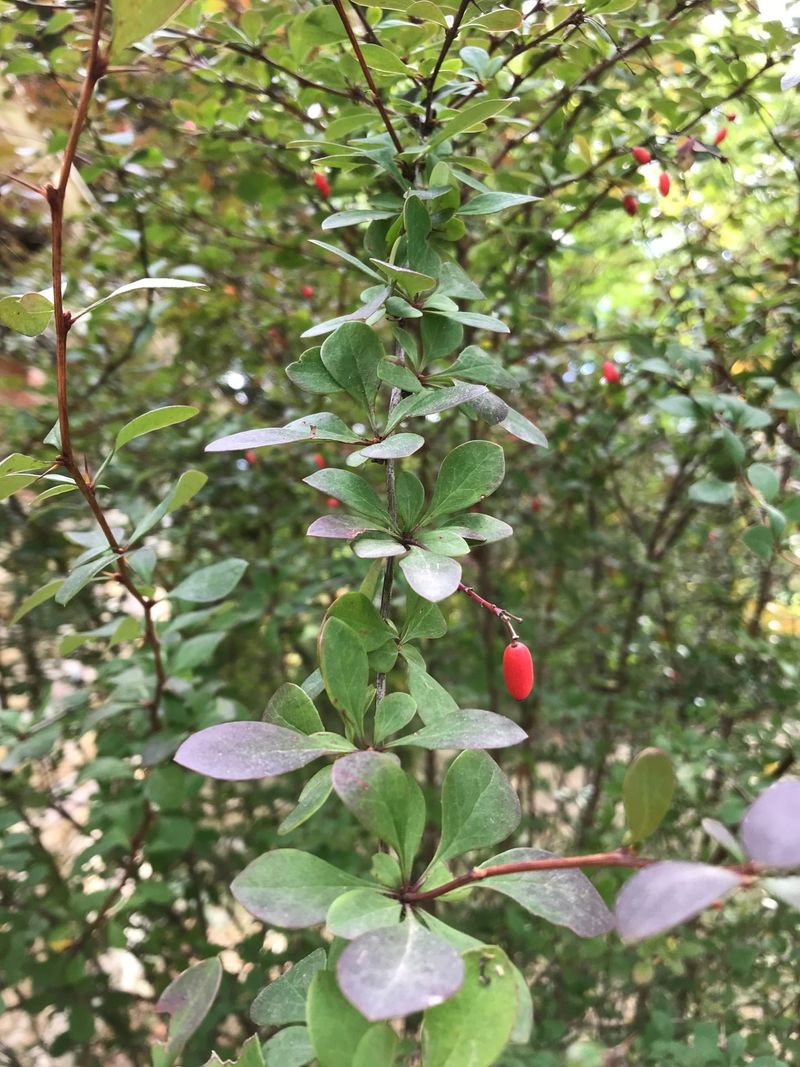
Japanese barberry may appear attractive with its red foliage and compact growth habit, but Tennessee has banned its cultivation due to its invasive behavior and connection to tick population growth.
This thorny shrub creates dense understory thickets that crowd out native plants and reduce biodiversity.
Research shows that barberry-infested areas often have higher humidity levels near the ground, creating ideal breeding conditions for ticks that carry Lyme disease and other pathogens.
The plant’s dense branches also provide shelter for rodents that host ticks, increasing disease transmission risks.
Once established, Japanese barberry is difficult to remove because it readily resprouts from roots and produces large quantities of seeds dispersed by birds.
Homeowners attempting removal often require protective clothing due to sharp thorns and may need repeated treatments to fully eradicate it.
Tennessee officials encourage replacing barberry with native shrubs that provide similar ornamental value while supporting pollinators and wildlife.
Choosing safer landscaping alternatives reduces health risks, preserves natural ecosystems, and keeps homeowners in compliance with state regulations.
Responsible gardening choices help protect neighborhoods from both invasive plants and rising tick-related health concerns.
9. Water Hyacinth
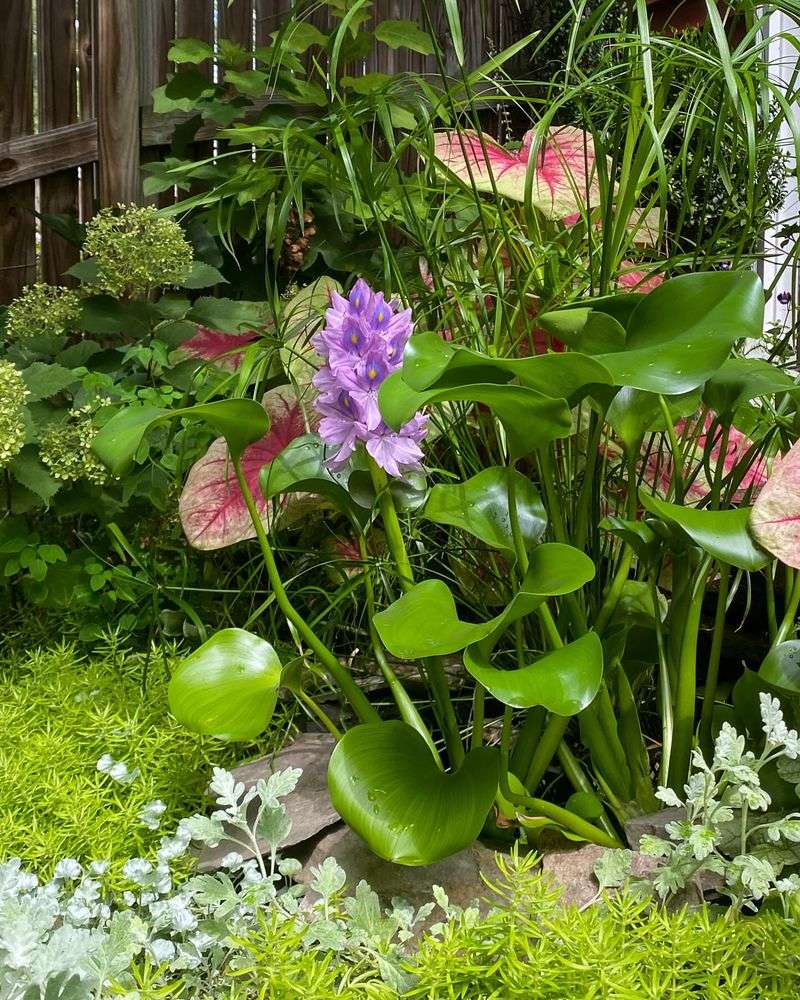
Water hyacinth is one of the most destructive aquatic plants in the world, and Tennessee strictly prohibits its possession, cultivation, or release.
Although its lavender flowers and glossy green leaves make it appealing for ornamental ponds, this plant reproduces at extraordinary rates, doubling in population in as little as two weeks under warm conditions.
Dense mats of water hyacinth block sunlight from reaching underwater vegetation, reduce oxygen levels, and suffocate fish populations. These floating invasions also clog waterways, restrict boat traffic, and increase mosquito breeding habitat.
Tennessee spends millions managing infestations that threaten lakes, rivers, and reservoirs. Even backyard pond owners can face fines if water hyacinth escapes into natural waterways through flooding or improper disposal.
Safe alternatives include native aquatic plants that provide beauty without ecological damage. Responsible disposal of aquarium plants is critical, as dumping unwanted vegetation into creeks or drainage systems often triggers new outbreaks.
Preventing the spread of water hyacinth protects water quality, wildlife habitats, and recreational resources across the state.
10. Tropical Soda Apple
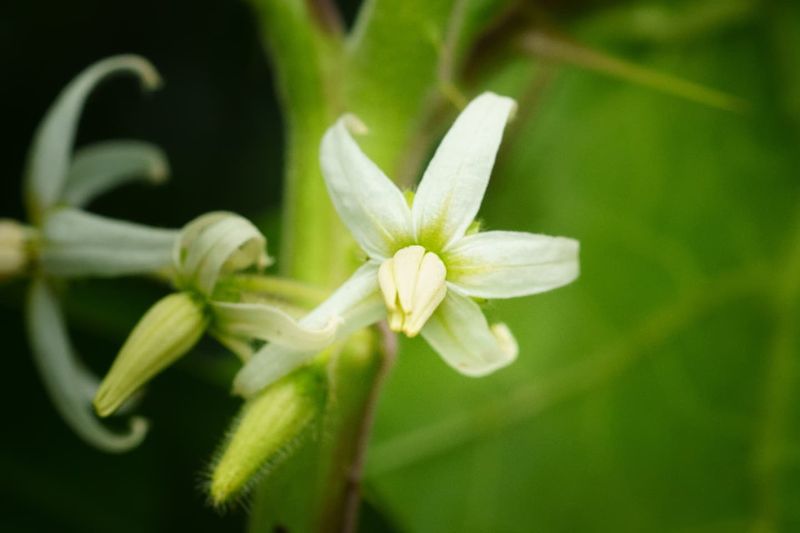
Tropical soda apple is an aggressive invasive plant that poses serious problems for Tennessee agriculture and backyard landscapes. Covered in sharp spines that can puncture tractor tires and injure animals, this nightshade relative forms dense, nearly impenetrable thickets.
The plant produces thousands of seeds annually, which remain viable in soil for years and spread easily through contaminated hay, livestock manure, and equipment. Cattle avoid grazing near tropical soda apple, reducing usable pasture space and lowering farm productivity.
Tennessee law requires mandatory removal when infestations are detected, and property owners may face fines if they fail to control the plant.
Homeowners who unknowingly allow it to grow can contribute to regional outbreaks that affect neighboring properties and farmland.
Effective management involves early detection, physical removal before fruiting, and proper disposal methods. Regular property inspections and weed education help prevent accidental spread.
Eliminating tropical soda apple protects livestock health, preserves usable land, and reduces economic losses for Tennessee’s agricultural communities.
11. Purple Loosestrife
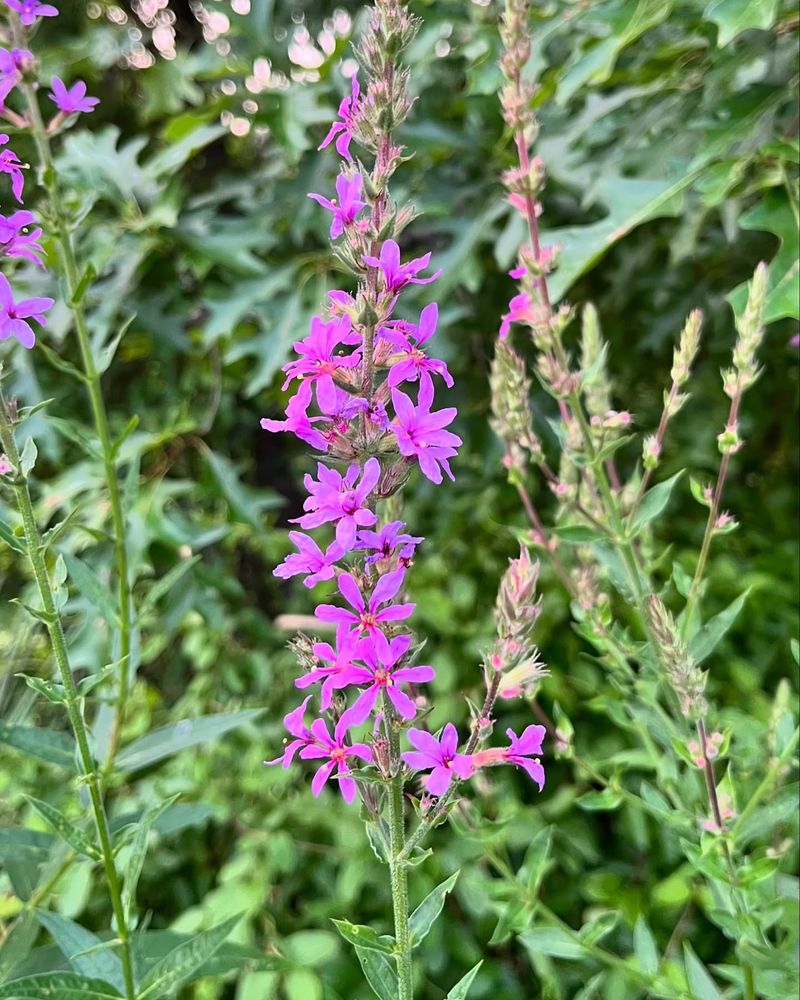
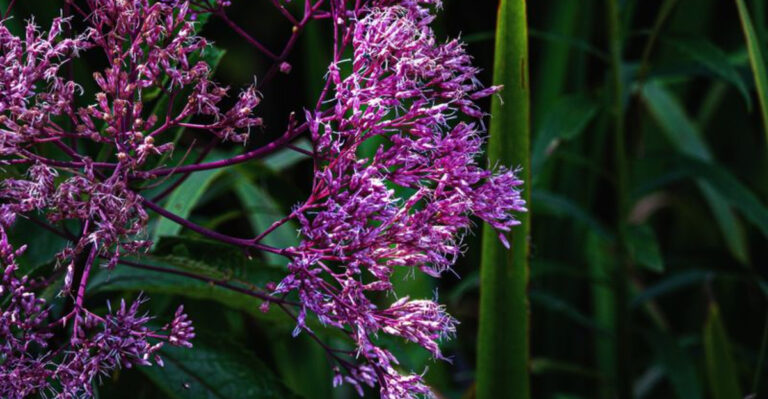
Purple loosestrife is visually stunning, with tall spikes of bright purple flowers, but Tennessee banned this plant after witnessing its destructive impact on wetlands and waterways.
A single plant can produce over two million seeds each year, allowing it to spread rapidly along riverbanks, marshes, and drainage areas.
Once established, purple loosestrife forms dense monocultures that eliminate native wetland plants essential for birds, amphibians, and fish. These dense stands also alter water flow patterns, increasing erosion and reducing habitat quality.
Even small garden plantings can escape into nearby waterways through wind, flooding, or contaminated soil. Tennessee officials actively monitor wetland areas and may issue removal orders to property owners found cultivating this invasive species.
Homeowners interested in similar visual appeal can plant native alternatives such as blazing star or swamp milkweed.
Preventing the spread of purple loosestrife preserves wetland ecosystems, protects wildlife diversity, and ensures healthy water systems across Tennessee.