Tennessee Homeowners Are Coming Across A Mysterious Metallic Bug In Their Yards
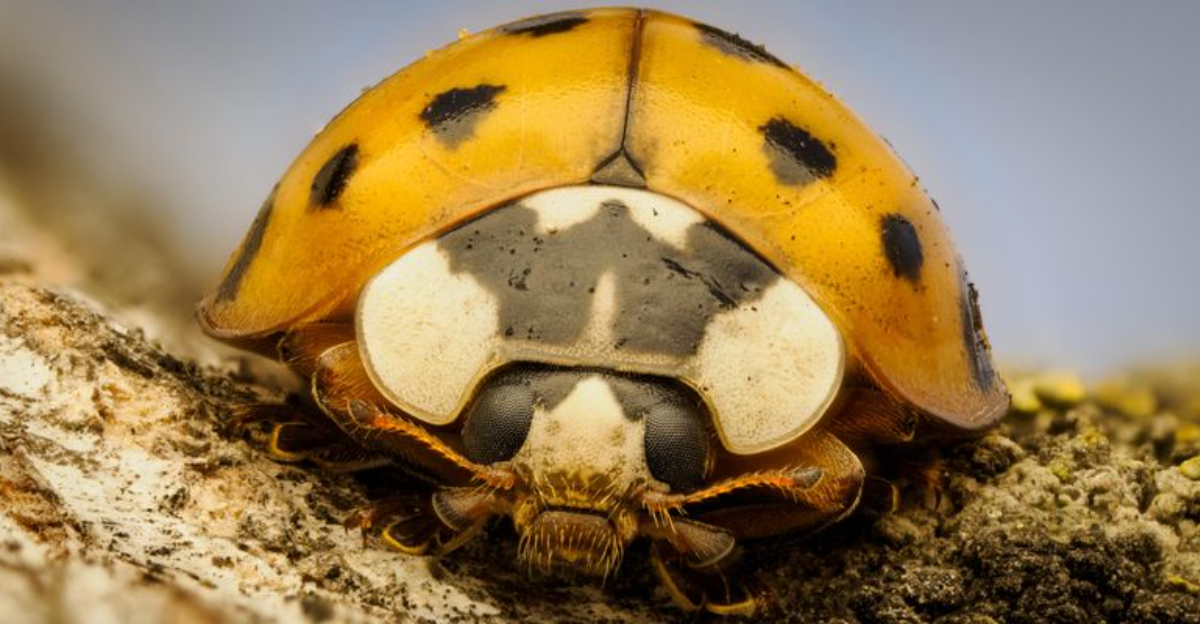
That shiny, metallic-looking bug catching Tennessee homeowners off guard has been popping up in yards, on siding, and near sunny outdoor spots.
At first glance, it looks unfamiliar enough to raise eyebrows, especially when it shows up in noticeable numbers.
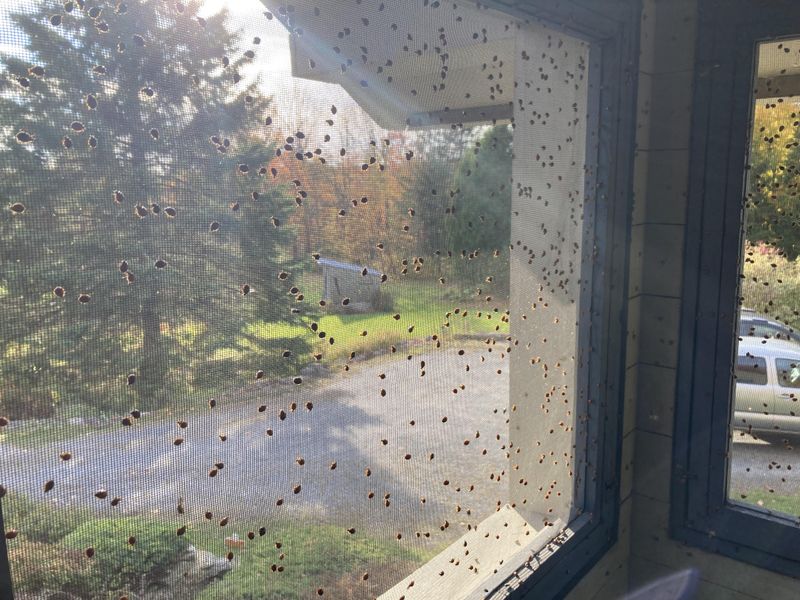
What people are seeing are Asian lady beetles, a close cousin of ladybugs that often gather around homes during seasonal changes.
Once you recognize them, their sudden appearance makes more sense and feels far less mysterious than it first seemed.
1. Asian Lady Beetles Look Different From Native Ladybugs
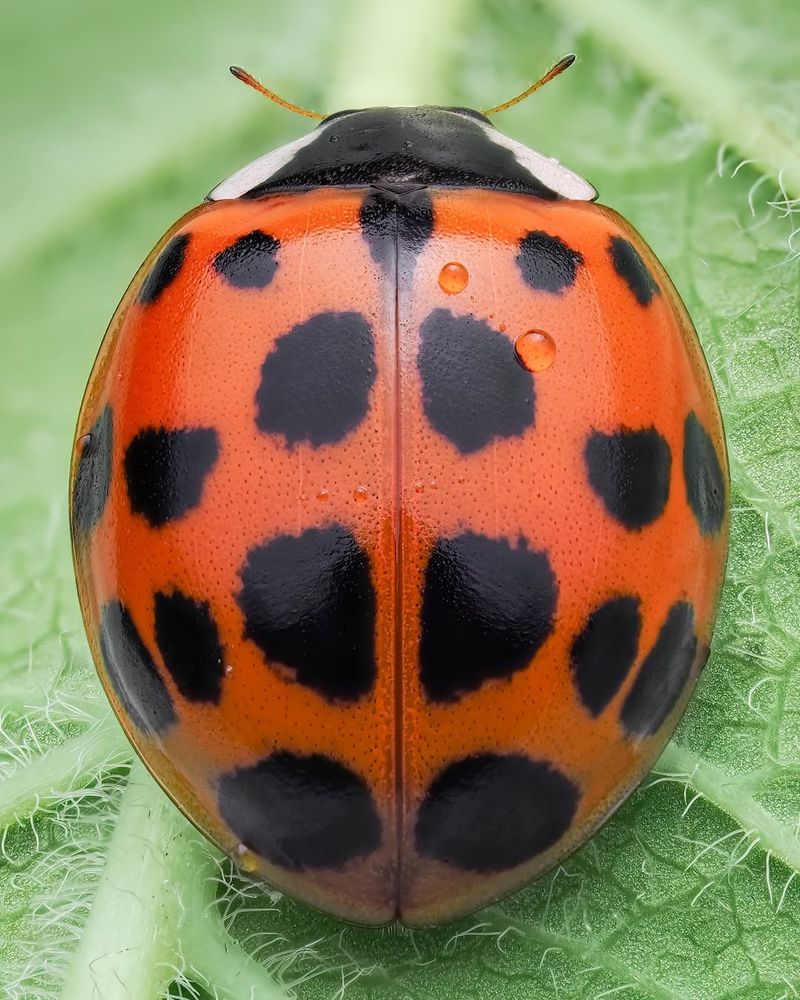
Many people mistake these insects for the friendly ladybugs we grew up loving, but there are some clear differences you should notice right away.
Asian lady beetles come in various colors ranging from pale orange to deep red, and their spot patterns can vary significantly from one beetle to another.
One reliable way to tell them apart is by looking for a distinctive M-shaped marking on the area right behind their head, called the pronotum.
Native ladybugs typically have more consistent coloring and spot patterns, making them easier to identify once you know what features to look for carefully.
Tennessee residents should pay attention to these visual clues because it helps determine whether you are dealing with helpful native species or invasive ones instead.
Asian lady beetles also tend to gather in much larger groups than native ladybugs, especially when they are searching for warm places to spend winter.
Their bodies are slightly more oval-shaped compared to the rounder appearance of traditional ladybugs, though this difference might seem subtle at first glance here.
Homeowners in Tennessee often notice these beetles clustering around window frames, door edges, and other entry points when temperatures start dropping each fall season.
Recognizing these differences early on can help you take appropriate action before the beetles become a bigger nuisance inside your home or property areas.
2. They Were Brought Here To Control Pests
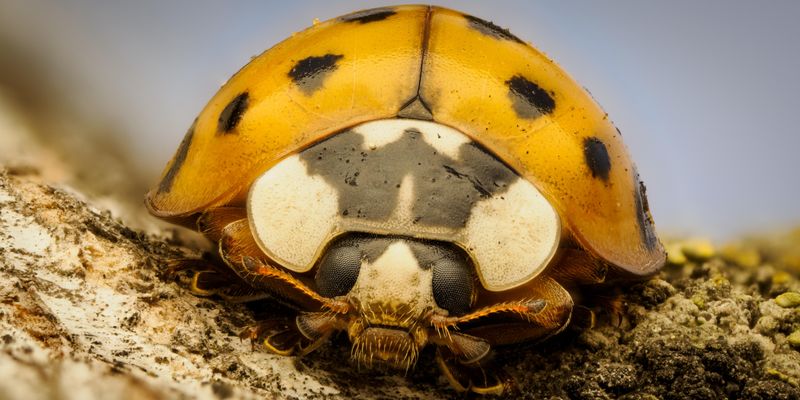
Believe it or not, these beetles were actually introduced to the United States on purpose by agricultural experts who wanted natural pest control for crops.
Starting in the early 1900s and continuing through the 1980s, government agencies released Asian lady beetles in various states to combat aphids and other harmful insects.
Farmers and researchers thought these beetles would provide an environmentally friendly solution to protect valuable crops without relying heavily on chemical pesticides at all.
Asian lady beetles are incredibly effective predators that can consume hundreds of aphids and soft-bodied insects throughout their lifetime, making them agricultural superheroes in theory.
However, things did not go exactly as planned because these beetles adapted too well and began spreading rapidly across the entire United States territory.
Tennessee became one of many states where Asian lady beetles established permanent populations, thriving in both rural farmlands and suburban neighborhoods throughout the region.
The beetles proved so successful at surviving that they began outcompeting native ladybug species for food and habitat, creating unintended ecological consequences over time.
What started as a helpful biological control measure turned into an invasive species problem that homeowners in Tennessee now have to manage every single year.
Understanding this history helps explain why these beetles are so common and why they behave differently from the native insects we are more familiar with.
3. They Swarm Homes During Fall Months
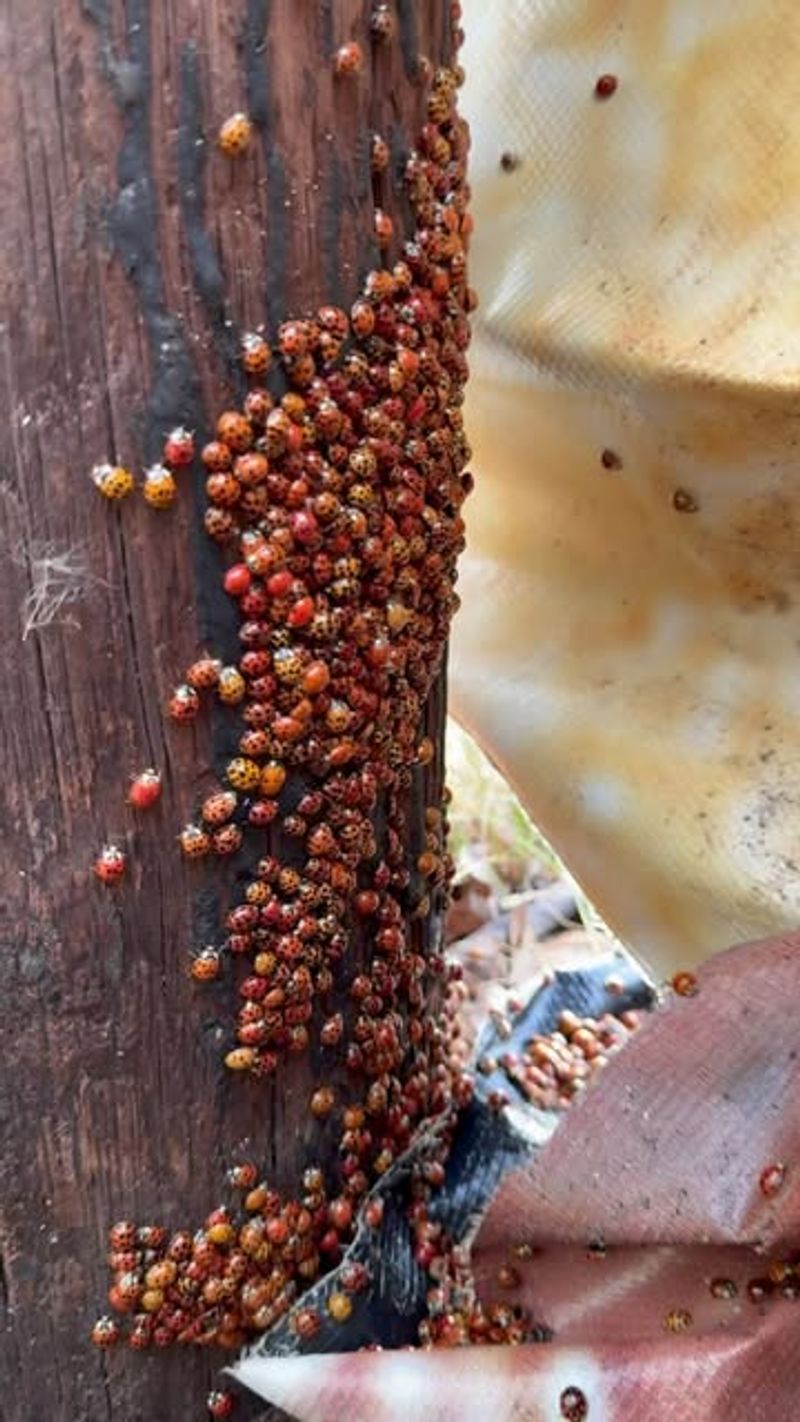
As temperatures begin to cool down each autumn, Asian lady beetles start searching for cozy spots to survive the cold winter months ahead of them.
Unlike native ladybugs that typically hibernate under tree bark or in leaf litter, these beetles prefer finding shelter inside buildings and human structures instead.
Homeowners across Tennessee often notice hundreds or even thousands of these beetles gathering on sunny exterior walls, especially on the south and west sides.
The beetles are attracted to light-colored houses and buildings because these surfaces absorb more heat, making them ideal gathering spots before moving indoors for protection.
Once they find a suitable entry point, Asian lady beetles will release special chemical signals called pheromones that attract even more beetles to the same location.
This behavior explains why some Tennessee homes get absolutely swarmed while neighboring houses might only see a few beetles here and there each season.
Gaps around windows, doors, vents, and siding provide easy access for these persistent insects to make their way into attics, wall voids, and living spaces.
The swarming typically peaks in October and November throughout Tennessee, though warm spells during winter can cause beetles to become active again temporarily inside homes.
Preventing entry during this critical fall period is much easier than trying to remove large numbers of beetles once they have already settled inside your house.
4. They Can Bite And Release Unpleasant Odors

Most people assume these beetles are harmless like regular ladybugs, but Asian lady beetles can actually bite when they feel threatened or get trapped.
Their bites are not dangerous and do not transmit diseases, but they can cause a sharp pinching sensation that surprises people who handle them carelessly.
Some individuals in Tennessee have reported mild allergic reactions to these bites, including small red bumps or slight swelling at the bite site afterward.
Beyond biting, Asian lady beetles have another defensive mechanism that makes them particularly unwelcome guests inside homes and other enclosed spaces throughout the state.
When disturbed or crushed, these beetles release a yellowish fluid from their leg joints that has a strong, unpleasant smell many describe as musty.
This fluid can stain light-colored fabrics, walls, and furniture, creating an additional problem for Tennessee homeowners trying to remove them from indoor living areas.
The odor serves as a warning to predators in nature, but inside homes it just creates an uncomfortable environment for residents and their families.
Vacuuming up large numbers of beetles can sometimes spread this smell throughout your house, so gentle removal methods work better for managing indoor infestations here.
Understanding these defensive behaviors helps Tennessee residents handle the beetles more carefully and avoid unnecessary bites or lingering odors in their homes and yards.
5. Sealing Entry Points Prevents Indoor Invasions
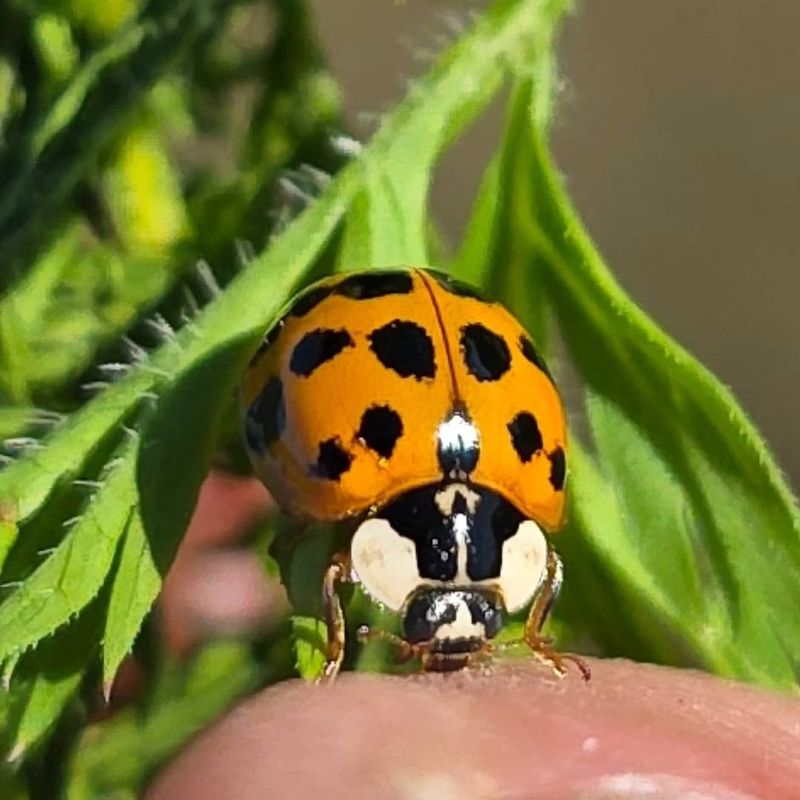
The most effective strategy for keeping Asian lady beetles out of your home involves blocking all the tiny gaps they use to sneak inside buildings.
Start by carefully inspecting the exterior of your Tennessee home during late summer, well before the beetles begin their fall swarming behavior each year.
Pay special attention to areas where different building materials meet, such as where siding connects to the foundation or where utility pipes enter the structure.
Caulk and weatherstripping are your best friends when it comes to sealing cracks around windows, doors, vents, and any other potential entry points you discover.
Replace damaged window screens and install door sweeps to eliminate gaps at the bottom of exterior doors where beetles commonly squeeze through into homes.
Attic vents, soffit vents, and exhaust fan openings should have tight-fitting screens or covers that prevent insects from accessing these vulnerable areas in Tennessee homes.
Even gaps as small as one-eighth of an inch can provide enough space for determined beetles to enter, so thoroughness really matters during this process.
Taking time to properly seal your home in August or early September gives you the best chance of avoiding a major beetle problem later.
Tennessee homeowners who invest effort in prevention typically spend far less time dealing with indoor beetle problems compared to those who wait until infestations occur.
6. Vacuuming Is The Safest Removal Method Indoors
If Asian lady beetles do manage to get inside your Tennessee home despite your best prevention efforts, vacuuming offers the gentlest removal approach available.
Using a vacuum with a hose attachment allows you to carefully collect beetles from walls, ceilings, and window areas without crushing them and releasing their odor.
Some clever homeowners place a knee-high stocking or piece of pantyhose inside the vacuum wand, secured with a rubber band around the opening edge.
This trick creates a barrier that catches the beetles before they reach the vacuum bag or canister, making it easier to release them outside afterward.
Empty your vacuum frequently and dispose of the beetles far from your house to prevent them from simply returning to the same spot again.
Avoid using pesticide sprays indoors because they can create health concerns for your family and pets while also causing beetles to release their defensive fluids everywhere.
Chemical treatments are generally unnecessary for managing Asian lady beetles in Tennessee homes since they do not reproduce indoors or cause structural damage to buildings.
Regular vacuuming throughout the fall and winter months helps keep beetle numbers manageable until they naturally leave in spring when temperatures warm up again.
This simple, non-toxic approach works well for most Tennessee households and avoids the complications that come with chemical pest control methods and harsh treatments.
7. They Benefit Gardens Despite Being Nuisances Indoors

While Asian lady beetles can be frustrating when they invade your Tennessee home, they actually provide valuable services in outdoor garden and landscape settings.
These beetles are voracious predators that consume large quantities of aphids, scale insects, and other pests that damage ornamental plants and vegetable crops throughout growing seasons.
A single Asian lady beetle can eat dozens of aphids in just one day, providing natural pest control that reduces the need for chemical interventions.
Tennessee gardeners who understand this benefit often tolerate the beetles outdoors and focus their control efforts exclusively on preventing indoor invasions during fall and winter.
The beetles are especially helpful in rose gardens, vegetable patches, and fruit trees where aphids tend to congregate and cause significant damage to plant health.
Encouraging these beneficial insects to stay in your yard while keeping them out of your house creates the best balance for Tennessee homeowners and gardeners.
Planting flowers that attract aphids away from your main garden can keep Asian lady beetles occupied outdoors where they belong and provide maximum benefit.
Understanding the dual nature of these insects helps you appreciate their positive ecological role while still maintaining boundaries about where they are welcome or not.
Tennessee residents can enjoy pest-free gardens and beetle-free homes by using strategic prevention methods that respect both the insects and human living spaces appropriately.