Tennessee’s Mild Winters Are Helping A New Pest Spread Quickly
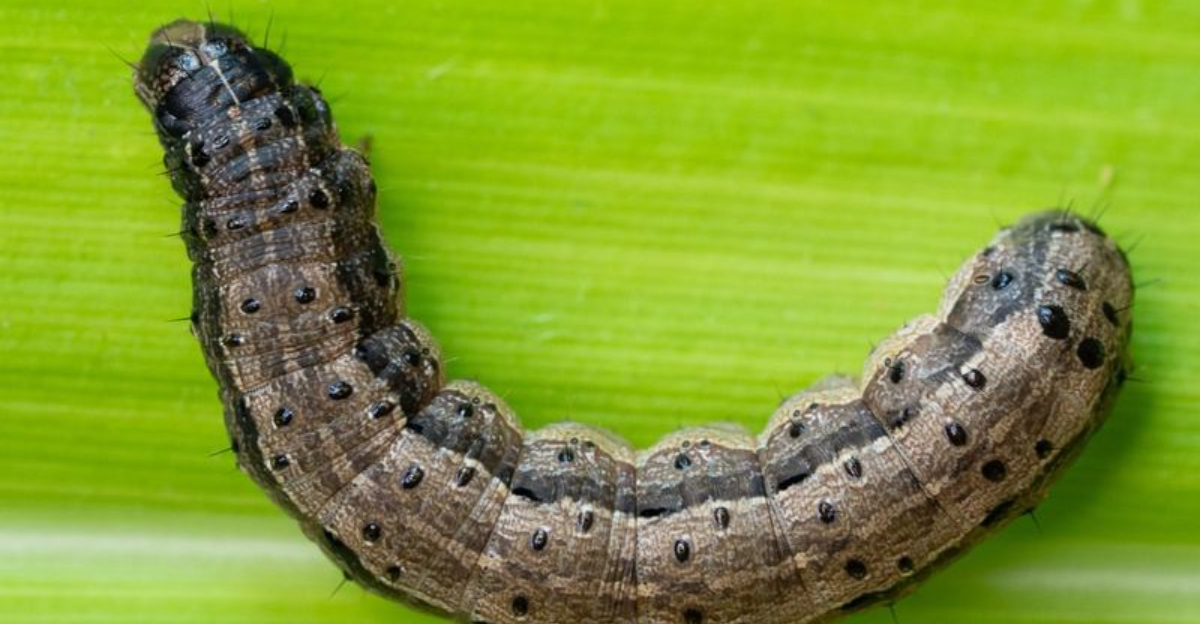
Tennessee’s mild winters are giving fall armyworms the perfect chance to stay active longer than usual, which is why their damage feels more noticeable this season.
You can see the signs in lawns and gardens where fresh patches of thinning grass appear almost overnight.
Warmer stretches keep these pests moving when they should be slowing down, turning small outbreaks into wider problems.
Gardeners find themselves facing an insect that refuses to follow its old winter rules.
1. Warmer Soil Temperatures Keep Pupae Alive Longer
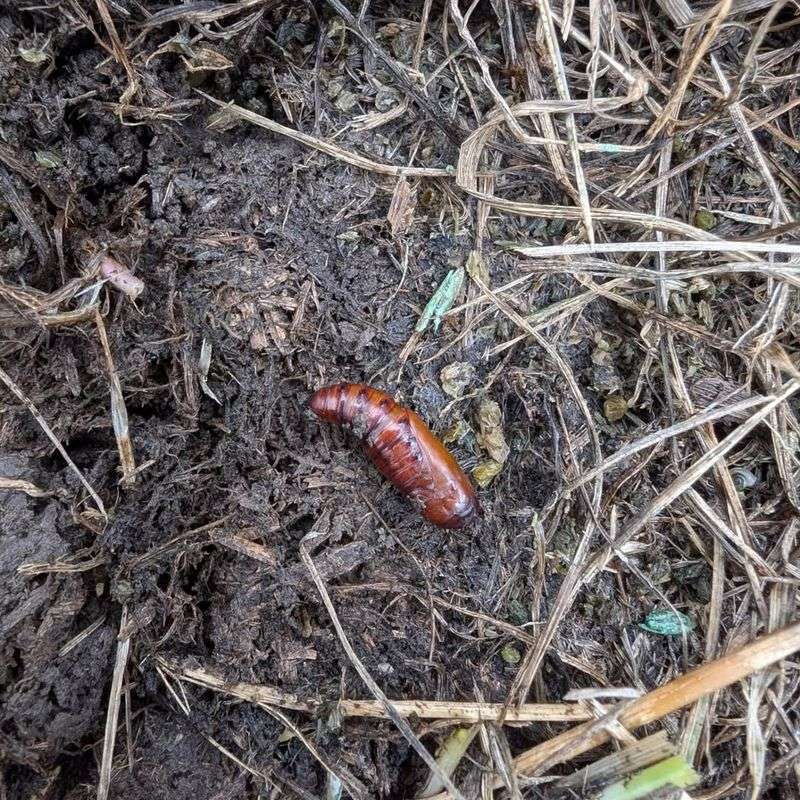
Soil that stays warmer through winter months creates a cozy environment where armyworm pupae can survive instead of freezing.
In Tennessee, the ground temperature rarely drops low enough anymore to eliminate these developing insects completely during cold months.
Pupae tucked safely in the soil can wait out mild winters and emerge as adult moths when spring arrives much earlier.
Farmers across Tennessee have noticed that the first generation of armyworms now appears weeks ahead of schedule compared to past decades.
This head start gives the pests more time to reproduce multiple times throughout the growing season, creating bigger populations faster.
When soil temperatures remain above freezing consistently, survival rates for overwintering pupae jump dramatically, leading to more moths emerging simultaneously.
Tennessee’s agricultural experts recommend monitoring soil temperatures closely and preparing early-season control strategies to combat this extended survival period effectively.
2. Extended Growing Seasons Mean More Generations Per Year
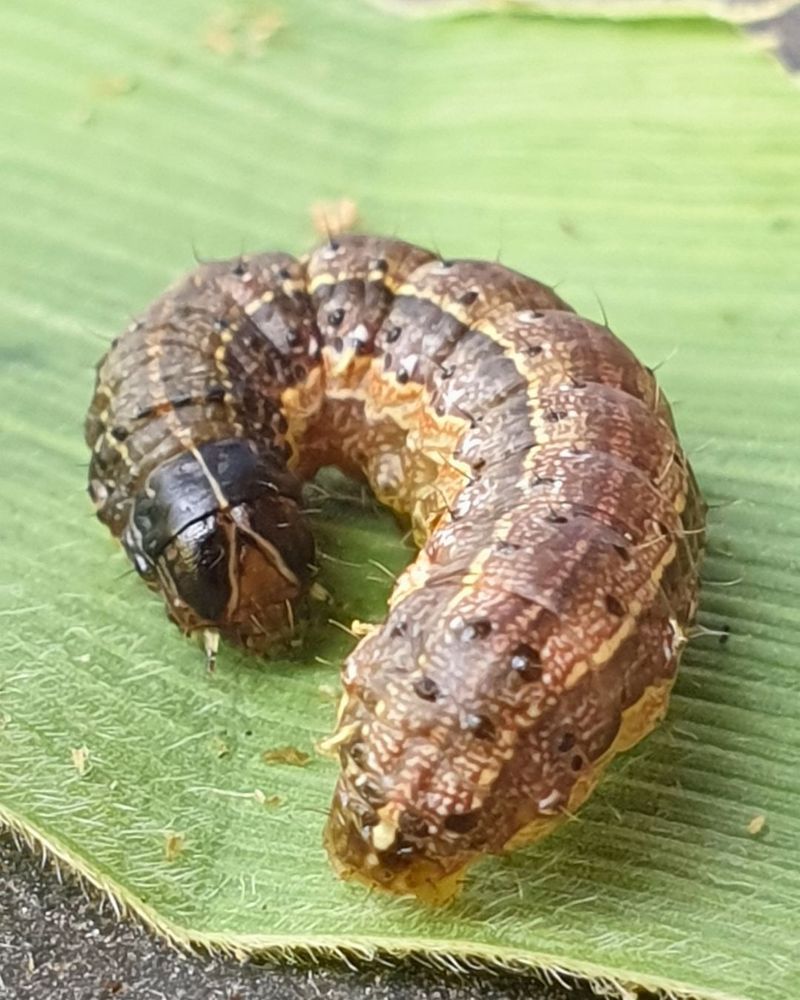
Longer warm periods allow fall armyworms to complete additional life cycles before cold weather traditionally would have stopped them completely.
Each female moth can lay hundreds of eggs, so even one extra generation means thousands more caterpillars munching through Tennessee crops.
Previously, Tennessee experienced maybe three or four armyworm generations annually, but milder conditions now permit five or even six complete cycles.
This multiplication effect creates exponential population growth that overwhelms natural predators and makes management increasingly difficult for farmers statewide.
Warmer autumns in Tennessee extend the feeding period for late-season larvae, allowing them to grow larger and cause more extensive damage.
Agricultural specialists across Tennessee emphasize that preventing early generations becomes critical since each wave produces significantly more pests than the previous one.
Farmers should track degree days and pest development stages carefully to anticipate when new generations will emerge and plan interventions accordingly.
3. Reduced Freeze Events Allow Continuous Migration
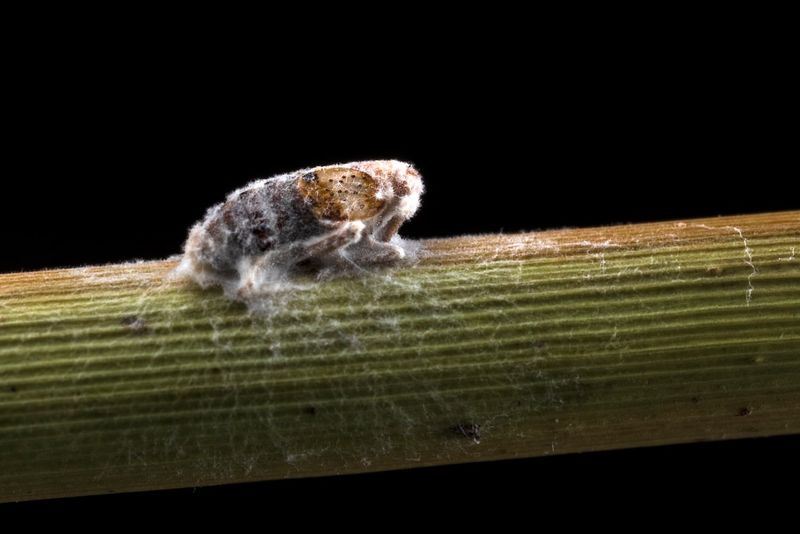
Adult armyworm moths naturally migrate northward from southern regions, but harsh freezes used to stop these movements during winter months historically.
Tennessee now experiences fewer hard freezes, creating open migration corridors that allow moths to travel continuously from warmer states year-round.
These moths fly in from Florida, Georgia, and other southern areas where populations never truly disappear, constantly replenishing Tennessee’s armyworm numbers.
Weather patterns that once acted as natural barriers have weakened significantly, permitting wave after wave of incoming moths throughout mild winters.
Farmers in Tennessee report seeing adult moths even during January and February, months when these pests were historically absent completely.
Continuous migration means that even if local populations decrease temporarily, fresh arrivals quickly reestablish infestations across Tennessee’s agricultural regions rapidly.
Monitoring systems and early warning networks have become essential tools for Tennessee growers to track incoming moth flights and prepare defenses.
4. Higher Survival Rates for Overwintering Adults
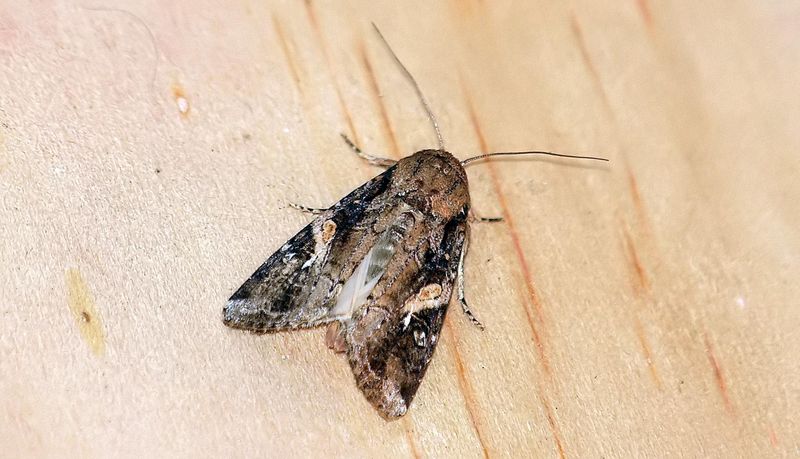
Adult moths that would normally perish during cold snaps now find Tennessee winters mild enough to survive and remain active longer.
These overwintering adults emerge earlier in spring ready to lay eggs immediately, giving their offspring a substantial advantage over previous generations.
Tennessee’s temperature records show fewer nights dropping below critical thresholds that would typically reduce adult moth populations through natural cold stress.
When adult moths survive winter, they skip the migration phase entirely and begin reproducing locally as soon as suitable host plants appear.
This resident population establishes itself much faster than migrating moths could, creating infestations before farmers even expect armyworm season to begin.
Research conducted across Tennessee indicates that overwintering adult survival has increased by notable percentages over the past two decades consistently.
Growers should consider that armyworm pressure may start earlier than traditional calendars suggest and adjust scouting schedules to detect these early populations.
5. Increased Plant Availability During Winter Months
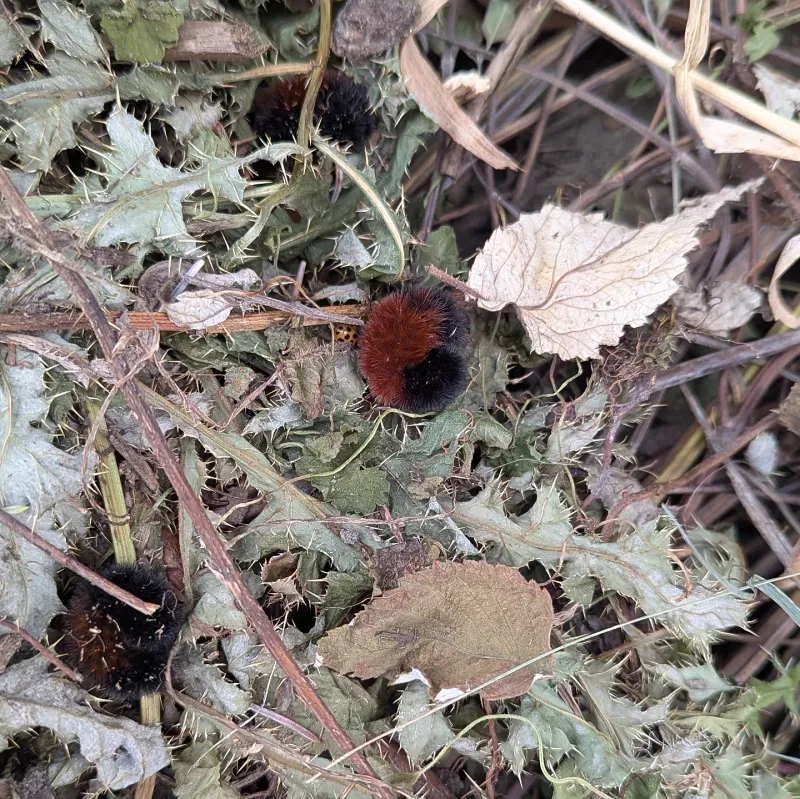
Milder Tennessee winters keep more plants green and growing, providing continuous food sources that sustain armyworm larvae throughout traditionally dormant months.
Cover crops, winter grasses, and weeds that stay lush give hungry caterpillars plenty to eat when they would normally struggle to find nutrition.
Farmers across Tennessee plant winter wheat and ryegrass that inadvertently become perfect feeding grounds for armyworms during unseasonably warm periods consistently.
When vegetation remains available year-round, armyworm populations never experience the natural starvation pressure that once limited their numbers during cold seasons.
Even residential lawns in Tennessee stay greener longer, creating backyard habitats where armyworms can develop and later migrate to nearby agricultural fields.
Agricultural experts note that continuous plant availability removes one of nature’s most effective population control mechanisms that historically kept armyworm numbers manageable.
Integrated pest management strategies in Tennessee now must account for year-round host plant availability and adjust monitoring efforts to cover extended activity periods.
6. Weakened Natural Enemy Populations
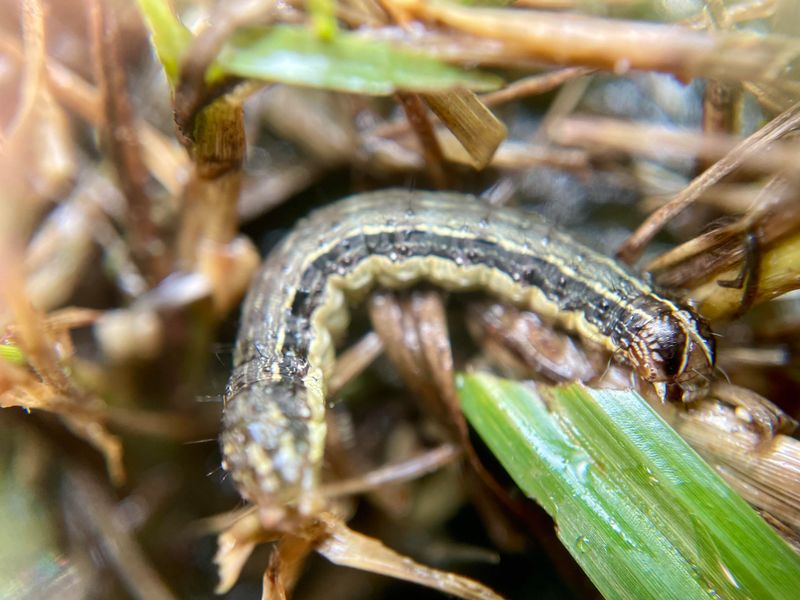
Natural predators like parasitic wasps and ground beetles follow different seasonal patterns than armyworms and may not adapt quickly to changing conditions.
Tennessee’s mild winters disrupt the synchronized timing between pests and their natural enemies, often favoring armyworm survival over beneficial insect populations.
Predators that rely on specific temperature cues to emerge may appear too late to effectively control early armyworm generations now hatching weeks ahead.
When armyworms get a head start, their populations explode before natural enemies can build up sufficient numbers to provide meaningful biological control.
Research in Tennessee shows that beneficial insect diversity decreases when winters lack sufficient cold periods to reset ecosystem balances properly and naturally.
Farmers across Tennessee increasingly rely on supplemental control methods because natural enemy populations cannot keep pace with accelerated armyworm reproduction rates anymore.
Encouraging habitat for beneficial insects and using selective control methods helps preserve whatever natural enemy populations remain active throughout Tennessee’s changing seasons.
7. Stress on Winter Crops Creates Vulnerable Targets

Unseasonably warm spells followed by brief cold snaps stress winter crops, weakening their natural defenses and making them more attractive to armyworms.
Tennessee’s winter wheat and other cool-season crops experience irregular growth patterns that leave them susceptible to pest damage during vulnerable developmental stages.
Stressed plants often emit chemical signals that actually attract armyworm moths looking for suitable egg-laying sites across Tennessee’s agricultural landscape consistently.
When crops struggle with inconsistent weather, they cannot produce defensive compounds as effectively, essentially inviting armyworms to feast without much resistance.
Farmers in Tennessee report that armyworm damage appears more severe on fields where plants show signs of weather-related stress from temperature fluctuations.
Healthy, vigorously growing crops can sometimes tolerate or outgrow minor armyworm feeding, but stressed plants in Tennessee suffer disproportionately from even small infestations.
Maintaining optimal crop nutrition and managing irrigation carefully helps Tennessee growers strengthen plant resilience against both weather stress and armyworm pressure simultaneously.
8. Earlier Spring Emergence Catches Farmers Unprepared
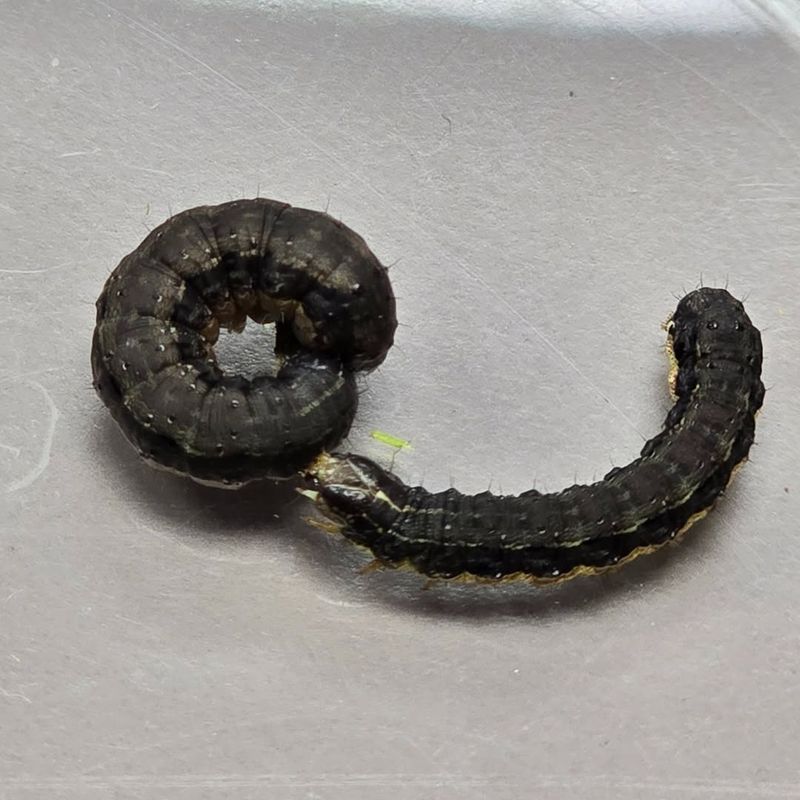
When armyworms emerge weeks earlier than historical records suggest, farmers may not have monitoring systems in place yet to detect them quickly.
Tennessee growers traditionally begin scouting for armyworms in late spring, but mild winters now push first appearances into early March or even February.
This timing mismatch gives armyworm populations time to establish and grow unchecked before farmers realize they have a developing problem on their hands.
Early infestations can reach damaging levels before control measures are implemented, resulting in more extensive crop losses across Tennessee’s agricultural regions annually.
Weather-based prediction models that worked reliably for decades now require adjustment to account for Tennessee’s shifting climate patterns and earlier pest activity.
Farmers across Tennessee must adapt their management calendars, starting surveillance earlier and maintaining vigilance throughout periods previously considered pest-free and safe.
Cooperative extension services in Tennessee recommend beginning armyworm monitoring as soon as winter crops break dormancy rather than waiting for traditional calendar dates.
9. Increased Humidity Levels Favor Larval Development
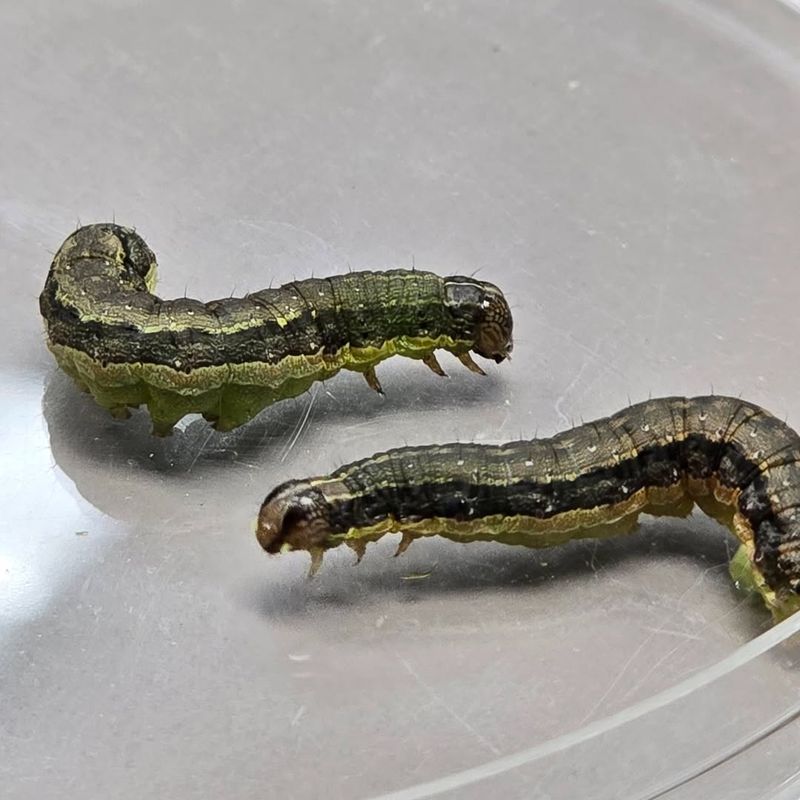
Warmer winters in Tennessee often bring increased humidity and moisture levels that create ideal conditions for armyworm eggs and young larvae to thrive.
High humidity prevents eggs from drying out and increases hatching success rates, meaning more caterpillars survive to cause damage across Tennessee farmland.
Young armyworm larvae are particularly vulnerable to desiccation, but moist conditions during mild Tennessee winters protect them through critical early development stages.
Rainfall patterns that once would have occurred as snow now fall as rain, keeping vegetation wet and favorable for armyworm survival throughout winter.
Tennessee’s agricultural regions experience fewer dry, cold periods that historically would have reduced armyworm numbers through environmental stress and natural population crashes.
Moist field conditions also promote fungal diseases, but armyworms often develop faster than disease organisms can spread, escaping this natural mortality factor effectively.
Farmers should monitor both temperature and humidity conditions when assessing armyworm risk, as the combination creates particularly favorable environments for rapid population growth.
10. Reduced Cold Stress Improves Overall Pest Fitness
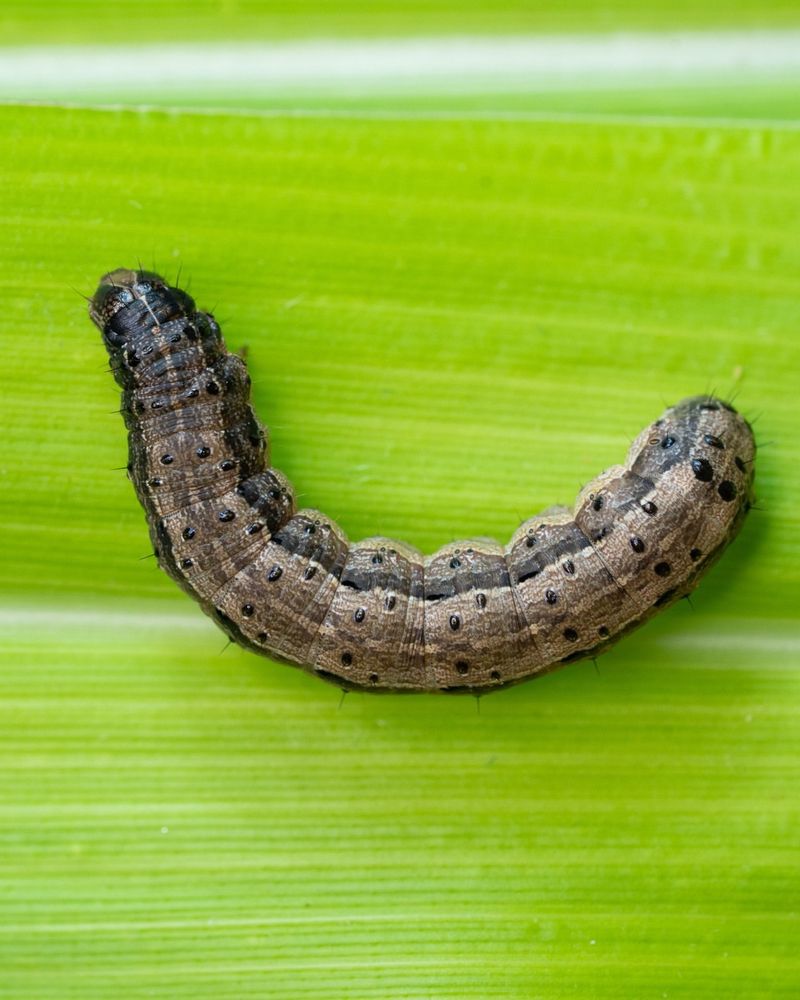
Armyworms that develop during milder Tennessee winters experience less physiological stress, emerging as stronger, more vigorous adults capable of producing healthier offspring consistently.
Cold stress typically weakens insects, reducing their reproductive capacity and overall fitness, but warmer conditions eliminate this natural limitation across Tennessee completely.
Healthier moths lay more eggs, and those eggs have higher viability rates, creating a compounding effect that accelerates population growth throughout the state.
Tennessee’s armyworm populations now show improved genetic fitness because weak individuals that would have perished in harsh winters now survive and reproduce successfully.
This improved pest fitness means that control measures may need to be more intensive or applied more frequently to achieve the same results.
Research indicates that insects developing under optimal temperature conditions grow faster, mature earlier, and reproduce more prolifically than those experiencing temperature stress regularly.
Tennessee farmers face not just more armyworms but potentially more resilient ones that can better withstand control efforts and environmental challenges throughout the growing season.