That Leafy Ball In An Alabama Oak Tree Looks Like A Bird’s Nest But Belongs To Someone Else
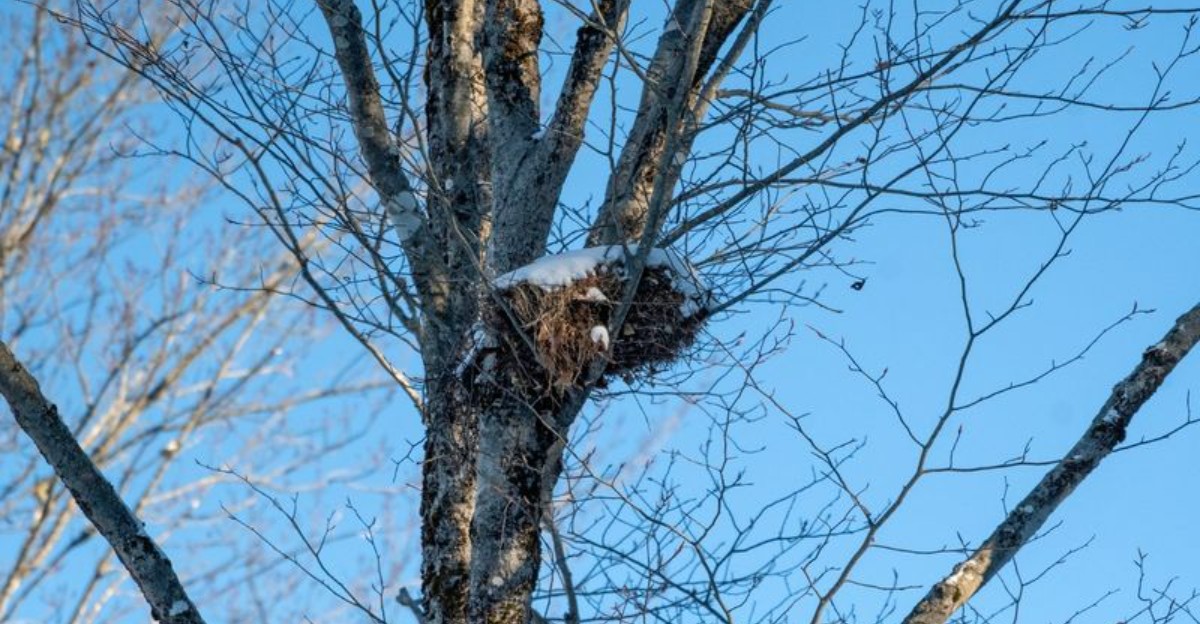
That shaggy leaf bundle high in your oak is not a bird’s abandoned project. You are looking at a drey, and a squirrel likely owns it.
Across Alabama, you will find these leafy nests tucked into forks of oaks and hickories. Your squirrel weaves fresh leaves, twigs, and bark into a sphere that sheds rain.
Acorns hitting your roof this October are part of the same story. Soon you will see why the owner stockpiles them with such steady focus.
Binoculars show you that Alabama squirrels often build airy summer nests and sturdier winter ones. Peer upward and you might catch a twitchy tail flicking over the rim.
Then comes the stare, bold and curious, as if you owe rent. Its rounded roof is a clever design. Wait until you see the clues that separate a drey from a nest.
A Squirrel Drey Built For Cozy Living
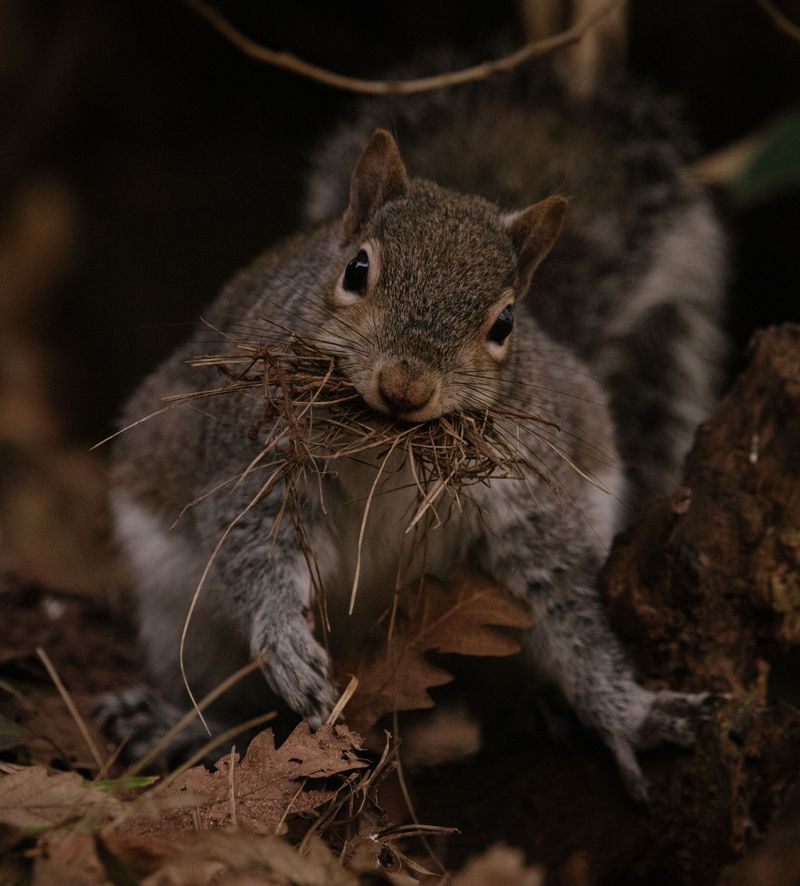
Squirrels are the real architects behind that leafy ball, and the structure has a name. Folks who study wildlife call it a drey, an old word for a squirrel nest.
A drey is not just a pile of leaves tossed into a fork. Squirrels weave twigs into a sturdy outer shell, then pack leaves around it.
Inside, the walls get lined with soft stuff like shredded bark, moss, grass, and pine needles. The result feels a lot like a sleeping bag stuffed into a basket. Entrance spots vary, and some face the trunk to give the family a small sheltered doorway.
Builders keep tweaking the structure through the seasons, adding fresh leaves whenever a patch looks thin or tattered.
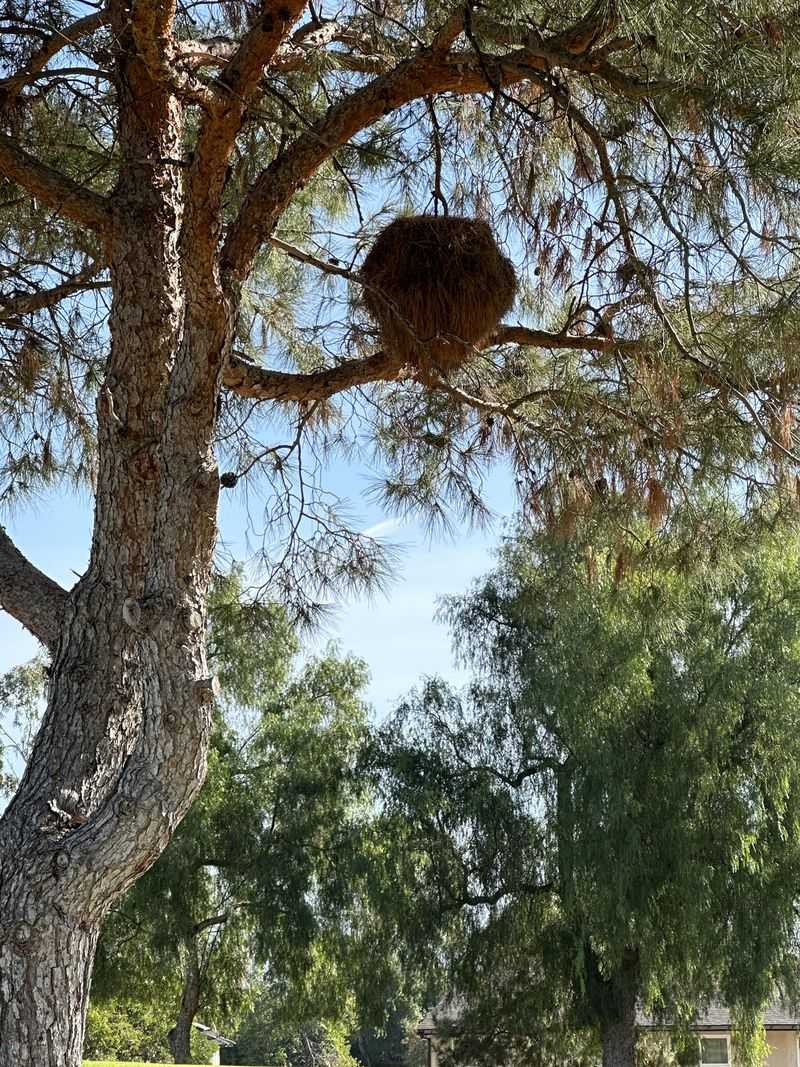
Many dreys measure about one to two feet across, roughly the size of a beach ball. They often sit 20 to 40 feet above the ground, tucked near the trunk.
Alabama oaks make prime real estate because their thick branches create strong forks for building. Nearby acorns also mean breakfast is just a short scamper away.
Both eastern gray squirrels and fox squirrels live in Alabama, and both build dreys. Fox squirrels are bigger, and many have rusty orange bellies that look a bit like toasted marshmallow.
So the next time you spot that scruffy bundle, picture a furry builder inside. It is less of an abandoned nest and more of a busy little apartment.
Autumn Construction Season In The Treetops
October is a busy building season in the treetops, and you can watch it happen from your porch. Squirrels get busy building and repairing dreys as the weather starts cooling.
Leaves are still clinging to branches in early fall, which gives builders plenty of fresh supplies. Many squirrels snip leafy twigs straight off the tree and carry them home.
You might notice small green twig clippings scattered under your oak this month. Those can be leftovers from a busy squirrel crew, though wind and twig-pruning beetles also drop them.
Warm afternoons bring plenty of activity, so you may see squirrels dashing between branches with twigs in their mouths. Leafy twigs are flexible, which helps builders shape a sturdy ball.
Your Alabama Garden Changes Every Week. Your Plan Should Too.
Gardening in Alabama changes quickly throughout the season. Every Friday you’ll receive a simple weekly plan showing exactly what to plant, prune, fertilize, harvest, and protect so you never miss the right timing.
Fall is also when squirrels stash acorns in large numbers, so they need a base camp nearby. A snug drey lets them rest between long shifts of hiding snacks.
Another building rush happens in late winter, right before babies arrive. That gives Alabama squirrels two busy construction seasons, though summer litters and repairs add more work.
Once the leaves drop in November or December, dreys pop into view like ornaments. That is why so many people notice them in late fall and wonder what they are.
Grab a cup of cider and keep an eye on the upper branches this week. You may spot a squirrel hauling a mouthful of leaves bigger than its head.
The Bird Nest Mix-Up Many Folks Make
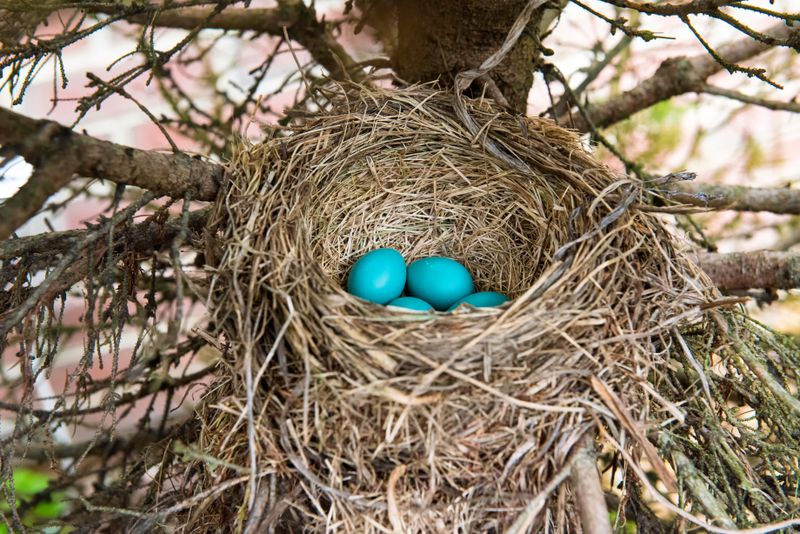
Ask ten neighbors about that leafy ball, and many will say a bird built it. The guess is easy to make, but it misses some big clues.
Bird nests tend to be neat cups made of twigs, grass, mud, or hair. They are open on top so parents can drop food into hungry beaks.
A squirrel drey, on the other hand, is a rounded ball with a covered roof. Leaves stay attached to the twigs, which makes the whole thing look shaggy.
Look for the entrance. A drey often has a small side opening, while a bird nest stays open above.
Many birds build open cups and woodpeckers use tree cavities, so a sphere of leaves usually points toward a squirrel.
Size gives another hint, since many songbird nests could fit in your hand. A drey is closer to the size of a beach ball, only lumpier.
Some folks also confuse dreys with mistletoe, a green plant that grows in round clumps on oaks. Mistletoe stays green through winter, while drey leaves turn brown and crunchy.
Big hawk or crow nests can sit high in trees too, but they are built from sticks. You are unlikely to see a thick layer of dried leaves packed around them.
Getting the answer right matters if you plan any tree trimming. Knowing who lives up there helps you avoid disturbing a sleepy family by accident.
How To Tell A Drey From A Bird Nest
Picture yourself as a backyard detective with a pair of binoculars and a little patience. A few quick checks can solve the leafy ball mystery in minutes.
Start by looking at the shape from below. A round, closed ball without an open top suggests a squirrel home.
Next, check what it is made of. Brown leaves still stuck to twigs are a classic drey sign, especially in oak trees.
Watch the area early in the morning or near sunset, when squirrels are especially active. If a fluffy tail pops out of a side hole, you have your answer.
Take a photo from the same spot each week, and you can compare how the shape changes over time.
Patience pays off, since a squirrel may pop out after a wait and rearrange leaves in plain view.
Listen too, since squirrels love to chatter and call out when someone gets too close. A short, repeated barking call from above is a helpful clue.
Look on the ground under the tree for chewed acorn shells and nibbled pinecones. Squirrels are messy eaters, and their leftovers tend to pile up near home.
Jotting clues in a notebook turns the search into a real science project. Kids love tracking which dreys stay busy week after week.
Please skip poking the bundle with a stick or climbing up for a closer look. Watching from a distance keeps you safe and keeps the residents calm.
Life Inside The Leafy Ball Through Winter
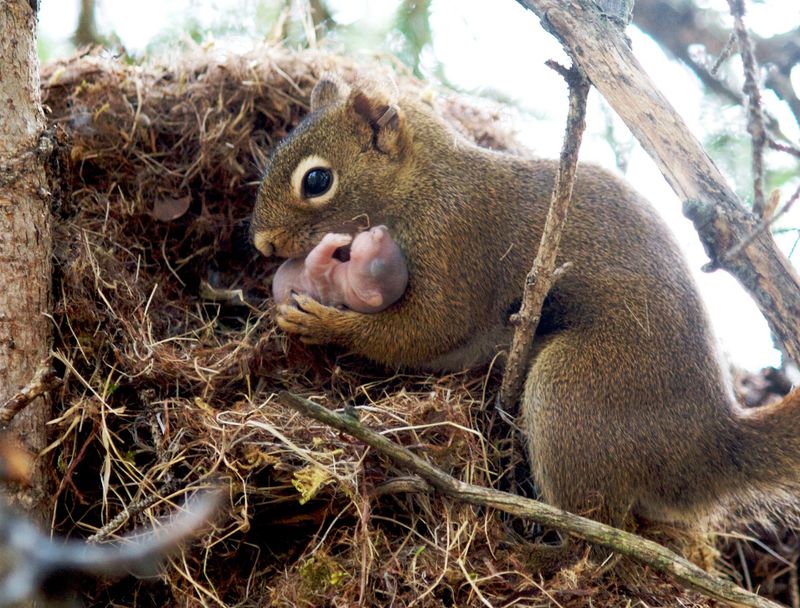
Winter in Alabama can swing from mild afternoons to frosty nights, and squirrels plan for both. Their leafy home works like a puffy coat wrapped around a tree branch.
Those thick walls trap body heat and block chilly wind. On cold nights, the inside of a drey can stay much warmer than the outside air.
Gray squirrels do not hibernate, so they stay active through the winter months. On the coldest days, though, they may curl up inside and nap for hours.
Fluffy tails double as blankets, and squirrels wrap them around their bodies for extra warmth during long chilly stretches.
Bright winter mornings often bring them back outside, searching for stashed acorns and checking on their hidden pantries.
Sometimes several squirrels share one drey to stay toasty together. It is like a sleepover where guests bring their own fur blankets.
Many squirrels also keep a backup home, since one drey can get damaged by storms. Having a second spot is smart planning for a small animal.
By late winter, females start fixing up the coziest dreys for new babies. Litters usually have two to four tiny kits that stay hidden for weeks.
A well-built drey can last a year or longer, depending on weather and construction. Some squirrels simply move into a tree hollow if one becomes available nearby.
Hollows feel sturdier during big storms, so they are a preferred home in squirrel terms. Leafy dreys still do the job well for many Alabama winters.
Living Alongside Your Backyard Squirrels
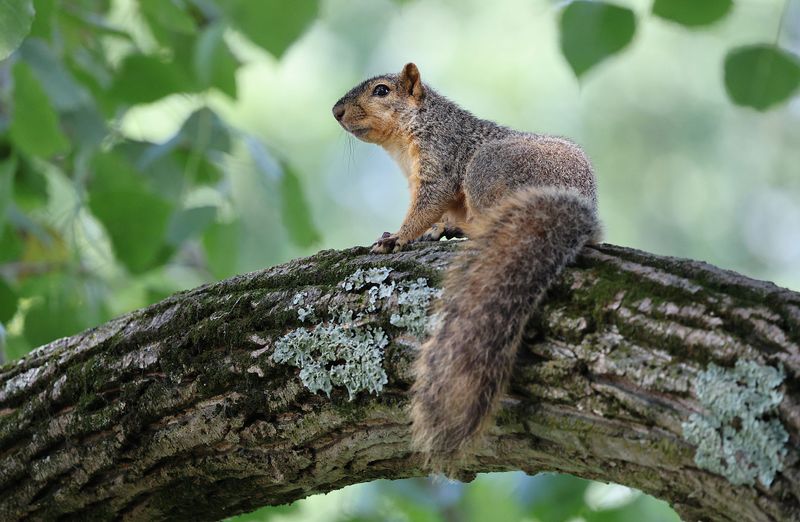
Sharing a yard with squirrels can feel like living next to a bunch of tiny, acrobatic roommates. A few smart habits keep the peace without upsetting anyone.
If you need to trim an oak, plan the job for early fall and check local guidance first. Squirrels can raise young in late winter and again in summer, so timing matters.
Hiring a certified arborist is a smart move for big branches. A good tree pro can check for active dreys before making any cuts.
Keep branches trimmed back at least eight feet from your roof. That simple gap makes it harder for squirrels to sneak into your attic.
Placing feeders and shrubs away from the house may give squirrels other places to explore besides your roofline.
Share what you learn with neighbors, and soon the whole street may start pointing out leafy balls overhead.
Seal small holes around vents, since squirrels can squeeze through gaps the size of a golf ball. Given the choice, many would pick your attic over a drafty drey.
Leaving the dreys in your trees is usually the friendliest choice. They are gentle on healthy oaks, and they give local wildlife a safe home.
Squirrels also help plant oak trees when some stashed acorns go unclaimed. Your neighborhood oaks may owe their start to an unintentional furry planter.
Treat that leafy ball as a sign your yard has a healthy little ecosystem. Plus, watching squirrels leap between branches makes for great free entertainment.